Industrial HVAC, high-precision thermal control, and smart monitoring components manufactured under strict ISO and national standards.


Within the spectrum of modern process engineering, the butterfly valve purpose extends far beyond simple fluid isolation. It represents a critical balancing point between compact physical footprints, rapid quarter-turn actuation, and low pressure-drop fluid management. For engineering procurement teams and global plant designers, selecting the correct butterfly valve—whether concentric, double-offset, or triple-offset—determines the long-term energy efficiency and safety profile of municipal HVAC installations, District Heating Networks (DHN), and heavy chemical processes.
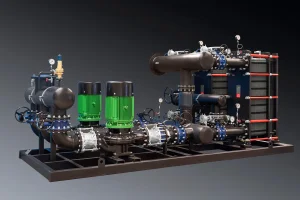
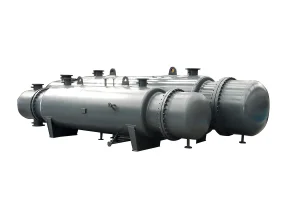
Concentric configurations, utilizing resilient seats such as EPDM or Nitrile, are ideal for lower pressure regimes where zero-leakage isolation is required. However, as high-temperature heating networks (often utilizing advanced heat exchanger units) demand continuous operation at temperatures exceeding 120°C and pressures up to PN25, high-performance offset configurations become necessary. These structures minimize seat friction during operation, significantly extending service intervals and ensuring bubble-tight shutoff in crucial plant junctions.
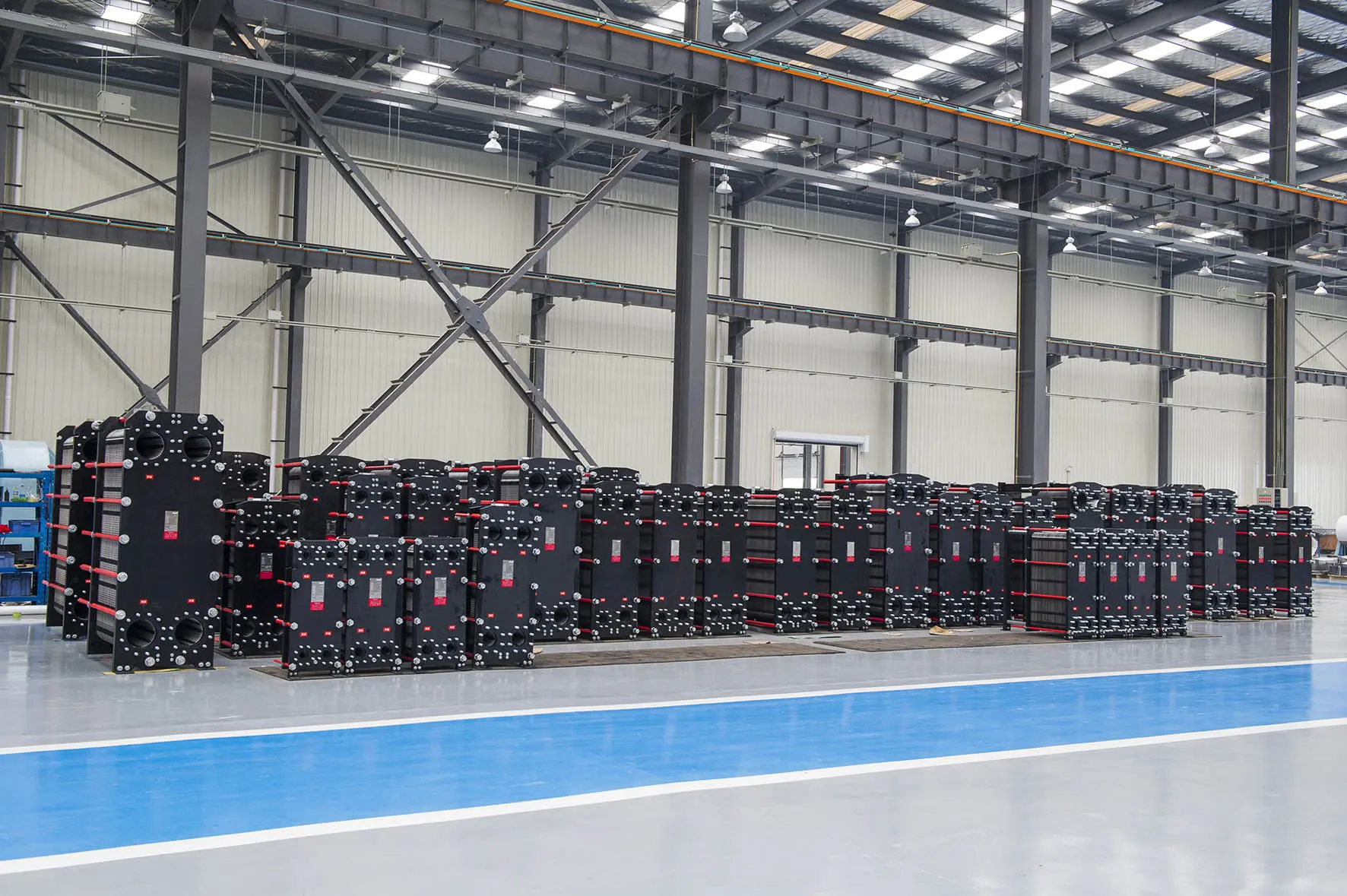
Analyzing how premium butterfly valves interact with thermal networks, intelligent balancing valves, and heat exchangers.
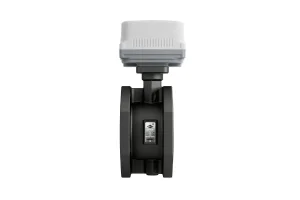
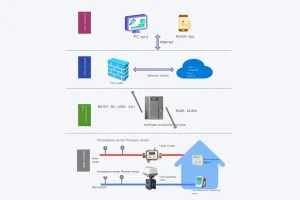
Industrial butterfly valves work in tandem with intelligent secondary network balancing valves to regulate pressure drops and volumetric flow rates, eliminating thermal imbalances in centralized district heating systems.
By pairing butterfly valve design with modular pneumatic or electrical actuators, systems can receive control loops directly from Room Temperature Collectors and central scada configurations.
High-grade stainless steel (304/316), specialized alloy discs, and robust coatings prevent premature cavitation, corrosion, and scale buildup in highly demanding industrial fluids.
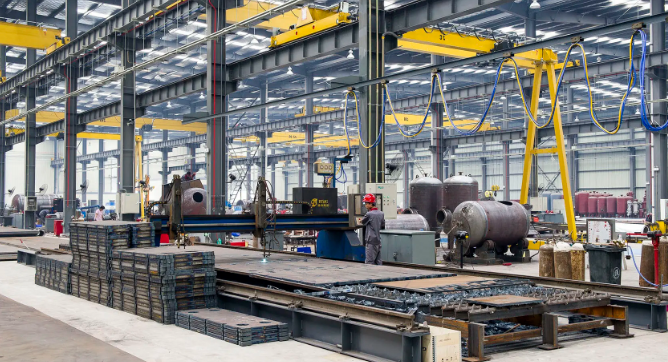
Sourcing flow control devices from a leading Chinese OEM and exporter like Flotte introduces significant structural advantages. Flotte, built upon a foundation dating back to Flotte Thermal Engineering in 1995 and formalized in 2013 with 101 million yuan in registered capital, manages the complete supply-demand chain. Our scale allows for direct procurement of raw materials, rigorous in-house micro-forging, CNC machining, and systematic pressure testing.
With an annual capacity of over 4,500 heat exchange units and ancillary valve equipment, our facility bridges the gap between high-volume manufacturing and precision engineering. This localized clustering of raw metal suppliers, advanced manufacturing tooling, and certified welding personnel translates into reduced lead times, competitive unit pricing, and robust structural integrity. This combination enables overseas projects to secure certified, reliable industrial hardware without compromising their project timelines.
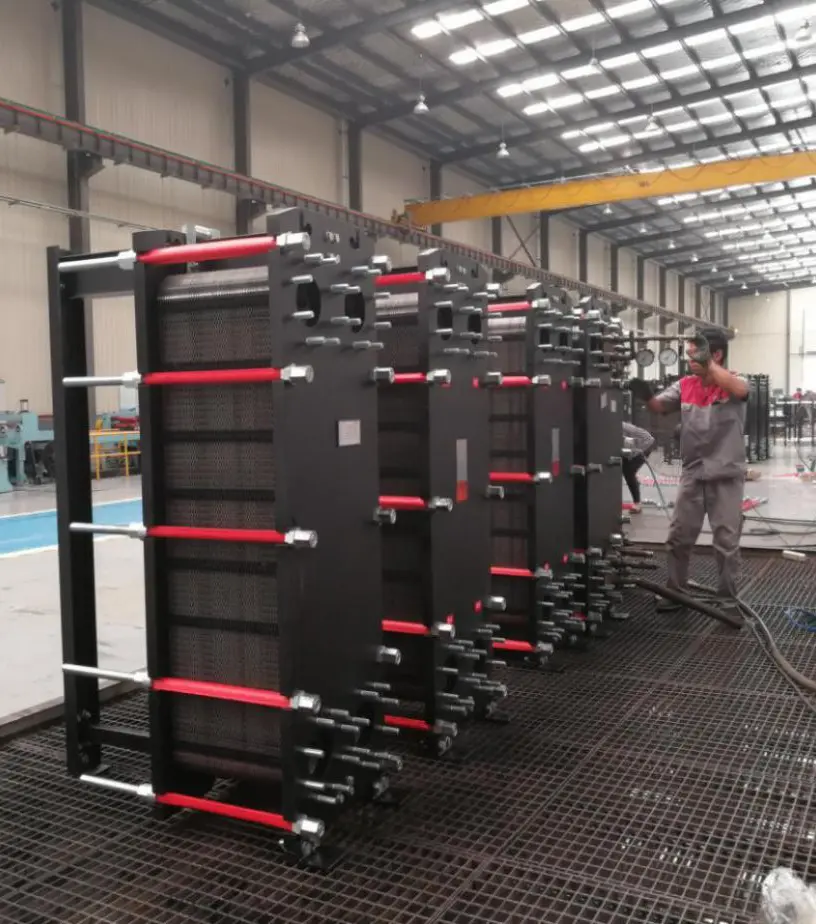
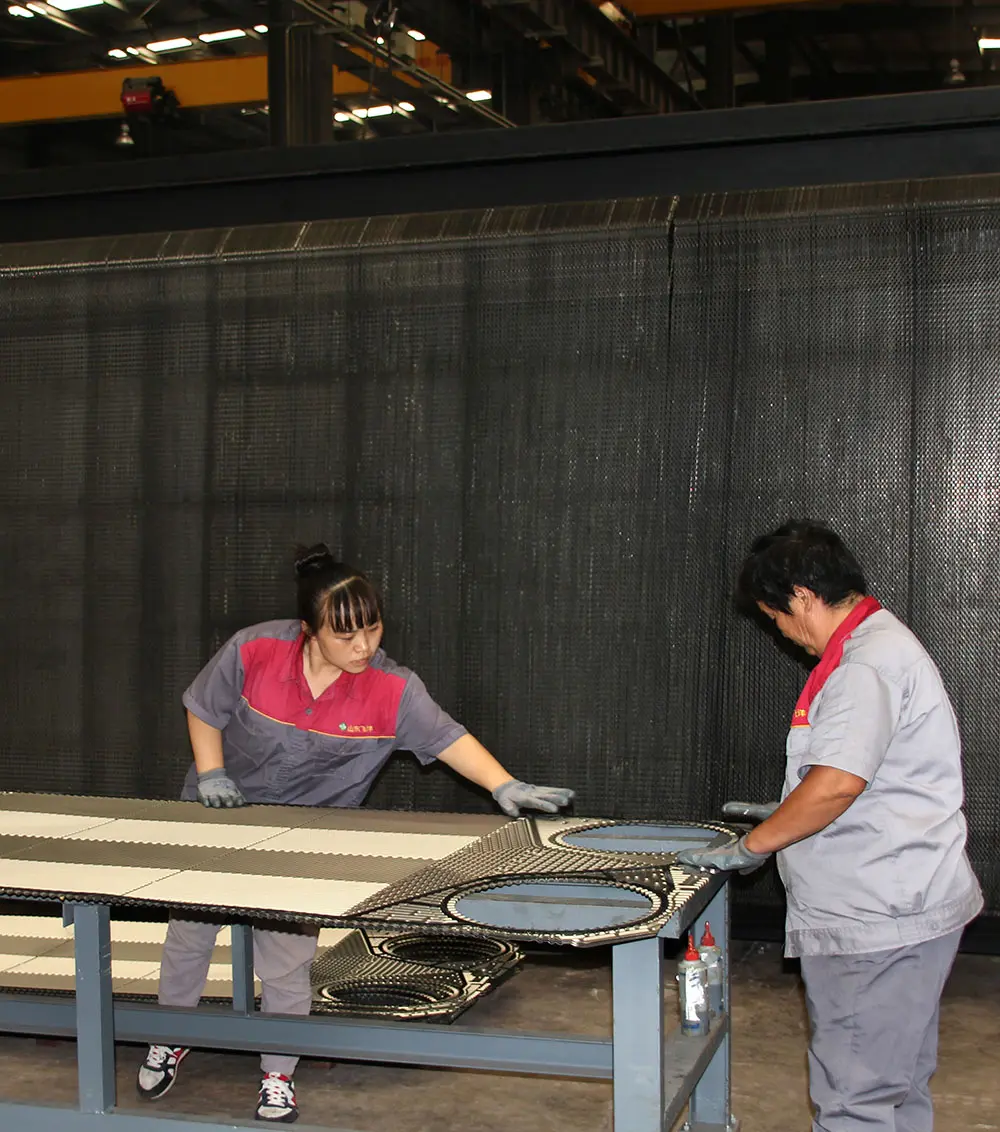
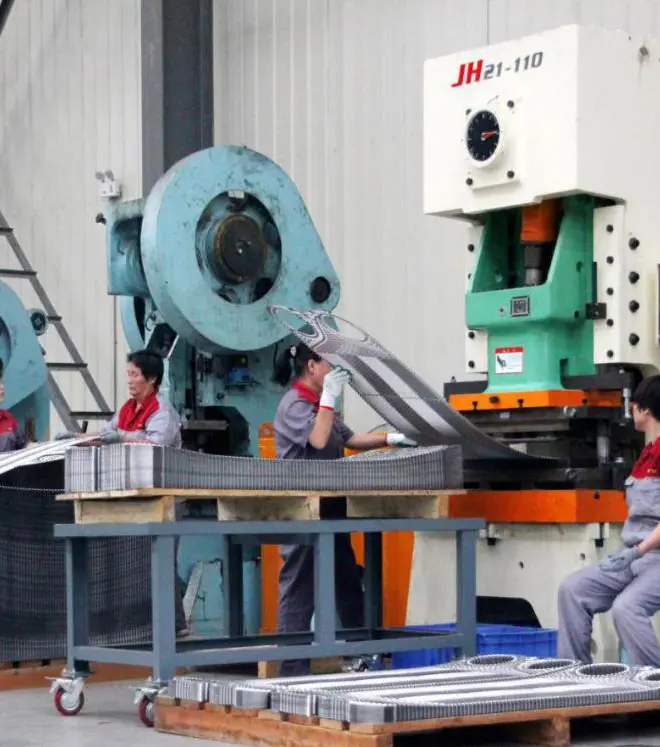
A transparent view of our quality control pipeline, illustrating our adherence to ISO 9001 and pressure vessel guidelines.
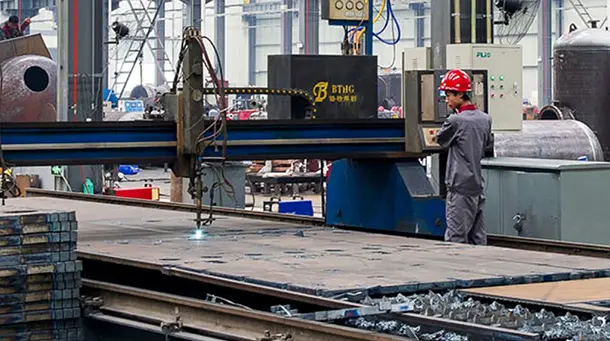
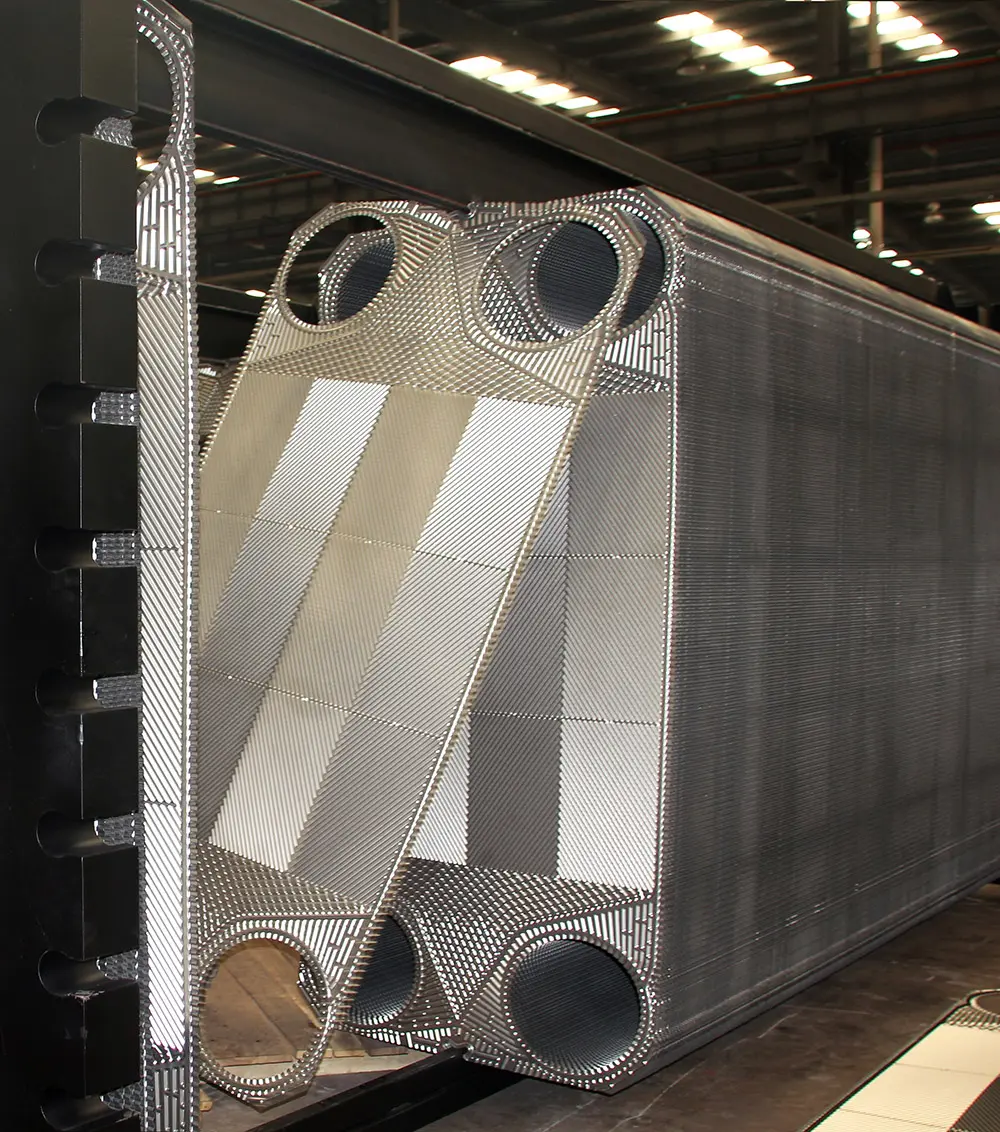
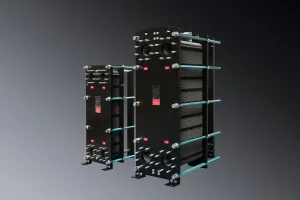
Modern procurement strategies require butterfly valves that satisfy both international standards (such as ASME, EN, and API) and regional environmental regulations. For example, in district heating retrofits across Northern Europe, valves must conform to strict thermal efficiency mandates. This is where the combination of Plate Heat Exchangers and intelligent balancing butterfly valves plays an essential role.
By regulating thermal distribution directly at the municipal source, energy wastage is minimized. In chemical and pharmaceutical manufacturing, fluid handling components must withstand aggressive cleaning chemicals and high process temperatures without degradation. Flotte meets these demands through its advanced metallurgical selection and rigorous testing protocols. This ensures our global clients receive specialized equipment tailored to their distinct operational environments.
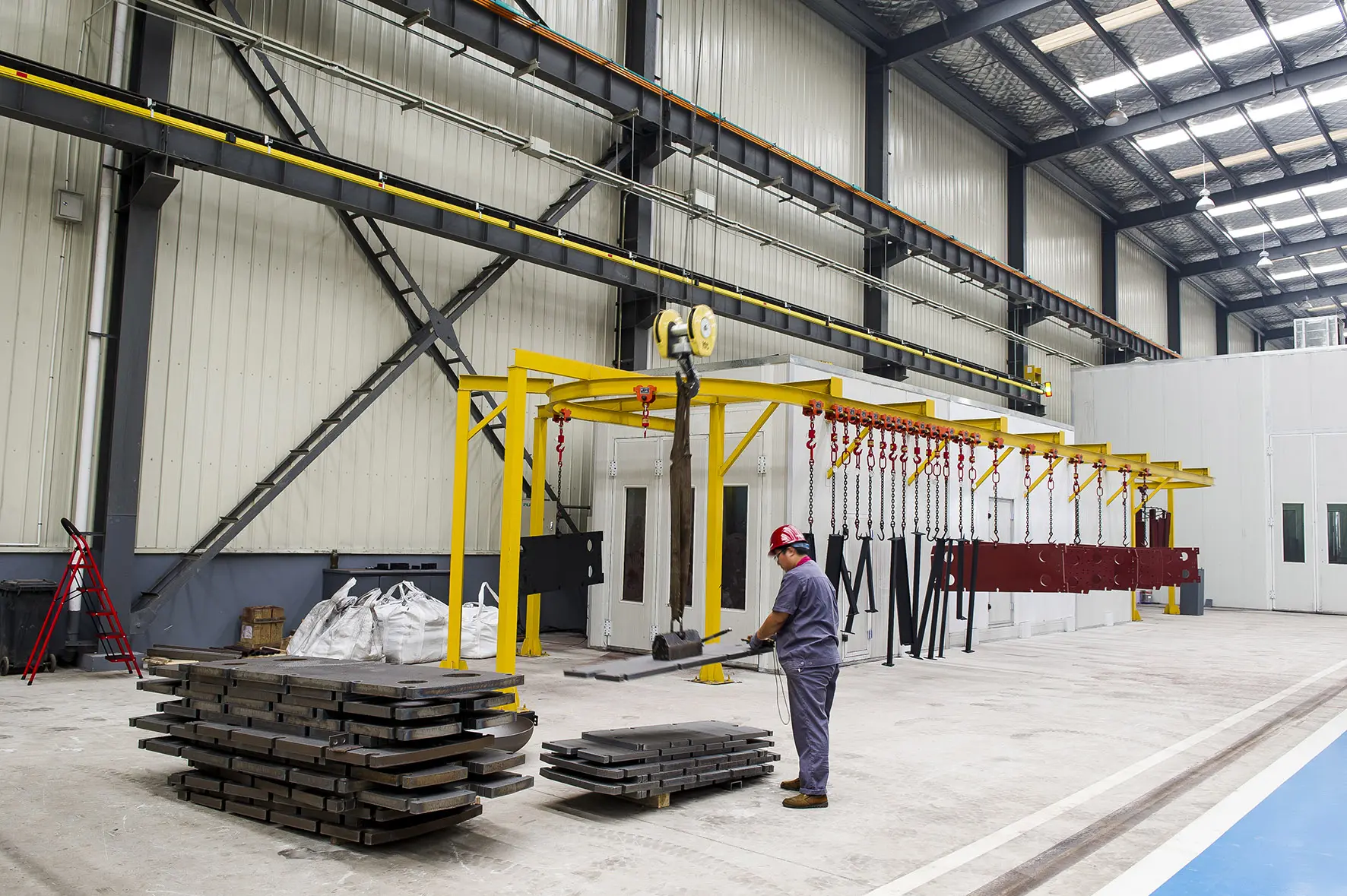
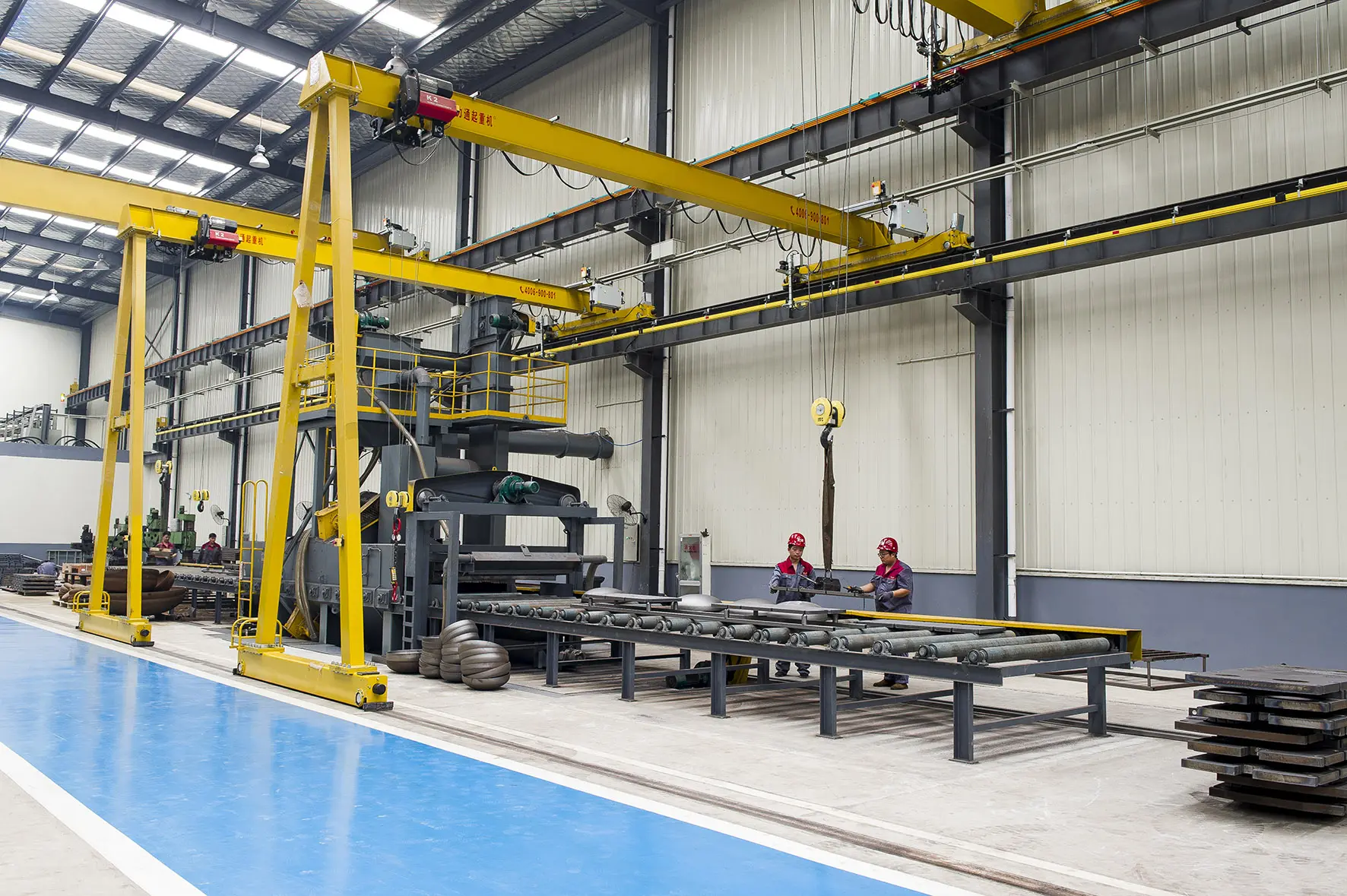
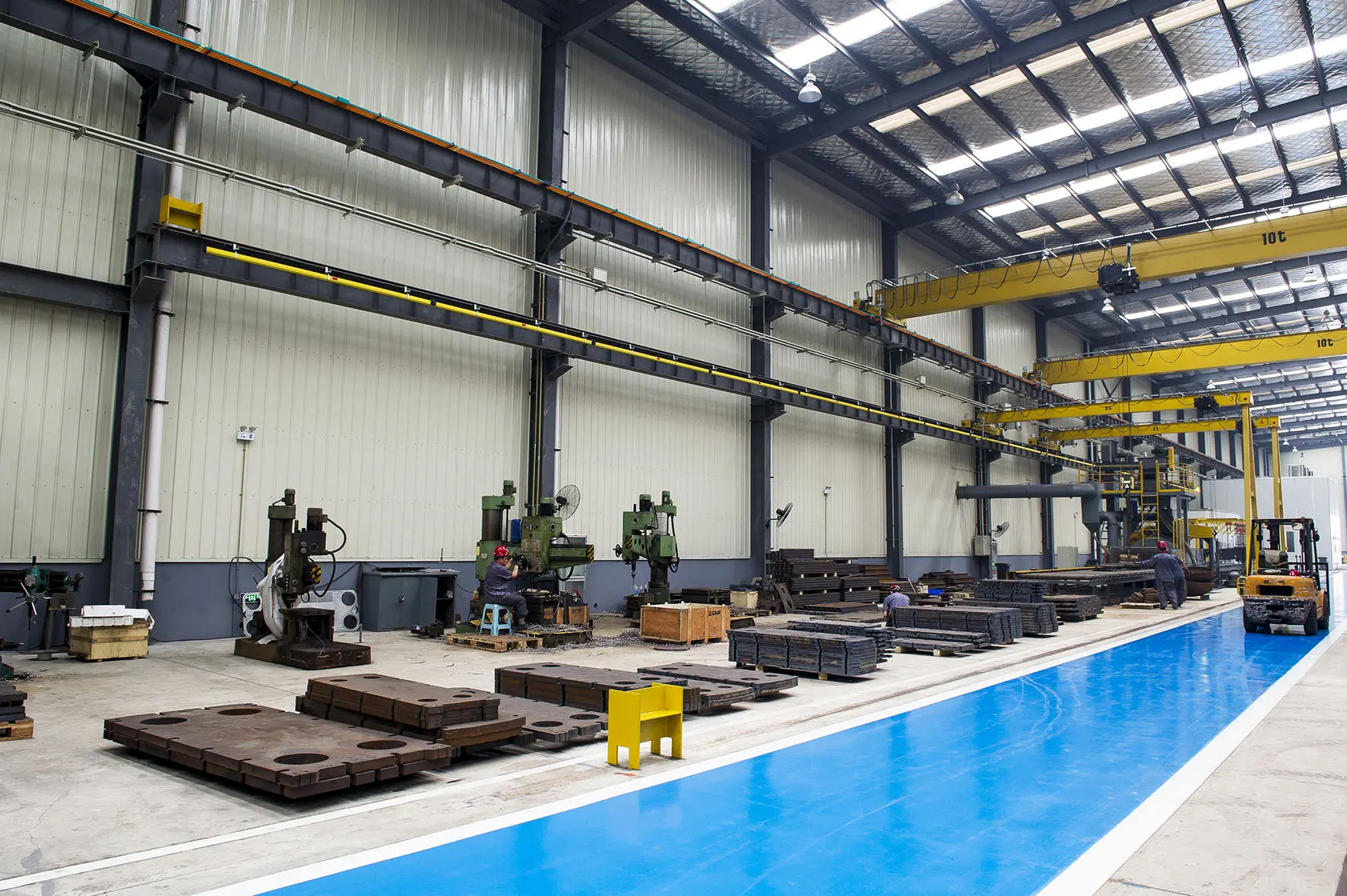

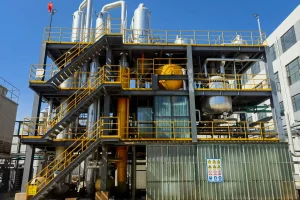
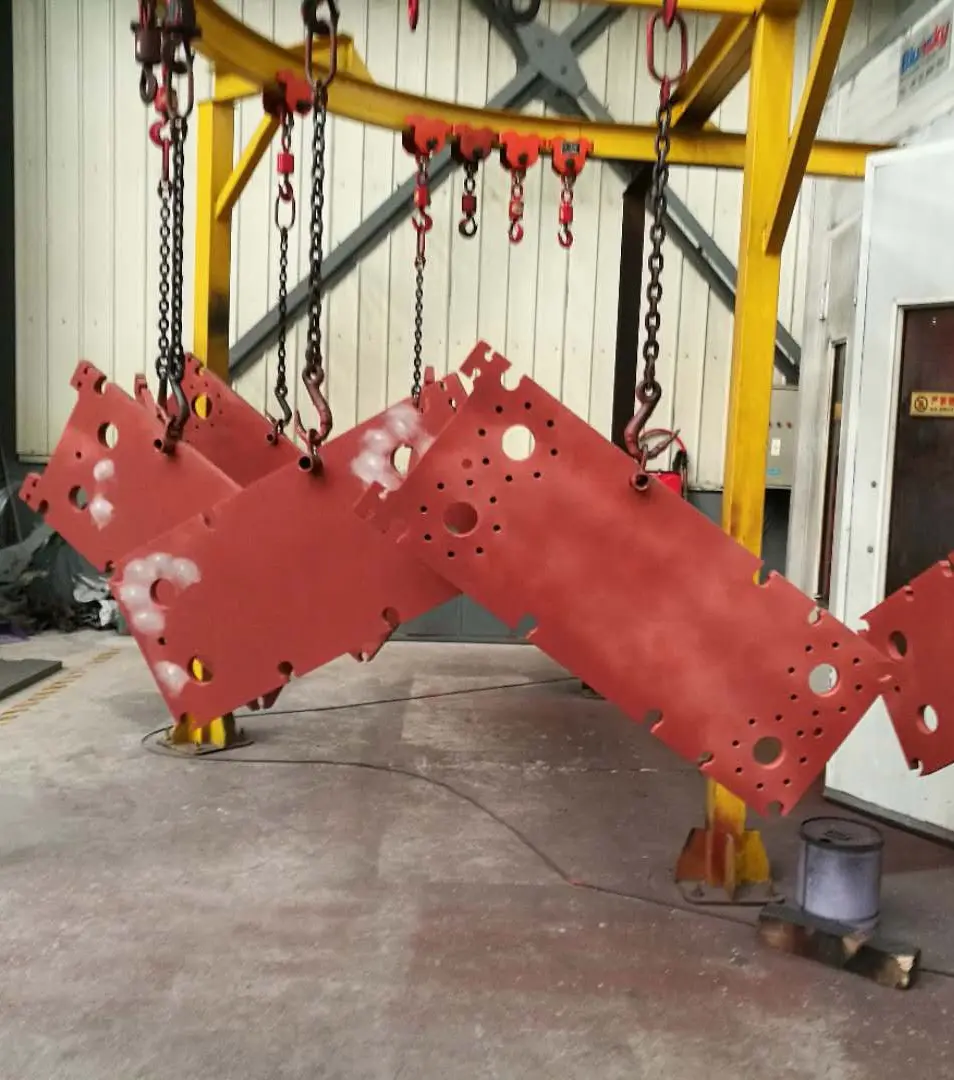
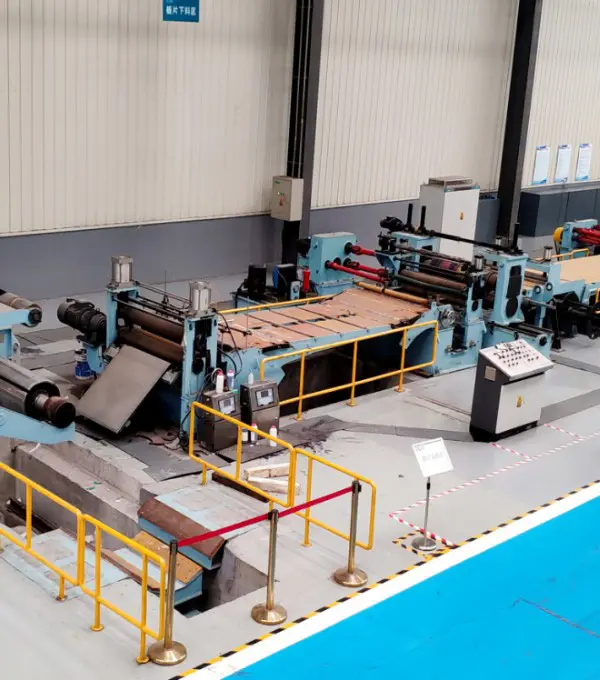
Our 70,000㎡ production facility is equipped to handle advanced fabrication, assembly, and quality verification.
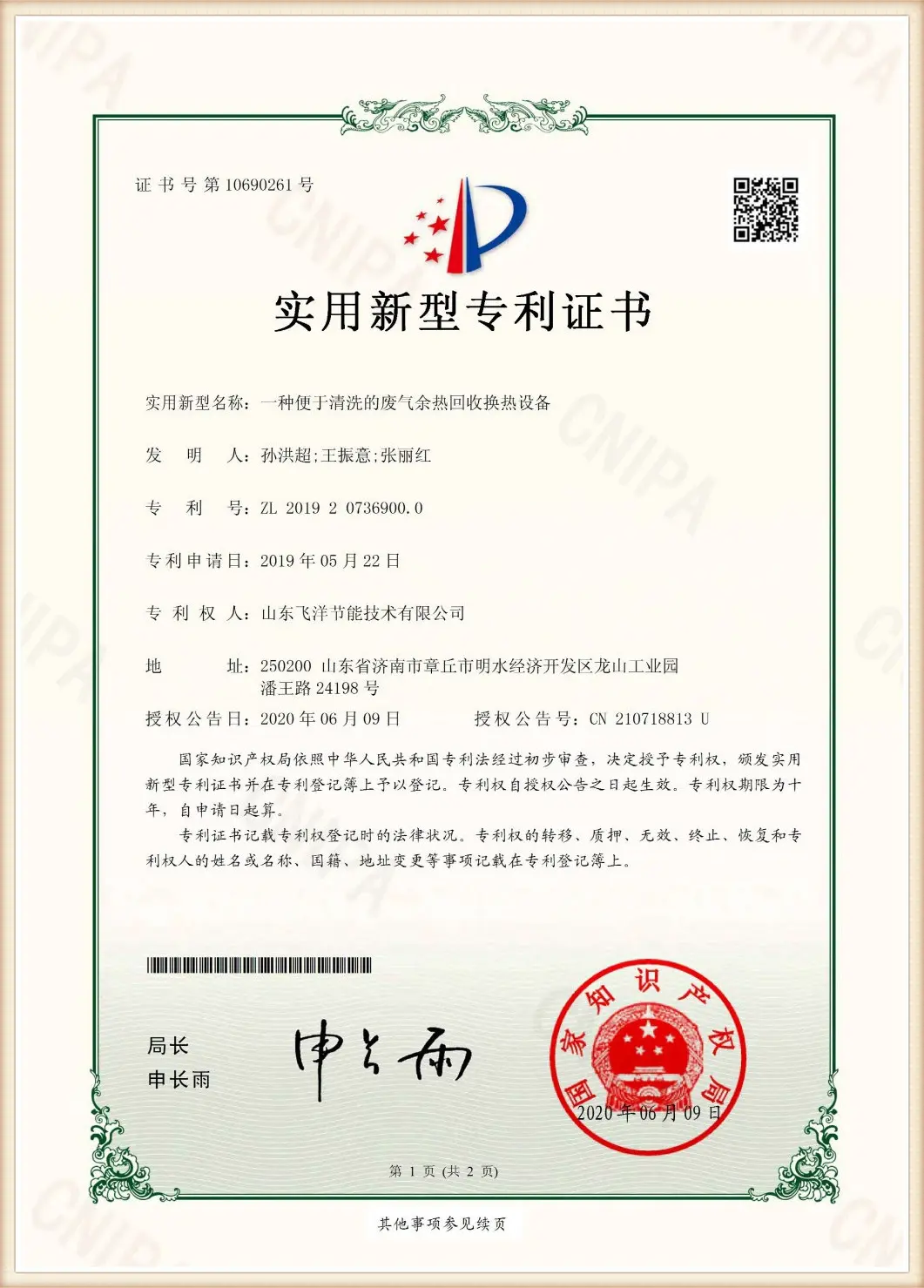
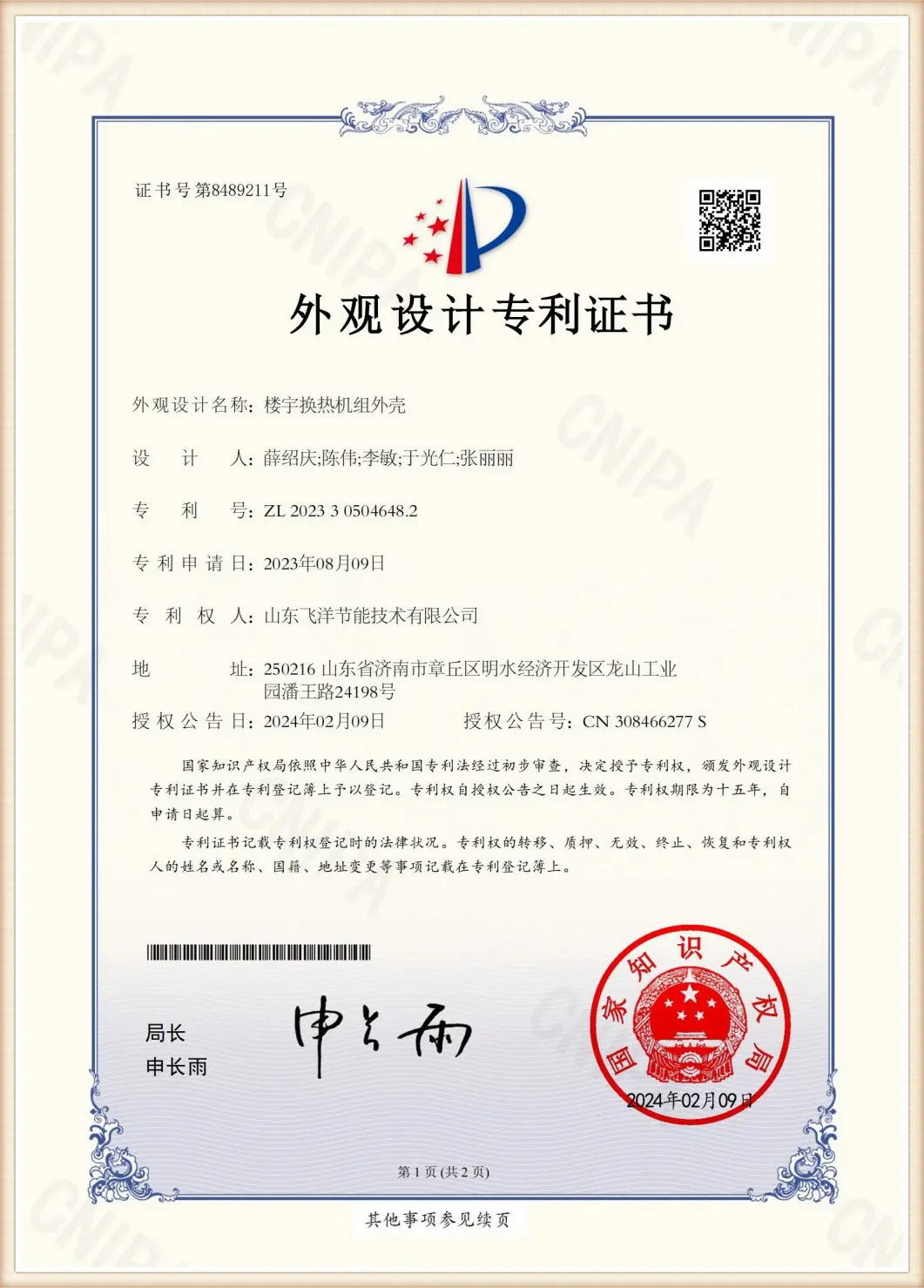
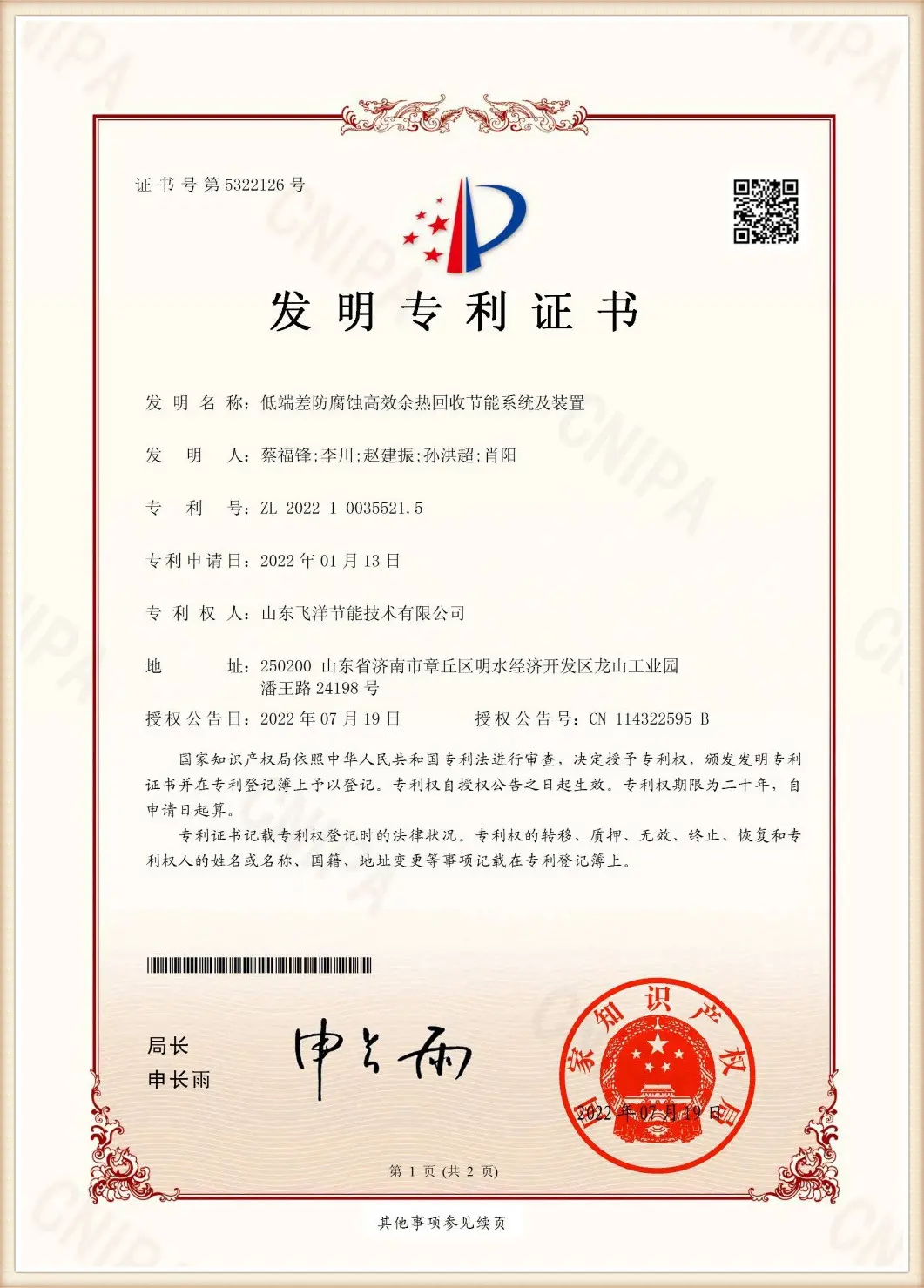
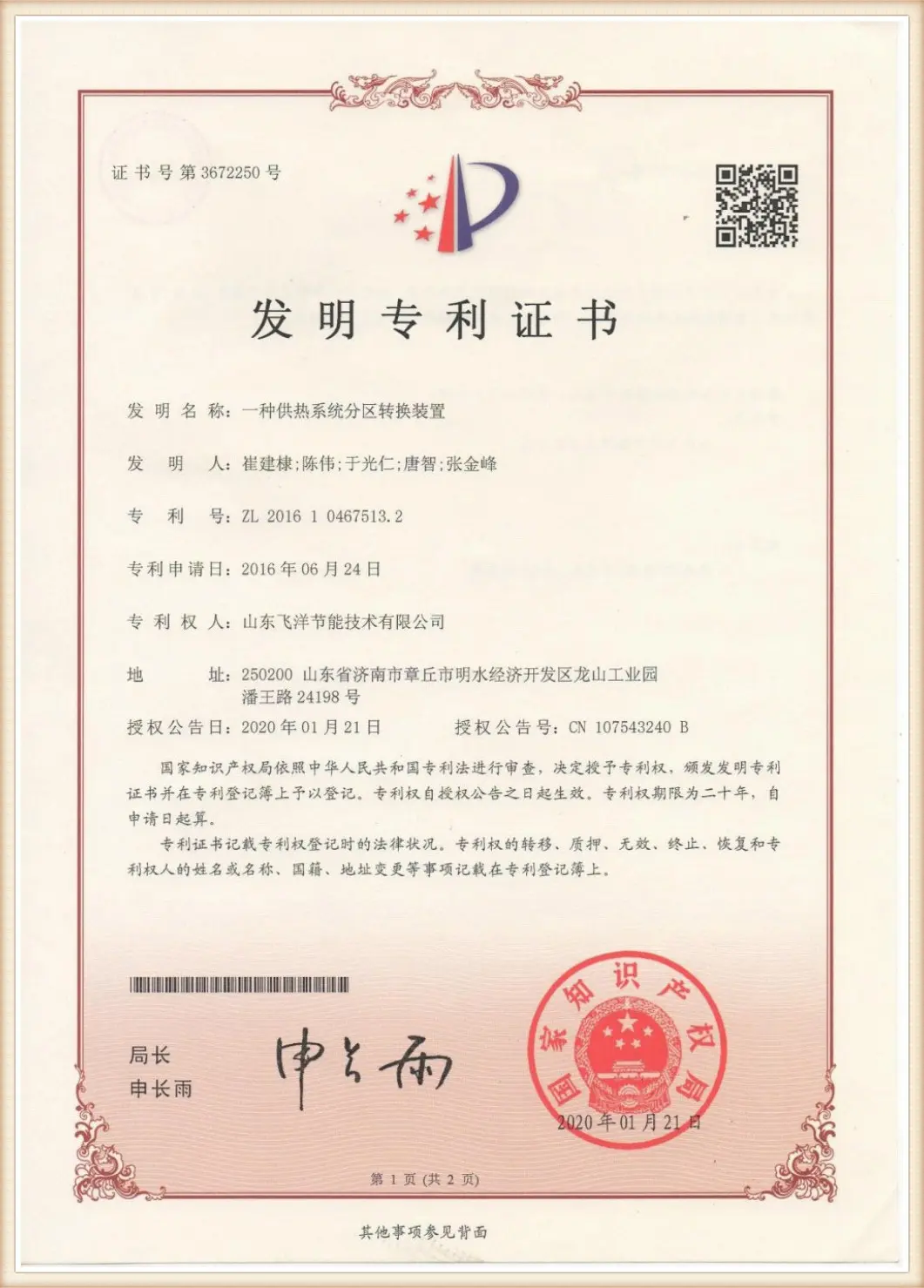
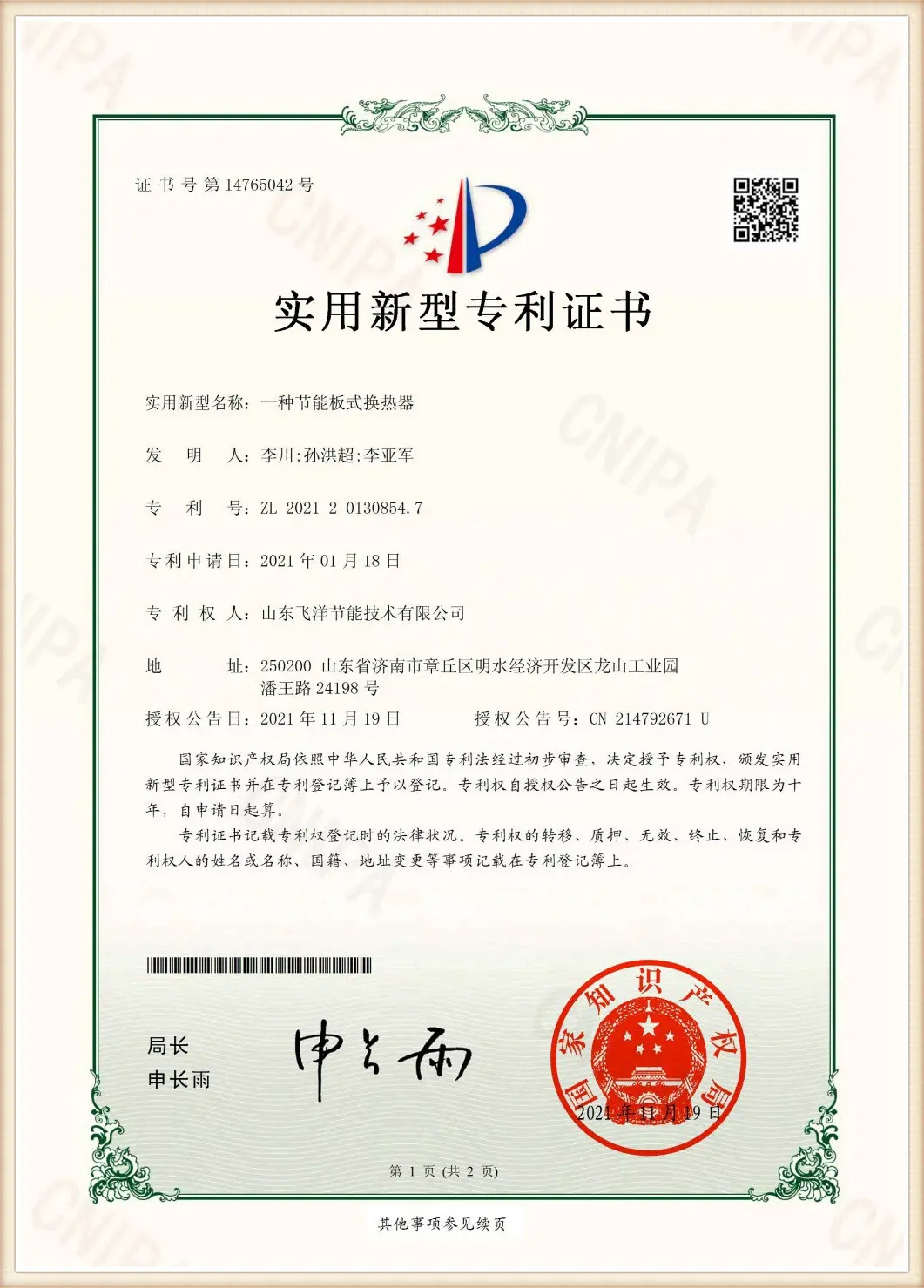
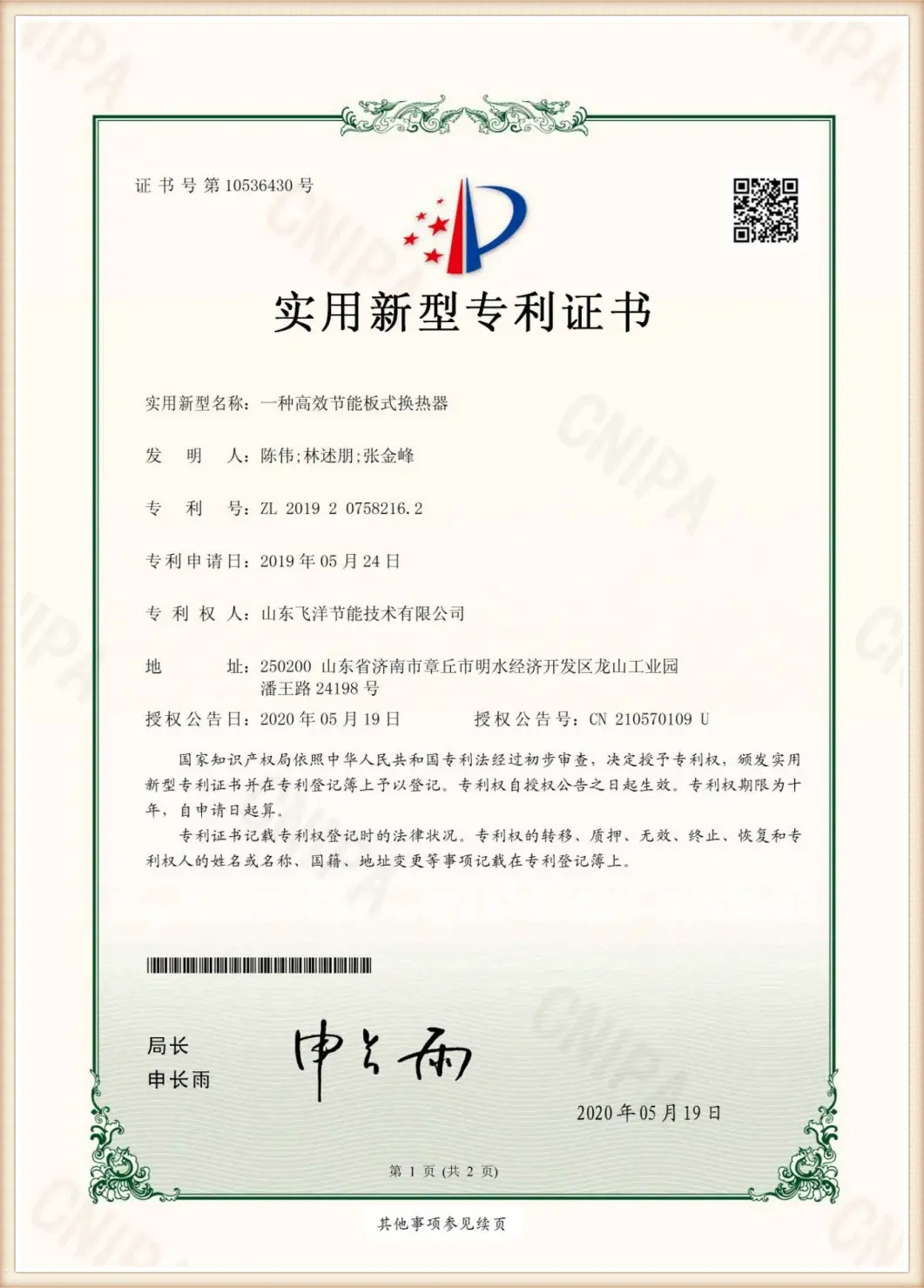
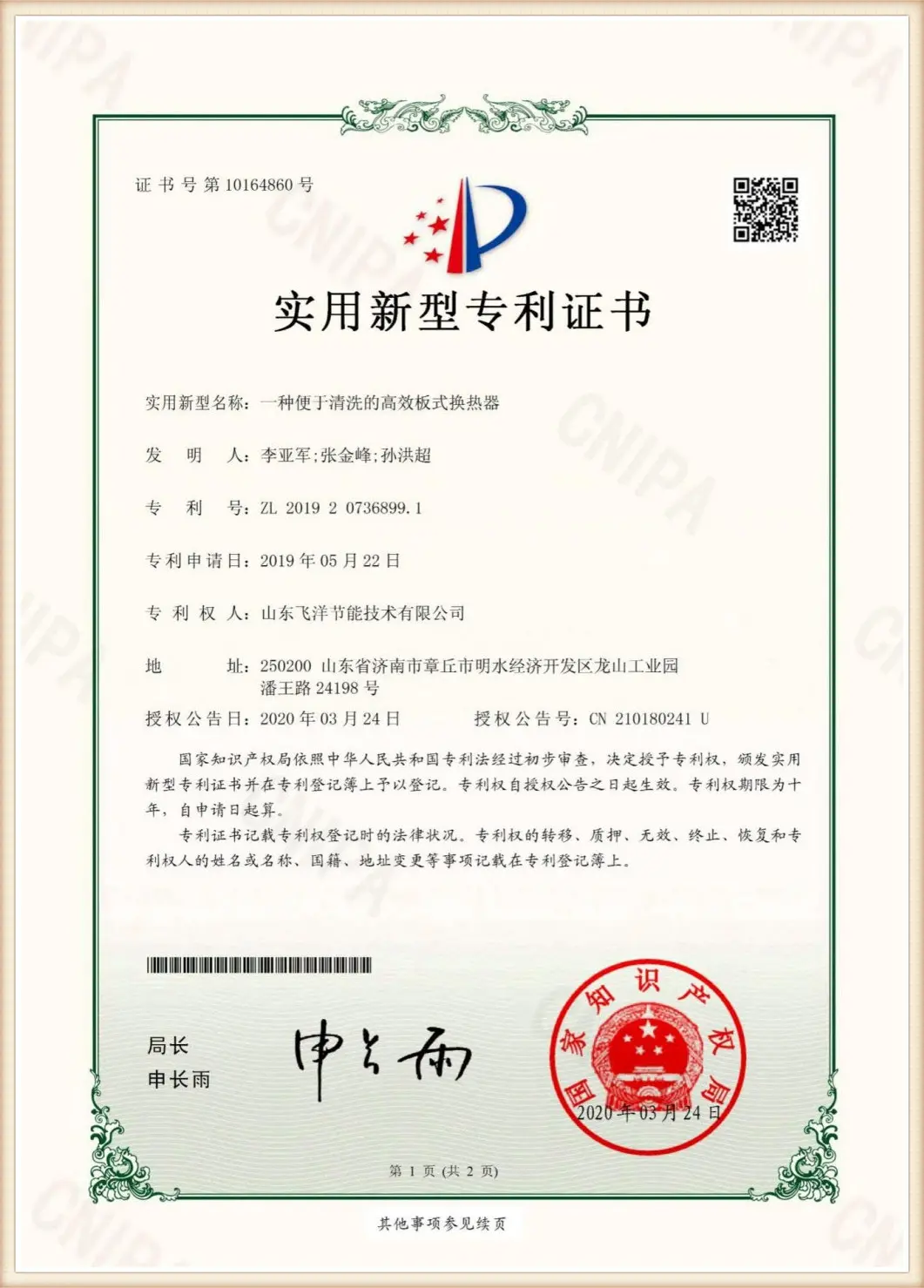
Our commitment to quality is backed by comprehensive international management standards and third-party inspection certifications.
Flotte products undergo rigorous mandatory inspections by national quality supervision authorities to ensure full compliance with global performance standards. Our production processes and quality control frameworks adhere closely to the ISO 9001:2015 International Quality Management System, the ISO 14001:2015 Environmental Management System, and the ISO 45001:2018 Occupational Health and Safety System.
Additionally, our heat exchange components and pressure system designs hold safety registrations issued by the National Boiler and Pressure Vessel Standardization Technical Committee. This technical and regulatory compliance ensures that each butterfly valve, balancing system, and modular unit integrates smoothly into municipal and industrial operations worldwide.
Expert insights on butterfly valve specification, fluid dynamics, procurement, and system integration.
The main purpose of a butterfly valve is to regulate or isolate fluid flow within a piping system. Featuring a disc that rotates on a central shaft, these valves offer quick quarter-turn operation. They are widely used across HVAC, power generation, water distribution, and process plants due to their light weight, low cost, and compact design relative to gate or globe valves.
Concentric designs are typically used for low-pressure, low-temperature services with resilient seats. Double and triple offset designs are preferred in high-pressure, high-temperature, or corrosive media applications. Their offset geometry reduces contact between the seal and the disc during travel, minimizing seat wear, lowering operating torque, and enabling reliable metal-to-metal sealing suitable for steam lines or severe service conditions.
In modern district heating systems, high-duty butterfly valves function as crucial throttling and isolation units at the heat exchange stations. By integrating electric or pneumatic actuators, these valves respond to control signals from balancing networks. This allows for precise thermal distribution and optimized volumetric flow rates across complex municipal infrastructure.
High-performance valves must conform to international standards such as API 598 for valve inspection and testing, API 609 for butterfly valve dimensions, and EN 12266 for industrial steel valve testing. Manufacturers must maintain a certified ISO 9001 quality management system, along with pressure vessel design safety clearances from bodies like the Boiler and Pressure Vessel Standardization Committee.
Ensure seamless hydraulic balance and robust energy efficiency with our complete system integrations.
 Flotte Energy