Decades of Advanced Thermal Management and Water Equipment Services
Flotte Energy Saving Company, established in 2013 with a registered capital of 101 million yuan, originated from Flotte Thermal Engineering founded in 1995. With three decades of technical expertise, the company specializes in water equipment, HVAC systems, and water treatment industries. It consistently leads industry peers in adopting cutting-edge technologies, developing innovative products, and delivering comprehensive production and sales services.
Over the years, Flotte has integrated sophisticated thermodynamic principles with contemporary structural design to offer optimized solutions. From municipal district heating networks to specialized pharmaceutical concentration applications, our engineering depth allows us to bridge the gaps in high-efficiency design. Our status as a national high-tech manufacturing leader ensures that our custom heat exchange systems deliver continuous reliability across critical parameters.
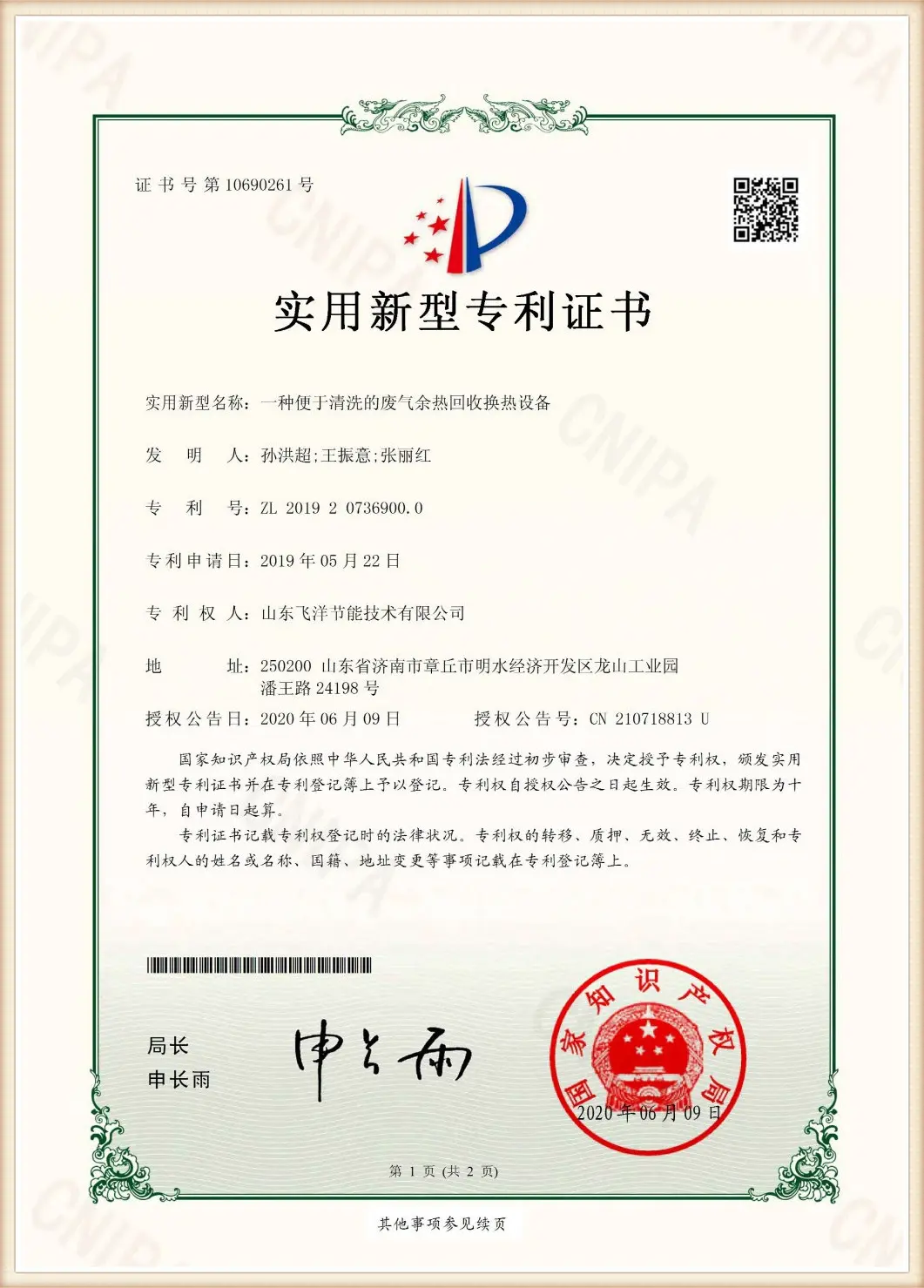
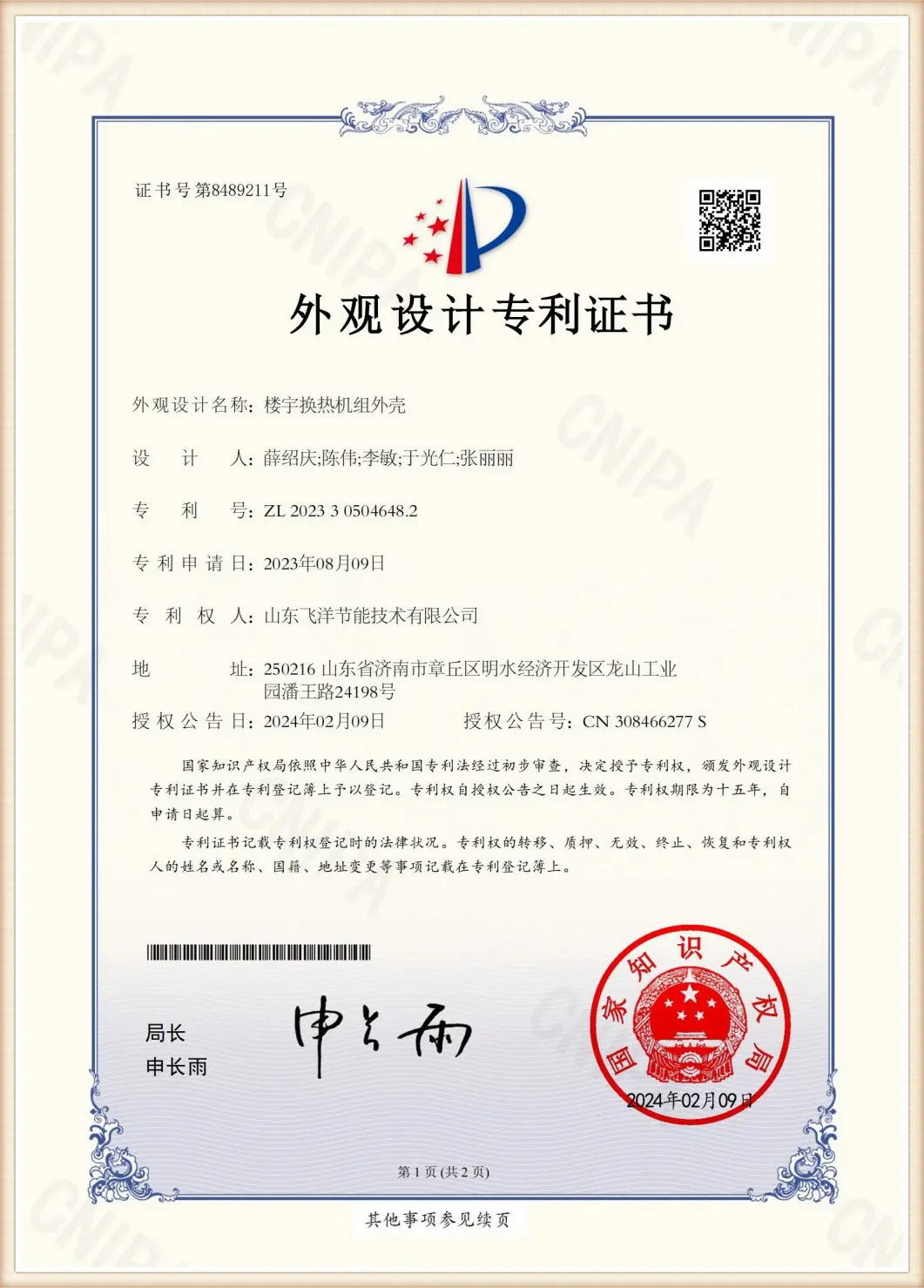
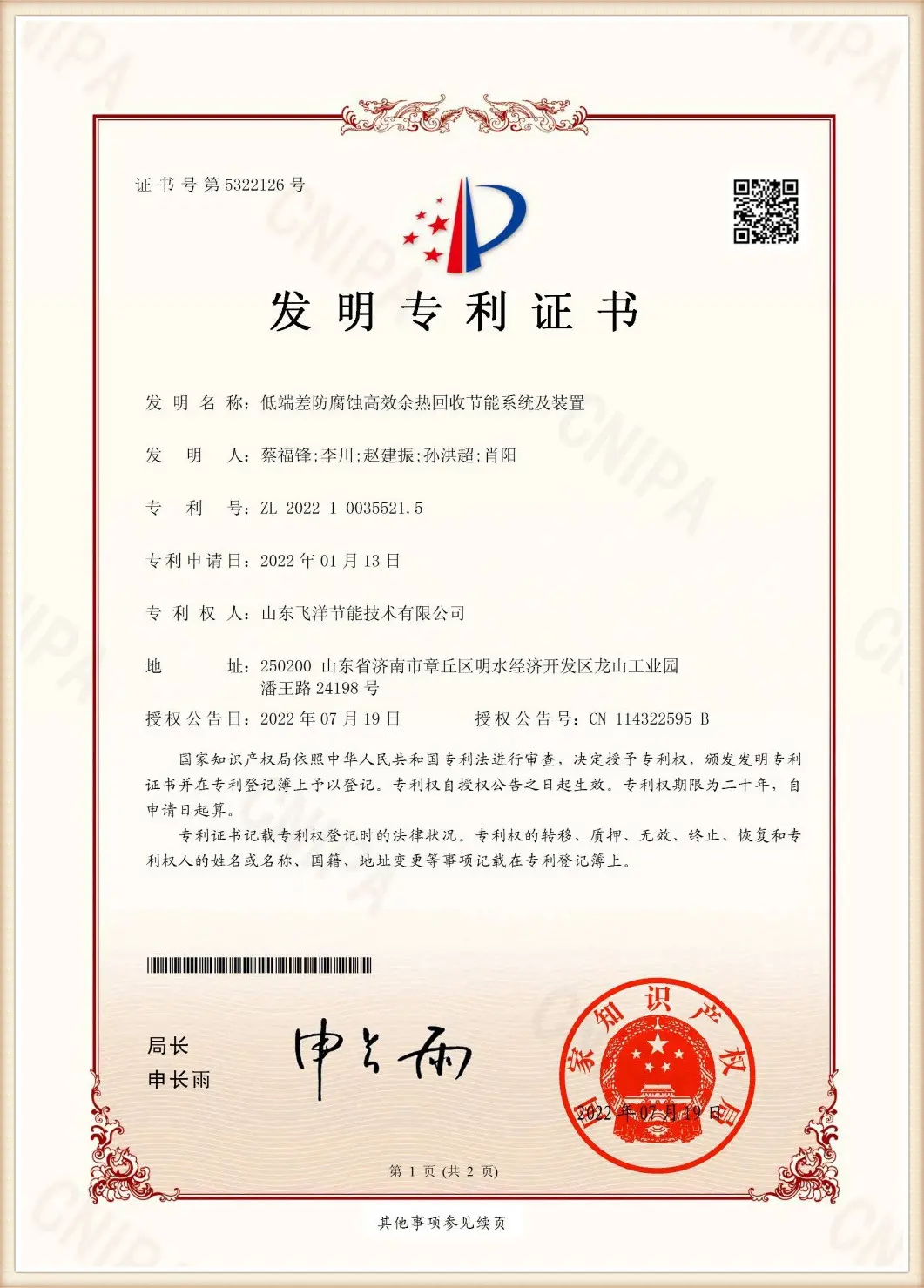
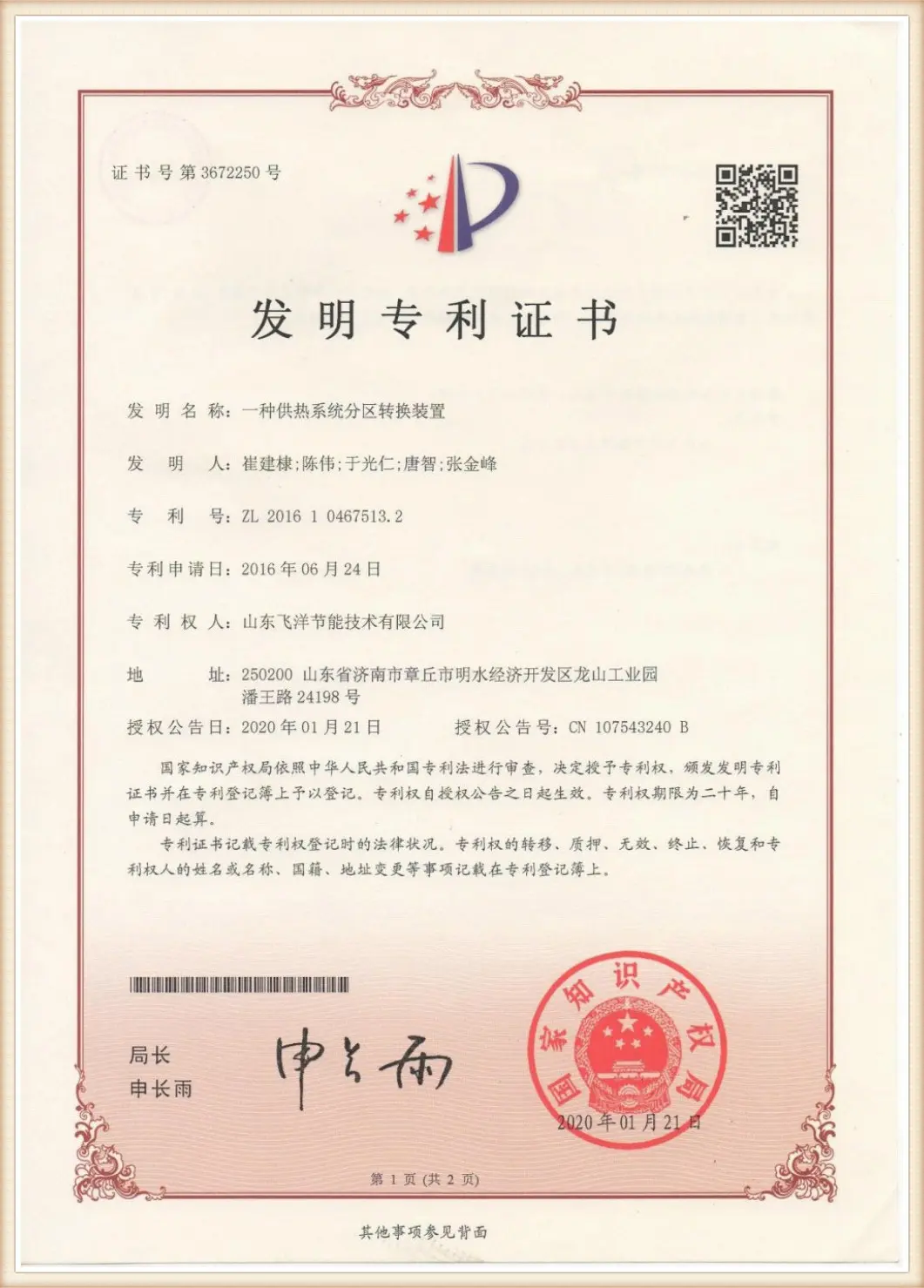
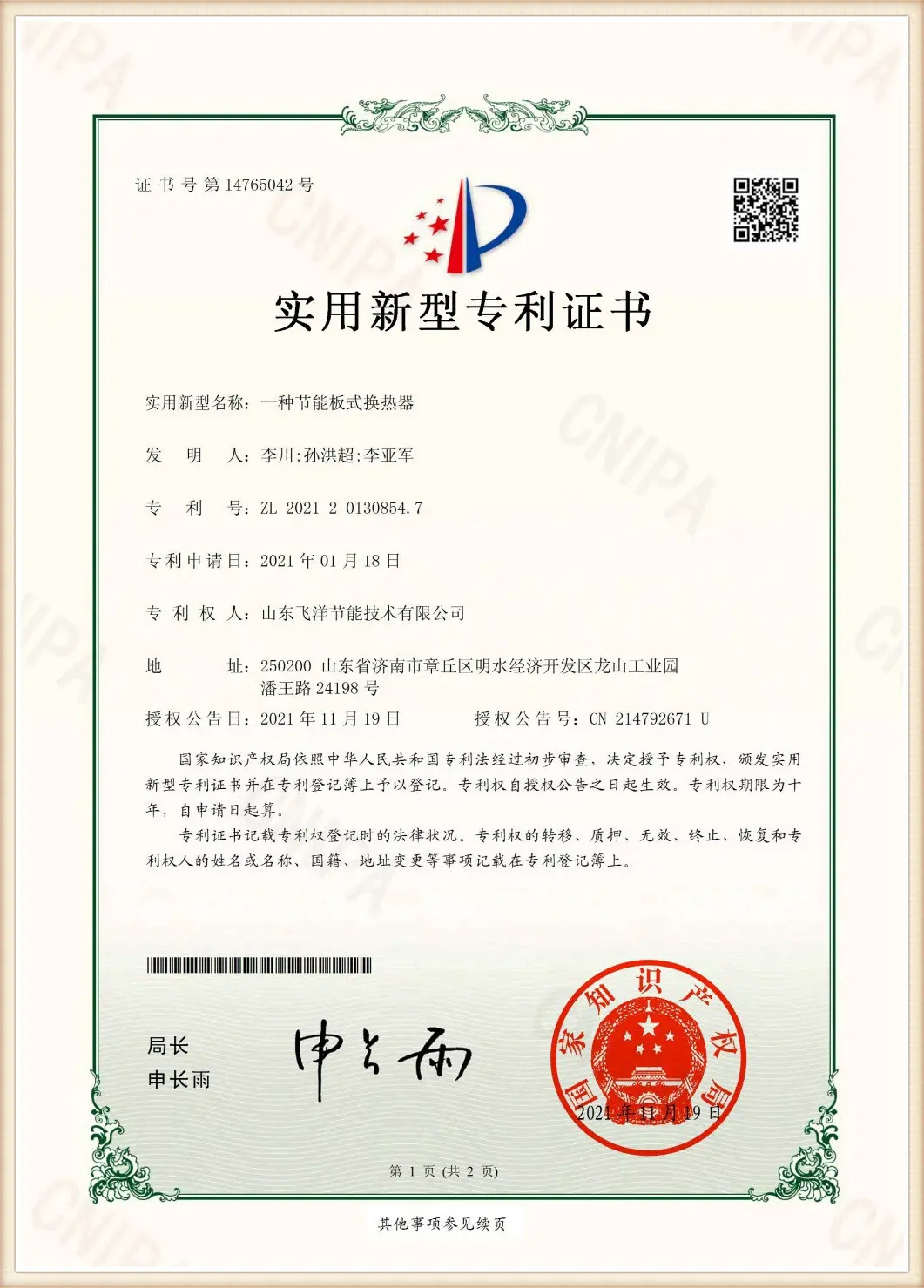
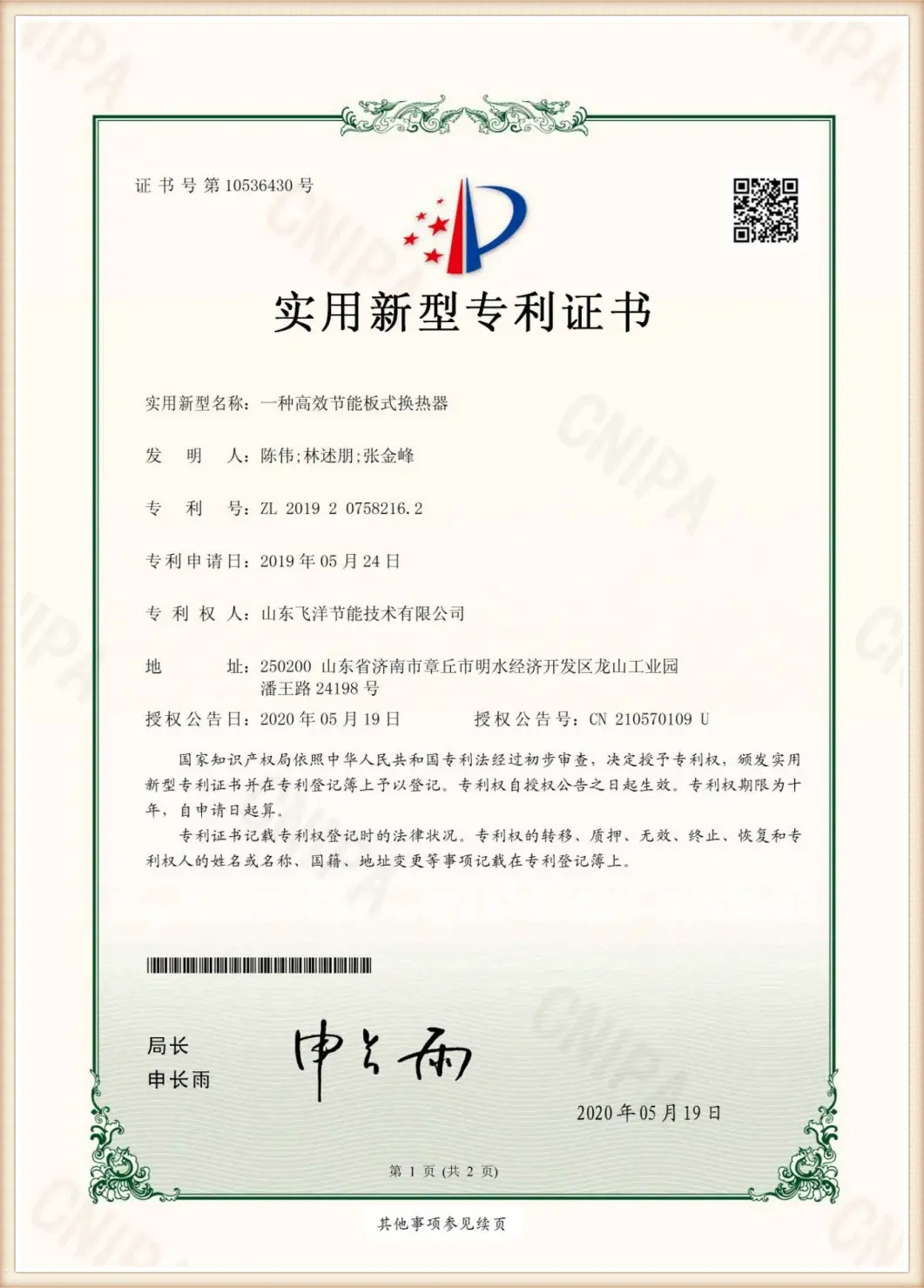
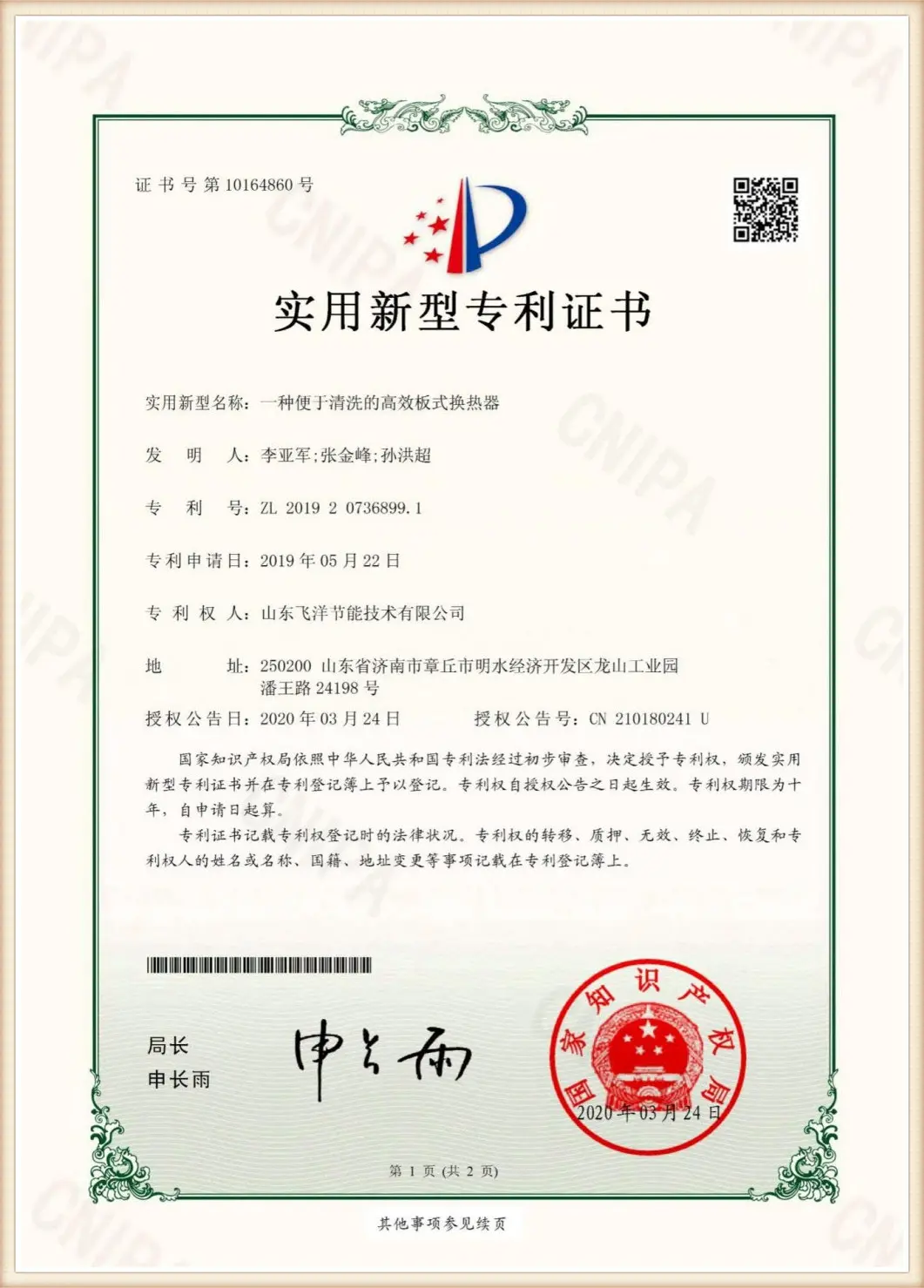
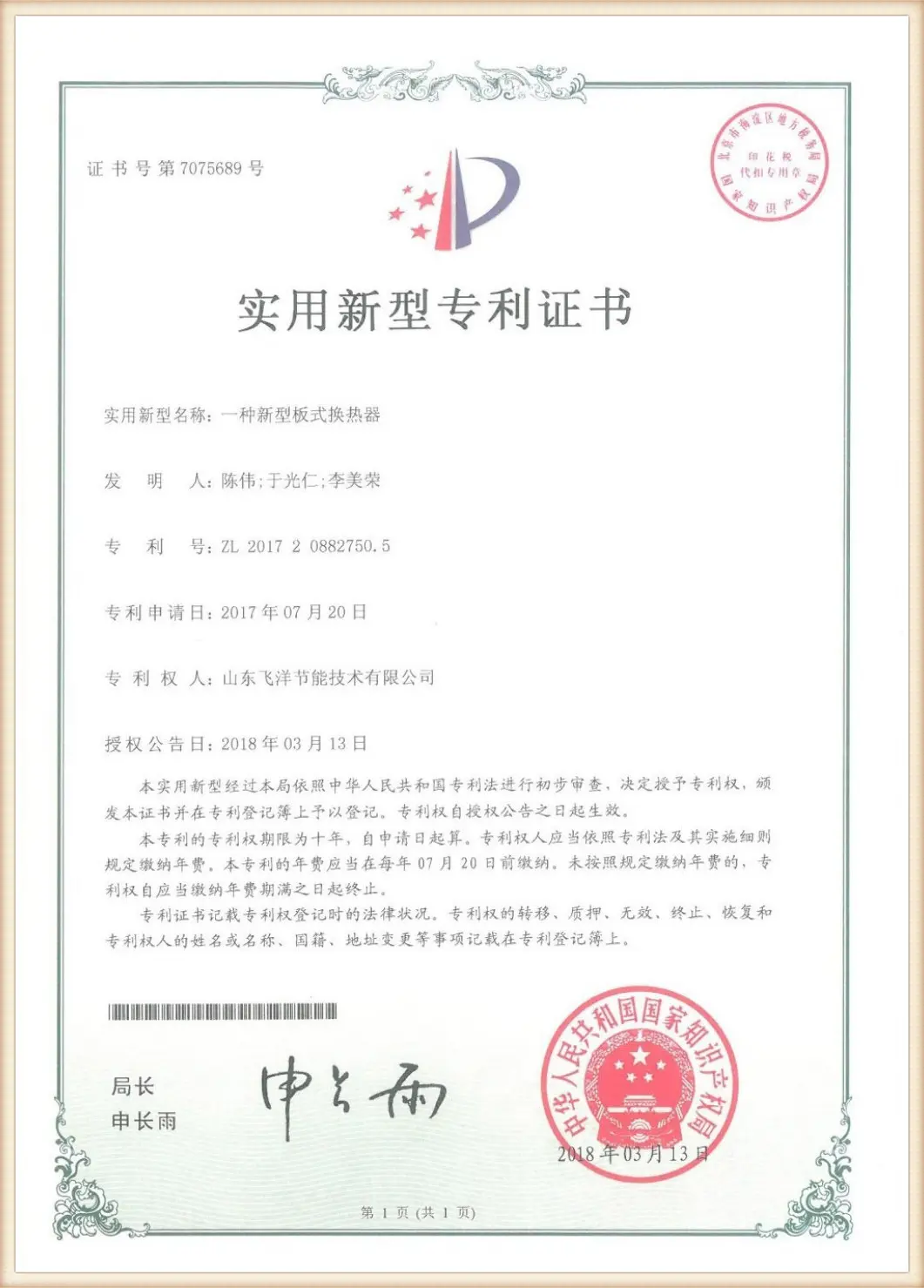
Holding key patents including "High-Efficiency Plate Heat Exchanger" and "Intelligent PHE Systems".
Compliant with ISO9001:2015, ISO14001:2015, ISO45001:2018, and national pressure vessel standards.
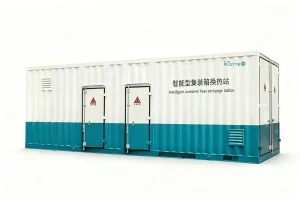
One-stop services for modular heating stations, intelligence monitoring units, and water treatment.
Exporting to major global markets with certified custom solutions and robust global supply chain.
Understanding the differences in thermodynamics, pressure capacity, scale resistance, and structural layout is vital for large-scale engineering procurement.
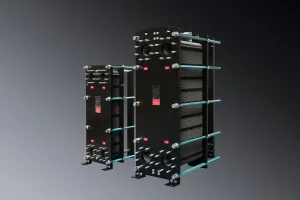
Mechanics & Fluid Dynamics: Plate Heat Exchangers leverage thin, pressed metal plates arranged in a pack to transfer heat. The plates are stamped with specific patterns—often a chevron or herringbone geometry—which induce highly turbulent fluid flow even at low velocities. This turbulence disrupts the thermal boundary layer, boosting the heat transfer coefficient ($U$-value) to three to five times that of standard shell and tube designs.
Temperature Approach & LMTD: PHEs excel in applications requiring a close temperature approach (Logarithmic Mean Temperature Difference correction factor close to 1). They can handle cross-over flows where the cold fluid exit temperature exceeds the hot fluid outlet temperature, with approaches as small as 1°C. This makes them the primary choice for district heating networks, geothermal systems, and high-efficiency HVAC solutions.
Flexibility & Footprint: PHEs feature a highly modular design. The heat exchange surface area can be modified post-installation by adding or removing plates. Because of the compact plate arrangement, they require only 20% to 30% of the floor space and represent only 10% to 15% of the weight of a Shell & Tube unit of equivalent capacity.
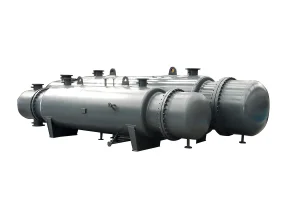
Mechanics & Extreme Robustness: Shell and Tube Heat Exchangers route one fluid through a bundle of parallel tubes (tube side) while the second fluid is directed through the surrounding shell (shell side). The mechanical design uses heavy cylindrical pressure vessels, allowing the units to withstand extreme operating pressures (often exceeding 100 bar) and temperatures above 600°C.
Thermal Expansion & Structural Reliability: The robust structural configuration allows the S&THE to handle significant thermal shock and differential expansion between the shell and tube bundle. By utilizing U-tube configurations or floating tubesheets, the structure can expand freely without introducing fatigue points. They are favored in thermal power generation, petroleum refining, and volatile chemical synthesis.
Fouling and Mechanical Cleaning: While S&THEs have a lower heat transfer coefficient and require a larger footprint, their open, straight-tube design allows for straightforward mechanical cleaning, making them highly suited for handling fluids containing suspended solids, slurries, or high-viscosity chemicals.
| Performance Metrics | Plate Type Heat Exchangers (PHE) | Shell and Tube Heat Exchangers (S&THE) |
|---|---|---|
| Heat Transfer Coefficient (U-value) | Very High (3,000 to 7,000 W/m²K) | Moderate (500 to 2,500 W/m²K) |
| Operational Pressure Limit | Typically up to 25-30 bar (Detachable type) | Extremely High (unlimited, up to 100+ bar) |
| Max Operating Temperature | Up to 180°C (restricted by gasket elastomer) | Up to 600°C+ (restricted only by metallurgy) |
| Close Temperature Approach | Excellent (down to 1°C) | Limited (typically > 5°C to 10°C) |
| Footprint and Weight | Very compact, lightweight (1/5 of Shell & Tube) | Large footprint, heavy structural weight |
| Fouling Tendency | Low due to high fluid turbulence self-cleaning | Moderate to High; relies on fluid velocity control |
| Customization & Scalability | Easily expandable by adding plates | Fixed surface area; requires complete redesign |
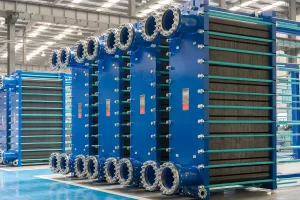
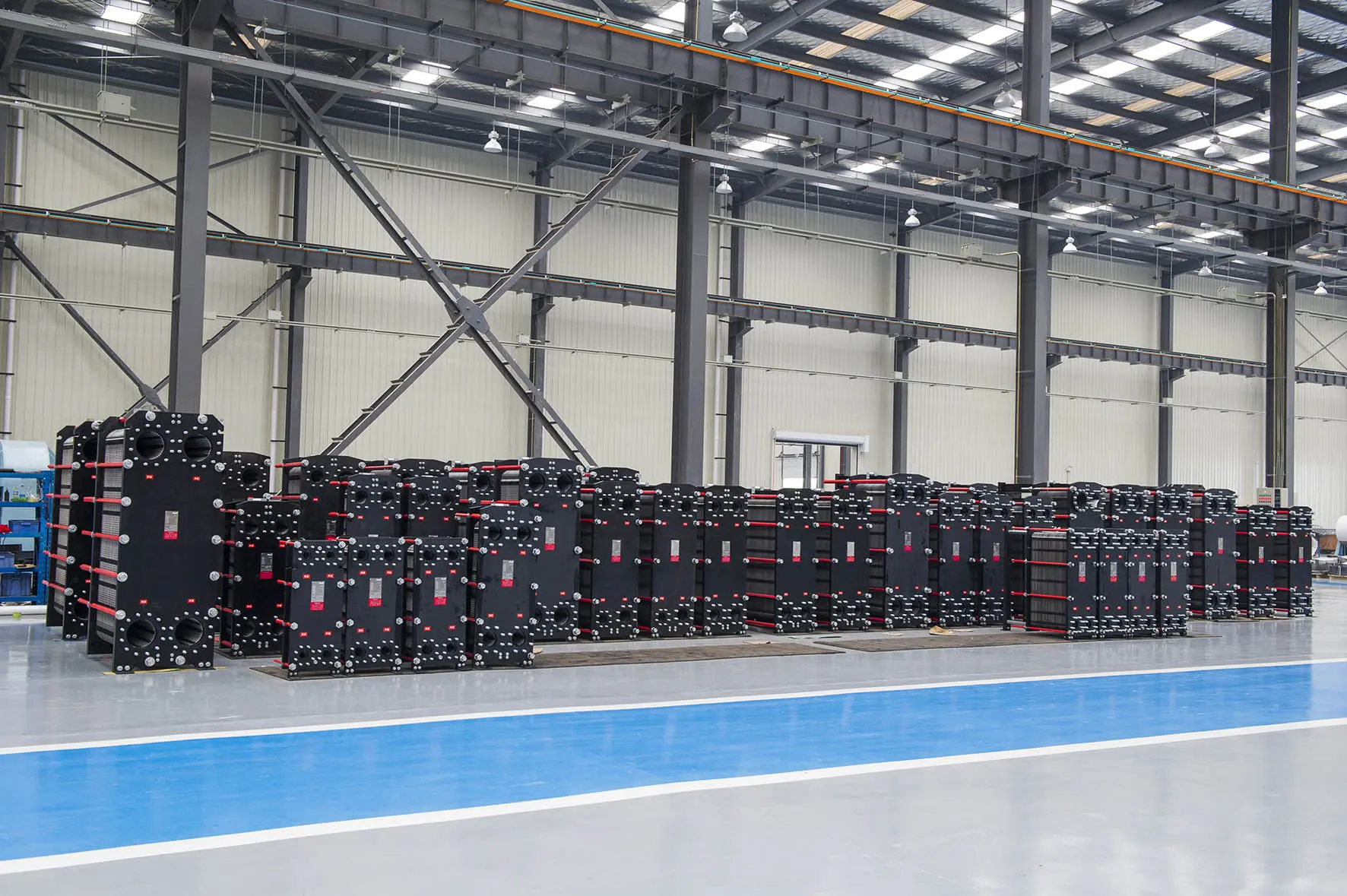
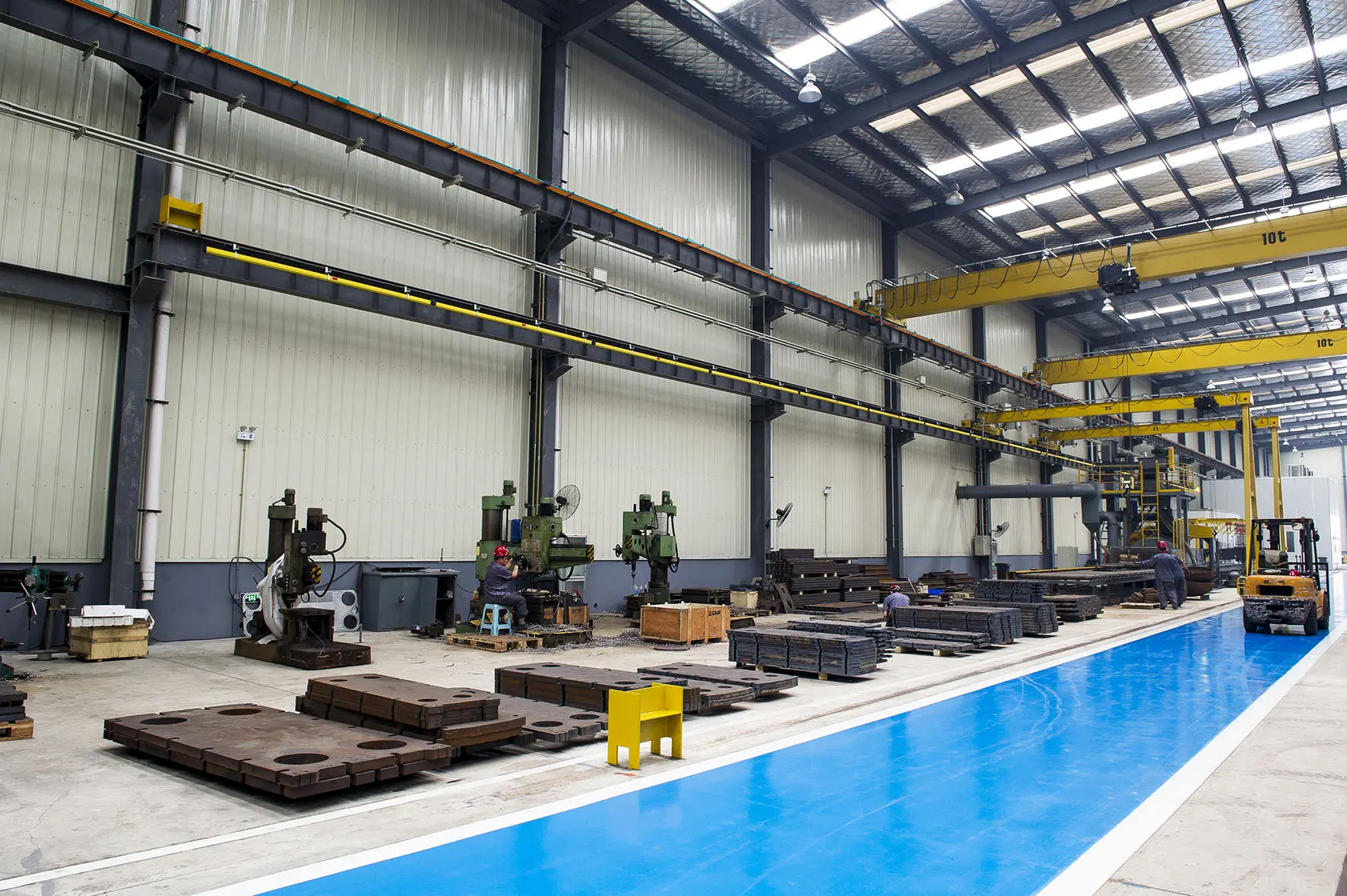
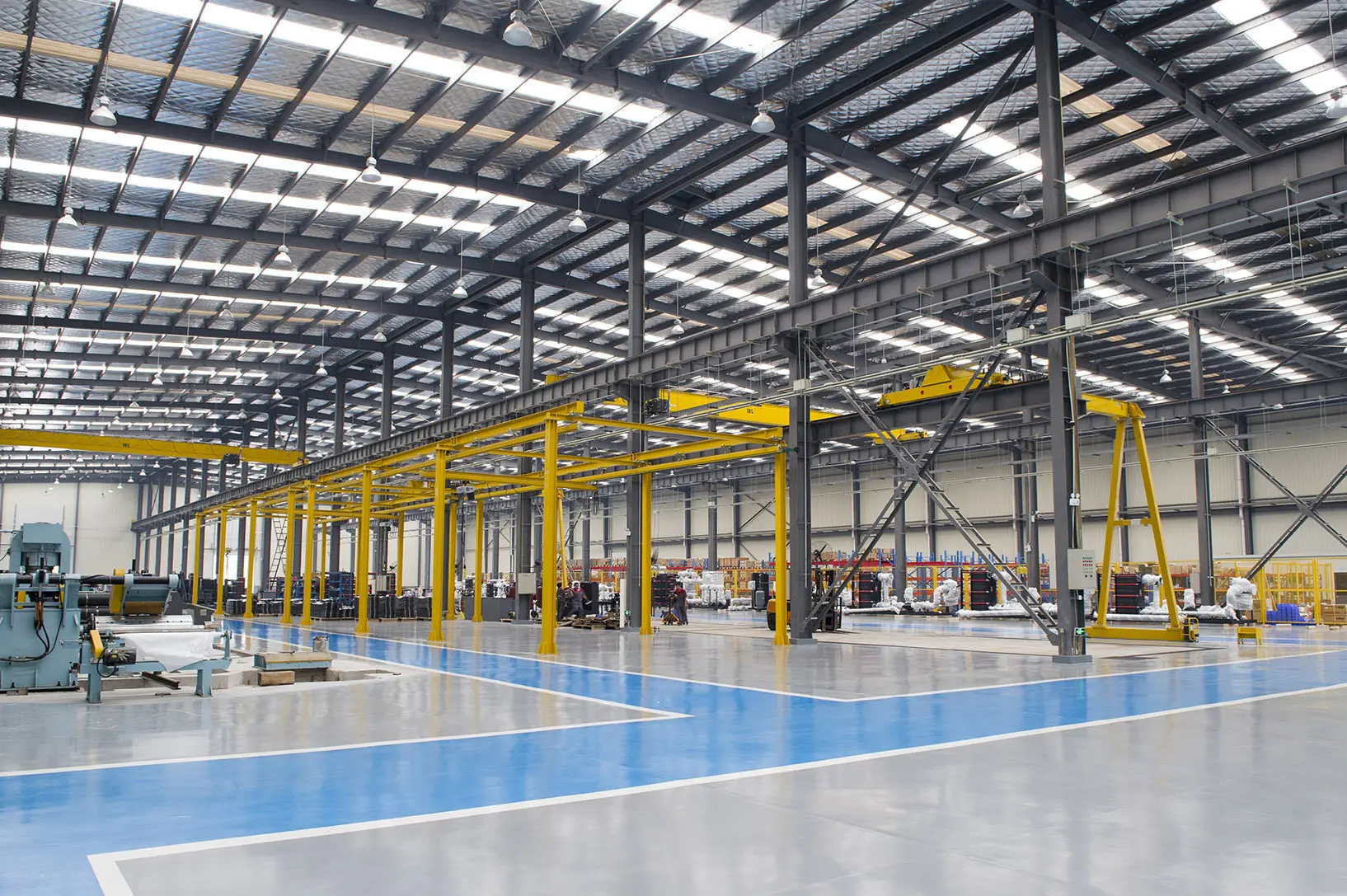
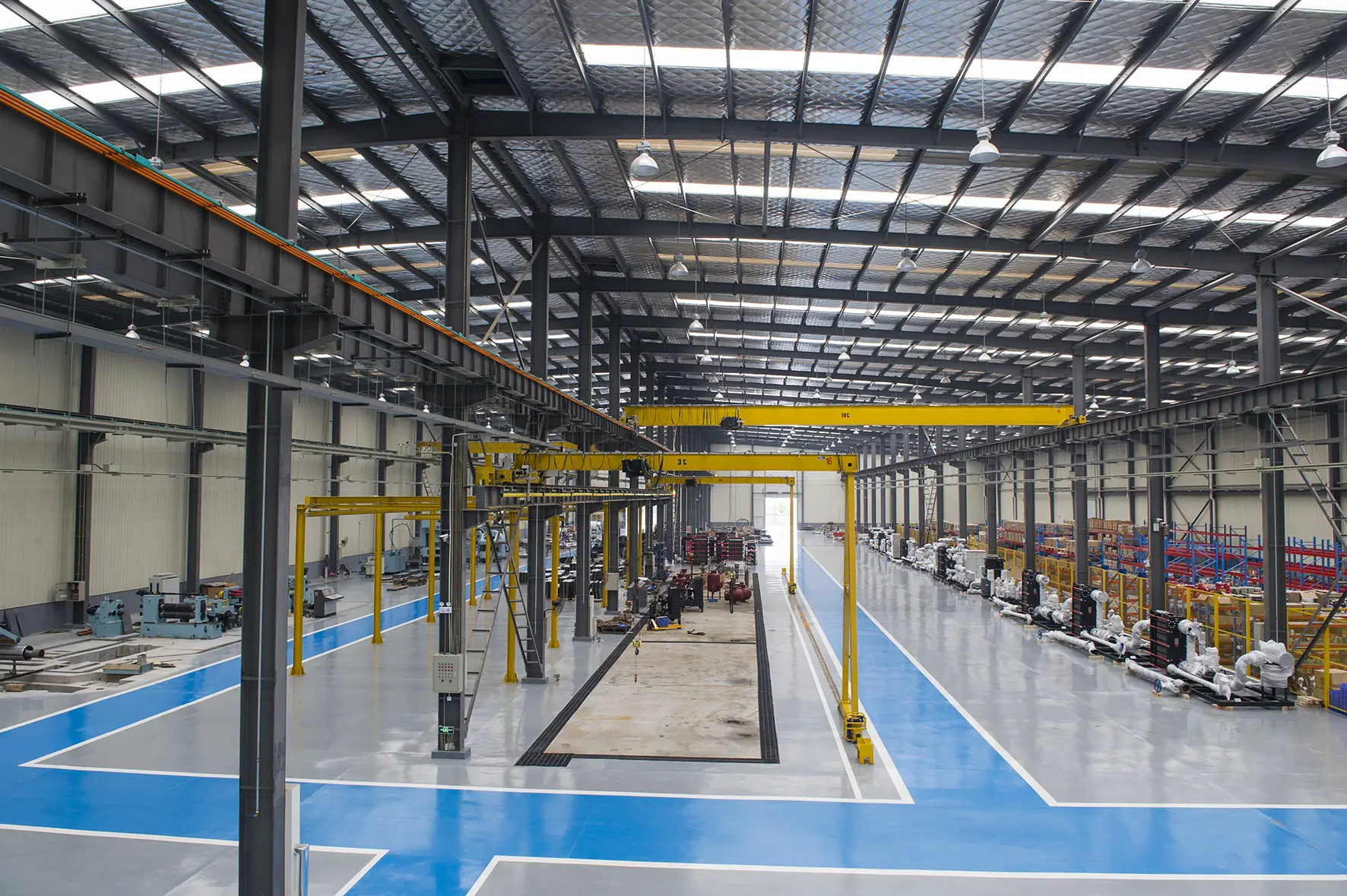
Flotte operates modern production workshops equipped with advanced manufacturing and quality inspection facilities. All frontline production staff are certified technicians who have undergone rigorous formal training.
Our production processes, quality control, and service operations strictly adhere to the ISO 9001:2015 international quality management system while complying with the pressure vessel quality assurance framework. Our products undergo mandatory inspections by national quality supervision authorities, ensuring full compliance with performance standards.
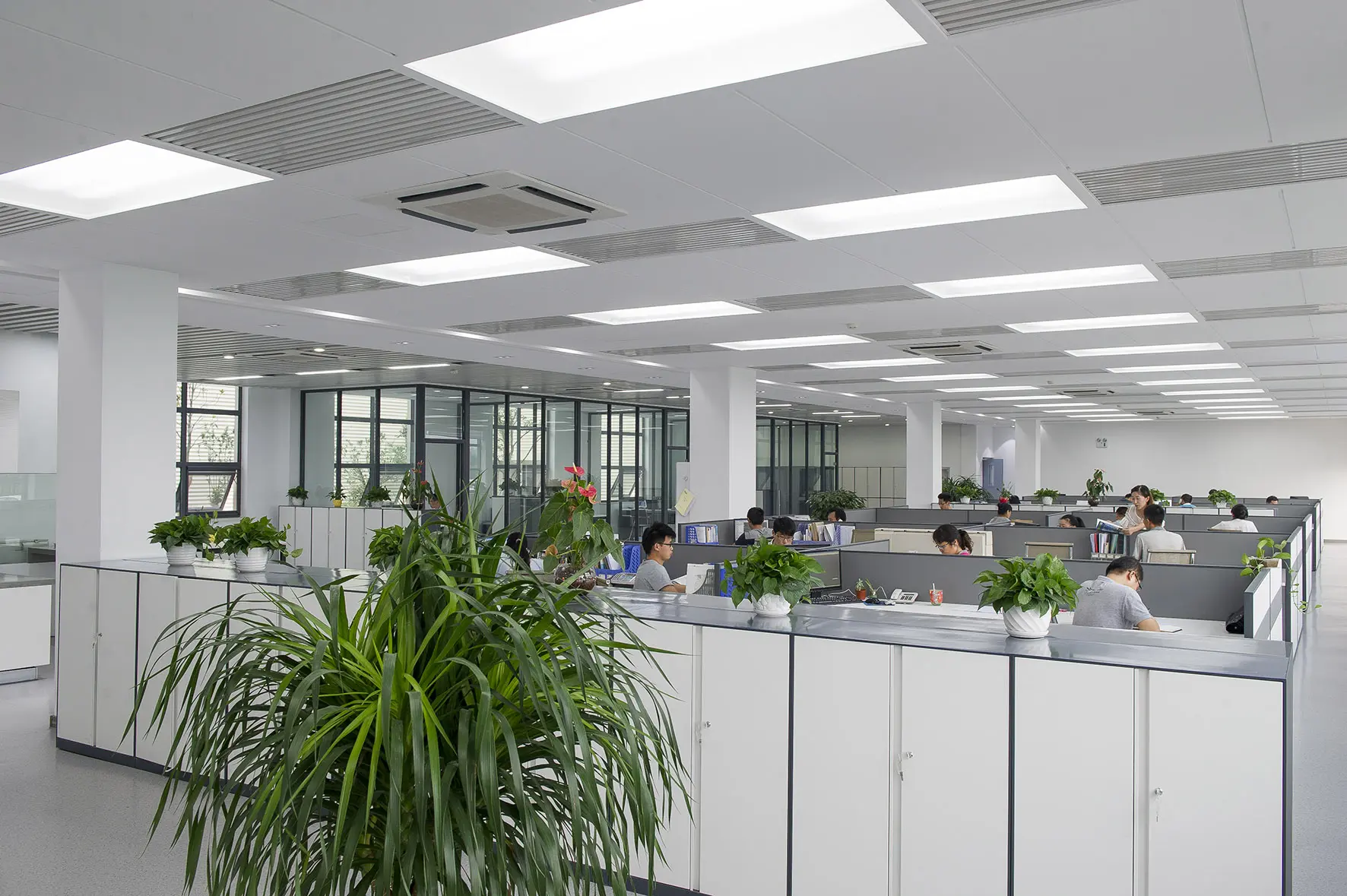
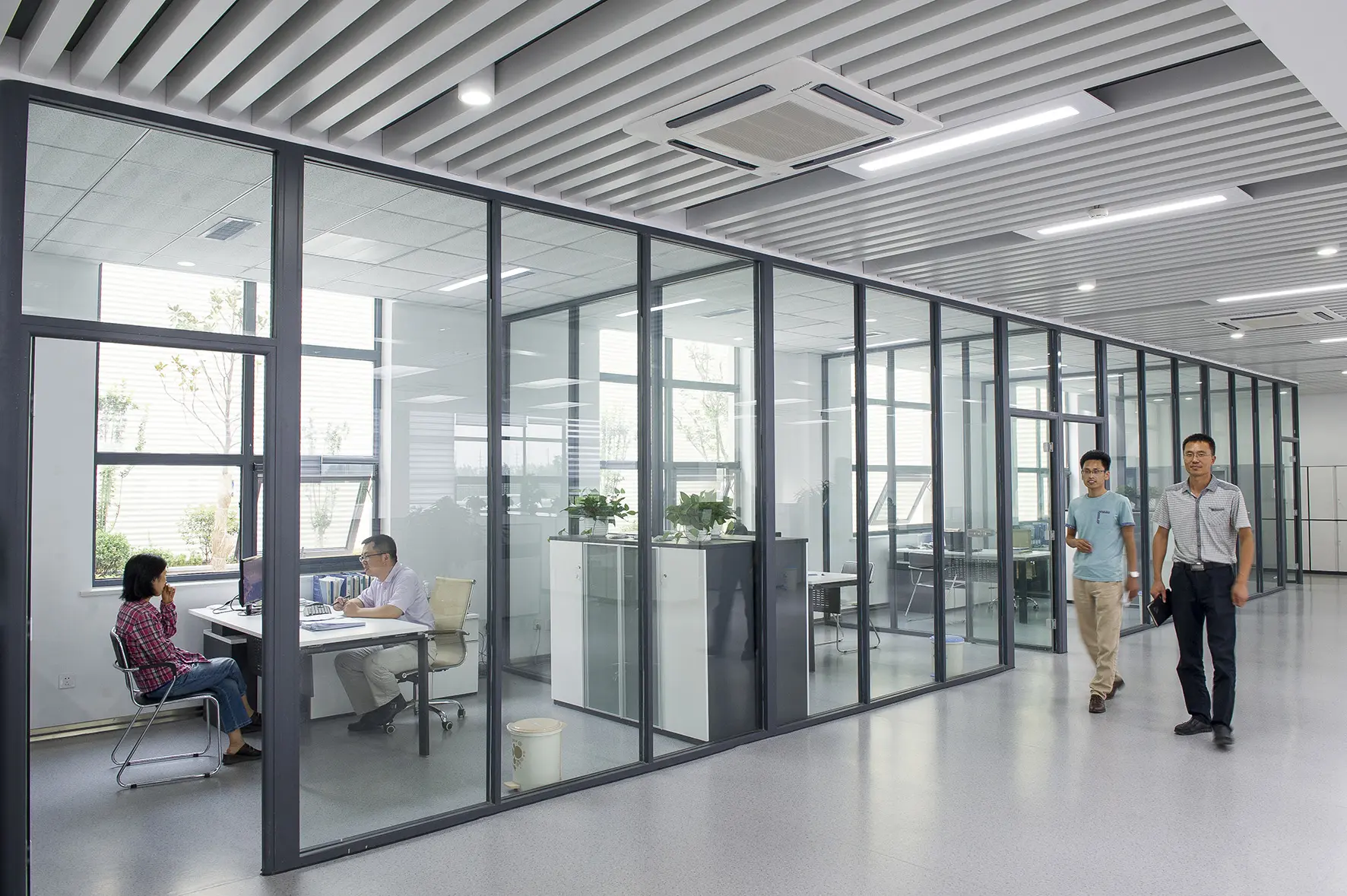
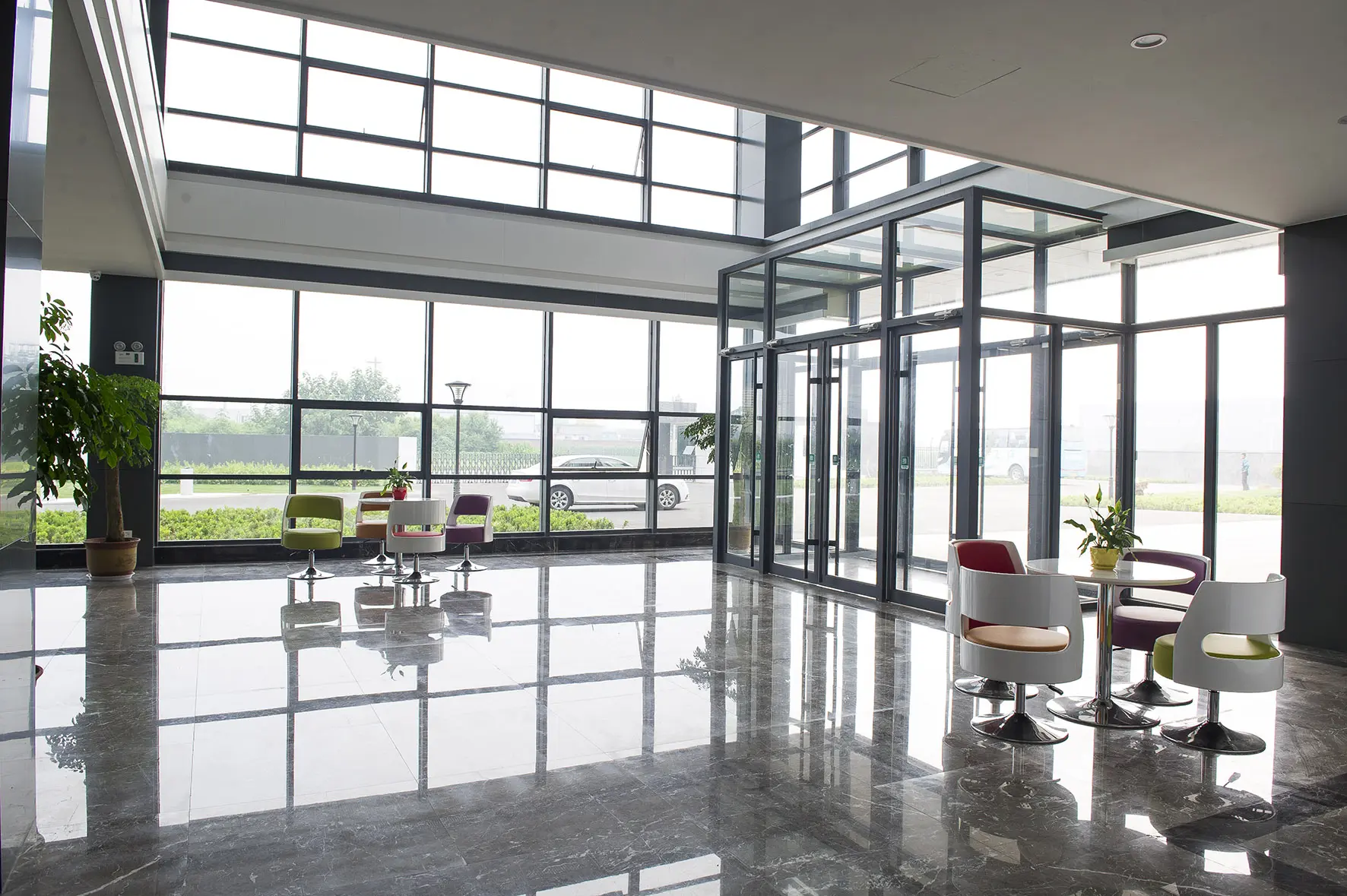
About Flotte's Scale: Flotte operates a modern manufacturing facility spanning 70,000 m². The company has accumulated valuable expertise in technology development, production, application, and installation services. Having delivered equipment and technical support for multiple key projects, it has cultivated a team of highly skilled technicians and installation specialists. Moving forward, the company will continue to thrive in the industry by maintaining cutting-edge technologies, providing premium products and professional services, while ensuring that past, present, and future users can rest assured about after-sales support.
The company has established modern production facilities that combine advanced manufacturing with systematic management, producing high-tech integrated products. It holds a leading position in the industry nationwide and commands a substantial market share. Annually, it manufactures approximately 4,500 heat exchange units and water supply/drainage equipment sets. With over 300 employees (including 260+ production personnel), the company generates annual sales revenue of 500 million yuan and contributes 15 million yuan in taxes and profits.
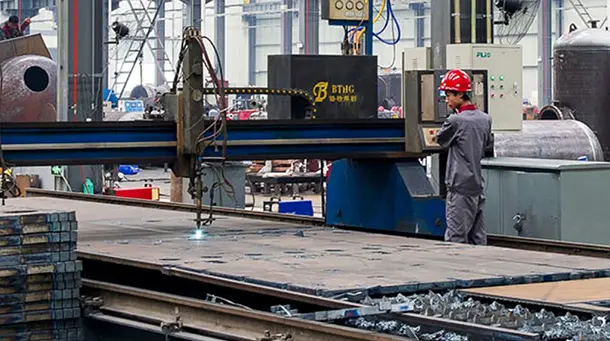
Utilizing high-precision CNC laser and plasma cutters to shape external frame plates and splints with tight geometric tolerances.
High-capacity pressing and structural forging processes to shape internal metallic structures with elevated mechanical strength.
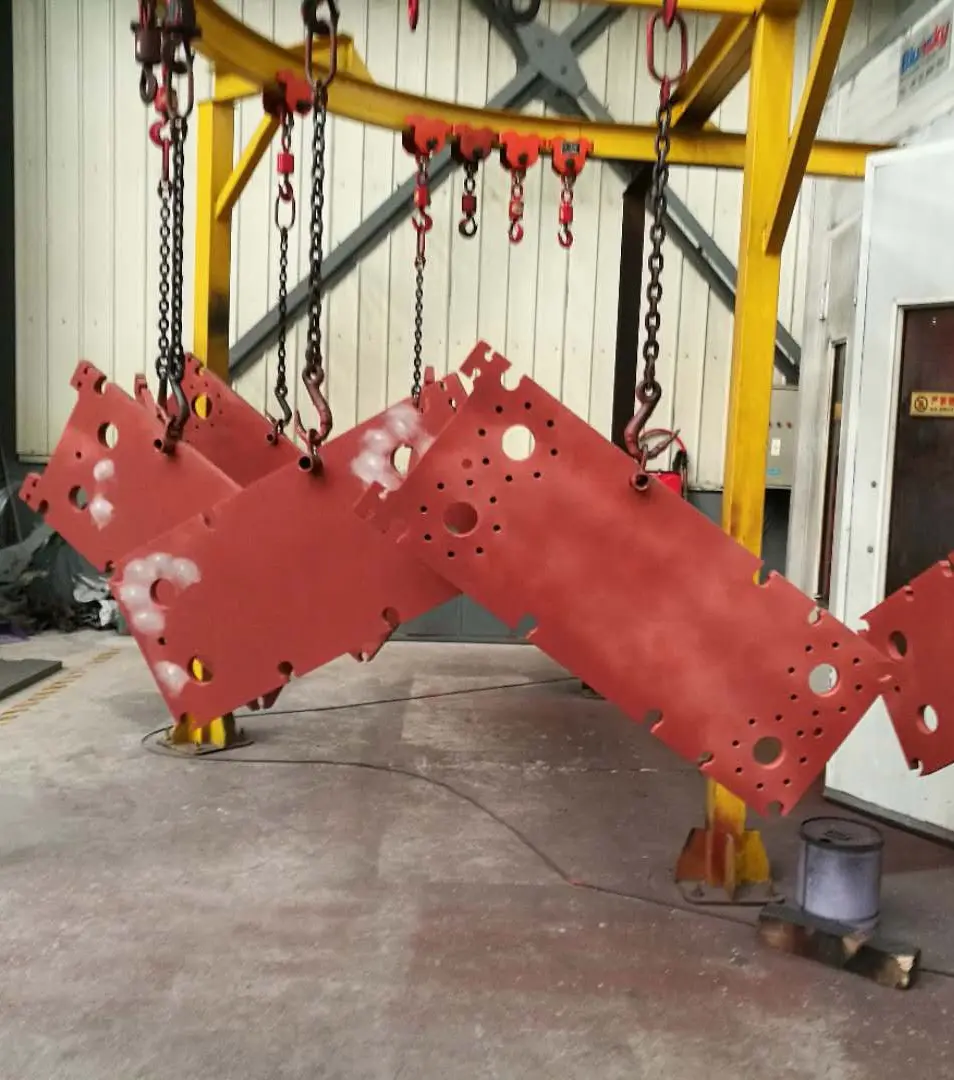
Deploying specialized anti-corrosive, thermal-resistant industrial coatings to protect exterior frames from industrial environmental hazards.
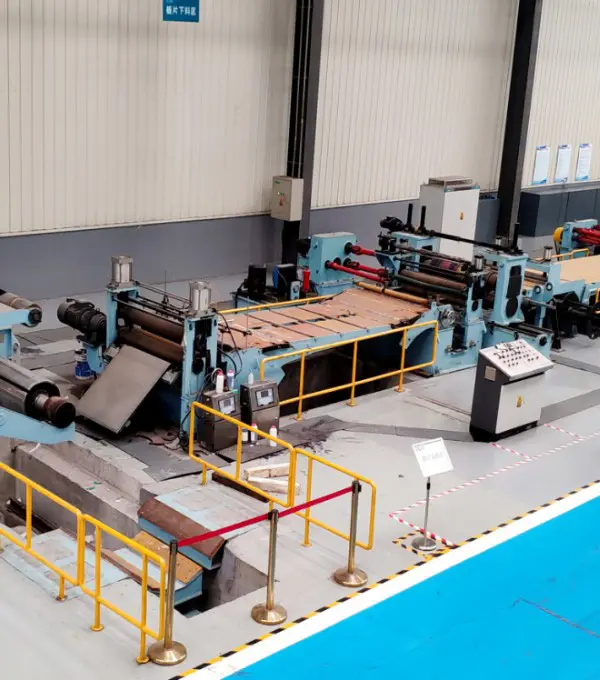
Automated cutting of metallic plate coils paired with digital tracing codes to ensure complete material traceability for each unit.
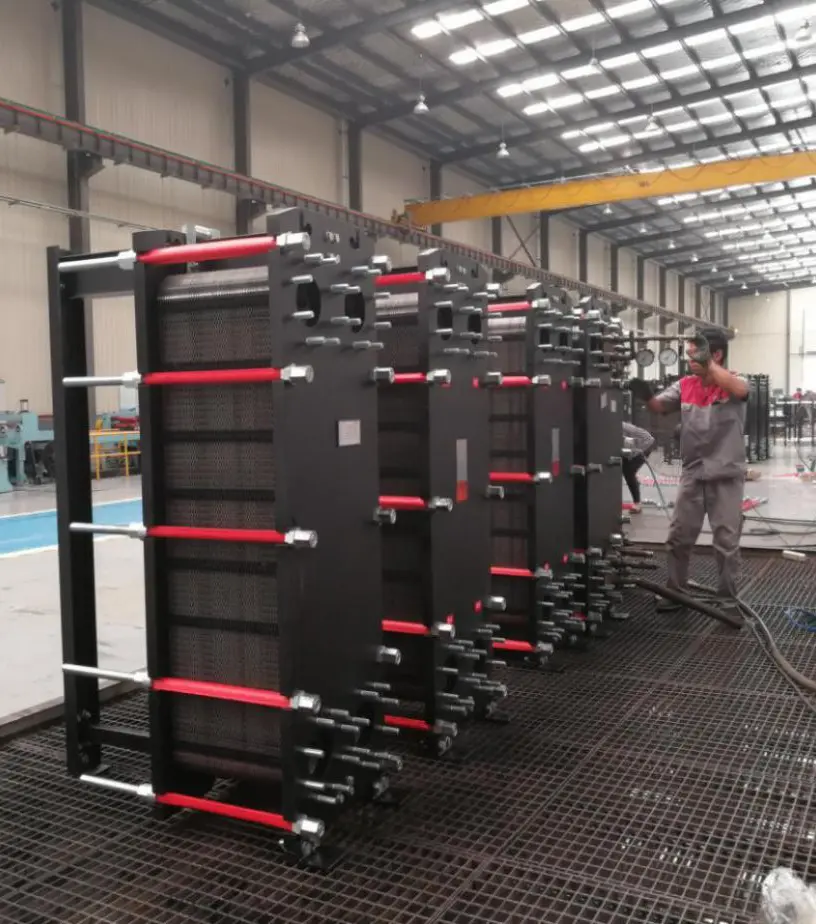
Hydrostatic testing conducted under standard pressure profiles to verify gasket seating and ensure absolute structural integrity.
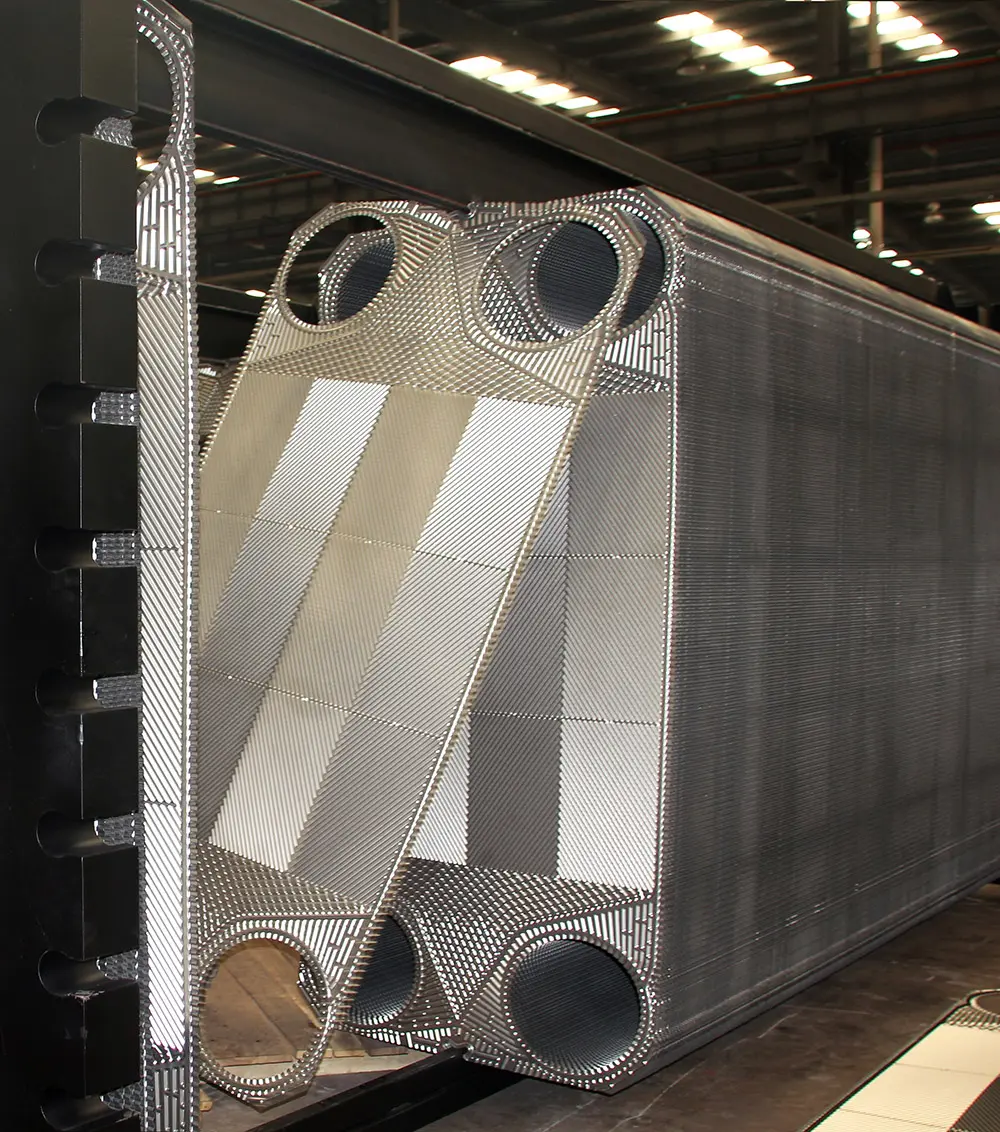
Manual alignment and hydraulic tensioning of the plate pack or tube bundle by qualified assembly technicians.
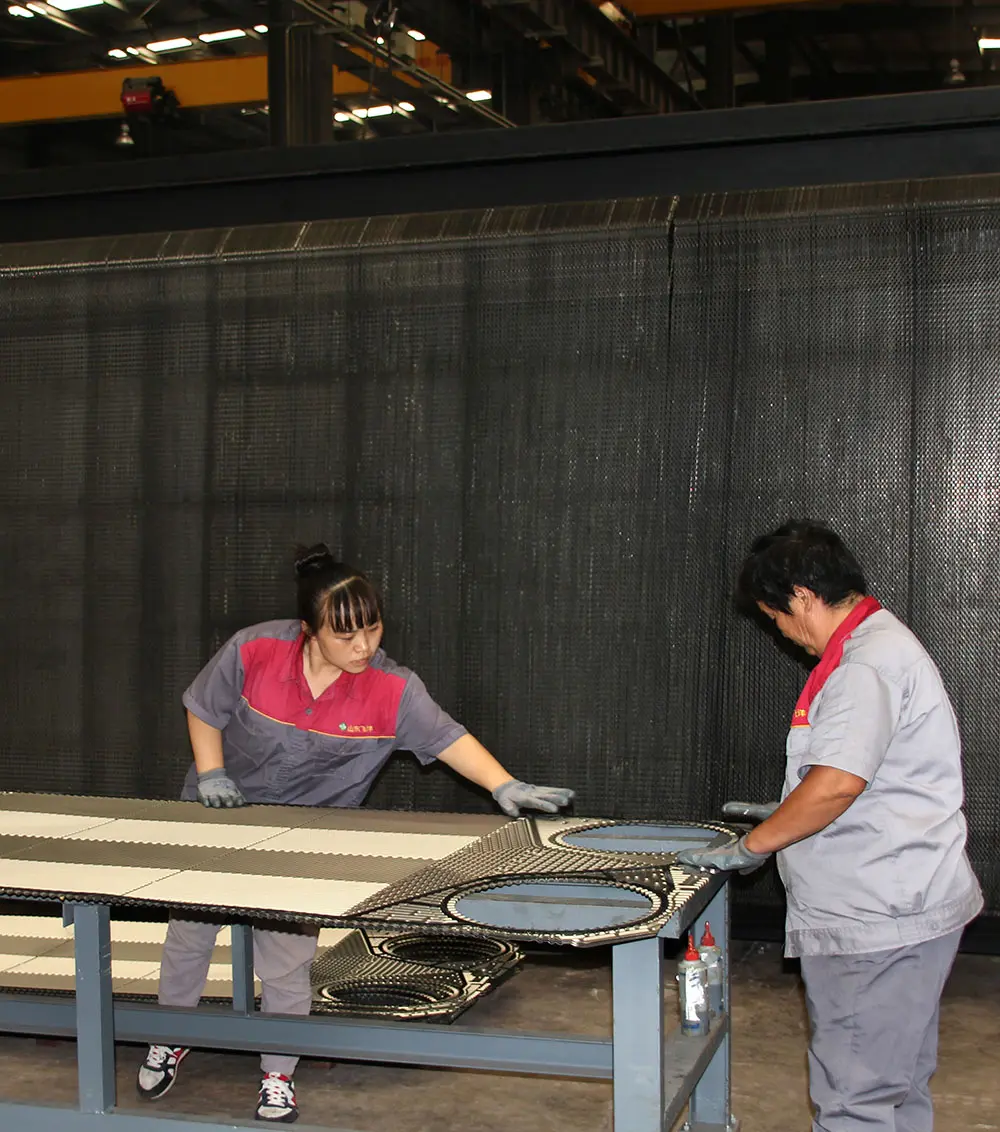
Precise mounting of EPDM/NBR/FKM gaskets in plate grooves using specialized curing ovens and positioning jigs.
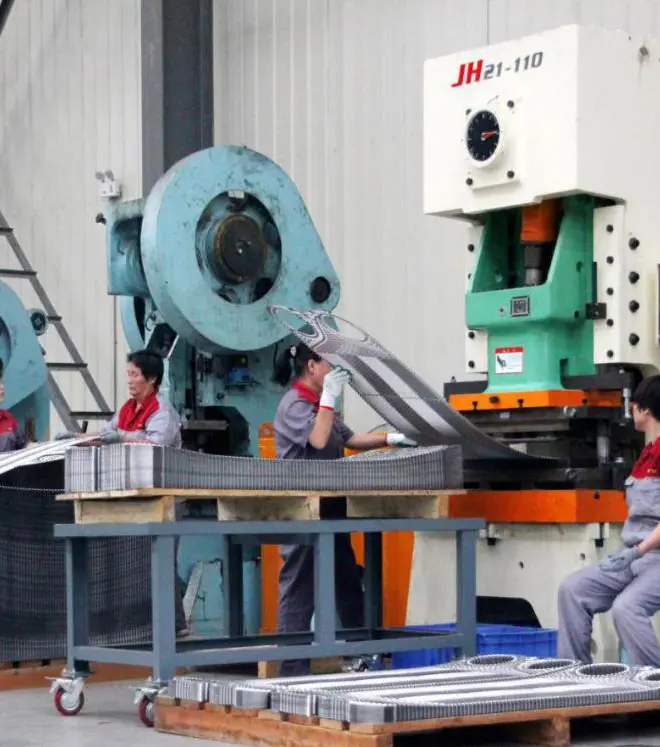
Stamping of inlet/outlet ports on individual plates, optimizing fluid entrance profiles and minimizing structural fatigue risk.
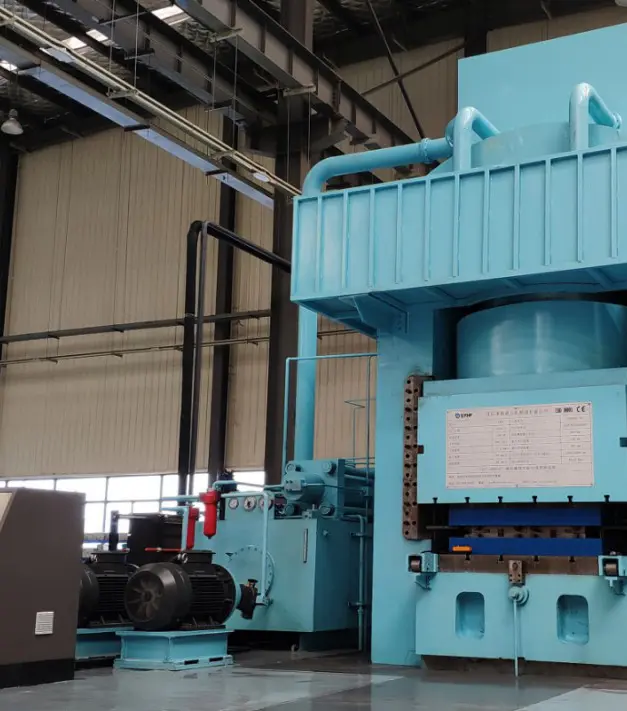
Using 10,000+ ton hydraulic presses to stamp chevron flow channels onto thin sheets of high-grade stainless steel or titanium.
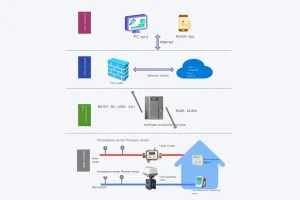
Flotte bridges physical hardware with intelligent cloud-based control to deliver unmatched performance in district heating and demanding industrial environments.
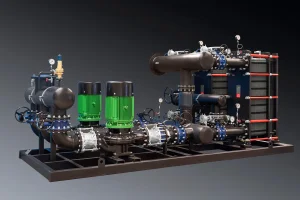
In centralized heating systems, plate heat exchangers serve as the core heat transfer interface between municipal primary networks and local secondary networks. Flotte integrates detachable plate heat exchangers inside custom **Intelligent Heat Exchange Units**, designed to dynamically adjust water flow and temperature profiles based on thermal load demands.
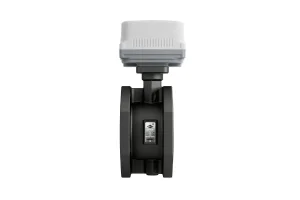
Combined with our **Secondary Network Intelligent Regulation and Balance Systems** and high-precision **Intelligent Unit Balance Valves**, municipal heating utilities can mitigate hydraulic imbalance. These intelligent monitoring nodes collect real-time data on temperature differences and pressure drops, transmitting diagnostics to the cloud to reduce operational heat loss and maximize heating equity across residential districts.
For chemical and heavy industries, thermal management requires robust engineering to prevent corrosion and scale buildup. Flotte’s shell and tube designs and heavy-duty plate models are designed with corrosion-resistant metallurgy (such as Titanium Gr. 1, Hastelloy C-276, and Duplex Steel 2205).
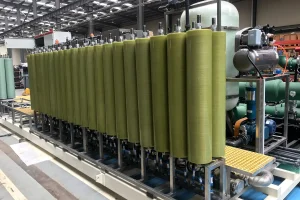
In pharmaceutical purification, food-grade processing, and wastewater treatments, our **Membrane Concentration Systems** and **Multi-Effect Evaporation Systems** provide reliable concentration, crystallization, and clean condensate recovery, enabling zero-liquid discharge (ZLD) and helping facilities meet modern environmental standards.
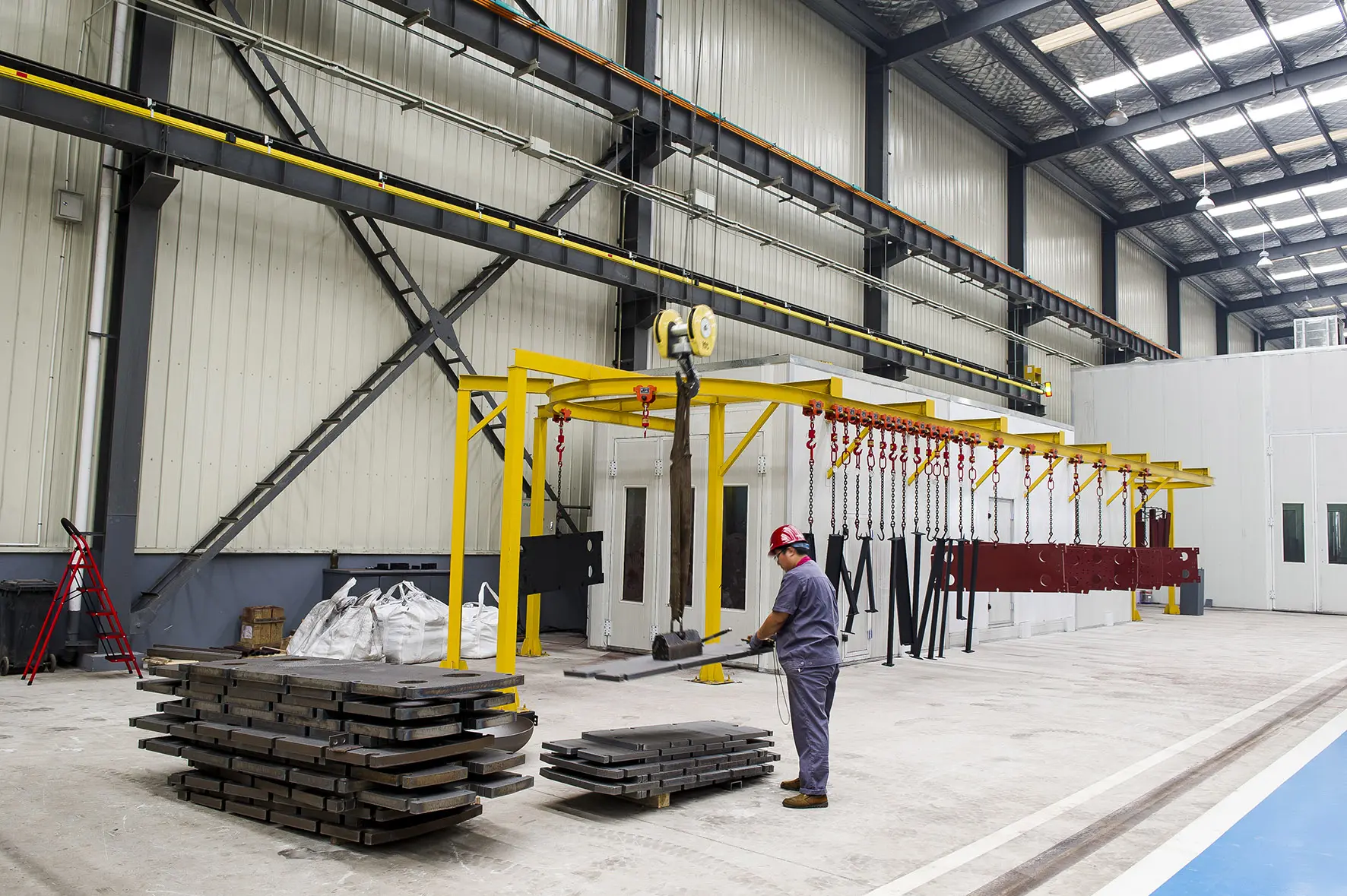
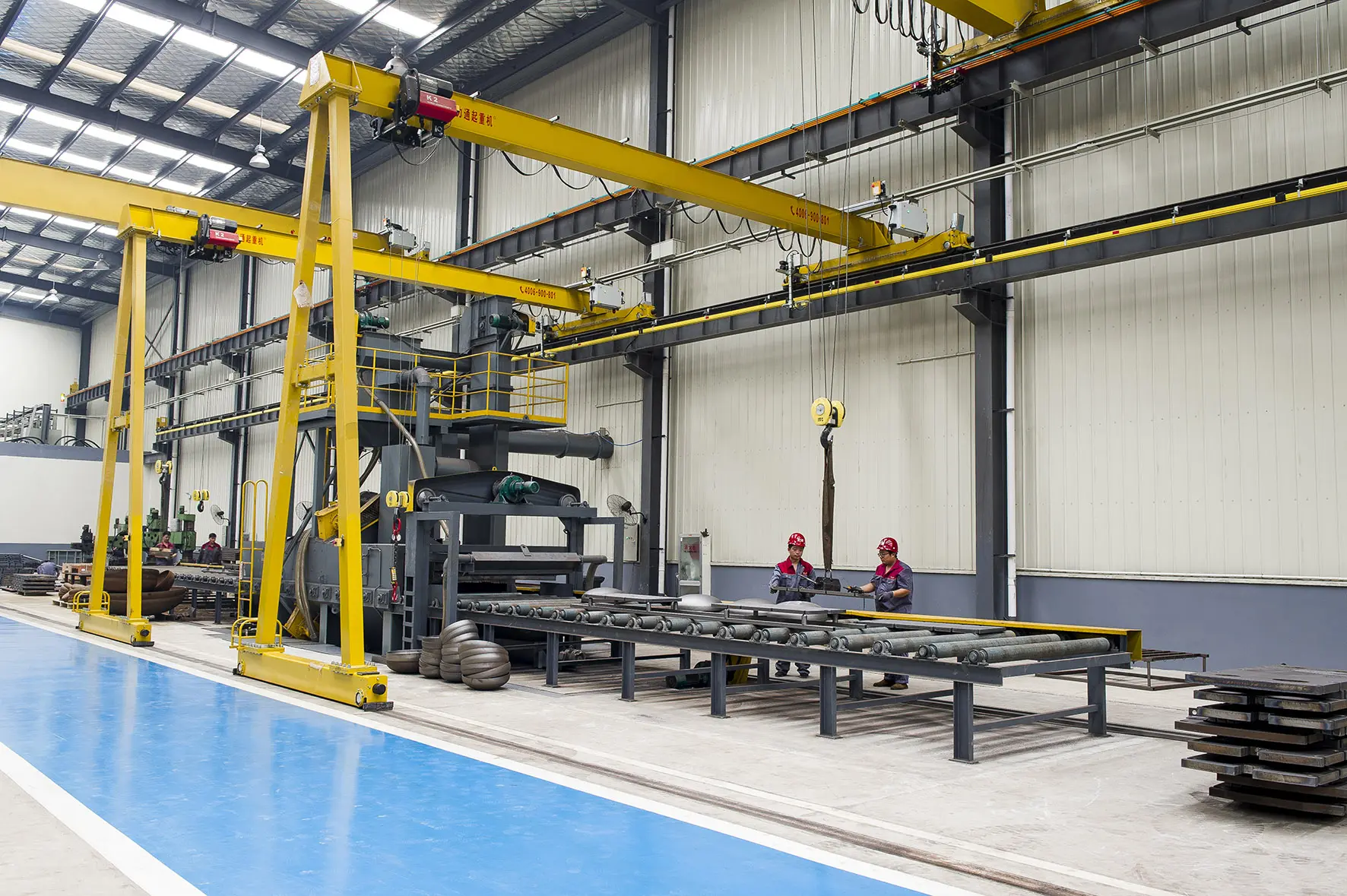
As global industries target carbon neutrality, the role of high-efficiency thermal exchangers in reducing energy waste is more critical than ever.
Flotte is building thermodynamic models integrated directly with PLC systems and cloud databases. Future heat exchange stations will not only monitor temperatures but dynamically predict scaling through continuous pressure differential monitoring. Our patented **Plate Heat Exchanger Scale Removal Device** will work in tandem with predictive algorithms, automatically initiating clean-in-place (CIP) protocols before mineral scale significantly degrades heat transfer rates, eliminating unexpected shutdowns.
To withstand chemical corrosion without adding excessive weight or cost, we are exploring thin-gauge metallurgy coatings and hybrid gasket formulations. Laser-micro-structuring on plate surfaces is also being researched to promote dropwise condensation over filmwise condensation, potentially boosting thermal transfer limits in gas-to-liquid exchangers by 15-20%.
How engineering procurement managers should evaluate plate vs. shell and tube systems to balance CAPEX with OPEX.
For mid-range temperatures and clean liquid processes, Plate Heat Exchangers represent the lowest initial cost per unit of heat transferred. Because they require less raw metal (their plates are typically 0.5mm to 0.6mm thick compared to the thick walls of shell and tube pipes), titanium and high-alloy stainless steels are much more affordable in a plate configuration than in a shell and tube design of equivalent capacity.
Gasket wear is the main maintenance concern for plate heat exchangers. Over five to ten years, gaskets require replacement, demanding shut-down periods. Conversely, shell and tube heat exchangers may require physical tube cleaning or chemically intensive flushes if scale accumulates, which can be costly. When selecting an exporter, verify they supply ready access to certified spare plate and gasket packs, along with comprehensive local design code documentation.
Direct technical answers from Flotte's Chief Engineers regarding procurement, system designs, and maintenance.
 Flotte Energy