Explore our top-tier collection of intelligently designed, high-performance heat exchange plants, evaporation equipment, and membrane concentration systems engineered for maximum efficiency.
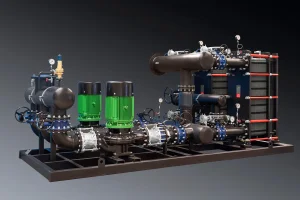
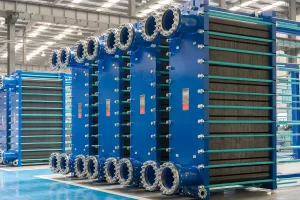
The global energy landscape is undergoing a massive shift towards decarbonization and strict thermal footprint accountability. Within this movement, the design, manufacturing, and configuration of Heat Exchanger Plants have transitioned from basic mechanical hardware selections to highly engineered, smart thermodynamic architectures. Industrial operations—spanning municipal district heating networks, heavy pharmaceutical formulations, petrochemical processing, and building HVAC frameworks—now demand ultra-optimized, modular thermal designs that minimize entropy loss and dramatically curb Scope 1 and Scope 2 carbon emissions.
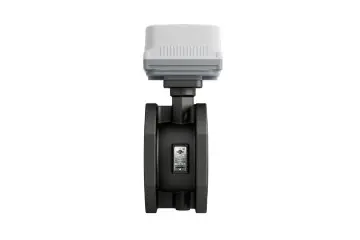
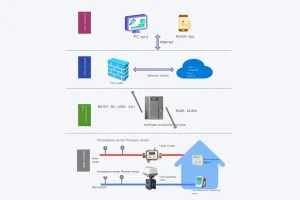
Modern heat exchange solutions must deal with highly dynamic operational inputs. The requirement is not merely for raw heat transfer capability, but for intelligent, responsive operations capable of adapting to varying flow volumes, temperatures, and pressures without scaling, fouling, or thermal stress failures. Advanced, detachable plate heat exchangers, combined with smart secondary network balancing valves and high-precision room temperature collectors, form the foundation of today's digitalized thermal plants. By harvesting low-grade industrial waste heat, these systems play a critical role in global circular economy initiatives.
"In thermal engineering, true efficiency is defined not just by how much energy is transferred, but by how intelligently it is managed. Transitioning to smart, modular heat exchange plants reduces system waste by up to 35% globally."
Global procurement teams across Europe, North America, and the Middle East are shifting from selecting component vendors to partnering with full-system solution providers. When sourcing a heat exchanger plant, strict technical compliance is the primary barrier to entry. Buyers inspect design codes (such as ASME Section VIII, PED 2014/68/EU, and GB150/151), pressure vessel certifications, and material traceability reports to ensure safety in high-stress operational environments.
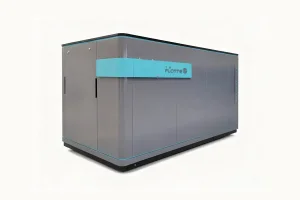
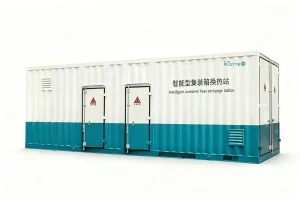
Beyond certifications, operational resilience determines long-term profitability. Procuring entities require modular systems that minimize installation time and local piping complexities. A modular box-type heat exchanger unit that arrives pre-piped, pre-wired, and pressure-tested reduces commissioning time by up to 60%. Furthermore, durability remains critical: plates must be formed from premium raw materials like SS316L, Titanium, or Hastelloy, combined with robust gasket technologies designed for thermal cycling resistance. E-E-A-T (Experience, Expertise, Authoritativeness, and Trustworthiness) standards demand that the exporting factory demonstrate clear quality control checks, such as dye penetrant testing, hydro-testing, and ultrasonic plate thickness checks prior to shipping.
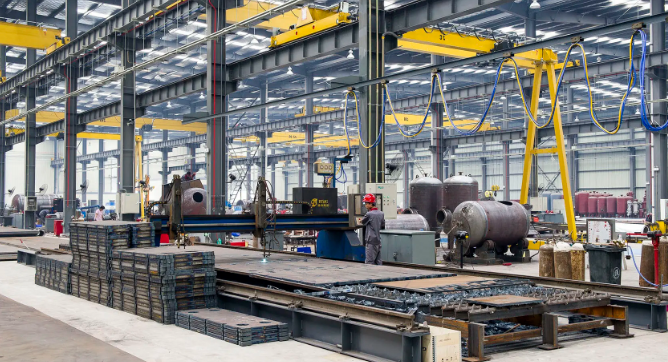
Leveraging three decades of technical heritage, Flotte integrates advanced automation, systematic quality controls, and massive production capacity to deliver global industrial solutions.
Established with a registered capital of 101 million yuan, Flotte Energy Saving Company's technical expertise dates back to Flotte Thermal Engineering founded in 1995. This rich 30-year engineering heritage has positioned the company as a national leader in adopting cutting-edge thermal transfer technologies and high-efficiency water supply and drainage systems. Annually, our modern facilities produce approximately 4,500 heat exchange units and water supply sets, generating 500 million yuan in sales revenue. This volume is backed by a workforce of over 300 professionals, specialized R&D laboratories, and robust testing rigs that ensure the performance of every product.
Flotte's manufacturing superiority relies heavily on our compliance with international quality frameworks. Our production is governed by ISO9001:2015 Quality Management System, ISO14001:2015 Environmental Management System, and ISO45001:2018 Occupational Health and Safety Management System certifications. Furthermore, the company holds safety registrations from the National Standardization Committee and the National Boiler and Pressure Vessel Standardization Technical Committee. Operating within these rigorous parameters guarantees that every plate profile, micro-forged structural component, and automated welding bead conforms to global engineering expectations, providing reliable performance for our partners in the Americas, Europe, and the APAC regions.
Our engineering solutions are built on proprietary technologies, innovative product design, and strict material selection to ensure peak thermal transfer efficiency.
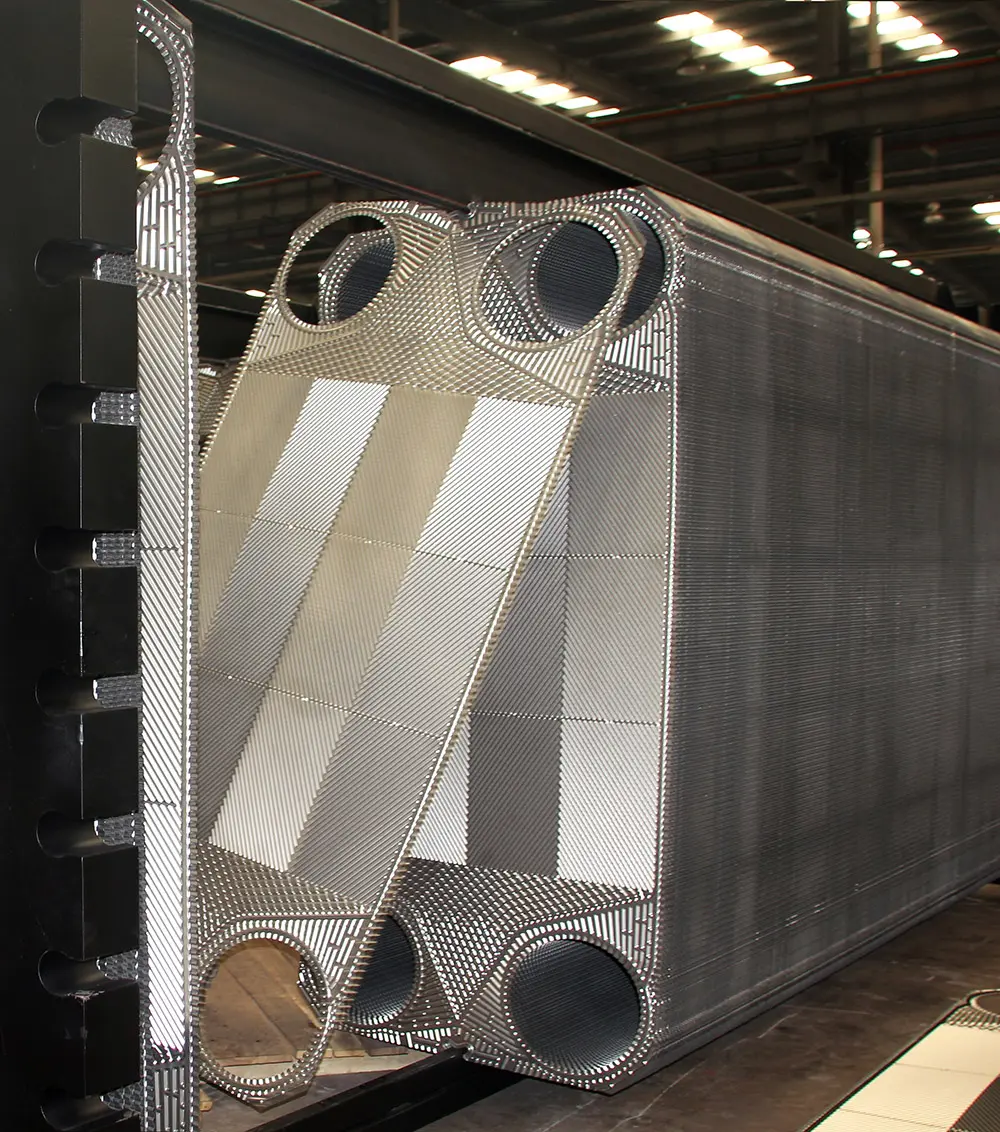
We specialize in plate heat exchangers featuring patented corrugated patterns. These geometries generate high fluid turbulence even at low flow velocities, yielding heat transfer coefficients 2 to 3 times greater than traditional shell-and-tube designs while reducing surface scaling rates.
Designed for eight critical industrial fields, including commercial HVAC, district heating substations, chemical distillation, and pharmaceutical processes. Our engineering matches local climate profiles, fluid properties, and regulatory compliance standards across global markets.
We manufacture using high-grade metals including SS304, SS316L, Titanium, and Hastelloy. This strict adherence to material quality protects our equipment from pitting, stress corrosion cracking, and erosion in highly corrosive or ultra-high temperature operations.
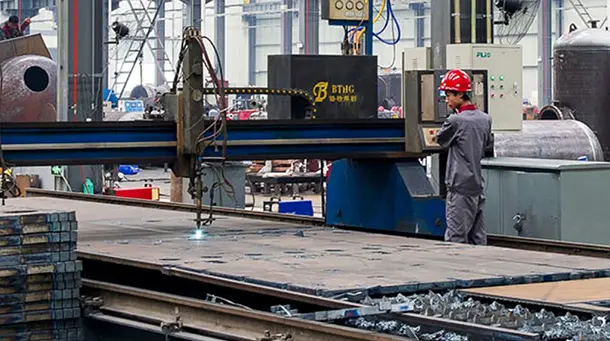
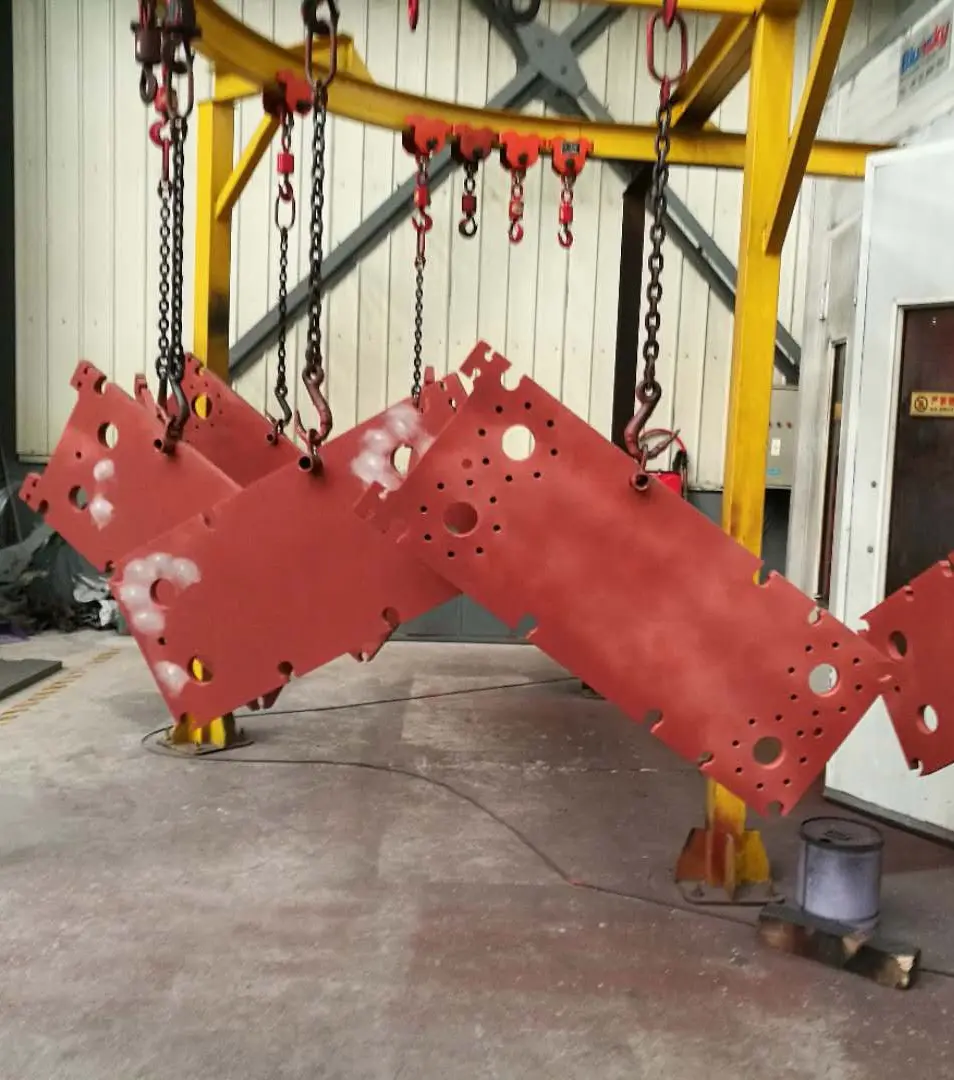
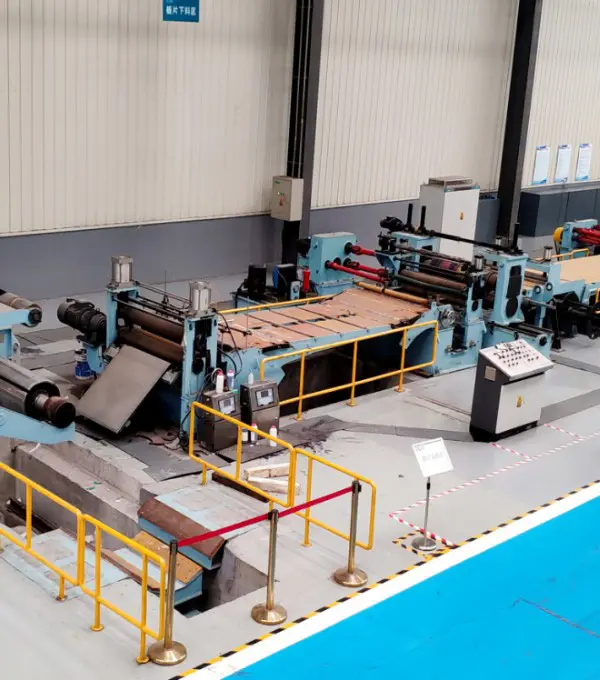
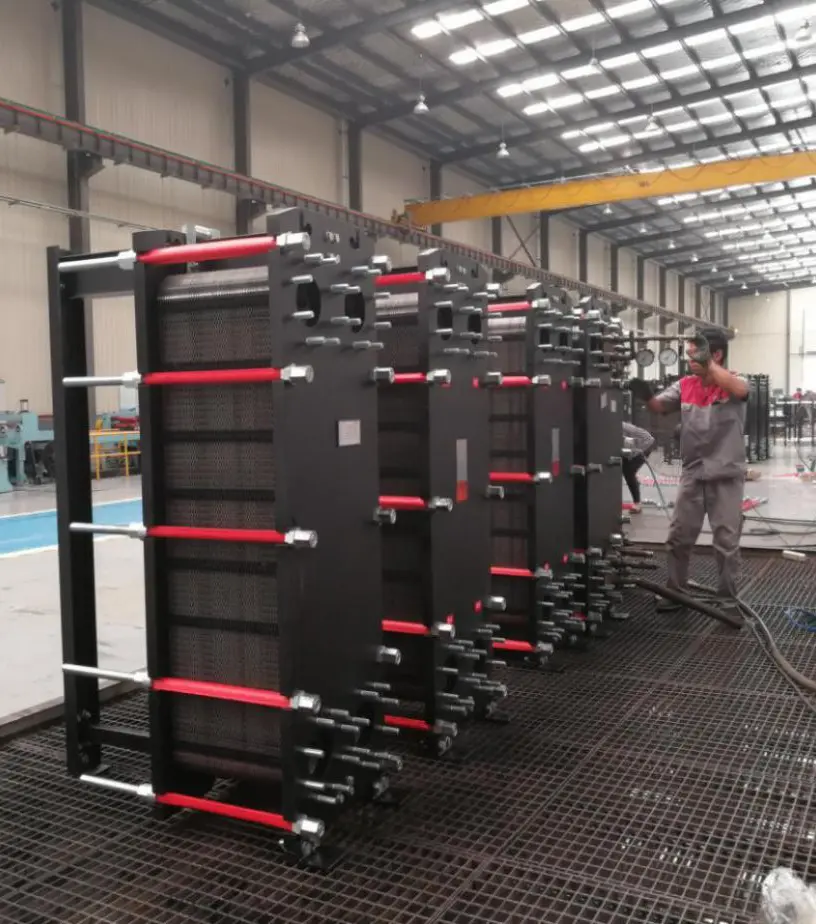
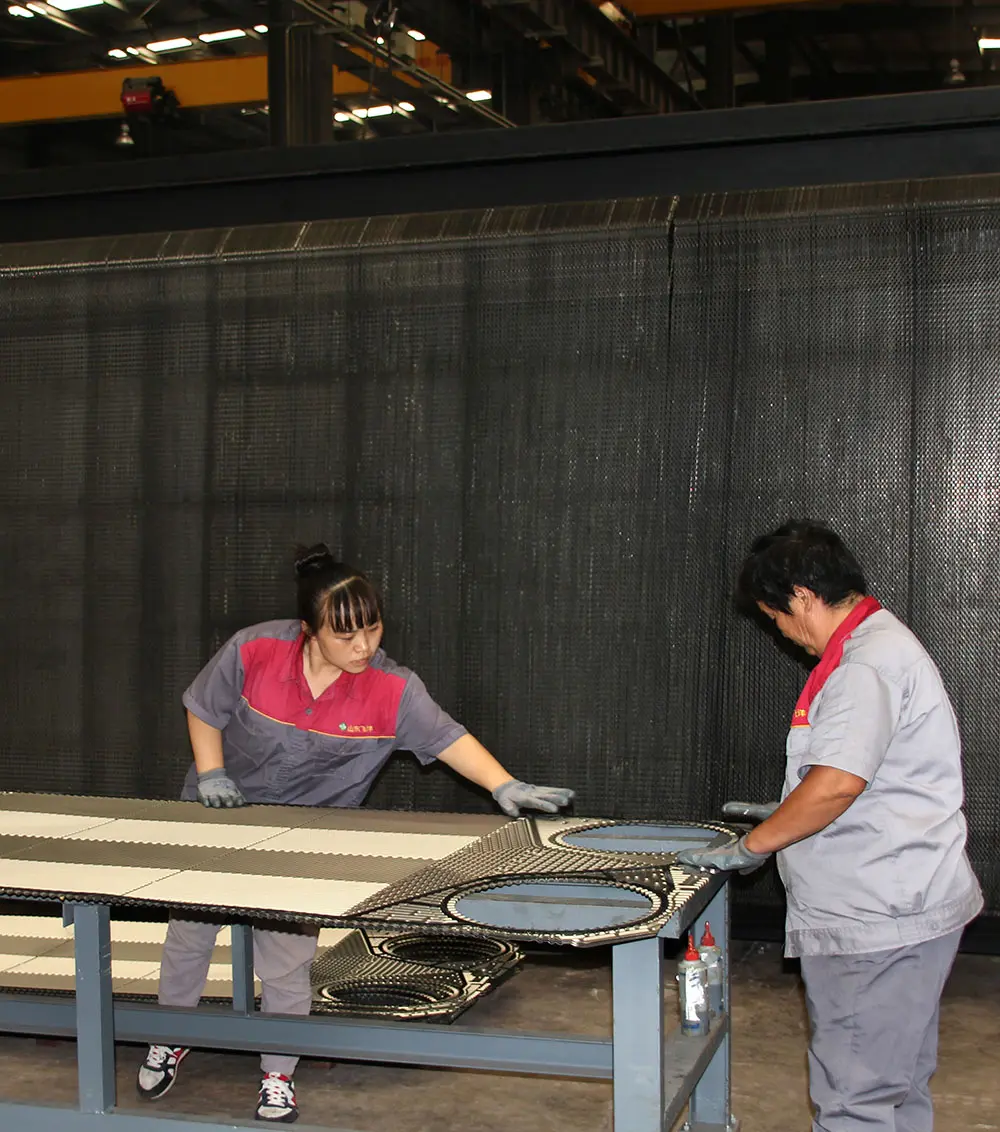
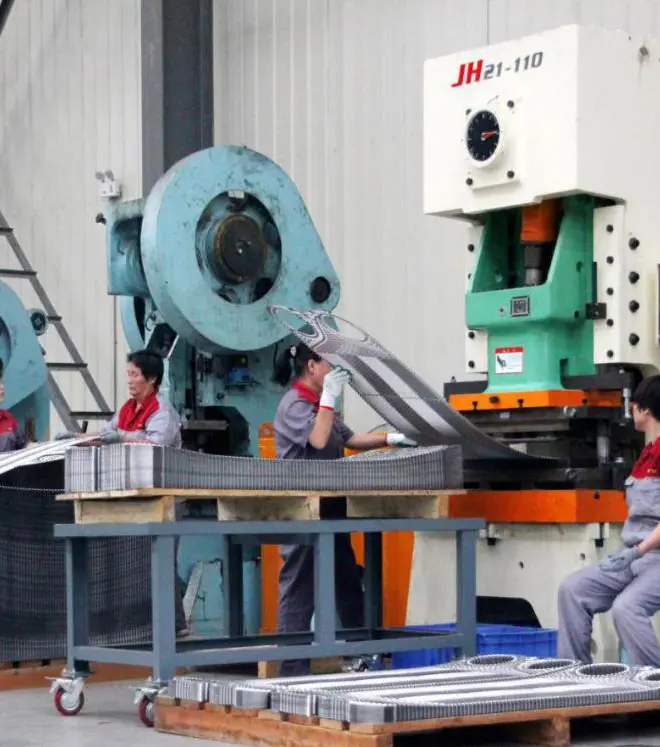
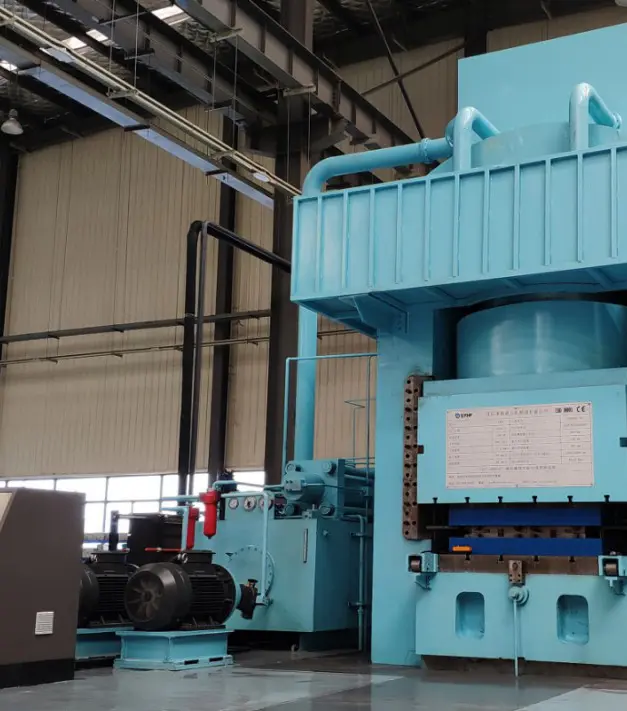
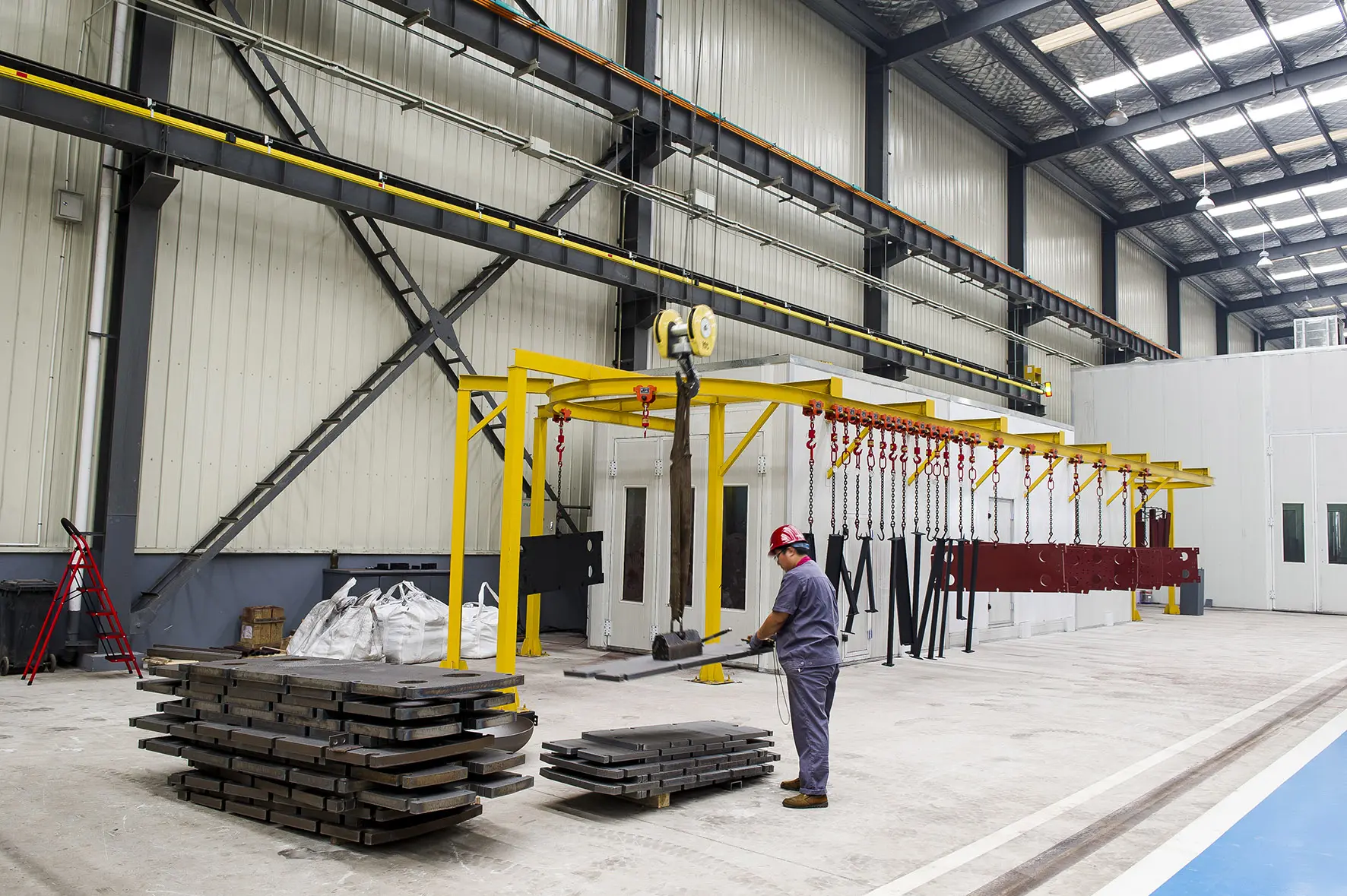
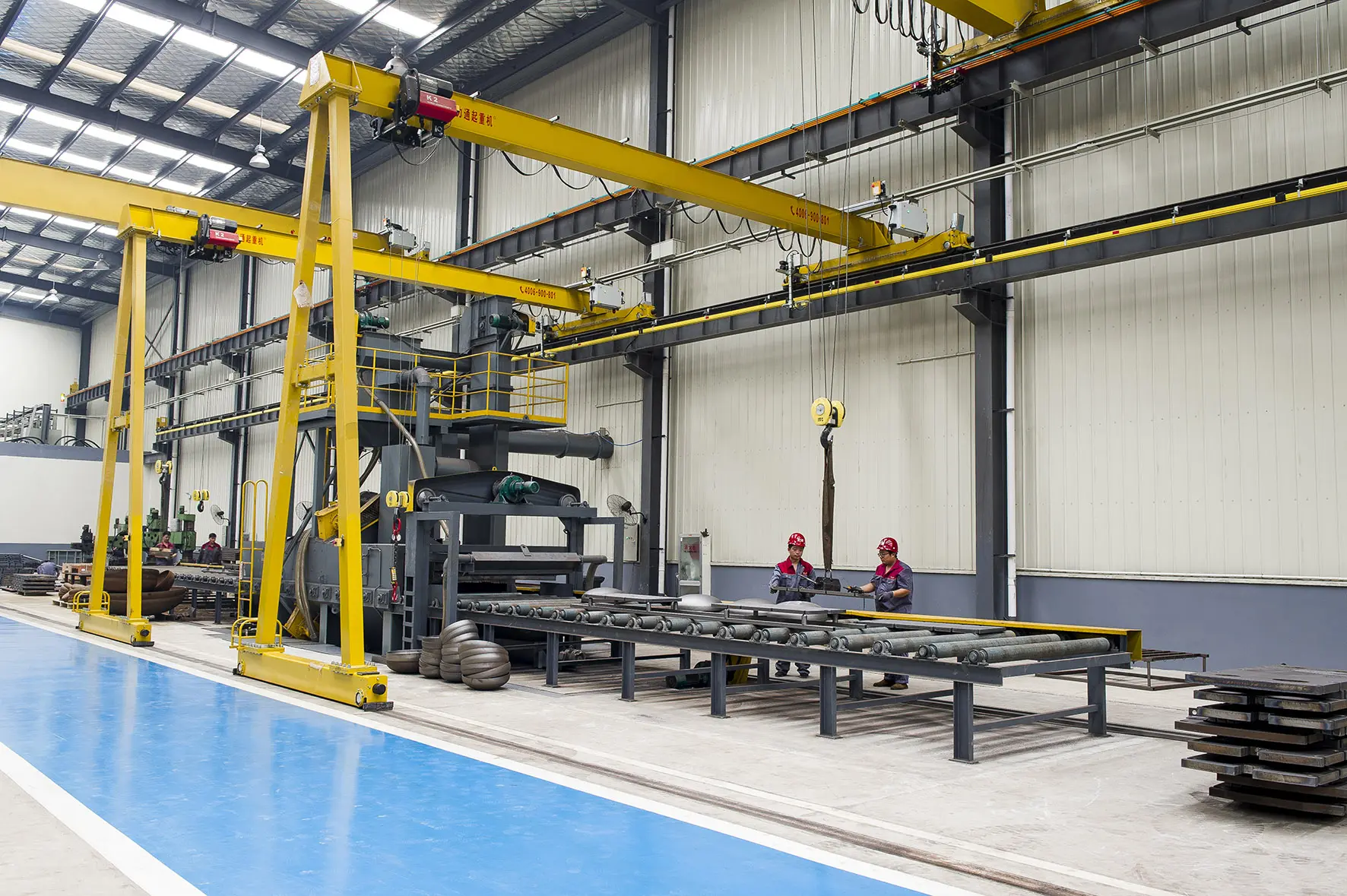
From raw steel plate cutting to final pressure testing, every manufacturing step is subjected to rigorous quality check points to guarantee the integrity of our equipment.
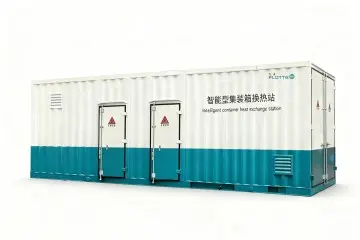
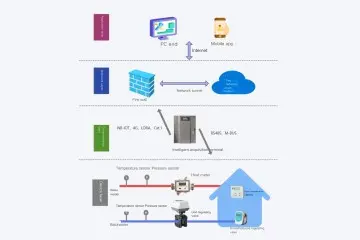
Thermal exchange requirements vary across regions. In Northern and Eastern Europe, the primary application is municipal centralized district heating systems. Our smart integrated heat exchange plants function as thermal substations connecting municipal high-pressure distribution loops directly to commercial and residential structures. By using highly responsive control algorithms, integrated secondary network balance systems, and room temperature collectors, these stations adjust primary fluid flows in real time based on changes in outdoor temperature. This prevents over-heating and significantly lowers return water temperatures, increasing overall plant utility.
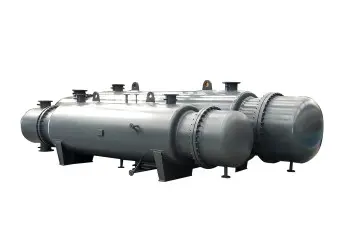
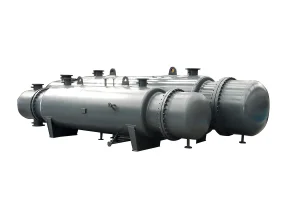
Conversely, in North America and Southeast Asia, industrial and commercial HVAC systems must prioritize humidity control and cooling loops. Flotte's plate heat exchangers are built to handle high design pressures and tight temperature approaches in high-rise HVAC architectures and marine condenser loops. For harsh chemical environments and pharmaceutical operations, our plate and shell-and-tube units serve as condenser and reboiler installations. In these setups, maintaining precise temperature control is critical to ensuring product quality and preventing thermal degradation of active ingredients.
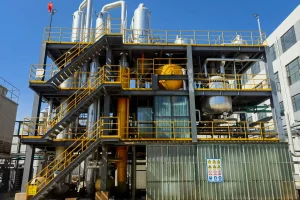
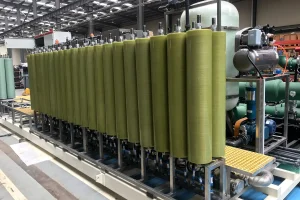
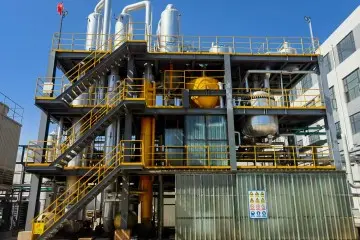
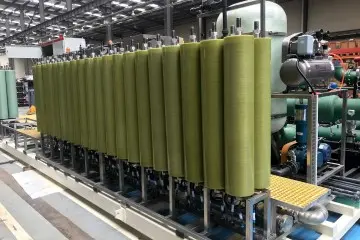
Sustainable waste management requires high-efficiency concentration and separation steps. Flotte's Multi-Effect Evaporation Systems (MEE) and Membrane Concentration Systems are engineered to process high-salinity wastewater, industrial process liquids, and chemical process streams. By cycling vapor output through consecutive heating vessels, MEE units achieve significant steam economy, reducing utility consumption. Complementing this, our membrane plants utilize high-rejection reverse osmosis or nanofiltration stages to concentrate valuable mineral salts and organic compounds while returning pure permeate back to the facility. This system layout achieves Zero Liquid Discharge (ZLD) metrics, allowing factories to comply with environmental regulations while recovering critical process materials.
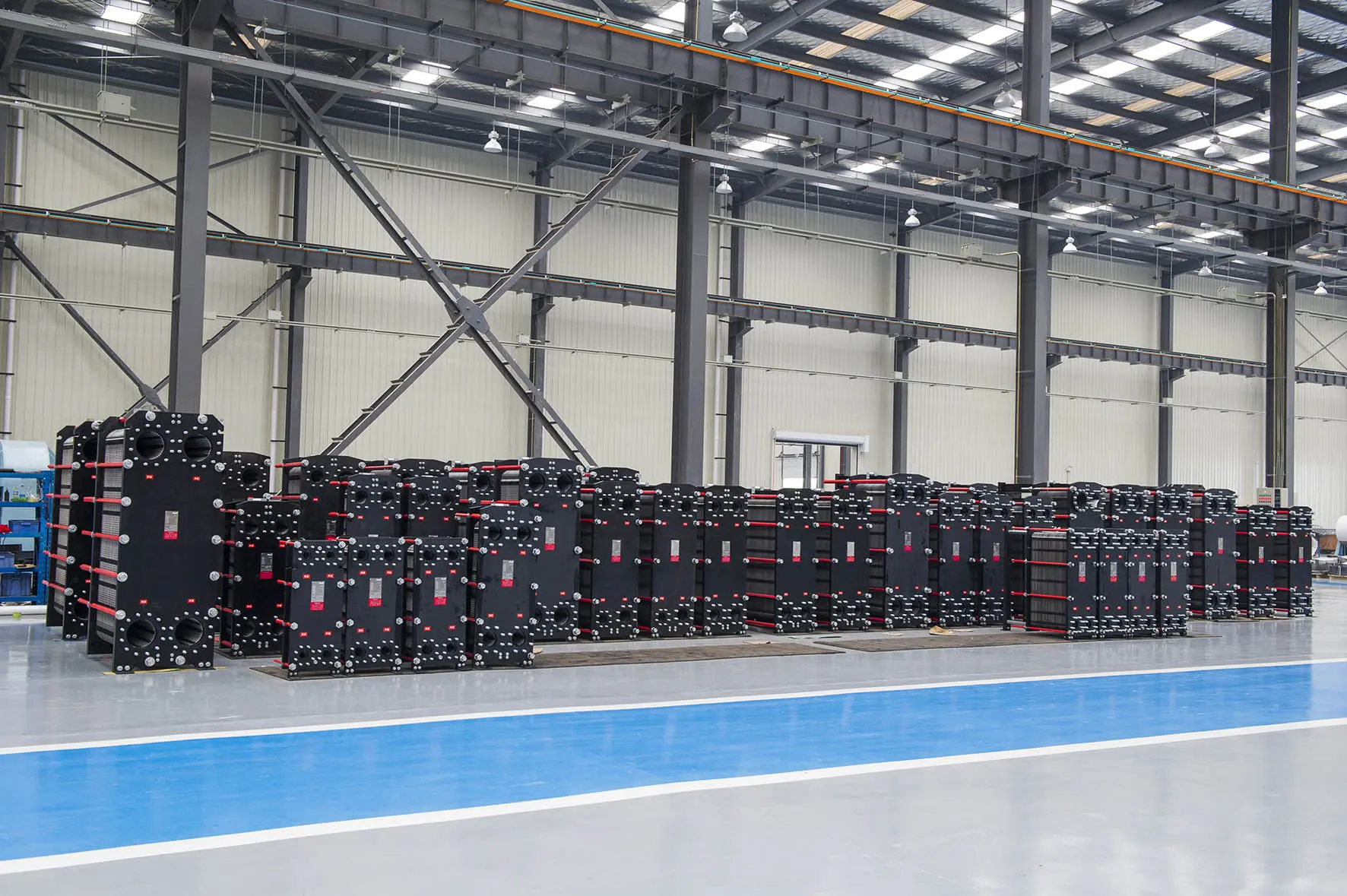
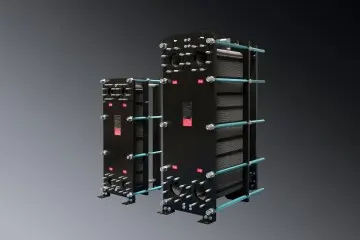
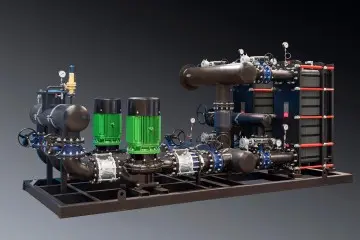
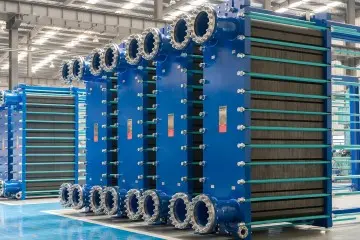
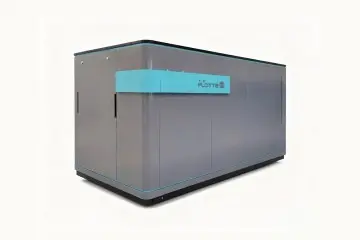
A visual catalog of our high-performance systems deployed across municipal, chemical, and building HVAC sectors globally.

Get professional advice on structural configurations, performance limits, and selecting suppliers for your thermal installation.
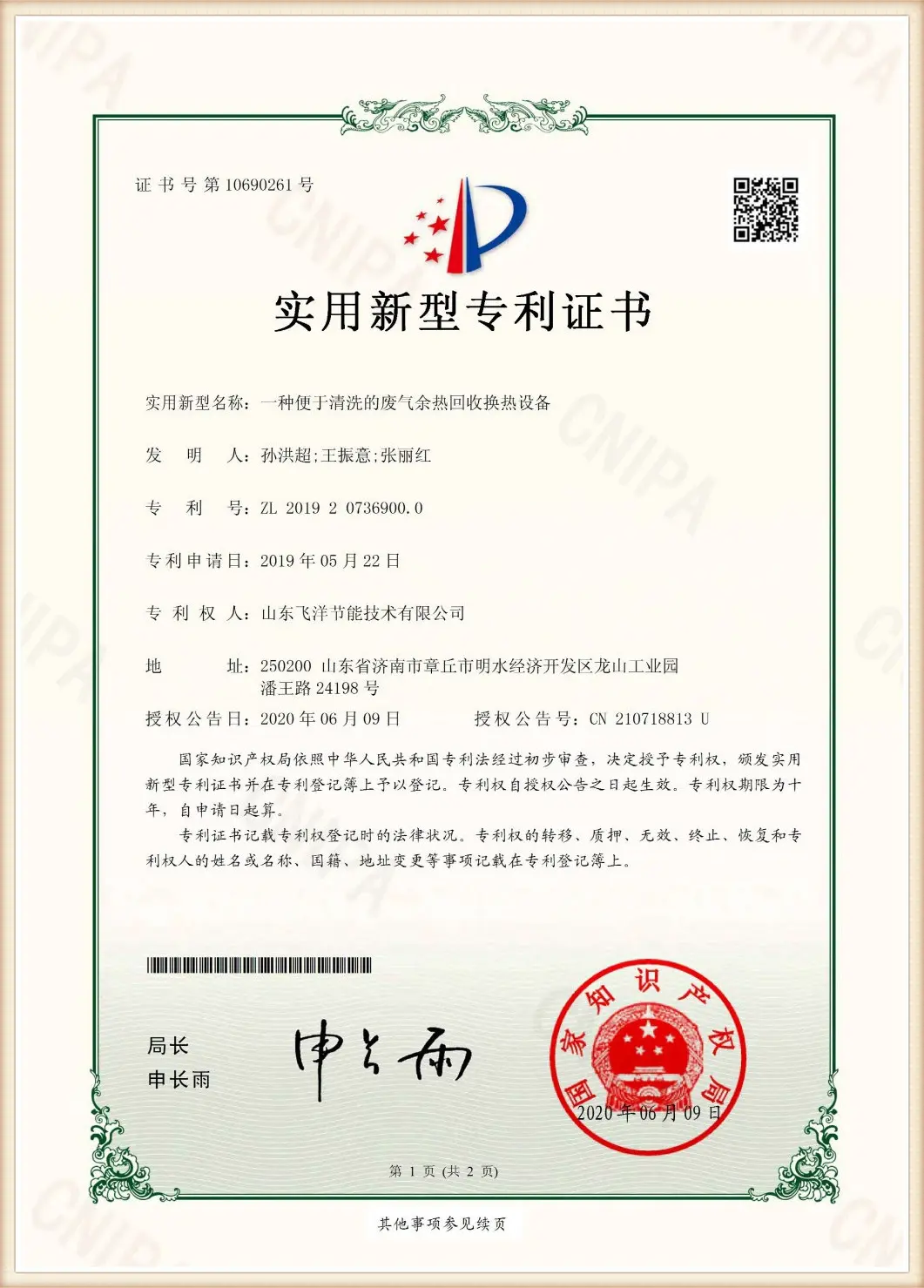
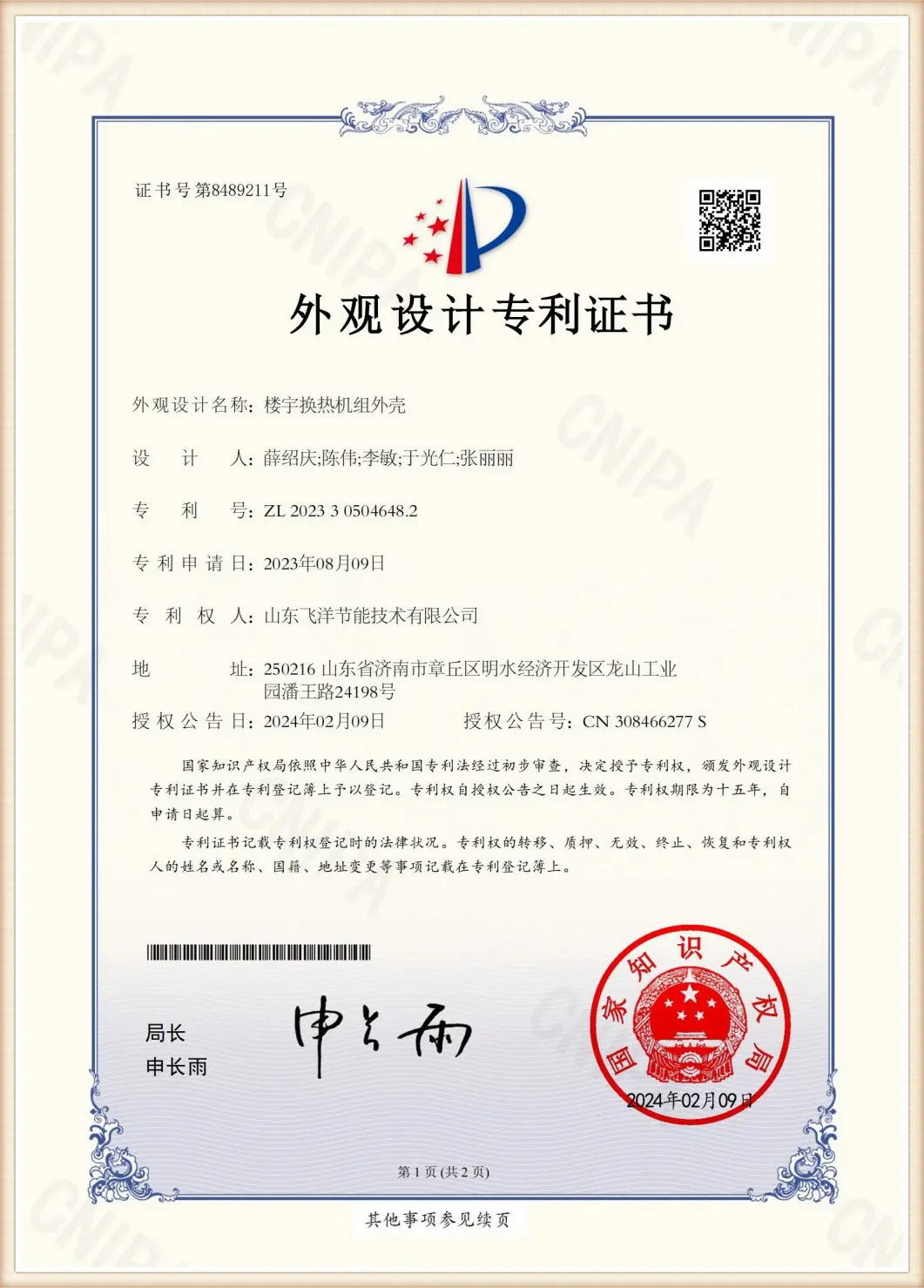
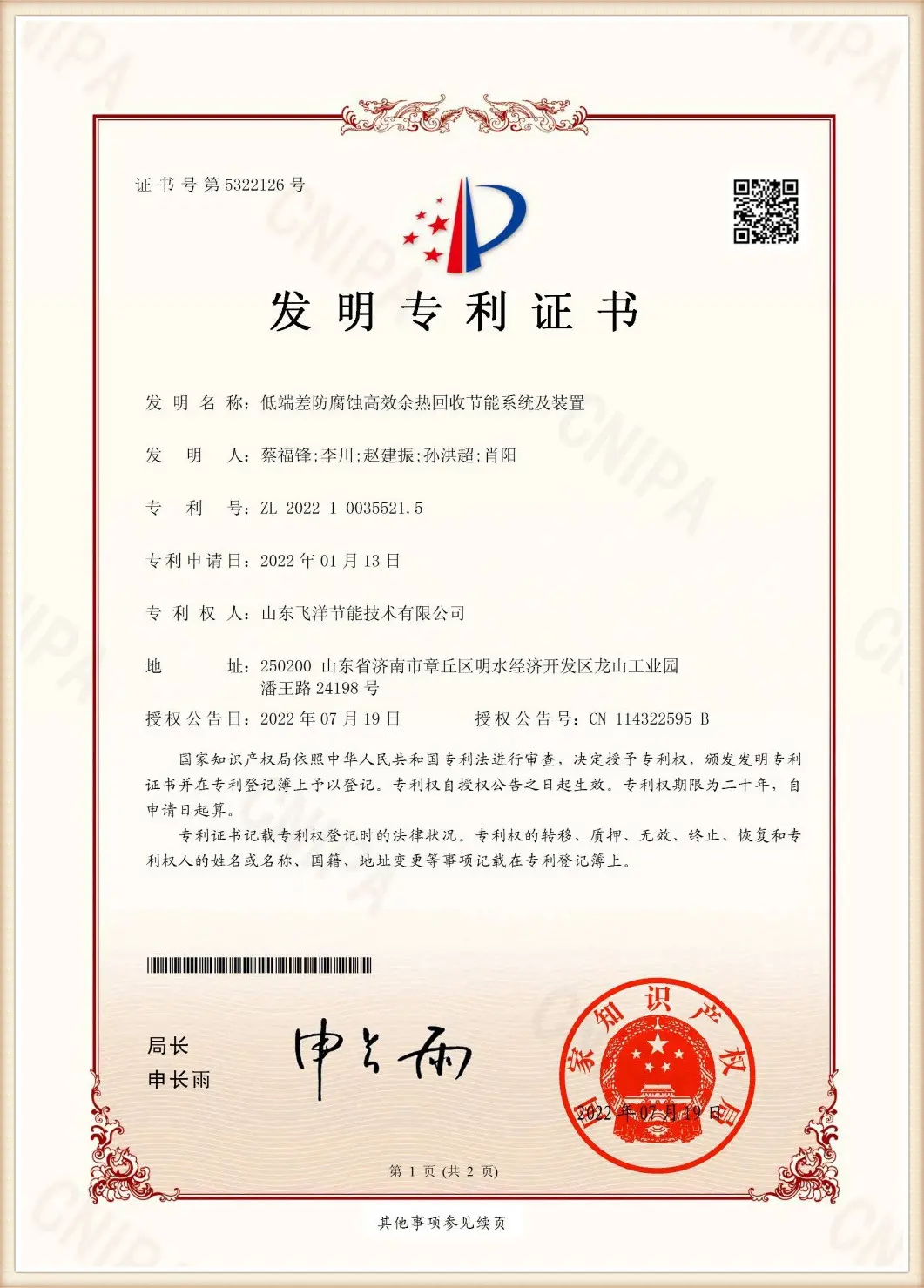
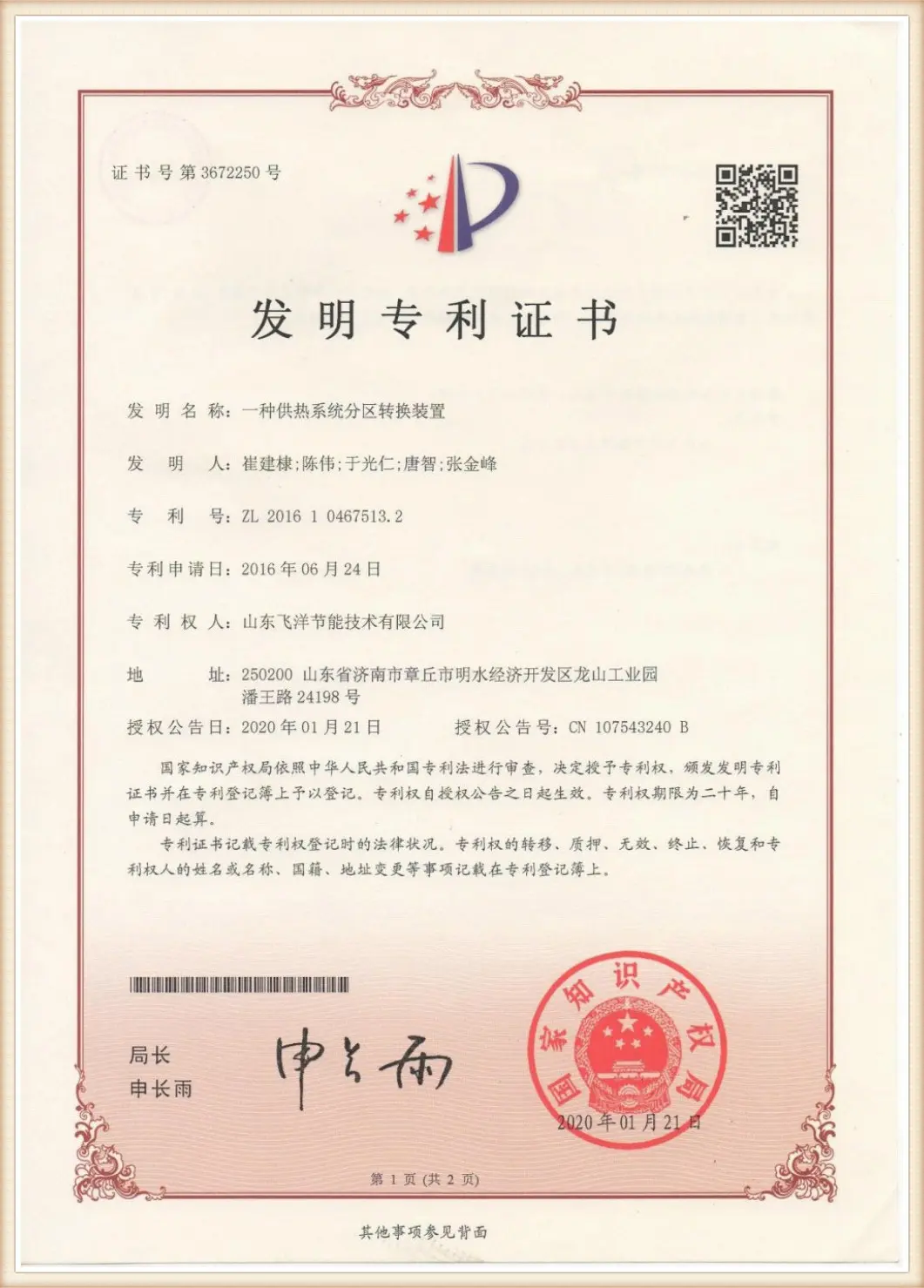
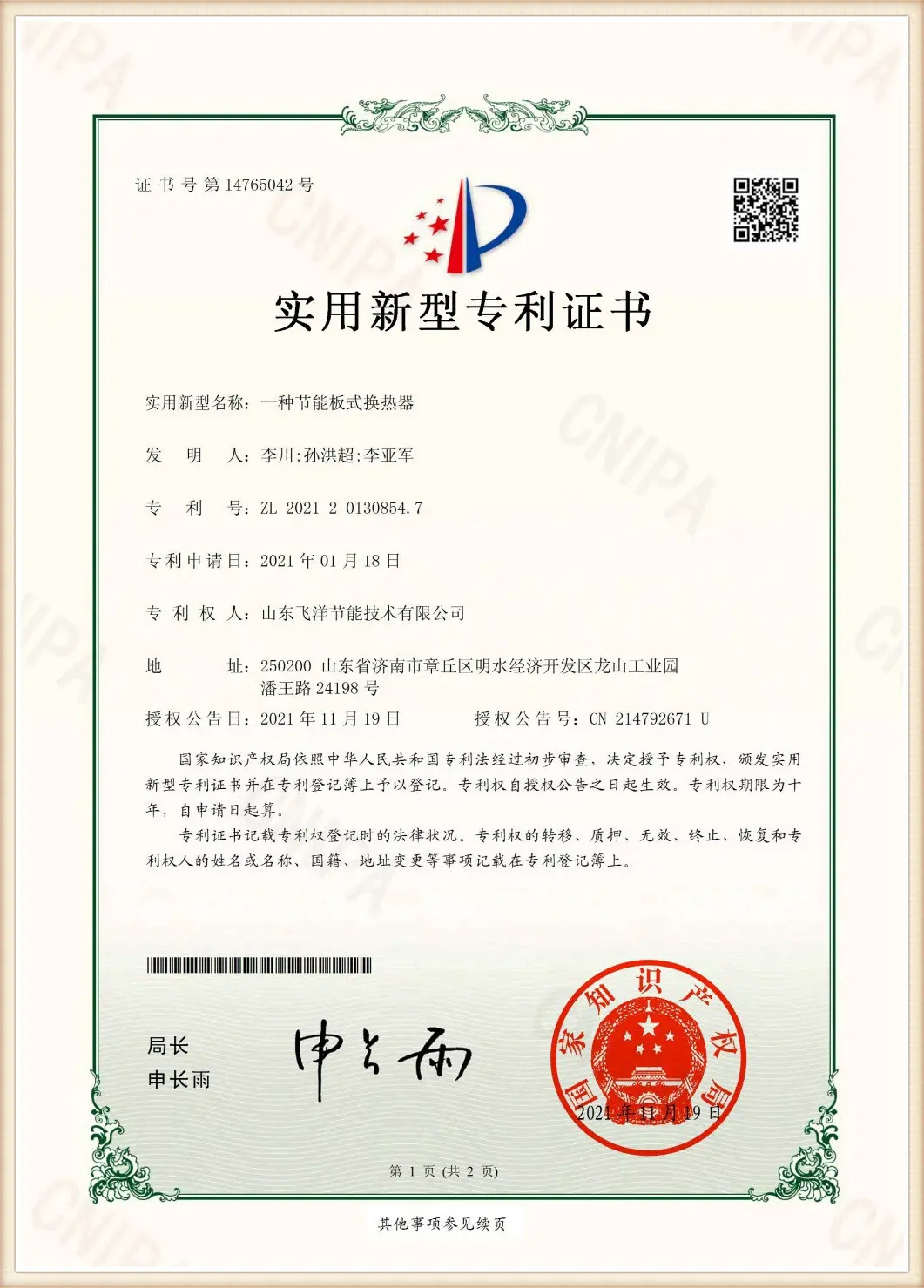
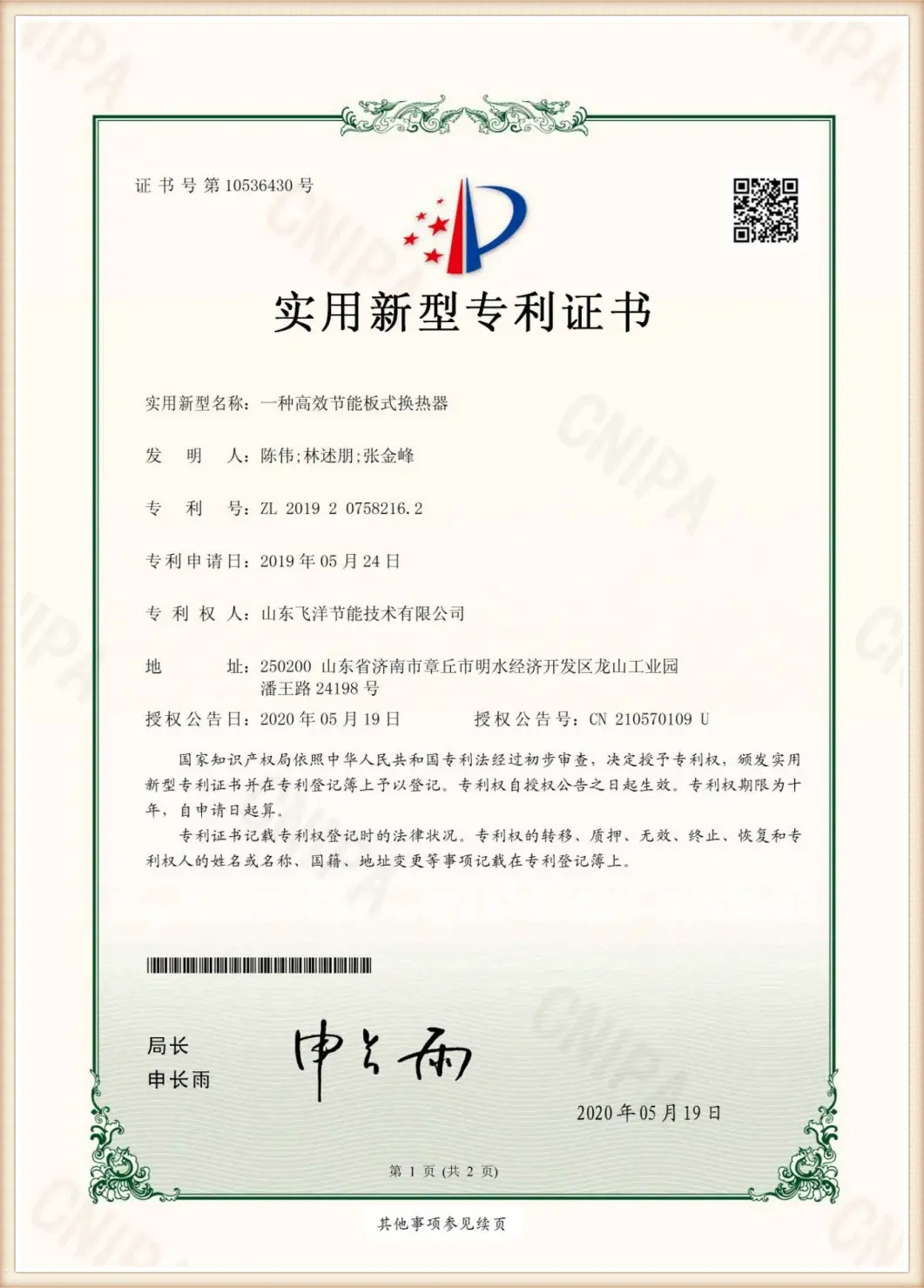
Our adherence to international standards is verified by quality management, environmental, safety, and specialized pressure vessel manufacturing certifications.
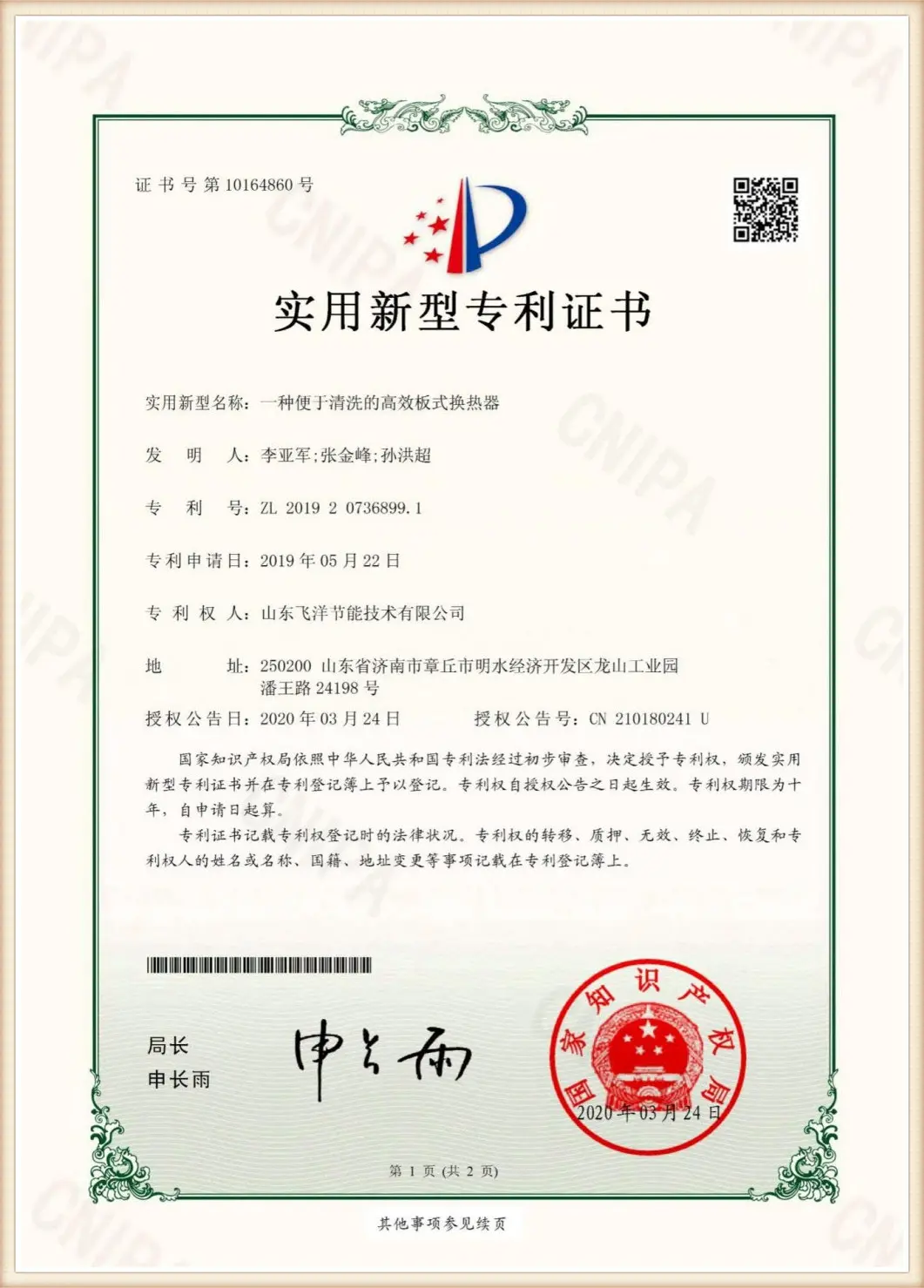
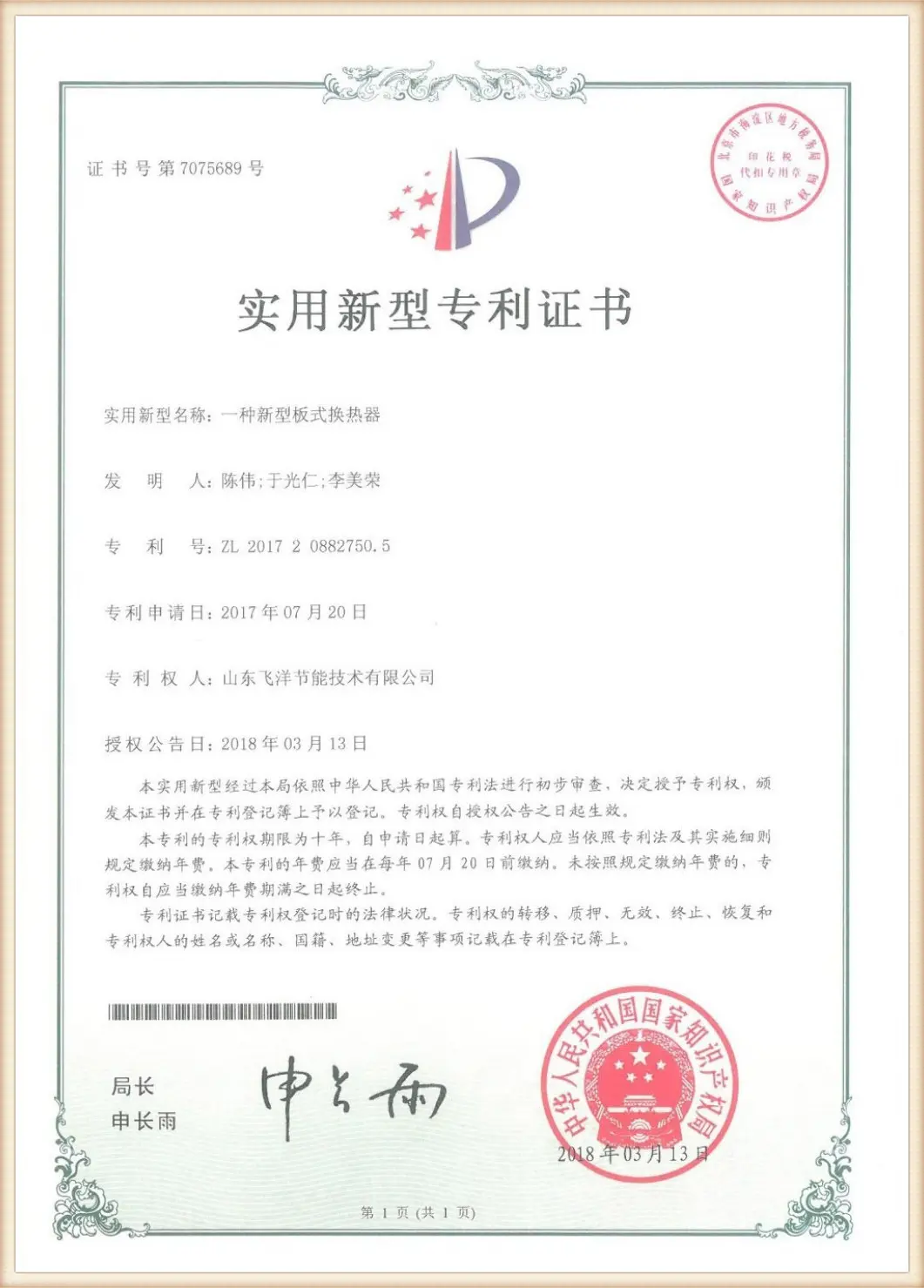
Our modern manufacturing facilities utilize specialized stamping machinery, advanced assembly lines, and testing laboratories.
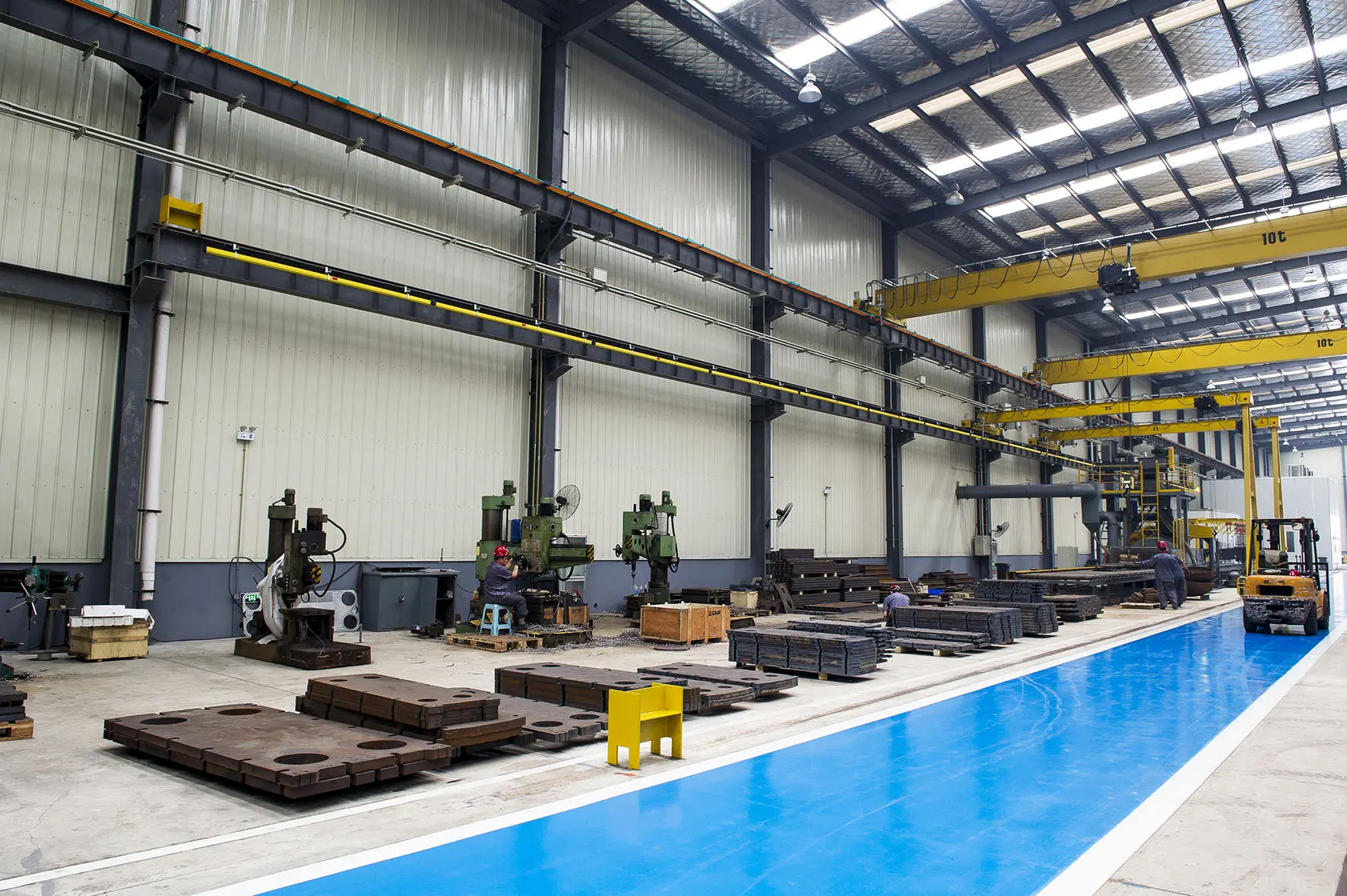

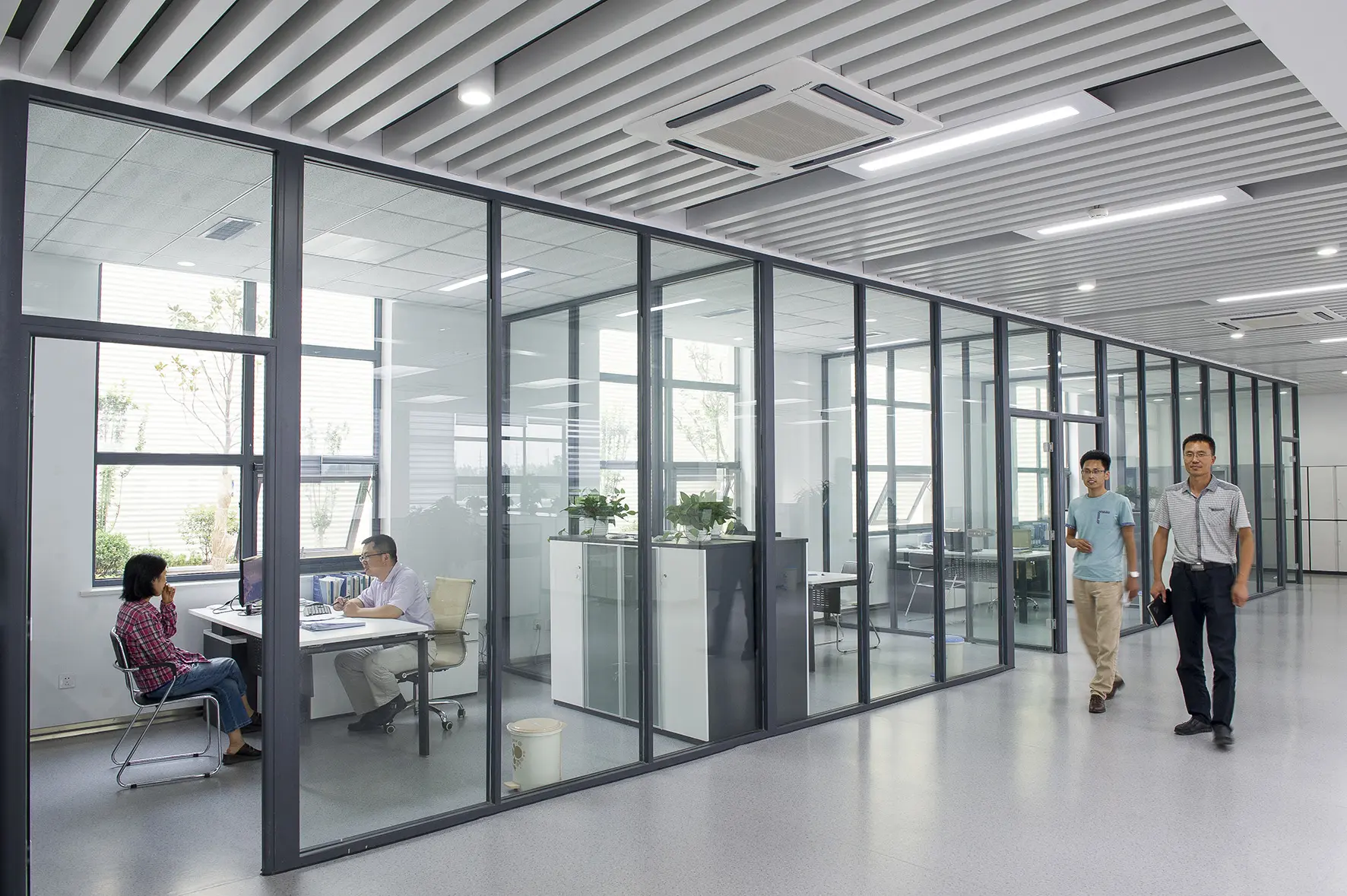

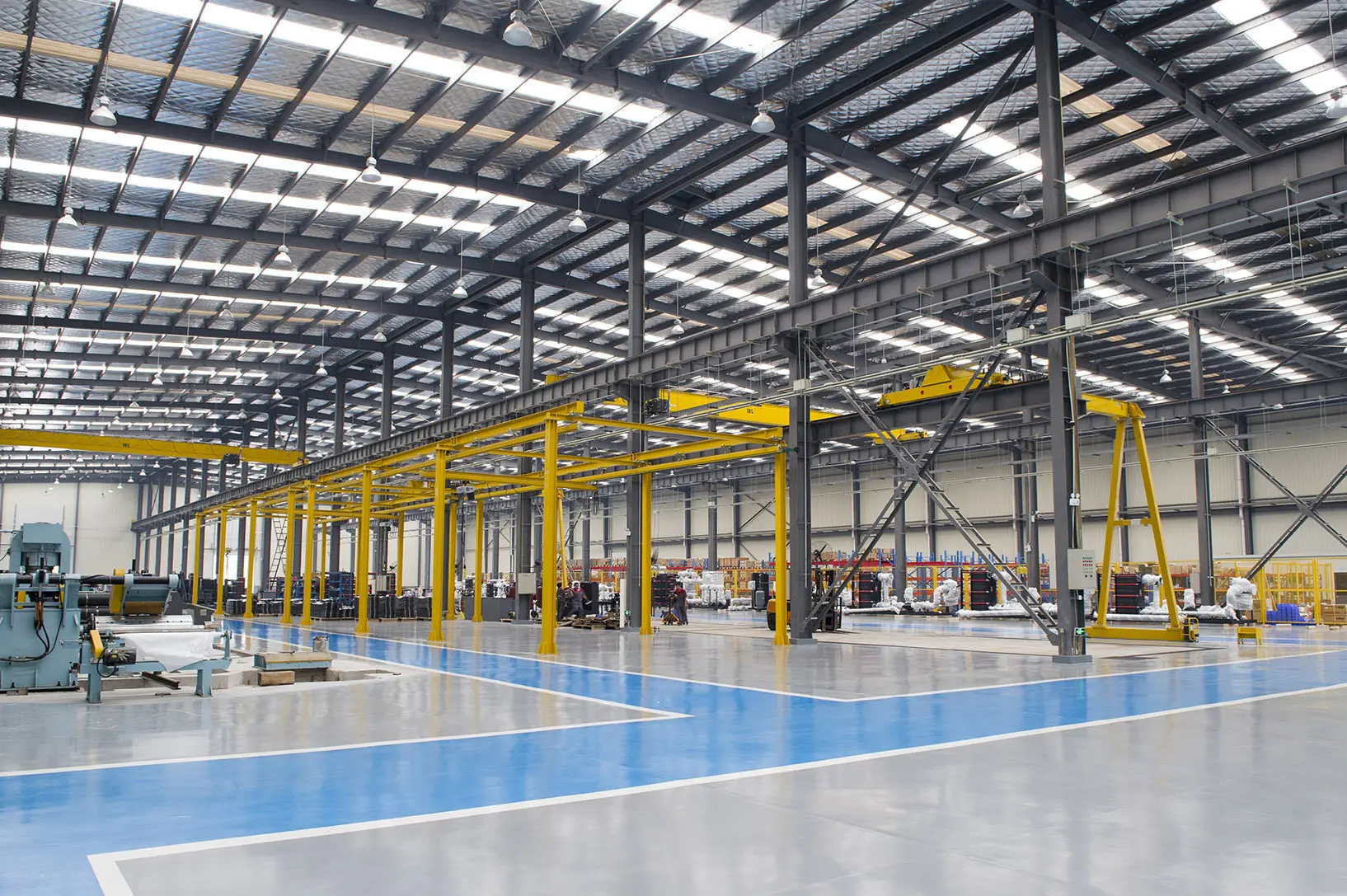
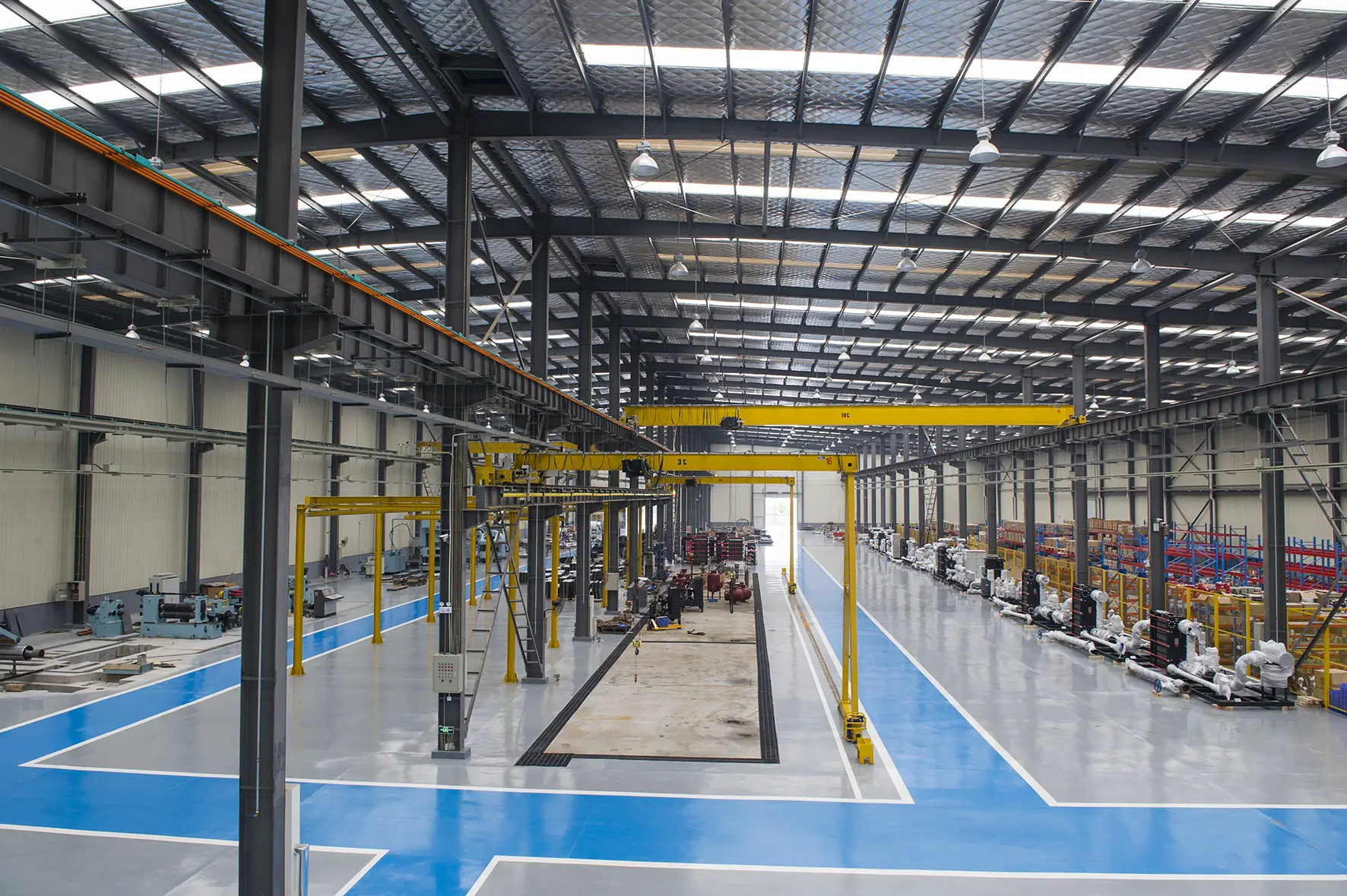
High-performance systems engineered to meet international standards for reliability, safety, and efficiency.

 Flotte Energy