Premium OEM/ODM manufacturing directly from our certified Chinese facilities
In the modern industrial ecosystem, thermal energy management is not merely a utility requirement; it is a critical axis of operational efficiency and decarbonization. Global manufacturing, chemical refinement, pharmaceutical synthesis, and HVAC systems consume vast quantities of primary energy. As global compliance mandates pivot aggressively toward net-zero thresholds, the demand for highly optimized heat transfer systems has reached unprecedented heights.
Historically, industries relied on oversized, legacy shell-and-tube exchangers. Today’s industrial design paradigm prioritizes maximum thermal efficiency, low fouling coefficients, and minimal spatial footprints. By incorporating advanced corrugated plate patterns and multi-pass engineering, modern thermodynamic systems can dramatically increase heat transfer coefficients (U-values) while minimizing pressure drops. Across regions like North America, Europe, and the Asia-Pacific, energy-saving configurations represent the standard for green building initiatives, district heating upgrades, and waste heat recovery.
Furthermore, the rising adoption of intelligent district energy networks requires systems to be dynamic. Exchangers are no longer passive blocks of steel; they are integrated units capable of digital regulation, automated balancing, and remote operational analytics. This integration forms the backbone of municipal energy conservation programs globally.
Established in 2013 with a registered capital of 101 million Yuan, Flotte Energy Saving Company represents the pinnacle of thermodynamic design. Our engineering lineage dates back to the establishment of Flotte Thermal Engineering in 1995. With three decades of rigorous research and development, we have pioneered advancements in water management, HVAC engineering, and industrial wastewater treatment.
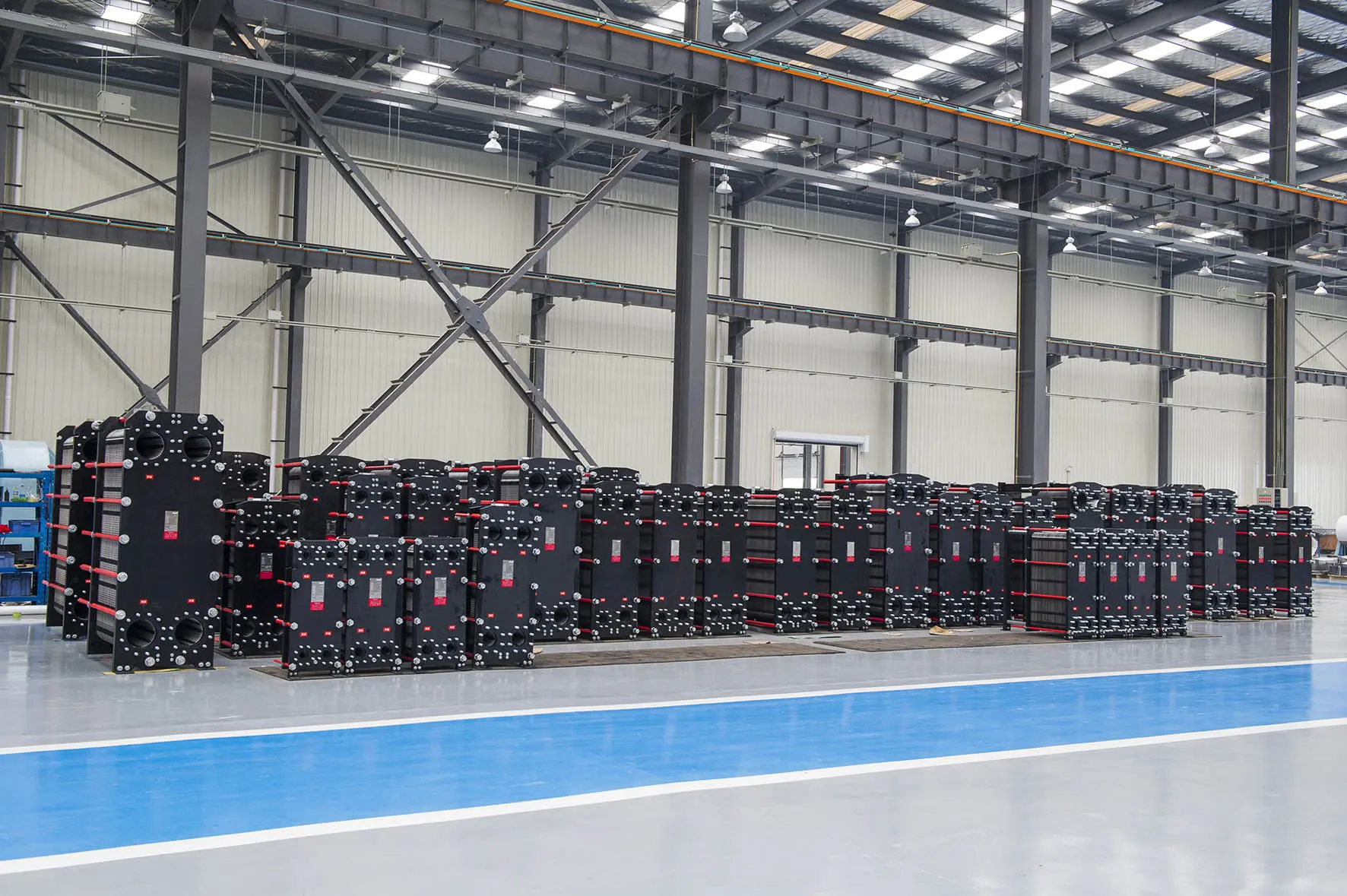
Operating from our state-of-the-art 70,000 m² manufacturing plant, our team of over 260 technical professionals produces more than 2,000 high-capacity thermodynamic units annually. Our financial robustness is demonstrated by annual sales revenues exceeding 500 million Yuan, which allows us to maintain a continuous investment cycle in R&D.
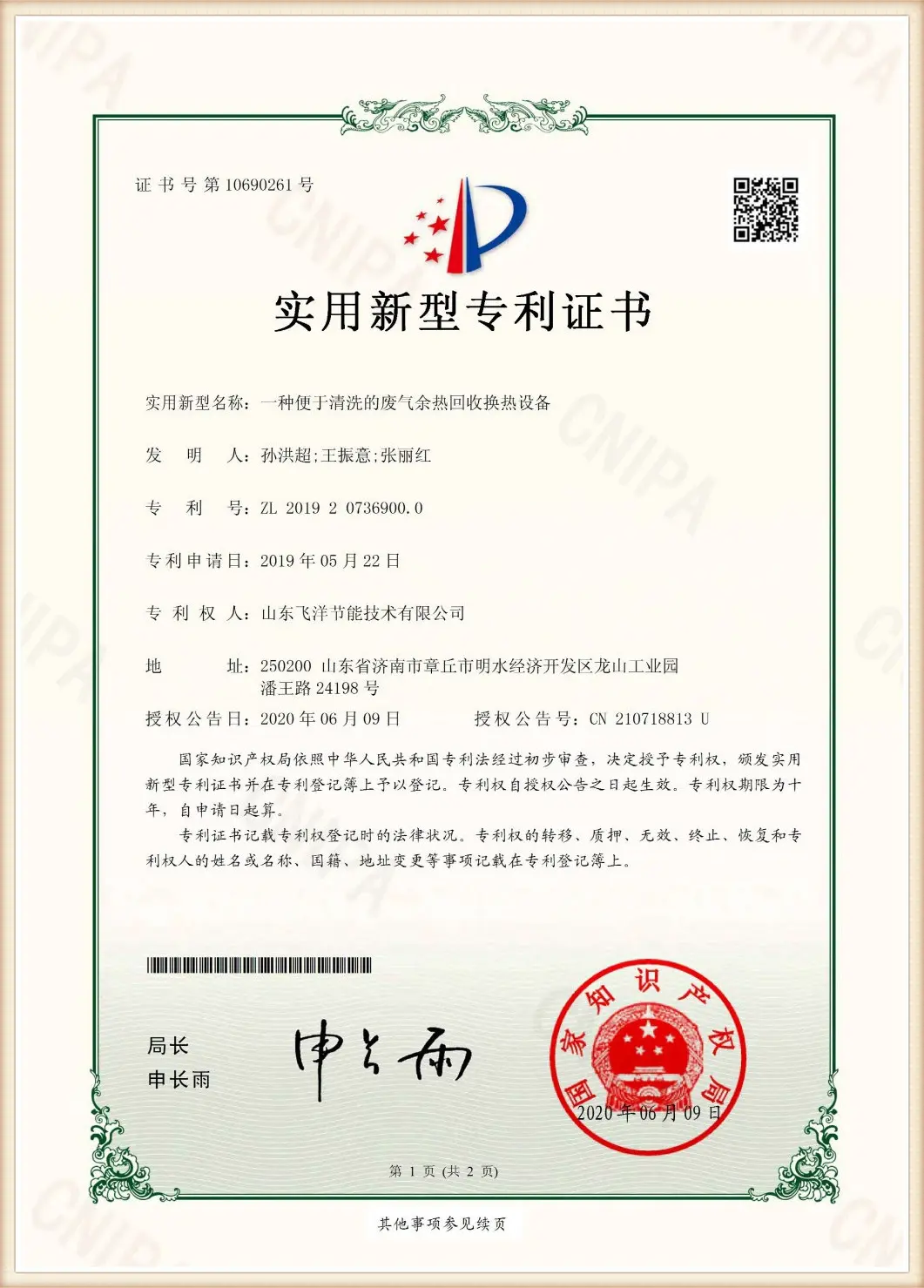
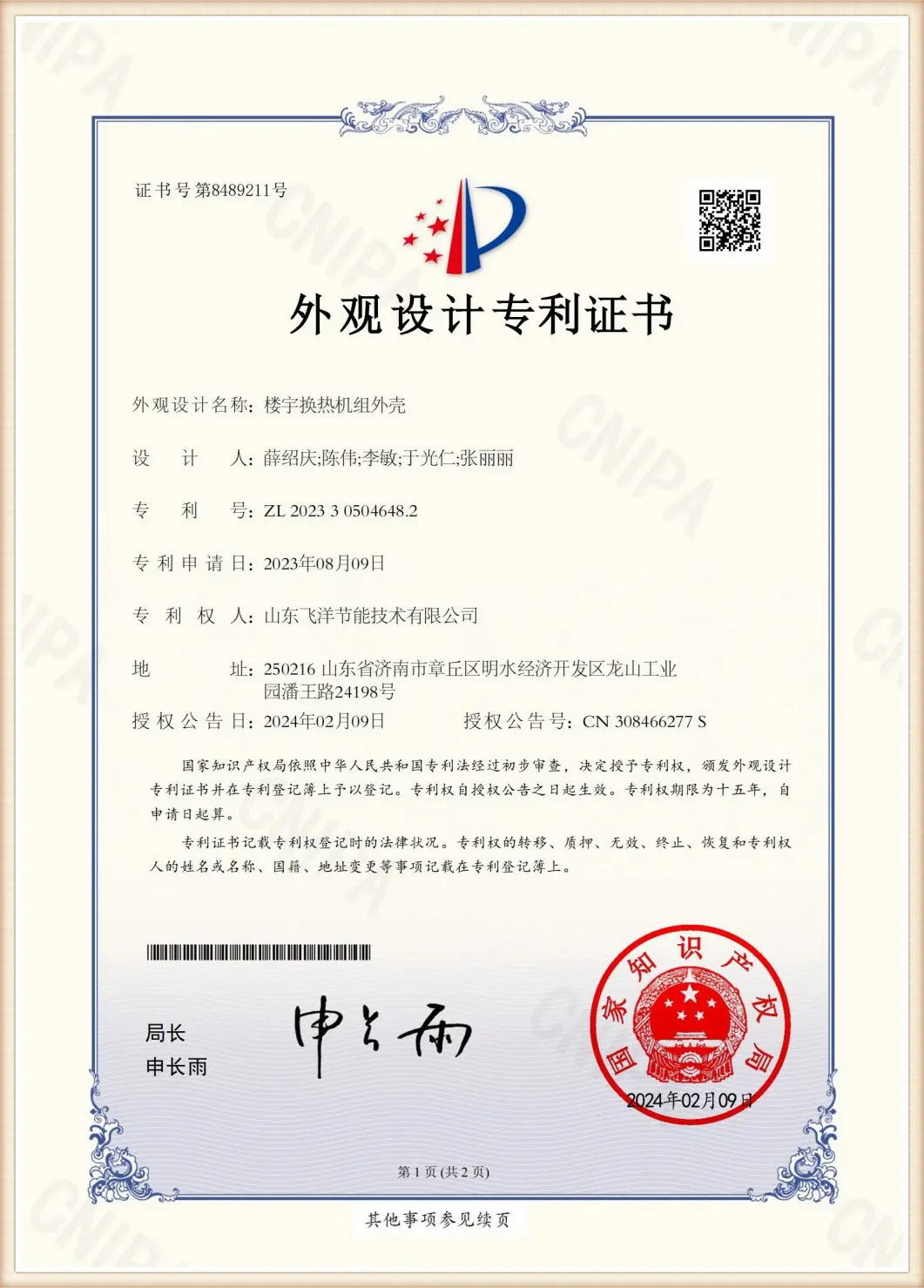
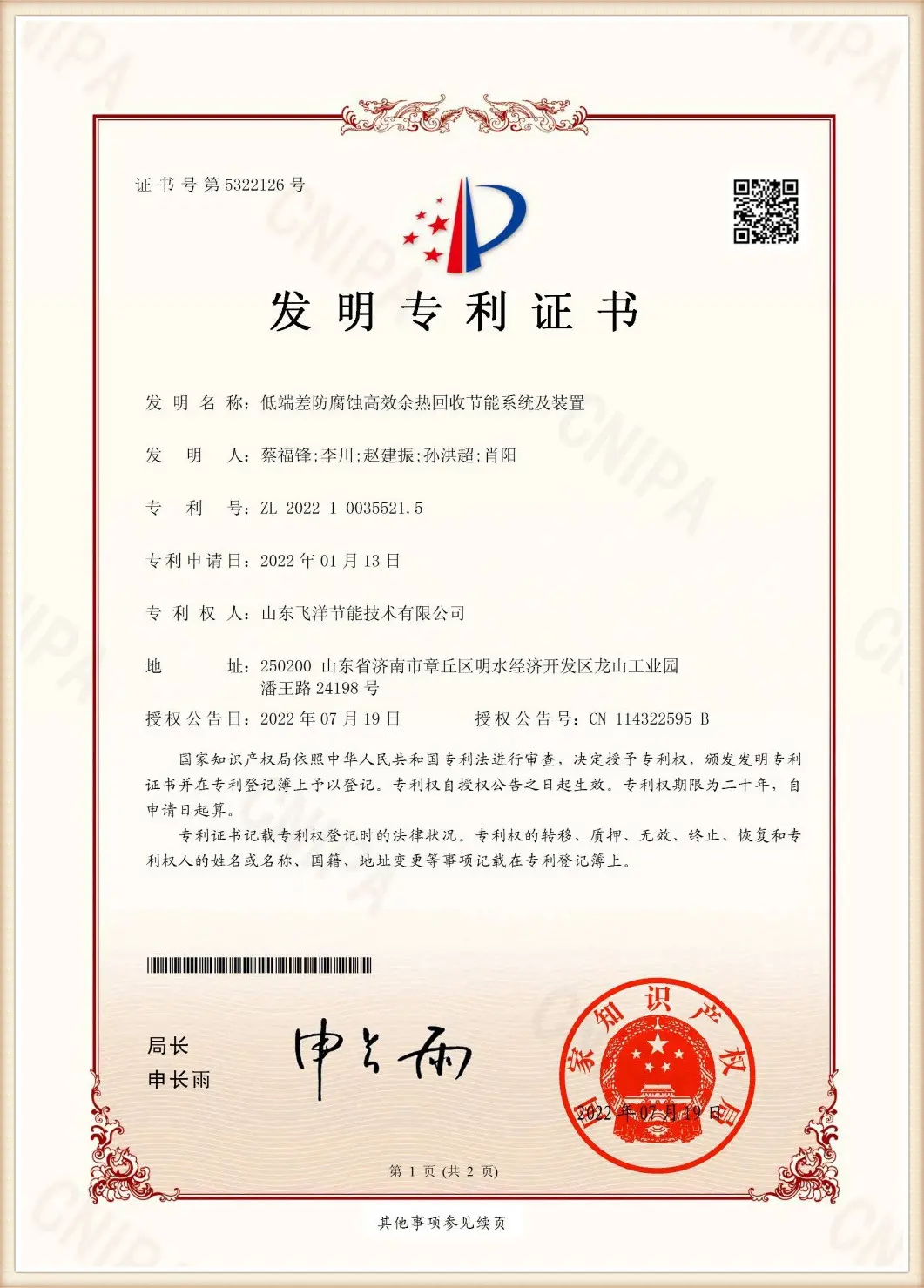
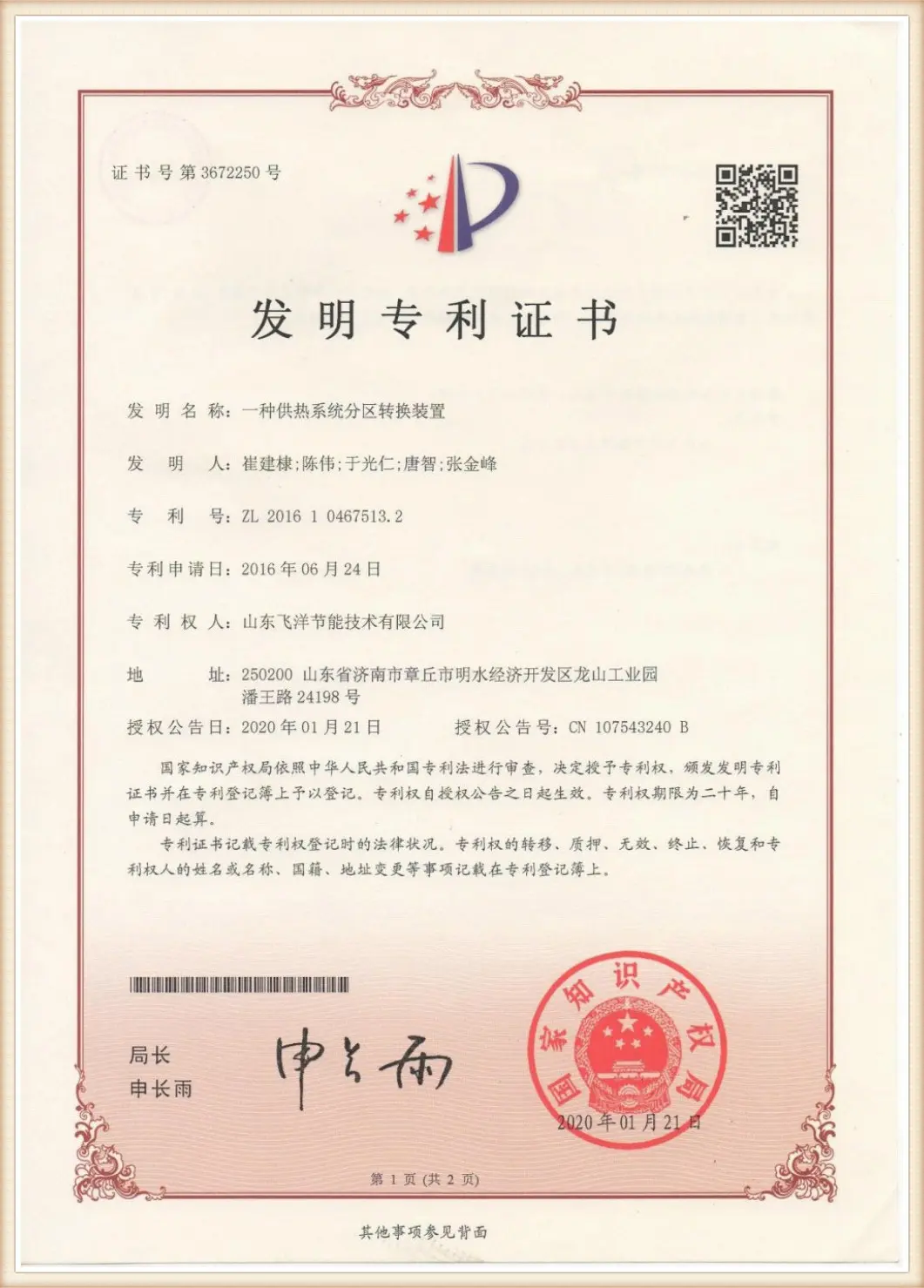
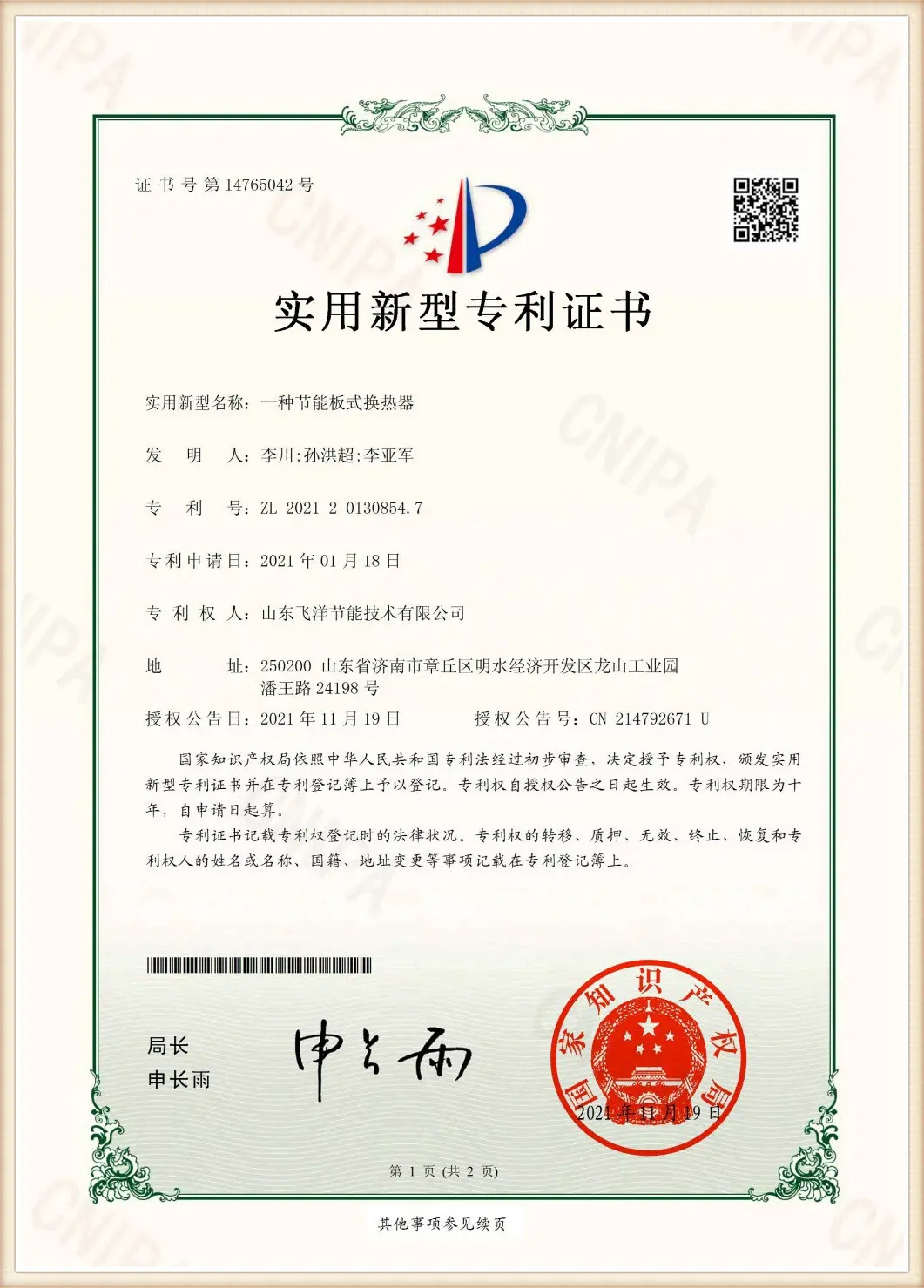
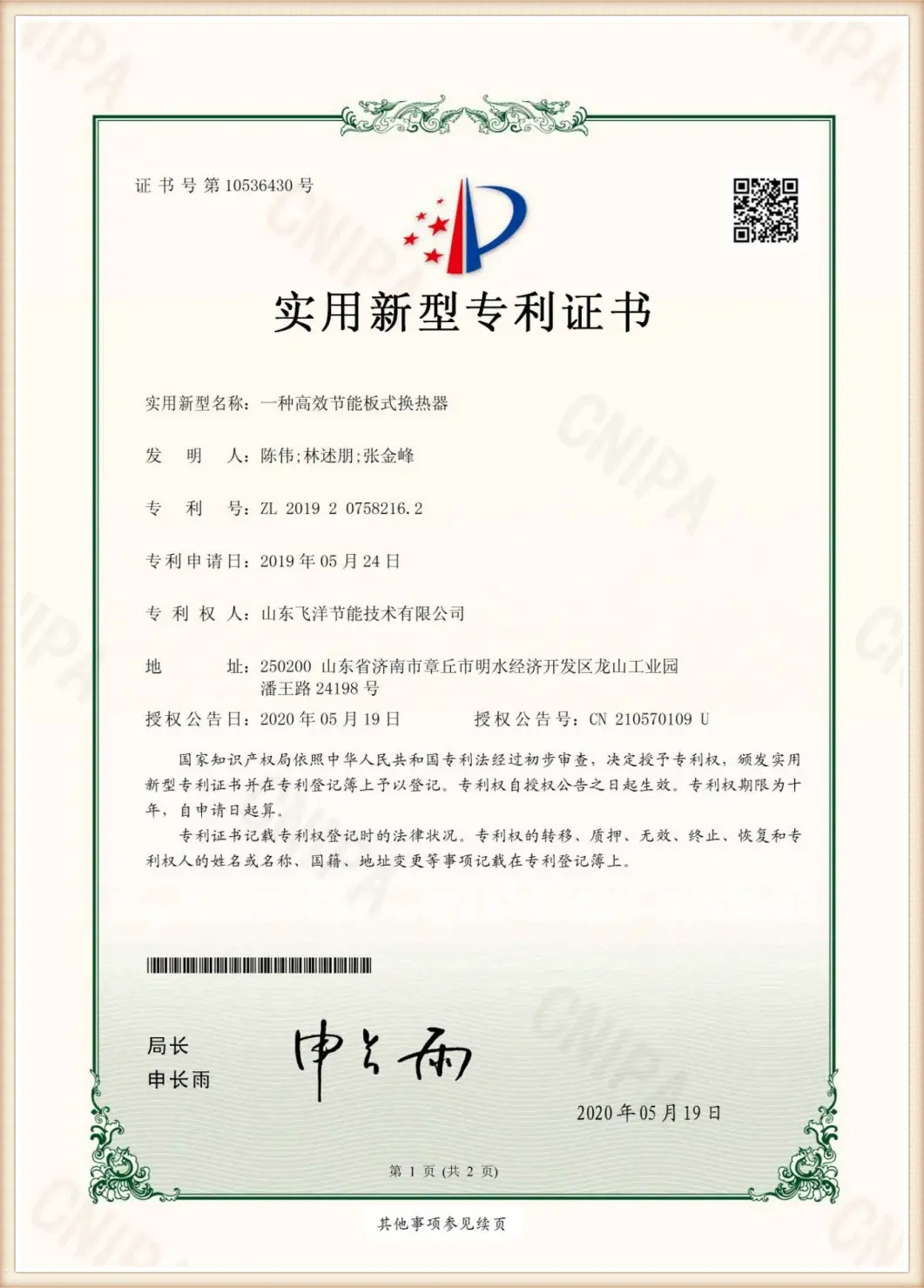
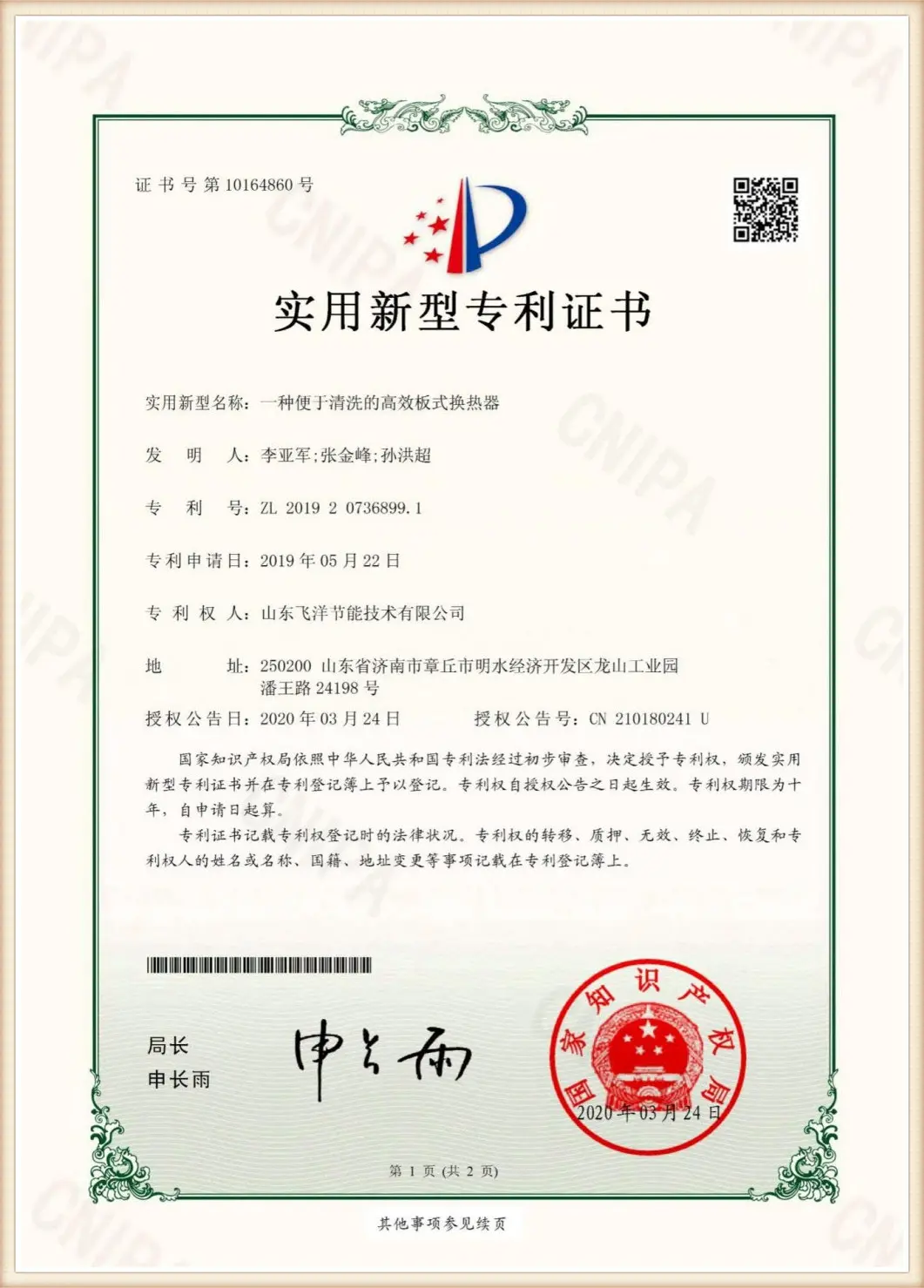
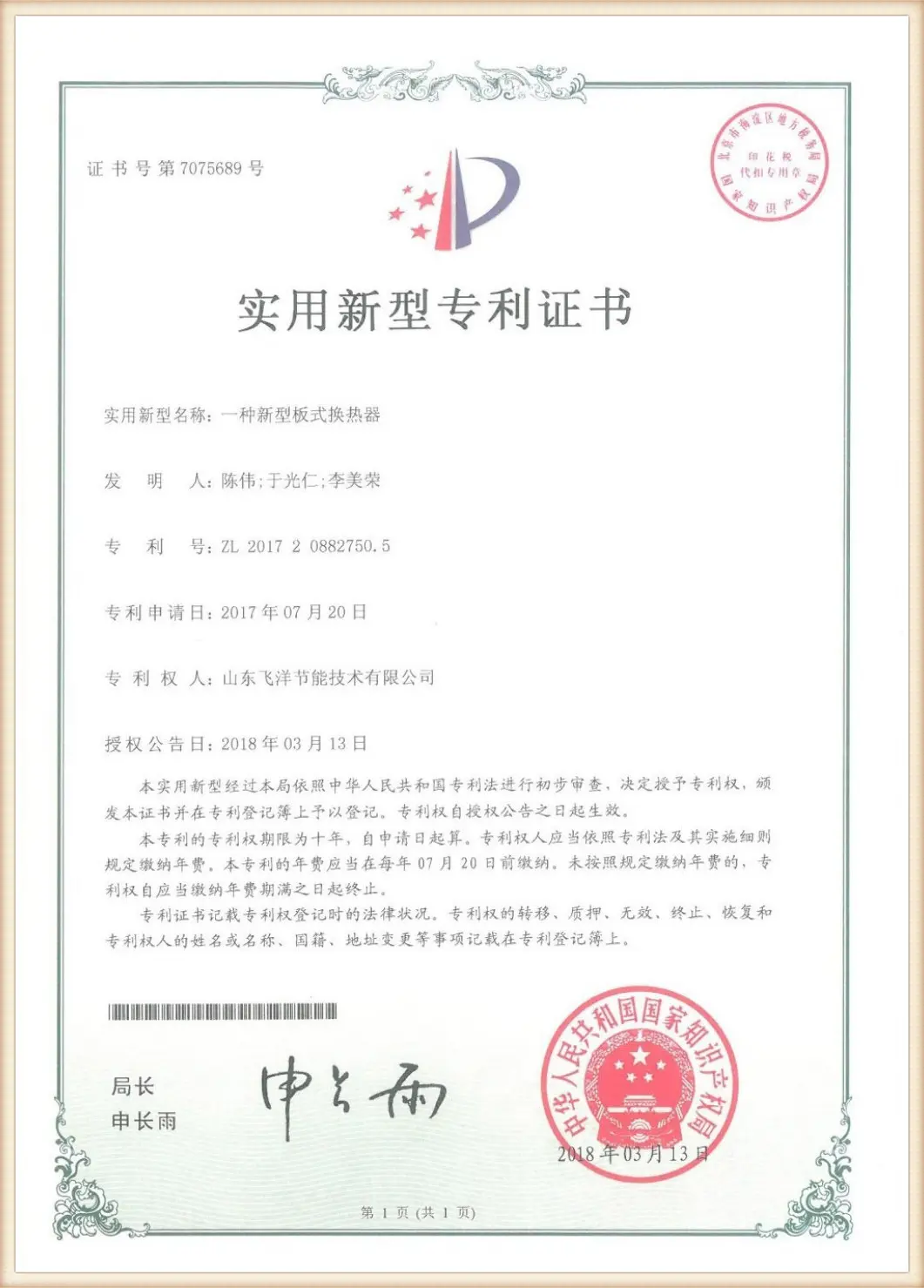
Flotte's design engineers possess deep domain expertise, enabling us to customize solutions for complex operational parameters. We hold key national patents, including certifications for our "High-Efficiency Plate Heat Exchangers," "Intelligent Plate Heat Exchanger Systems," and specialized "Scale Removal Devices." Every product manufactured undergoes testing and conforms to strict international and national standards, including ISO9001:2015, ISO14001:2015, and ISO45001:2018.
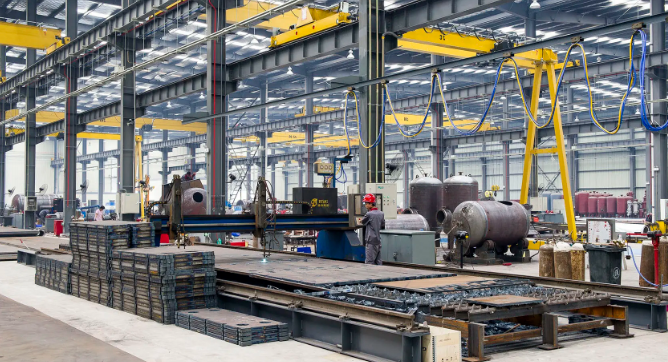
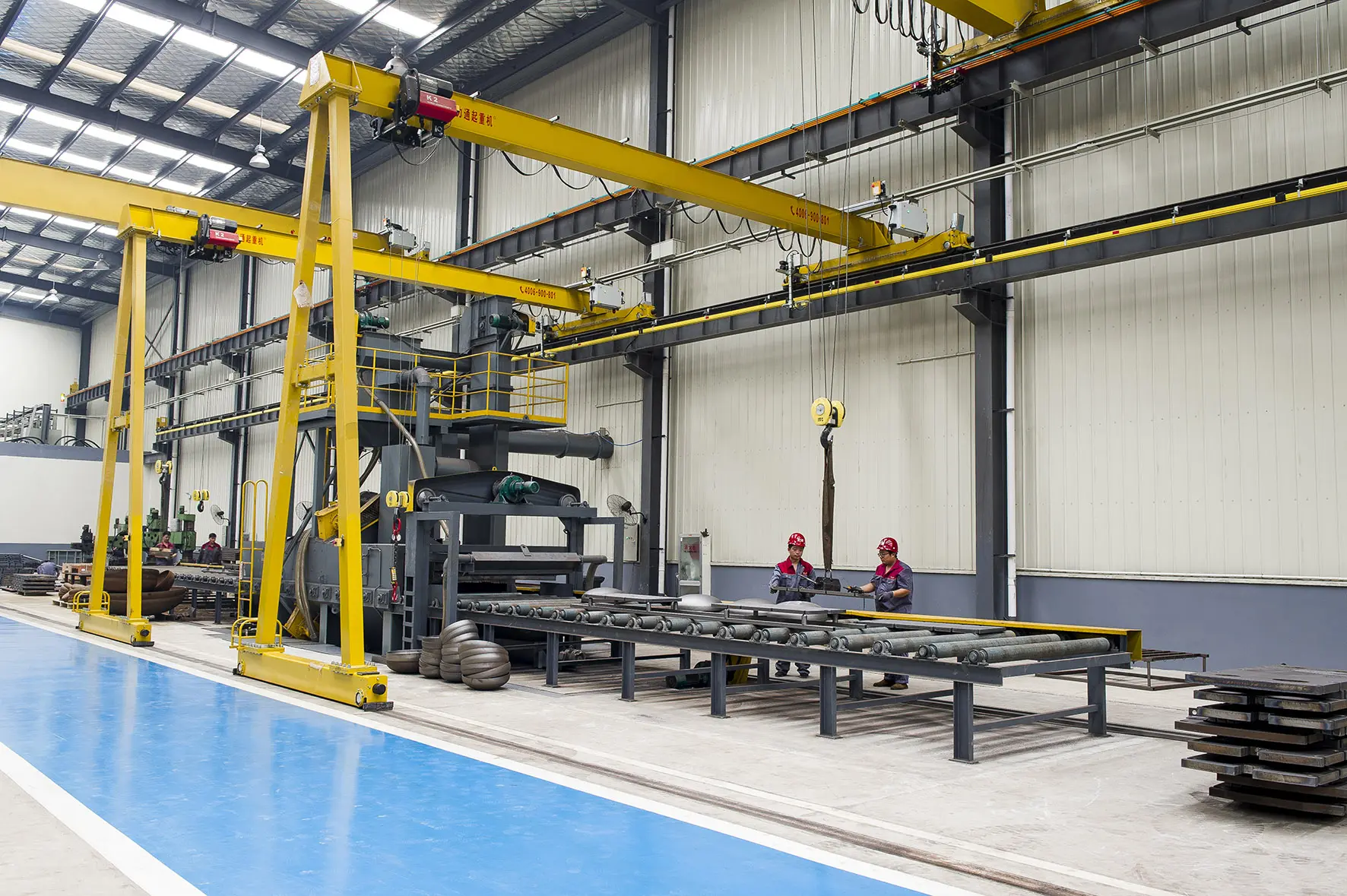
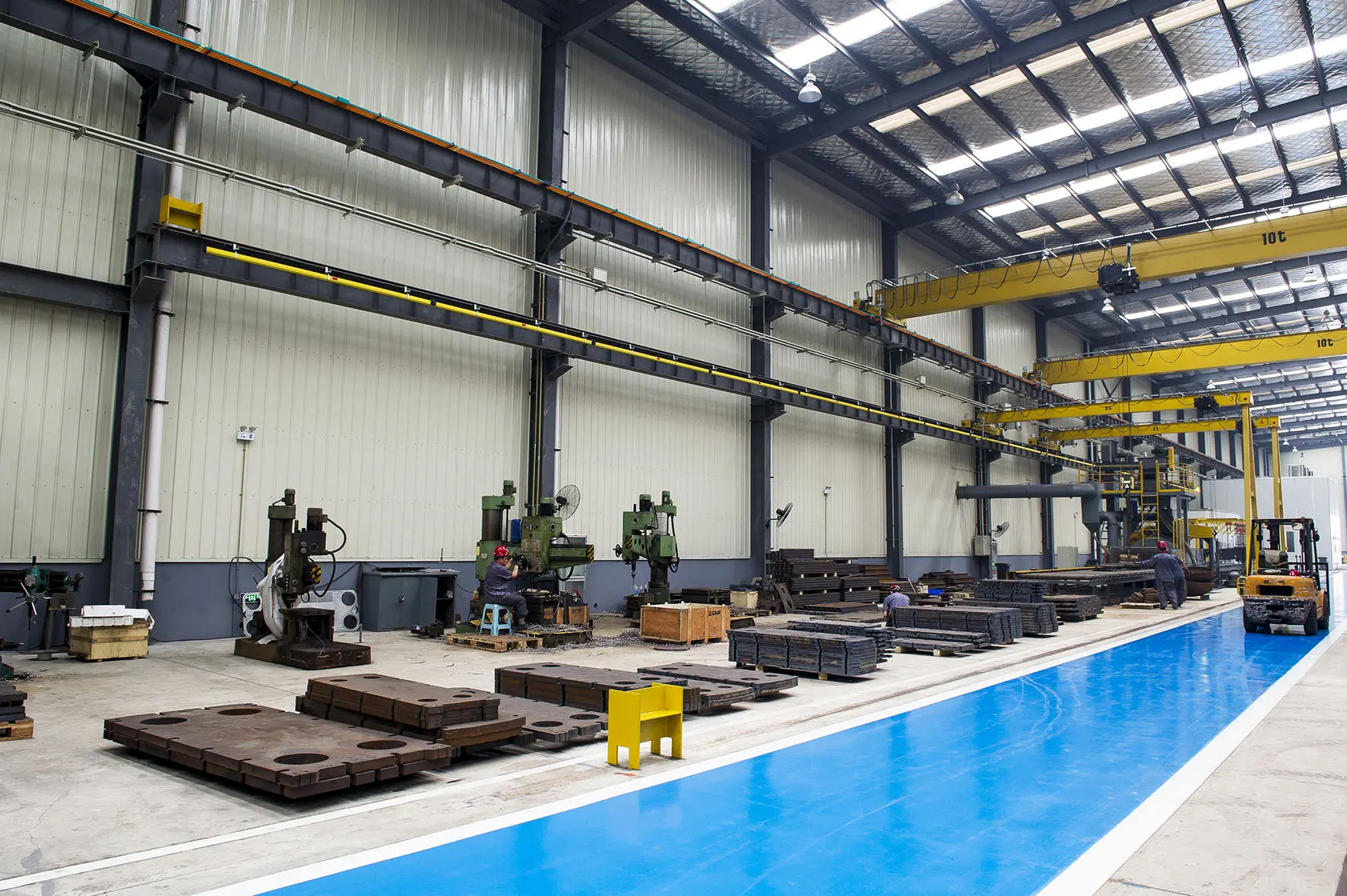
Global buyers choose Chinese manufacturers for industrial heat transfer solutions not only due to cost considerations, but also due to the advantages of advanced manufacturing integration. Our facilities combine localized material supply chains, advanced metallurgy, and specialized mechanical engineering.
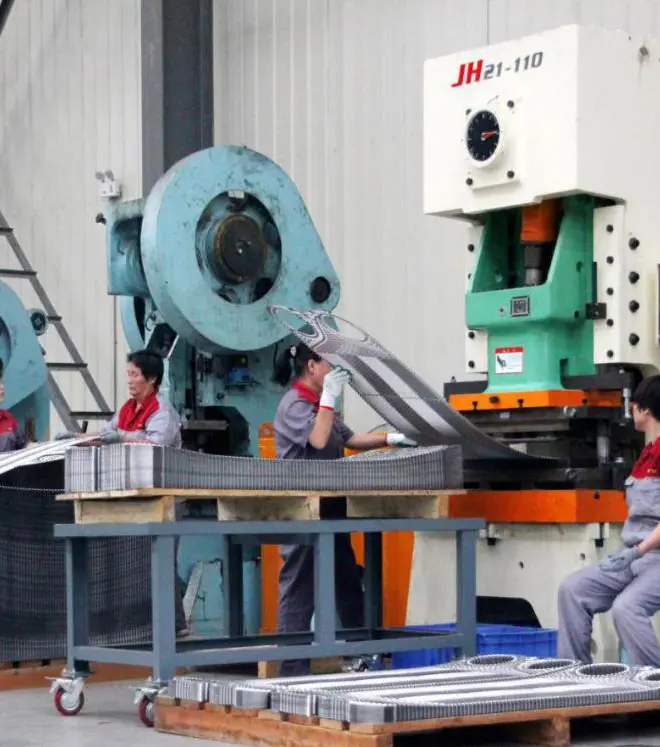
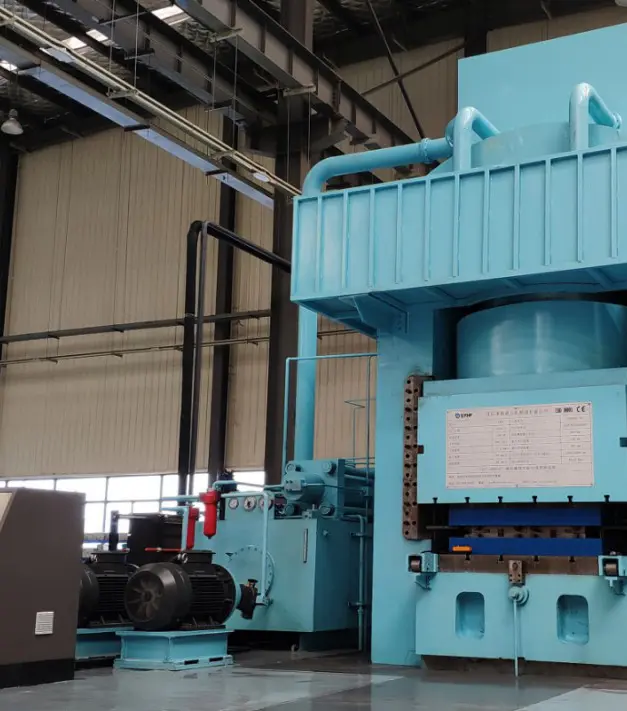
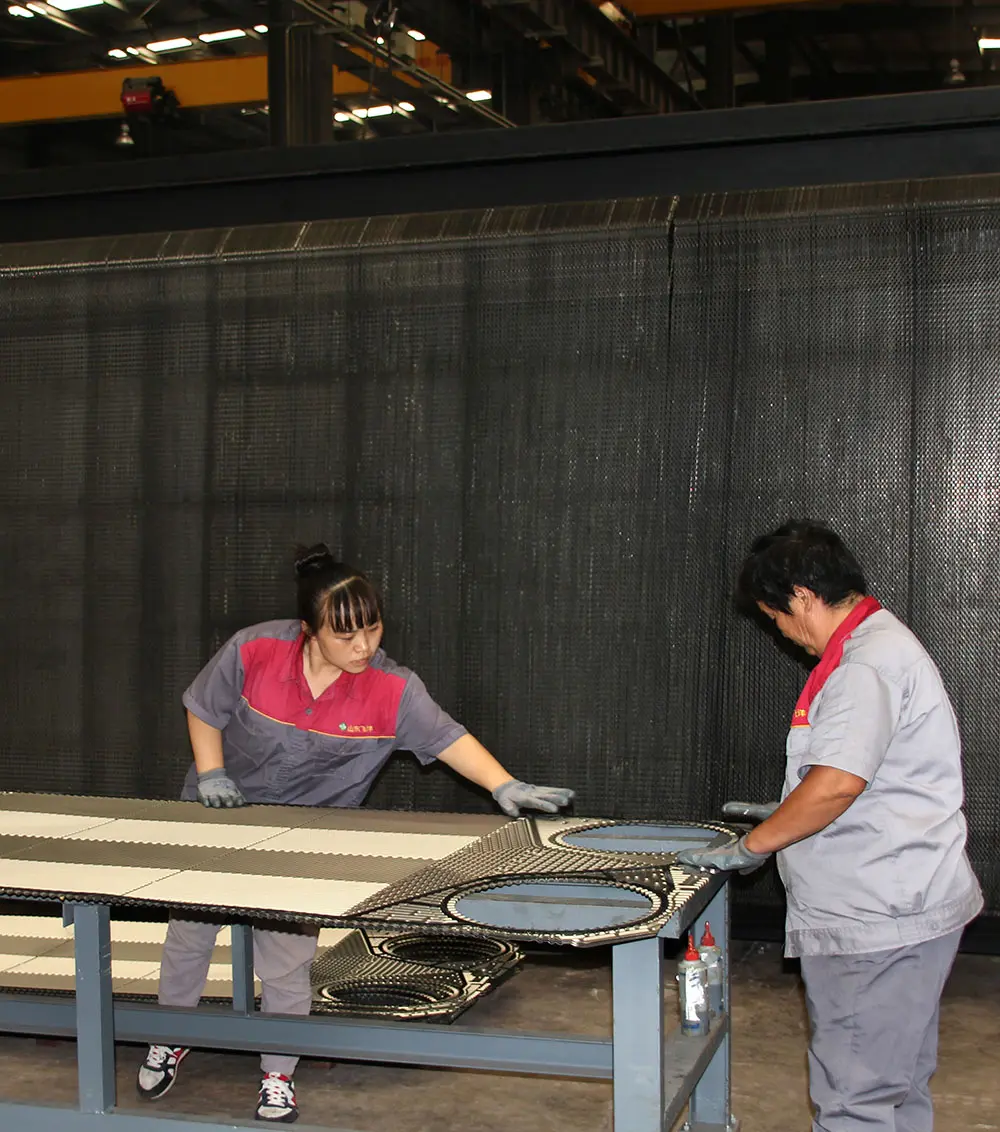
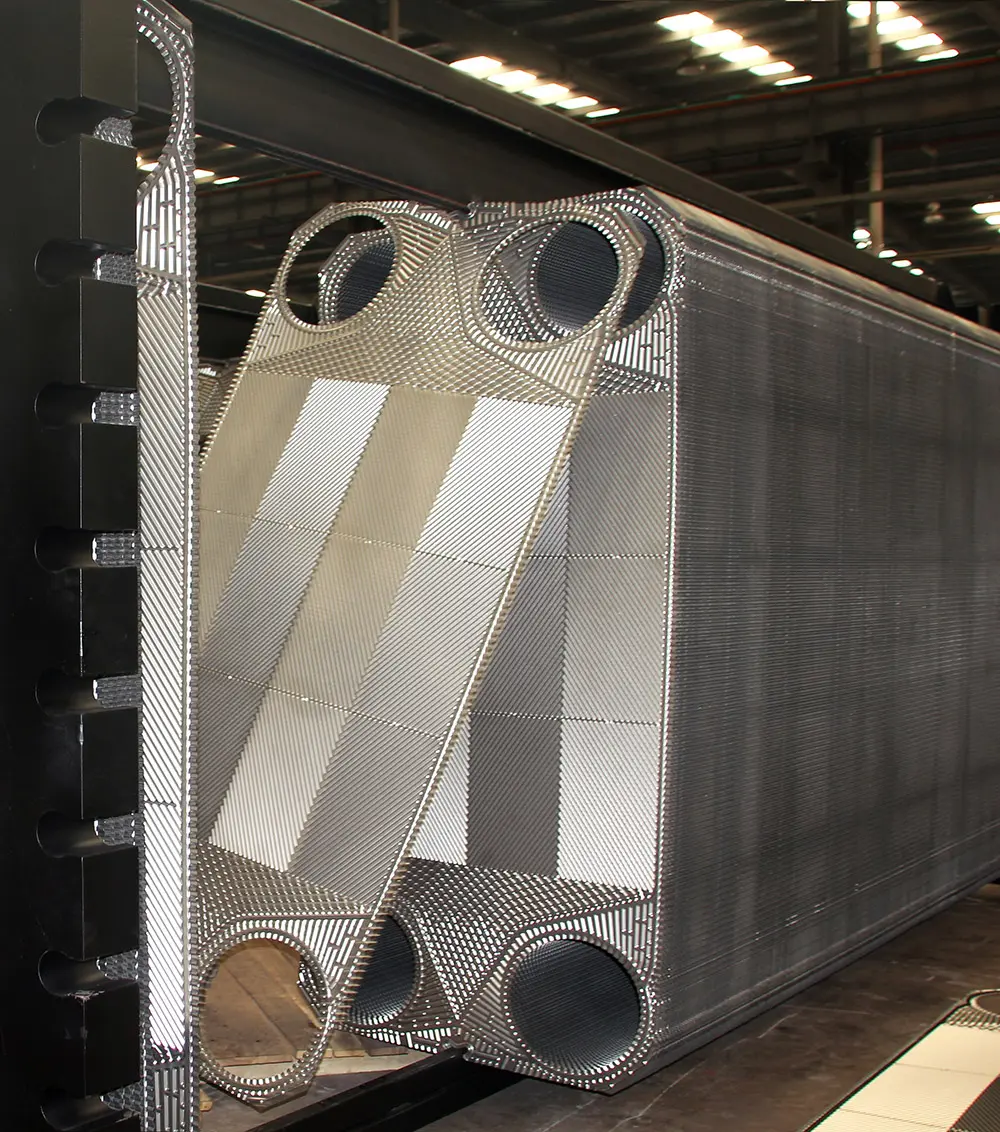
We operate multi-ton hydraulic presses that stamp complex corrugation designs in a single pass. This ensures uniform material thickness, prevents structural stress points, and maintains tight tolerances for plates made of Stainless Steel 304, 316L, Titanium, or Hastelloy.
Our proximity to premium steel mills and rubber vulcanization plants minimizes component transit times. We source high-grade gaskets (NBR, EPDM, Viton) and pressure-rated structural steel frame components with complete traceability and certificate transparency.
By using automated gas tungsten arc welding (GTAW) and laser welding for semi-welded plate packs and shell-and-tube headers, we ensure joint integrity that withstands high working pressures and cycling thermal stresses.
Every design is validated inside our on-site labs. We run rigorous pressure testing, hydrodynamic performance analysis, and non-destructive testing (NDT), such as dye penetrant and ultrasonic examinations, to guarantee structural safety.
This integrated approach allows Flotte to offer rapid lead times without sacrificing engineering quality. Whether you require a single high-capacity HVAC exchanger or a fleet of modular stations, our automated processes maintain consistent quality across high-volume production runs.
Thermodynamic demands vary across different applications. A solution optimized for an urban district heating network will not match the requirements of a sanitary pharmaceutical loop or a heavy chemical reactor. Flotte designs customized equipment configured to the specific constraints of your industry:
In urban heating grids, our detachable plate heat exchangers serve as the isolation barrier between primary municipal steam/water loops and residential secondary circuits. They regulate temperatures with high thermal efficiency, minimize pipeline thermal loss, and withstand system pressure surges.
For high-rise office towers and commercial spaces, our compact modular heat exchanger units integrate pump networks, intelligent balancing valves, and variable frequency controls. They maintain comfortable indoor environments while optimizing energy consumption.
For harsh industrial environments involving acids, solvents, or high-salinity liquids, we customize exchangers using high-grade alloys (such as Titanium Gr.1 or Nickel-Chromium Hastelloy). This ensures corrosion resistance and thermal performance under extreme stresses.
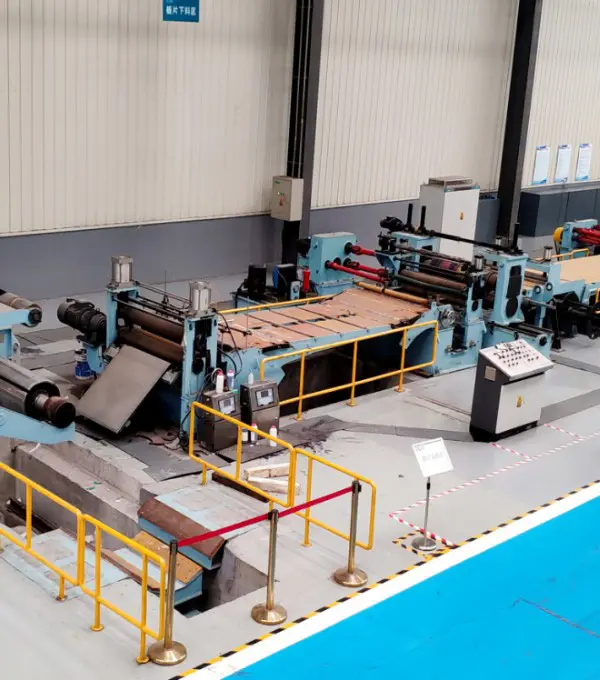
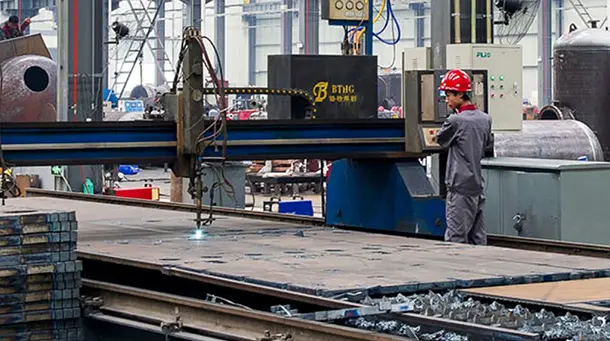
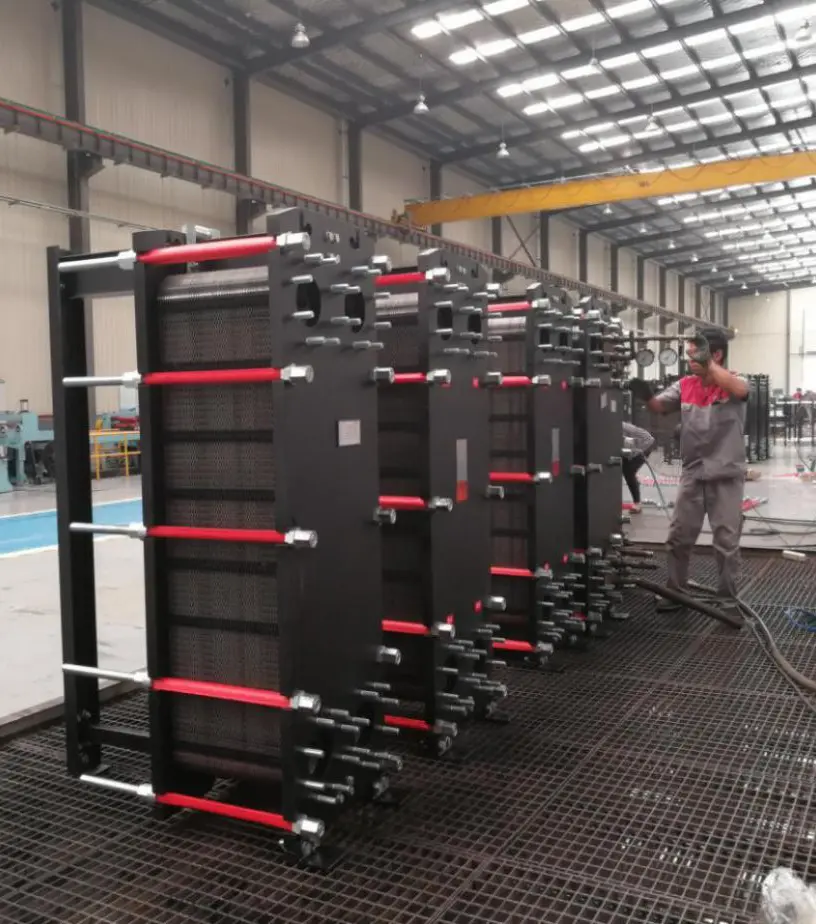
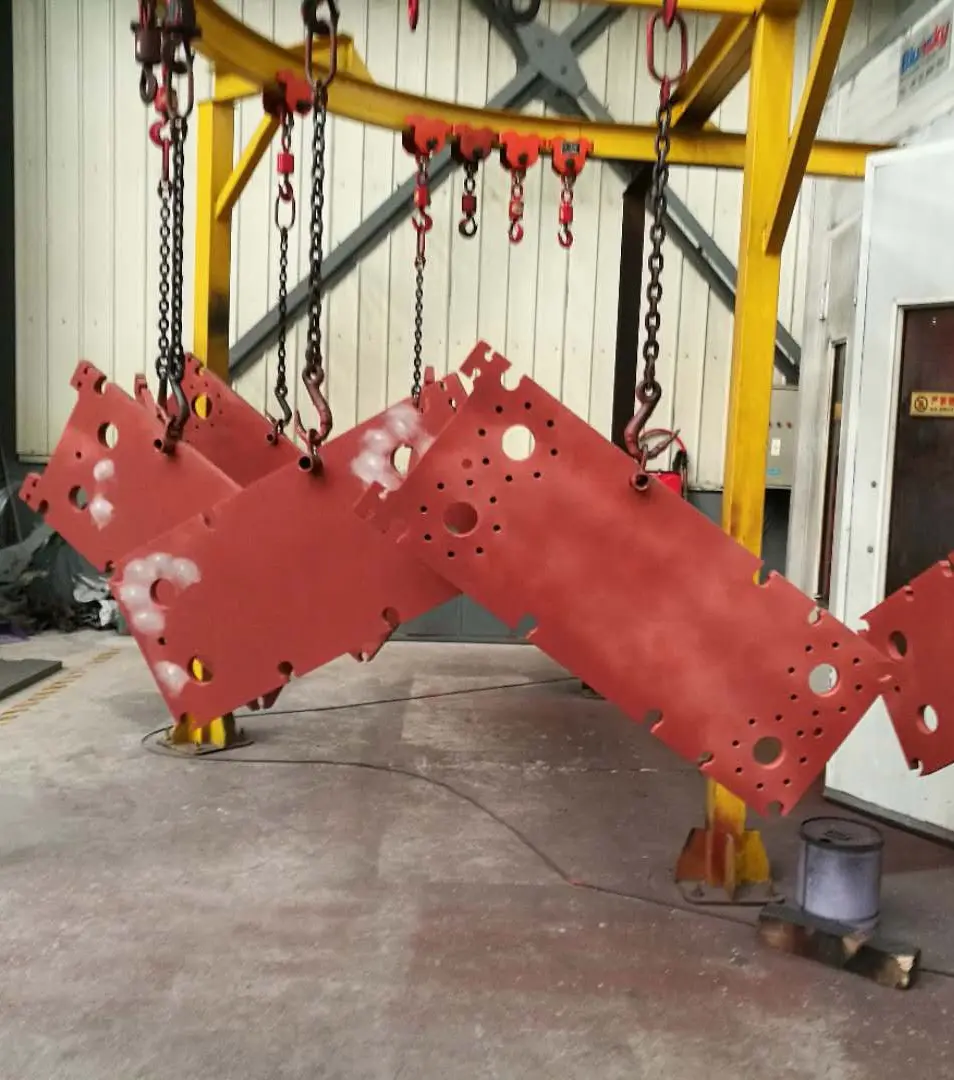
Our 70,000 m² factory operates under strict ISO 9001:2015 quality assurance guidelines, following a 9-step production sequence:
Engineered systems configured to your performance parameters
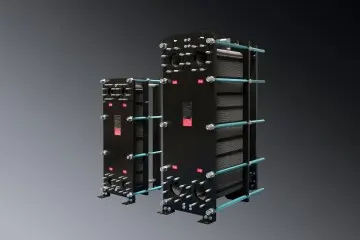
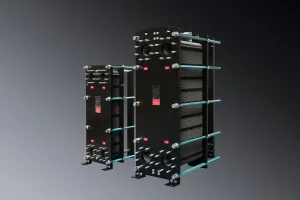
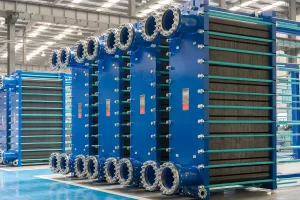
Easy maintenance design using premium gaskets and compression bolts, ideal for systems requiring routine cleaning and maintenance.
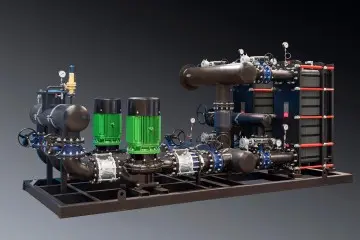
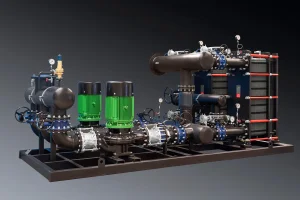
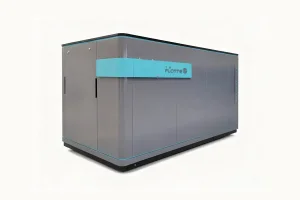
Pre-assembled, skid-mounted unit equipped with smart sensors and control panels to optimize thermal output based on building requirements.
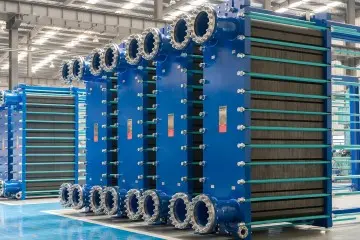
Integrates heat exchange with pressure regulation loops to protect downstream municipal building distribution networks.
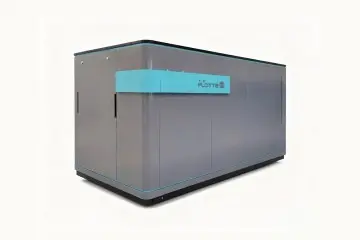
Engineered for multi-zone temperature isolation in commercial buildings, maximizing heating and cooling loops.
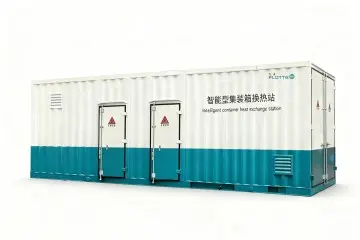
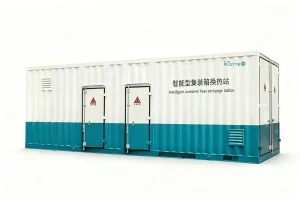
Compact, enclosed box design that protects delicate instrumentation and controllers from harsh site environments.
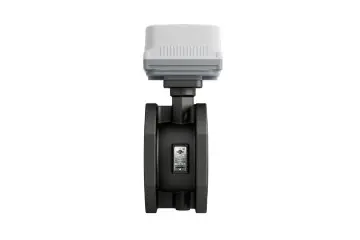
Maintains correct pressure balance and hydraulic distribution across downstream municipal customer loops.

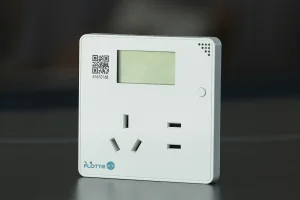
High-precision smart sensor telemetry that communicates ambient conditions back to central heat exchange controller units.
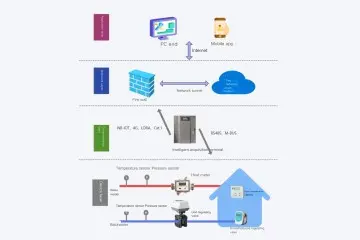
Complete hardware-software system designed to prevent uneven heating and reduce energy waste across city grids.
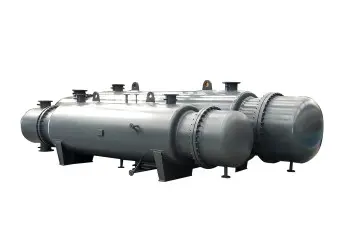
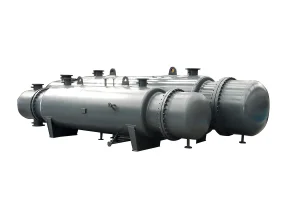
Traditional, robust heat exchanger designed for high-temperature and high-pressure chemical applications.
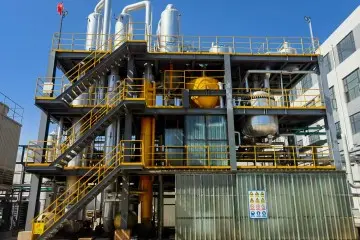
Optimizes steam utilization across multiple boiling chambers to extract water and concentrate chemical process streams.
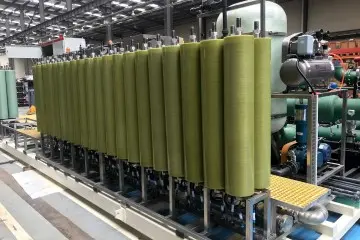
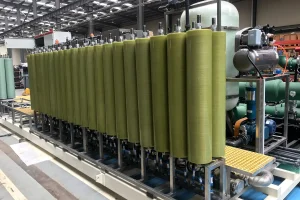
Utilizes high-pressure cross-flow membrane filtration to separate industrial fluids and desalinate water streams.
In municipal engineering and high-pressure chemical facilities, safety and compliance are critical. Flotte implements an integrated Quality Management System certified to international standards.
Our manufacturing processes comply with the safety registration regulations for plate heat exchangers issued by the National Boiler and Pressure Vessel Standardization Technical Committee. These rigorous audits confirm that the plates, gaskets, and frames we manufacture can withstand continuous cyclic pressures without experiencing fatigue cracking. Our facilities maintain three primary ISO certifications:
The thermodynamic engineering landscape is evolving rapidly, driven by digitalization and carbon neutrality goals. In the coming decade, three major trends will define the industry:
Traditional heat exchangers operated on fixed parameters, which often led to over-provisioning and energy waste during low-load periods. Modern units, such as Flotte’s Intelligent Heat Exchange Stations, integrate temperature collectors and automated balancing valves. These systems monitor temperature changes in real-time, allowing operators to dynamically adjust thermal profiles and reduce energy usage across district heating networks.
Industrial applications are pushing the limits of temperature and fluid composition. Research is focused on surface-level nano-coatings that prevent mineral scaling and particulate fouling. Additionally, the use of duplex stainless steel and titanium alloys is expanding, providing corrosion resistance in chemical processing and desalination operations.
Zero Liquid Discharge (ZLD) regulations are prompting manufacturers to reclaim heat from waste streams. Systems such as Multi-Effect Evaporators and Membrane Concentration systems recover water and concentrate dissolved solids, turning waste heat into useful process resources.
When procurement teams evaluate global suppliers, the criteria must extend beyond initial cost considerations. System design life, ease of maintenance, and the availability of replacement components are critical to minimizing long-term Total Cost of Ownership (TCO). When selecting a manufacturing partner, keep the following guidelines in mind:
Answers to common questions from consulting engineers, project managers, and sourcing coordinators
A: Plate heat exchangers expose the process fluids to a significantly larger surface area, and the corrugated patterns induce high turbulence even at low flow rates. This turbulence disrupts the boundary layer, raising the overall heat transfer coefficient (U-value) to three times that of a shell-and-tube design. Additionally, plate units allow for closer temperature approaches (often as small as 1°C).
A: High-fouling fluids, such as raw river water or wastewater, are best processed using "wide-gap" or high-theta corrugation designs. These channels provide open flow paths that prevent particulate blockages. They are also easier to clean using CIP (Clean-in-Place) systems or manual disassembly.
A: Every exchanger unit is subjected to hydrostatic testing at 1.3 to 1.5 times the maximum design pressure. The pressure is held for a specified duration while we inspect the unit for pressure drops or gasket leakage. We also offer dye penetrant testing (DPT) on frame welds to ensure structural integrity under cyclical operational stresses.
A: Yes. While our standard designs comply with national regulations, we regularly design and manufacture units according to international standards, including ASME Section VIII Division 1, CE/PED requirements, and various national pressure vessel standards, to ensure smooth integration into regional projects.
A: Lead times vary based on unit size and material specifications. For standard stainless steel plate exchangers, production is typically completed within 15 to 20 days. Large, customized shell-and-tube systems or complex, skid-mounted intelligent units may take 30 to 45 days. We also offer expedited processing for urgent plant shutdowns or critical system repairs.
Complete control systems and specialized concentration solutions
 Flotte Energy