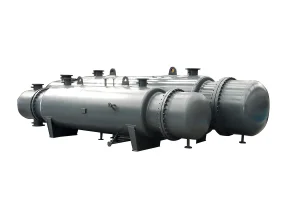
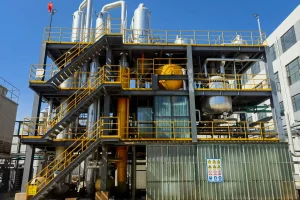
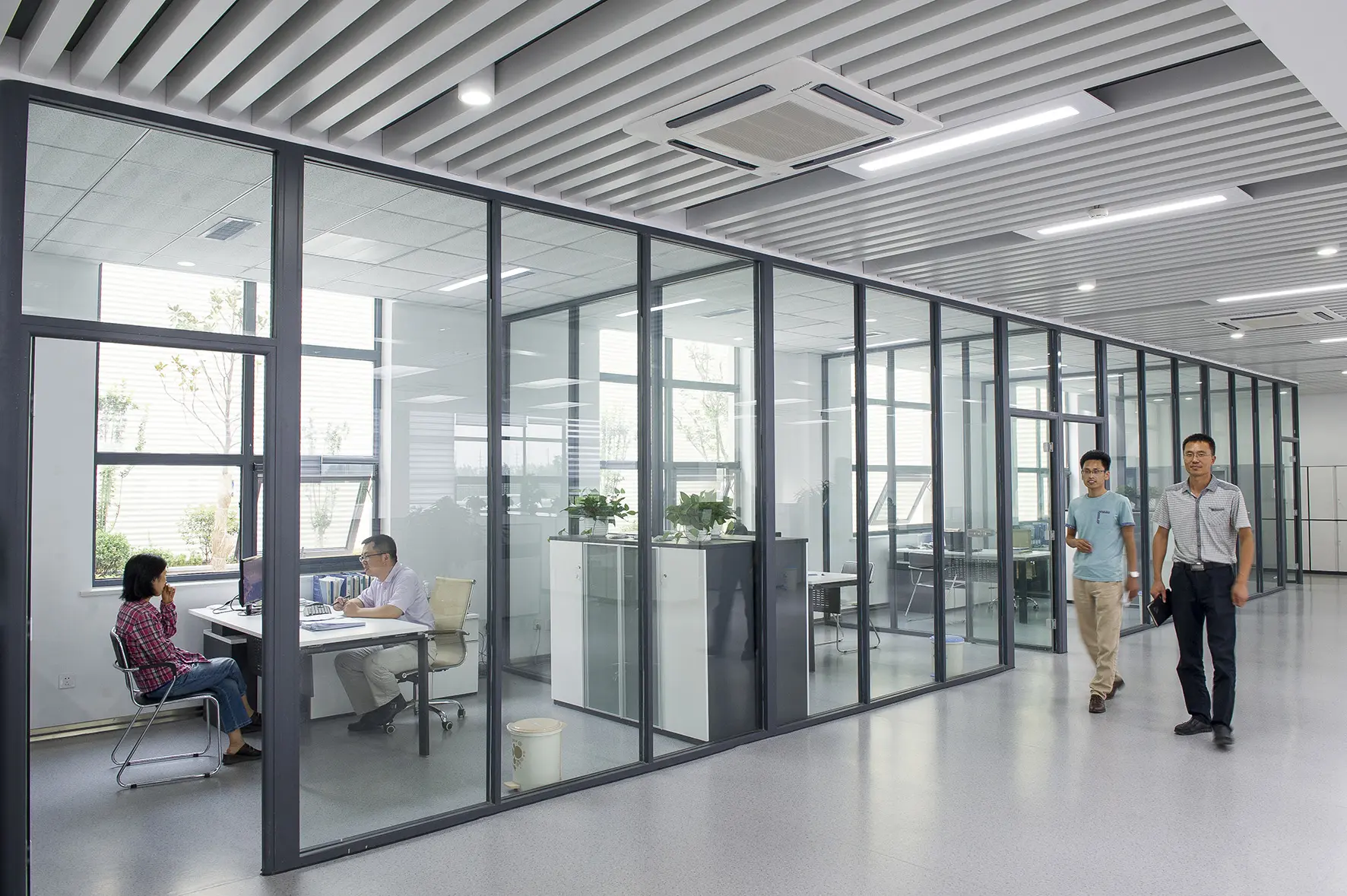
Established in 2013 with a registered capital of 101 million yuan, Flotte Energy Saving Company originated from Flotte Thermal Engineering founded in 1995. With three decades of profound technical expertise, the company specializes in water equipment, HVAC systems, and water treatment industries. It consistently leads industry peers in adopting cutting-edge thermal transfer technologies, developing innovative products, and delivering comprehensive, vertically integrated production and sales services.
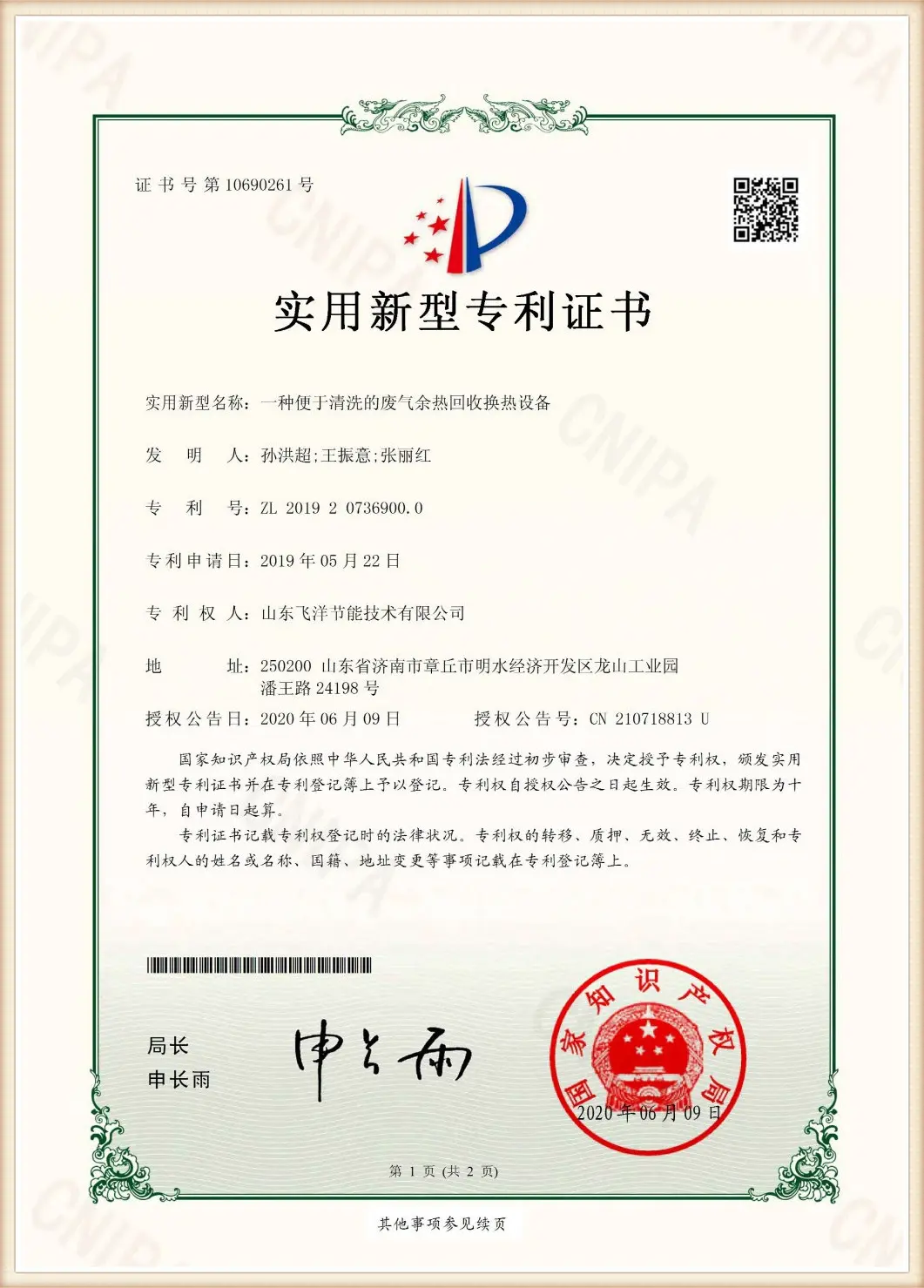
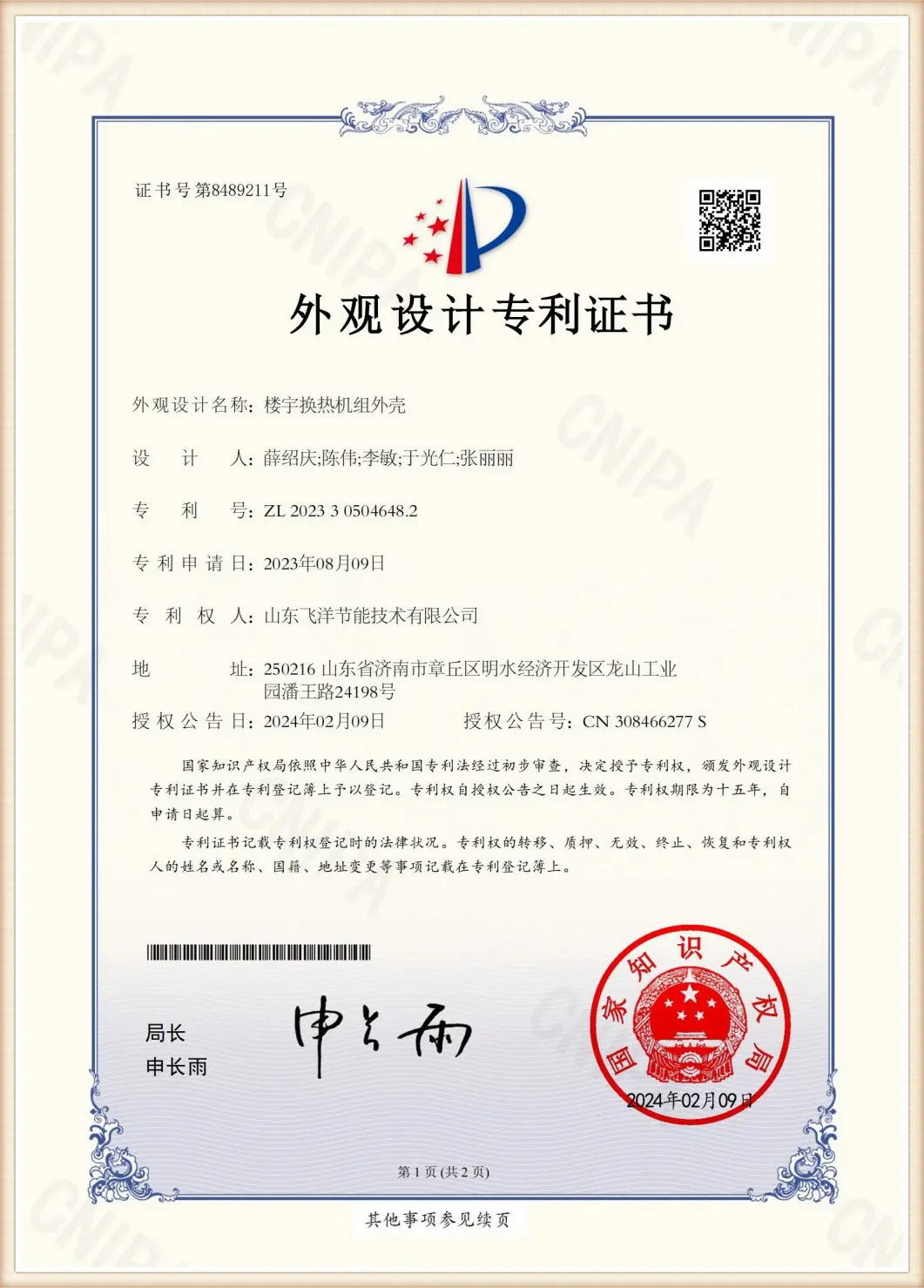
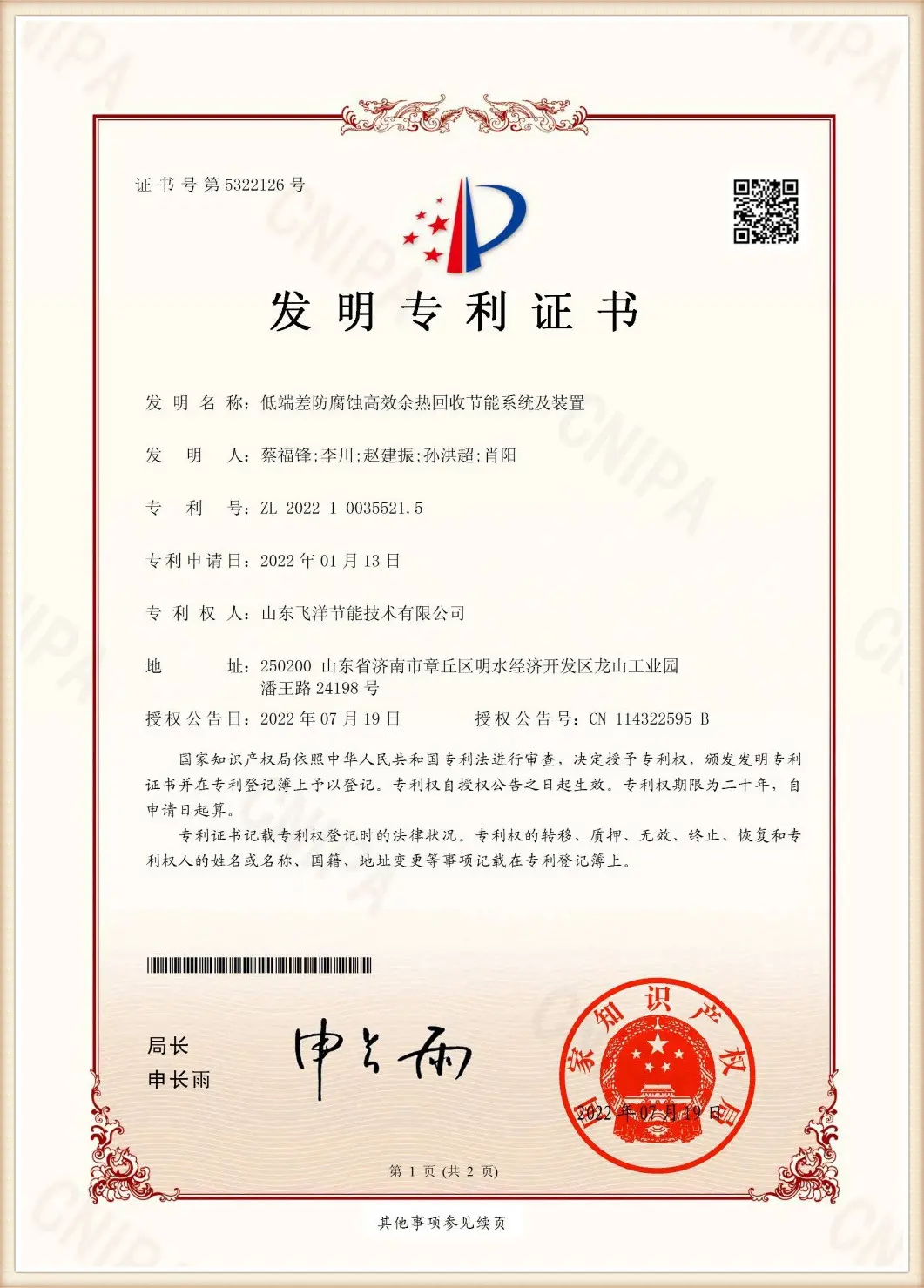
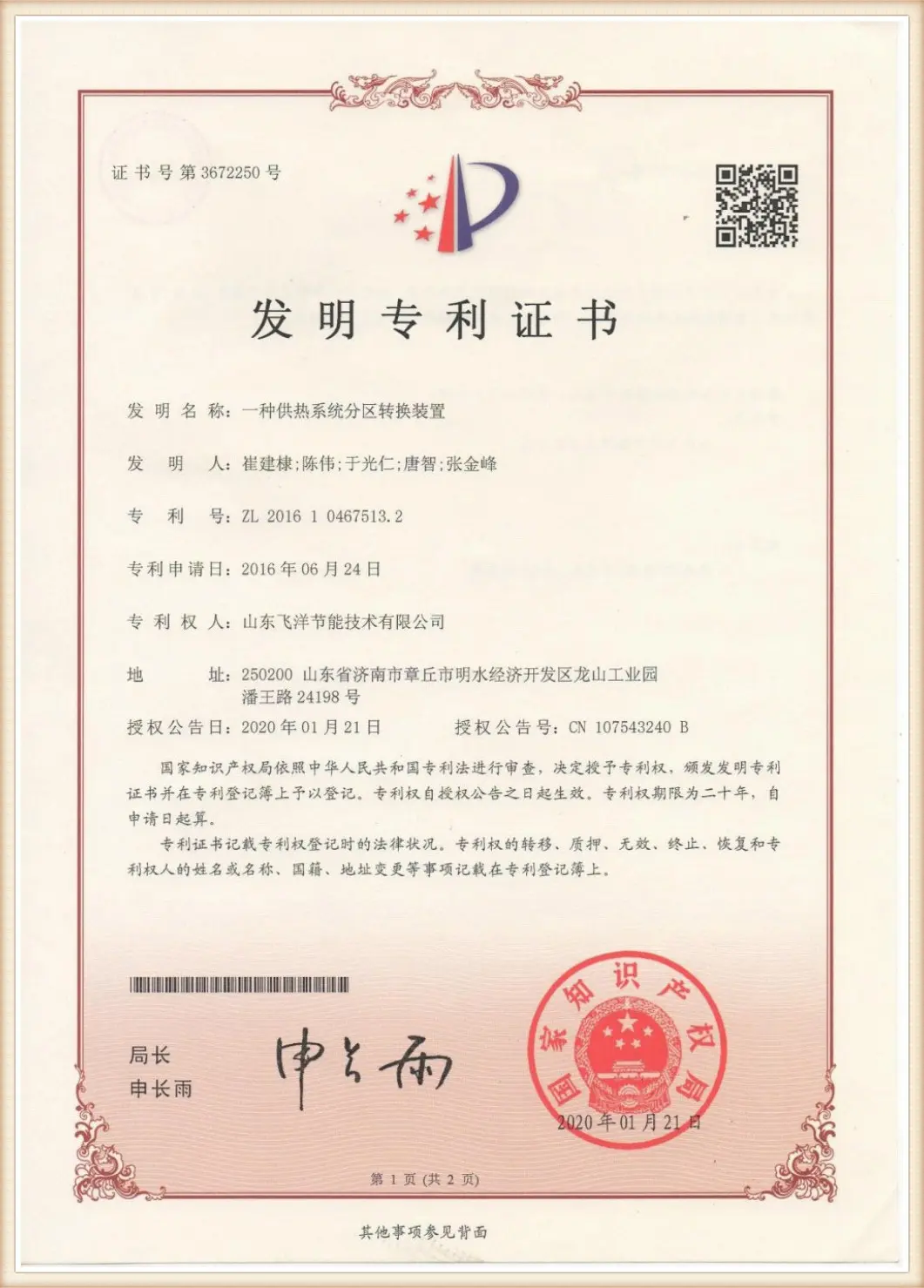
The company has been continuously advancing in production technology innovation, holding multiple patent certifications including "High-Efficiency Plate Heat Exchanger", "Intelligent Plate Heat Exchanger System", and "Plate Heat Exchanger Scale Removal Device" (see qualification documentation). Its products have obtained mandatory national product certification and safety registration from the National Standardization Committee, along with the safety registration for plate heat exchangers issued by the National Boiler and Pressure Vessel Standardization Technical Committee. The company has also achieved ISO9001 Quality Management System certification, ISO14001 Environmental Management System certification, and ISO45001 Occupational Health and Safety Management System certification.
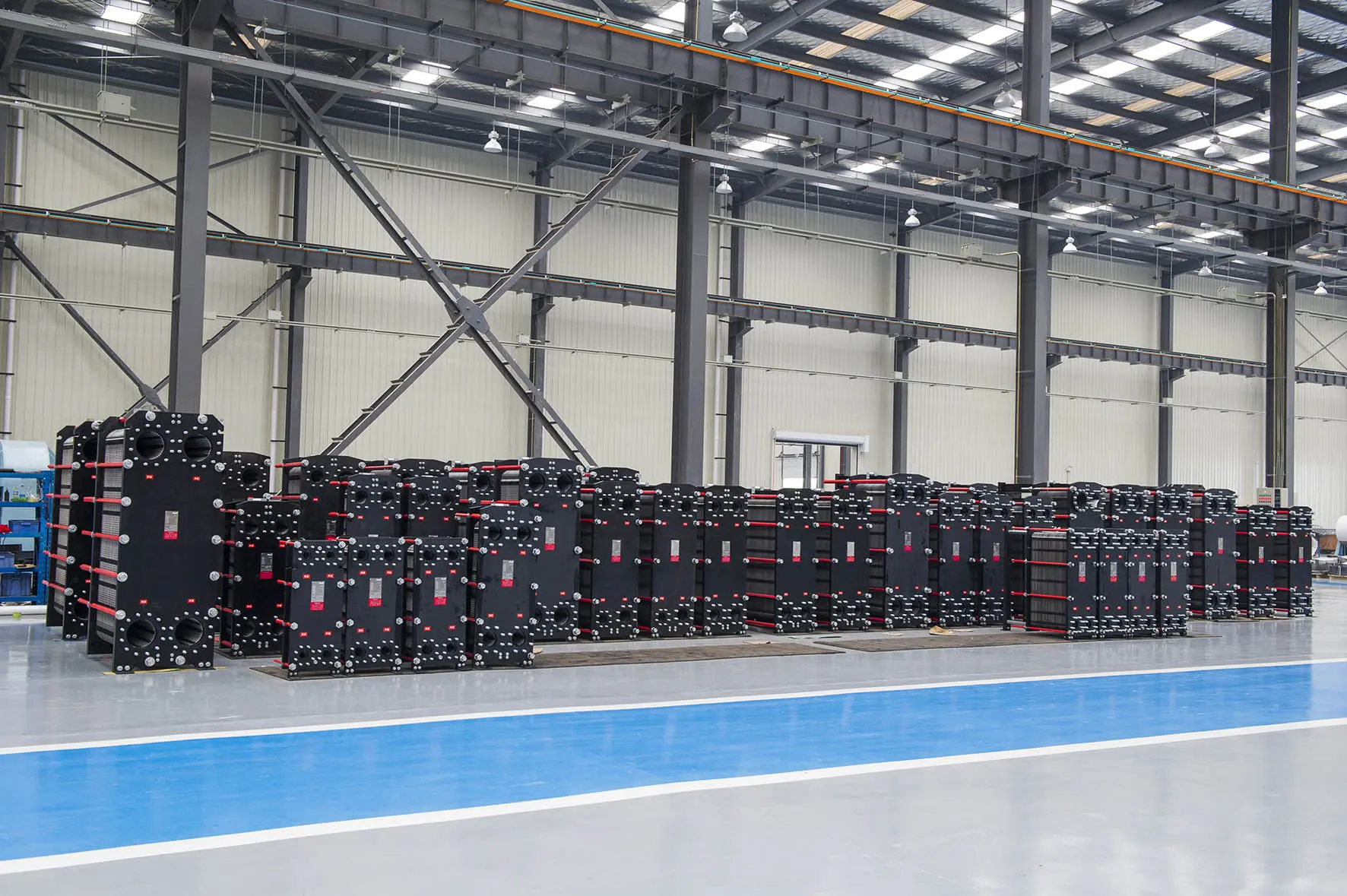
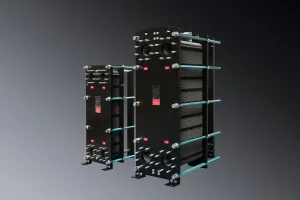
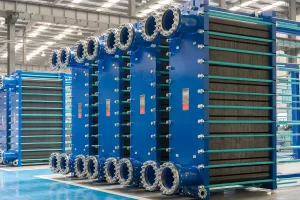
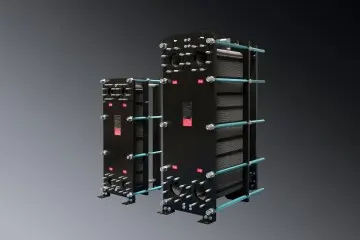
In the demanding field of industrial thermodynamics, the "I Type" Heat Exchanger represents a highly specialized category of structural configuration. Primarily designed to handle extreme fluid dynamics, these systems utilize a direct, linear, and compact port alignment layout (often taking the physical shape profile resembles an "I"). This geometry ensures optimal velocity profiles, minimizes internal hydraulic pressure drops, and provides exceptionally high heat transfer coefficients compared to traditional L-type or diagonal-flow designs.
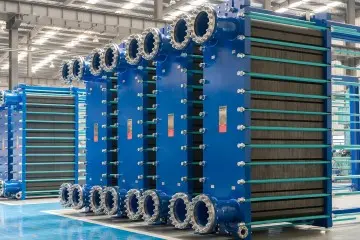
The thermodynamic efficiency of our I-type heat exchangers is driven by the complex, microscopic turbulence induced by the corrugated plate channels. When fluids travel down the linear path of the "I" port layout, they are distributed evenly across the heat transfer plates. The corrugated surface causes the boundary layer of the fluid to disrupt continuously, promoting rapid heat exchange even at low Reynolds numbers. Additionally, the detachable design enables easy cleaning, structural modification, and maintenance cycles, reducing downtime in intensive chemical or district heating operations.
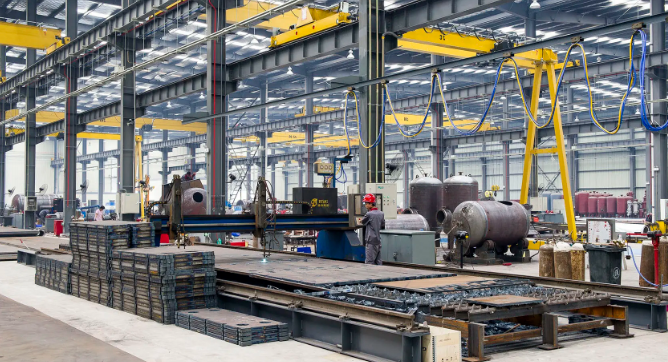
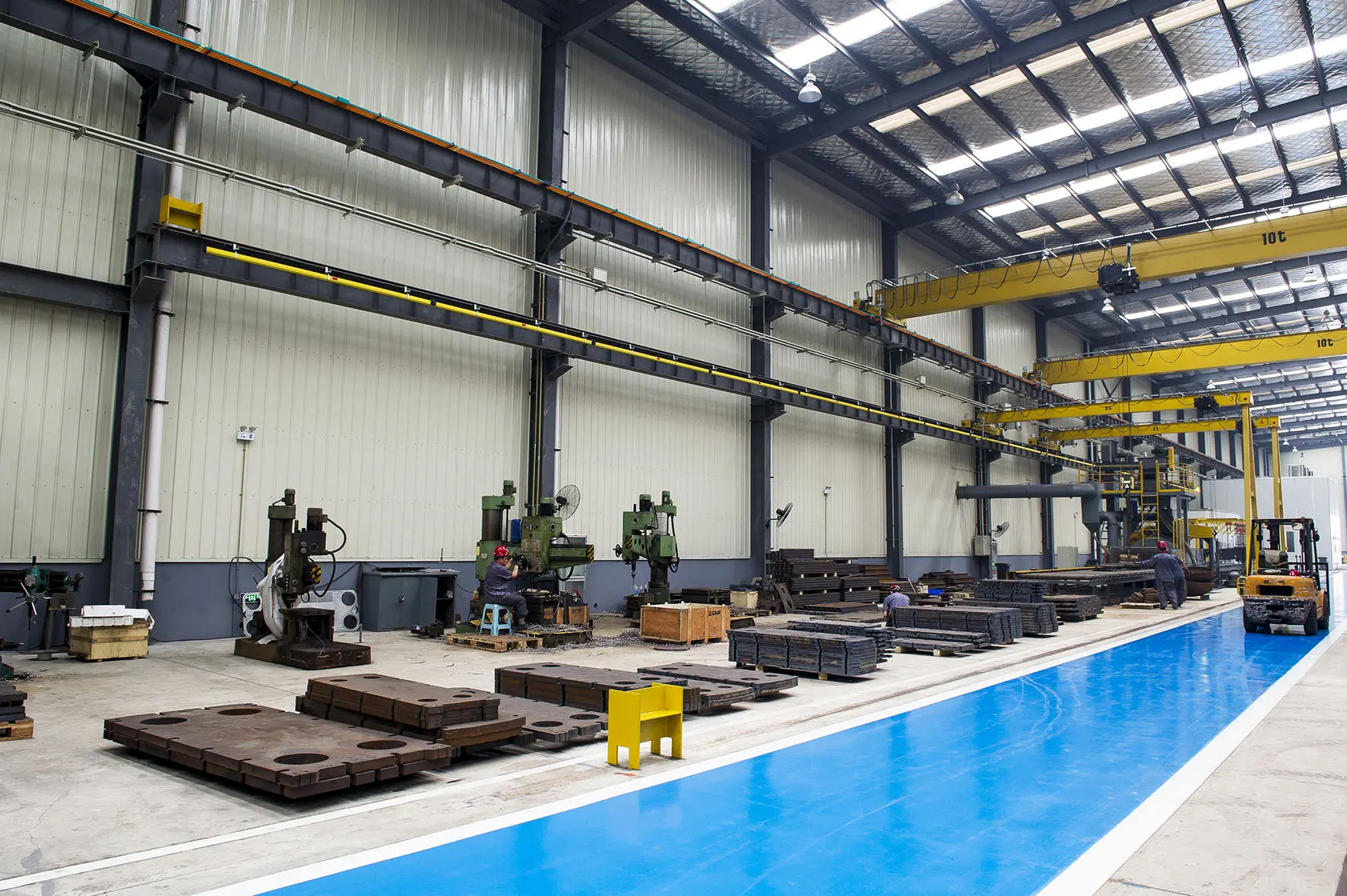
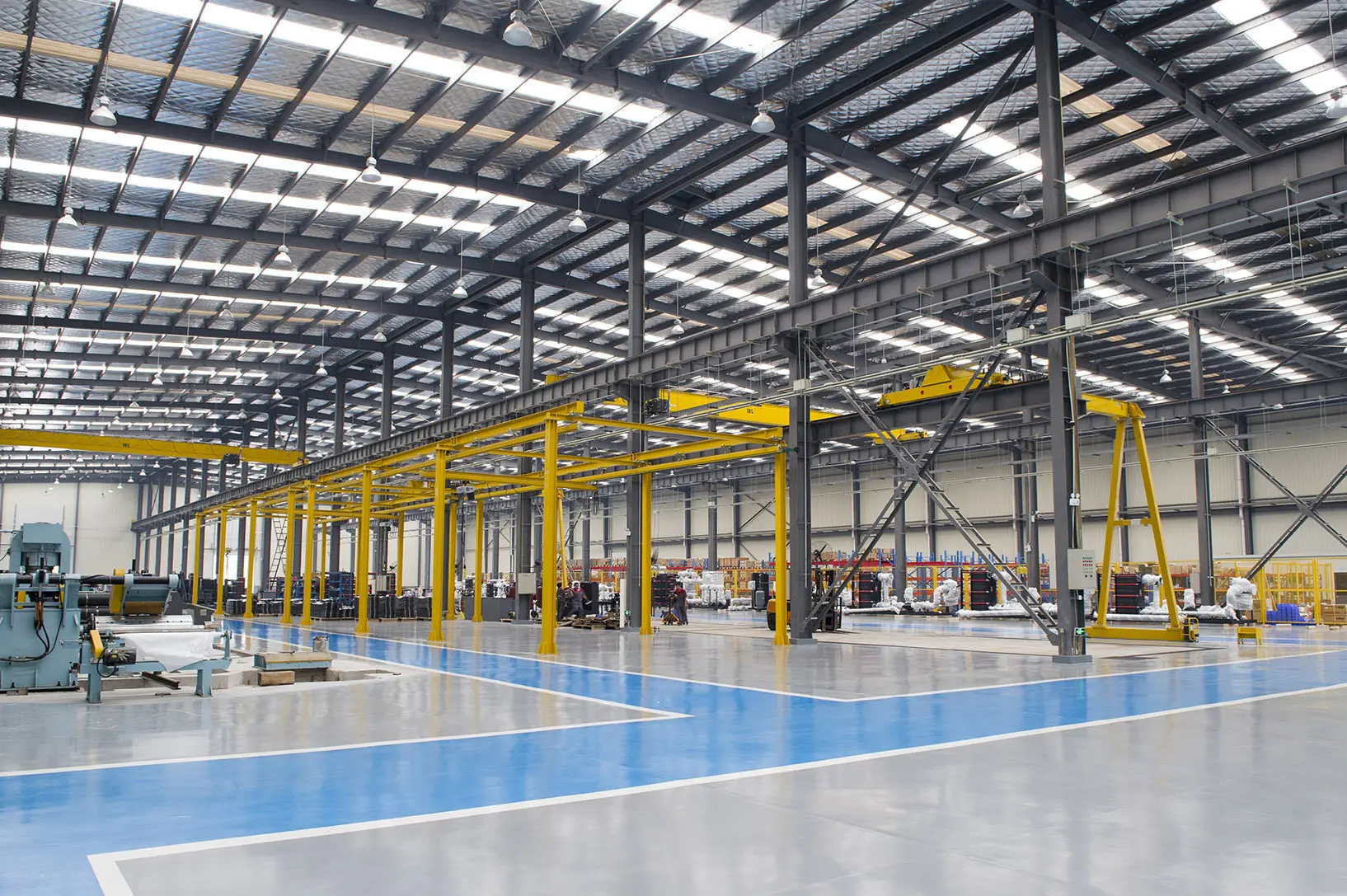
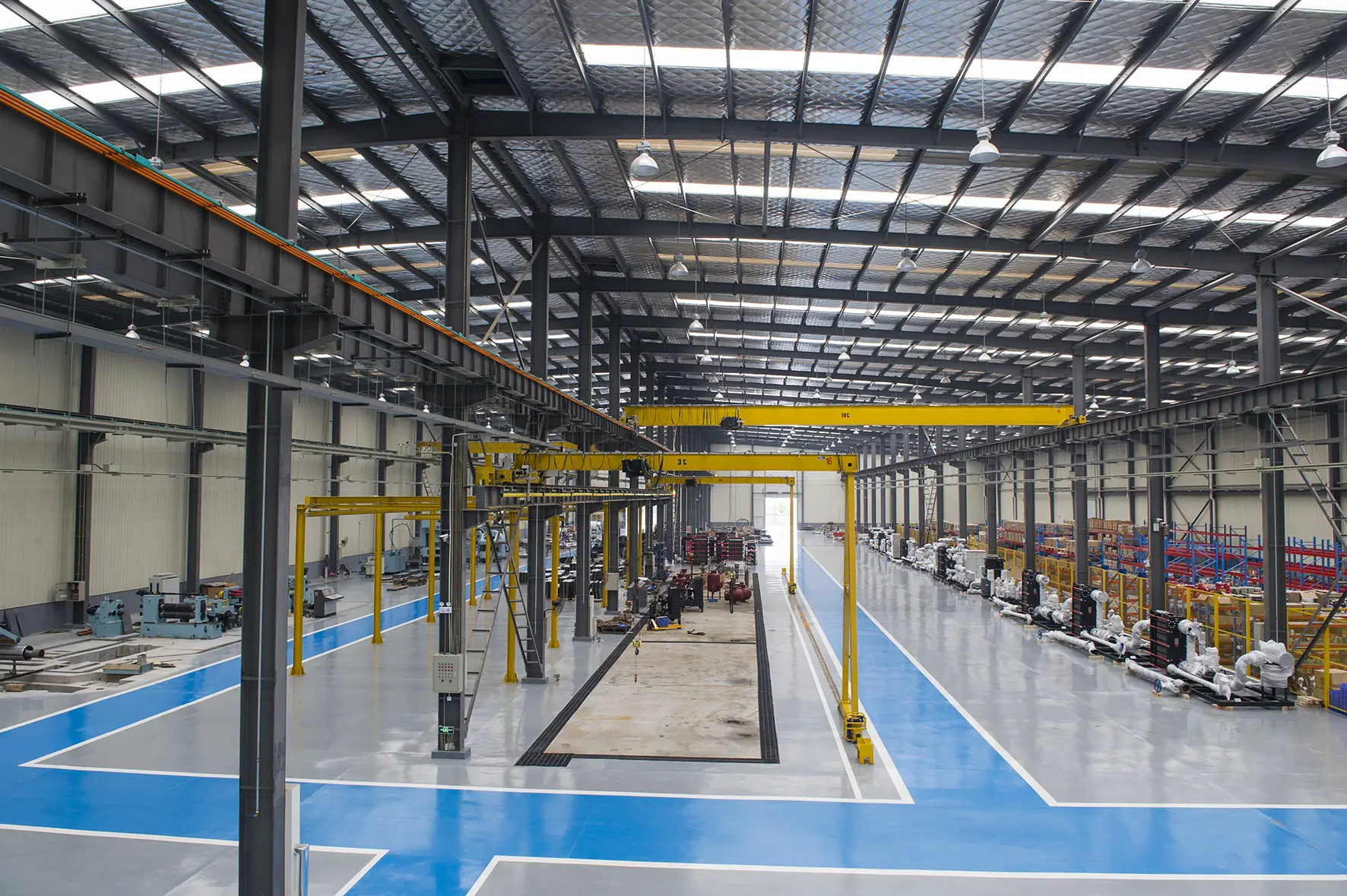
Sourcing industrial heat exchange components from China offers unparalleled strategic advantages, and Flotte sits at the pinnacle of this capability. Operating from our modern, 70,000 square meter manufacturing footprint, we leverage local, highly integrated raw material supply chains to secure premium titanium, nickel alloys, and high-grade stainless steel at highly competitive rates.
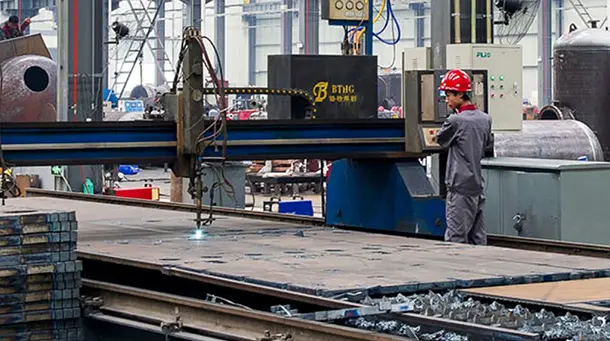
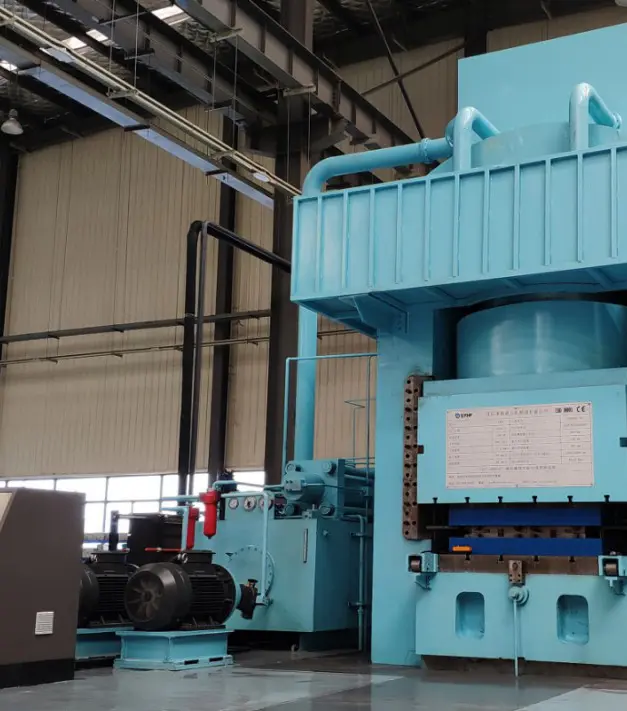
Our facilities house massive hydraulic presses for precision plate punching, micro-forging machinery, and robotic welding stations. We manufacture approximately 4,500 heat exchange units and integrated water supply/drainage systems annually. This immense scale of production allows us to absorb market volatility, guarantee stable pricing structures, and dramatically shorten global lead times for large-scale municipal and industrial procurements.
Product quality and the quality of purchased materials are inseparable. Therefore, our dedicated procurement department maintains a strict list of qualified global material suppliers, subjecting every batch of stainless steel, EPDM/NBR gaskets, and raw steel plates to spectroscopic analysis, ultrasonic testing, and tensile strength evaluations. This ensures that the components entering our automated production lines meet the precise technical tolerances required by international engineering firms.
Flotte employs highly certified engineering designers and seasoned technical specialists. Many of our designers have been dedicated to thermal engineering and fluid dynamics for decades. By maintaining a specialized Research & Development center alongside our advanced thermal testing laboratories, we can simulate real-world municipal heating loads, highly corrosive chemical processes, and high-pressure steam conditions. This allows us to deliver optimized heat exchangers that eliminate over-design and reduce structural weight, cutting capital expenditures for our clients.
All frontline production technicians undergo rigorous, formal certification protocols. Our production workflows operate in strict compliance with the ISO 9001:2015 Quality Management System, the ISO 14001 Environmental Management System, and the ISO 45001 Occupational Health and Safety Framework. Furthermore, our safety registrations from the National Boiler and Pressure Vessel Standardization Technical Committee guarantee that every unit leaving our facility can satisfy global regulatory audits.
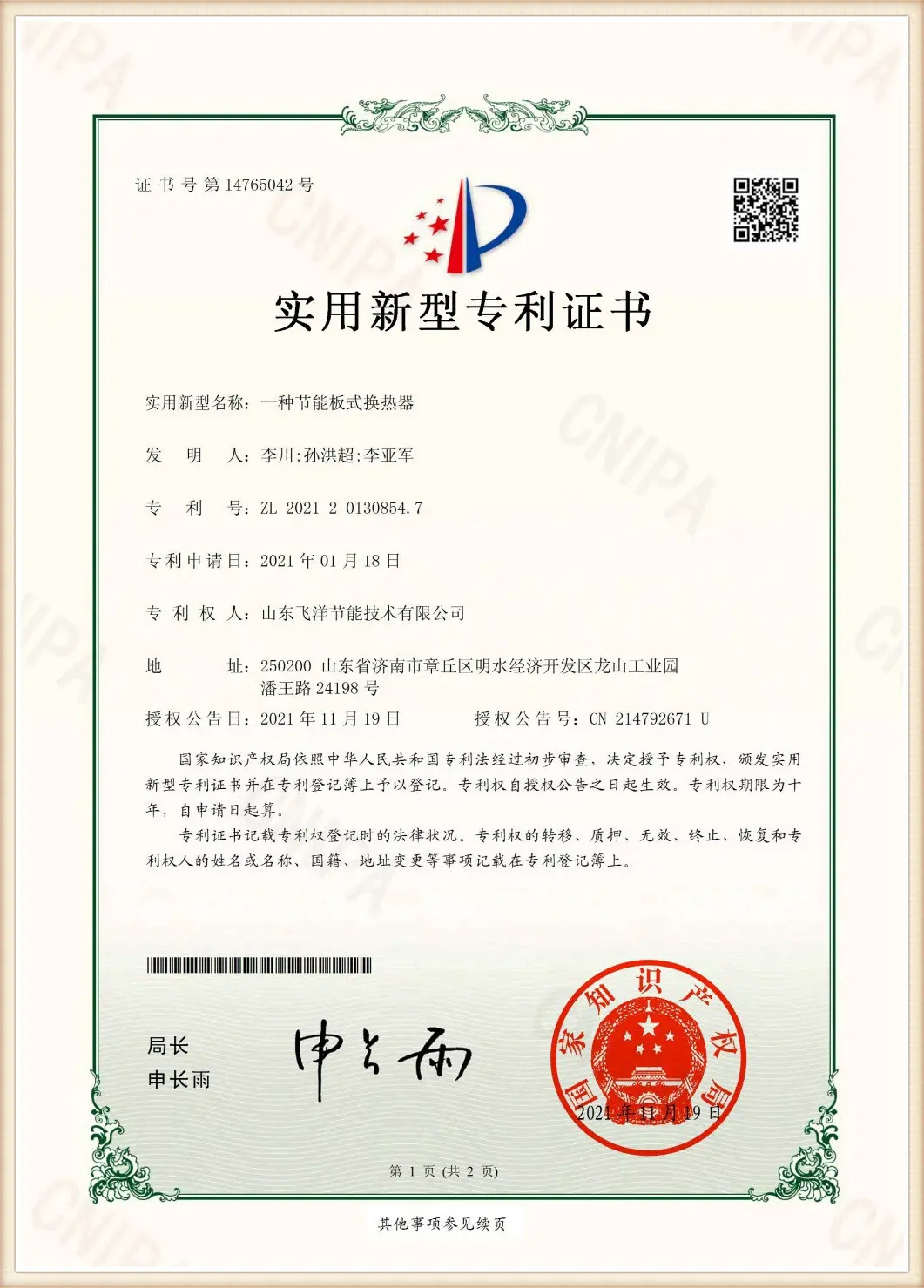
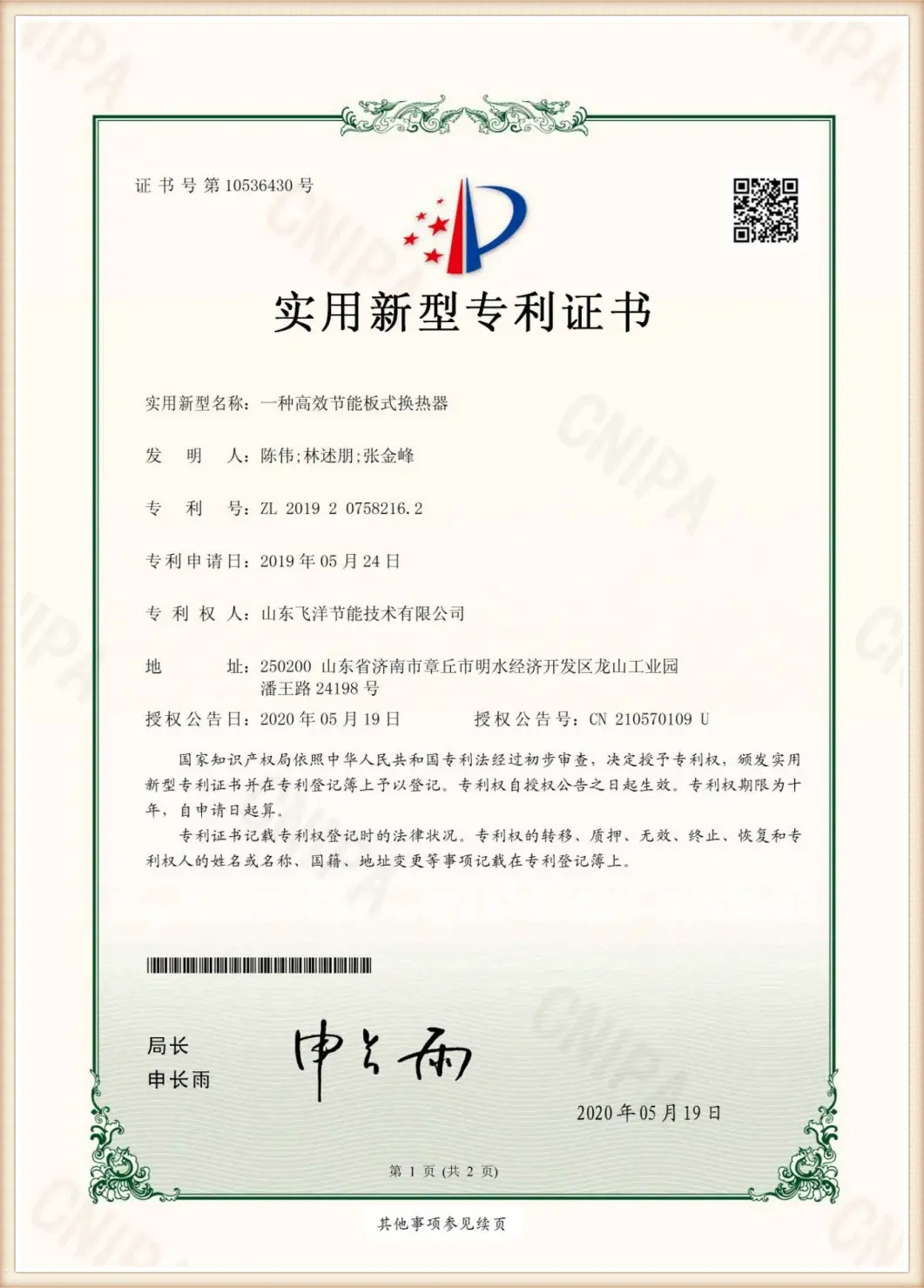
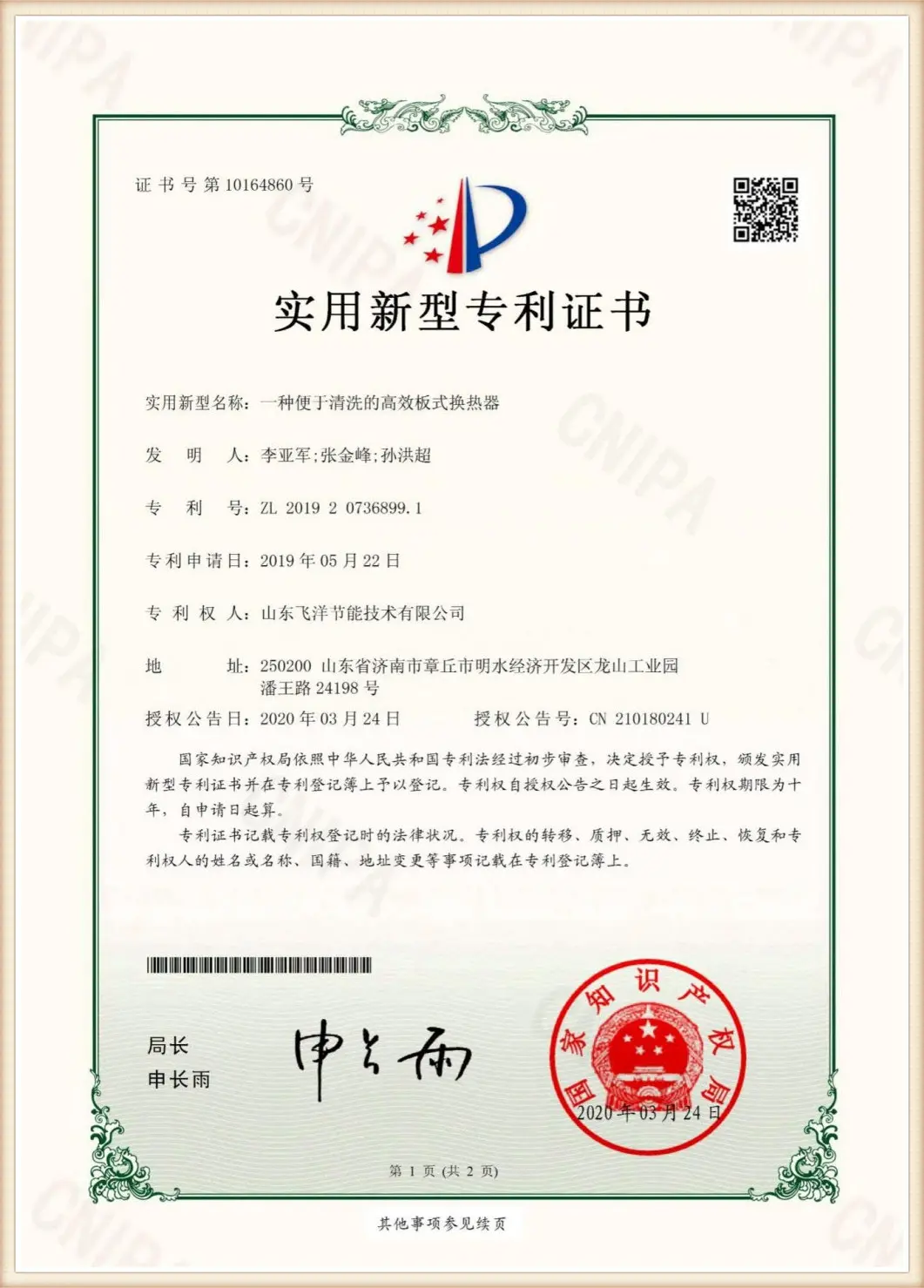
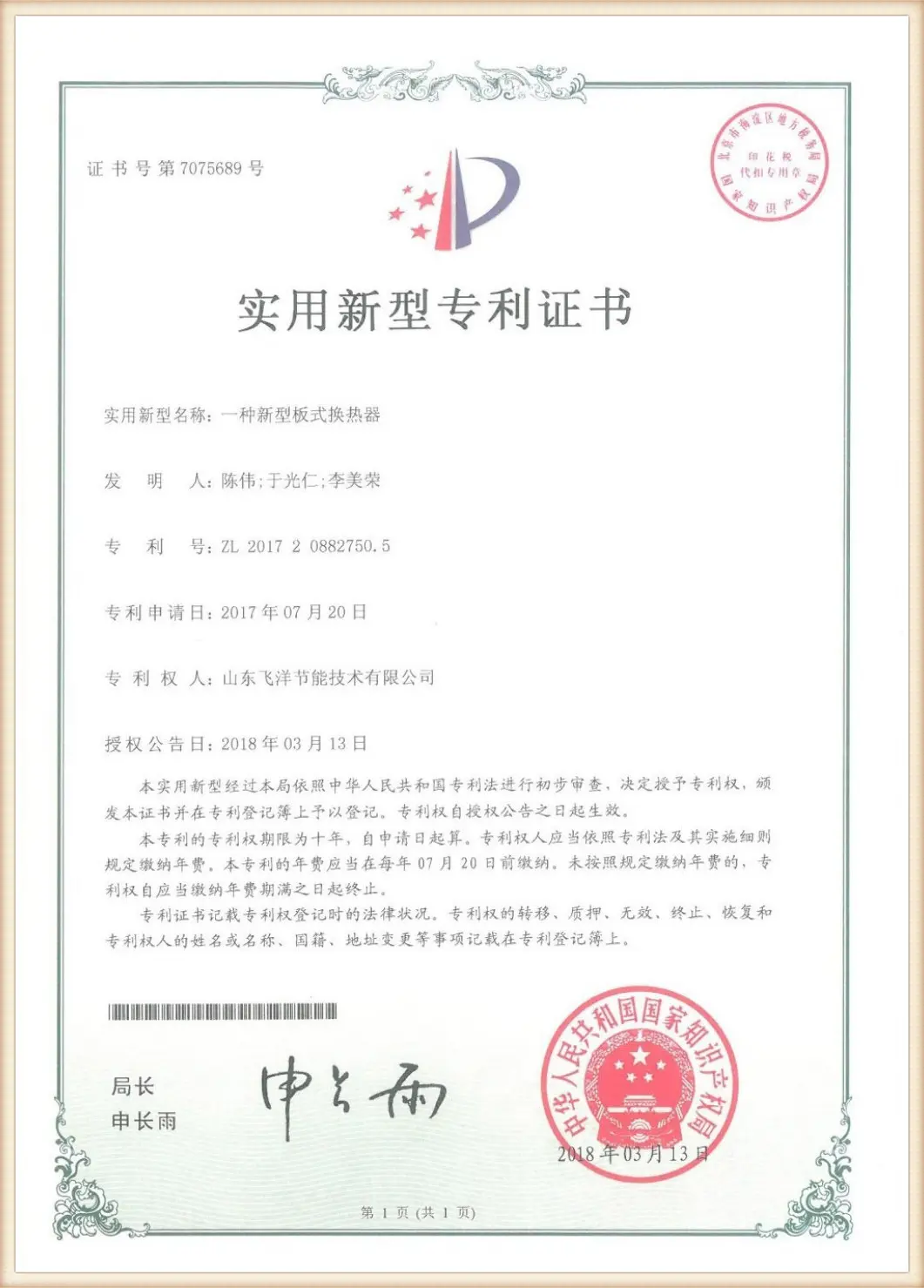
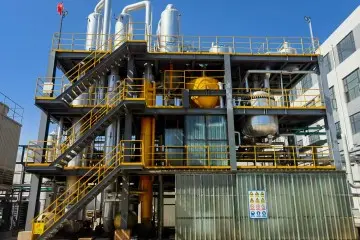
Flotte I Type Heat Exchangers and integrated smart fluid control systems are engineered to function reliably across a broad spectrum of demanding industrial applications:
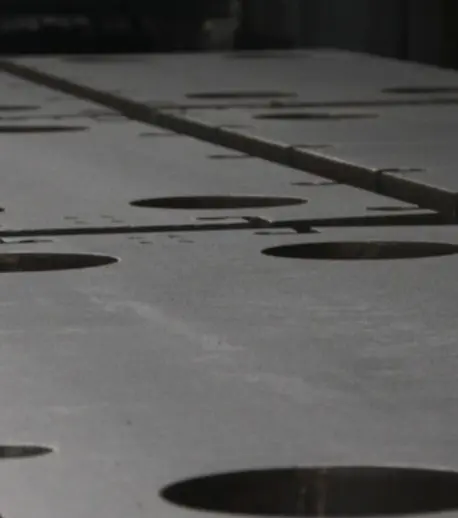
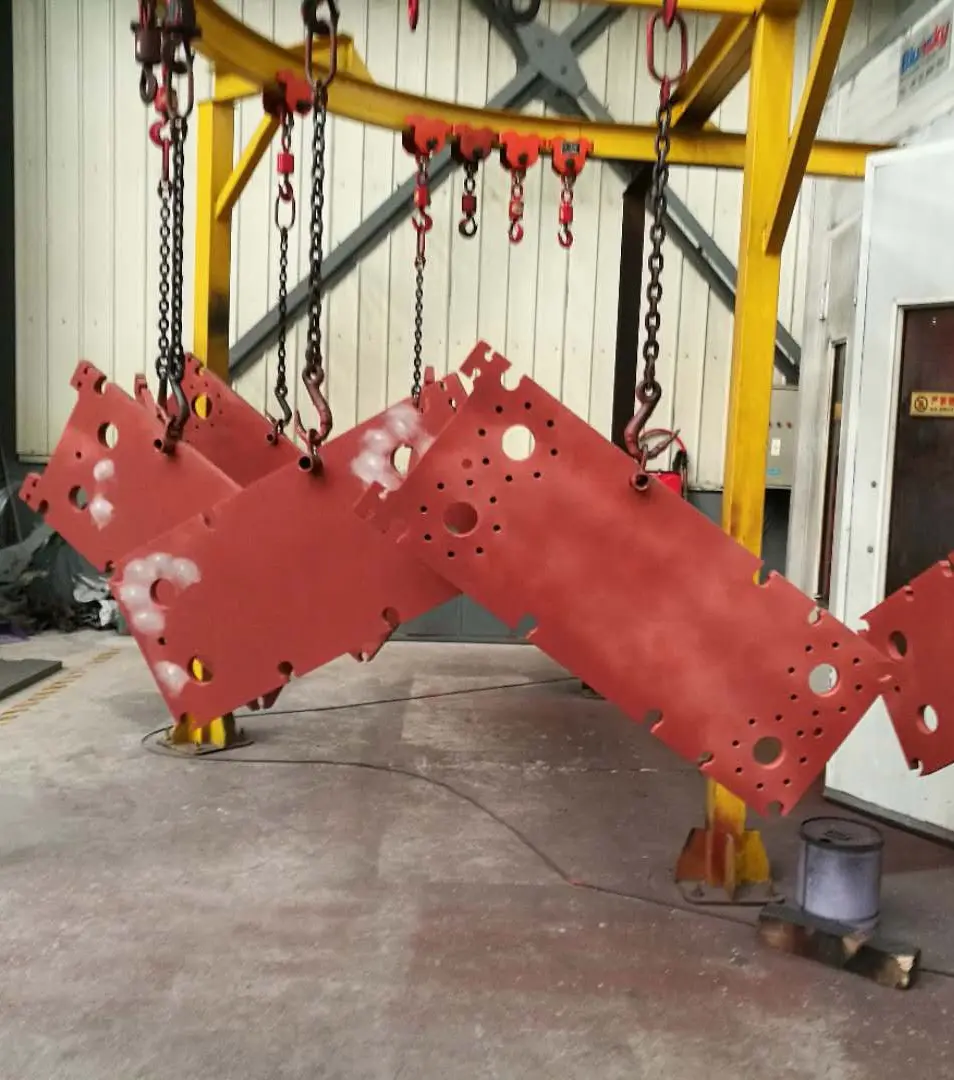
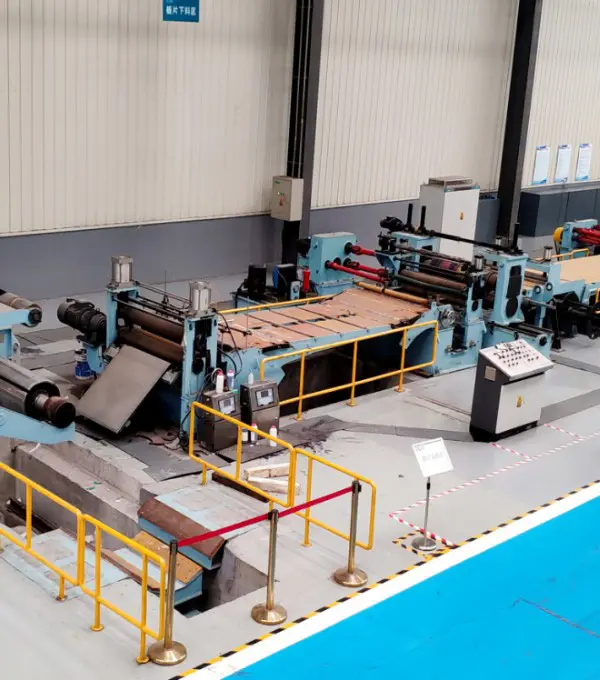
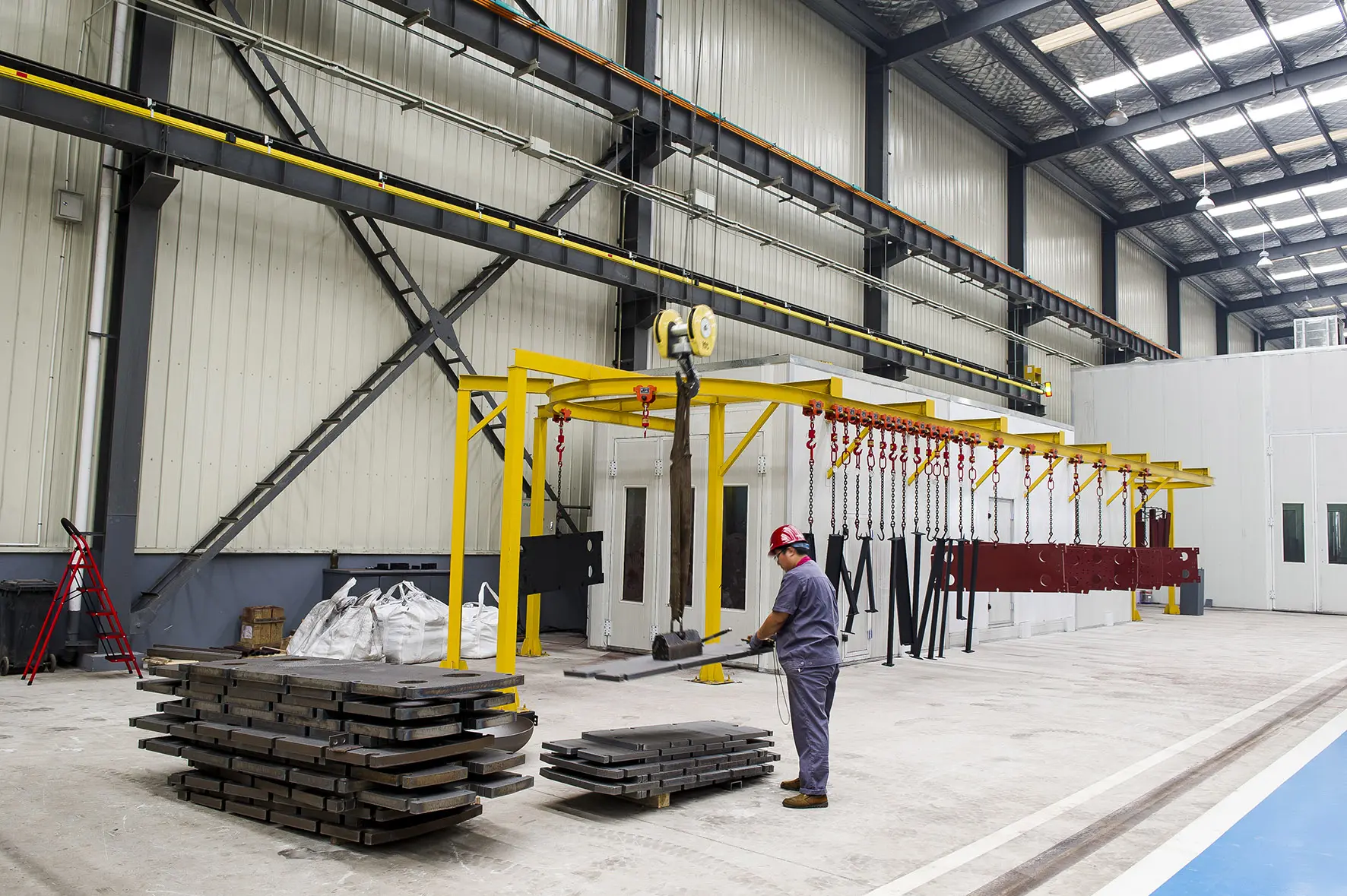
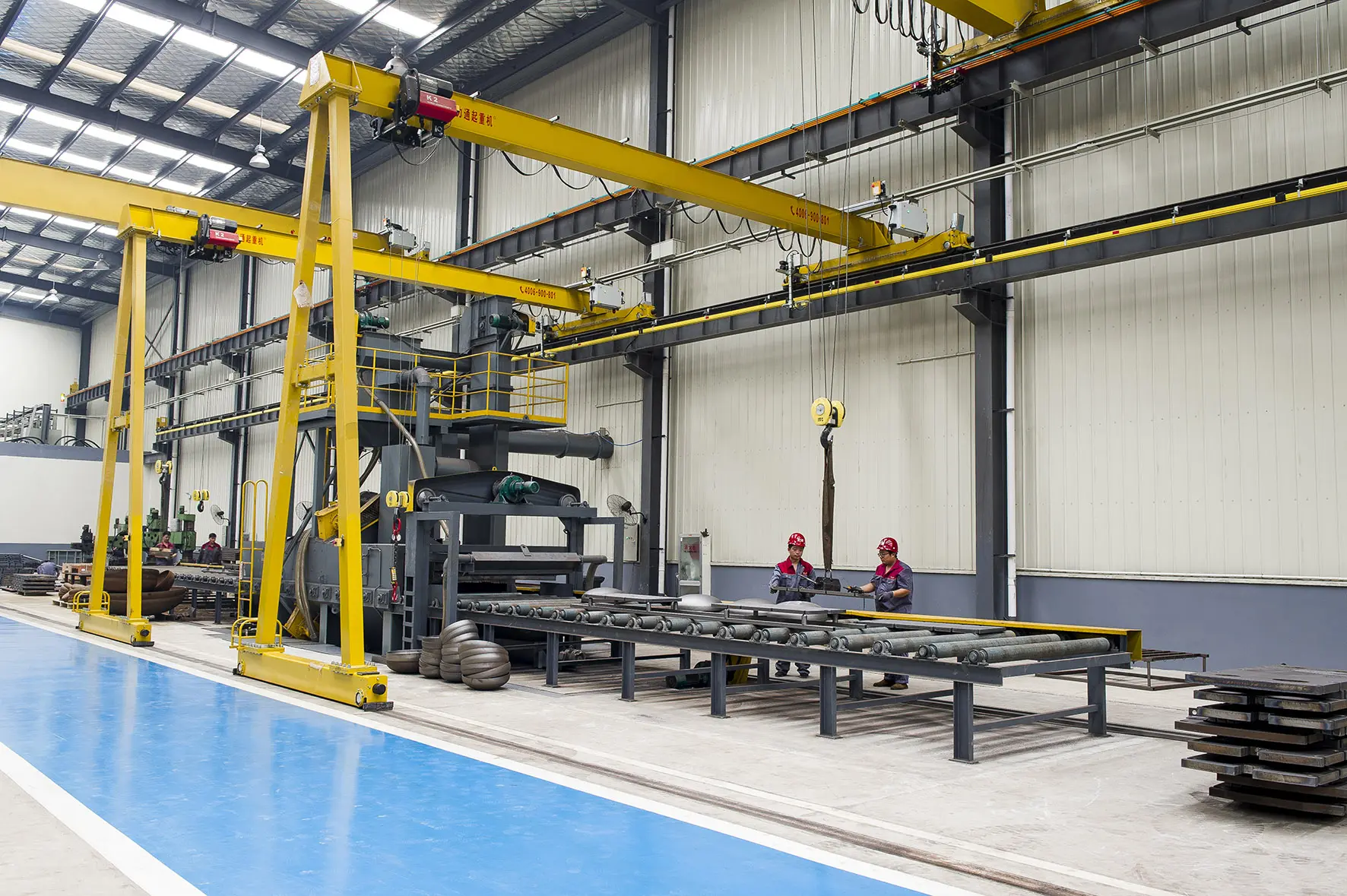
Every heat exchanger and intelligent monitoring component manufactured in our facilities undergoes a highly controlled, nine-stage manufacturing process. This structured journey ensures that mechanical properties, sealing compression, and thermal geometries are meticulously aligned.
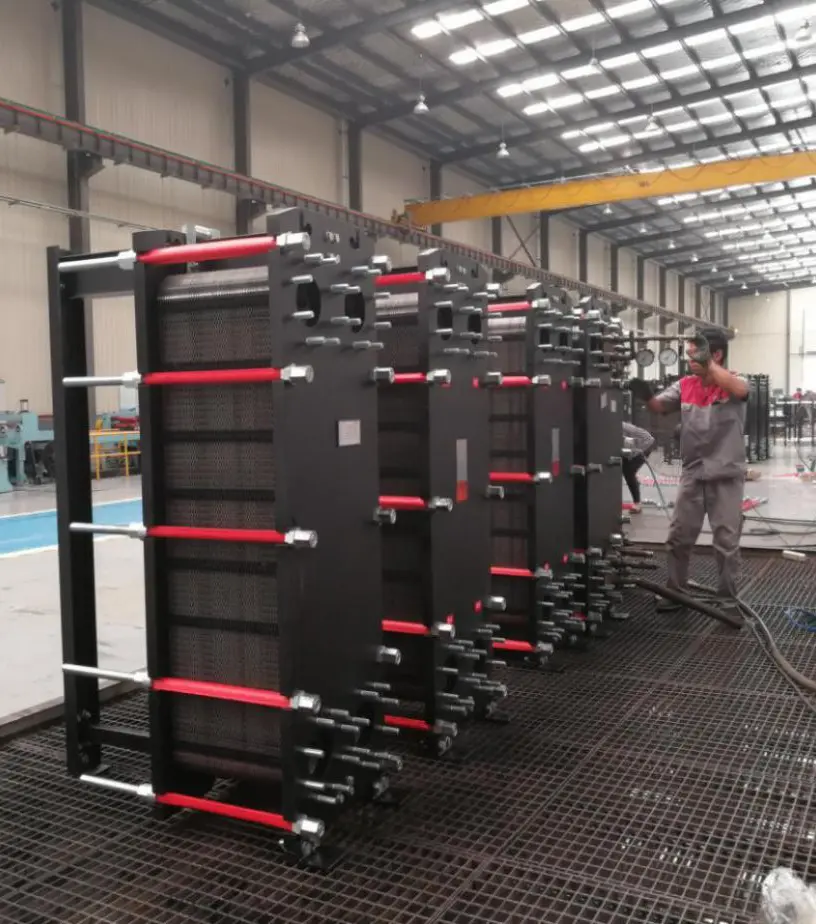
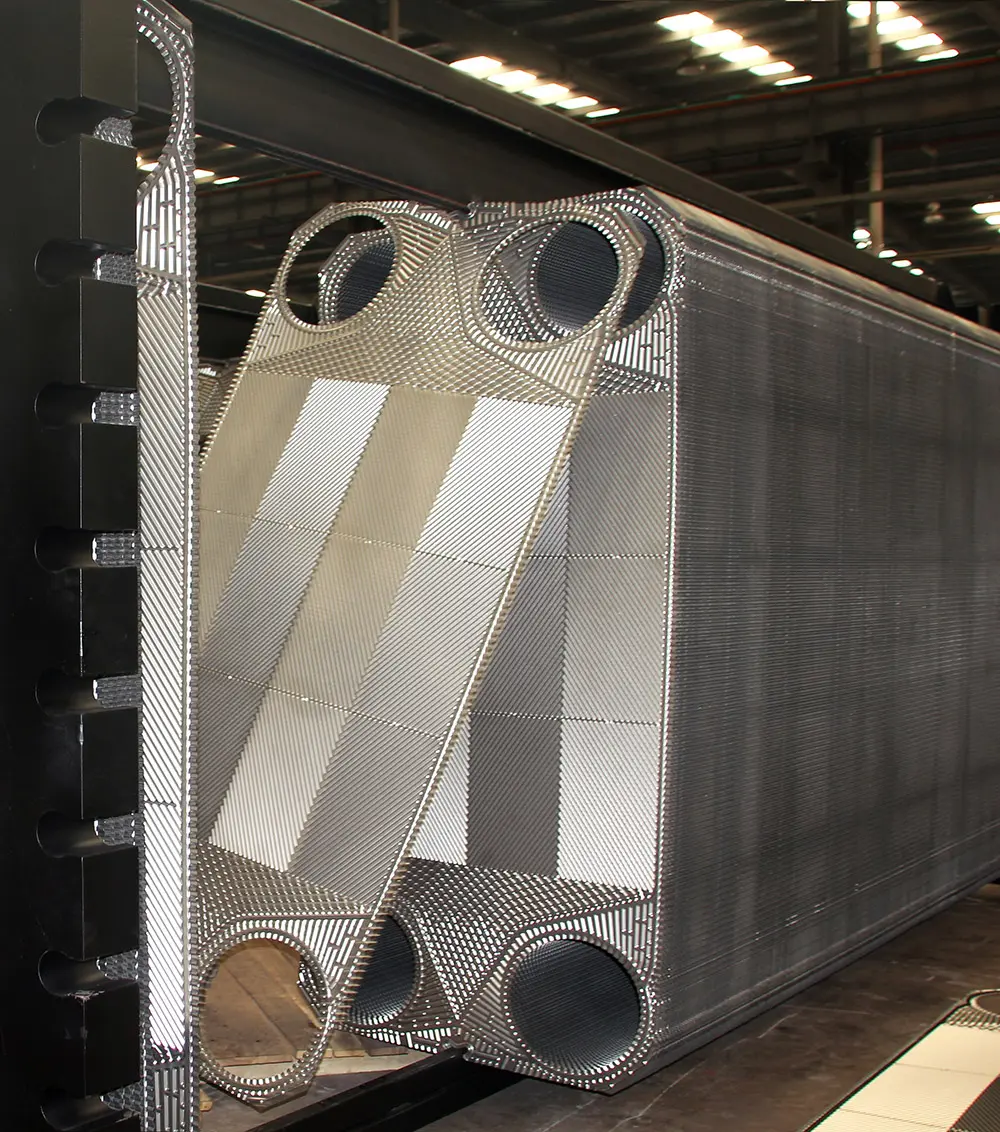
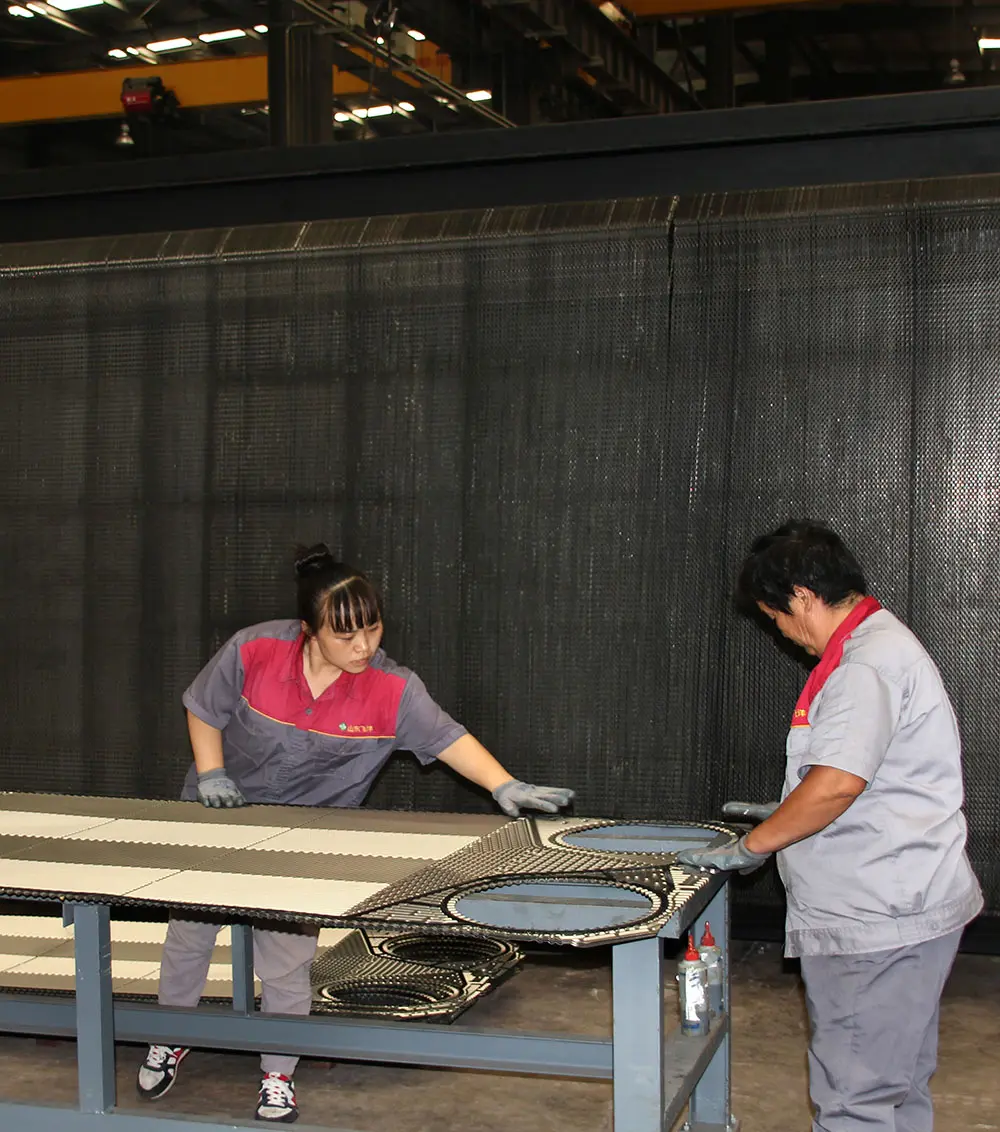
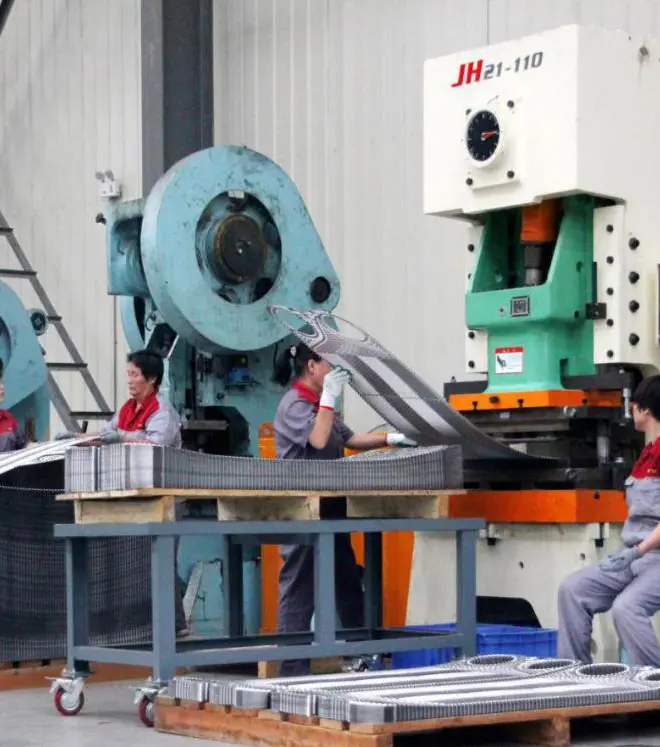
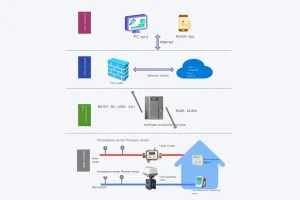
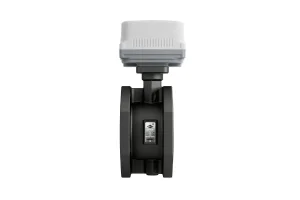
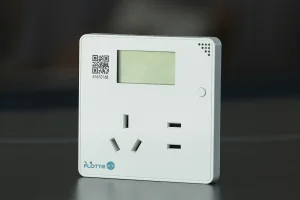
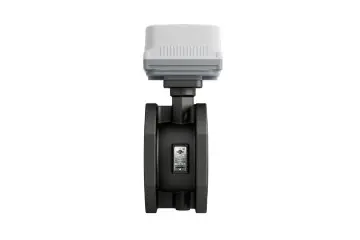
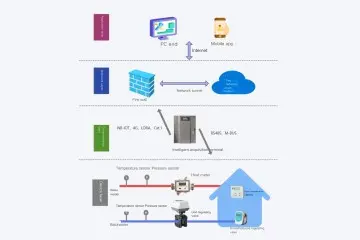
As the world transitions toward carbon neutrality and smart-city infrastructures, heat distribution grids must evolve beyond static mechanical setups. Flotte is at the forefront of this industrial revolution, engineering Intelligent Heating Network Monitoring Systems and Intelligent Unit Balance Valves that work dynamically with room temperature sensors and collectors.
By installing our IoT-enabled sensors and dynamic monitoring systems along secondary heating pipelines, operators can track real-time differential pressures, flow rates, and fluid temperatures. This data is fed back to smart valve actuators to dynamically adjust heating profiles based on outdoor conditions and thermal load requirements. This prevents overheating, balances system pressures, and cuts municipal carbon footprints by up to 15%.


For procurement managers and engineering firms seeking wholesale suppliers, evaluating the Total Cost of Ownership (TCO) is crucial. A low-cost unit that suffers from scaling, frequent gasket failures, or high-pressure drops can quickly incur excessive operational and maintenance costs. To address this, modern thermal systems must incorporate three key features:
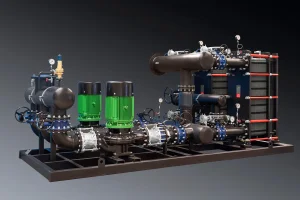
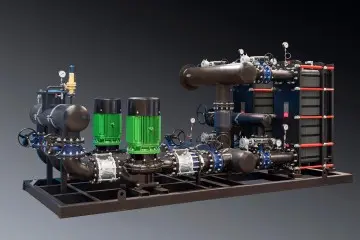
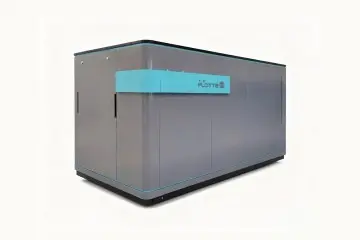
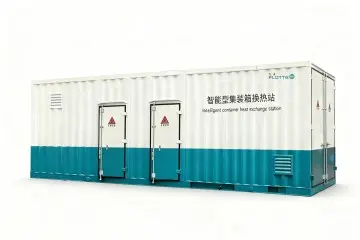
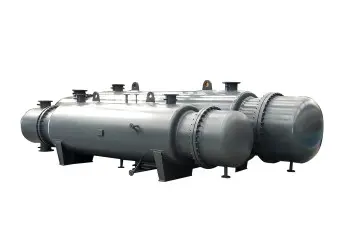
Below is our core industrial product catalog, engineered to support district heating, municipal water supply, pharmaceutical extraction, and wastewater treatment installations globally:

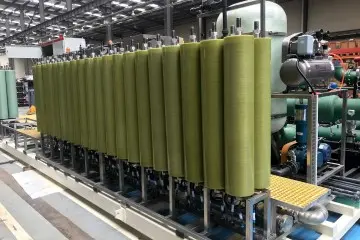
We answer the most common engineering and logistical questions raised by global project managers and procurement executives:
 Flotte Energy