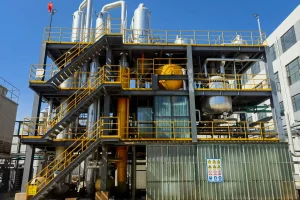
Premium solutions engineered for maximum performance, safety, and operational reliability
Analyzing macro-level industrial transformations and the crucial role of shell & tube designs
Modern process industries are operating under unprecedented dual-pressures: increasing throughput efficiency while rapidly reducing carbon footprints. Across thermal power, chemical synthesis, oil refining, and industrial manufacturing, heat energy accounts for more than 50% of total energy consumption. Consequently, optimizing heat recovery systems is no longer a localized engineering issue, but a critical corporate ESG objective.
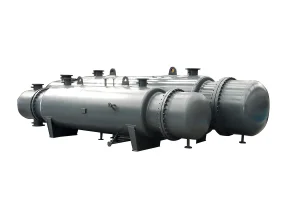
Industrial shell and tube heat exchangers remain the undisputed workhorse of heavy operations. Unlike alternative compact designs, shell and tube structures possess inherent mechanical strength to endure high pressure thresholds (exceeding 100 bar) and extreme temperatures ranging from cryogenic levels up to over 600°C. With global supply chains realigning for localized resiliency, selecting the right wholesale manufacturing partner with comprehensive in-house mechanical engineering and international export compliance is paramount for project continuity.
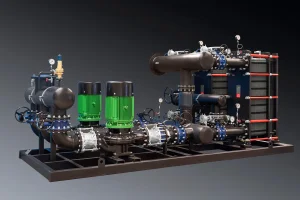
Industrial macro-trends indicate a substantial shift toward modularization. Processing plants are moving away from field-assembled units toward integrated, skid-mounted heat exchange systems. By manufacturing, piping, wiring, and testing systems in a controlled factory environment, enterprises reduce site construction times by up to 40% and virtually eliminate field defect risks. The demand for heavy-duty thermal systems is surging in emerging manufacturing hubs, necessitating exporters who understand the nuances of global freight, logistics protection, and international pressure vessel compliance.
"Optimizing thermal processing operations by a single percentage point can yield hundreds of thousands of dollars in annual fuel savings for heavy chemical processors."
Addressing total cost of ownership, risk mitigation, and mechanical design requirements
For corrosive media in chemical processing or marine cooling applications, selecting appropriate alloys (316L, Duplex SS, Titanium, Hastelloy) is non-negotiable. Procurement teams must scrutinize material traceability reports (MTR) and verify that raw materials are sourced from qualified suppliers.
Industrial shell and tube exchangers must be engineered to Tubular Exchanger Manufacturers Association (TEMA) Class R, C, or B standards depending on severity. Buyers require compliance with ASME Section VIII Division 1, CE-PED, or local equivalents like GB150 to satisfy regulatory bodies.
Over-designing leads to unnecessary capital expenditure; under-designing results in critical process bottlenecks. Engineers require precise simulation data from industry-standard software like HTRI to ensure optimized pressure drops and velocity profiles, avoiding flow-induced vibrations.
Flotte Energy Saving Company, established in 2013 with a registered capital of 101 million yuan, originated from Flotte Thermal Engineering founded back in 1995. Built on three decades of robust technical expertise, our company specializes in water systems, HVAC engineering, and comprehensive water treatment technologies. We lead the industry in introducing cutting-edge manufacturing automation and energy-efficient products globally.
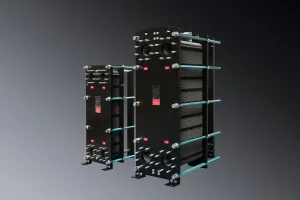
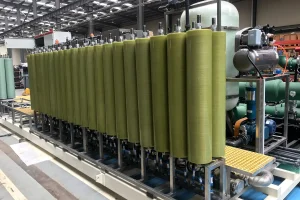
Our commitment to technical excellence is proven through multiple patented technologies, including our "High-Efficiency Plate Heat Exchanger", "Intelligent Plate Heat Exchanger System", and "Plate Heat Exchanger Scale Removal Device". Our complete product lines possess mandatory national product certifications, along with safety registrations for pressure vessels issued by the National Boiler and Pressure Vessel Standardization Technical Committee. Furthermore, our production processes conform rigorously to ISO9001 Quality Management, ISO14001 Environmental Management, and ISO45001 Occupational Health and Safety Management systems.
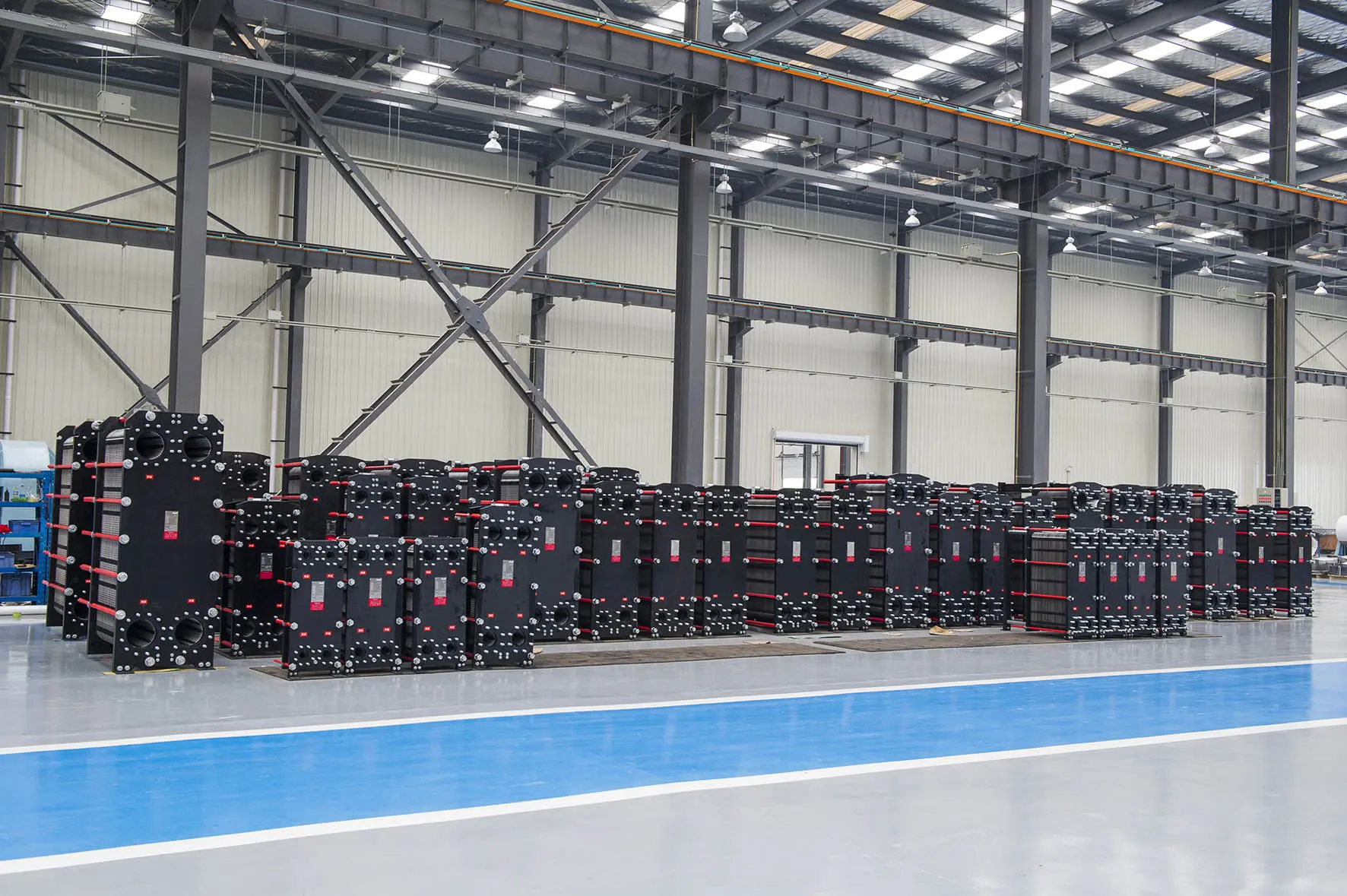
Why international procurement managers trust Flotte for mission-critical operations
Utilizing advanced CFD modeling and proprietary tube corrugation technologies, achieving thermal efficiency rates 2-3 times higher than conventional configurations while minimizing pressure drops.
Our systems support 8 core industrial scenarios—from central district heating to high-pressure petrochemical processing, certified under various regional regulatory codes.
Full-process QA testing from raw materials to final pressure test. We supply titanium, stainless steel, and specialty alloys with absolute compliance certificates.
A dedicated multilingual logistics and engineering team coordinates customized drawings, factory-acceptance testing (FAT), and international shipping logistics.
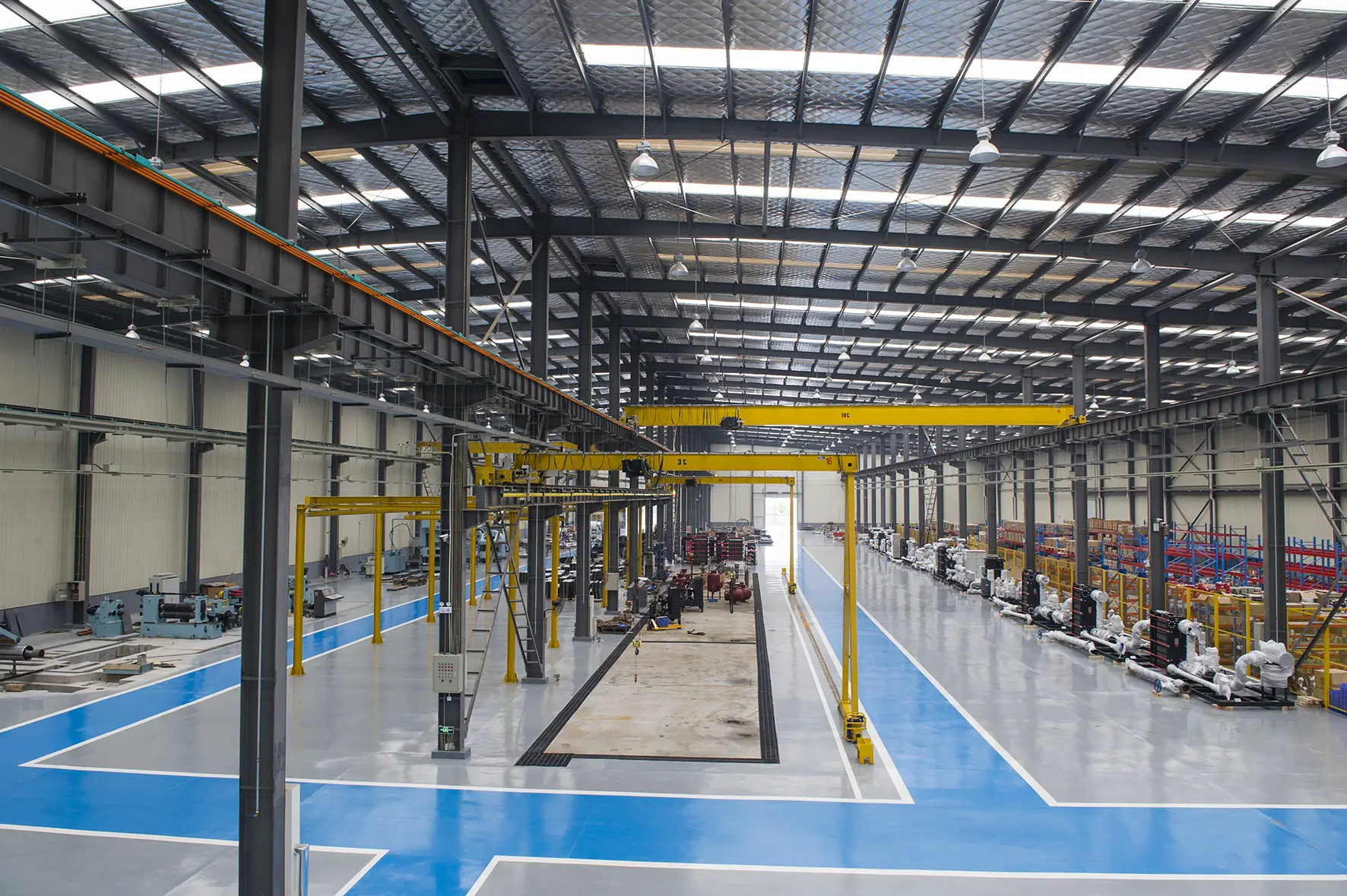
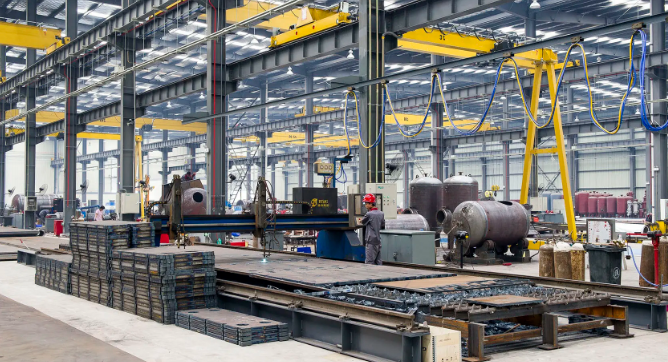
A look inside our 70,000 square meter facility executing precision assembly protocols
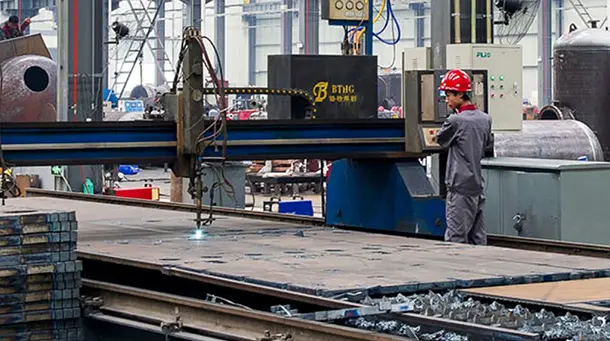
Utilizing high-power CNC fiber lasers and plasma cutters to achieve sub-millimeter precision on heavy structural shell components and flange plates.
Refining metal grain structure under high temperature to increase tensile strength, ensuring structural integrity of tube sheets and critical boundaries.
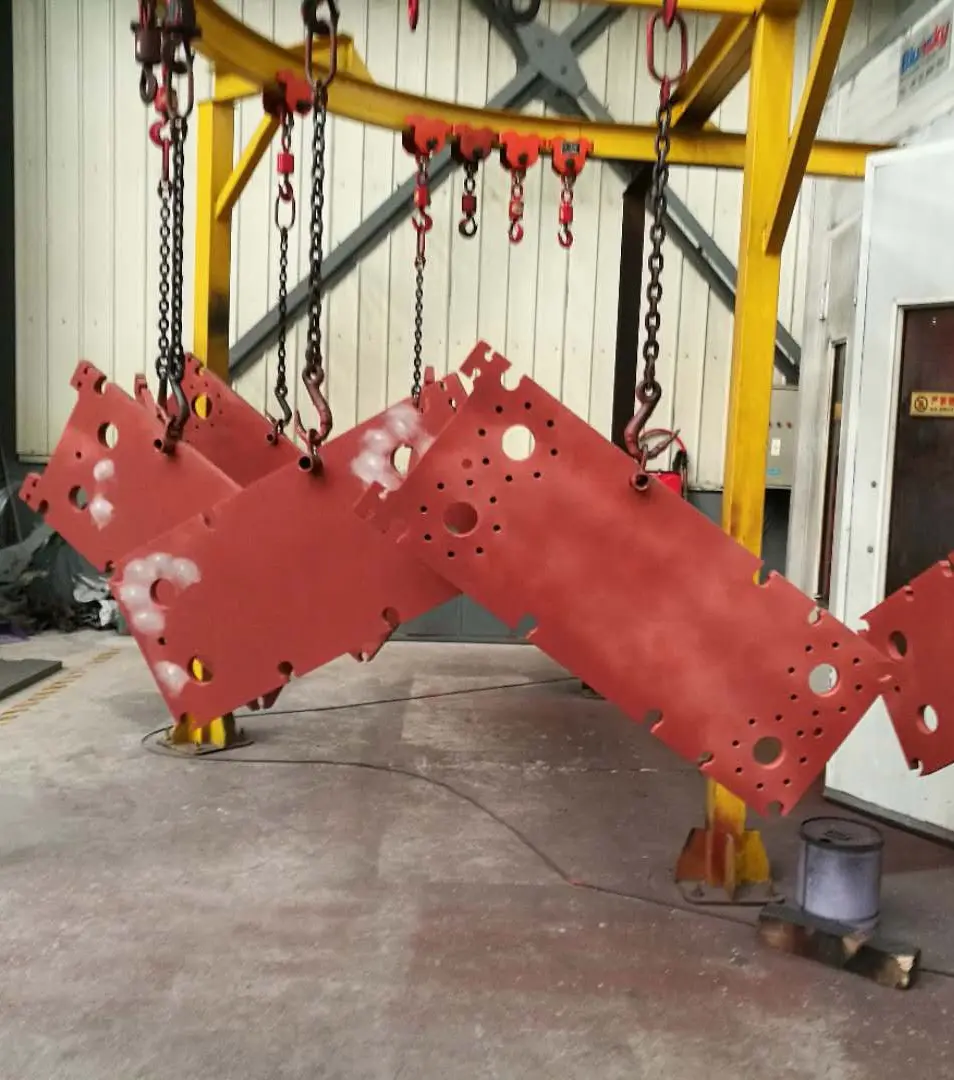
Applying high-grade multi-layer industrial anti-corrosion coatings to safeguard external carbon steel surfaces from harsh outdoor environments.
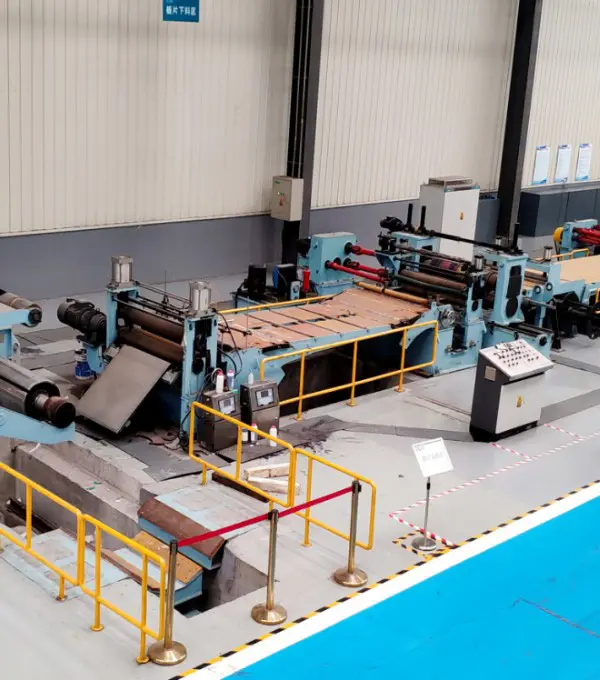
Automated cutting and tracking systems stamp unique identifiers on each metallic component, ensuring total material traceability.
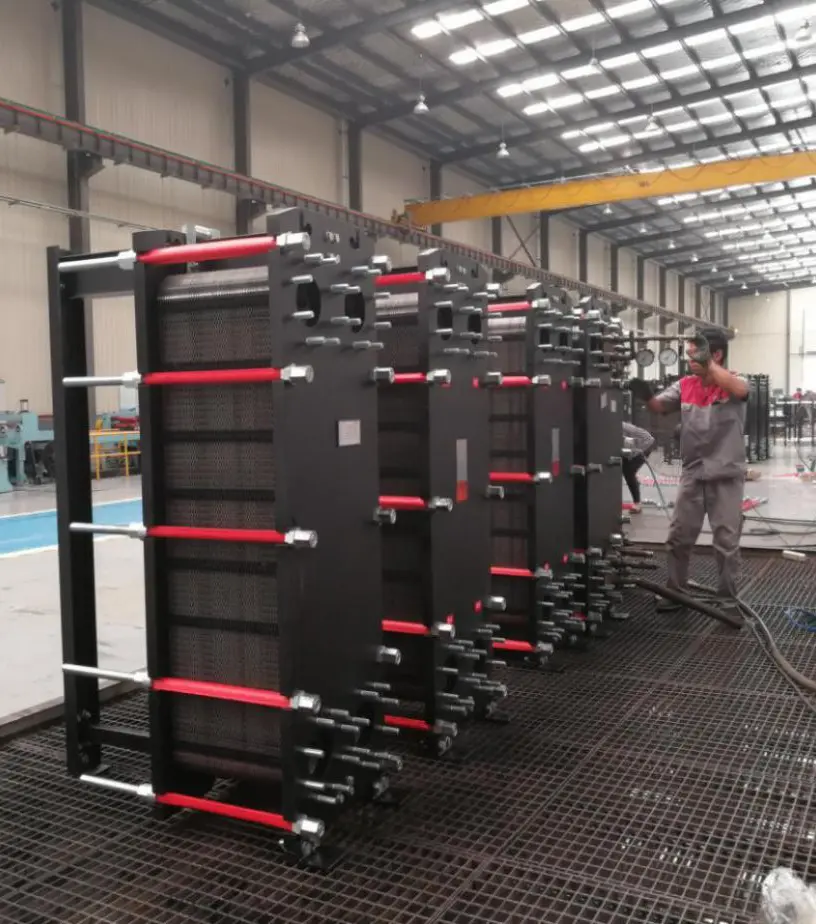
Hydrostatic testing conducted at 1.3x to 1.5x design pressure levels to check for structural weeping, flange leaks, or tube-to-sheet weld defects.
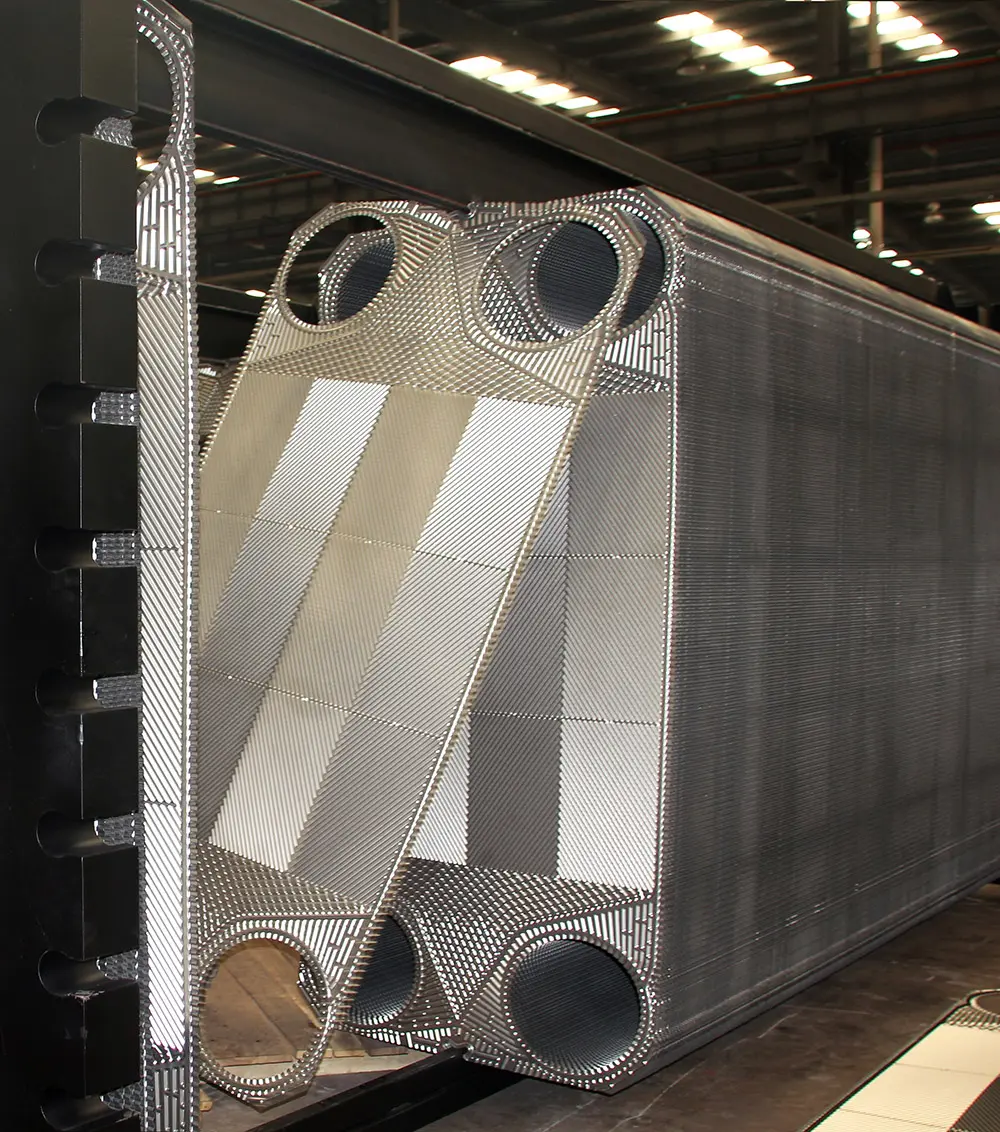
Skilled technicians, certified under pressure vessel regulations, assemble baffle plates, tie rods, tube bundles, and shells with precise torque specifications.
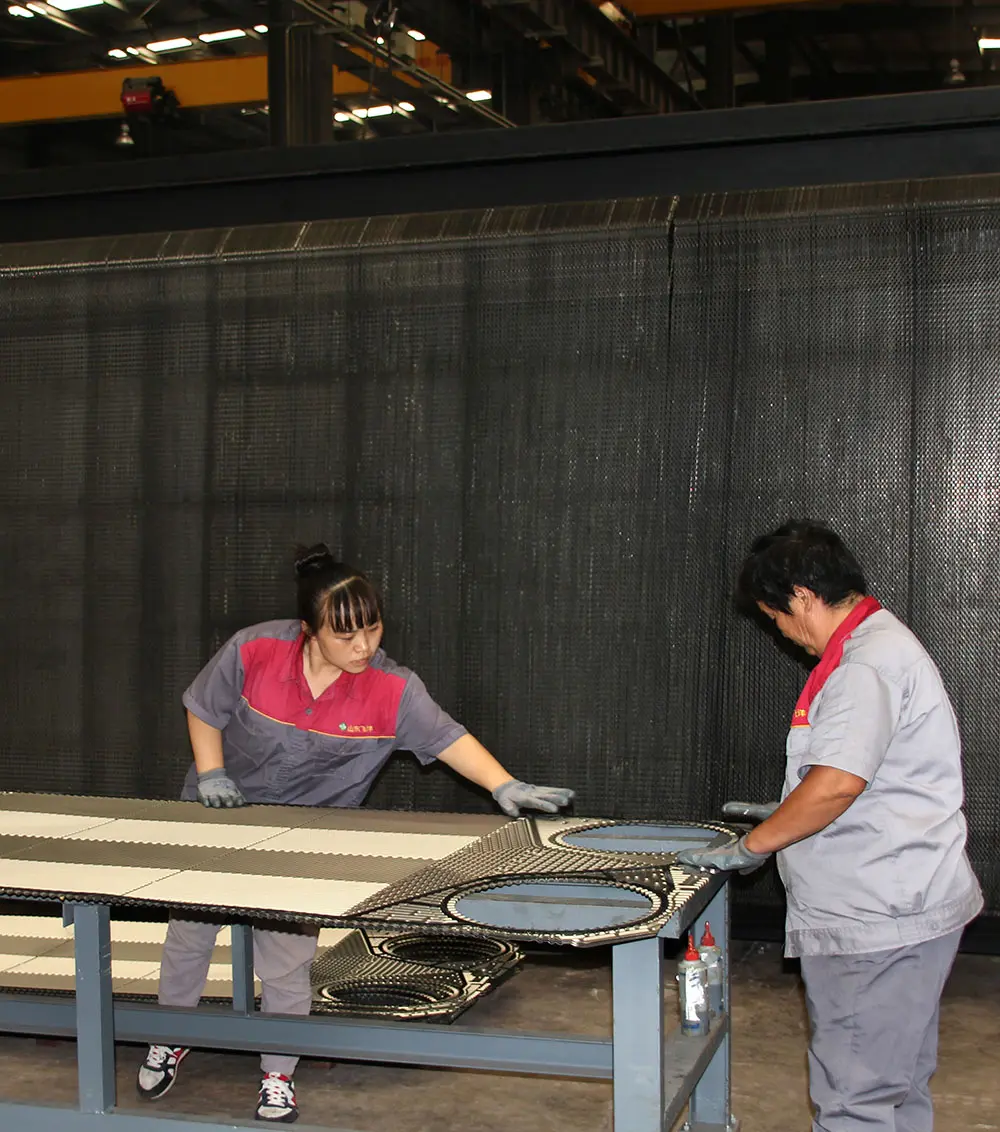
Specialized polymer seal installation that guarantees leakproof containment between channels and high-pressure structural interfaces.
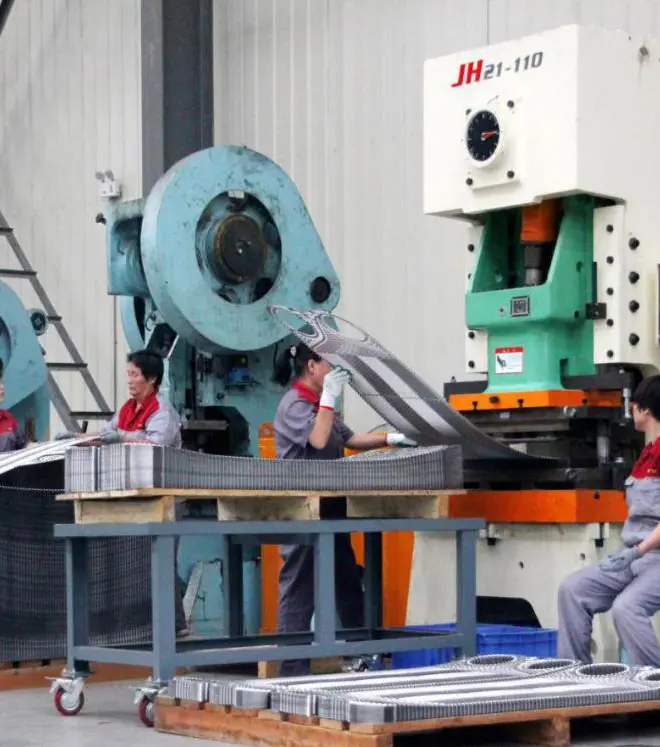
Precision punching of tube sheet layouts to ensure perfect fitment and alignment of hundreds of internal tubes within the exchanger shell.
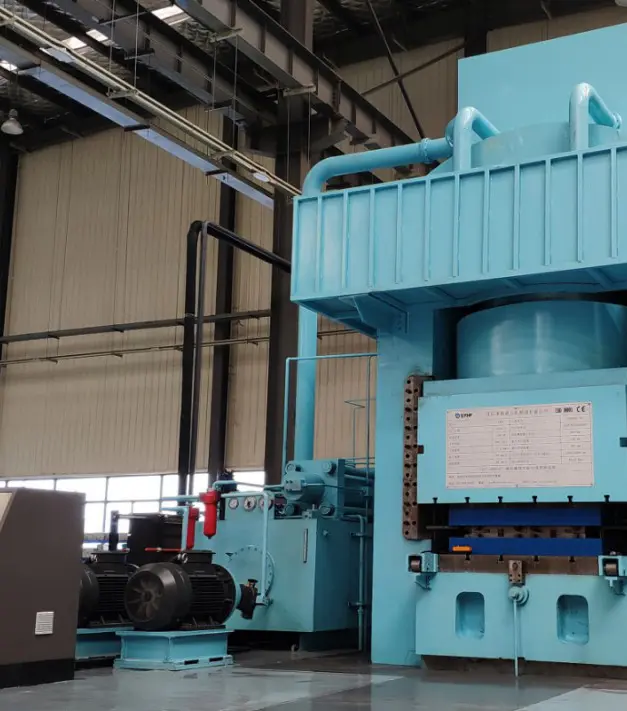
High-tonnage hydraulic presses stamp structural flow profiles, optimizing fluid turbulence and maximizing thermal heat transfer coefficients.
Custom engineered applications across major chemical, power, and civil infrastructures
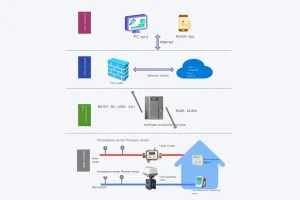
In centralized municipal heating systems, heat exchange units are the essential bridge between high-pressure primary city networks and lower-pressure residential systems. By dynamically monitoring pressure shifts and utilizing balanced control valves, our intelligent systems regulate hot water output to match changing weather conditions. This minimizes pipeline energy losses, stabilizes distribution networks, and achieves up to a 15% reduction in municipal fuel costs.
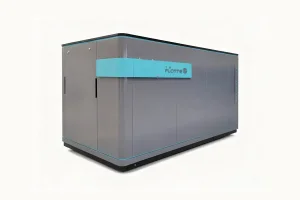
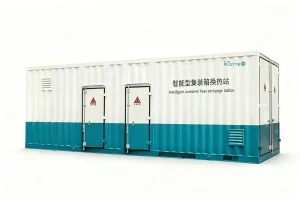
Our integrated box-type heat exchange stations combine plate or shell & tube units with variable-frequency pumps, sensors, and remote monitoring systems. This modular layout saves up to 70% of floor space compared to conventional installations, allowing for quick deployment in metropolitan basements or substation containers.
Within chemical synthesis plants, heat exchangers encounter extremely aggressive media, including acids, organic solvents, and high-temperature gases. Standard carbon steel or 304 stainless steel can fail within months due to pitting and stress corrosion cracking. Flotte solves this challenge through advanced metallurgy and coating processes.
We design and manufacture high-integrity shell and tube heat exchangers using titanium, Super Duplex (SAF 2205/2507), and nickel alloys. Every unit is engineered with extra corrosion allowances, and tubes are welded and expanded to tube sheets under clean-room conditions to eliminate mechanical stress and guarantee leakproof service life in hazardous areas.
Strategic development paths guiding Flotte's next-generation thermal engineering research
We are developing embedded sensor arrays that feed thermodynamic data into AI cloud models. This enables operators to predict fouling buildup and schedule cleaning before thermal efficiency drops below threshold levels, reducing maintenance downtime by 35%.
By studying micro-fluid dynamics, Flotte is optimizing helical baffles and structured tubes. These geometries induce micro-turbulence at low fluid velocities, preventing suspended solids from settling and reducing the frequency of mechanical cleaning cycles.
Our upcoming product lines focus on Organic Rankine Cycle (ORC) heat exchangers, enabling plants to capture low-temperature waste heat (80°C - 150°C) and convert it directly into electricity, closing the loop on energy conservation.
ISO compliant manufacturing facilities verified by leading inspection authorities
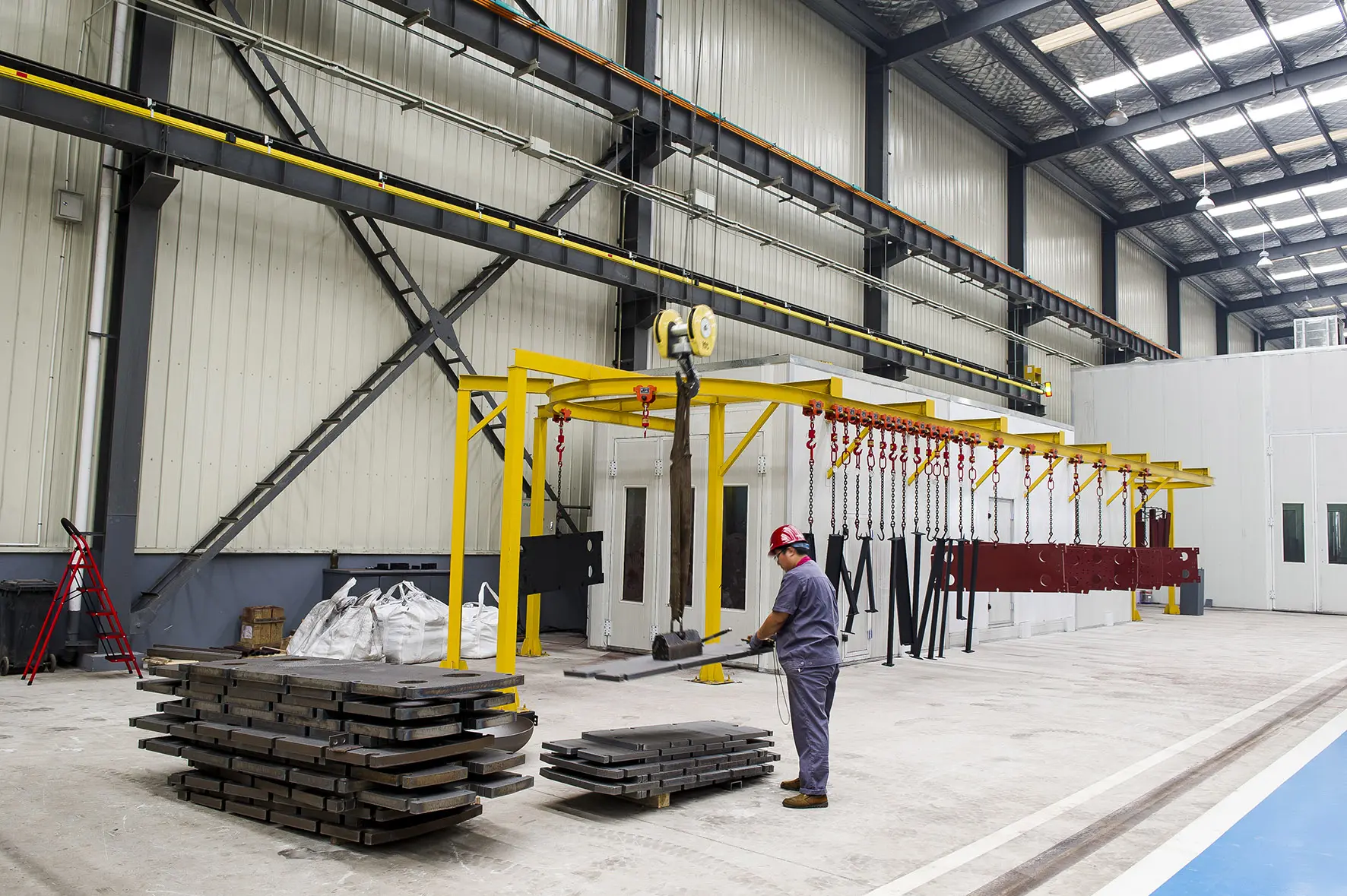
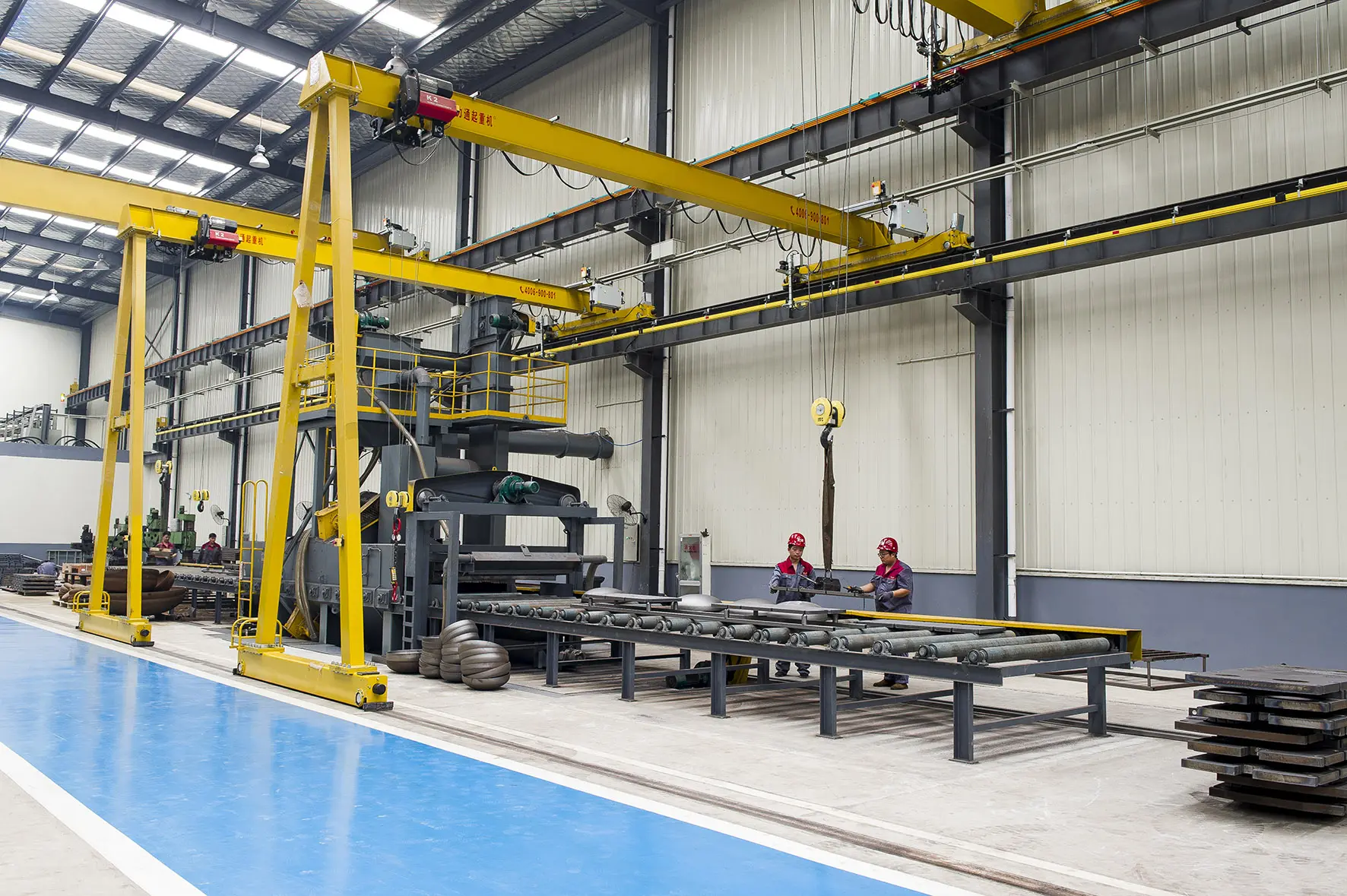
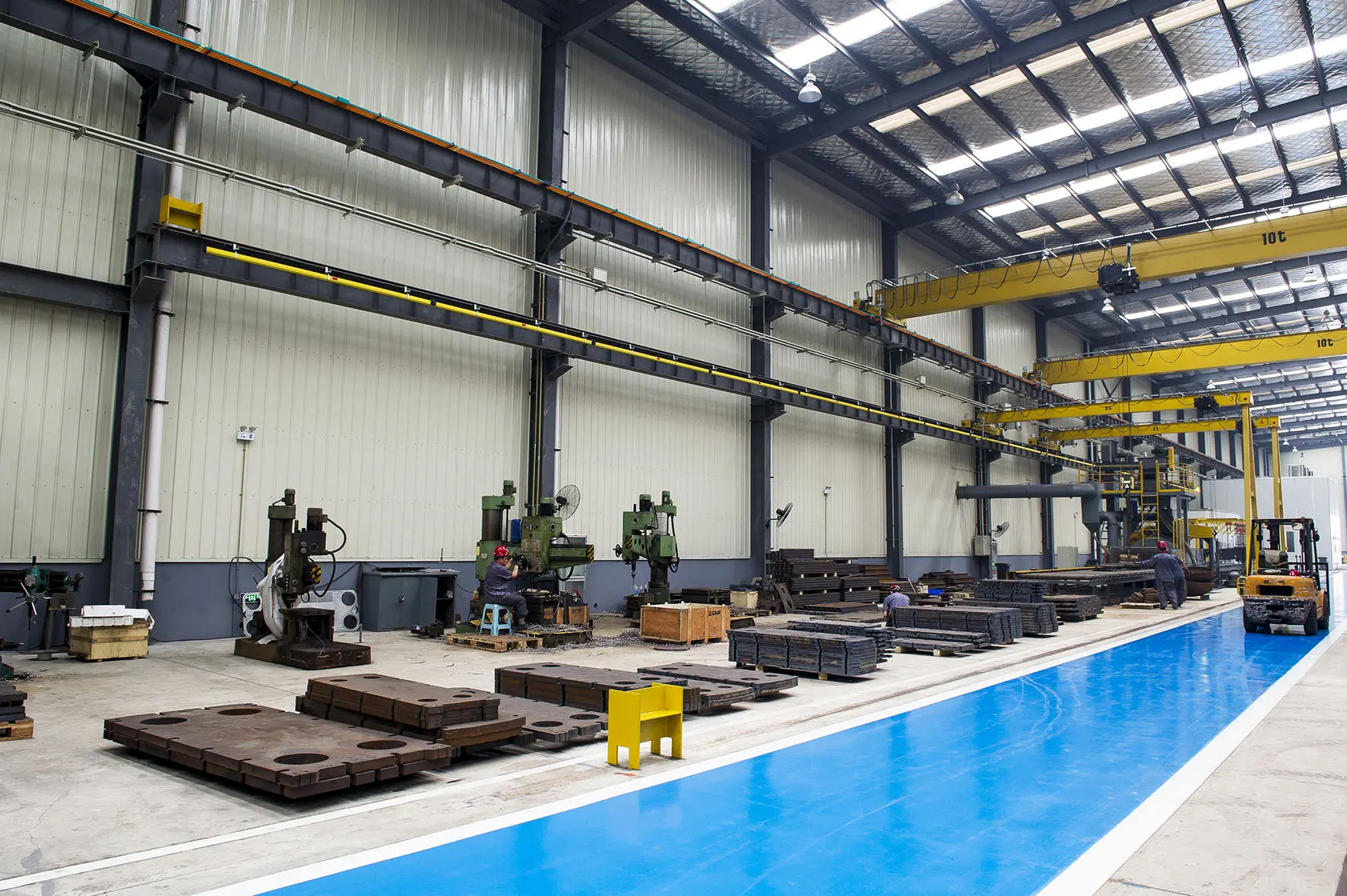

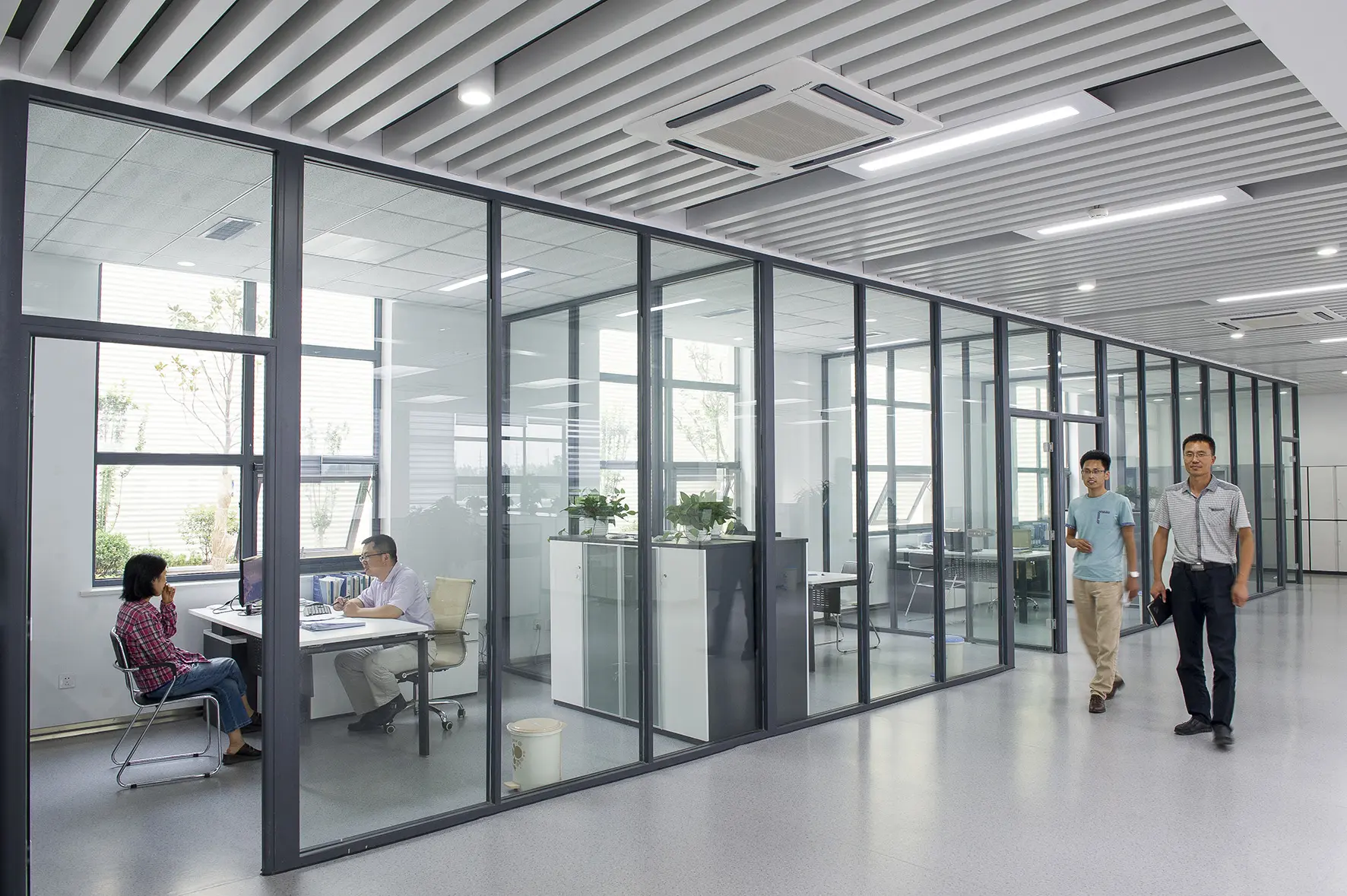

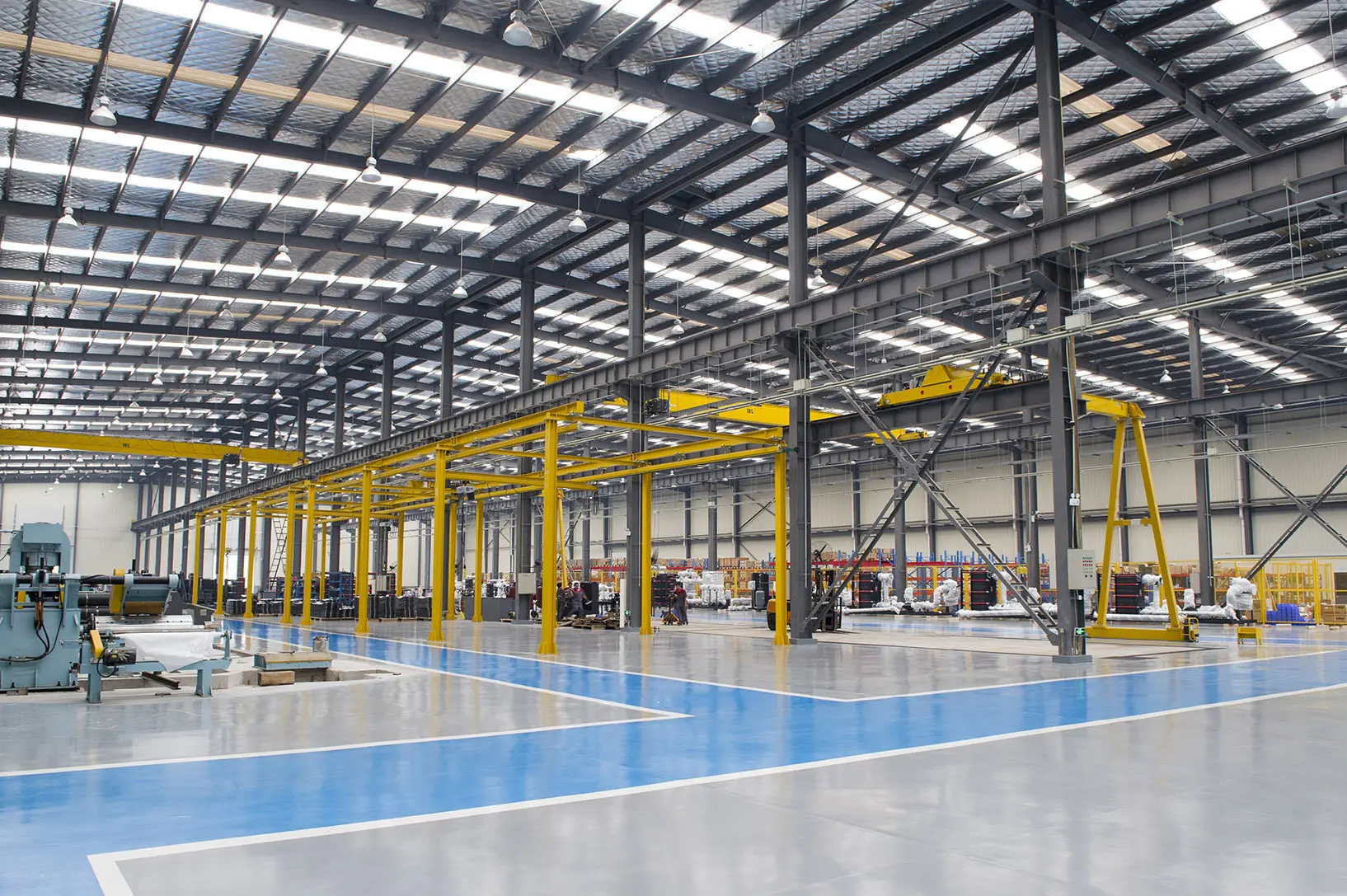
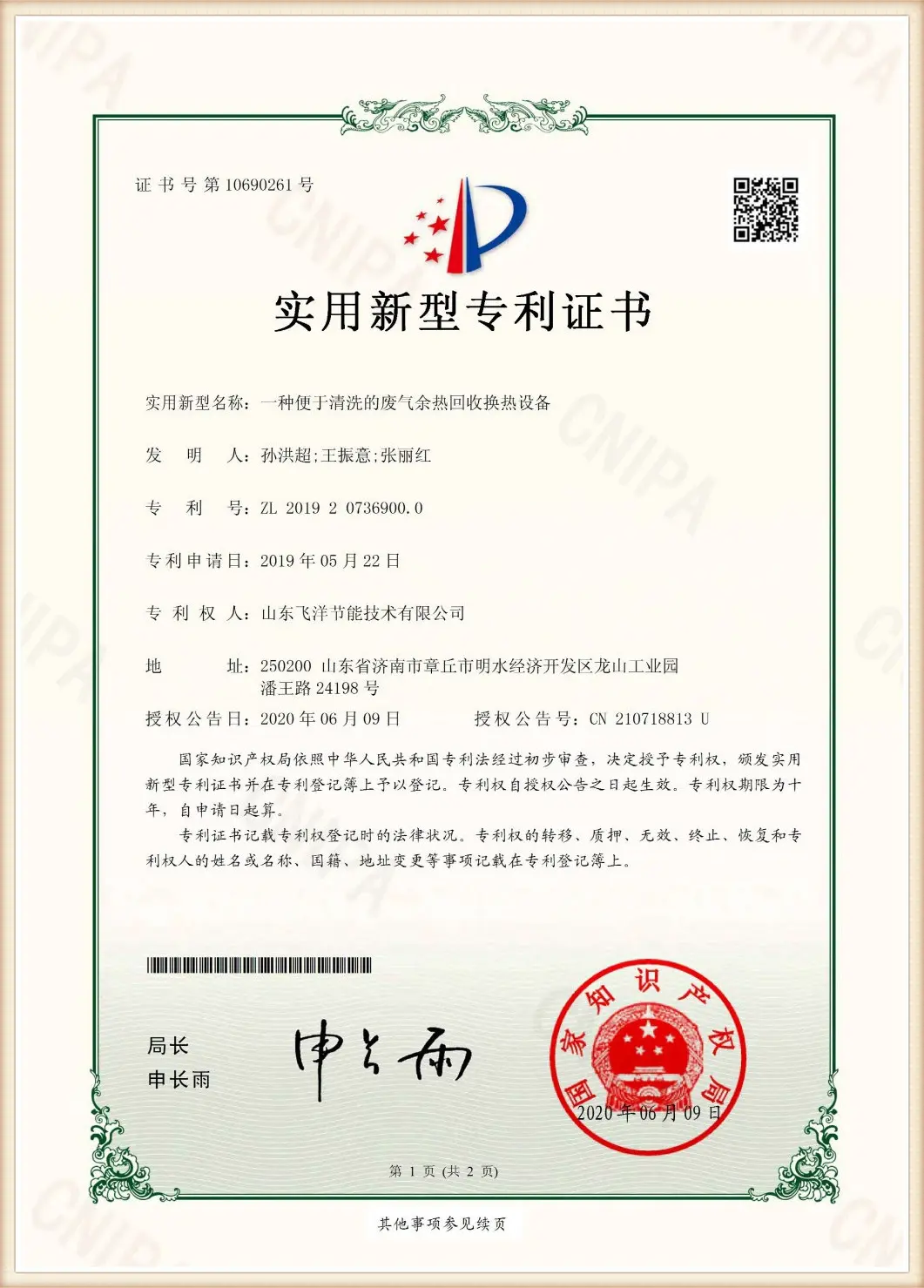
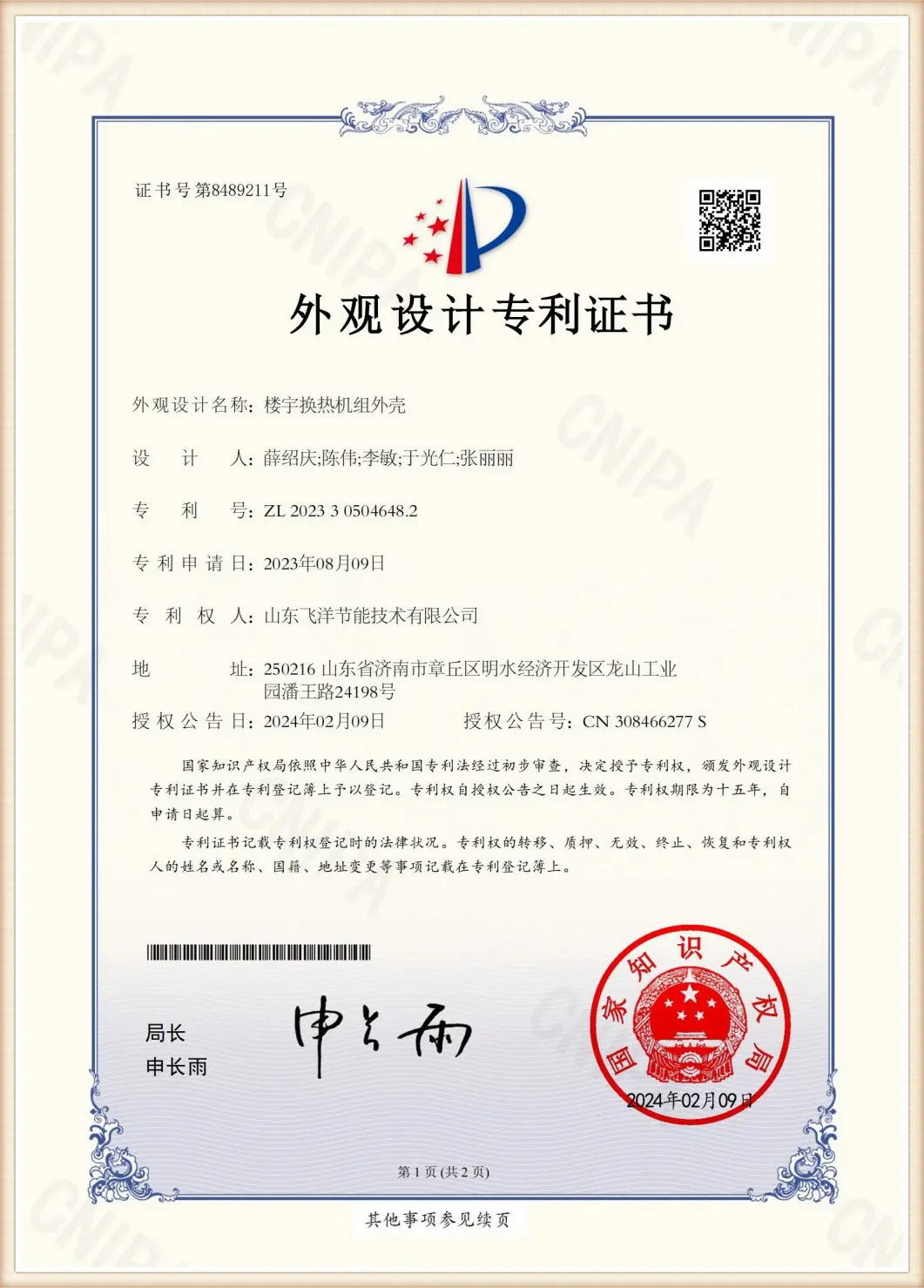
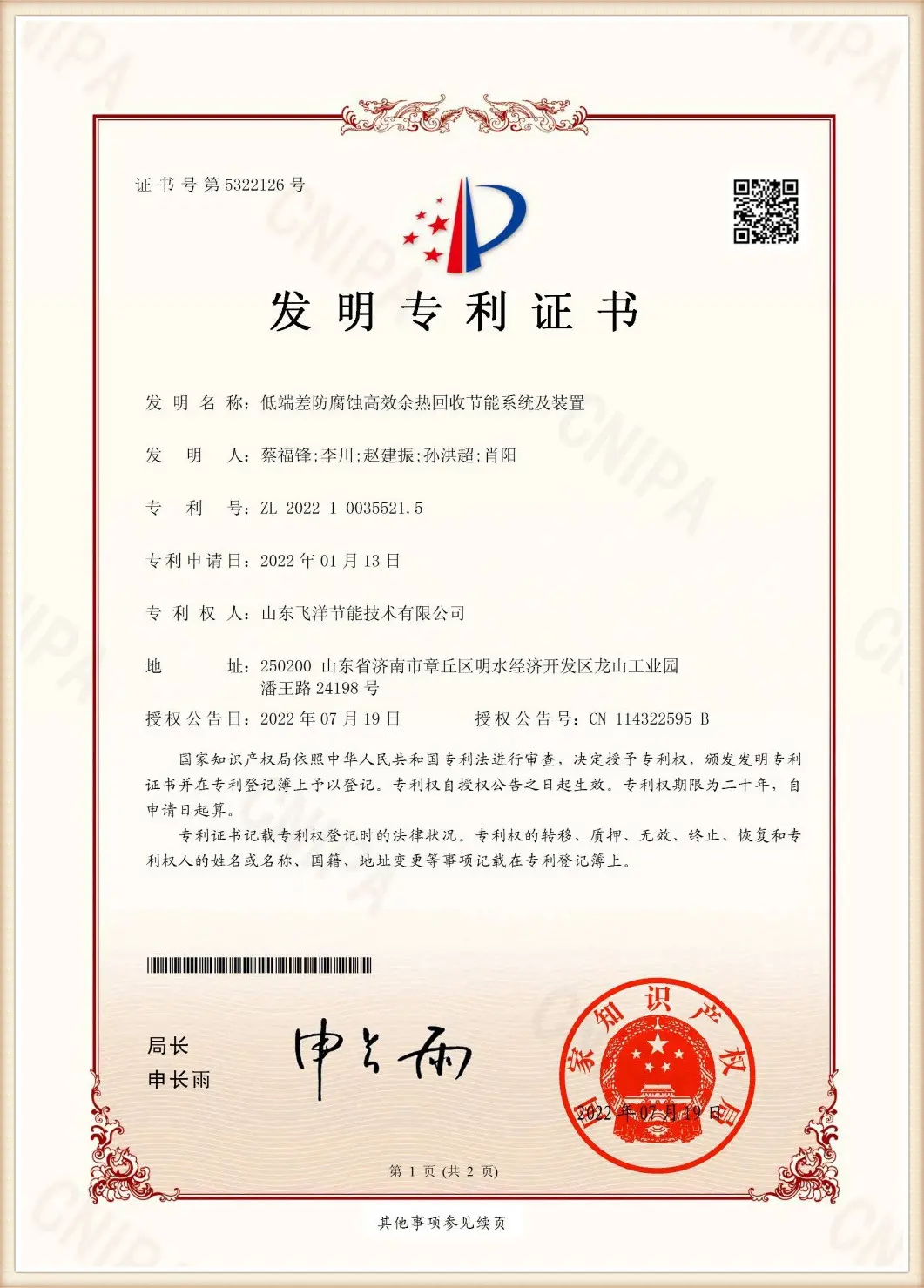
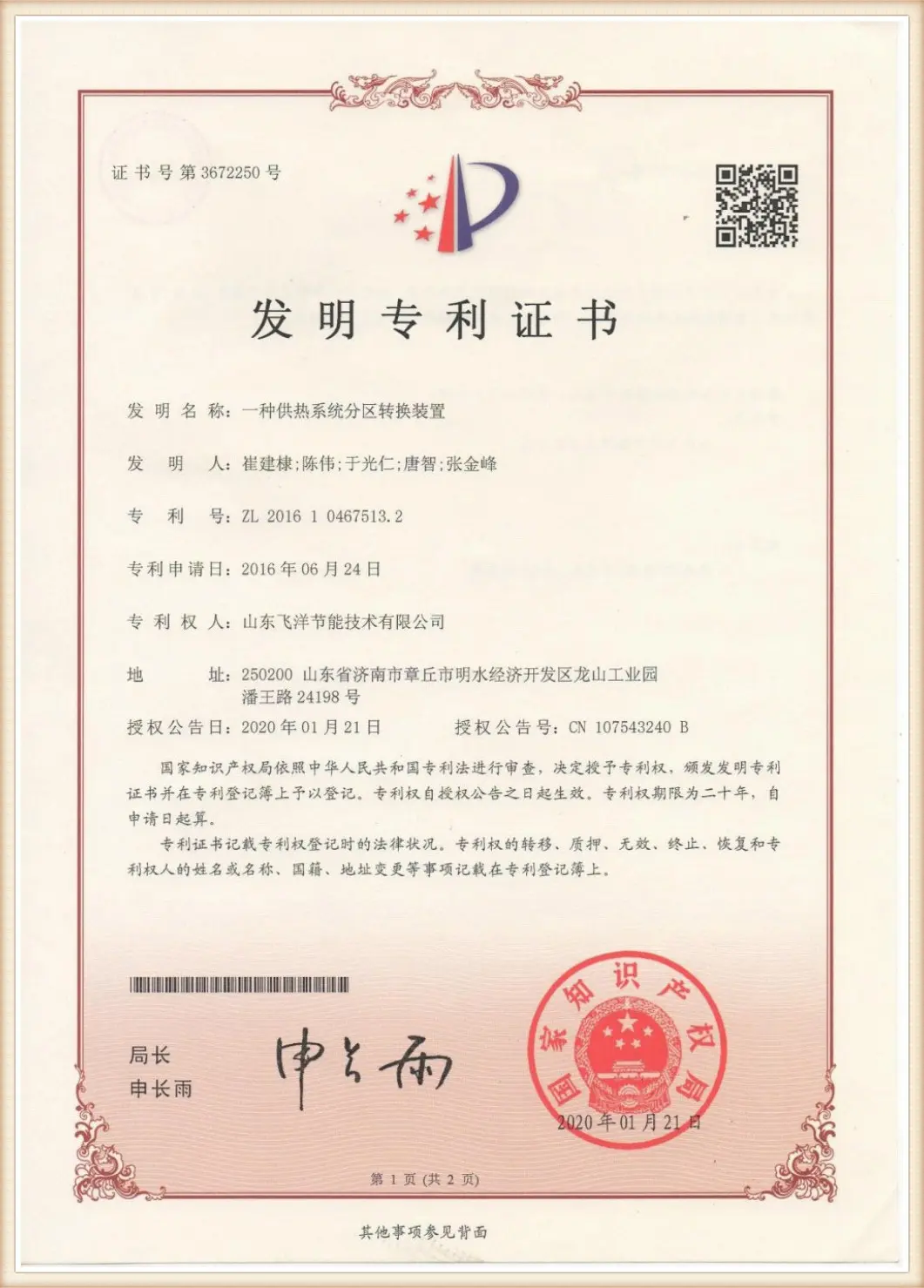
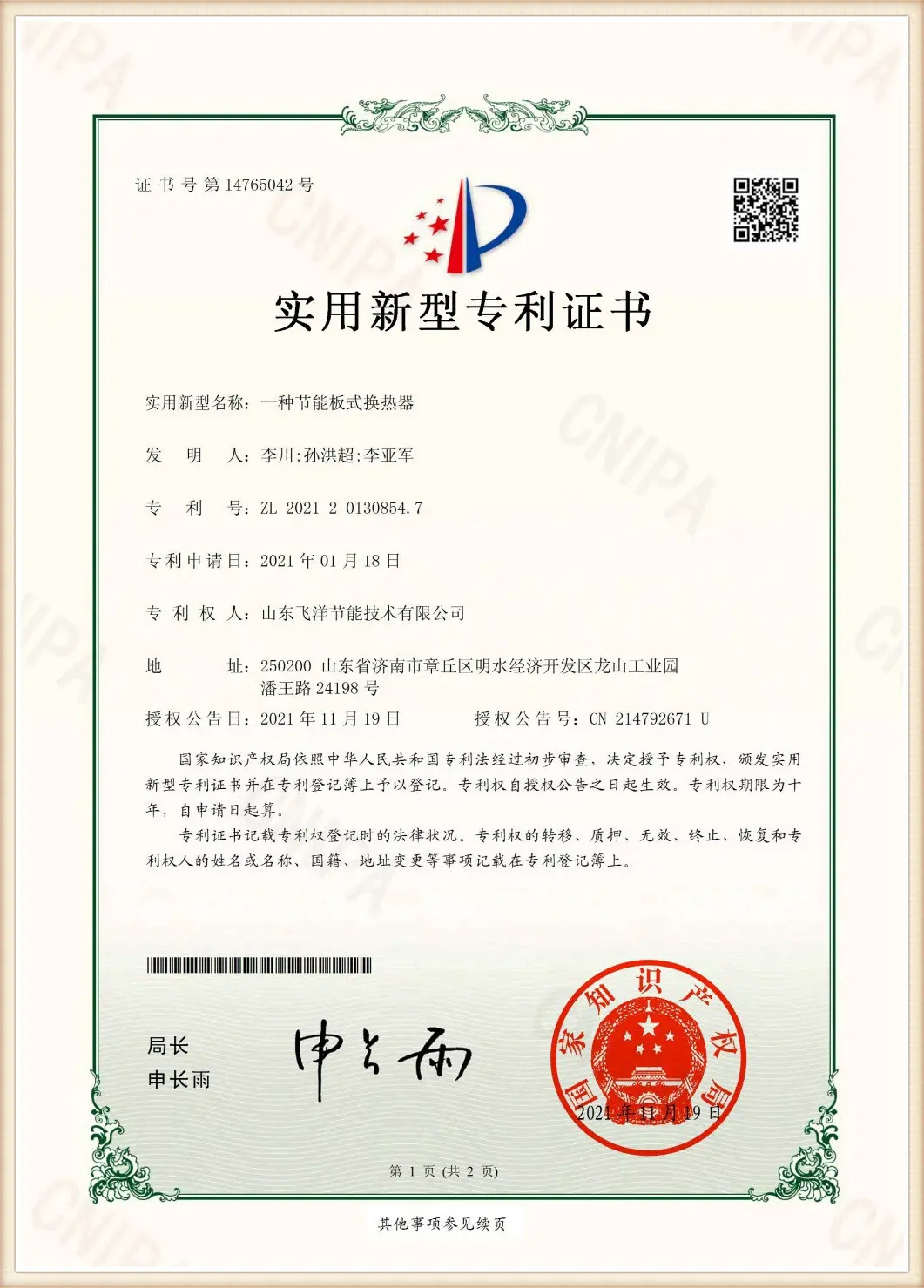
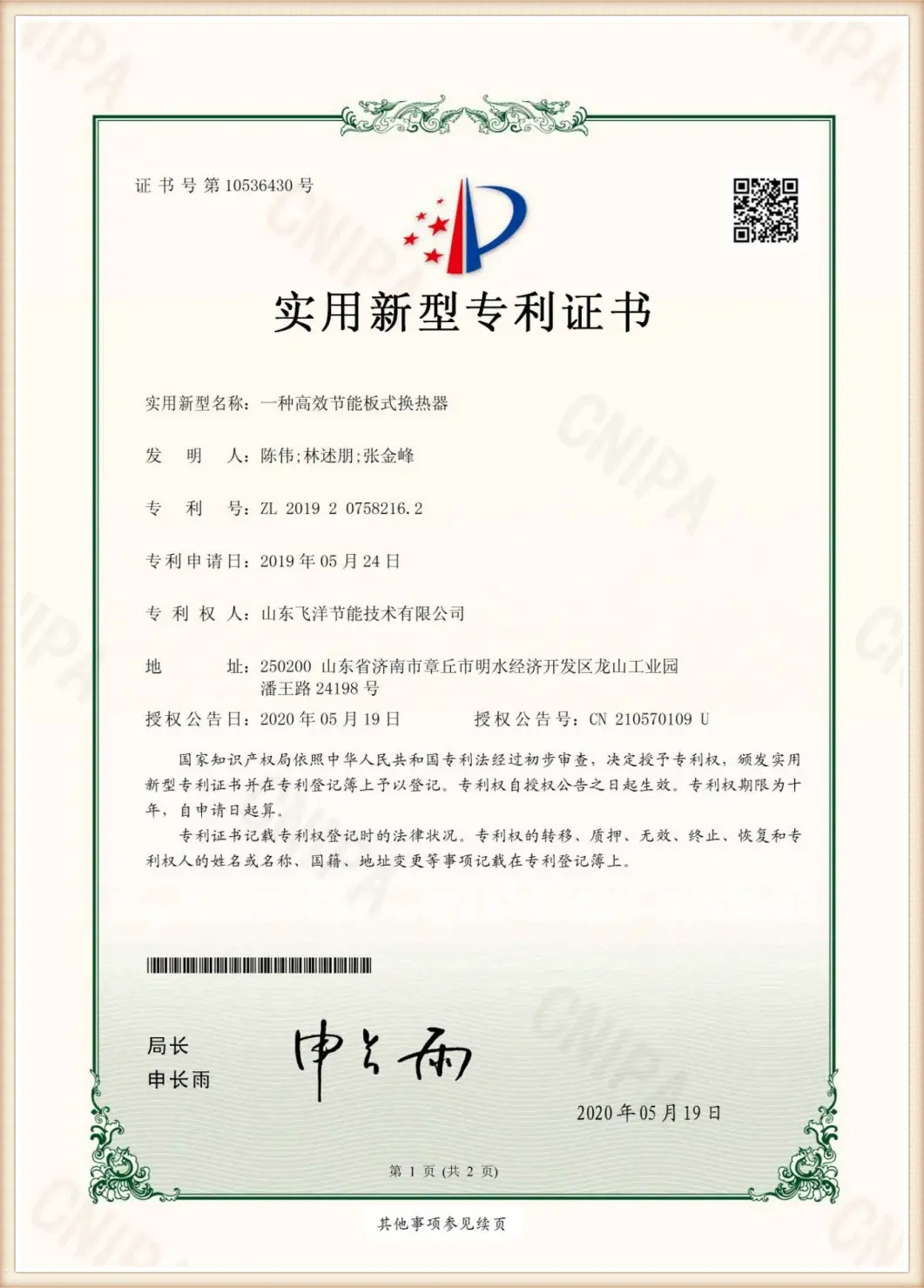
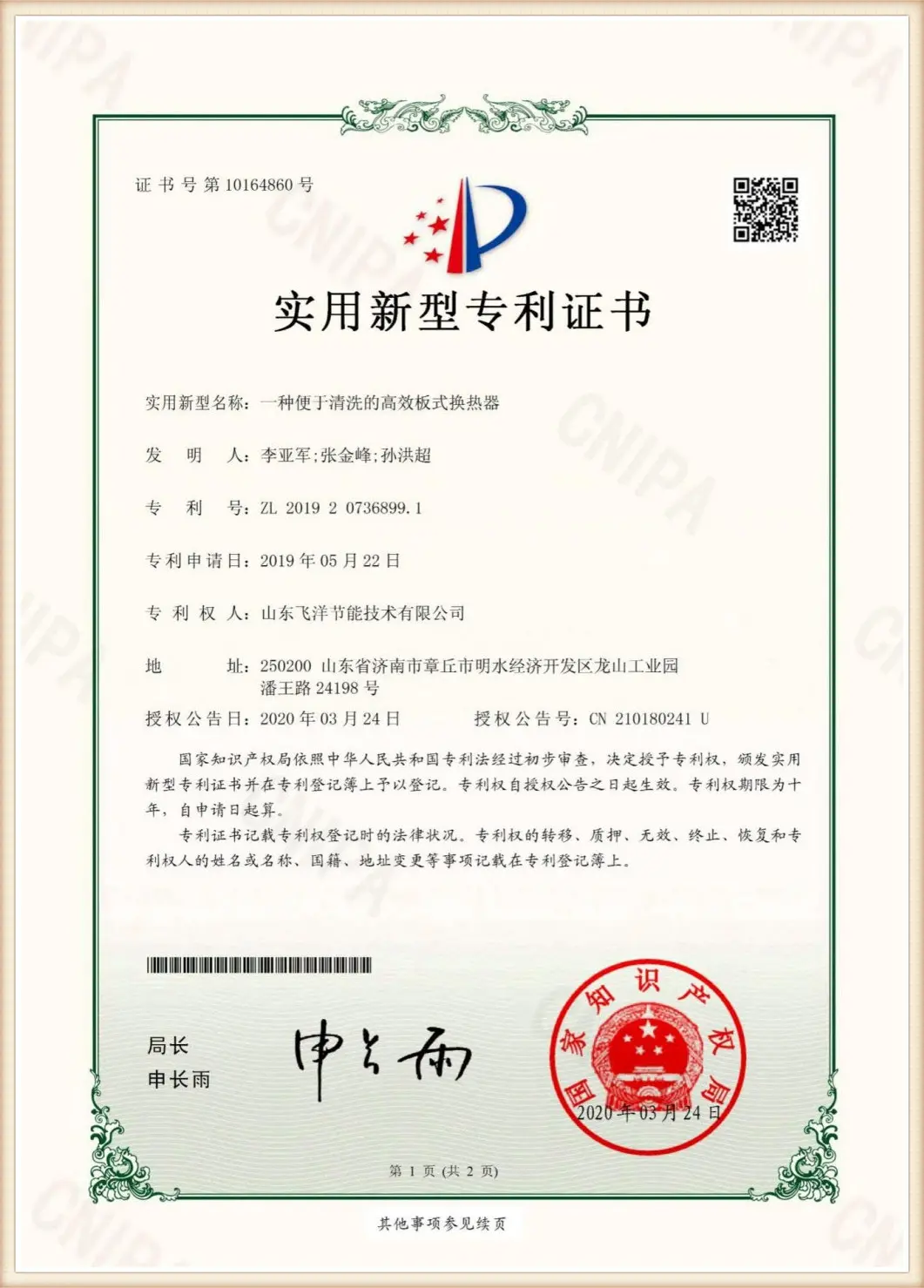
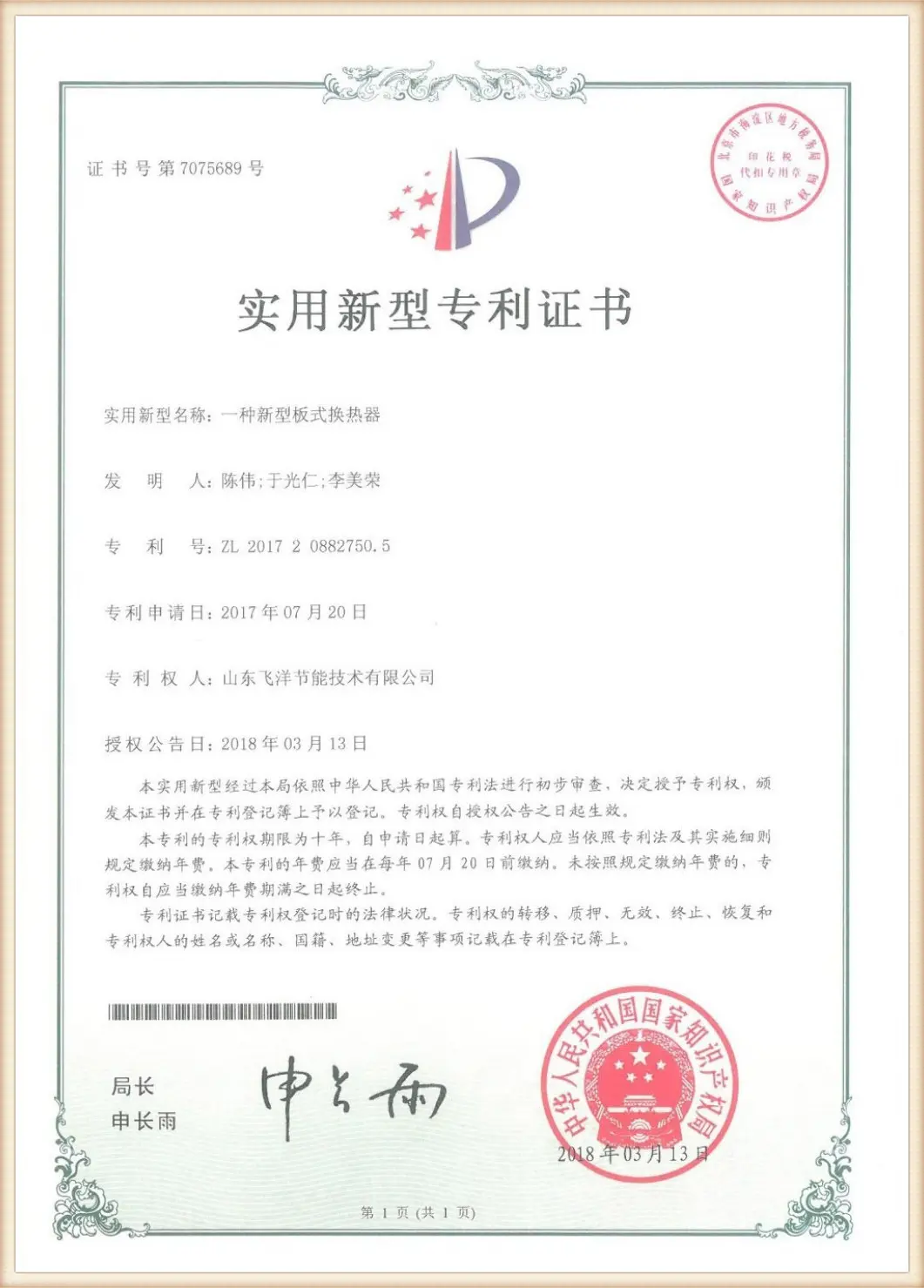
Exporting heavy pressure vessels requires strict compliance with destination port guidelines. In North America, the ASME stamp is mandatory; in Europe, the CE-PED directive governs mechanical testing; in APAC markets, various local regulations apply. Flotte maintains standard manufacturing tracks matching ASME Section VIII Division 1 and China's GB150 codes, ensuring our heat exchangers pass inspection immediately upon delivery.
Our Quality Assurance system tracks the manufacturing process from raw material delivery to shipping. We conduct non-destructive testing (NDT), including ultrasonic, radiographic, and liquid penetrant tests, to ensure weld joint integrity. Additionally, our dedicated global logistics department handles export customs clearance, shock-resistant container packaging, and marine insurance, ensuring that high-value equipment arrives at your facility in pristine condition.
Expert answers to critical mechanical design and operational questions
Explore our complete product catalog engineered for high thermal performance and low maintenance
 Flotte Energy