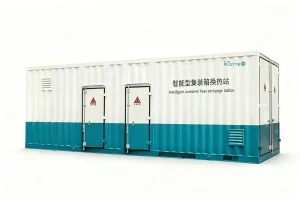
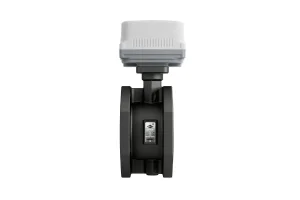
Explore our state-of-the-art intelligent heat transfer and environmental evaporation machinery designed for rigorous industrial applications.
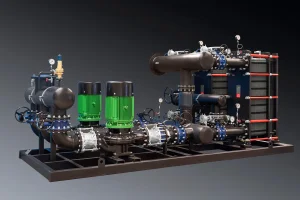
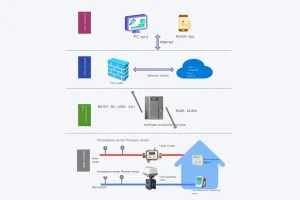
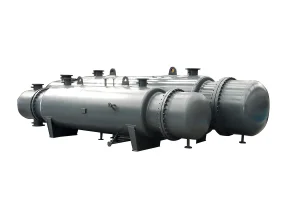
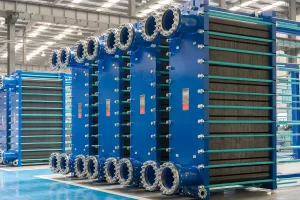
Flotte Energy Saving Company, officially established in 2013 with a registered capital of 101 million yuan, trace its technical engineering pedigree back to Flotte Thermal Engineering founded in 1995. Built upon three decades of strict technical accumulation, the enterprise specializes in high-end water treatment systems, HVAC optimization equipment, and industrial heat exchange processes. Through adopting state-of-the-art thermodynamic designs, Flotte stands as an industry benchmark in engineering energy-efficient treatment architectures.
As environmental limits tighten globally, the treatment of complex industrial wastewater—specifically pharmaceutical effluent—has emerged as a key operational pain point. Our engineering team bridges thermodynamic recovery systems with high-end fluid treatment infrastructure, offering systems such as Multi-Effect Evaporators and Membrane Concentration units. These solutions operate as primary processors in ZLD (Zero Liquid Discharge) setups, recovering clean water and separating process-grade salts.
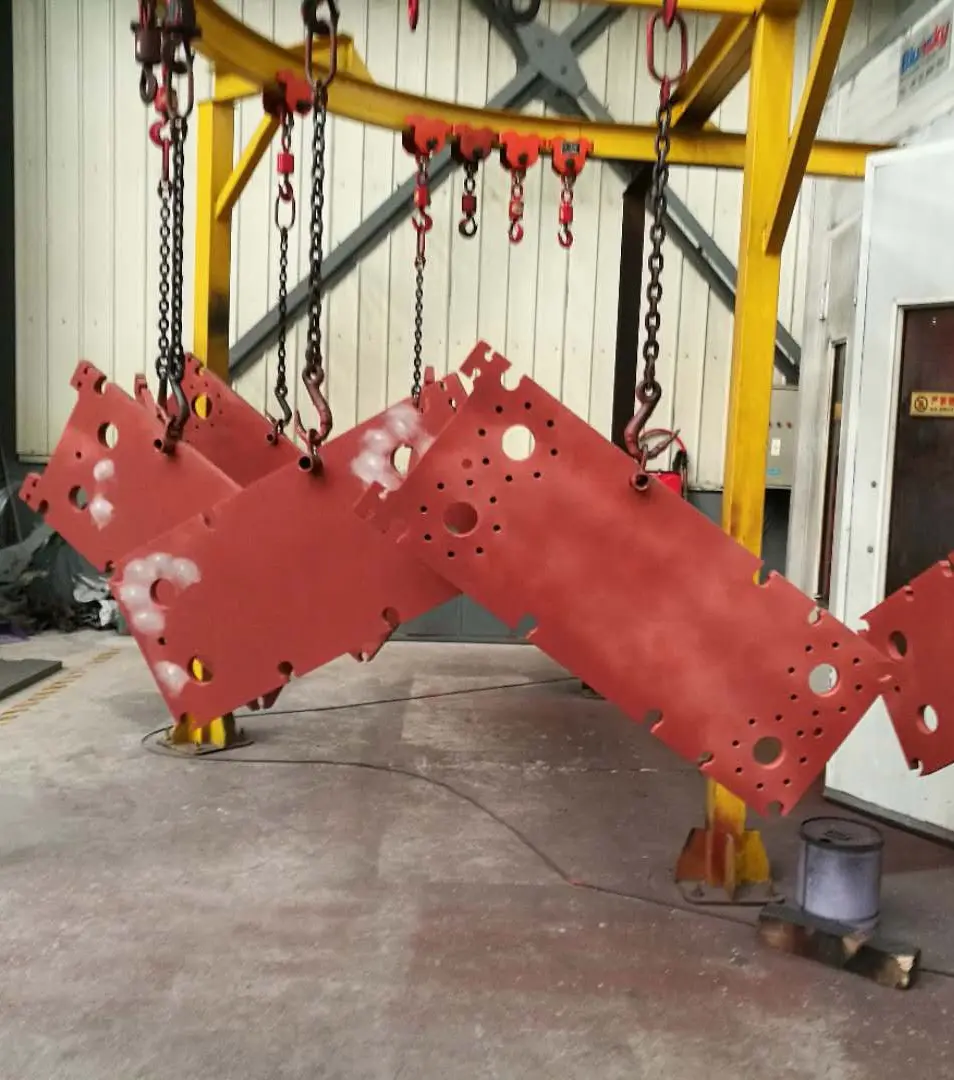
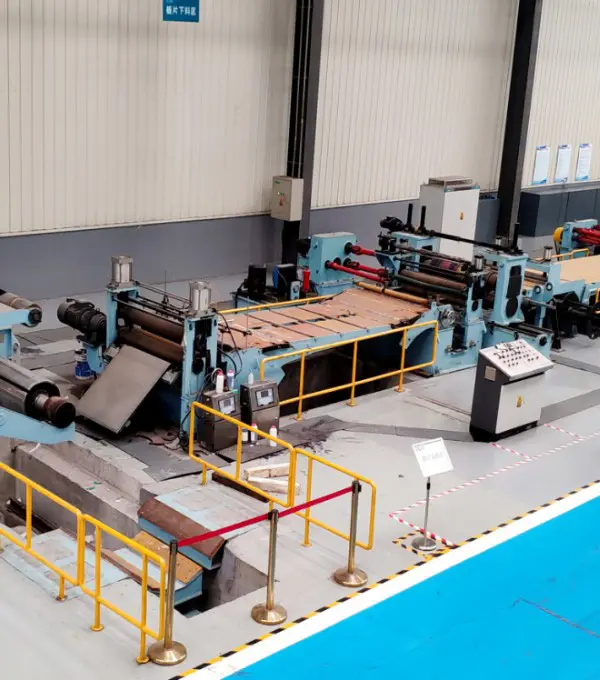
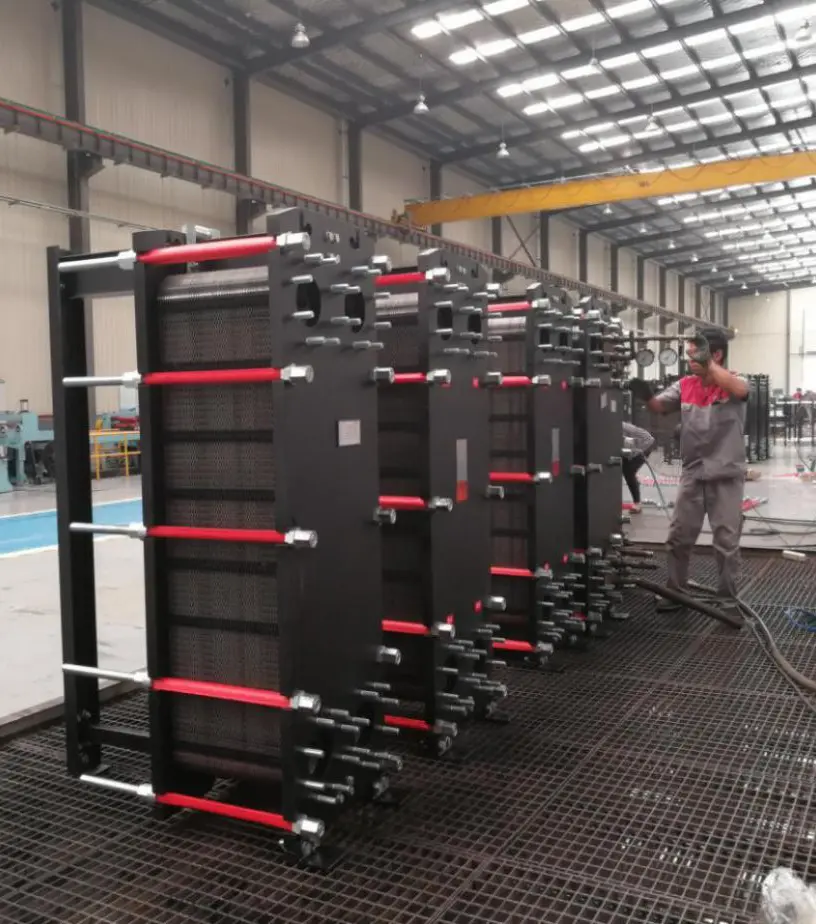
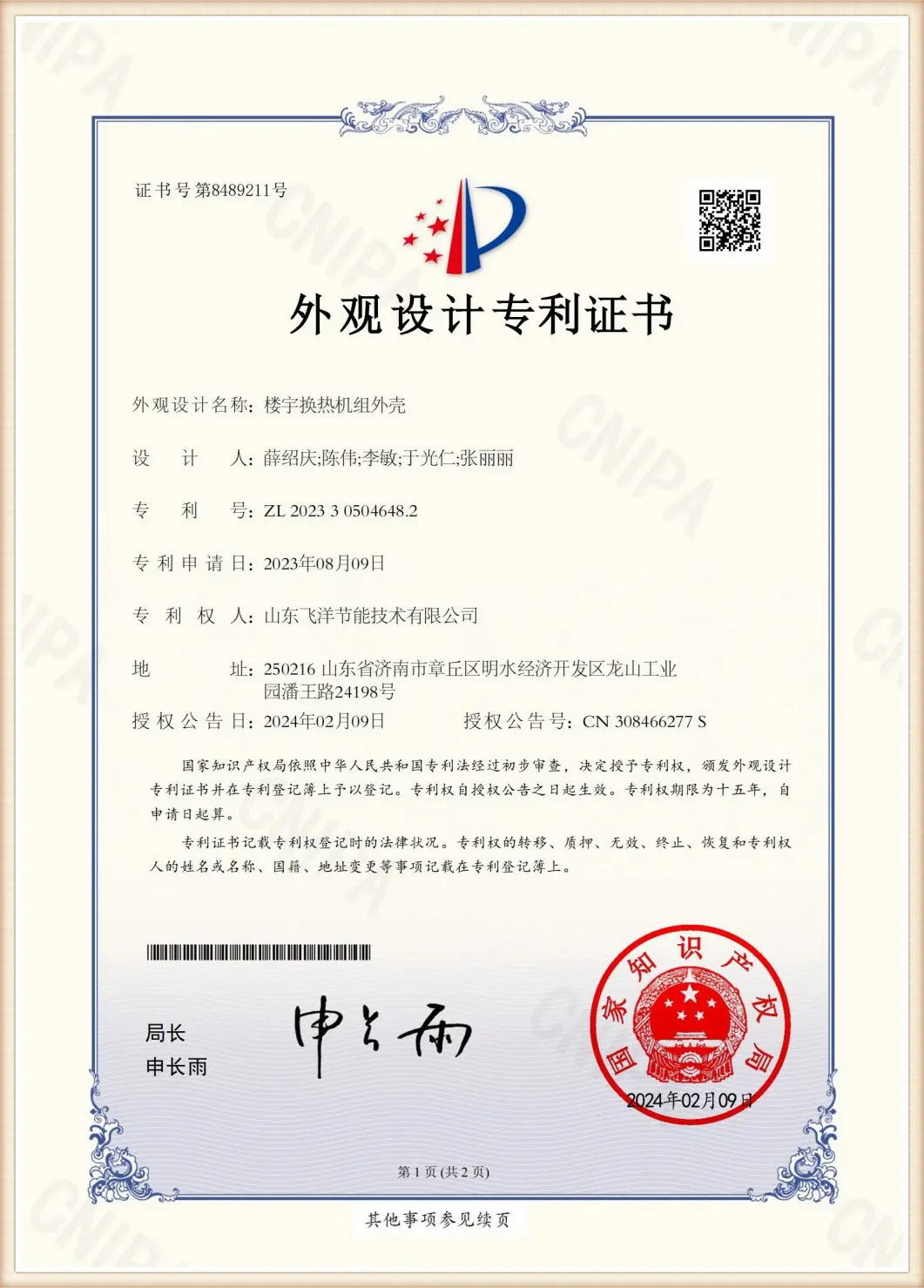
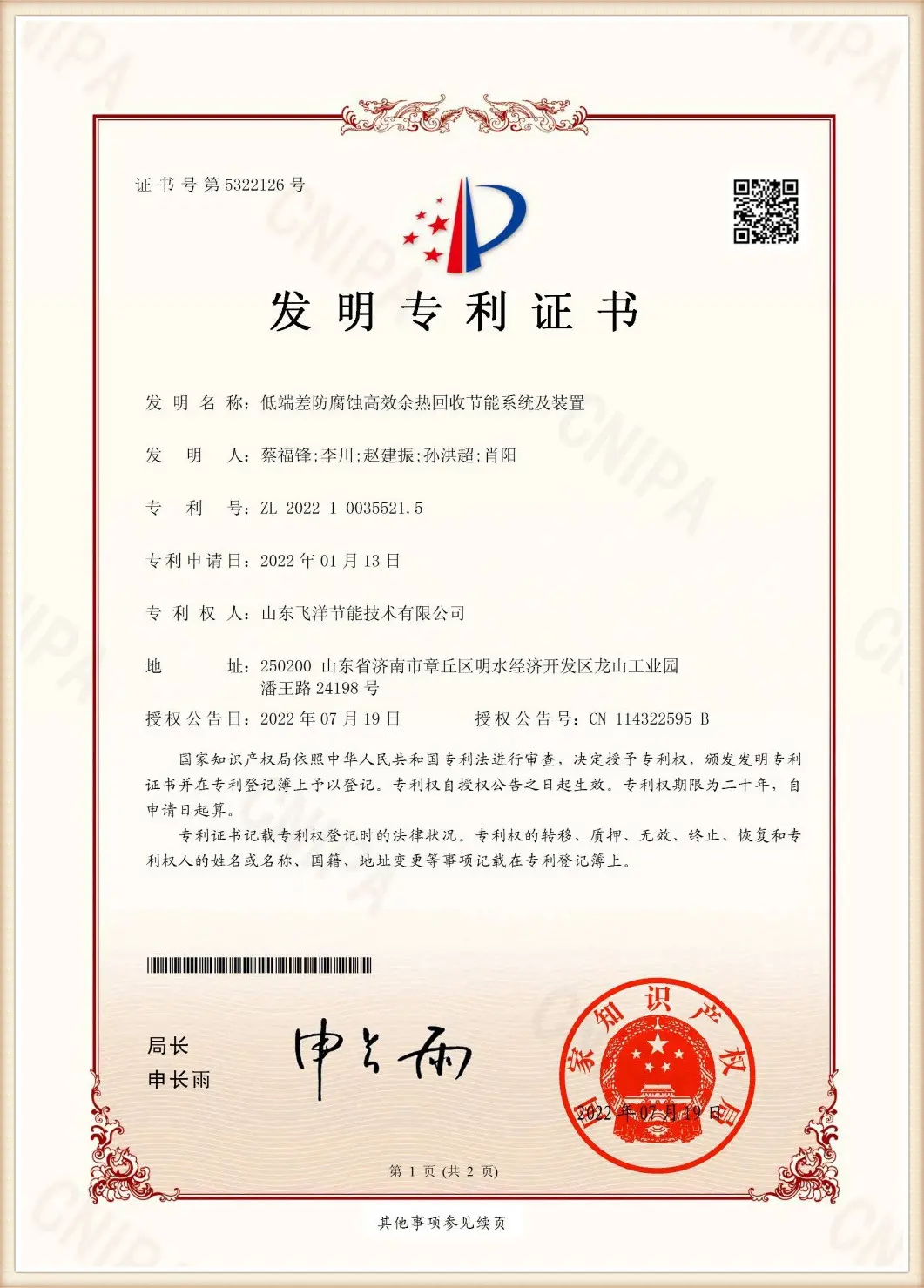
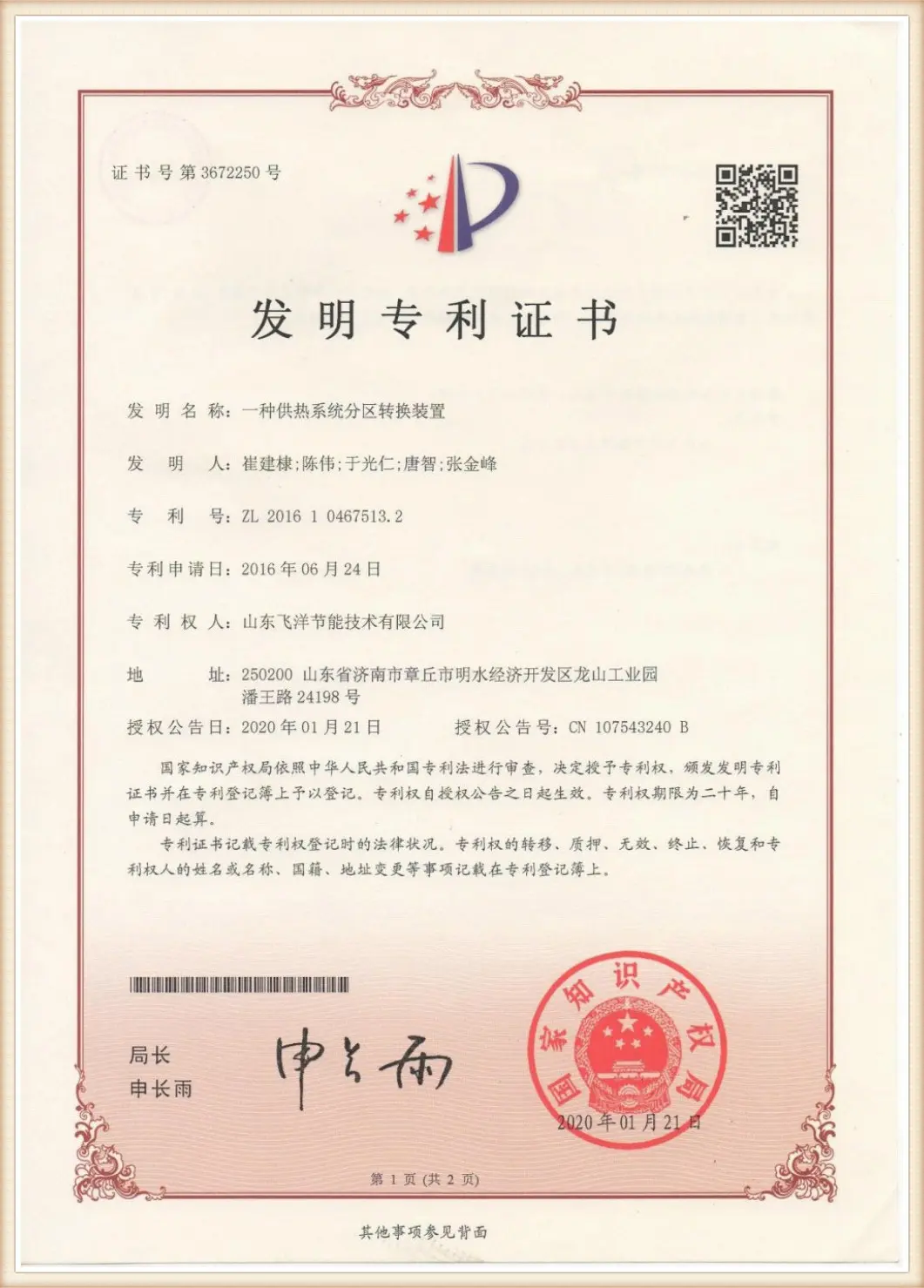
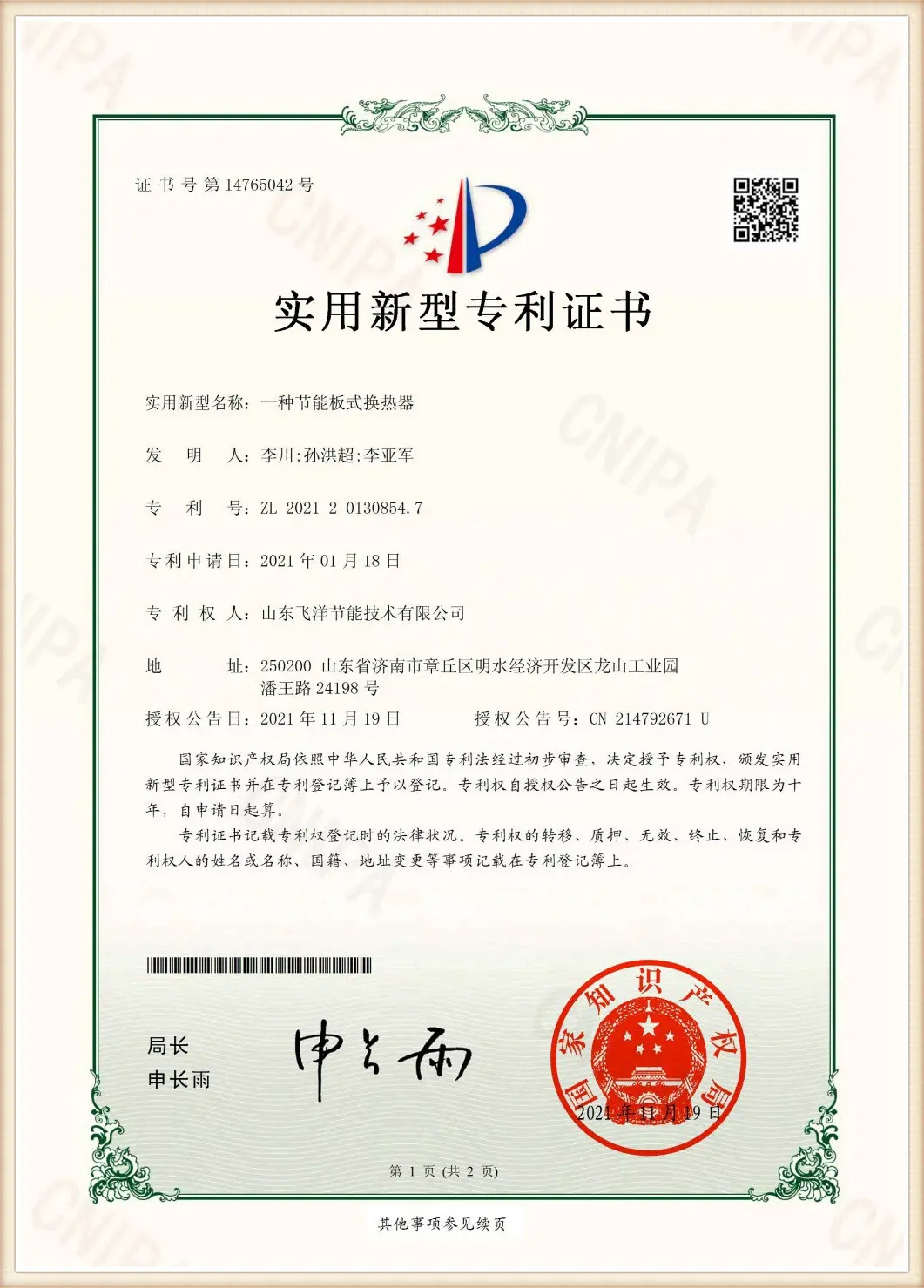
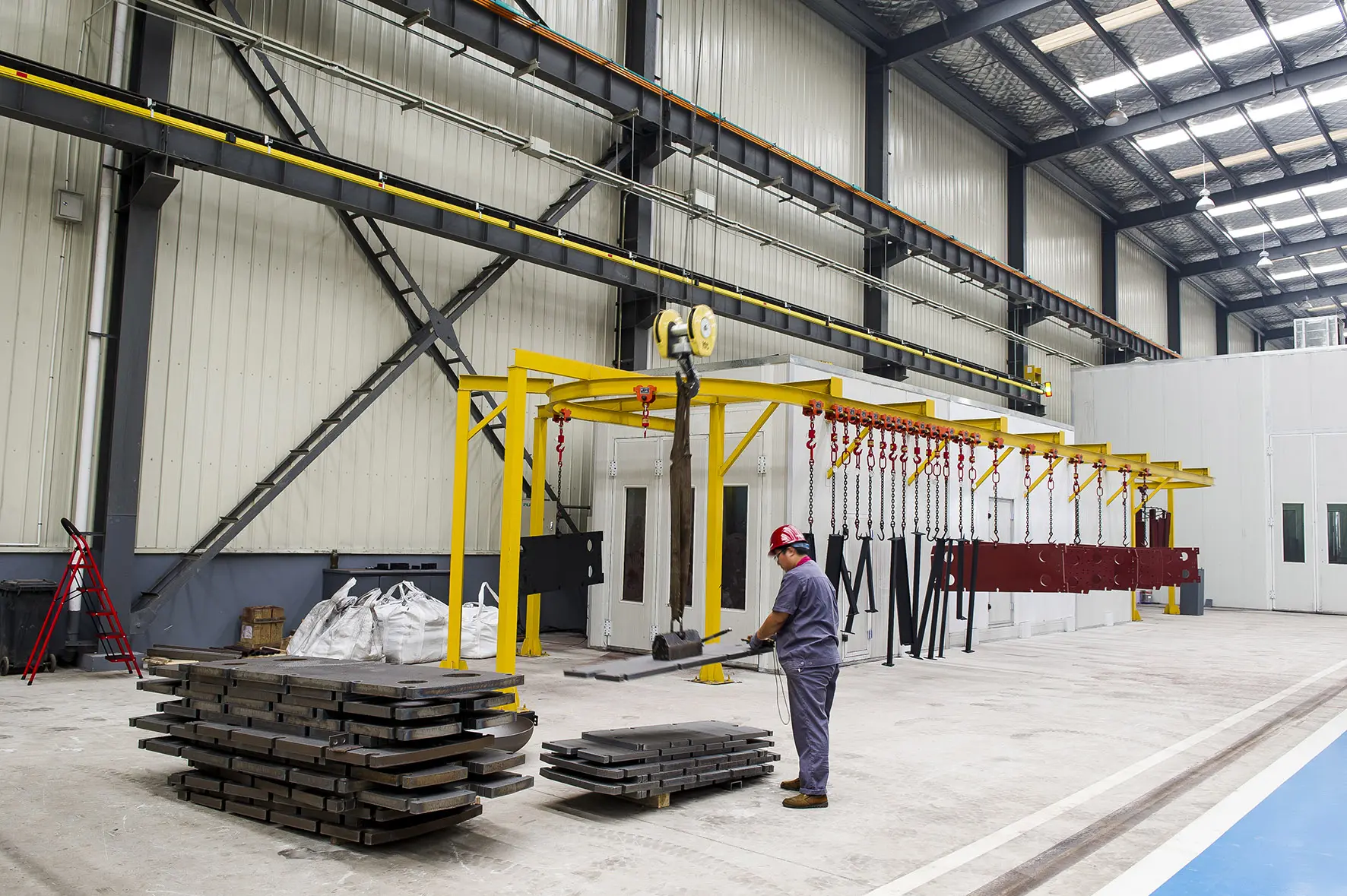
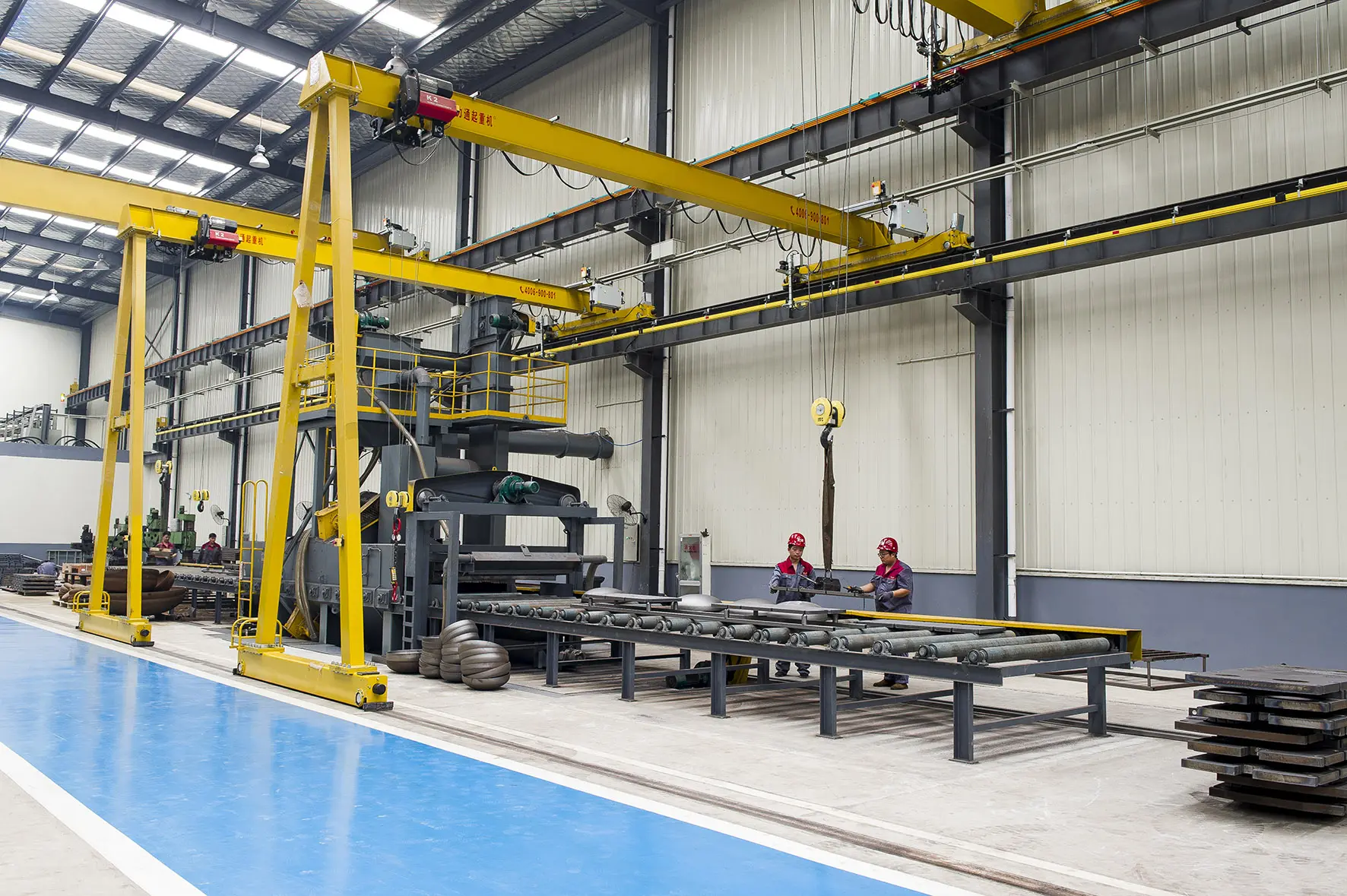
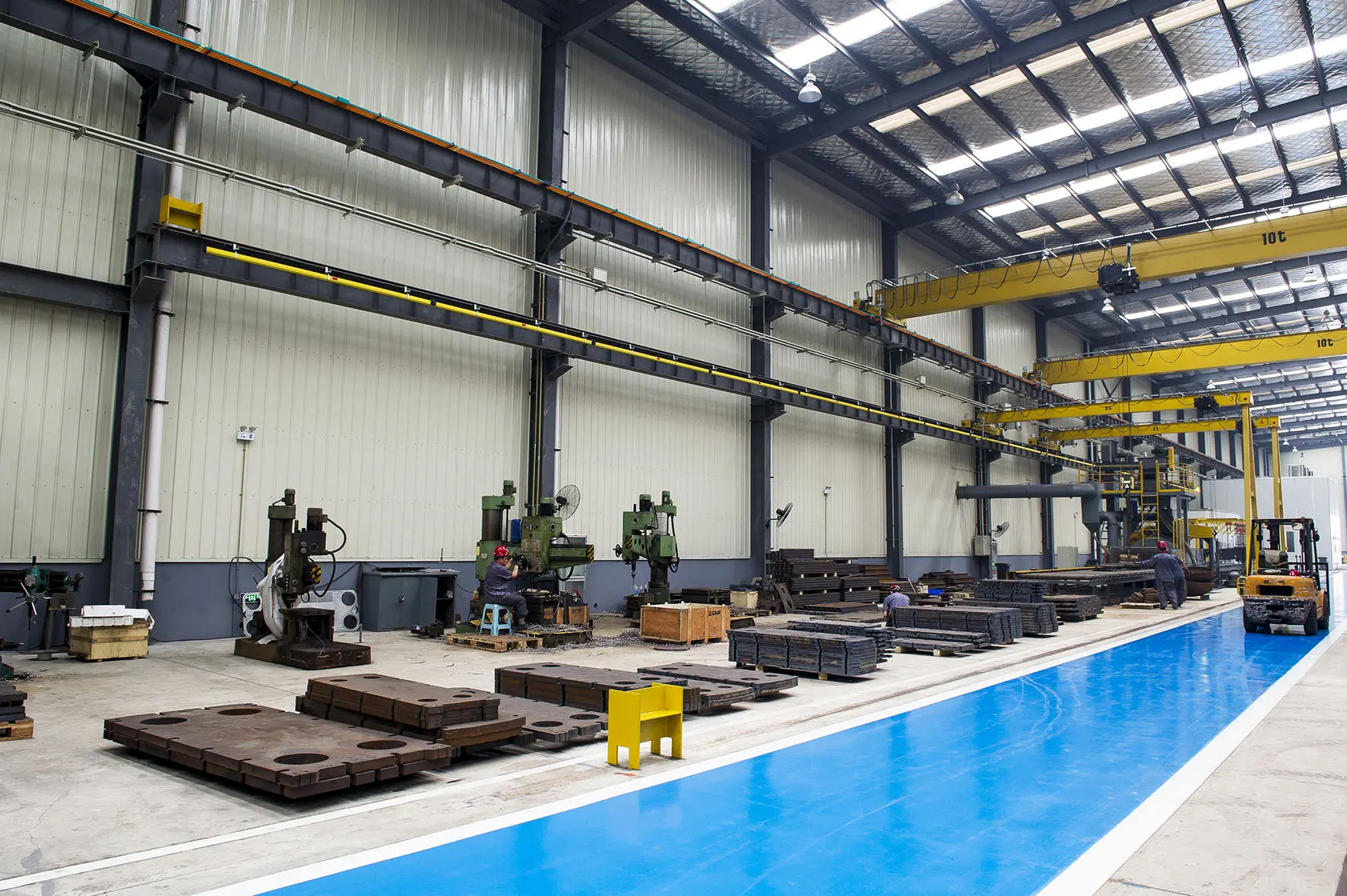
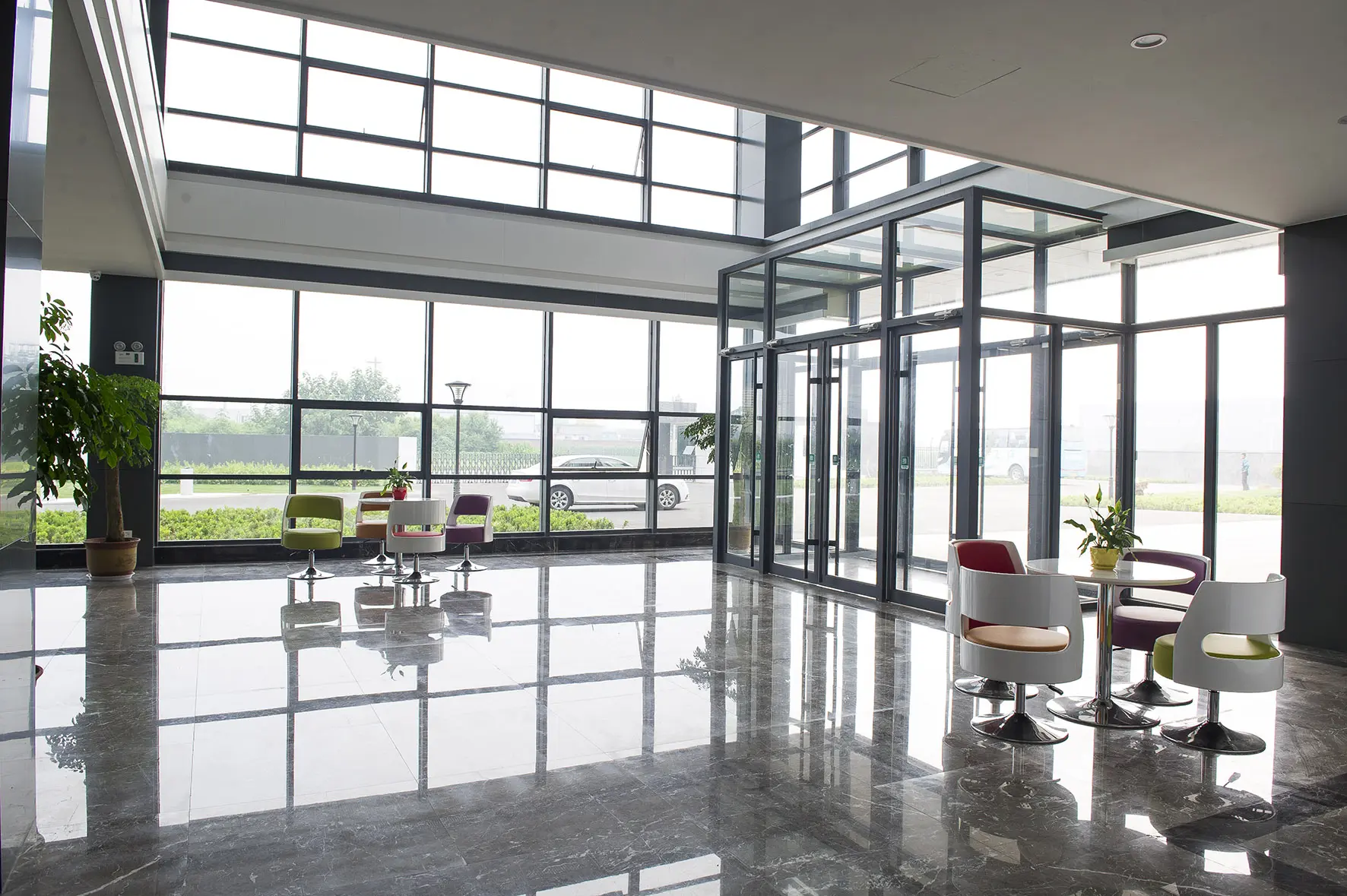
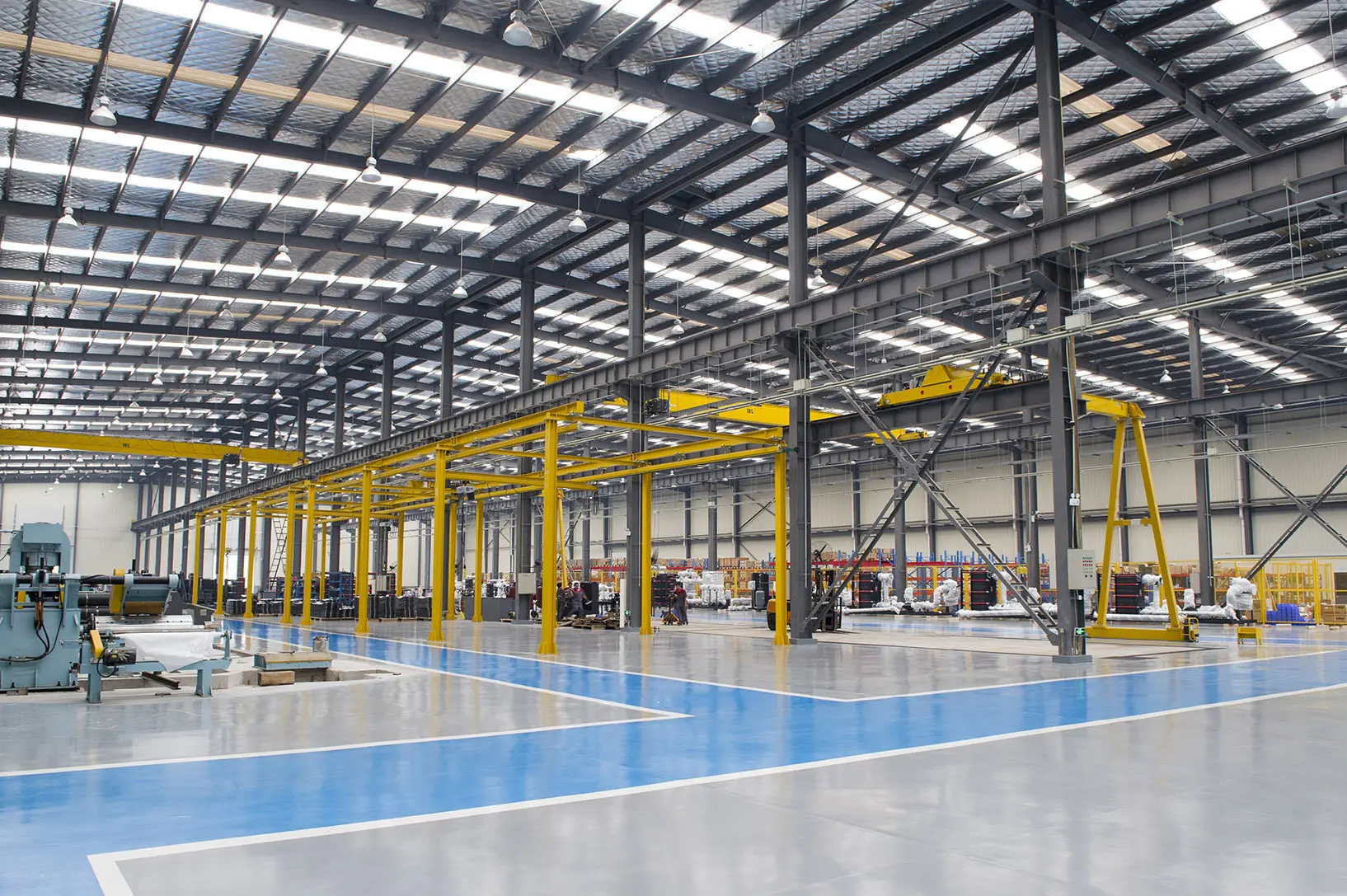
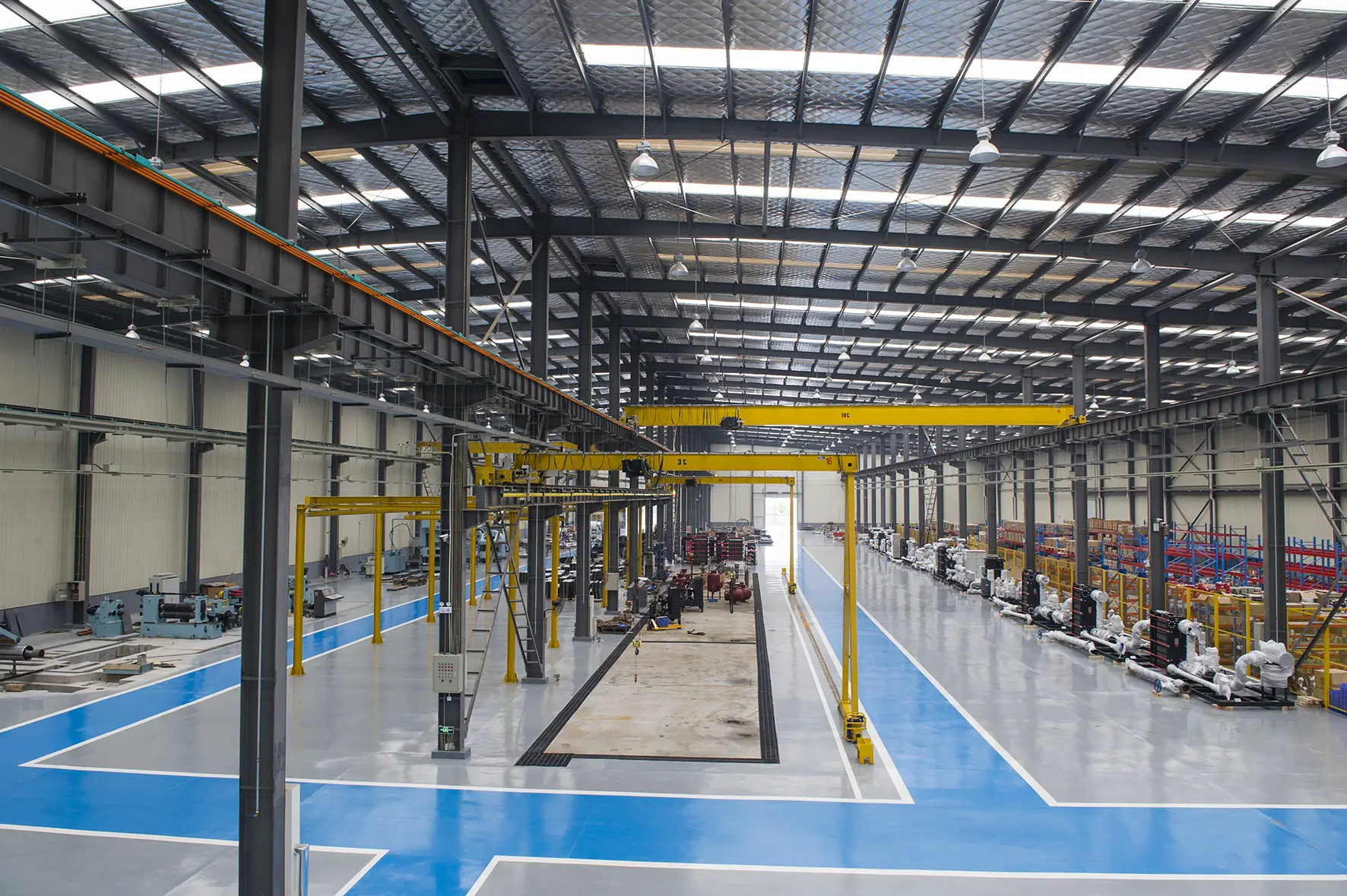
Flotte operates modern production workshops equipped with advanced manufacturing and quality inspection facilities. All frontline technicians are formally trained and certified. Production processes, quality control, and testing procedures adhere to ISO 9001:2015, ISO 14001, and ISO 45001 international frameworks.
Our structural products undergo mandatory inspections by national quality authorities, ensuring stability under intense operational loads. Annually, we produce approximately 4,500 heat exchange units and fluid processing apparatuses. With an active team of over 300 employees, the enterprise generates annual sales revenues of 500 million yuan, proving our financial and operational reliability to execute large-scale global projects.
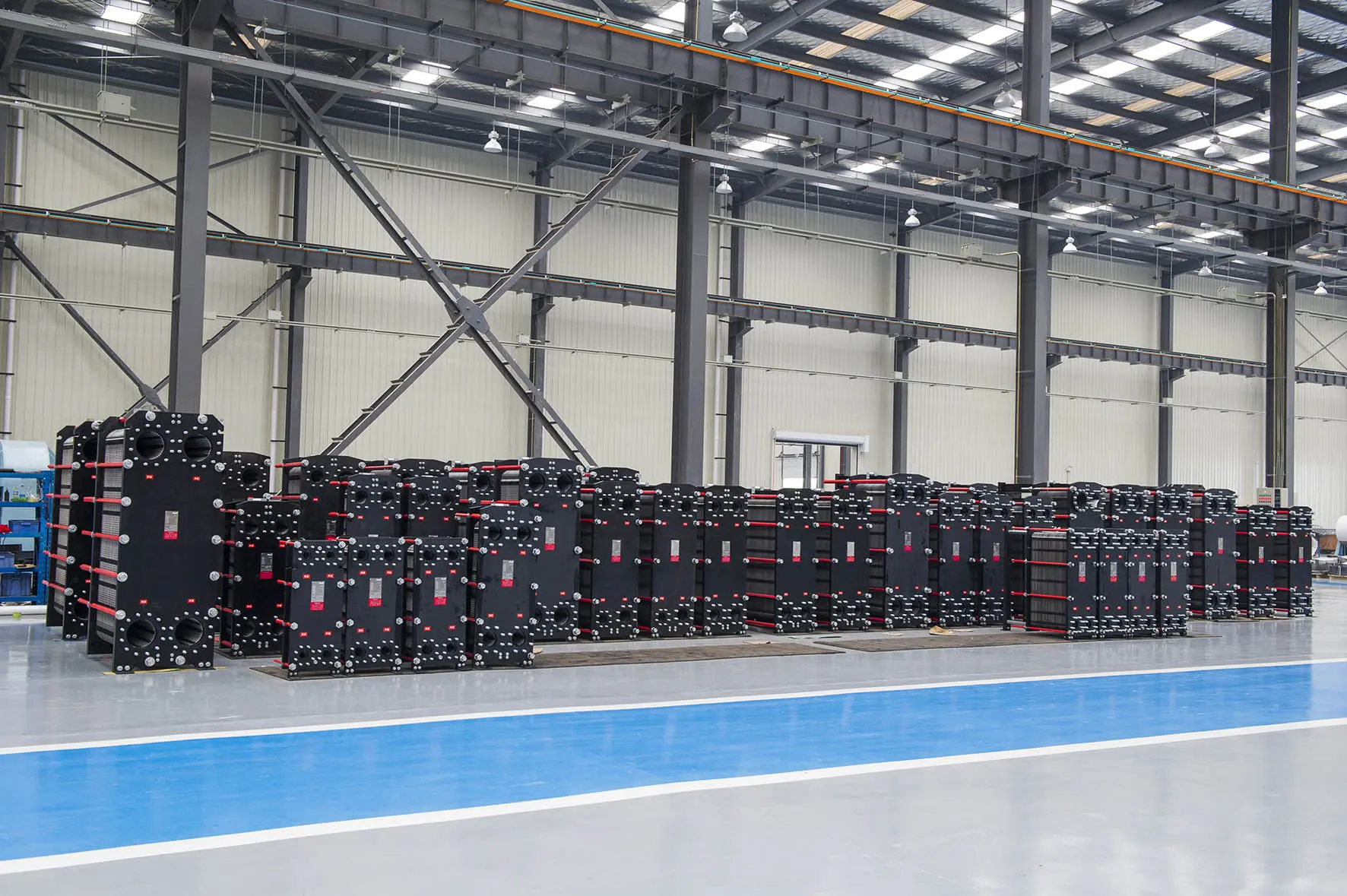
Wastewater from pharmaceutical formulation, chemical synthesis, and biological fermentation processes presents serious treatment challenges. These streams contain high levels of organic chemical oxygen demand (COD), total organic carbon (TOC), volatile organic compounds (VOCs), biological inhibitors, and inorganic salts. Typical biological treatment systems fail when exposed to these antibiotic residues and complex solvents.
Global manufacturing facilities face stricter regulatory demands. The emergence of EHS (Environment, Health, and Safety) guidelines, combined with clean water acts, requires factories to achieve Zero Liquid Discharge (ZLD) or near-ZLD states. Modern system designs must use physical thermal separation and membrane isolation techniques to partition hazardous chemicals from reusable process water.
"True sustainability in pharmaceutical manufacturing requires integrating efficient thermal separation with smart recycling loops. Our technologies focus on extracting high-purity water from corrosive effluent streams, reducing energy use, and facilitating byproduct recovery."
We deploy a combination of thermodynamic systems to treat heavy organic load streams:
This hybrid approach addresses the complex chemistry of API manufacturing waste. Corrosion-resistant metallurgy (such as Titanium, Duplex Stainless Steel, and Hastelloy) is selected to prevent corrosion from high chloride and sulfate ions during evaporation.
Sourcing industrial wastewater systems from Chinese manufacturers offers distinct strategic advantages for global buyers:
Wastewater solutions must be tailored to the specific chemical processes of the production facility:
Fermentation broth waste contains high levels of mycelium solids and residual antibiotics. We deploy membrane separation to recover proteins, followed by multi-effect thermal evaporation to concentrate the remaining liquid, which neutralizes biological activity before discharge.
Chemical API reactions generate highly toxic effluents containing solvents like DMF, toluene, and alcohols, alongside inorganic salts. Our titanium plate heat exchangers and evaporation systems isolate volatile fractions and separate salts for dry disposal.
Natural product extraction creates large volumes of wastewater containing suspended solids, pectin, and organic acids. We use membrane concentration and thermal systems to recover process water and concentrate solids for composting or disposal.
Global engineering procurement groups prioritize risk reduction and verification. When evaluating wastewater treatment suppliers, consider the following checkpoints:
Every thermal and concentration component is fabricated in-house under strict quality controls to ensure performance and reliability.
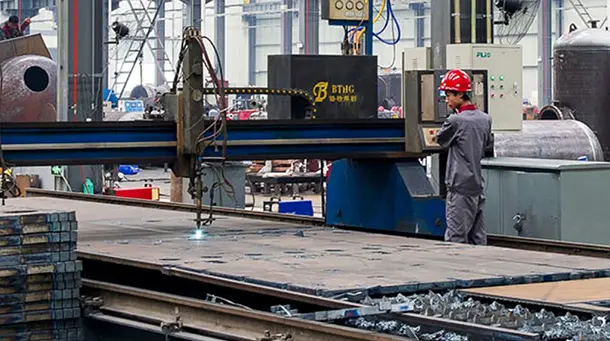
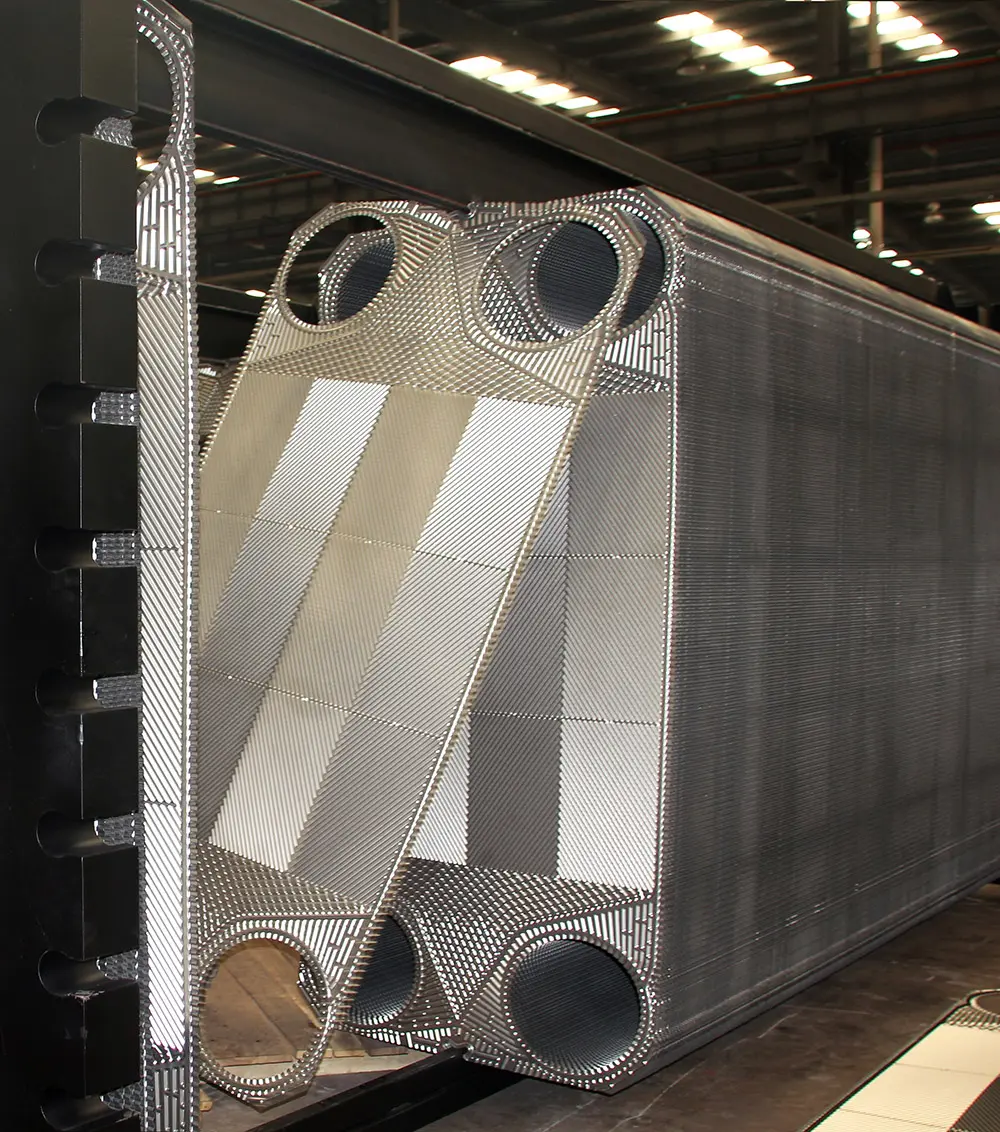
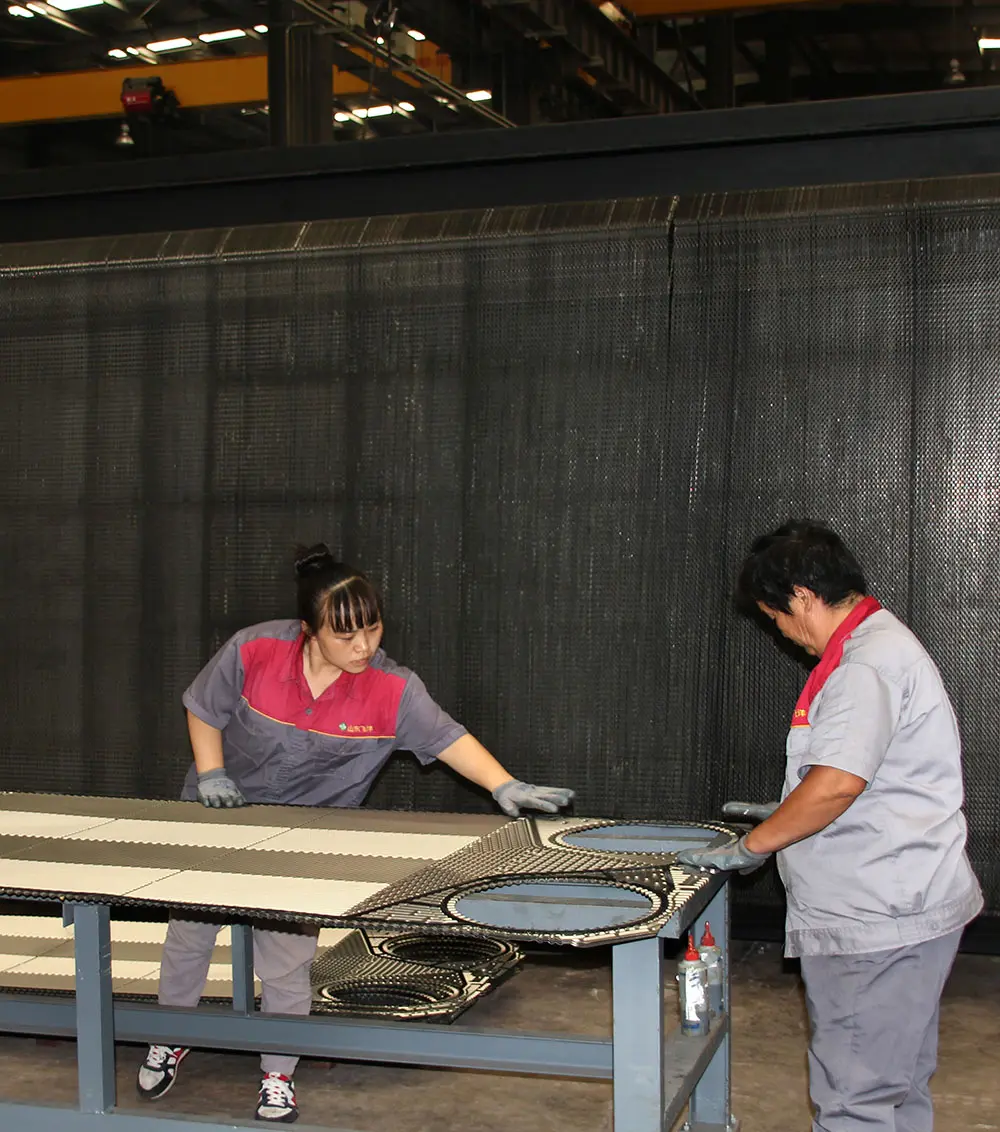
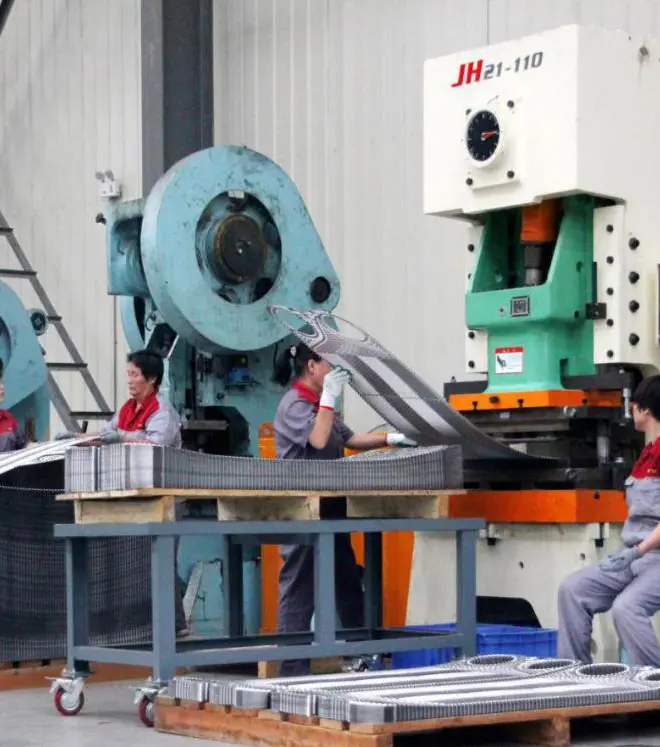
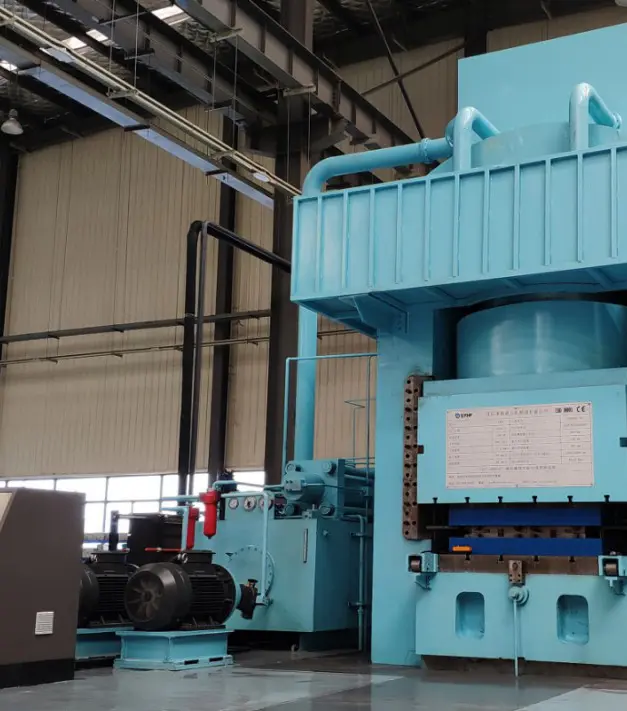
Industrial-grade evaporators, membrane concentrators, and control systems designed for strict environmental compliance.
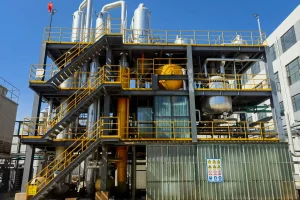
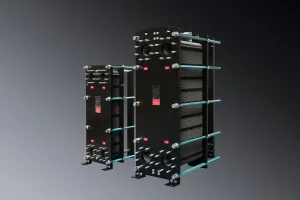
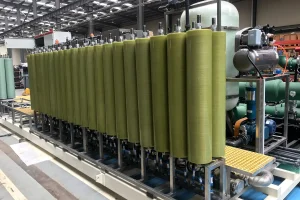
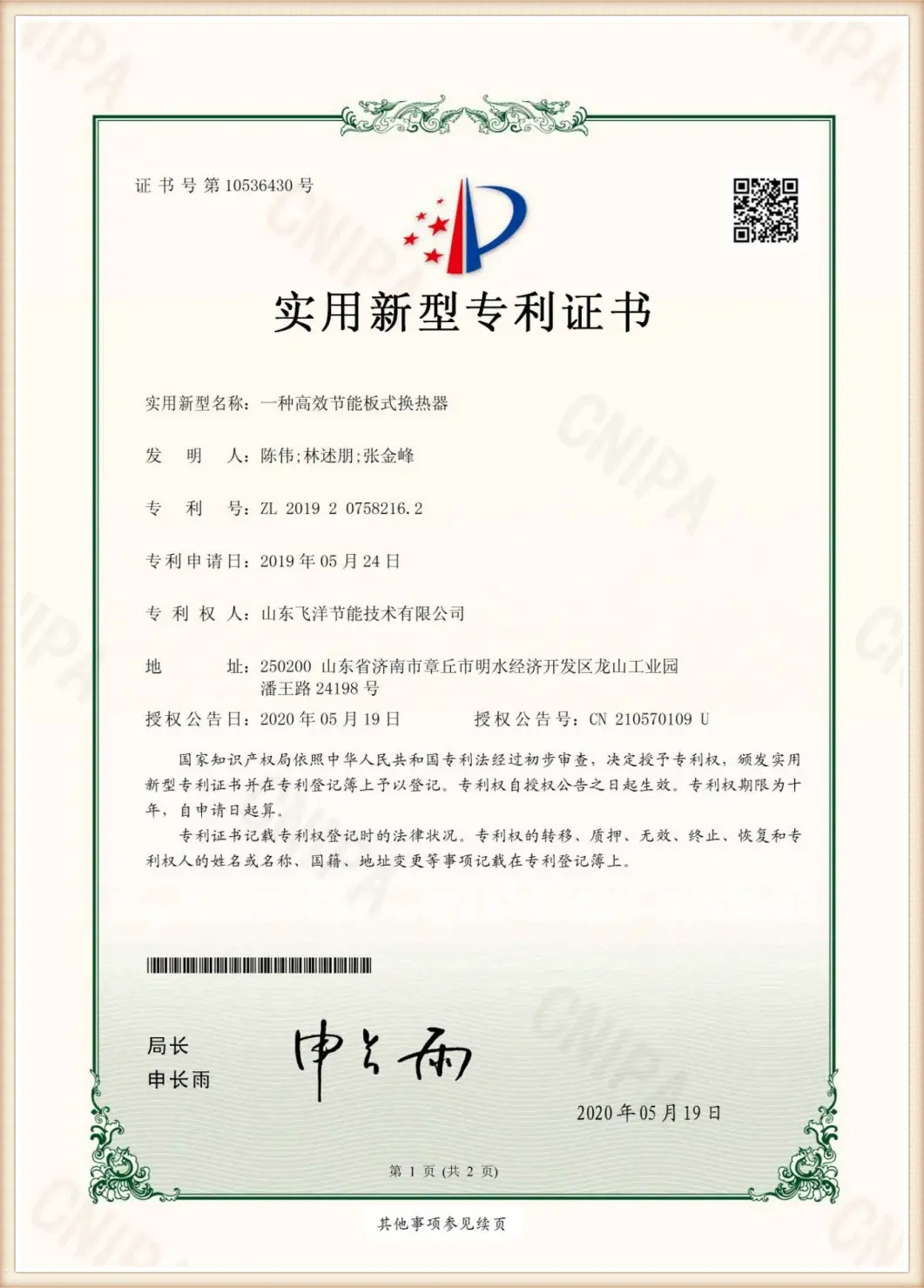
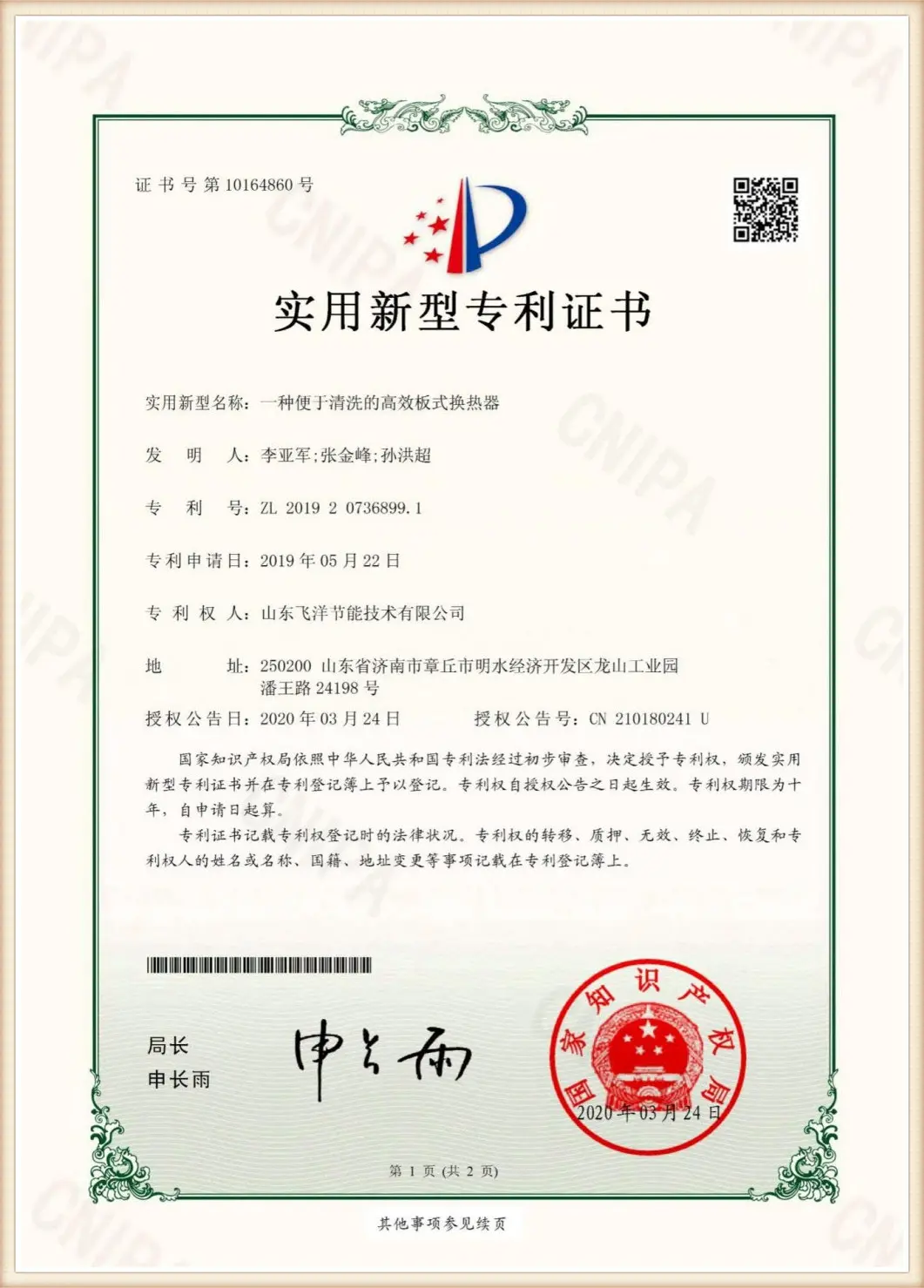
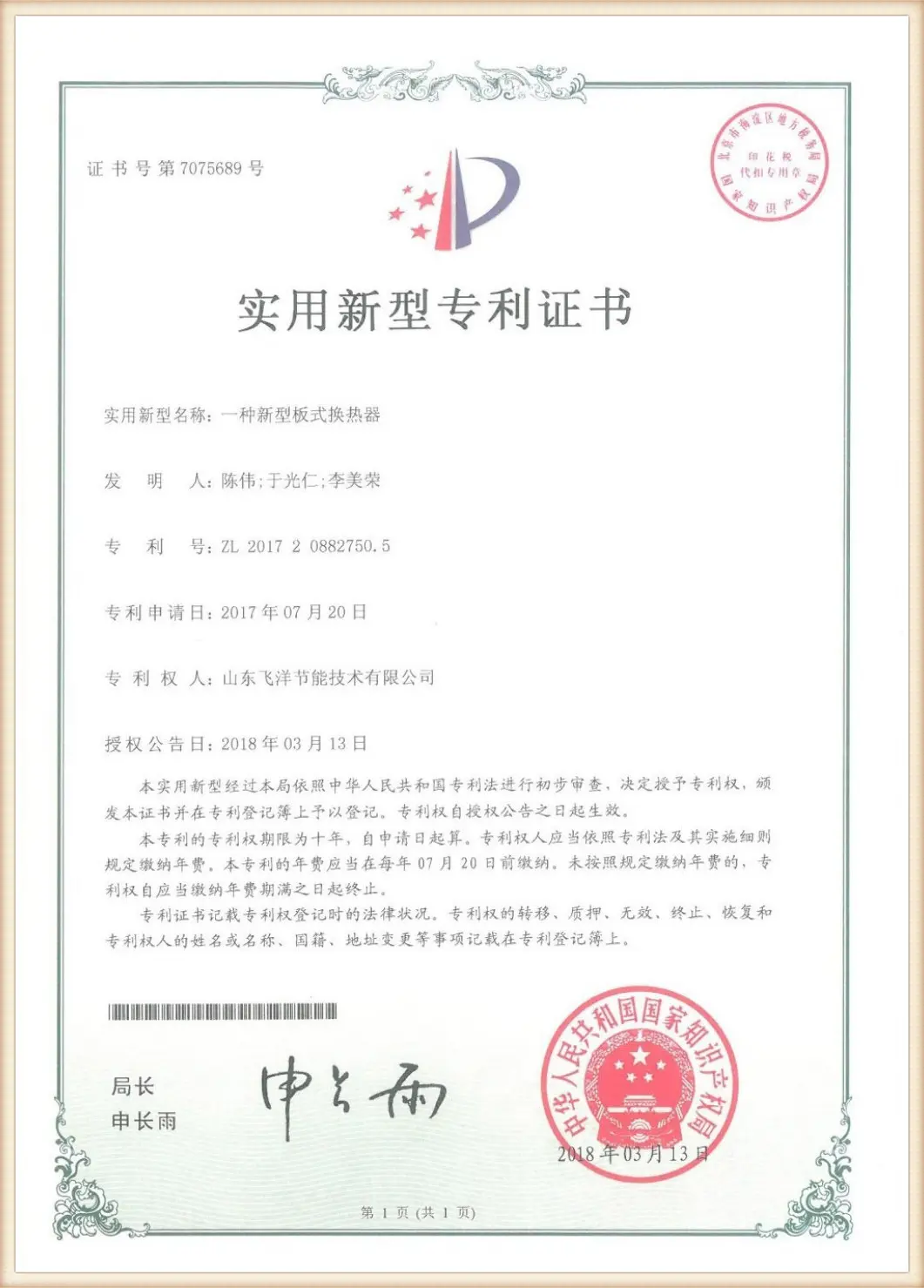
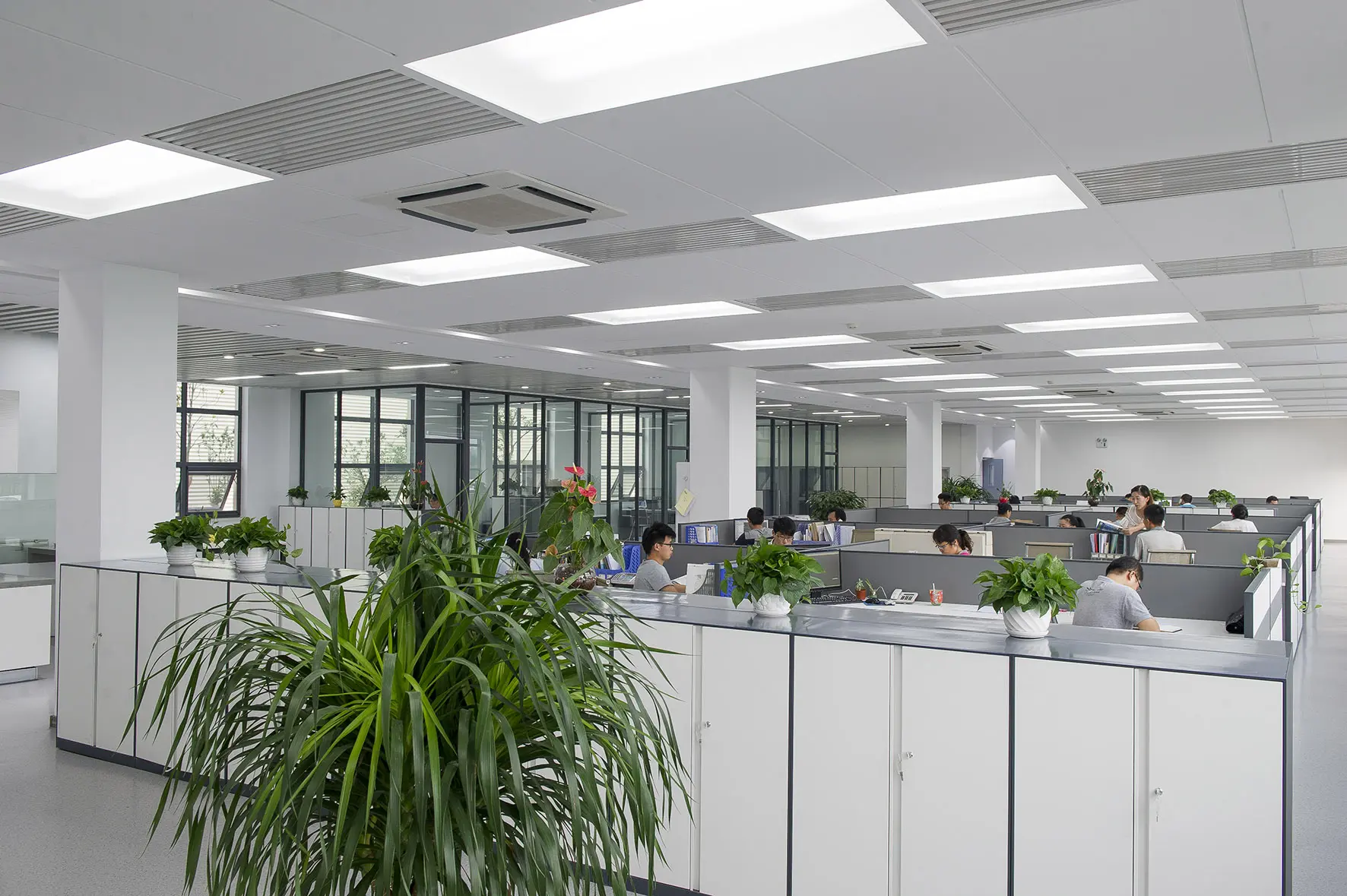
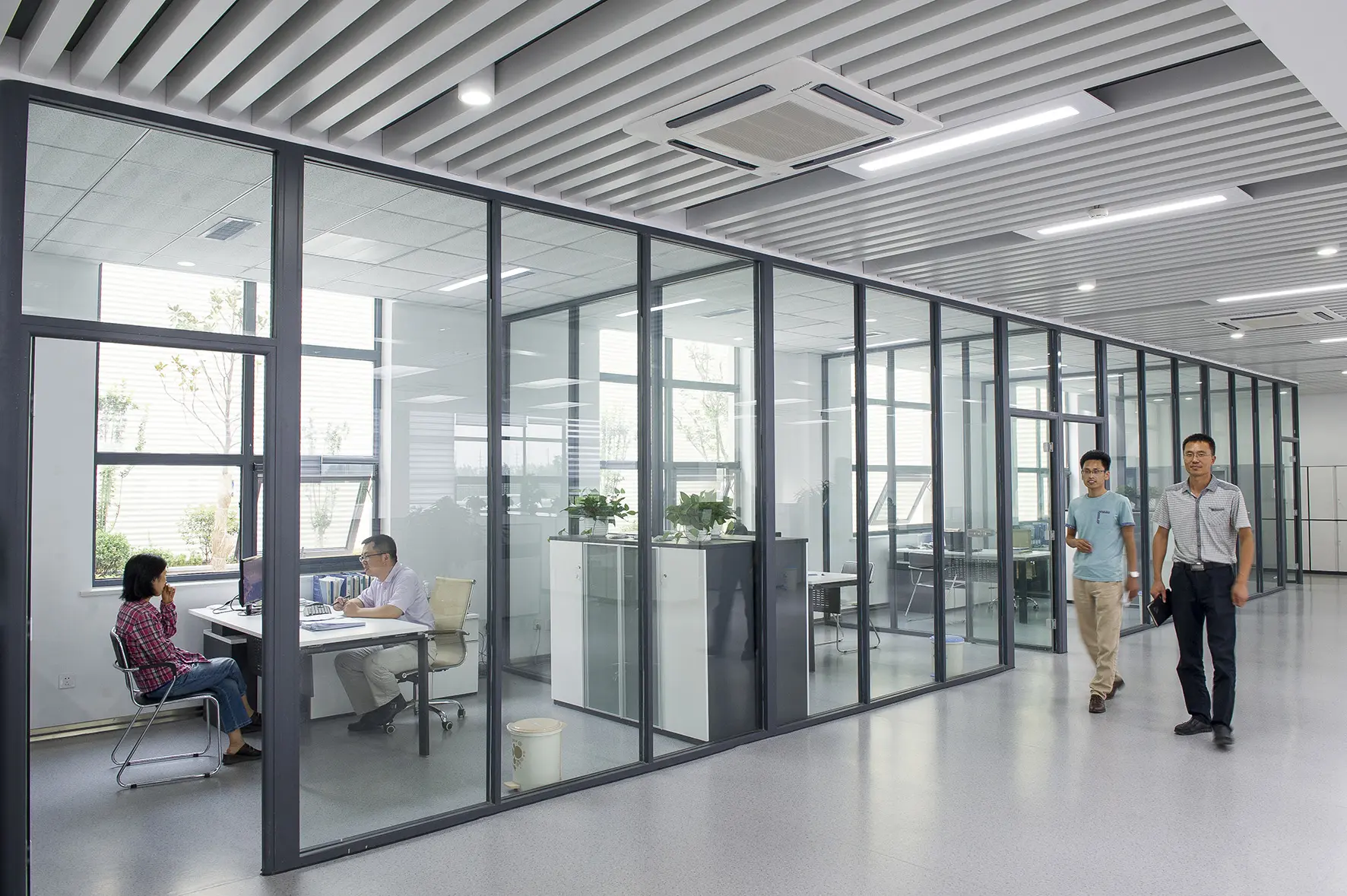
Review our factory infrastructure and international quality system certifications.
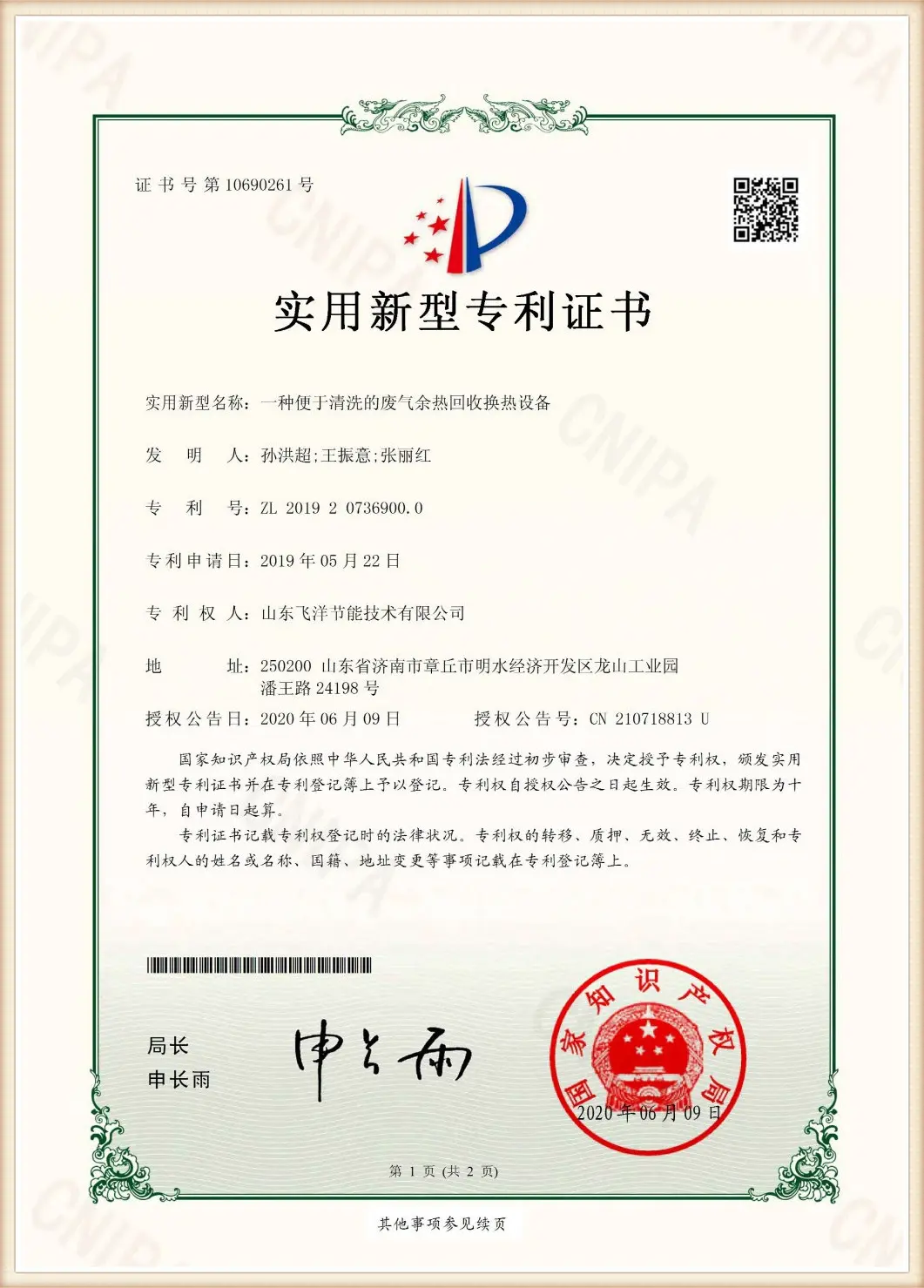
 Flotte Energy