Explore our core high-efficiency plate heat exchange and evaporation product lines engineered for heavy industrial deployment.
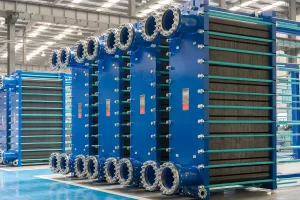
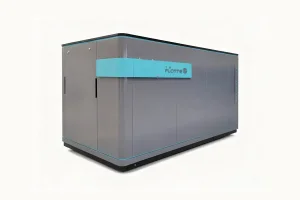
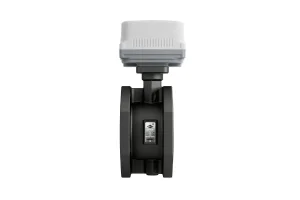
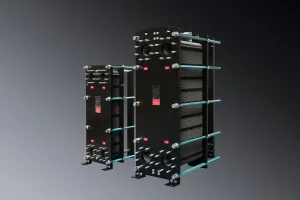
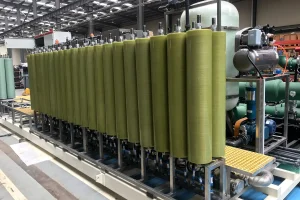
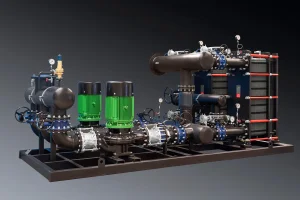
A plate evaporator works by utilizing a pack of corrugated metal plates to transfer thermal energy between two fluids. Unlike standard plate heat exchangers designed purely for liquid-to-liquid heat transfer, a plate evaporator is engineered to facilitate a phase change, converting feed liquid into vapor through boiling under controlled pressure conditions.
The process begins when the feed liquid enters the plate pack through designated inlet ports. Inside the plate channel, the liquid is distributed across the wide, corrugated surface of the plate. As the fluid flows downward (or upward depending on rising vs. falling film design), it forms a very thin, turbulent film. Simultaneously, the heating medium (typically steam or hot water) flows through the adjacent, alternating channels.
Because the metal plates are thin and possess high thermal conductivity, heat is rapidly transferred from the steam to the liquid film. This causes the volatile solvent within the feed liquid to reach its boiling point almost instantaneously. As boiling occurs, a mixture of vapor and concentrated liquid rises or descends through the channels, exiting into a specialized vapor-liquid separator vessel. In the separator, the dense liquid phase is gathered as concentrate, while the clean vapor is routed out from the top, either to a condenser or to serve as a heating source for the next stage in a multi-effect configuration.
The secret behind the high performance of plate evaporators lies in the corrugation pattern (typically chevron or washboard geometry). These patterns disrupt the laminar flow, inducing intense micro-turbulence even at low Reynolds numbers. The resulting turbulence breaks down the thermal boundary layer, maximizing the convective heat transfer coefficient. This allows the system to operate efficiently with very low log mean temperature differences (LMTD) between the heating and boiling media.
For system designers, understanding the specific design metrics is critical:
A comparative overview highlighting why engineers are shifting from legacy tubular designs to modern compact plate technology.
| Performance Indicator | Modern Plate Evaporators | Conventional Shell & Tube Evaporators | Engineering Benefit |
|---|---|---|---|
| Heat Transfer Coefficient | High (2500 - 5000 W/m²·K) | Moderate (1000 - 2000 W/m²·K) | Requires 2-3x less heat transfer area. |
| Fouling Tendency | Extremely Low (due to high turbulence) | High (laminar regions inside tubes) | Reduces chemical CIP cycles and downtime. |
| Physical Footprint | Ultra-Compact (requires minimal structural support) | Large (demands heavy structural framing) | Lowers installation and site development costs. |
| Thermal Residence Time | Very Short (seconds) | Long (minutes to hours) | Crucial for preserving heat-sensitive products. |
| Scalability & Adaptability | Fully Flexible (plates can be added/removed) | Fixed (requires complete vessel replacement) | Allows easy expansion as production demands rise. |
Established in 2013 with a registered capital of 101 million yuan, Flotte originated from Flotte Thermal Engineering founded back in 1995.
With three decades of solid technical expertise, the company specializes in water equipment, HVAC systems, and comprehensive water treatment systems, leading the industry in adopting cutting-edge technologies.
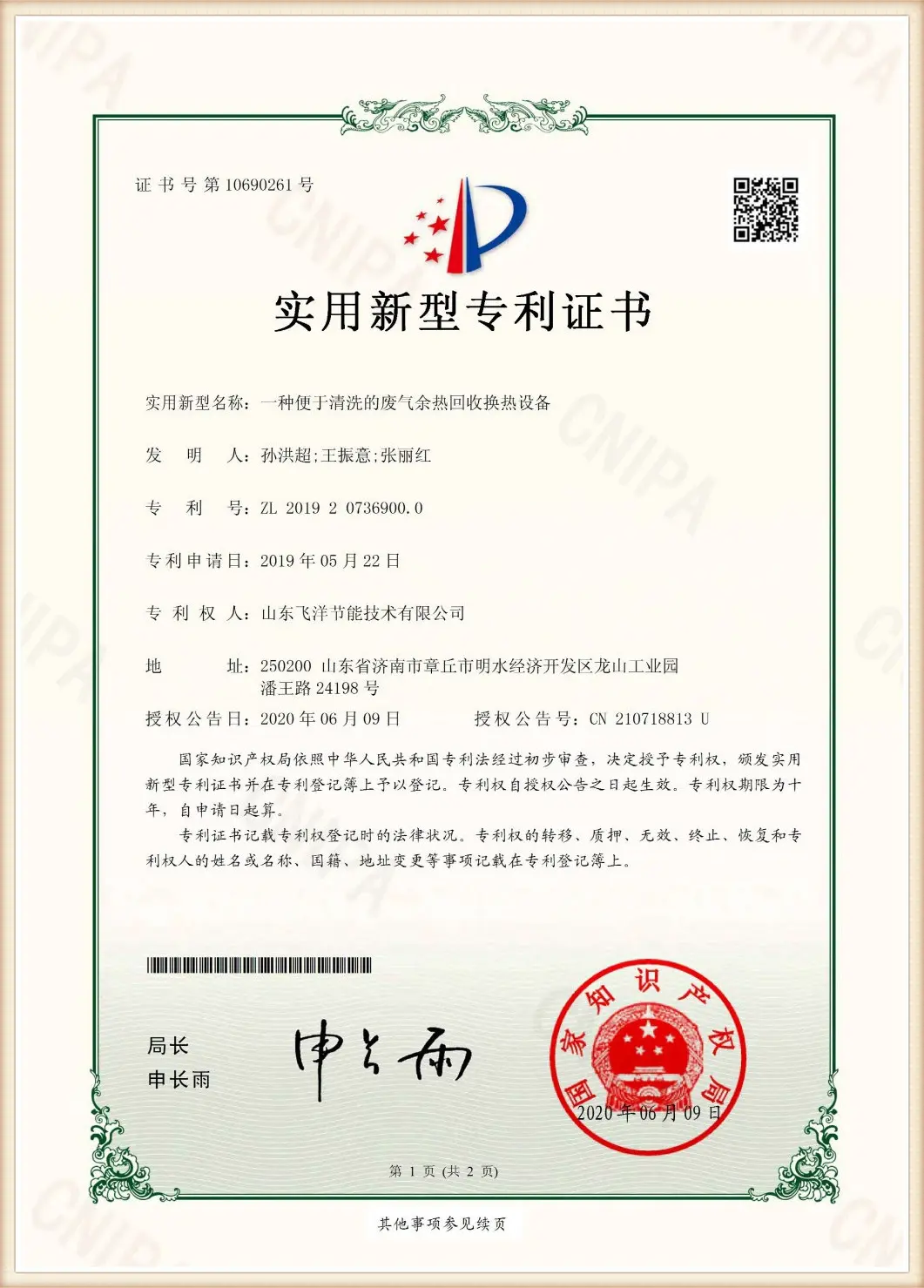
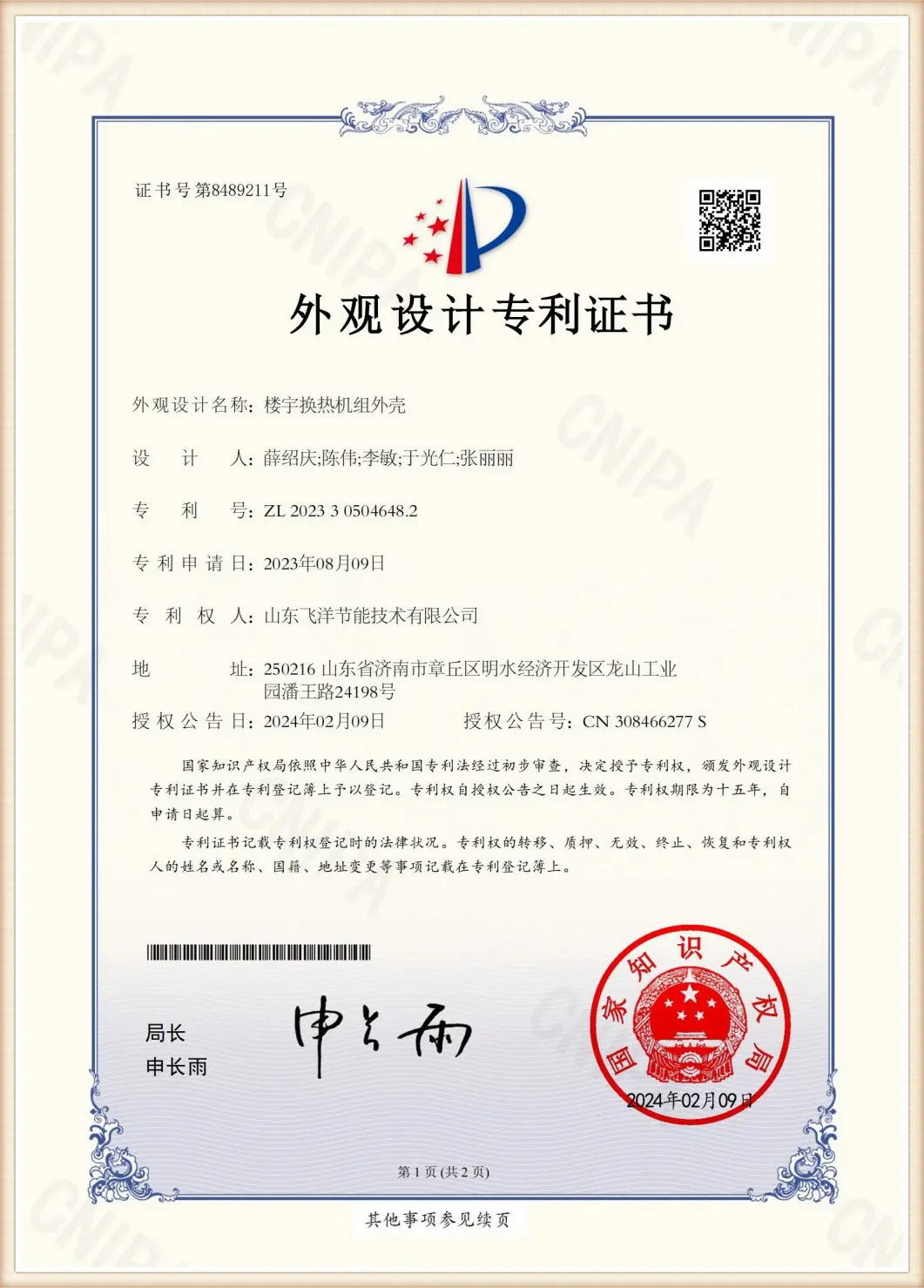
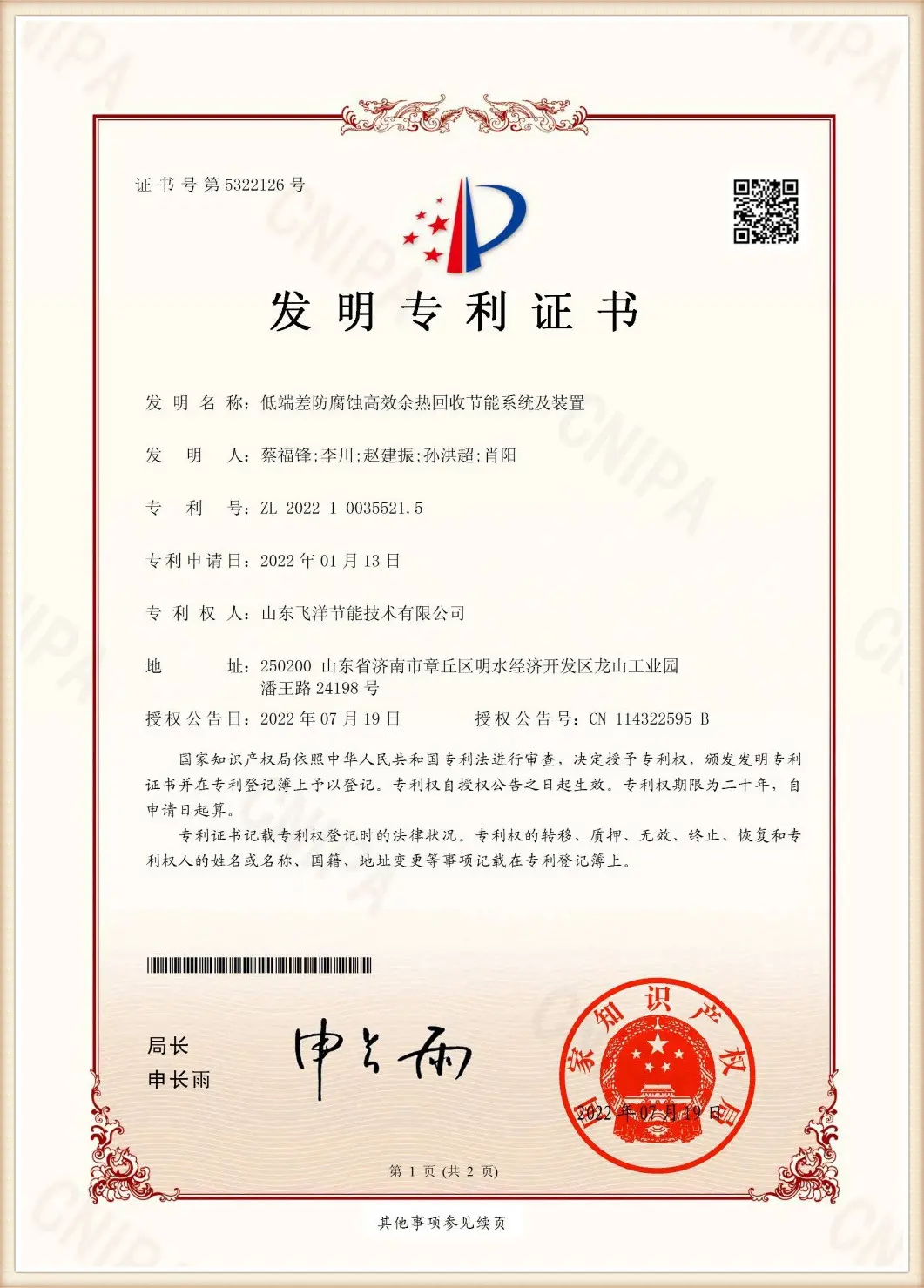
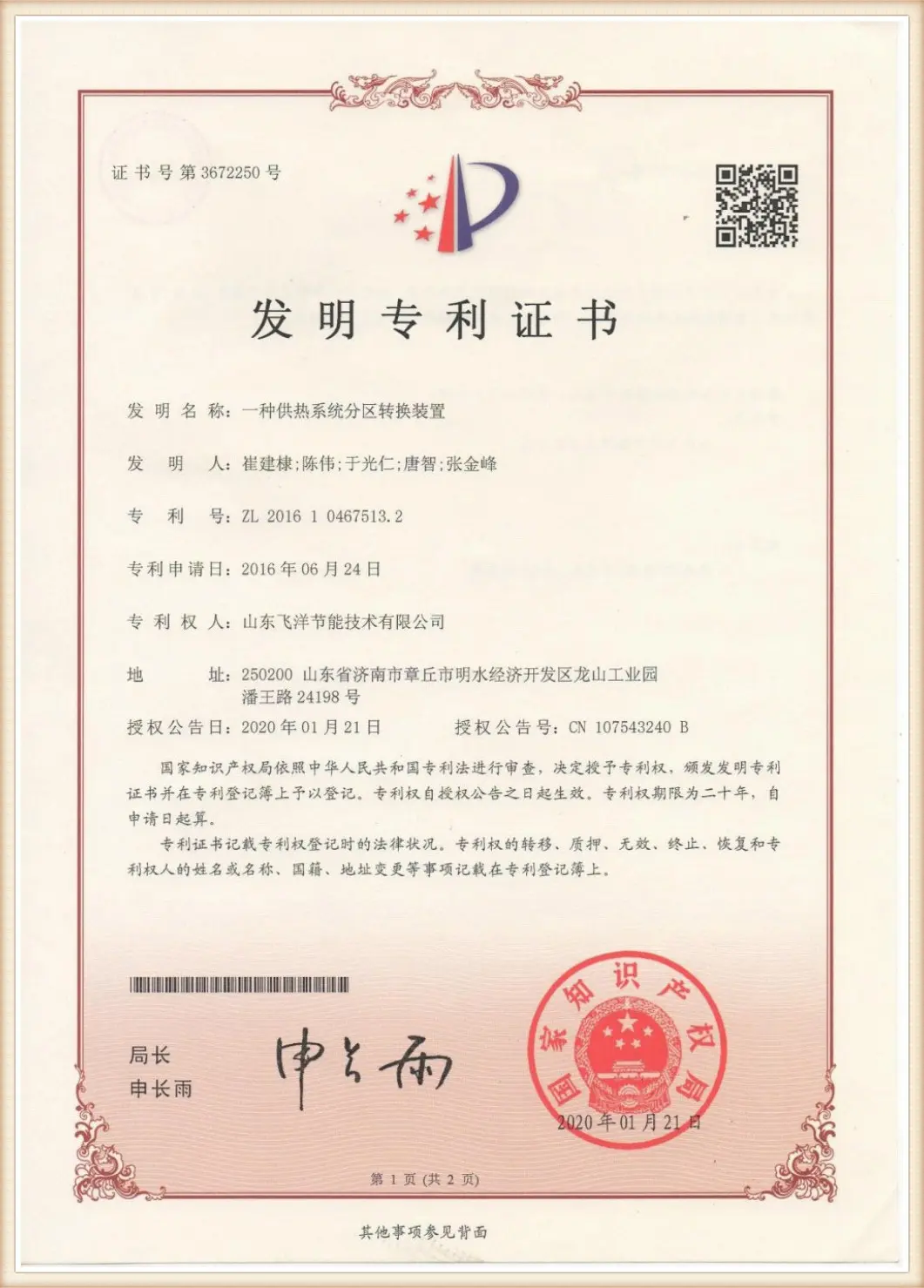
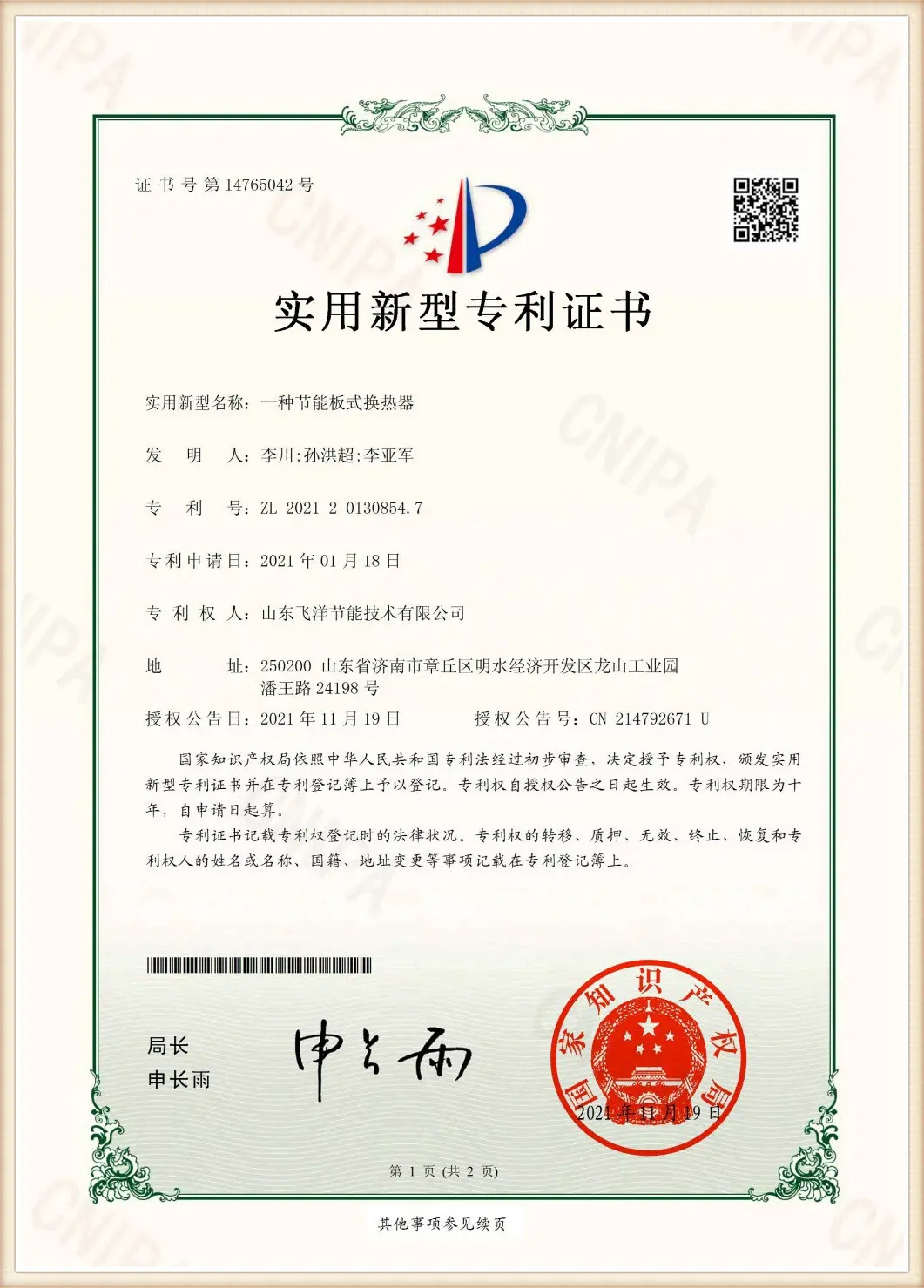
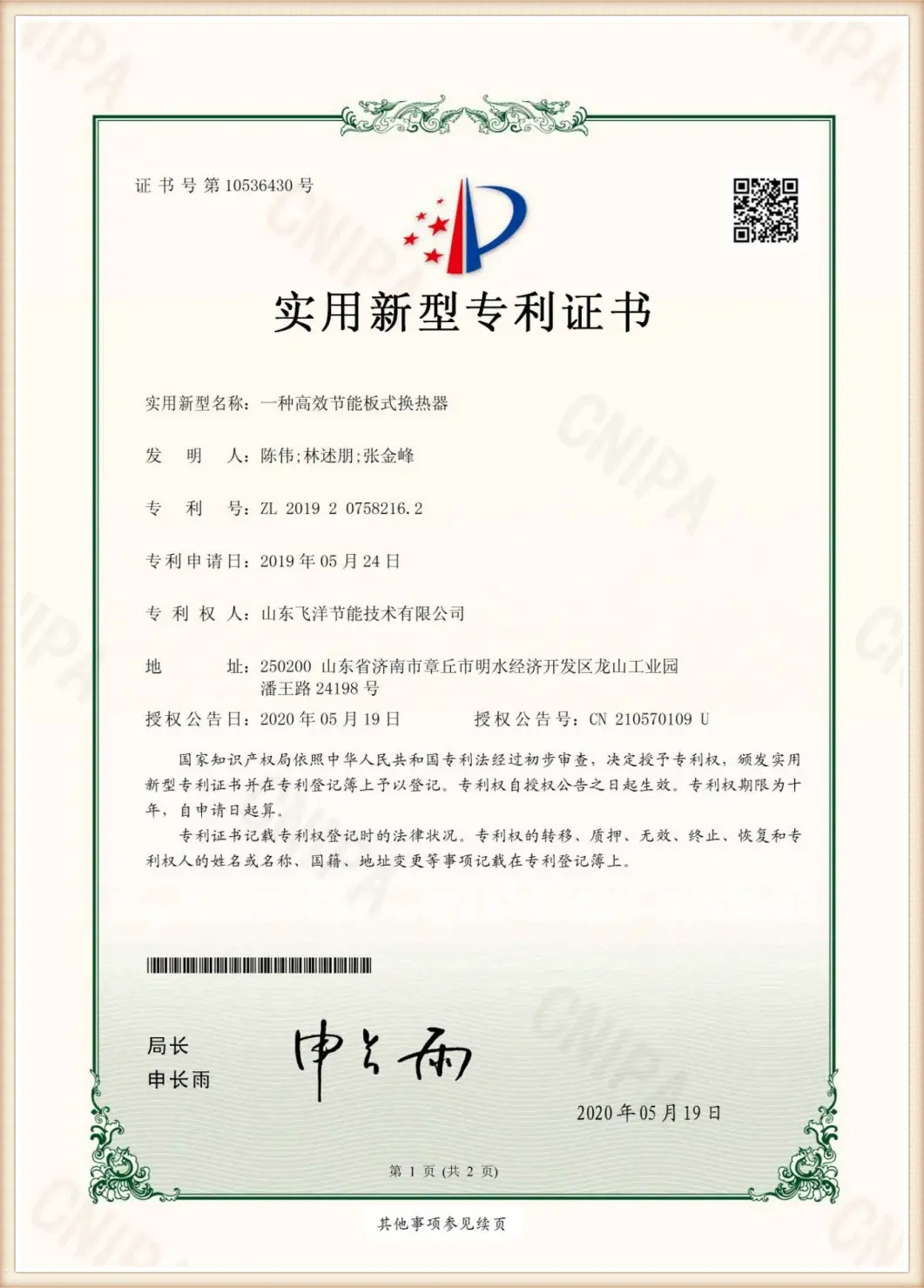
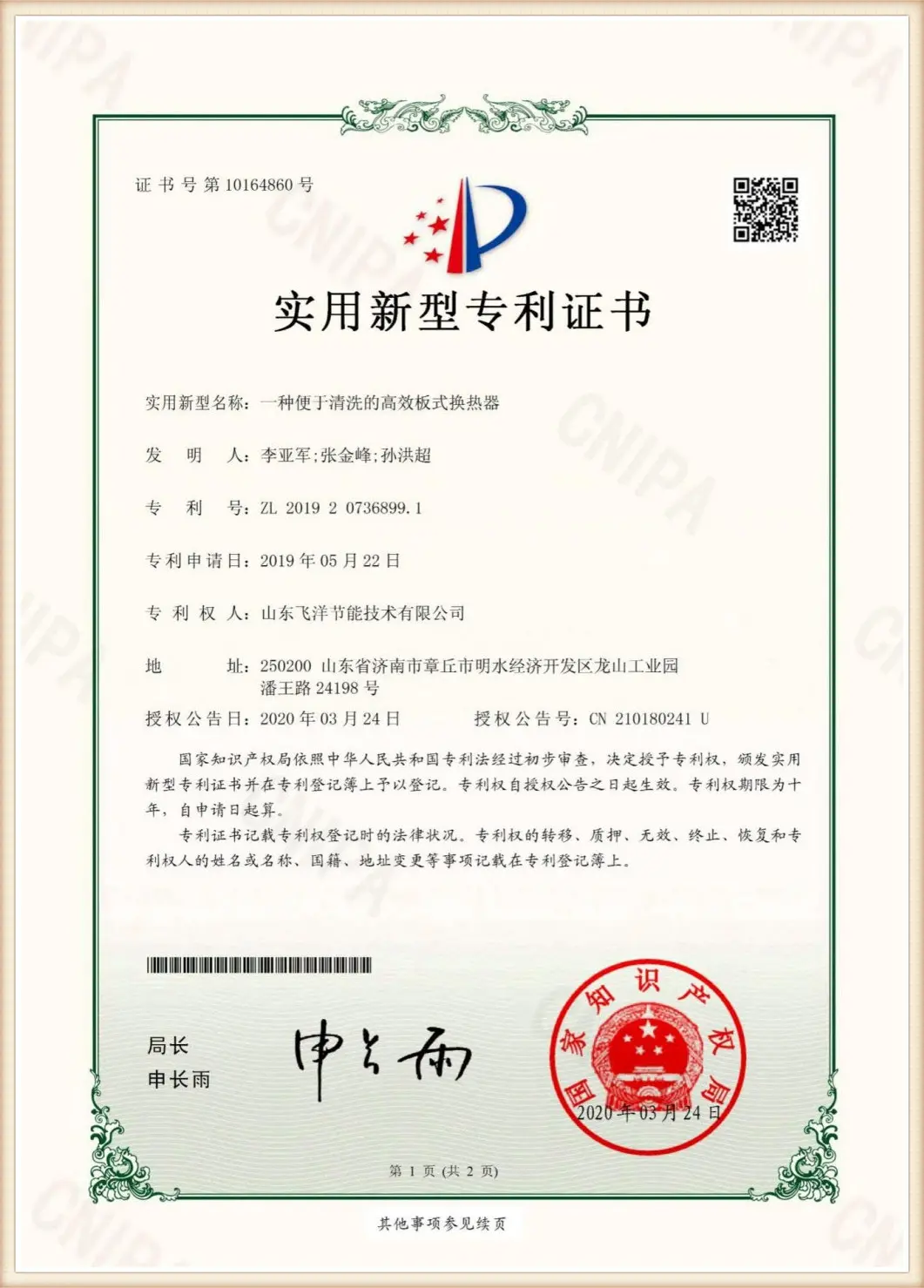
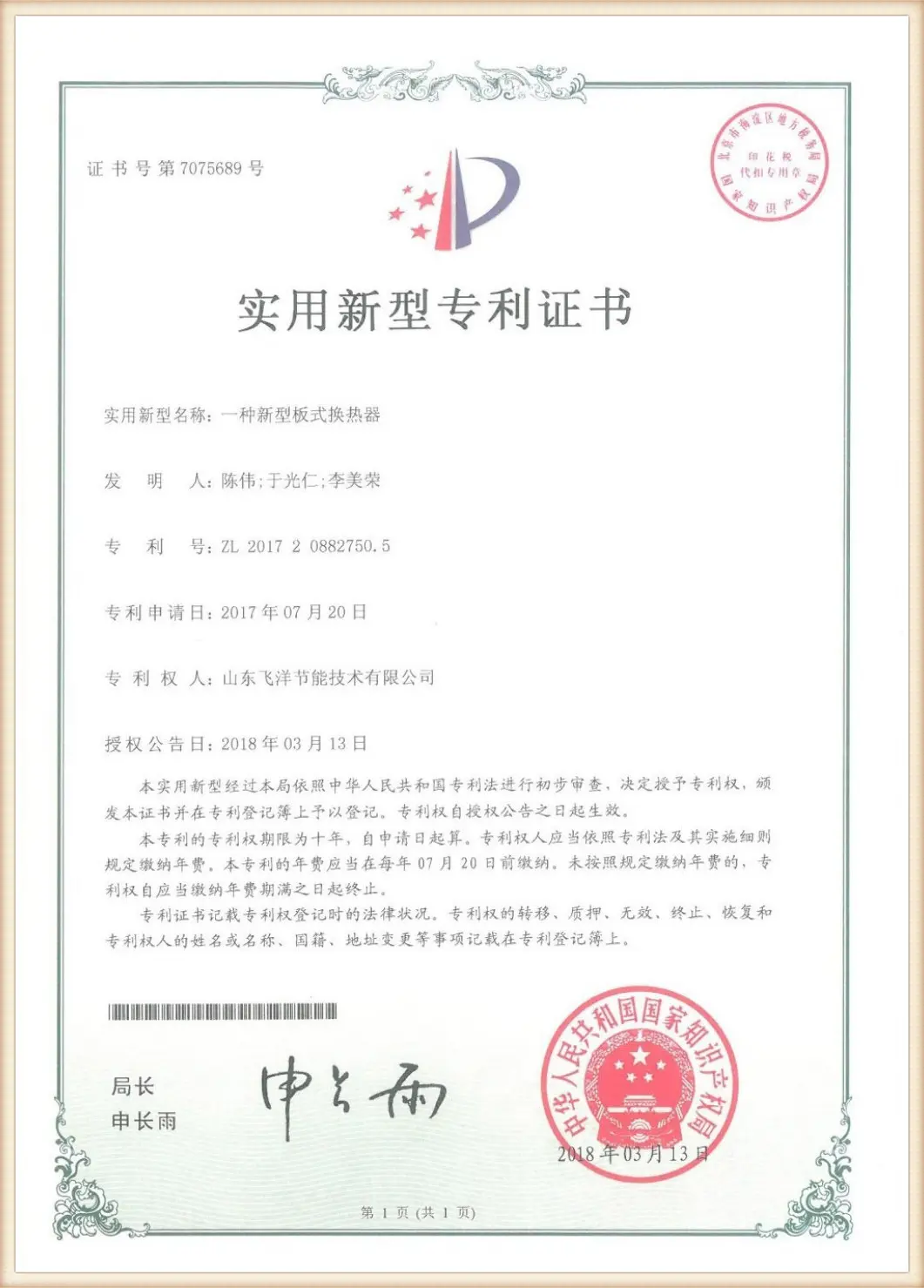
Our products undergo mandatory national product certifications and safety registrations, audited by the National Standardization Committee.
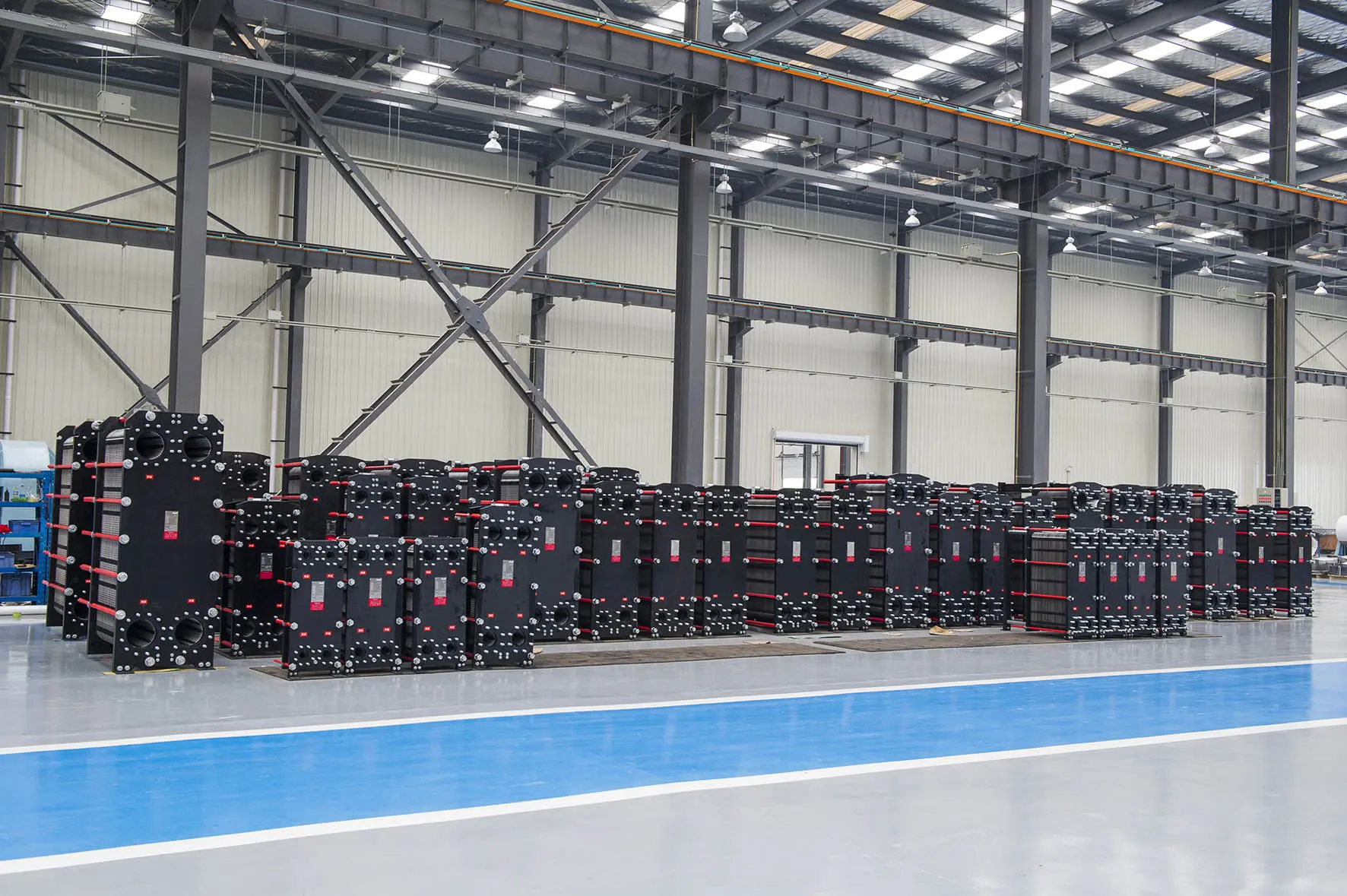
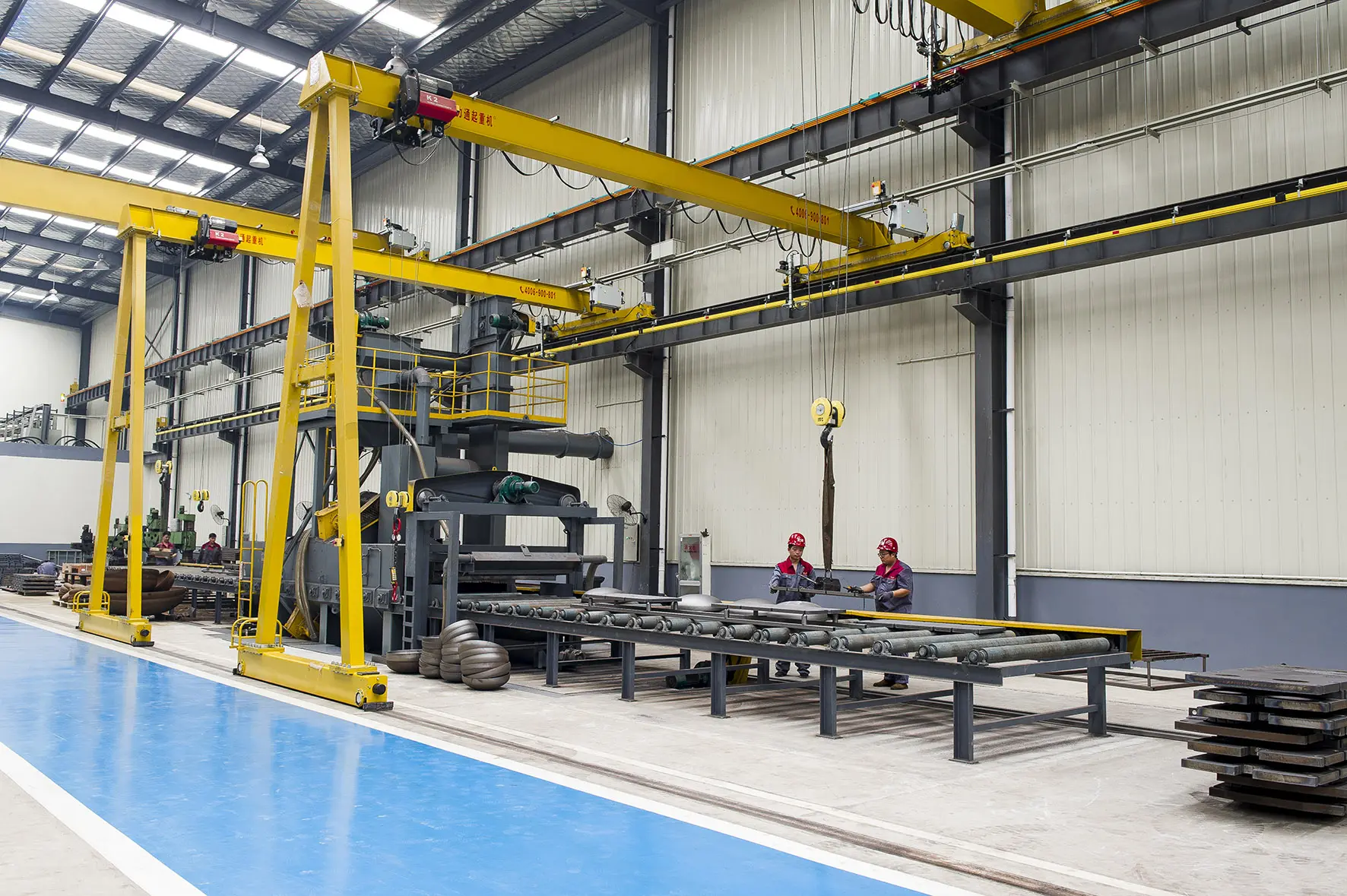
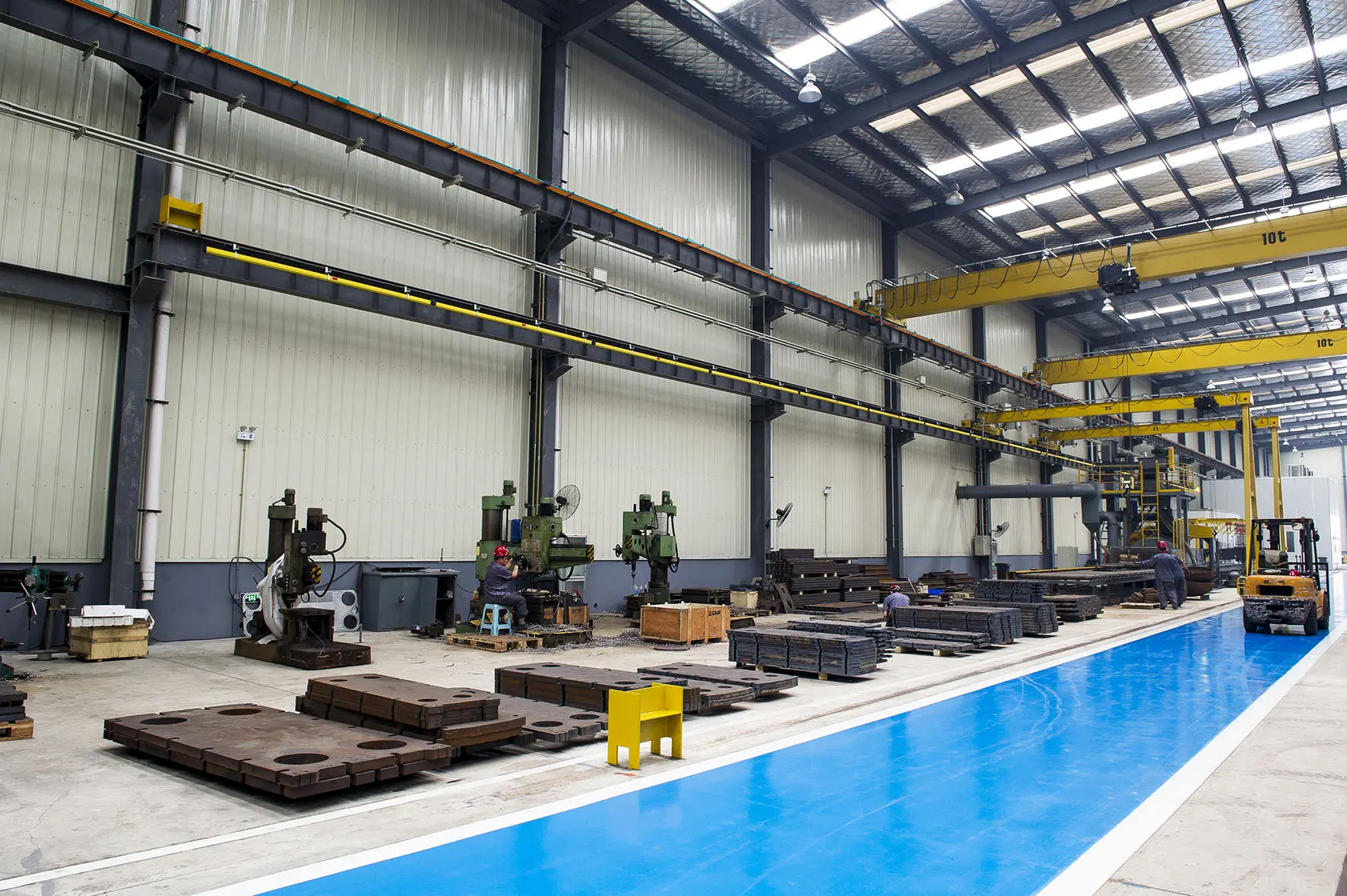
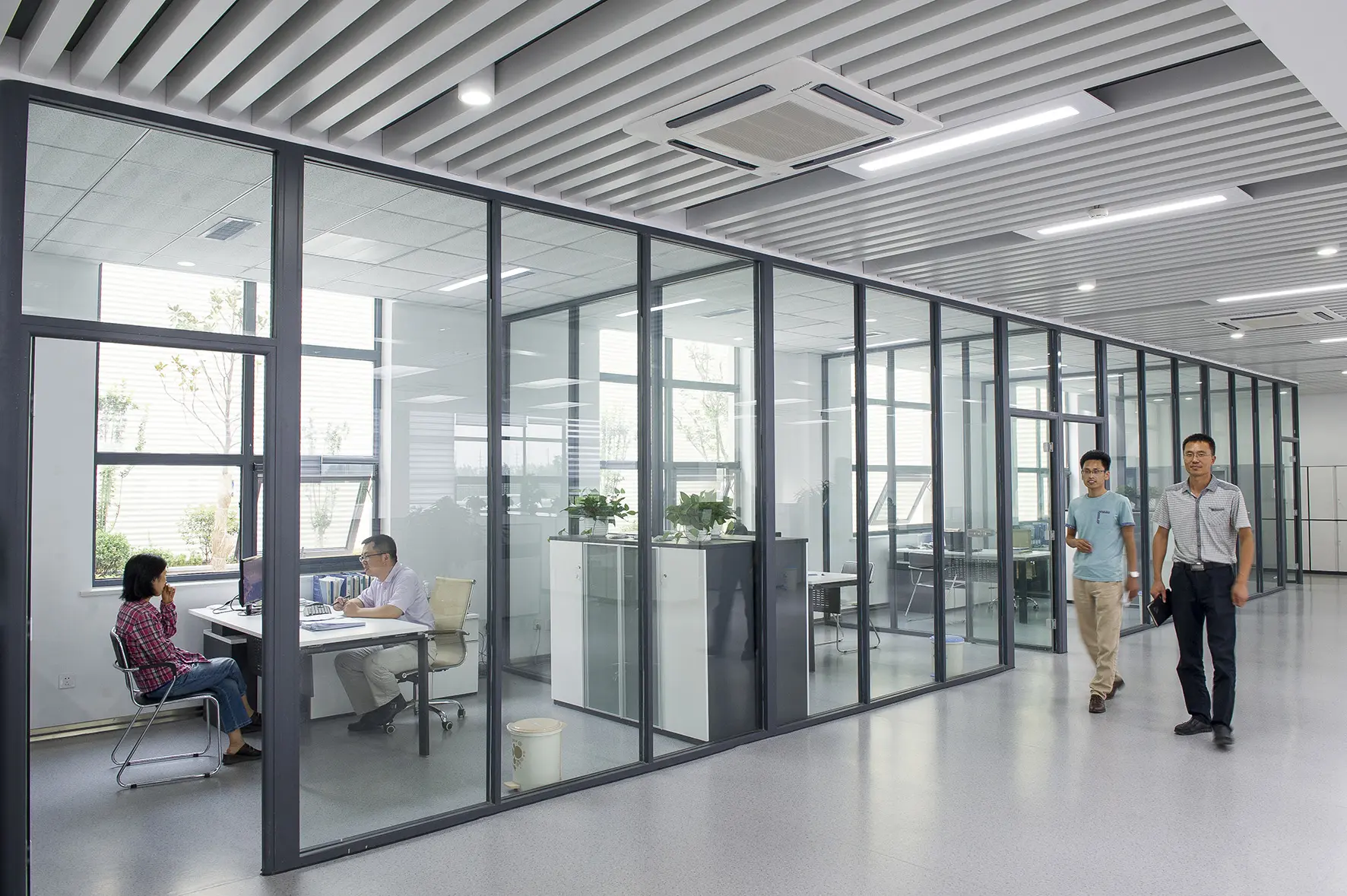
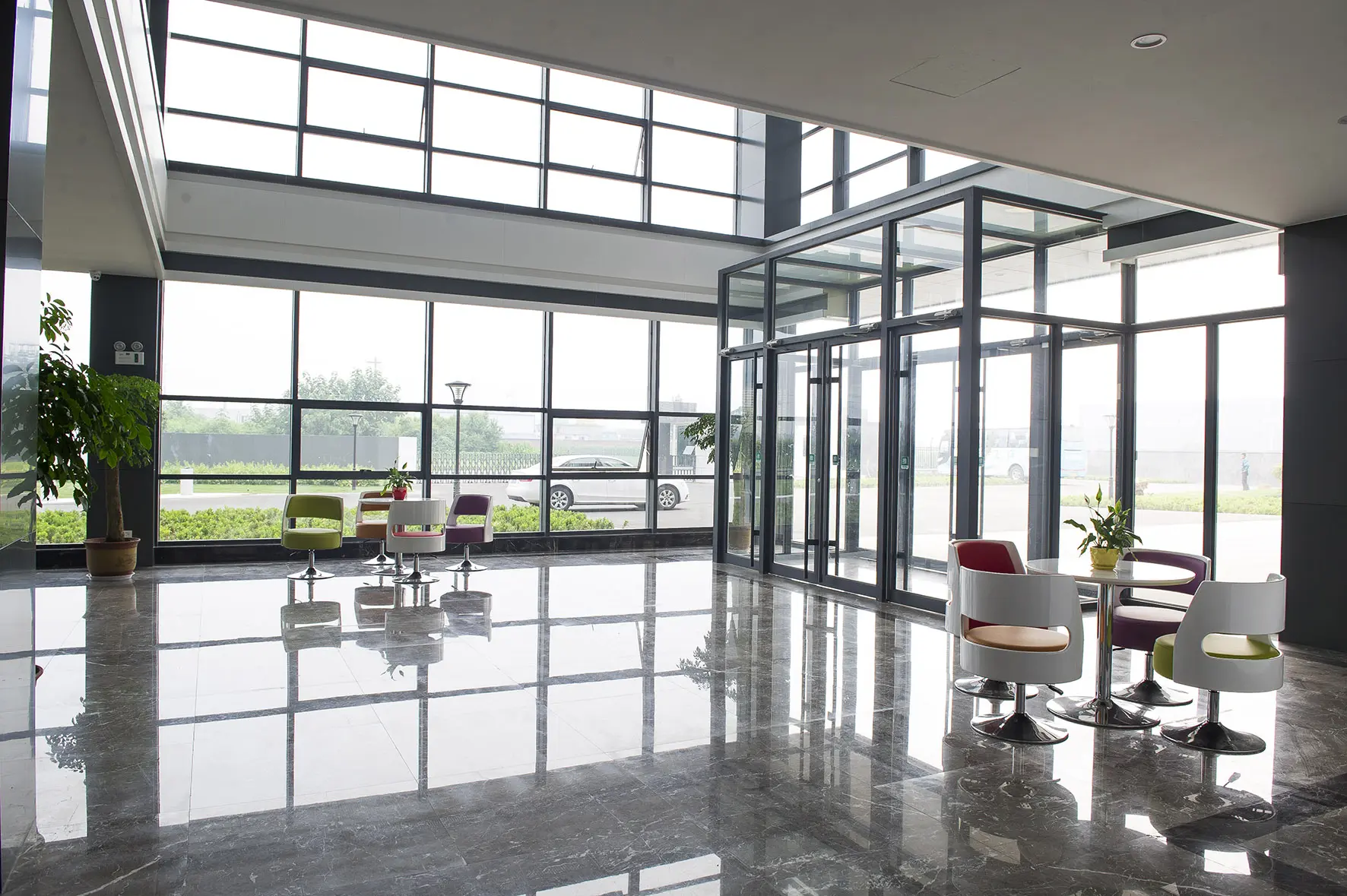
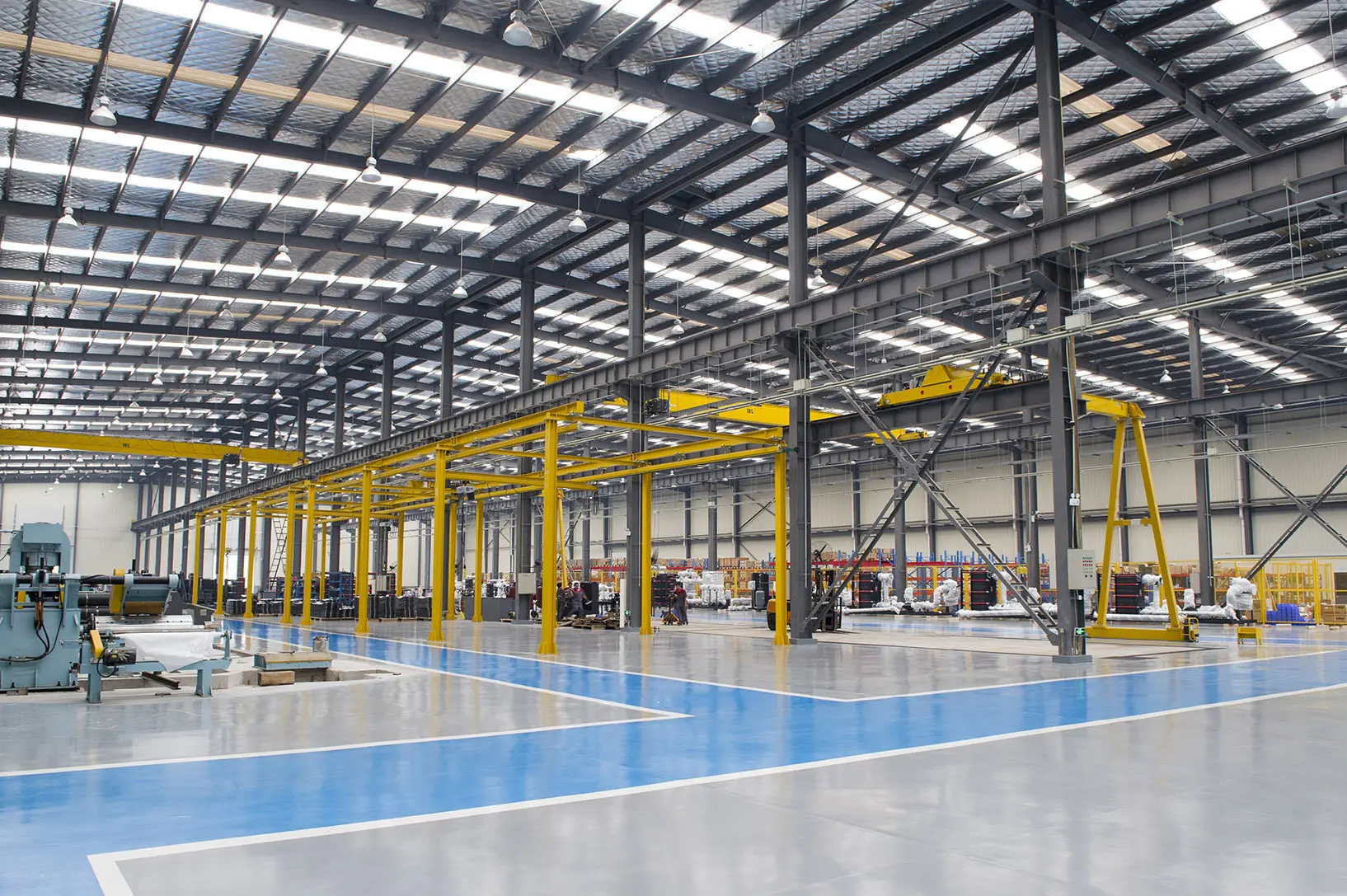
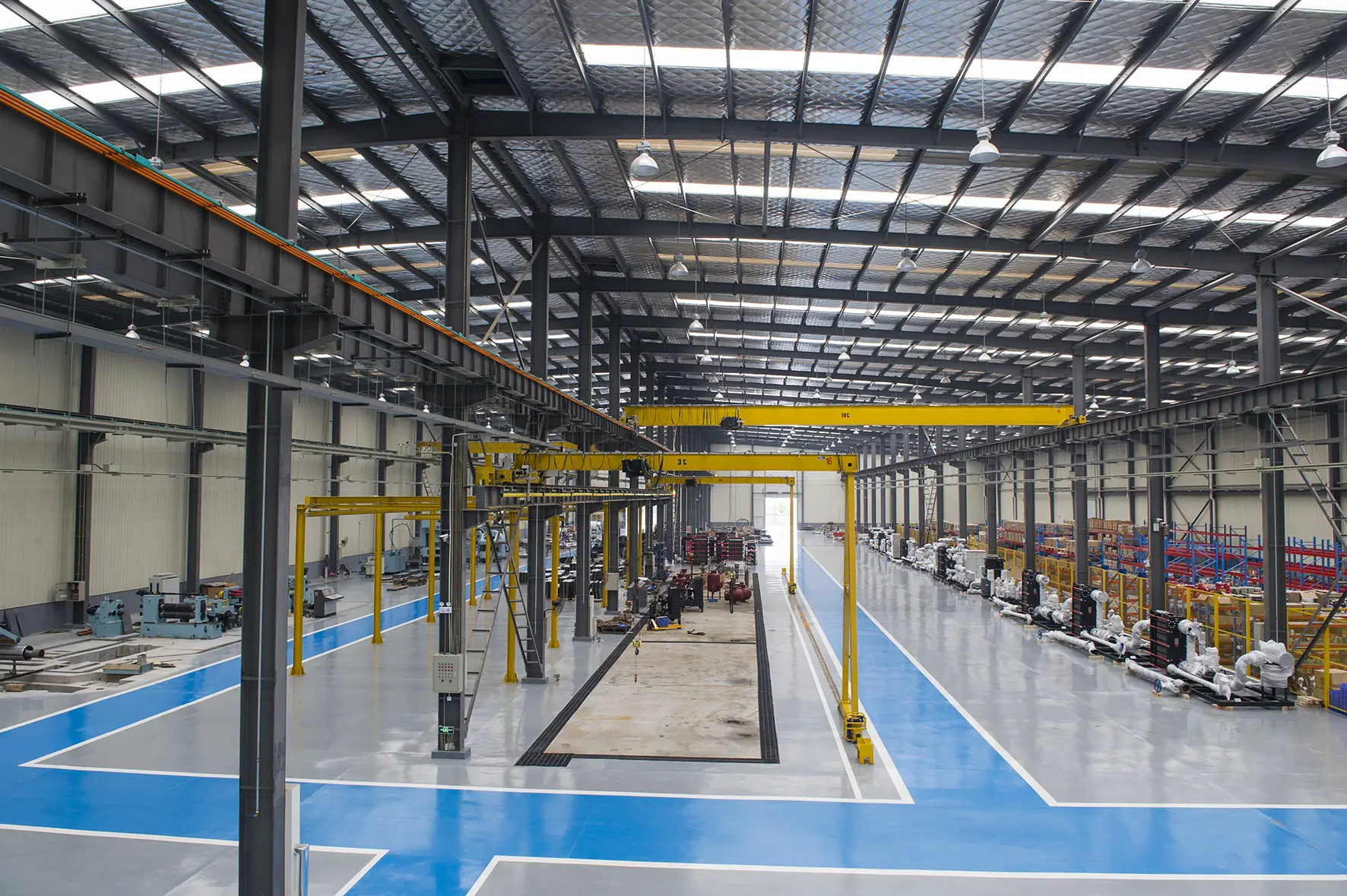
The global demand for high-performance evaporation technology has led many multinational procurement agencies to focus on top-tier Chinese manufacturers. Flotte's advanced production capacity bridges the gap between cost efficiency and European-level engineering standards. Operating out of a massive 70,000 m² industrial complex, the factory manufactures up to 4,500 heat exchange units and water treatment assemblies annually.
All production processes are certified under the strict frameworks of the ISO 9001:2015 Quality Management System, ISO 14001 Environmental Management, and ISO 45001 Occupational Health and Safety. The specialized manufacturing line features custom-designed hydraulic stamping presses capable of applying up to 20,000 tons of force, ensuring absolute precision in plate pattern stamping and reducing structural micro-cracking risks.
Flotte maintains an in-house advanced laboratory and an R&D center staffed by senior thermal engineers with decades of practical field experience. This infrastructure enables the development of custom corrugated geometries, ensuring optimized heat transfer profiles and low pressure drops under complex chemical operating conditions.
From raw coil sourcing to final hydraulic pressure verification: trace the steps behind our heavy-duty plate production line.
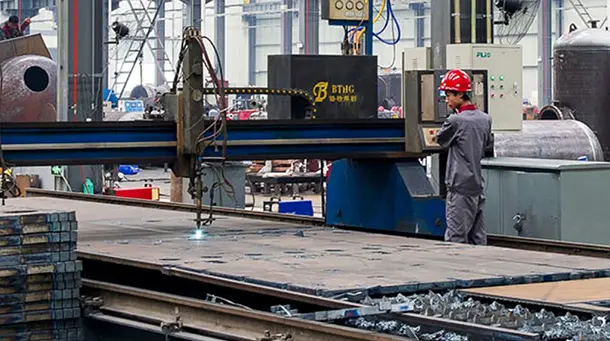
Heavy plate frame components are cut using precise CNC fiber laser tables to ensure structural integrity.
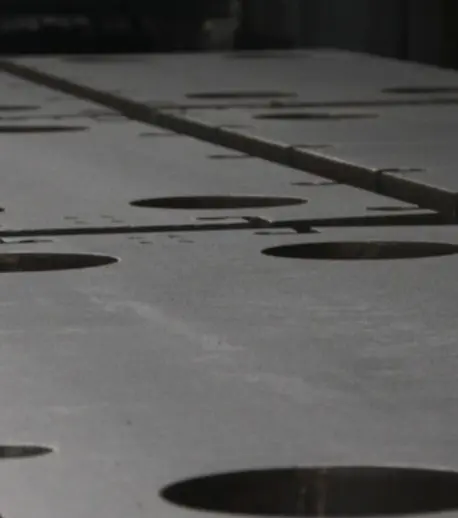
Structural stress relief of critical plate corners, eliminating microscopic stress concentrations before pressure cycles.
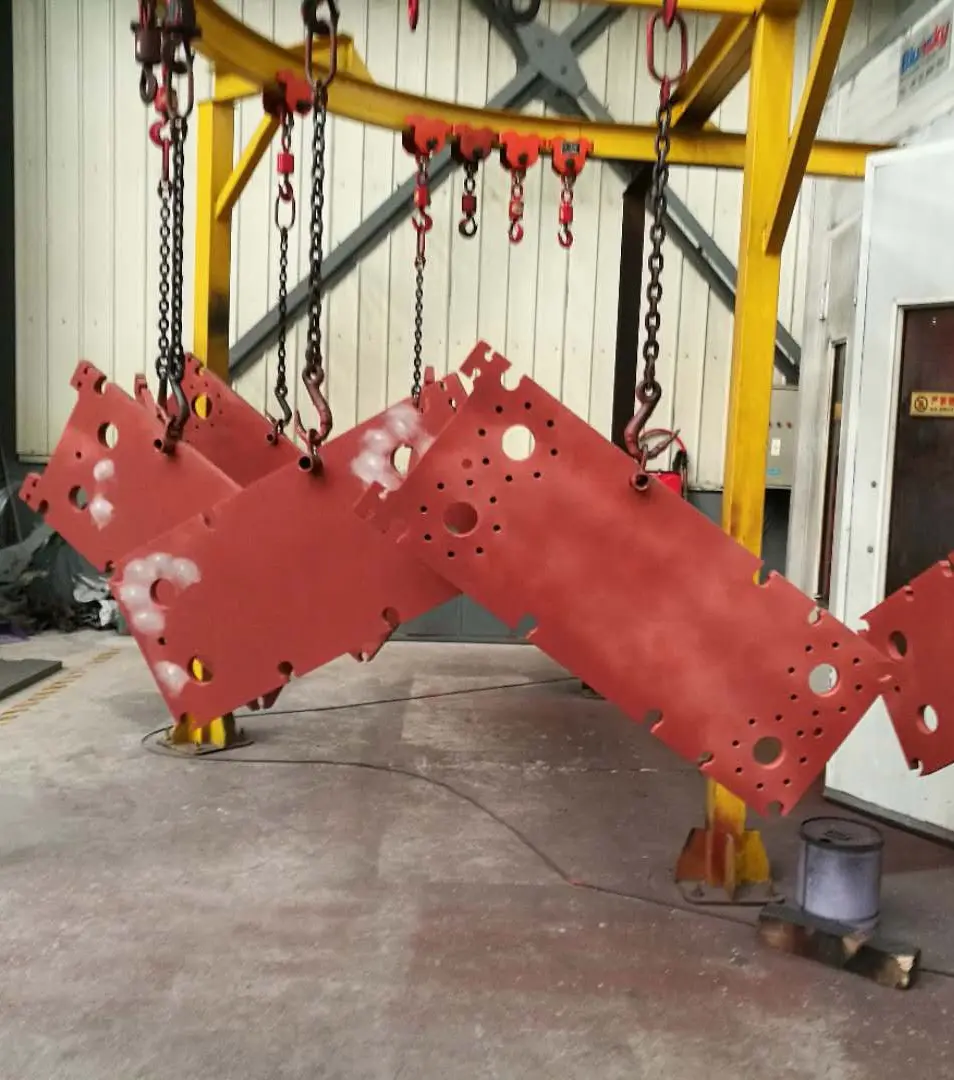
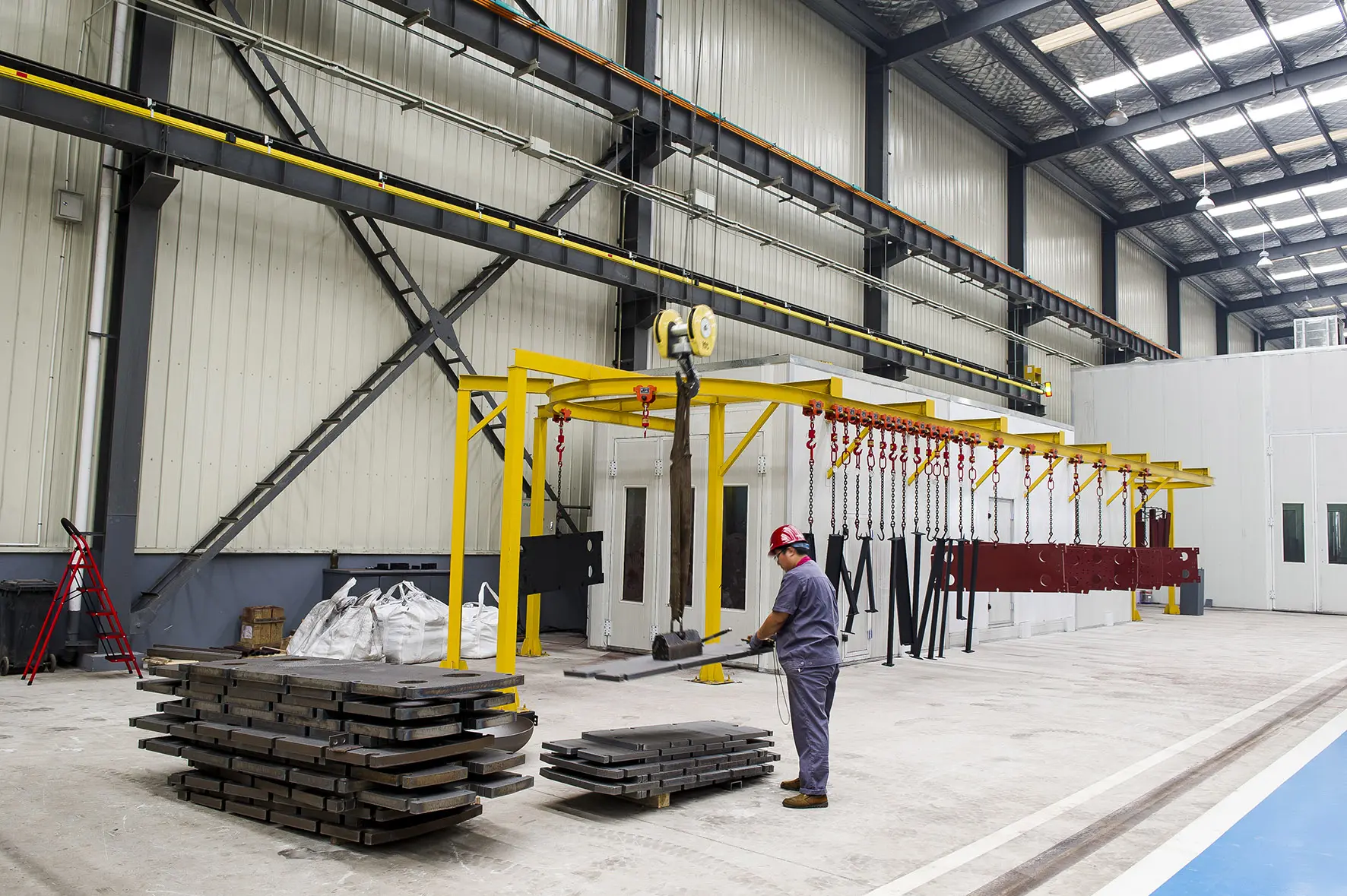
Multi-layer epoxy and anti-corrosive industrial coatings protect external frames from aggressive environments.
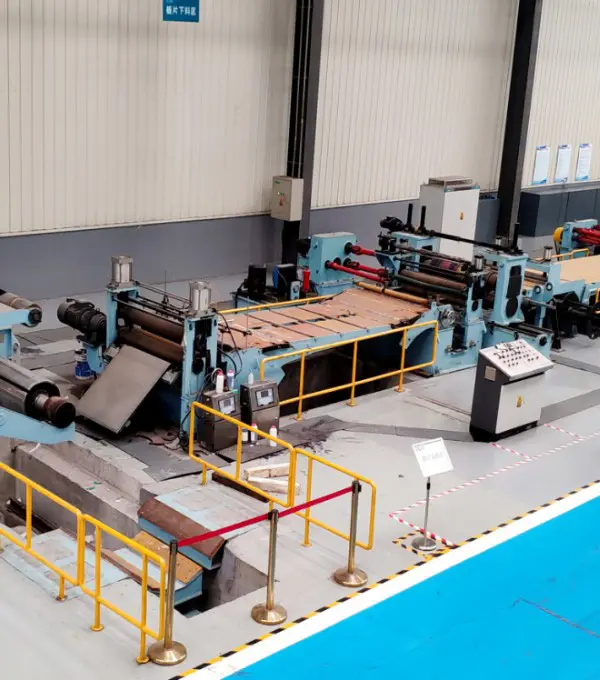
Automatic sheeting and high-precision laser marking for full component traceability throughout its lifespan.
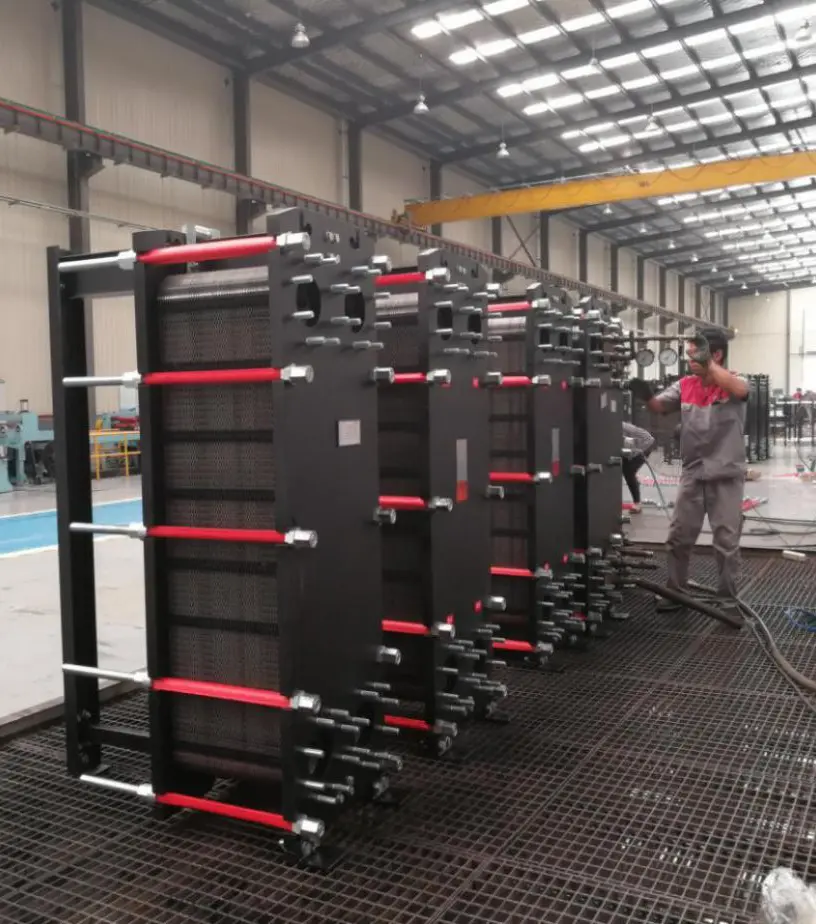
Rigorous hydrostatic verification at 1.5 times the nominal design pressure ensures absolute gasket seating safety.
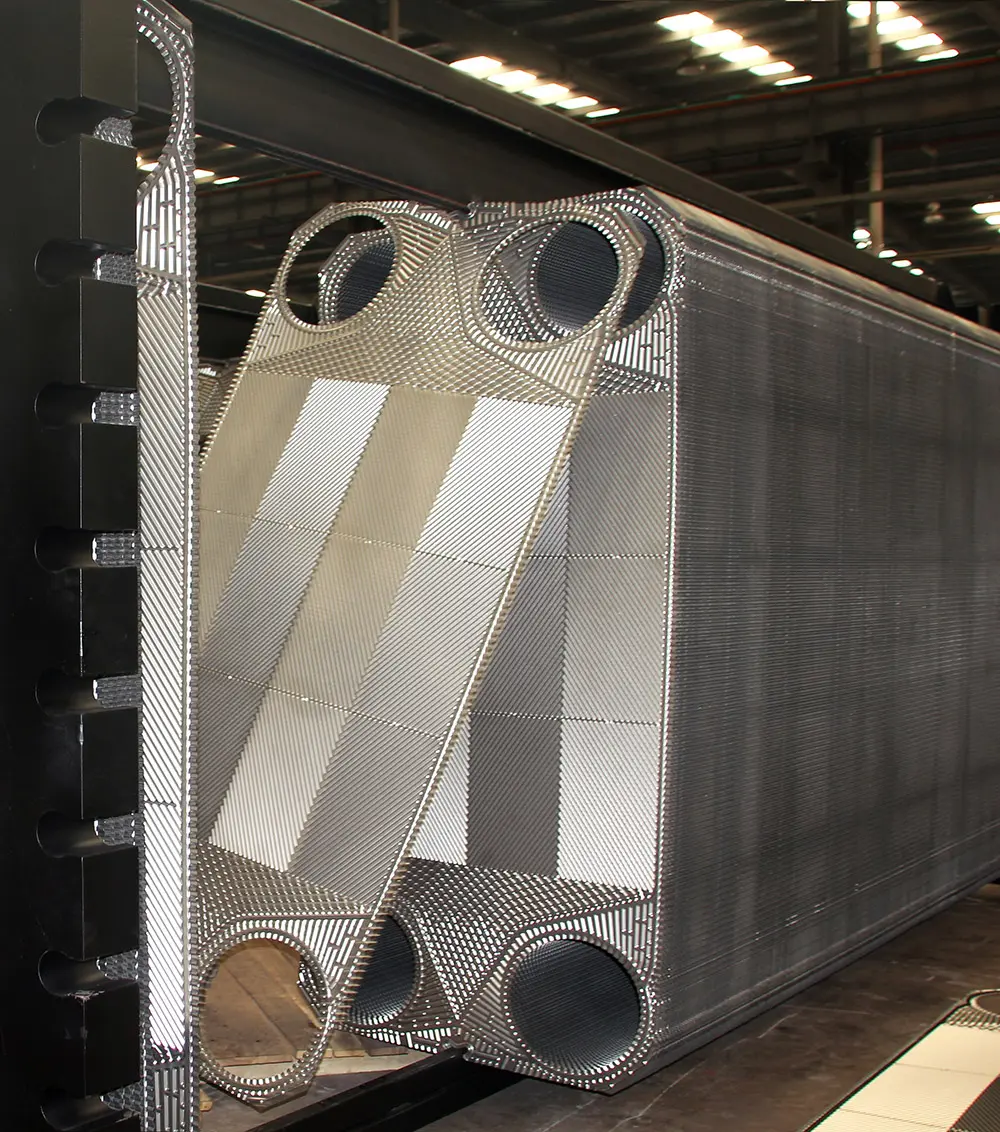
Technicians assemble plate packs with torque-monitored compression bolts to achieve uniform gasket tension.
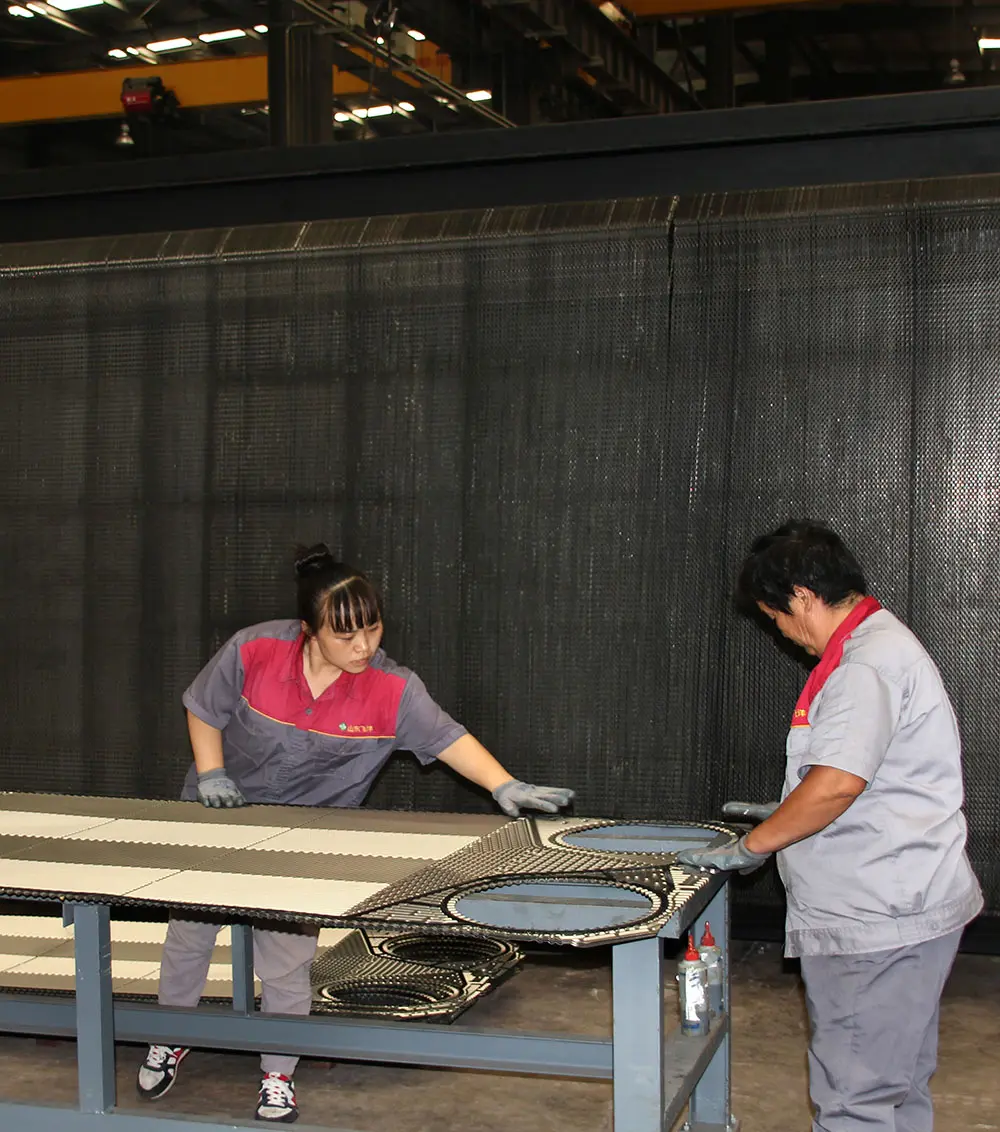
Gasket integration utilizing advanced curing ovens and automated placement machinery for persistent sealing.
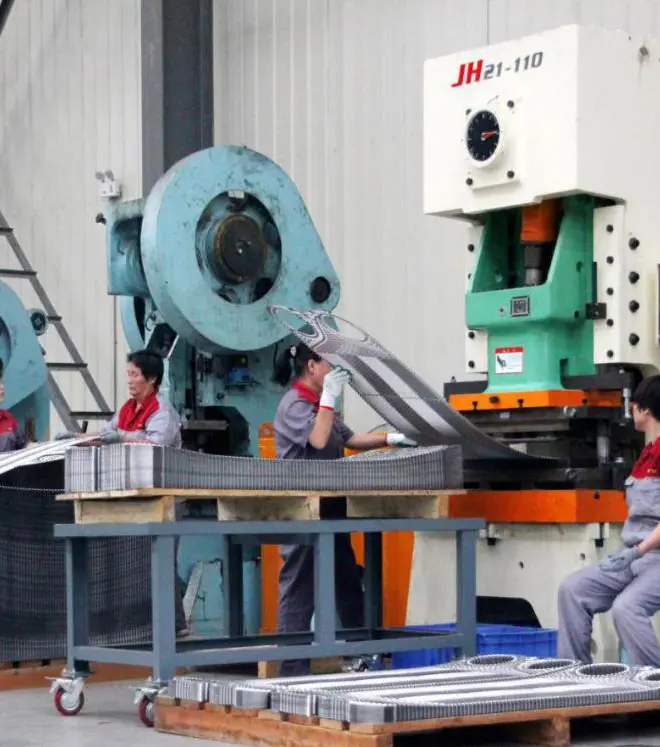
Precise CNC corner port punching ensures flawless alignment and high flow capacities for vapor extraction.
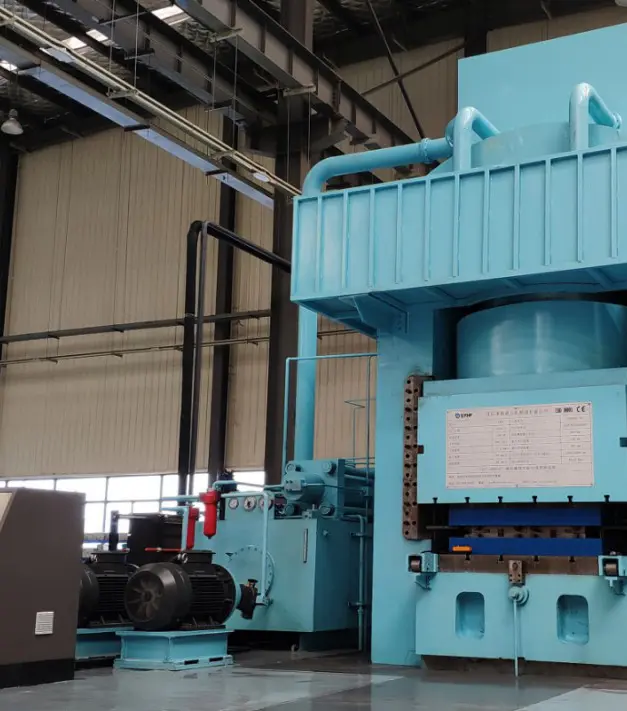
High-capacity hydraulic forming presses stamp the chevron patterns into the sheets, optimizing heat transfer geometry.
Our thermal concentration and evaporation systems are deployed across diverse sectors worldwide to solve complex industrial issues.
In municipal utility systems, plate heat exchangers handle high-volume heat transfer between high-pressure primary distribution loops and residential building secondary networks. Precise temperature control minimizes energy losses, providing reliable municipal heating.
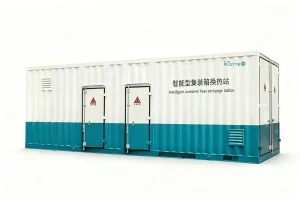
Intelligent exchange units divide pressure zones in sky-rise structures. This prevents excessive hydrostatic pressure on bottom chillers and water-side loops, which helps maintain comfortable room temperatures throughout high-rises.
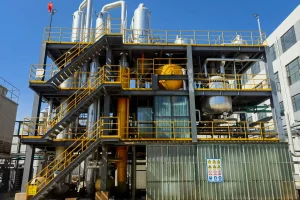
In zero-liquid discharge (ZLD) configurations, our multi-effect evaporation systems work alongside membrane concentration lines. These systems process complex industrial effluents and recover reusable desalinated water.
Modern procurement teams in chemical processing, pharmaceutical production, and waste treatment look for components with optimized Total Cost of Ownership (TCO). A plate evaporator's cost efficiency is determined by its steam utilization ratio and the interval between required maintenance shutdowns.
The industry is moving toward integrated thermal systems that utilize Mechanical Vapor Recompression (MVR). MVR systems capture vapor from the plate evaporator, compress it using a high-efficiency centrifugal blower to increase its enthalpy, and return it to the process as heating steam. This design reduces operating energy costs up to 70% compared to legacy multi-effect steam configurations.
Chinese factories are expanding their support capabilities to match these trends, providing customized design services, full material traceability records (MTRs), and pressure testing certifications. These measures help global engineering partners ensure seamless onsite integration and regulatory compliance.
Our products conform to international quality certifications, manufactured in our automated Chinese facilities.

Technical answers to key questions about plate evaporator design, sizing, maintenance, and operation.
From modular units to custom process systems: find the right configuration for your project's thermal design.
 Flotte Energy