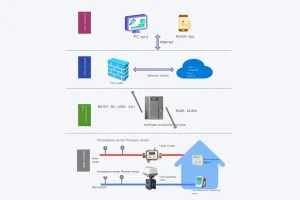
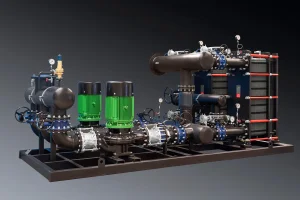
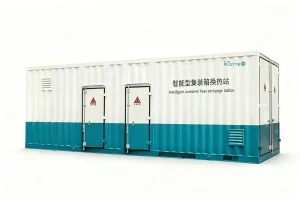
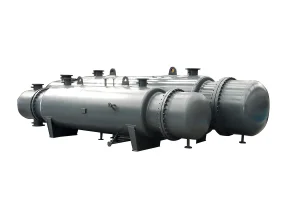
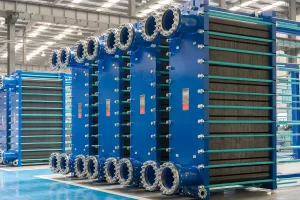
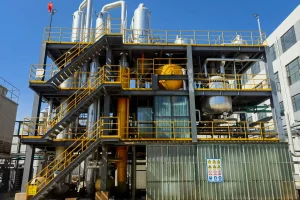
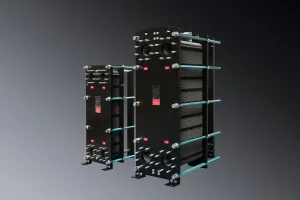
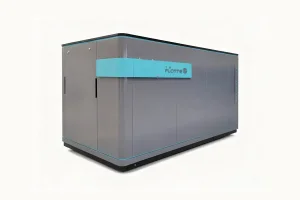
Premium-engineered high-efficiency units from Flotte. Click on our products below to learn more about technical schematics and diagrams.
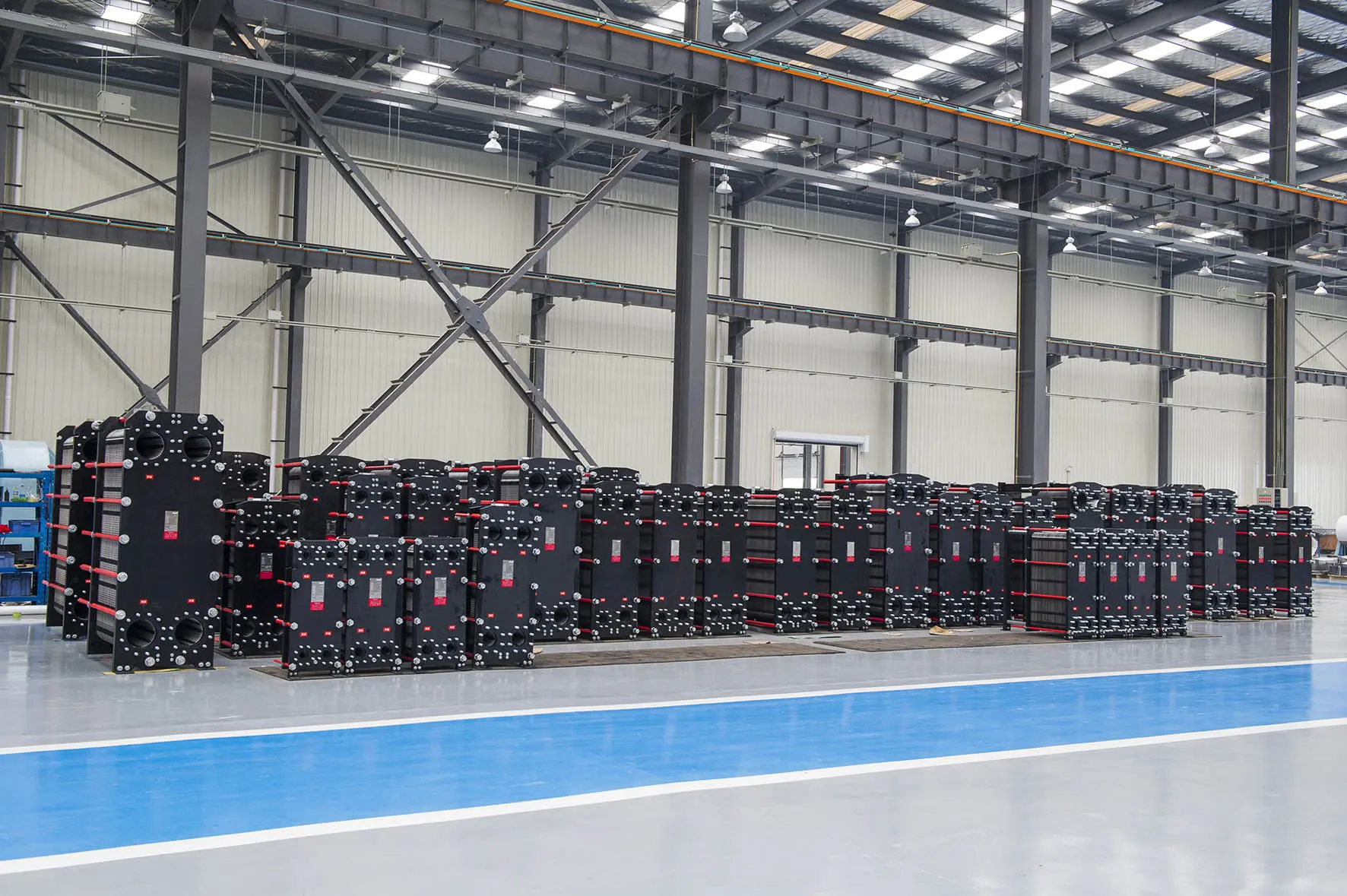
Flotte Energy Saving Company, established in 2013 with a registered capital of 101 million yuan, originated from Flotte Thermal Engineering founded in 1995. With three decades of technical expertise, the company specializes in water equipment, HVAC systems, and water treatment industries. It consistently leads industry peers in adopting cutting-edge technologies, developing innovative products, and delivering comprehensive production and sales services.
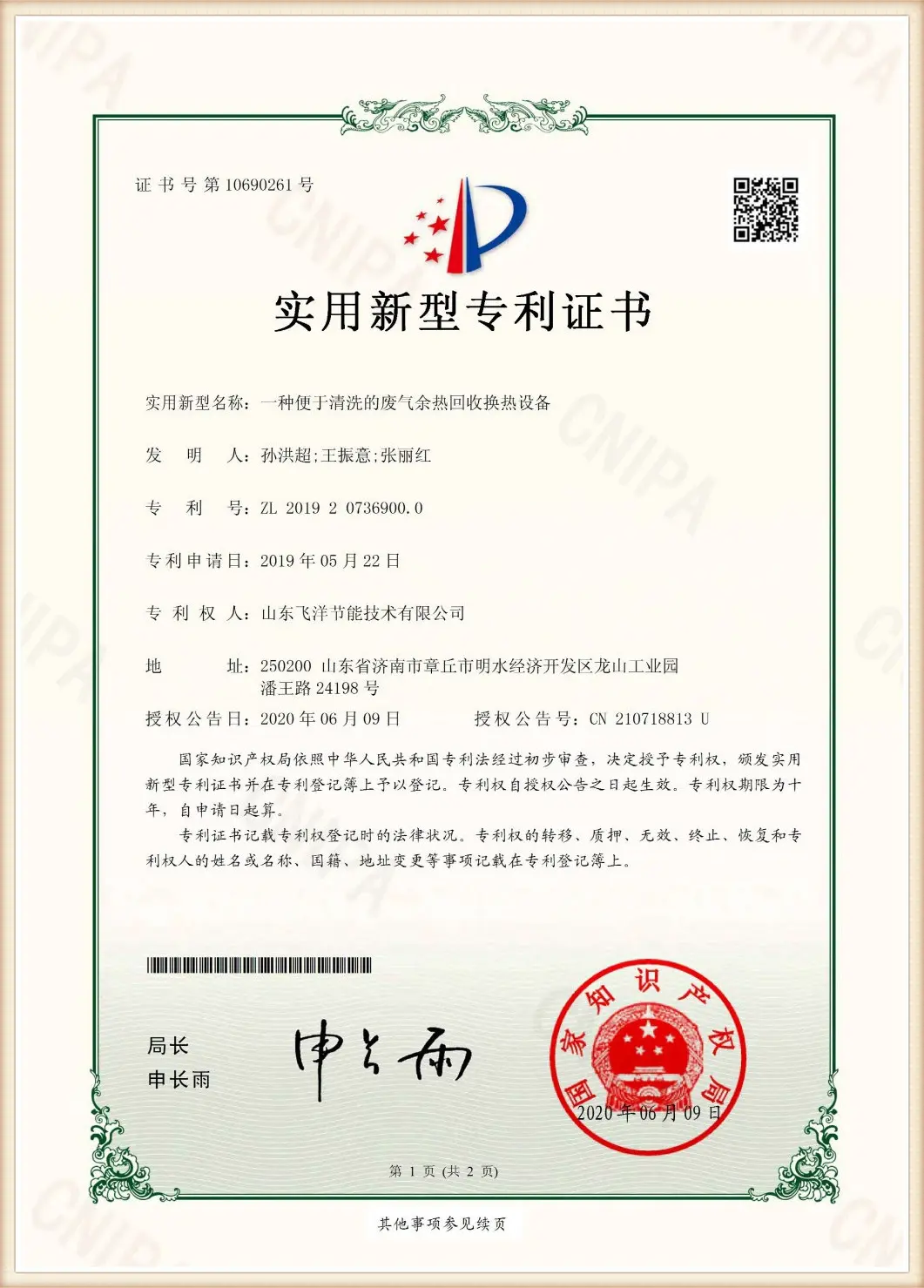
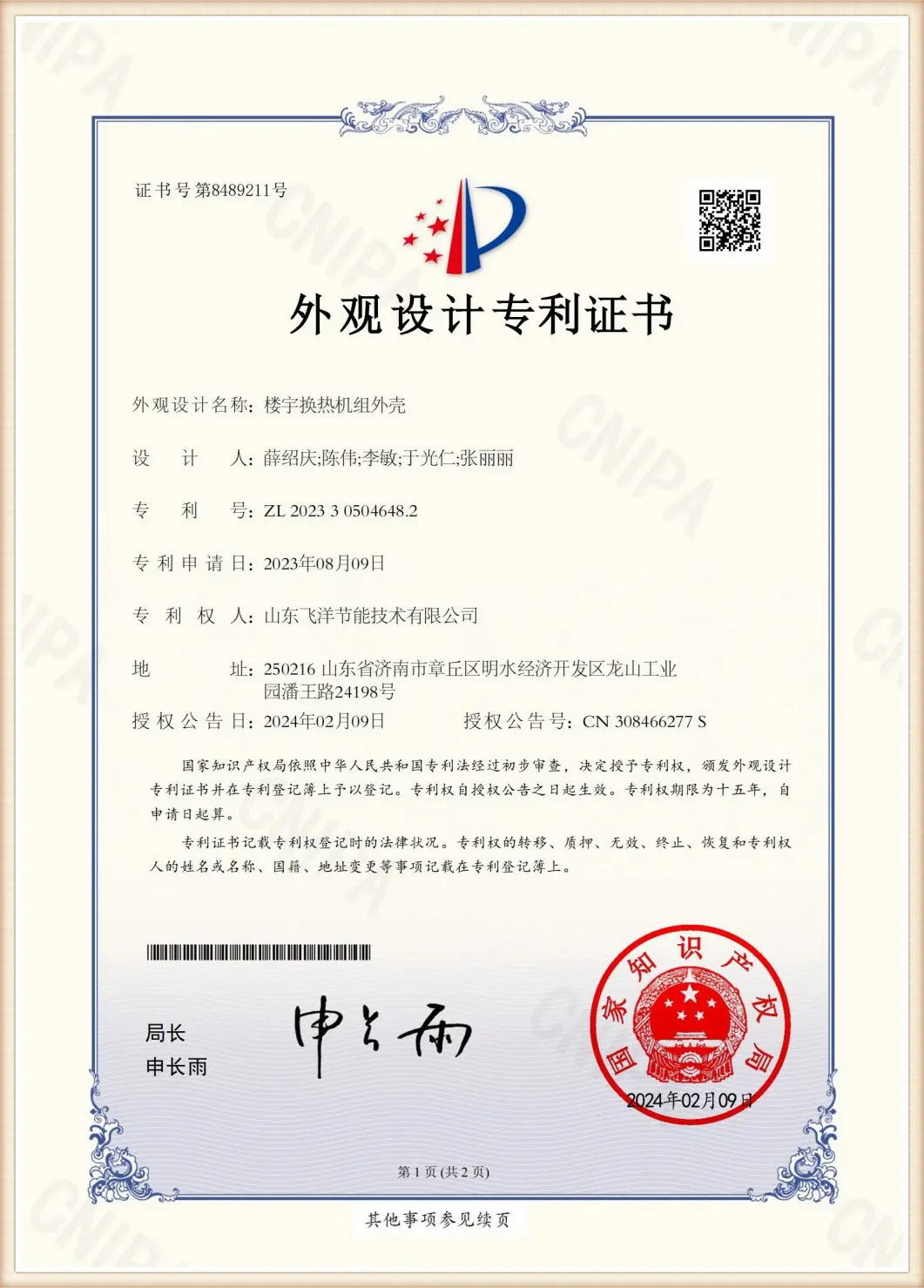
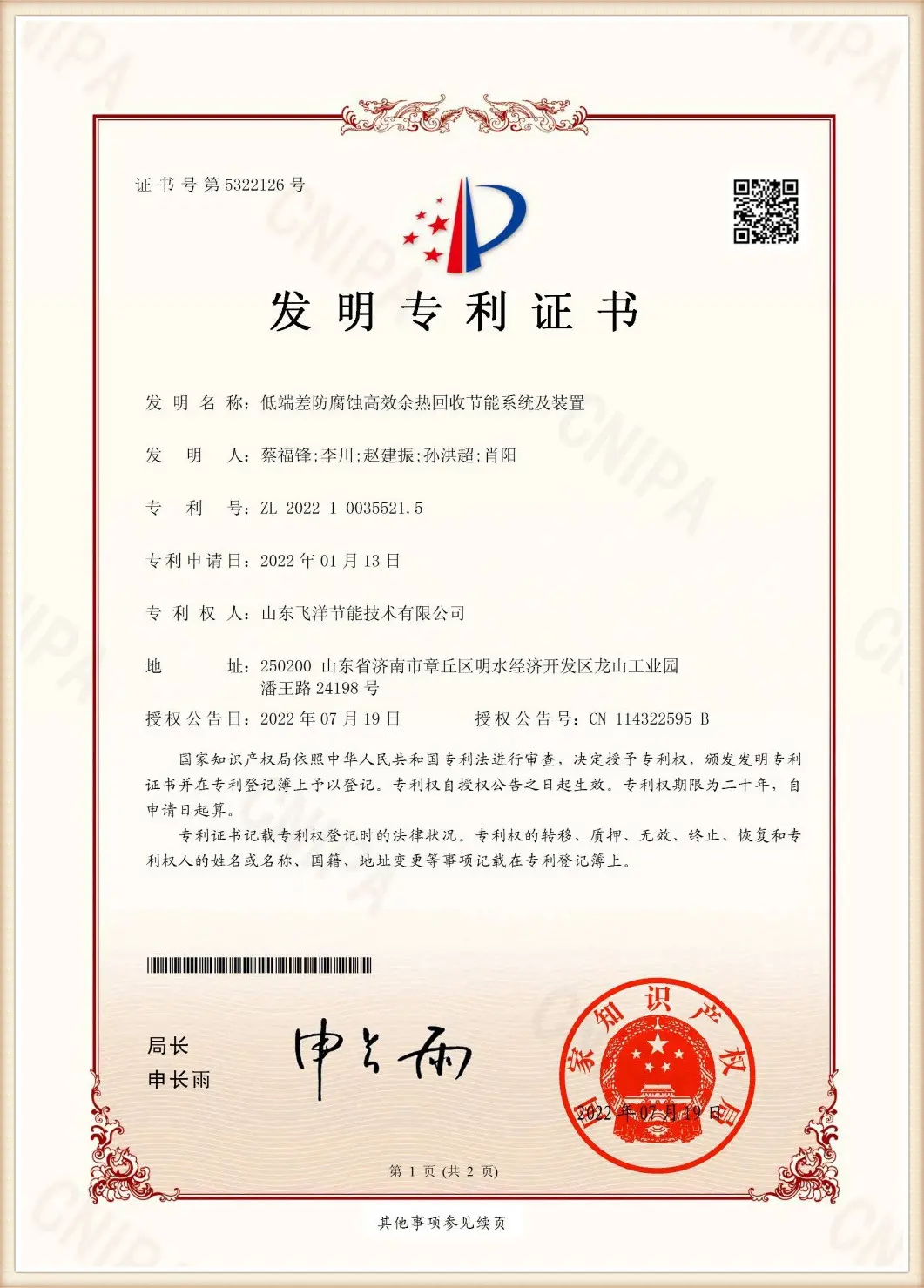
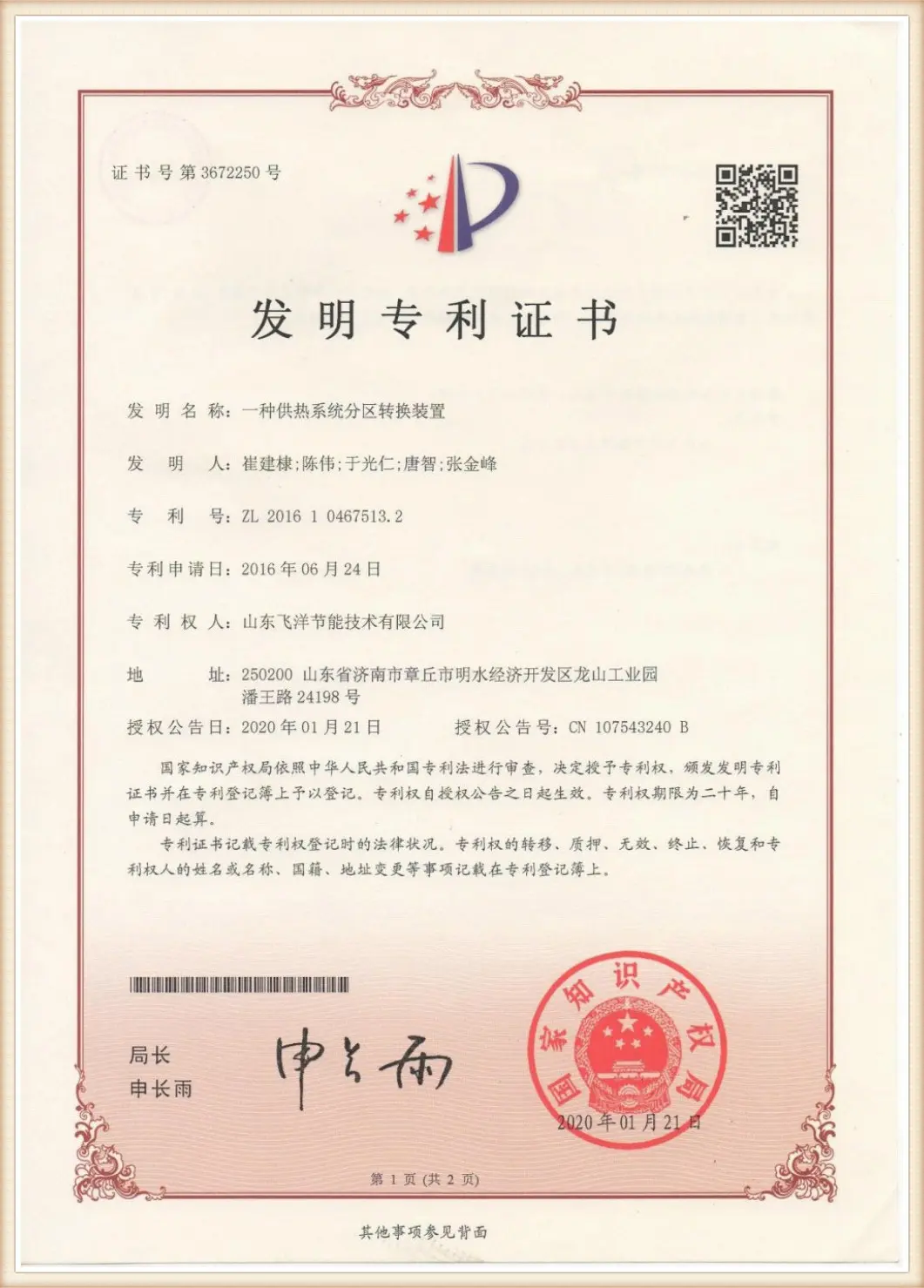
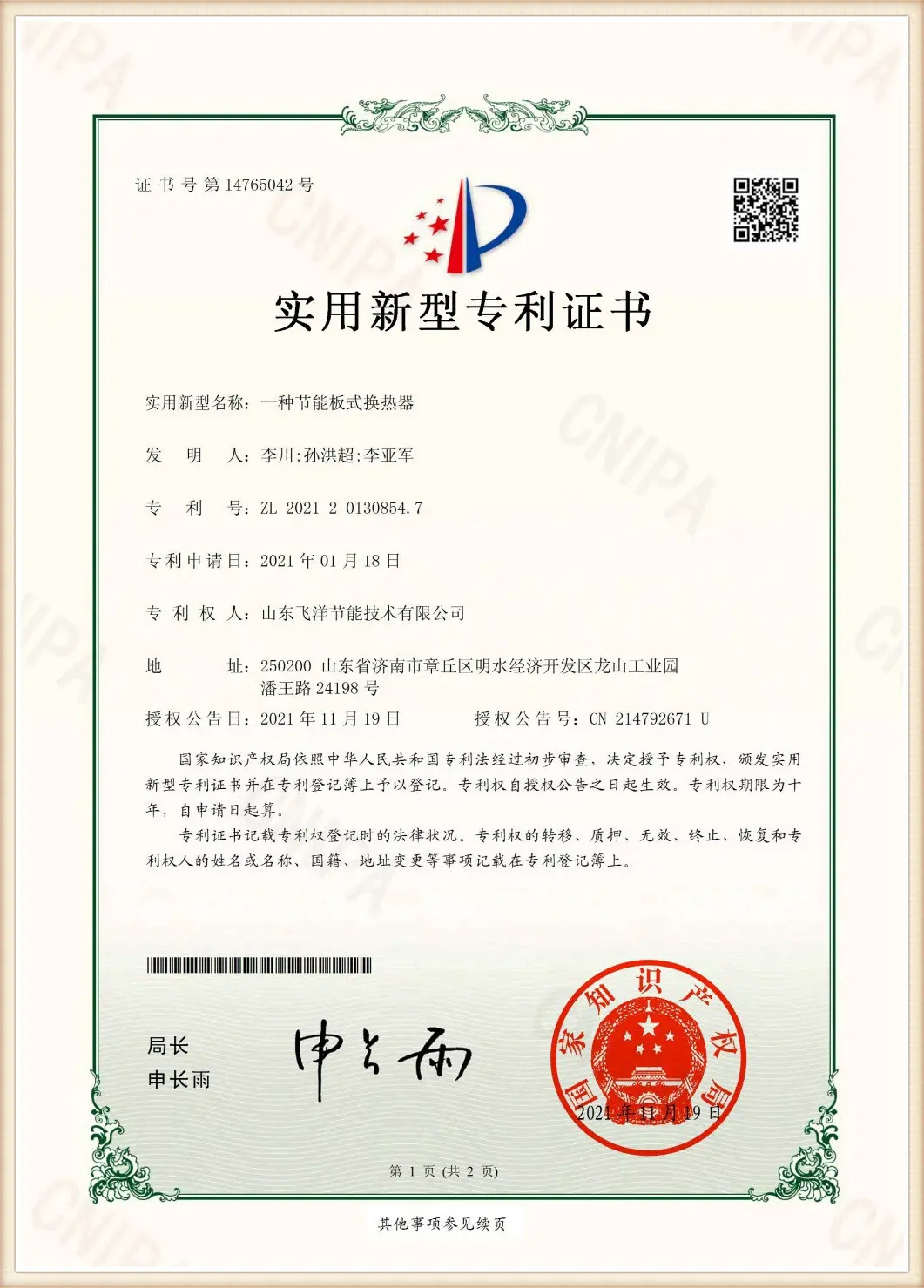
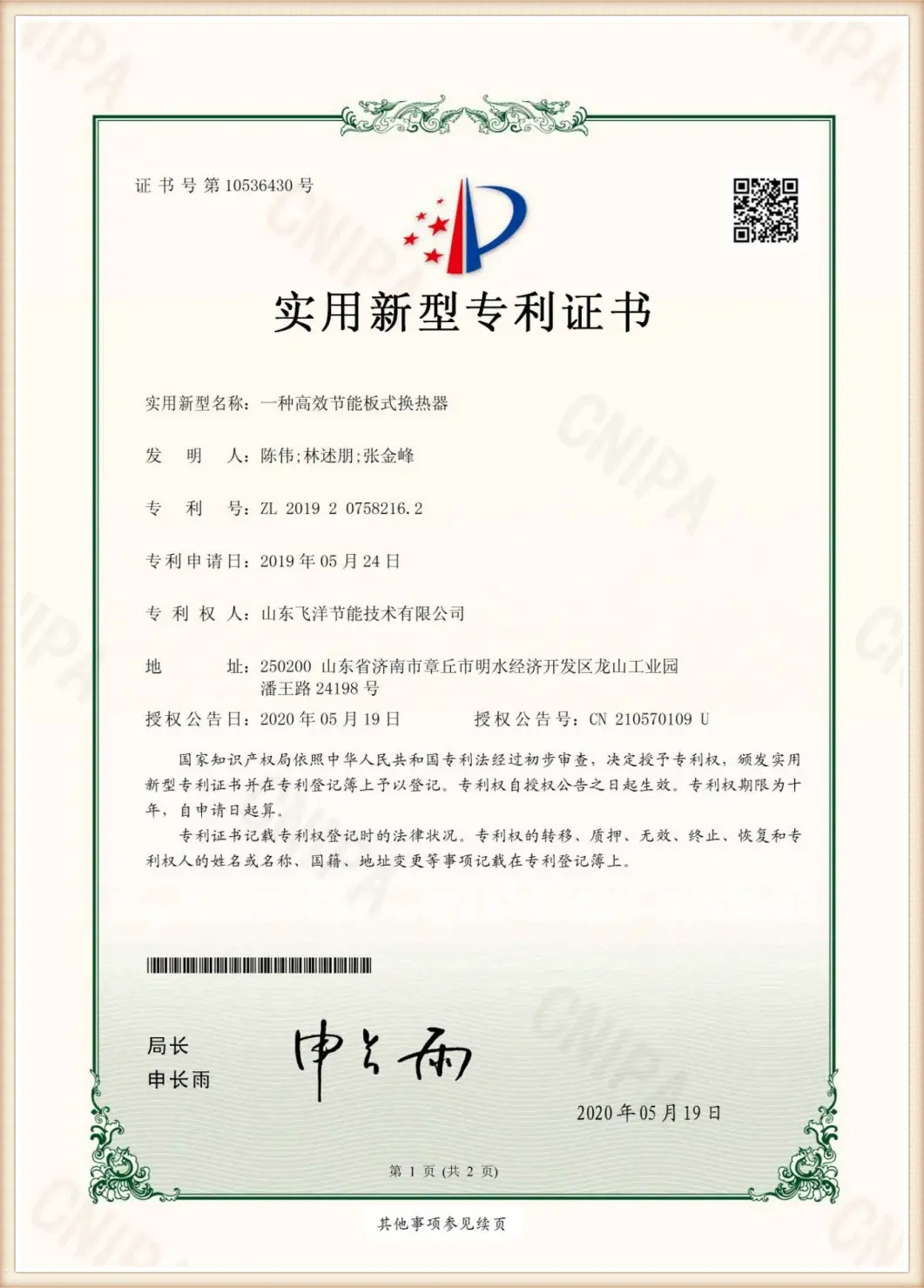
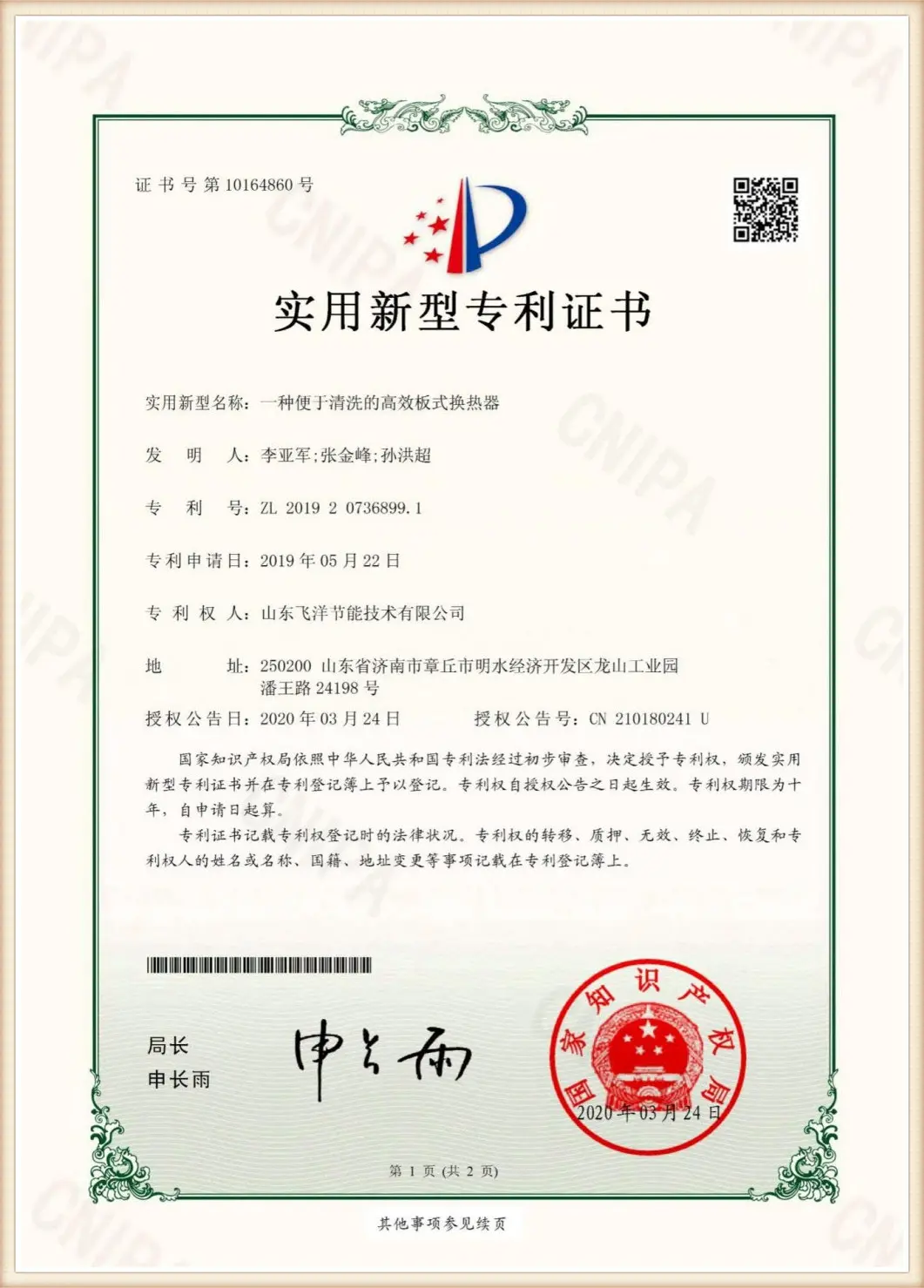
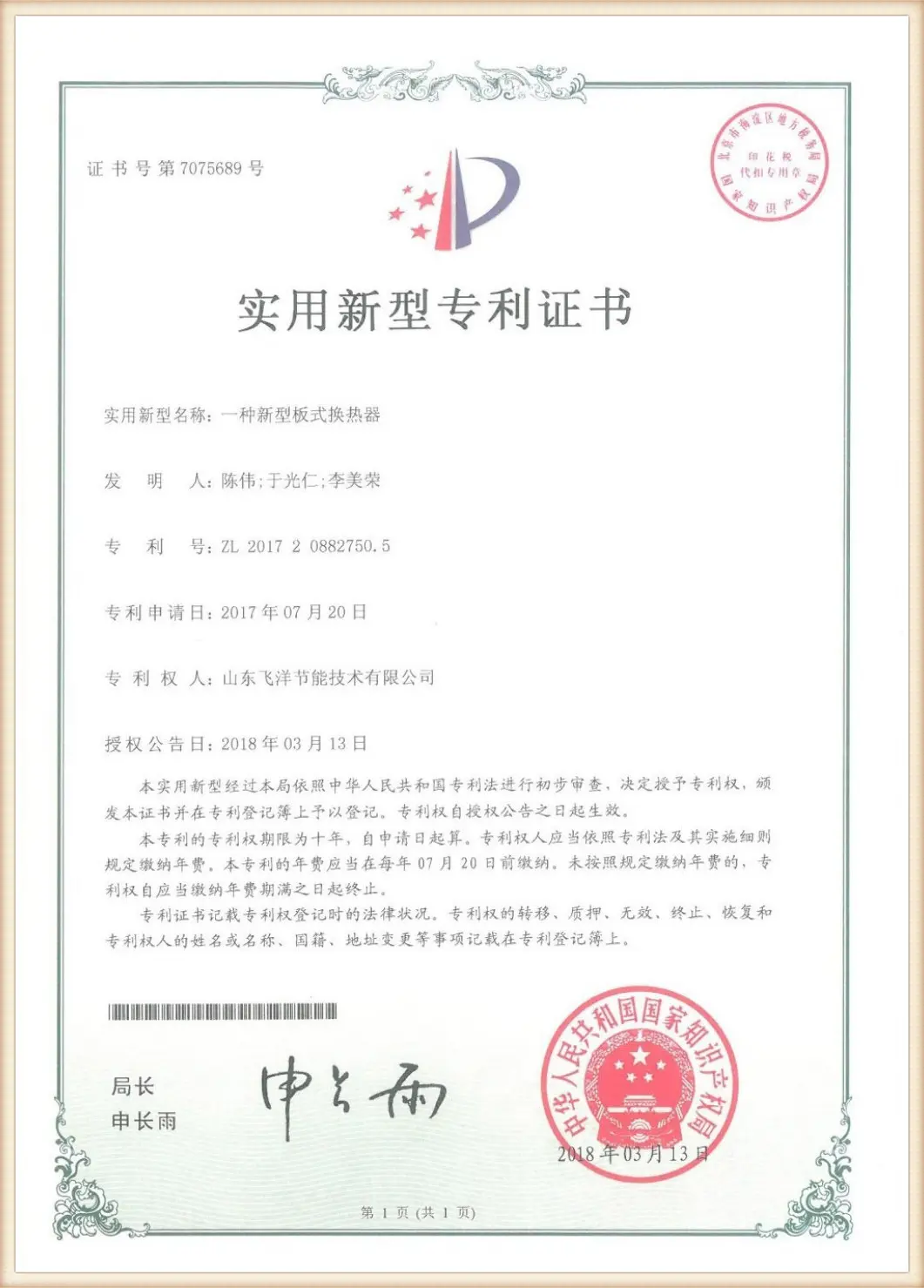
The company has been continuously advancing in production technology innovation, holding multiple patent certifications including "High-Efficiency Plate Heat Exchanger", "Intelligent Plate Heat Exchanger System", and "Plate Heat Exchanger Scale Removal Device" (see qualification documentation). Our products have obtained mandatory national product certification and safety registration from the National Standardization Committee, along with the safety registration for plate heat exchangers issued by the National Boiler and Pressure Vessel Standardization Technical Committee. The company has also achieved ISO9001 Quality Management System certification, ISO14001 Environmental Management System certification, and ISO45001 Occupational Health and Safety Management System certification.
An expert guide to reading schematics, optimizing thermal patterns, and mapping fluid dynamics for enterprise procurement.
A plate exchanger diagram is not simply a blueprint showing where gaskets, metal sheets, and tie-bars sit. To mechanical engineers and procurement directors, it is a complex schematic representing heat transfer optimization pathways, flow dynamics profiles, pressure drop distributions, and boundary constraints. When sourcing equipment, reading and analyzing the schematic is critical to matching the design parameters to your fluid mechanics requirements.
The diagram maps the physical orientation of flow directions (typically counter-current or co-current), hot and cold fluid inlet/outlet ports, and structural plate pack arrangements. The orientation depicted on the design diagram dictates how the thermal dynamics equations ($Q = U \cdot A \cdot \Delta T_{lm}$) resolve. An optimized diagram specifies:
When selecting a supplier, look for diagram clarity in these key components:
How Flotte fuses decades of manufacturing experience with modern automated processes to guarantee reliable supply chains.
Specializing in plate heat exchangers, it features patented corrugated plate design, achieving 2-3 times higher heat exchange efficiency than conventional equipment.
The products cover 8 core areas such as air conditioning, heating and ventilation, and central heating. The solutions have been verified by projects in many places around the world, and can accurately match different regional conditions and compliance requirements.
The whole process quality control system runs through the production. Preferred stainless steel, titanium, and other high-end materials ensure stable and durable performance in harsh environments.
We provide customized design, after-sales maintenance, and one-stop service with our multilingual team and efficient supply chain to ensure that global customers receive timely technical and logistical support.
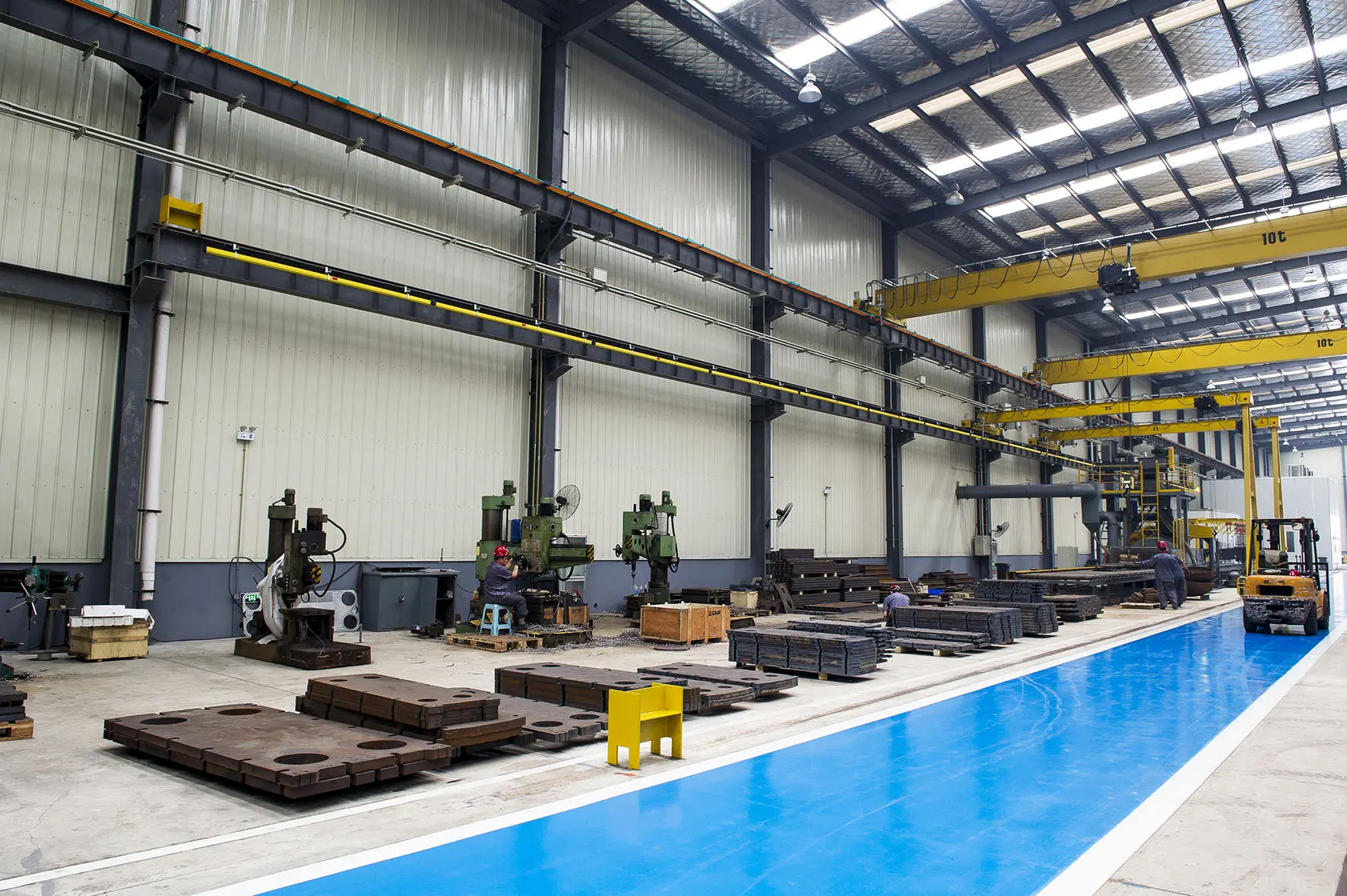
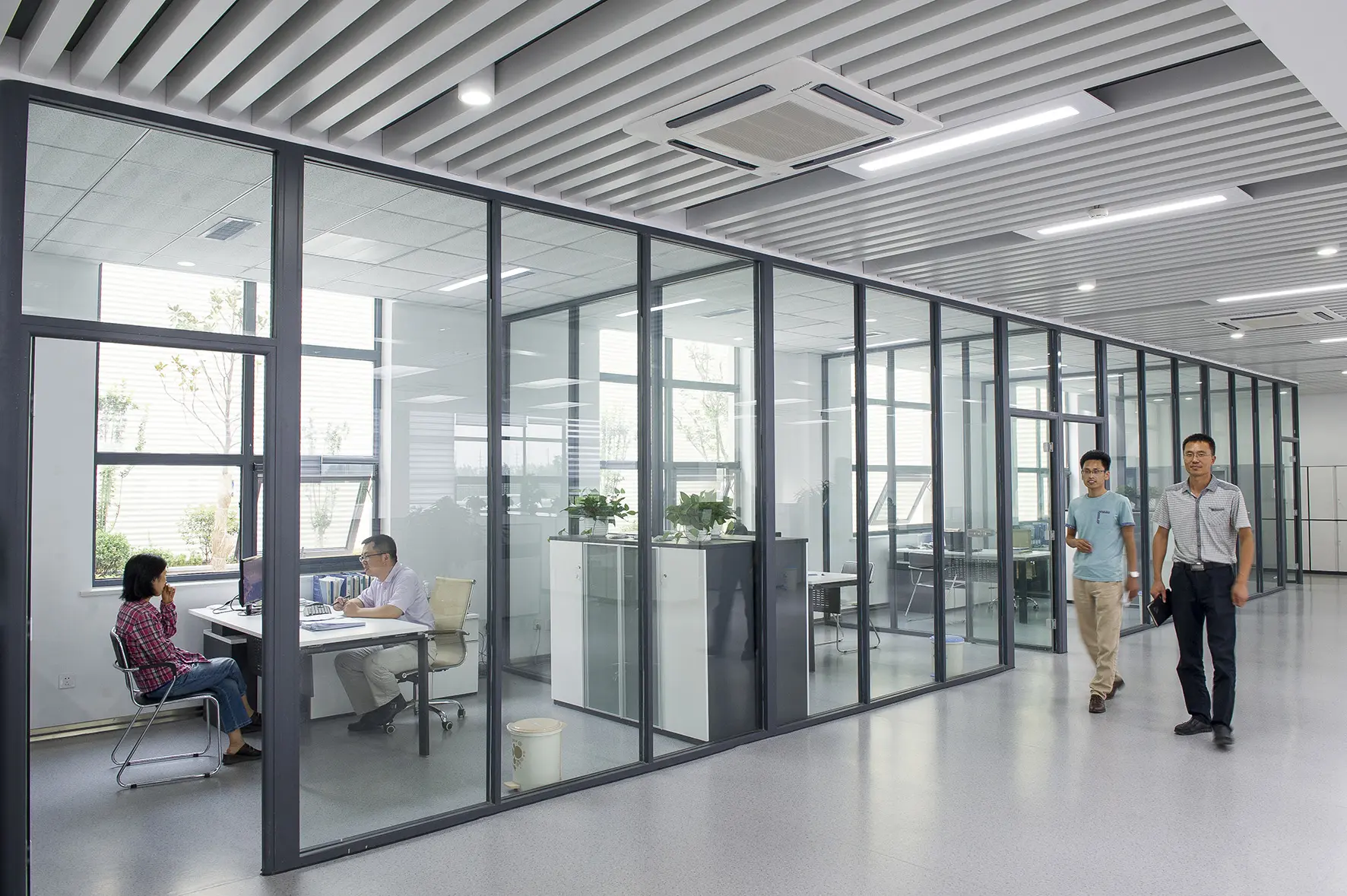
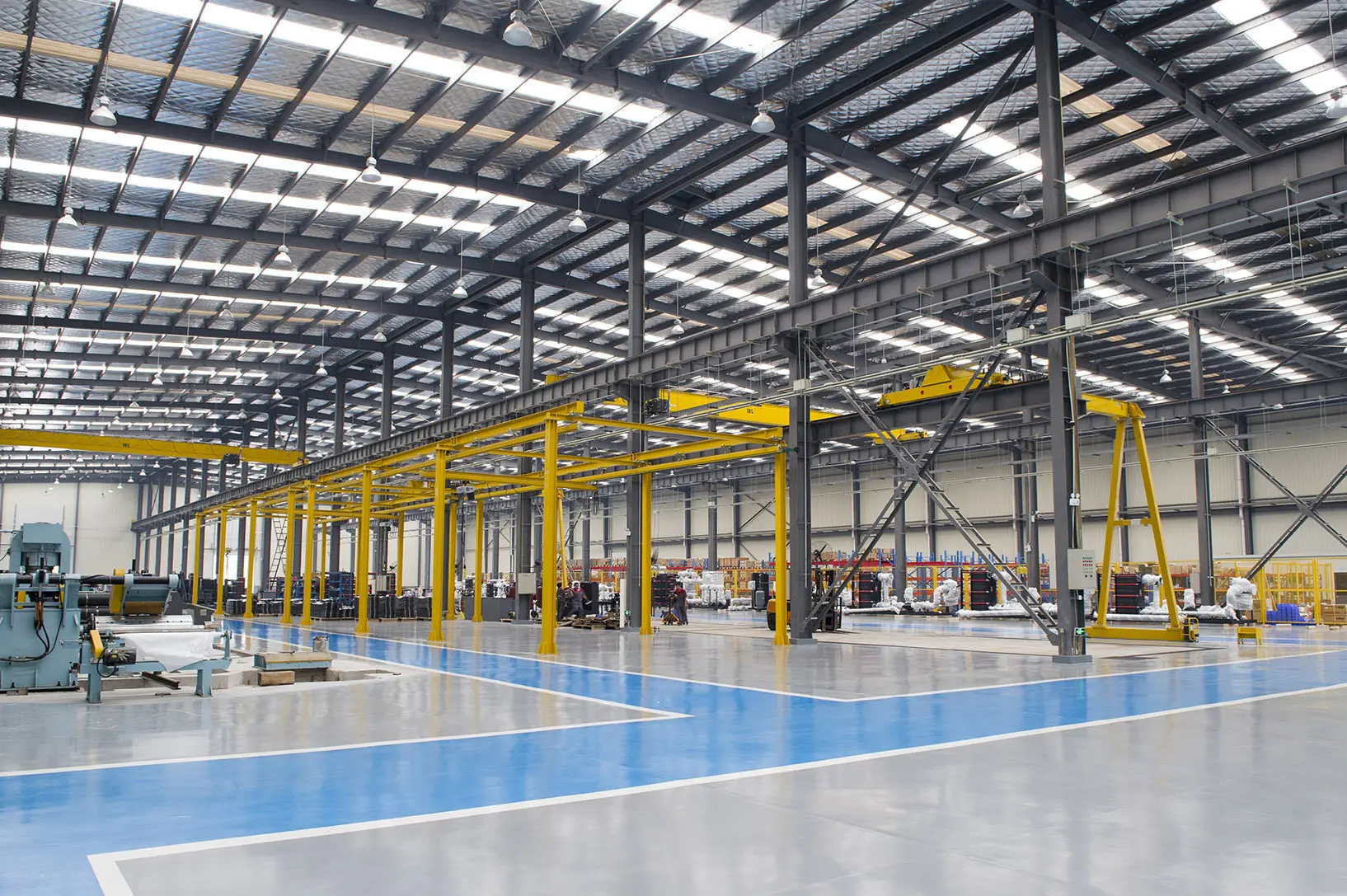
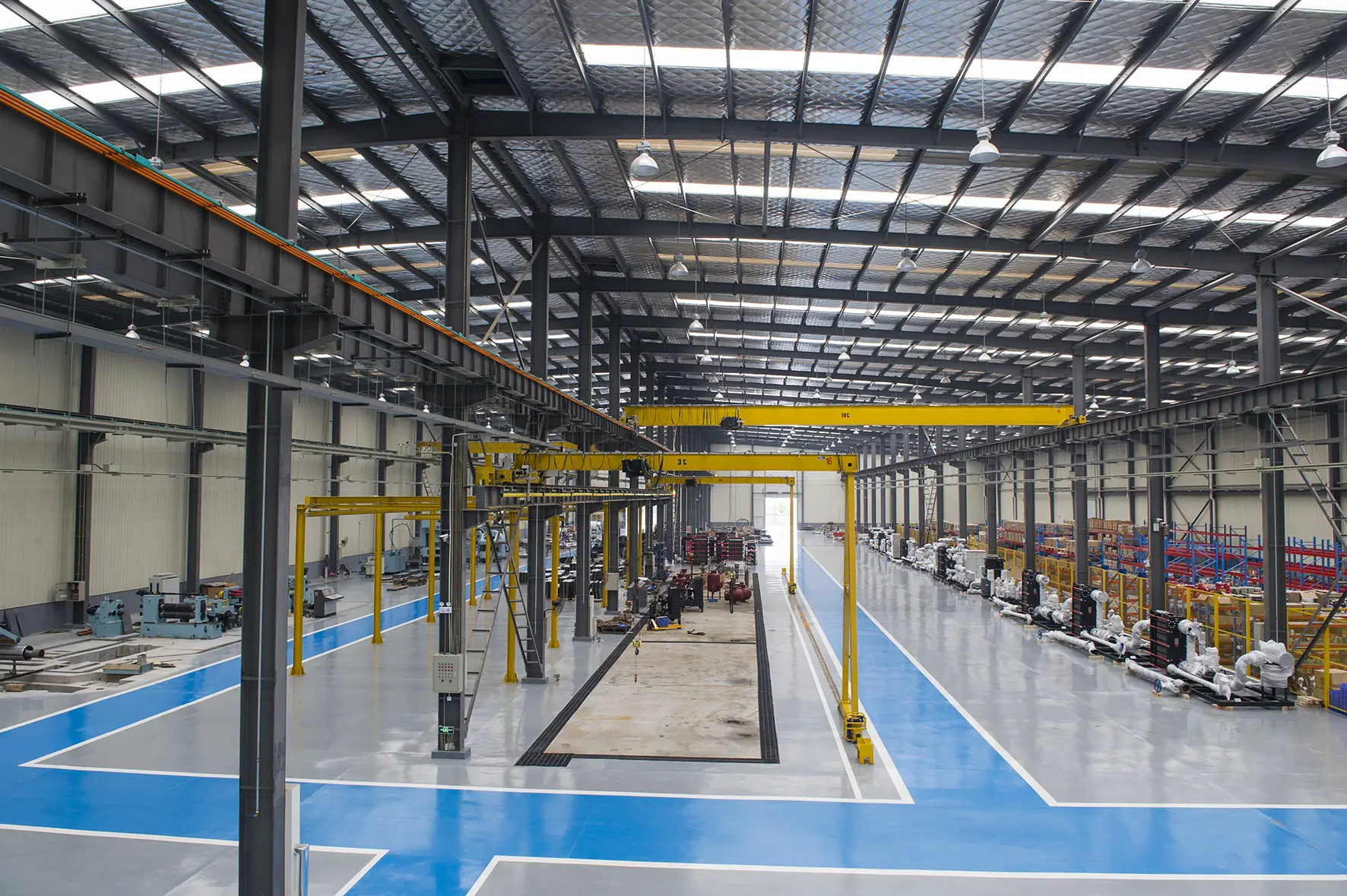
The company has established modern production facilities that combine advanced manufacturing with systematic management, producing high-tech integrated products. It holds a leading position in the industry nationwide and commands a substantial market share. Annually, it manufactures approximately 4,500 heat exchange units and water supply/drainage equipment sets. With over 300 employees, the company generates annual sales revenue of 500 million yuan and contributes 15 million yuan in taxes and profits.
Our production workshops are equipped with advanced manufacturing and quality inspection facilities. All frontline production staff are certified technicians who have undergone rigorous formal training. Production processes, quality control, and service operations strictly adhere to the ISO 9001:2015 international quality management system, while also complying with the pressure vessel quality assurance framework. Our products undergo mandatory inspections by national quality supervision authorities, ensuring full compliance with performance standards.
From raw steel plates to final pressure tests, exploring how our components are structured according to engineering diagrams.
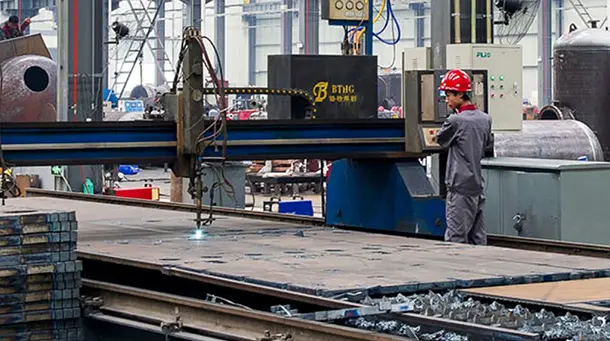
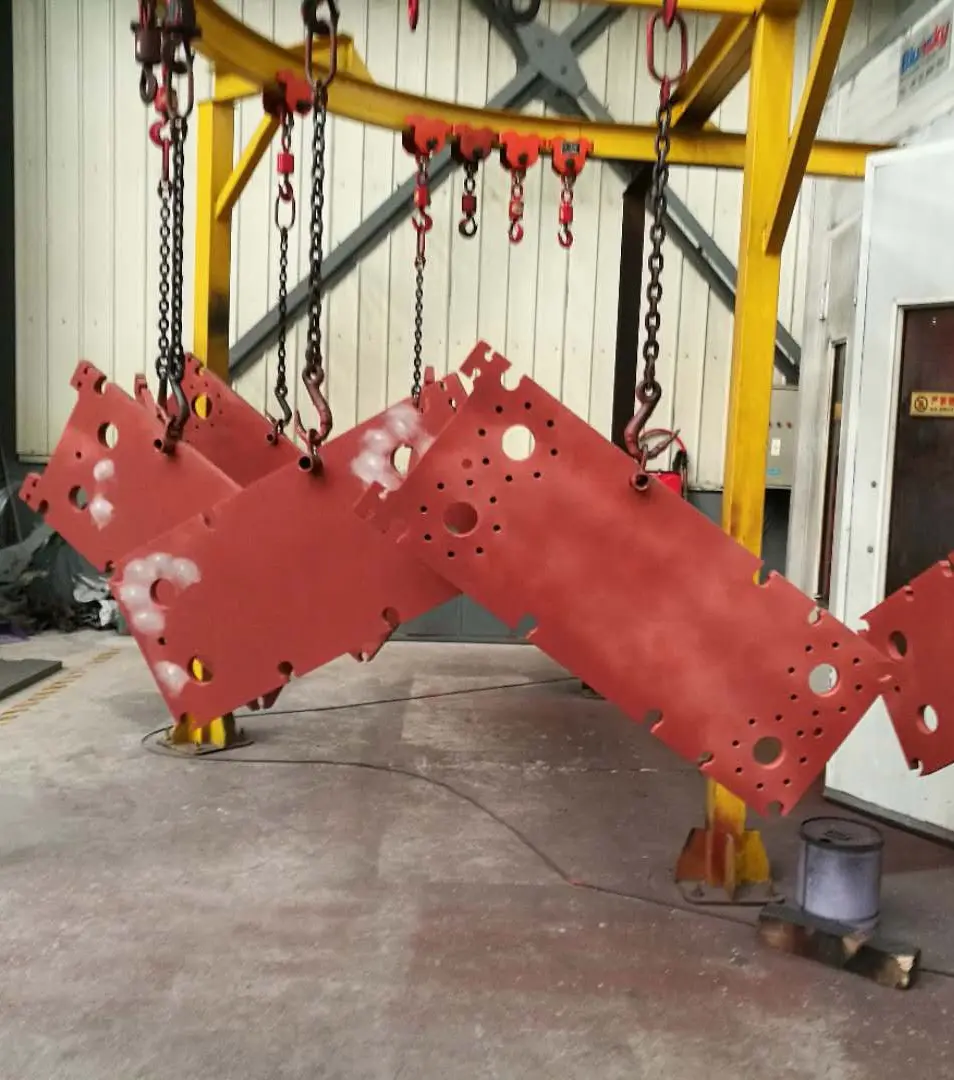
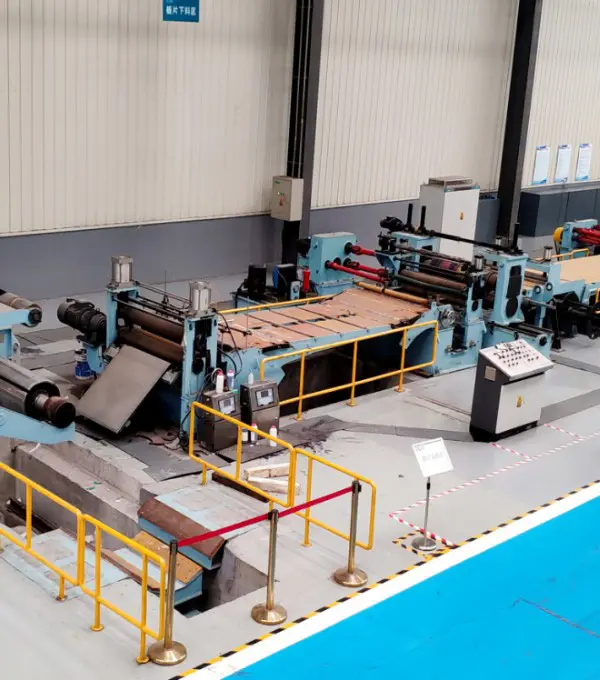
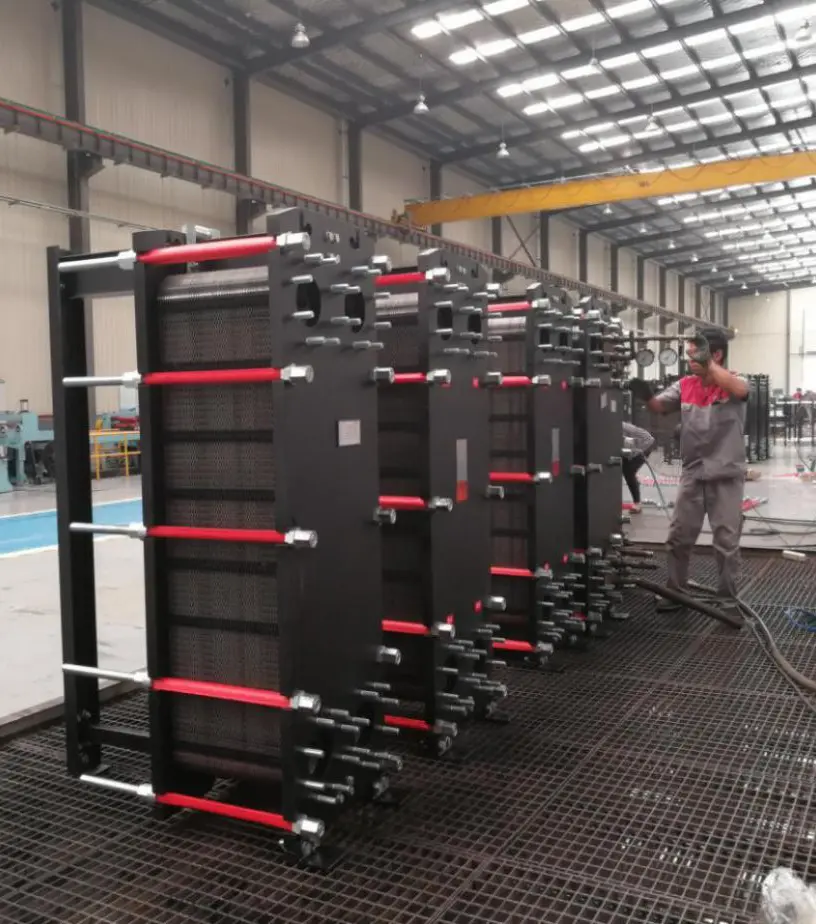
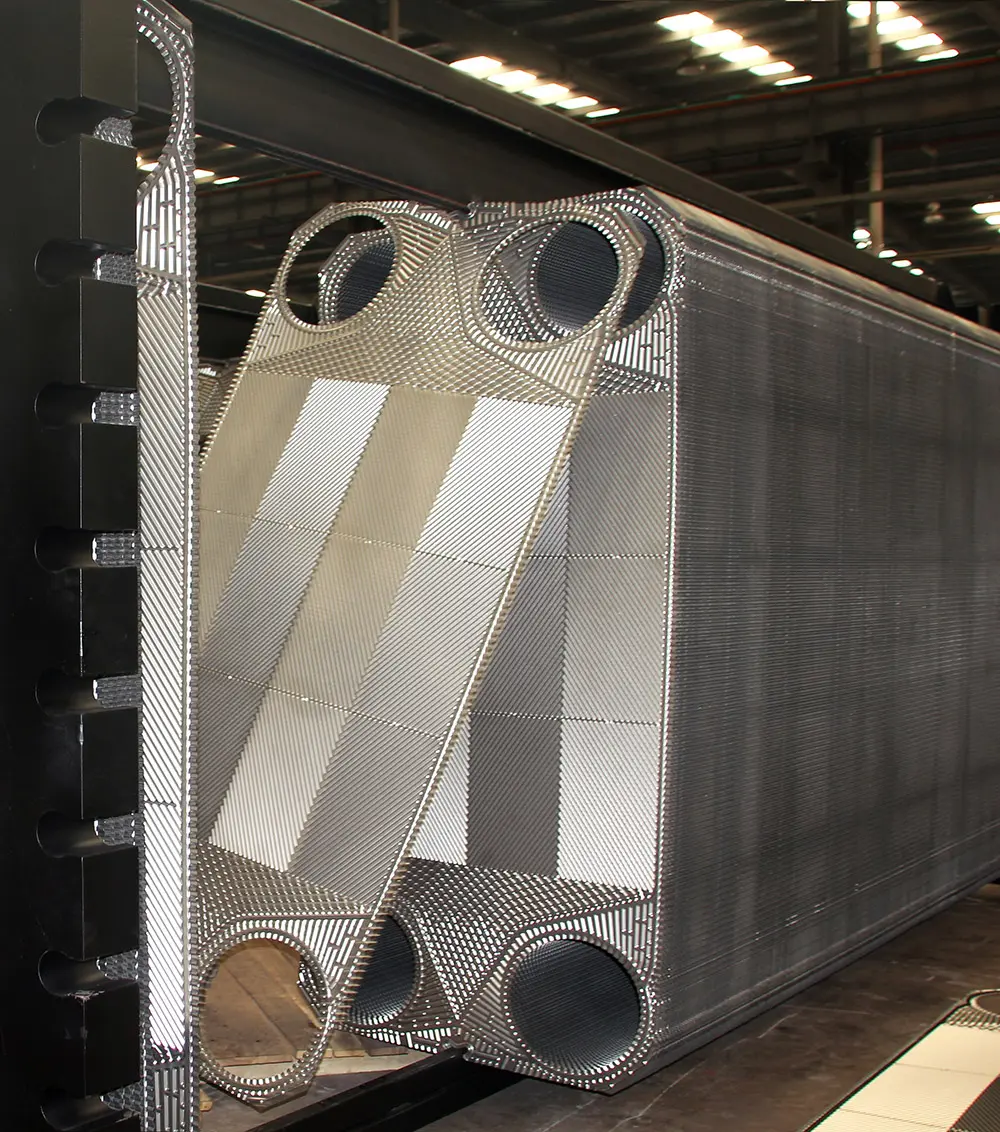
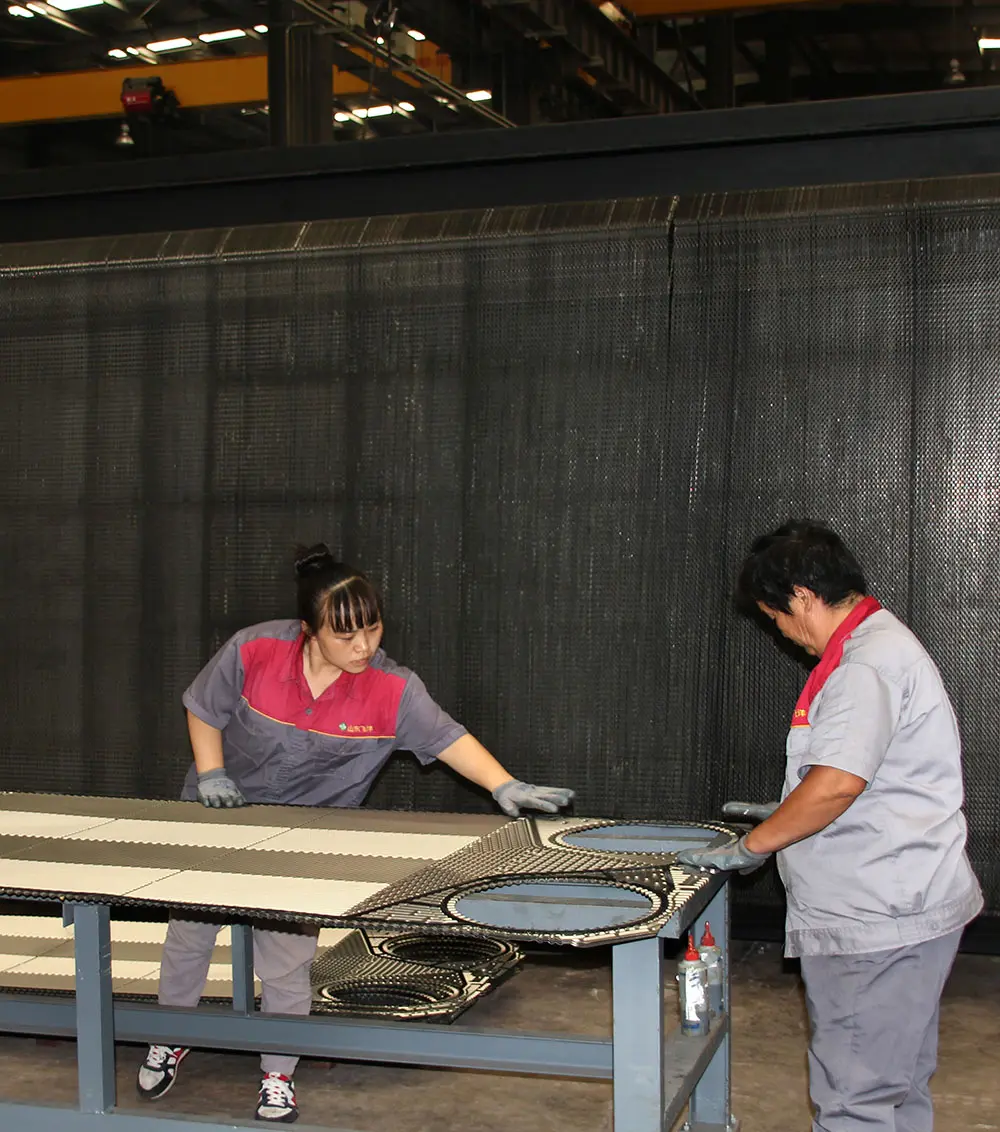
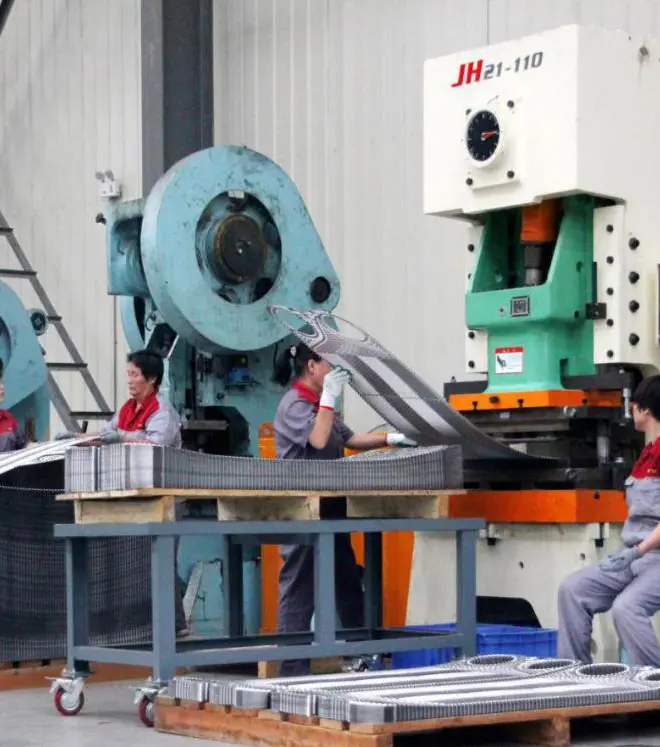
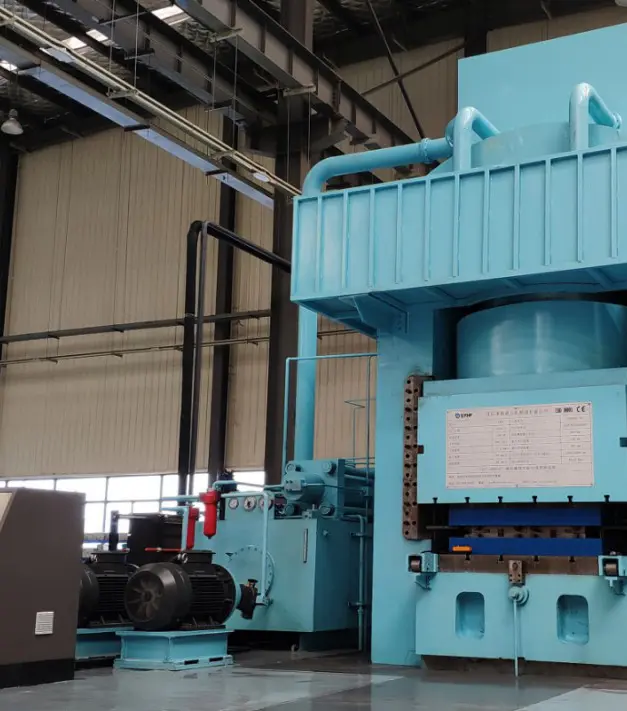
From municipal grids in cold climates to industrial cooling systems in chemical processing plants, Flotte units are built to perform.
Industrial buyers require suppliers who can provide complete technical transparency. A diagram serves as a contract of trust. When engineering offices design process loops for heating, cooling, or condensation, they require detailed CAD models and piping diagrams to perform layout collision detection and flow analysis.
Flotte accommodates this demand by offering tailored technical documentation. Every plate heat exchanger exported includes detailed structural calculations, flow profiles, pressure parameters, and material specifications. Whether your project demands corrosion-resistant titanium plates for marine seawater cooling, or 316L stainless steel for sanitary pharmaceutical processes, our diagrams detail every component layer clearly.
In municipal networks, our heat exchangers act as isolation barriers between high-pressure transmission networks and low-pressure municipal distribution loops. The design diagram ensures correct connection points to protect building heating loops from high-pressure surges.
To prevent high static pressure from straining lower-level cooling towers and heat exchangers, our pressure-regulating units isolate upper and lower circuits, ensuring optimal performance and safety across vertical zones.
Our detachable plate heat exchanger designs facilitate easy cleaning and validation checks, minimizing fluid cross-contamination risks and ensuring compliance with regulatory health and safety standards.
Our ISO-compliant production floors and pressure vessel qualifications guarantee stable performance.
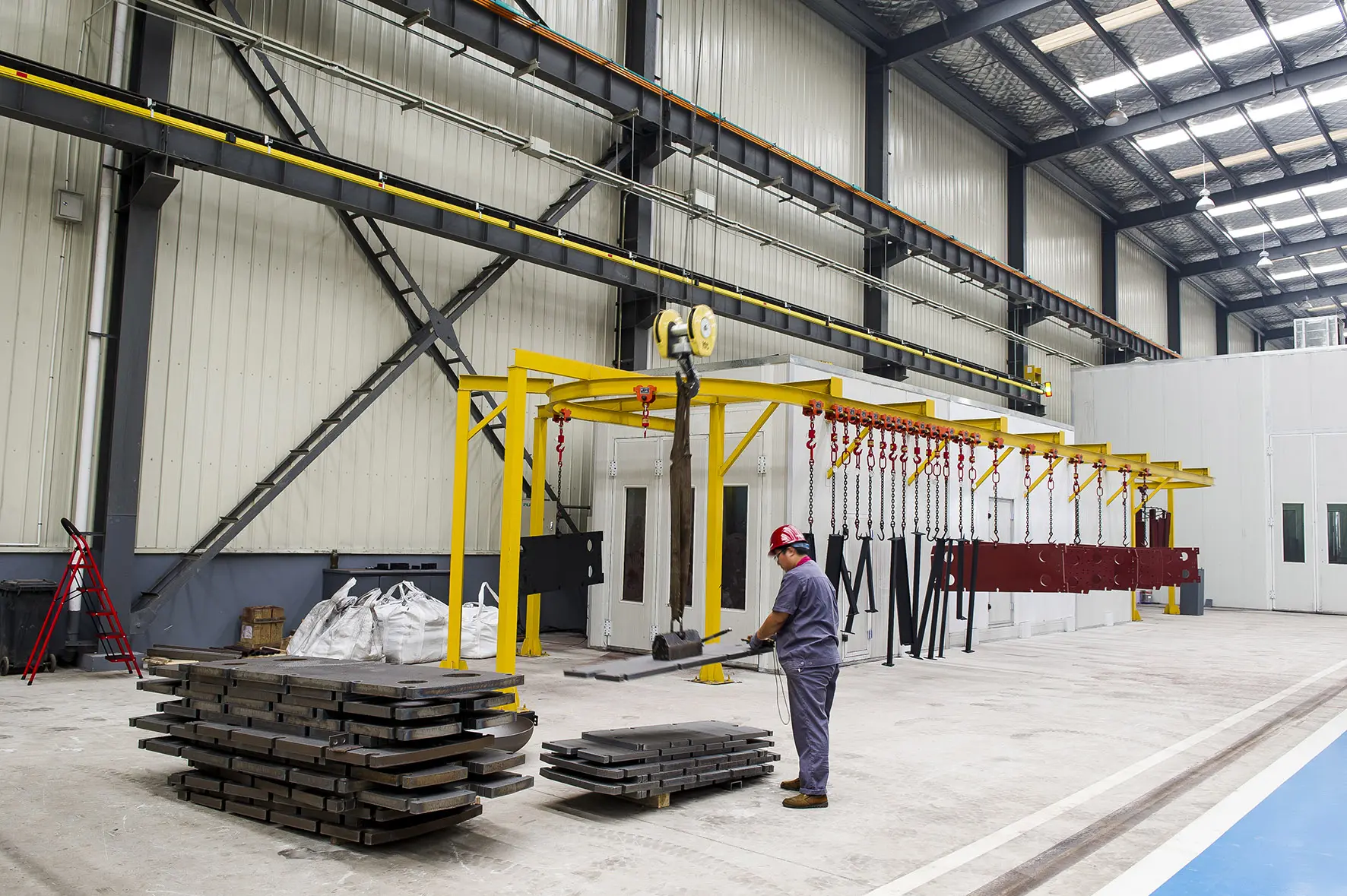
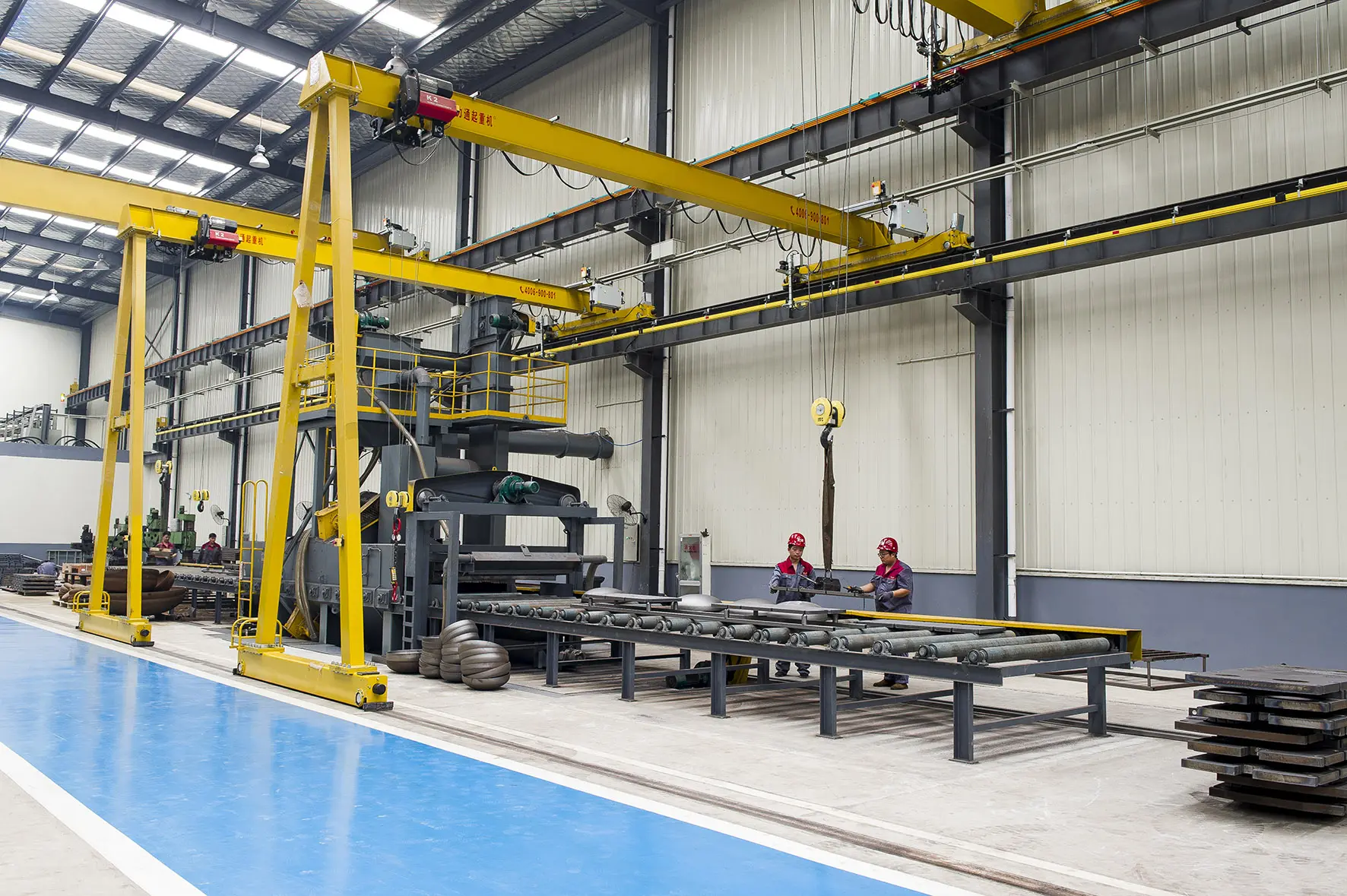


Answers to common engineering questions regarding plate heat exchanger schematics, thermal calculations, and procurement specifications.
Retaining all product routes and assets. Explore more industrial systems below:
 Flotte Energy