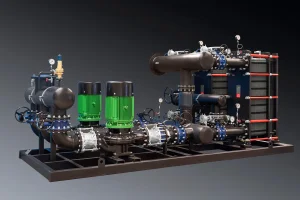
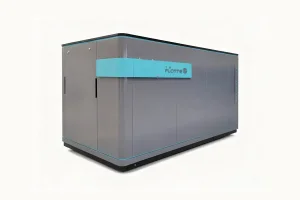
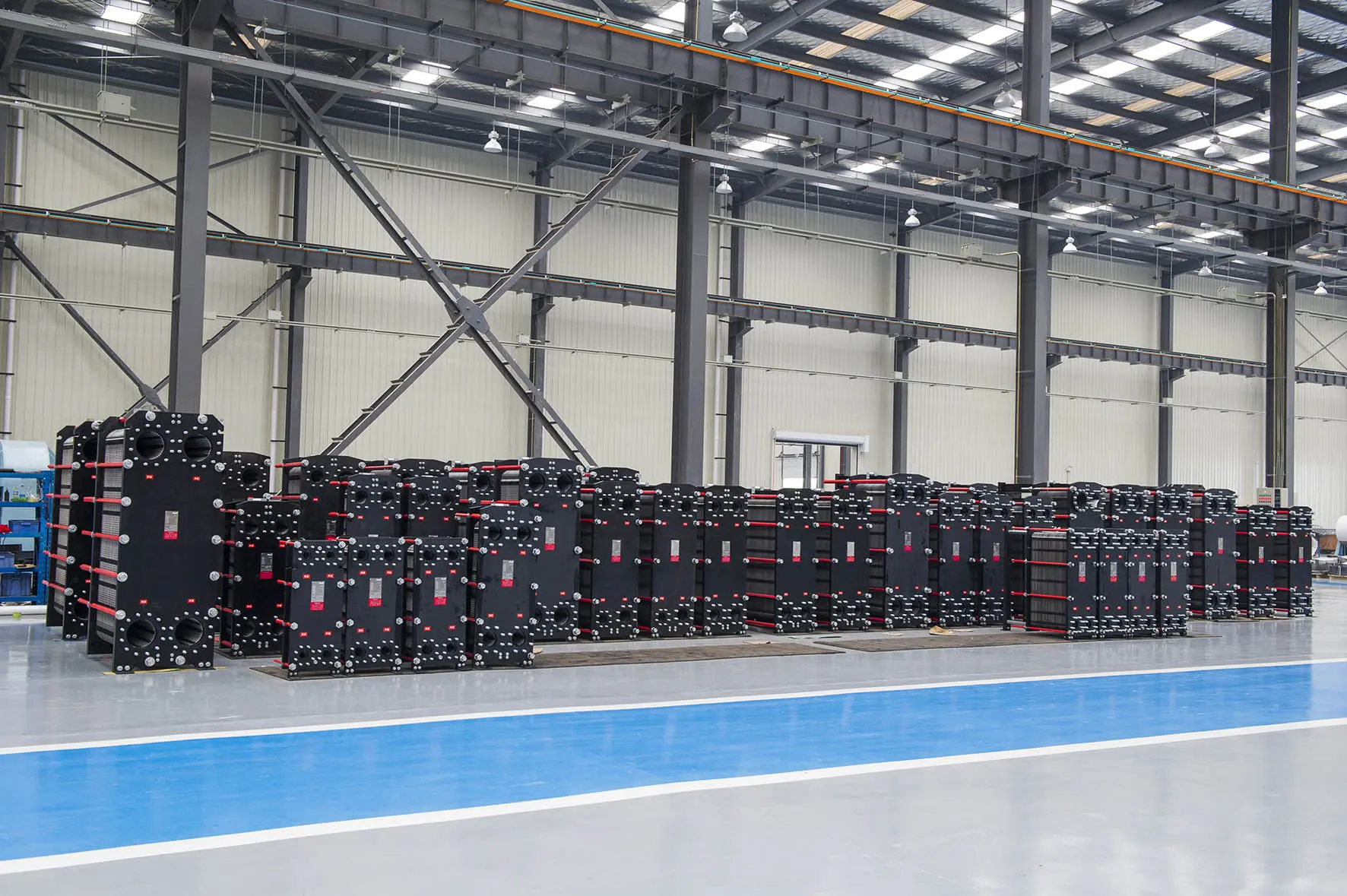
Wholesale Plate Heat Exchanger: The Definitive Industrial Guide, System Technologies, & OEM/ODM Global Supplier Architecture

Maximizing Thermal Efficiency with Advanced Custom Engineering, Rigorous Quality Certifications, and Global Supply Chains

Direct Factory Solutions & B2B Wholesale Inventory

Explore our state-of-the-art heat exchange systems and components engineered for heavy-duty industrial, HVAC, and power plant application.
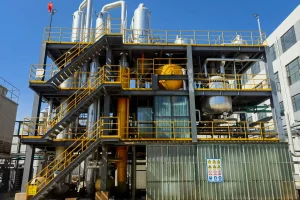
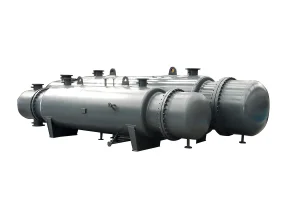
Wholesale Multi-Effect Evaporation System

Multi-Effect Evaporation System from China Suppliers - High-Efficiency Factory Solutions for Energy Savings

View Technical Specifications →
China High-Efficiency Shell and Tube Heat Exchanger

China High-Efficiency Shell and Tube Heat Exchanger - Factory Direct Solutions for Enhanced Performance

View Technical Specifications →
Wholesale High-Efficiency Shell and Tube Heat Exchanger

Wholesale High-Efficiency Shell and Tube Heat Exchanger - Premium Factory Solution for Energy Savings

View Technical Specifications →
China Efficient China Suppliers Factory Heat Exchanger Unit

Efficient China Suppliers Factory Heat Exchanger Unit with Modular Design for Compact and Fast Installation

View Technical Specifications →
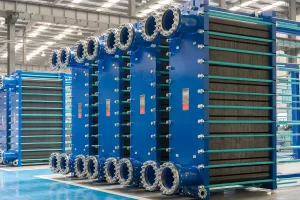
China China Suppliers Factory Plate Heat Exchanger

China Suppliers Factory Plate Heat Exchanger - High-Efficiency Detachable Design for Liquid and Vapor Applications

View Technical Specifications →
China Intelligent Unit Balance Valve

Intelligent Unit Balance Valve for Efficient Fluid Control - China Suppliers & Factory Solutions

View Technical Specifications →
Wholesale High-Efficiency Shell and Tube Heat Exchanger from China

Wholesale High-Efficiency Shell and Tube Heat Exchanger from China Suppliers and Factory - Energy-Saving Solution

View Technical Specifications →
China China Suppliers Factory Removable Plate Heat Exchanger

China Suppliers Factory Removable Plate Heat Exchanger for Pressure Regulating Stations in District Heating Systems

View Technical Specifications →
Industry Definition

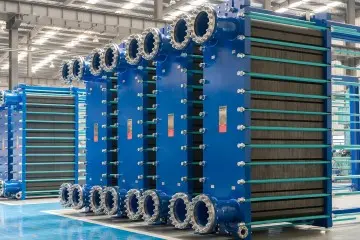
What is a Plate Heat Exchanger (PHE)?

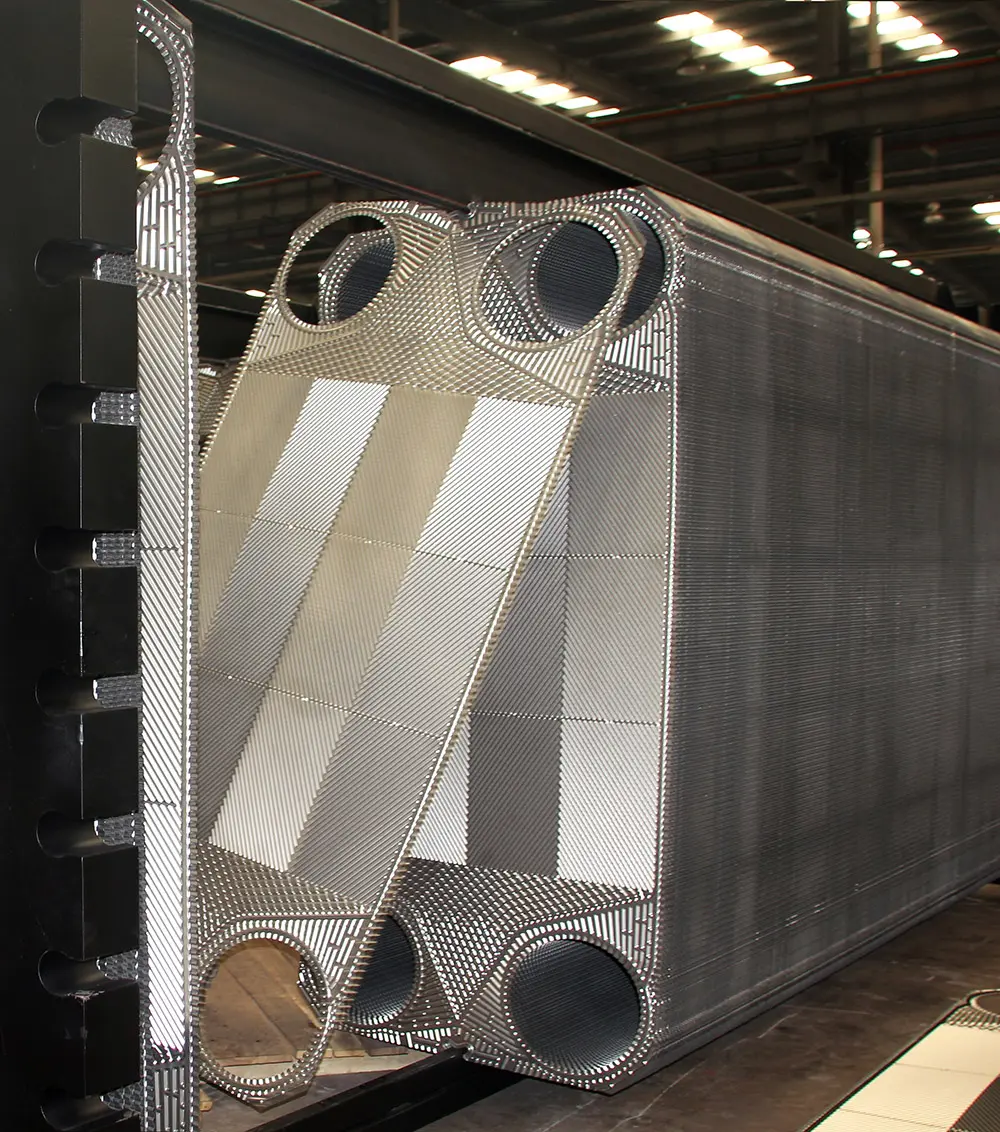
A Plate Heat Exchanger (PHE) is a specialized, high-performance thermal transfer system engineered to transfer heat between two fluids (liquid-liquid, liquid-vapor, or vapor-vapor) through a series of thin, corrugated metal plates. Unlike traditional shell-and-tube heat exchangers, a PHE spreads the working media over a vastly larger surface area. This corrugation profile not only structuralizes the channels but also forces the fluids into highly turbulent flow regimes at low flow rates, maximizing heat transfer coefficients and minimizing pressure drop.

From a thermodynamic standpoint, the corrugated plates prevent laminar boundary layer formation, achieving a heat transfer efficiency that is 2 to 3 times greater than traditional tubular heat exchangers. By packing multiple chambers within a compact spatial envelope, PHEs represent the peak of modern thermal engineering, making them the preferred choice for industrial heat transfer, building HVAC networks, pharmaceutical processing, chemical refining, and zero-emission municipal district heating solutions.

Flotte Thermal Engineering Workpiece

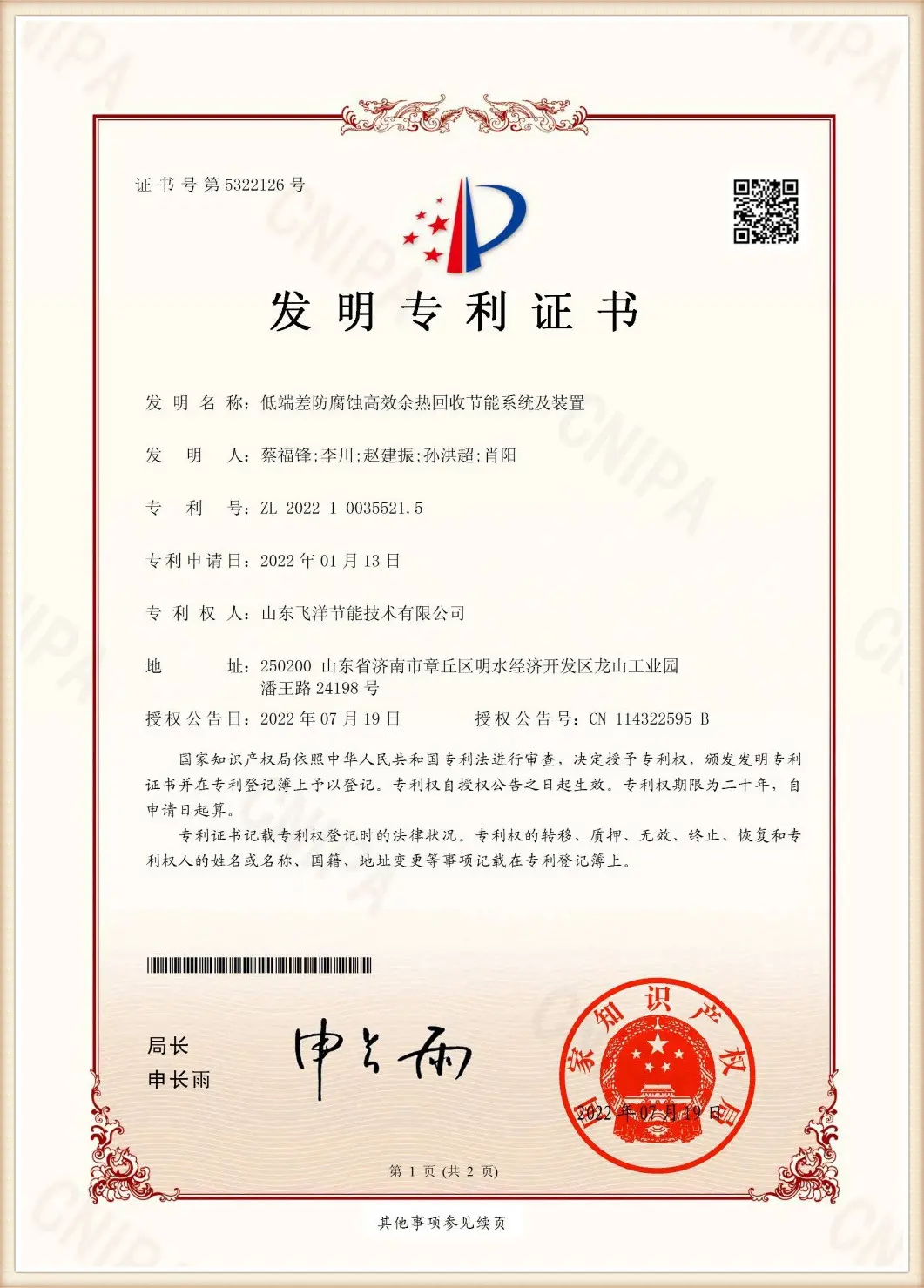
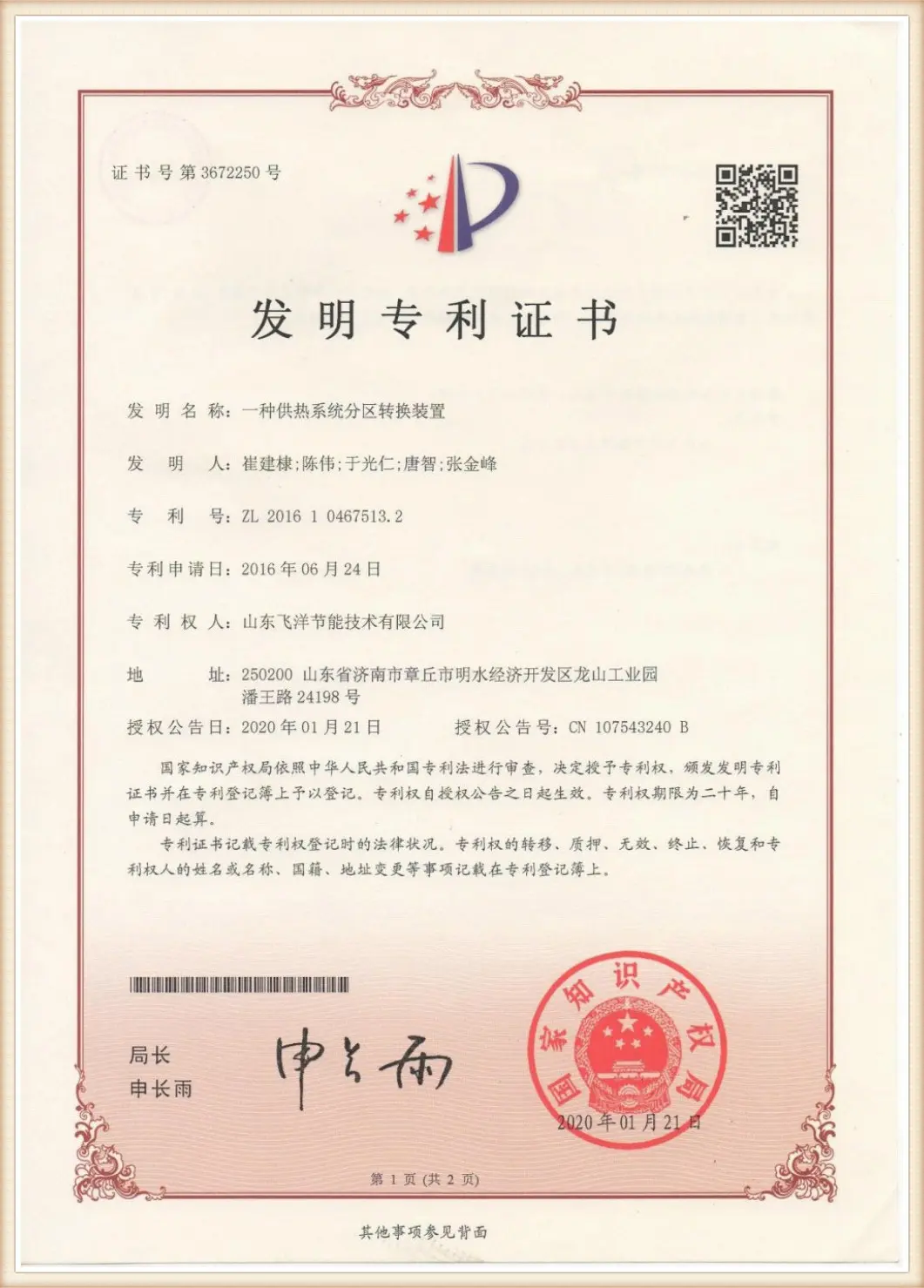
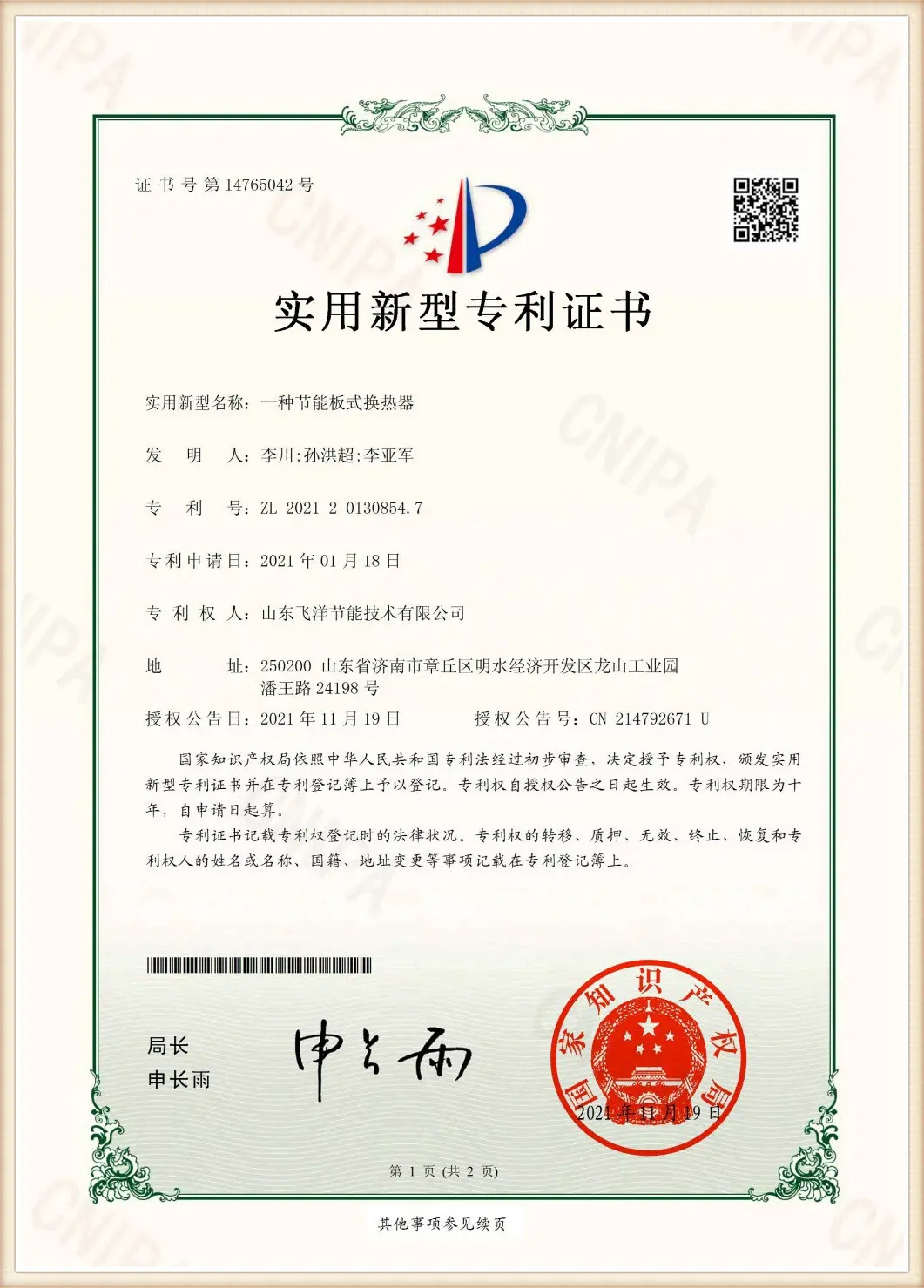
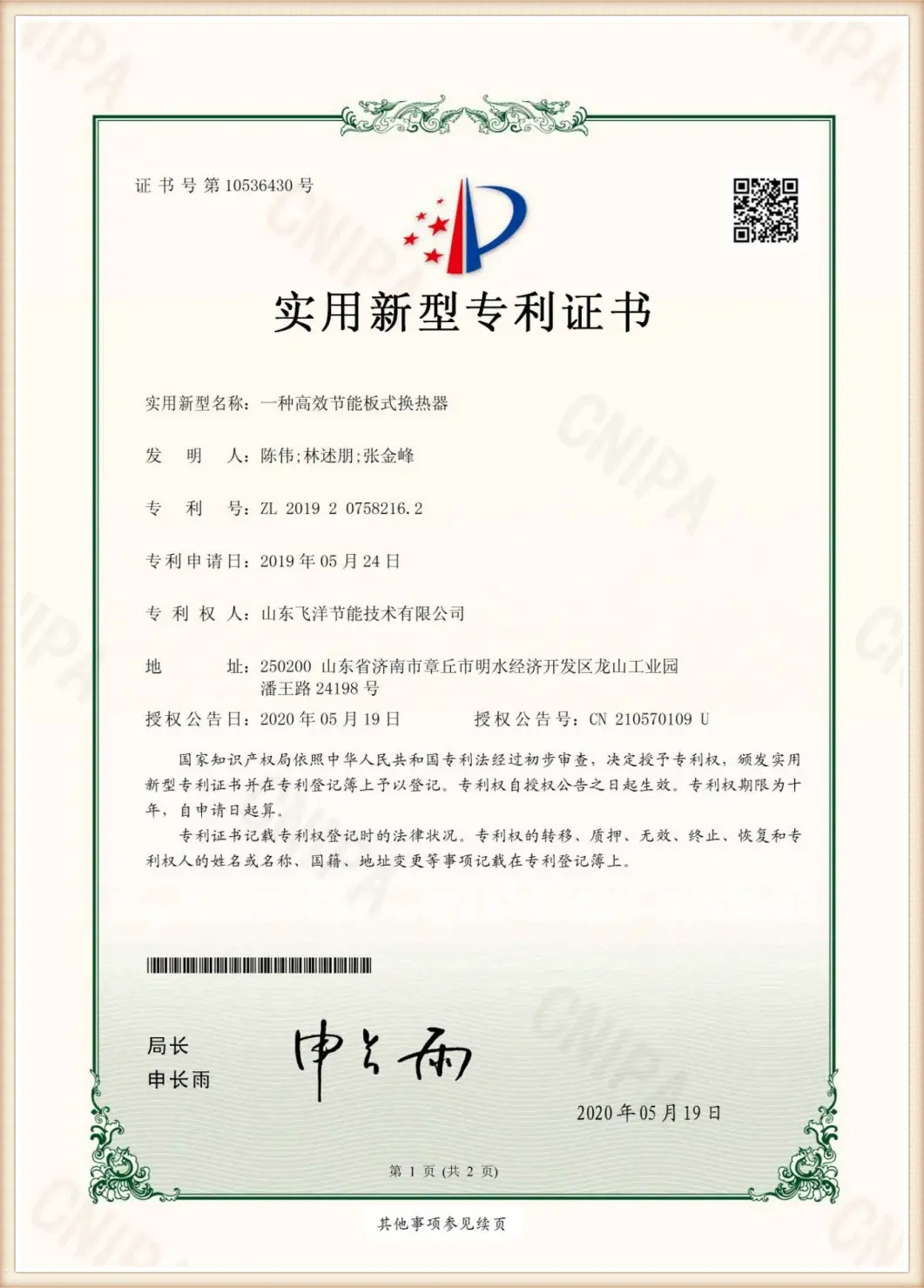
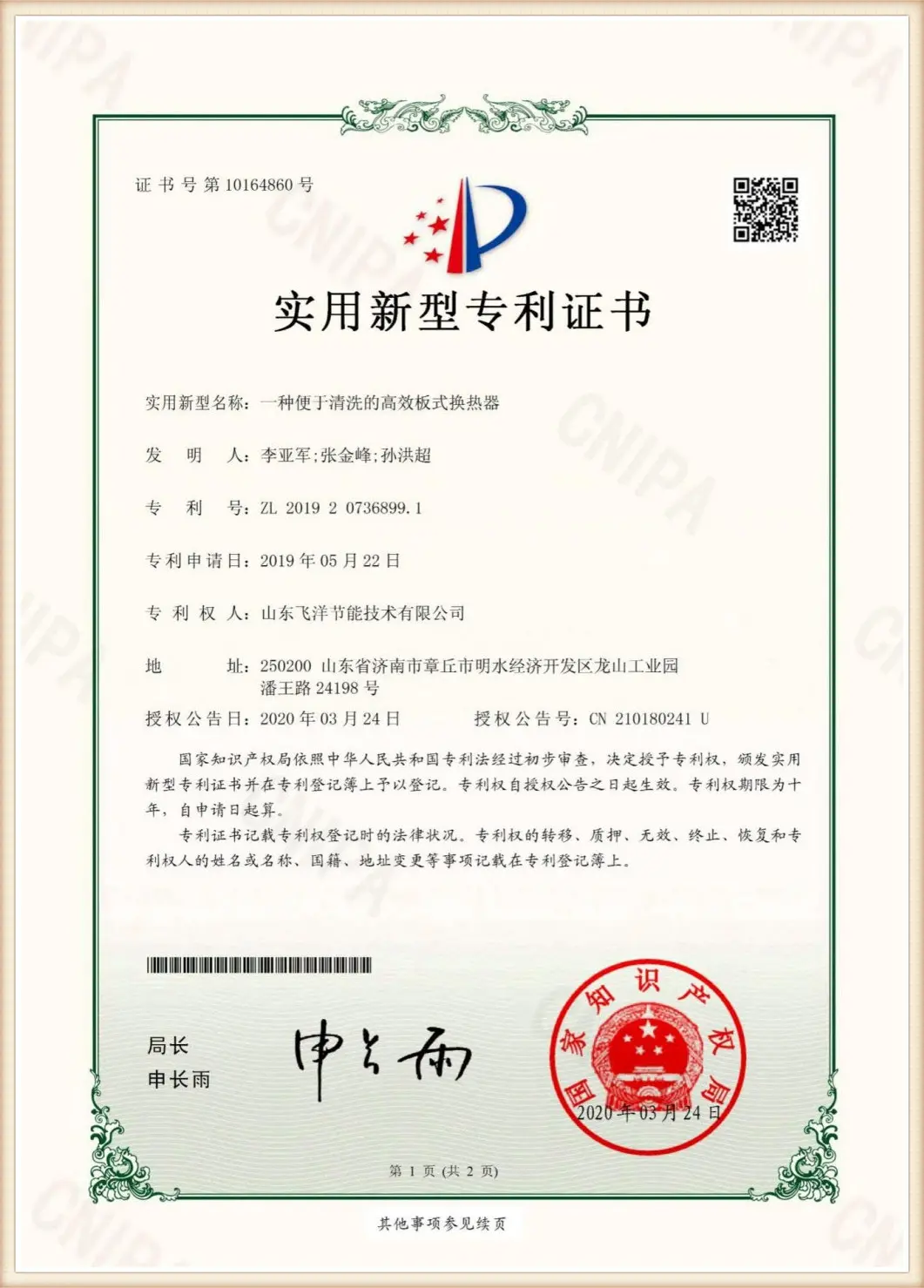
Patent and Certification Strengths

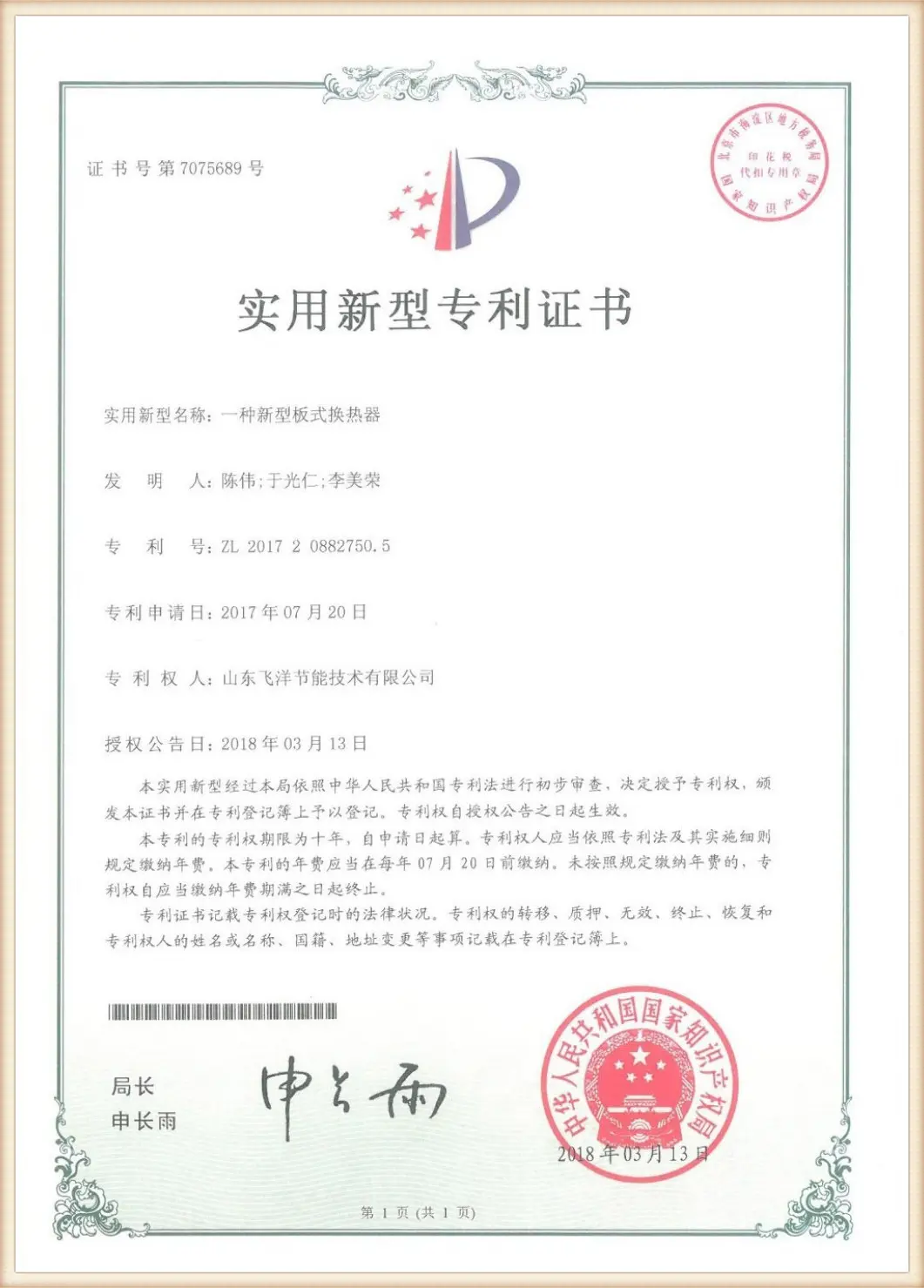
Flotte's patented core intellectual properties include "High-Efficiency Plate Heat Exchangers", "Intelligent Plate Heat Exchanger Systems", and specialized "Plate Heat Exchanger Scale Removal Devices". These innovations ensure prolonged operations in scaling-prone industrial processes.

Technological Evolution & Global Market Trends

How thermodynamic modeling, materials science, and ESG mandates are transforming the global wholesale PHE manufacturing industry.

1. Low-Carbon and Decarbonization

Global environmental frameworks demand unprecedented energy recovery. In district heating networks and heavy processing plants, waste heat recovery using high-NTU (Number of Transfer Units) plate heat exchangers is now a baseline standard to offset carbon taxation and fuel consumption.

2. Advanced Materials Metallurgy

Standard SS304 plate materials are rapidly giving way to high-alloy alternatives such as AISI 316L, Titanium (Grades 1 & 2) for marine seawater cooling, Hastelloy C-276 for highly corrosive acids, and Nickel plates for extreme process conditions, avoiding premature stress corrosion cracking.

3. Digital Twins & IoT Control

Integrating digital twins and IoT sensors with secondary networks allows operators to track heat exchanger degradation. Real-time pressure drop metrics and temperature indicators feed predictive models to schedule scale-removal and backwash procedures.

Flotte Energy Saving: Three Decades of Manufacturing Authority

Established in 2013 with a registered capital of 101 million yuan, tracing our engineering ancestry to Flotte Thermal Engineering founded in 1995.

With over 30 years of deep technical expertise, Flotte stands as a preeminent leader in water systems, HVAC equipment, and advanced water treatment solutions. By continuously researching thermodynamic structures, we maintain a complete manufacturing ecosystem including professional designers and skilled technical staff. Our customized engineering ensures that the products designed are precise, reliable, and capable of operating under highly variable environmental conditions.

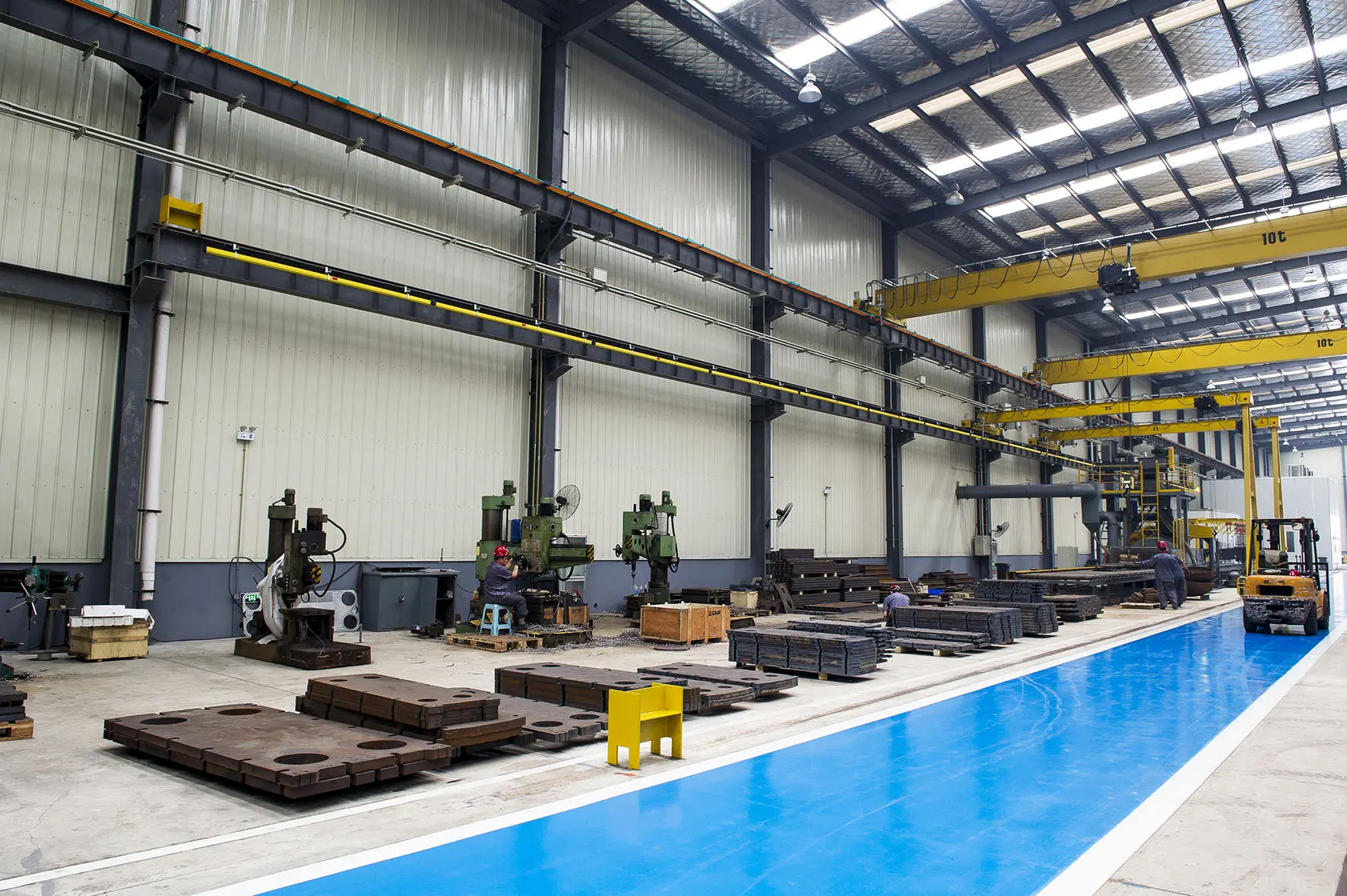
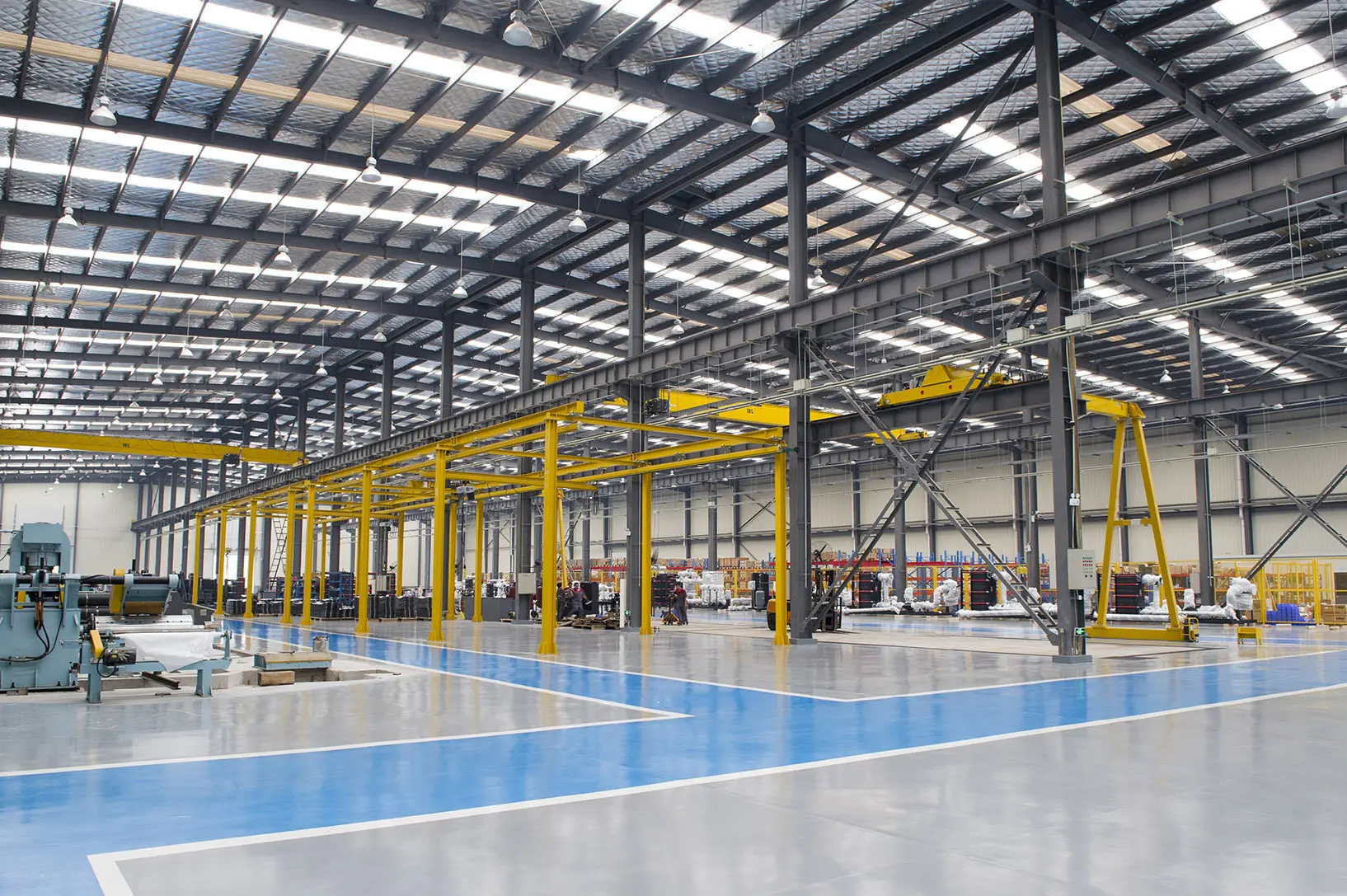
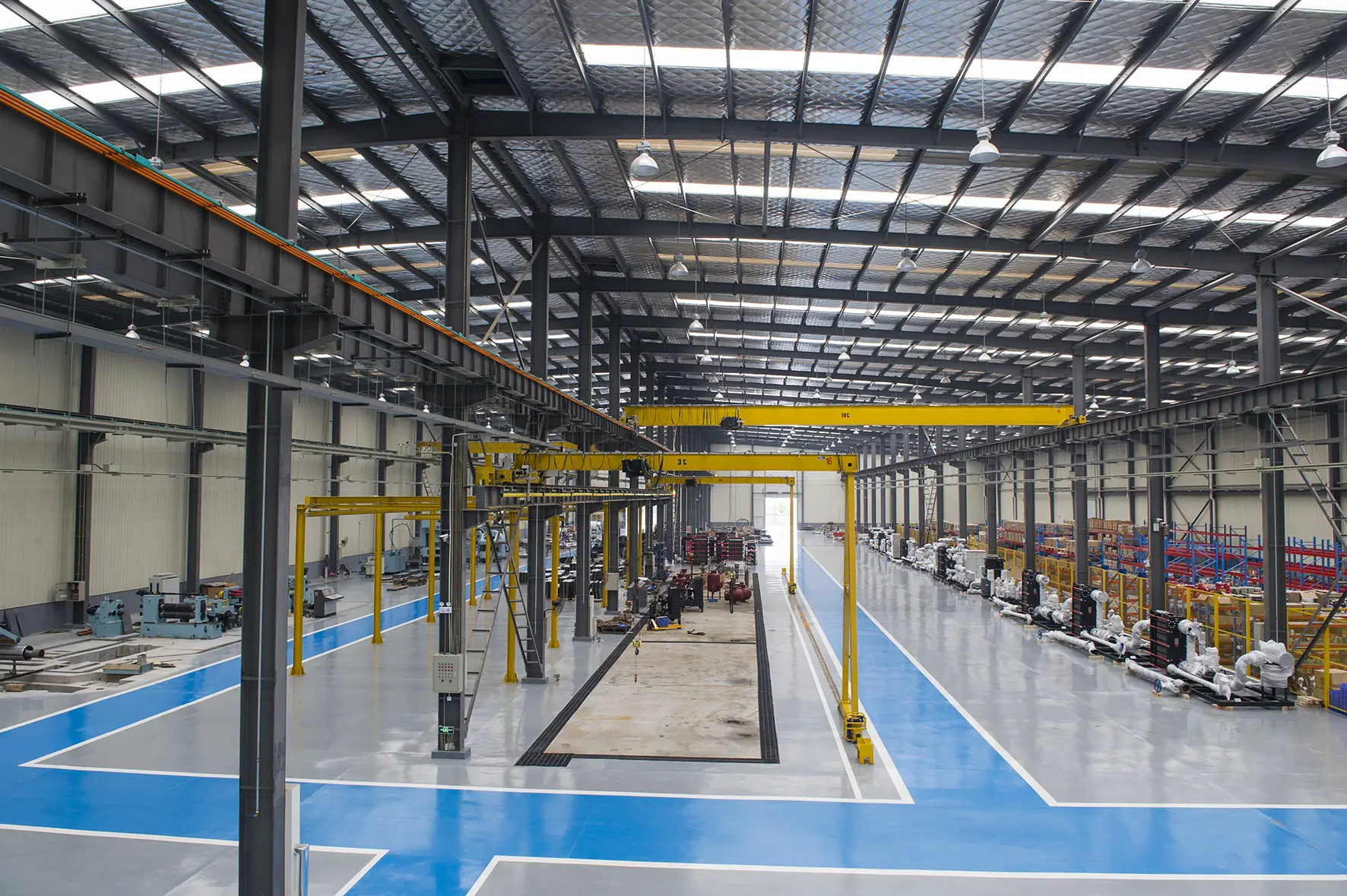
We have modern production facilities that combine advanced manufacturing with systematic quality control frameworks. Annually, our facilities manufacture over 4,500 integrated heat exchange units and high-pressure water supply systems. Spanning a physical land area of 70,000 square meters with over 300 experienced professionals, our company achieves annual sales revenues of 500 million yuan, reinforcing our financial capacity to support massive infrastructure projects.

30+
Years Industry Experience
260+
Company Employees
2,000+
Annual Unit Yield
70,000㎡
Land Area Coverage

Modern Manufacturing Process & Quality Control Pipeline

A granular overview of how Flotte designs, tests, and certifies every plate heat exchanger within our pressure vessel framework.
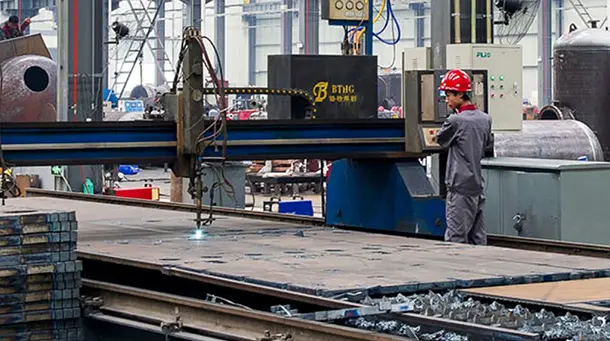
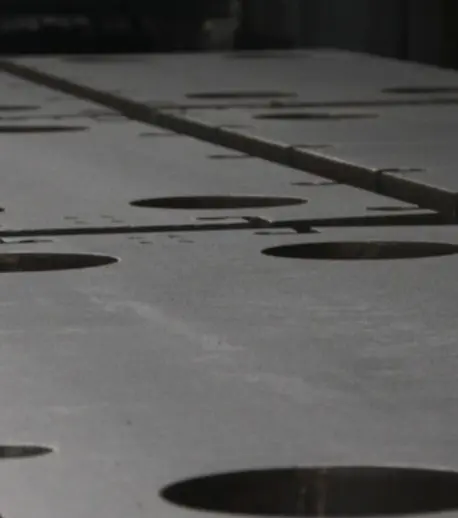
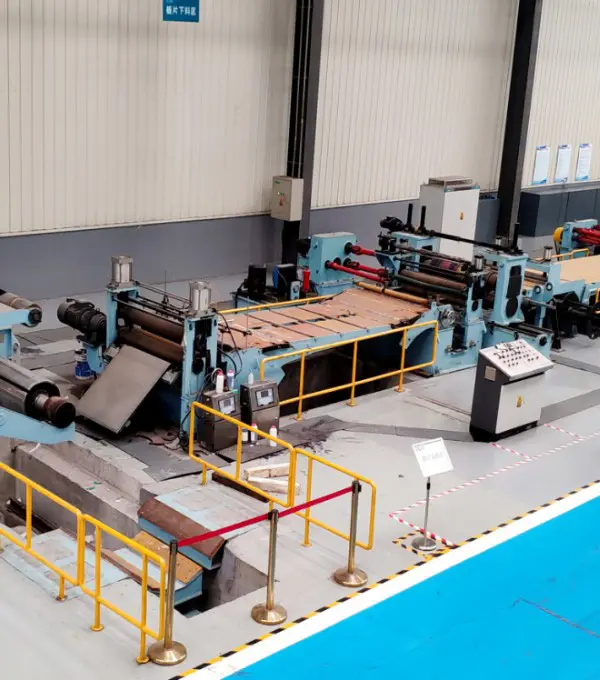
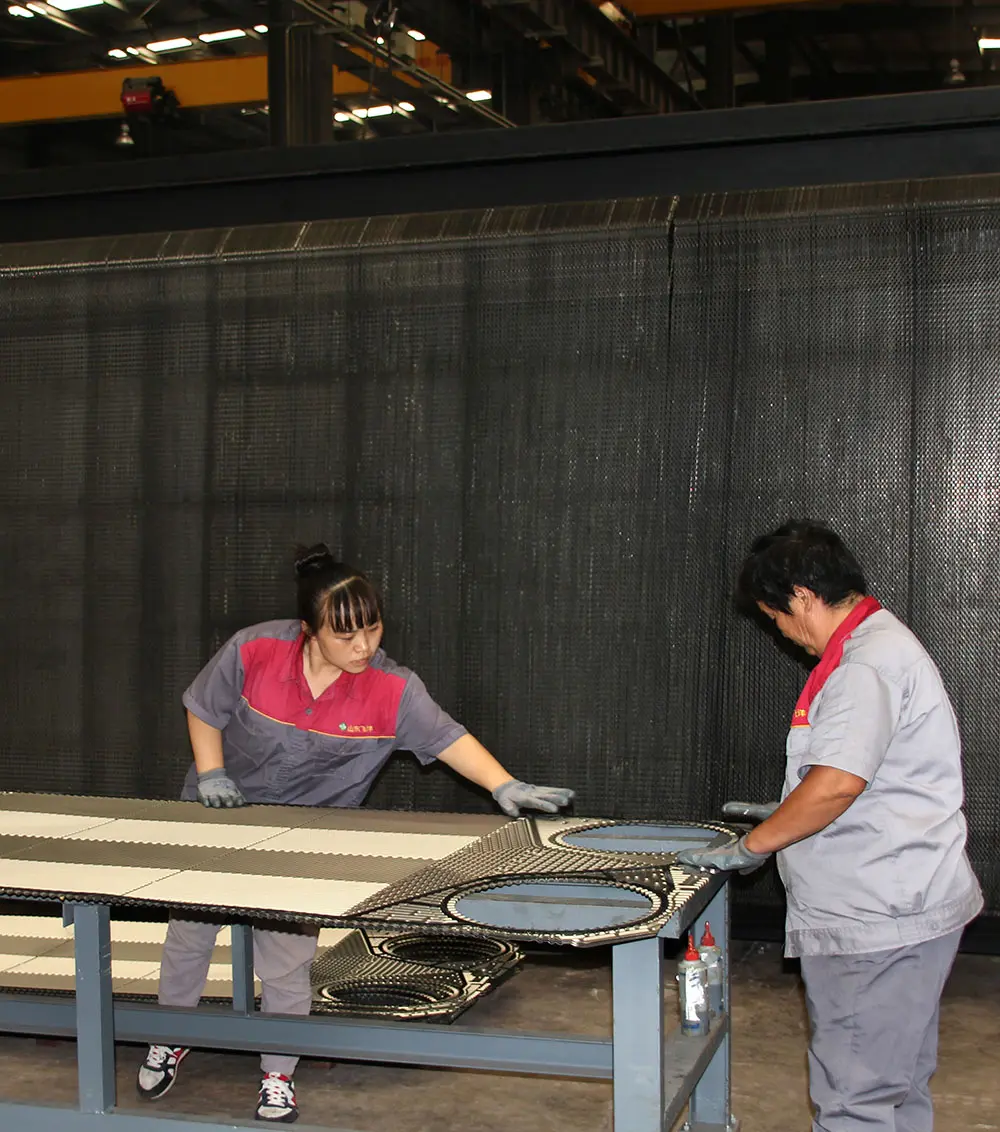
Splint cutting

1. Splint Cutting

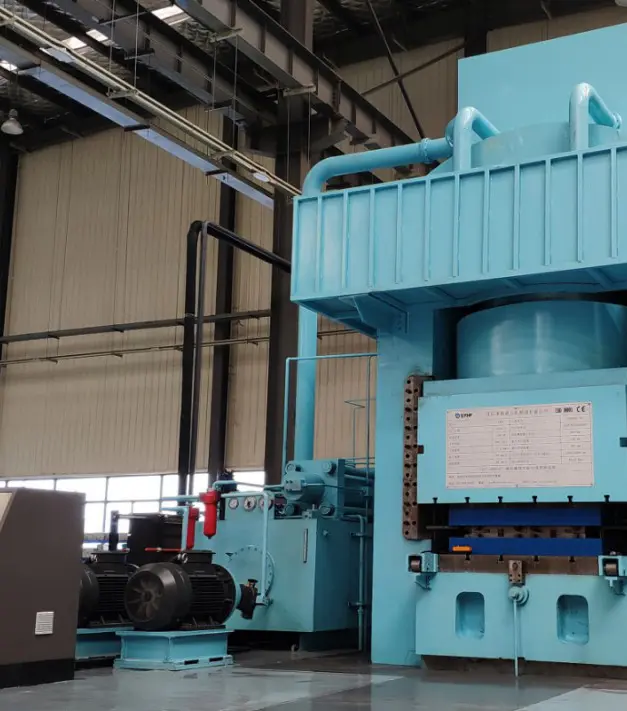
Micro-forging

2. Micro-Forging

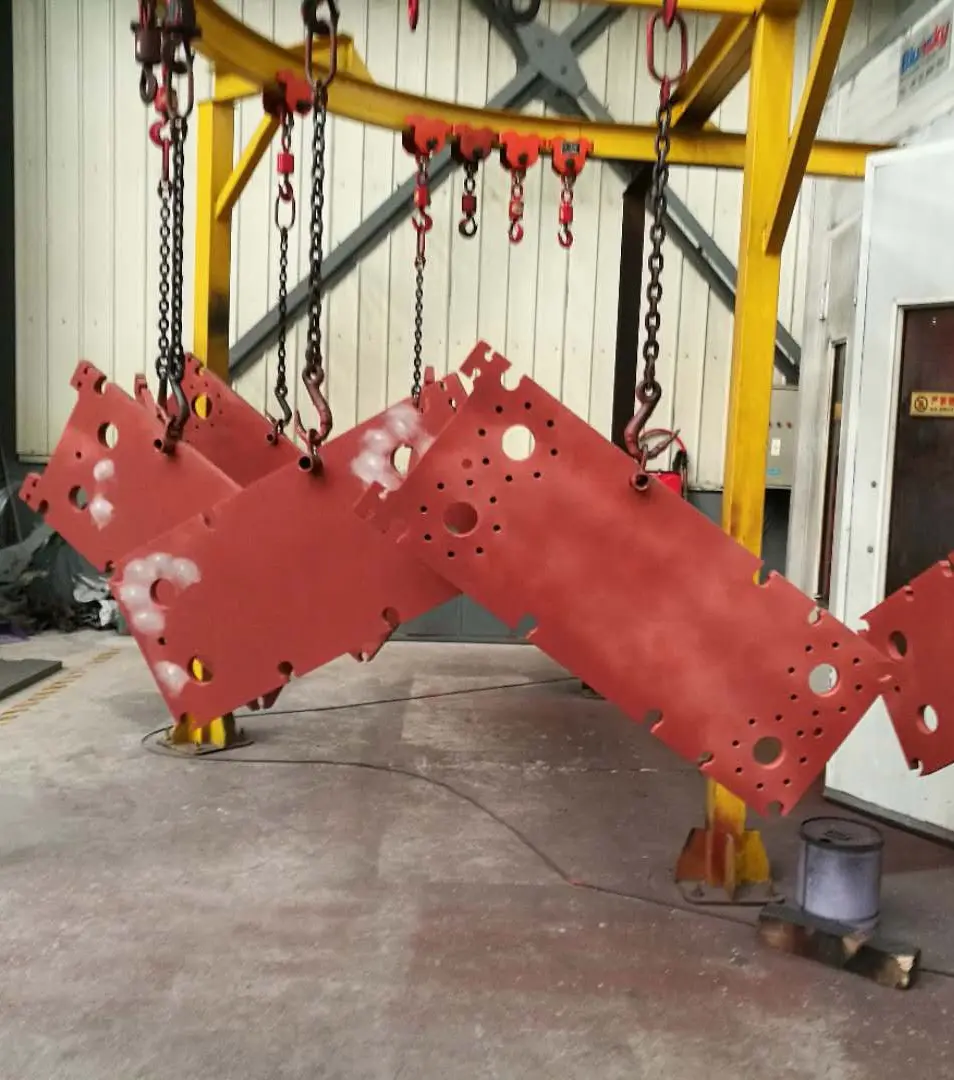
Spray painting

3. Spray Painting

Sheet cutting and coding

4. Sheet Cutting & Coding

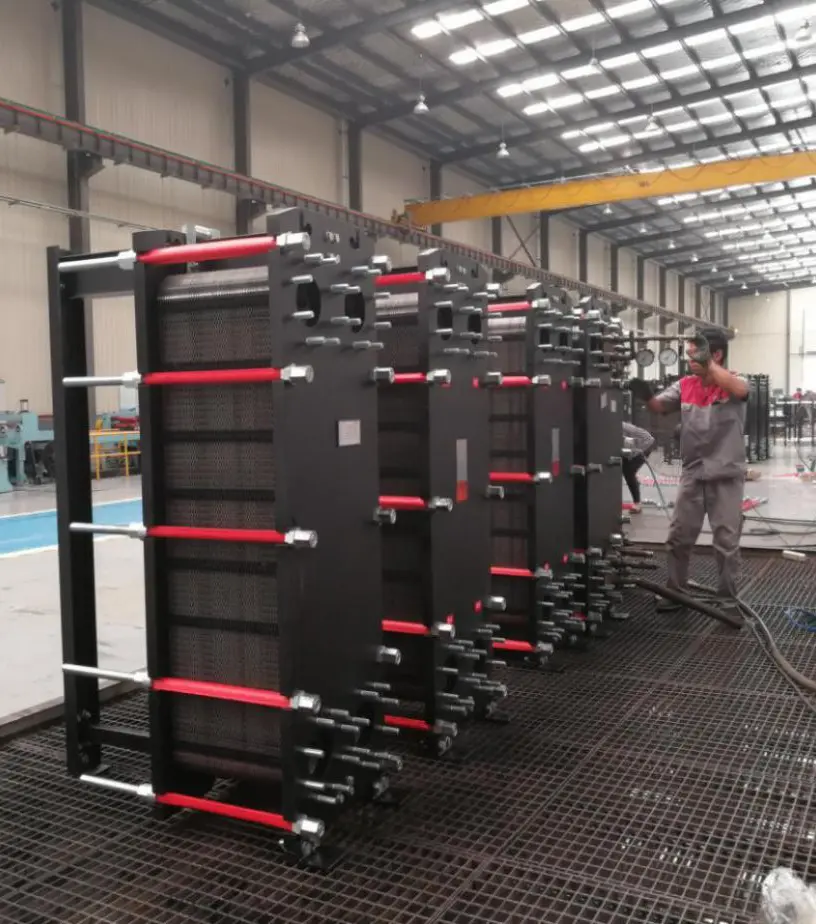
Water pressure detection

5. Water Pressure Detection

Equipment assembly

6. Equipment Assembly

Rubber-coated pad

7. Rubber-Coated Pad

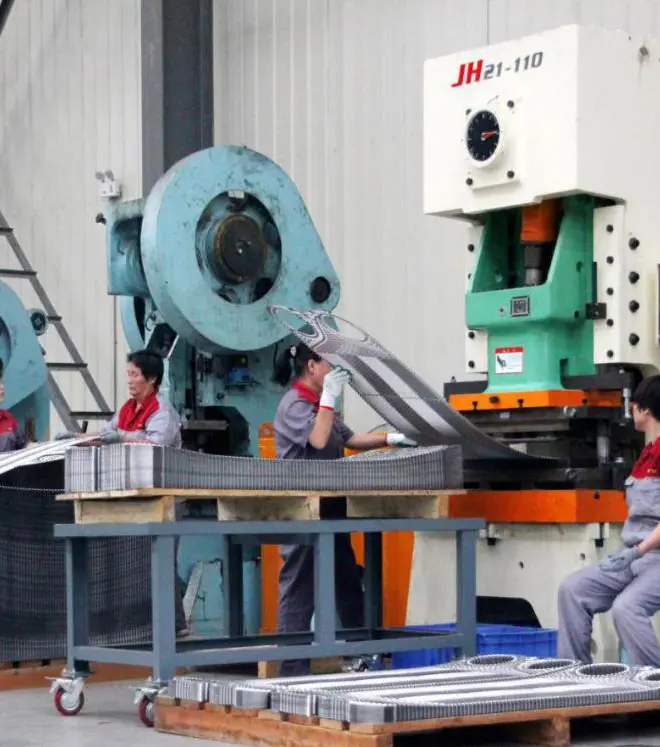
Plate punching

8. Plate Punching

Sheet stamping forming

9. Sheet Stamping Forming

Global Procurement Strategies for Plate Heat Exchangers

Critical considerations for EPC contractors, plant engineers, and B2B buyers during supplier evaluation.

Key Sourcing Parameters & Risk Mitigation

When procuring wholesale plate heat exchangers, industrial buyers must evaluate structural parameters beyond the list price. These include sheet thickness (ranging from 0.5mm to 0.8mm depending on design pressures), pressure ratings (commonly PN10, PN16, or PN25), and gasket sealing chemistry. The gasket material choice must align with the fluid profile: NBR is suitable for water and oil-based systems under 110°C, EPDM handles steam and water up to 150°C, and Viton/FKM withstands aggressive chemicals and temperatures up to 180°C.

Working directly with established manufacturers ensures access to customization, technical support, and structural warranties that traders cannot provide. Additionally, direct factory sourcing streamlines spare parts management (such as replacement plates and gaskets), which is crucial for reducing plant downtime during cleaning cycles.

Understanding Total Cost of Ownership (TCO)

Initial capital expenditure (CAPEX) typically accounts for less than 20% of a heat exchanger's total life-cycle cost. The remaining 80% is driven by operational expenses (OPEX), including energy consumption due to pressure drops and maintenance labor for fouling removal.

Choosing a supplier that utilizes advanced thermodynamic simulation tools ensures the plate geometry is optimized to maximize turbulence while remaining within allowable pressure drop limits. Over-designing a system can lead to oversized pumps and higher power consumption, whereas under-designing can result in insufficient heat transfer and premature scaling.

Pro Tip: Always request thermal calculations generated by standard engineering software (such as HTRI or proprietary thermodynamic modeling platforms) to verify performance before finalizing procurement contracts.

Industrial Applications & Macro Engineering Solutions

Flotte's thermal systems are deployed globally, providing reliable heat transfer across diverse operating conditions.

Municipal District Heating

In centralized heating networks, plate heat exchangers decouple primary high-pressure municipal grids from secondary residential piping. This isolates high pressures and protects end-user infrastructure, while ensuring uniform temperature distribution during peak winter demands.

Chemical & Process Industries

From organic chemical processing to pharmaceutical cooling, our PHEs manage corrosive process fluids. The use of premium titanium and nickel alloys, combined with precise temperature control, prevents side-reactions and maintains product quality.

HVAC & High-Rise Buildings

High-rise commercial towers require robust thermal isolation between chiller plants and high-elevation loops. Our heavy-duty units manage the high hydrostatic pressures generated in vertical loops, optimizing energy performance.
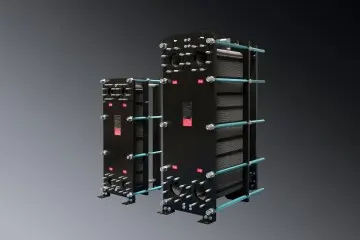
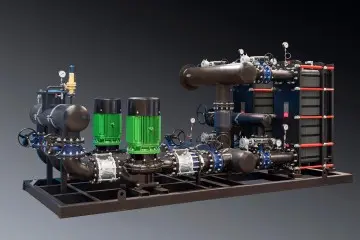
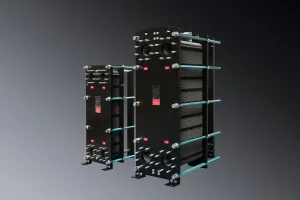
Plate Heat Exchanger - Detachable Plate Heat Exchanger

Detachable Plate Heat Exchanger

Intelligent Heat Exchange Unit - Integrated Heating Solution

Intelligent Heat Exchange Unit

Pressure regulating station with detachable plate heat exchanger

Pressure Regulating Station Unit

Building Heat Exchanger Unit - Heat Exchanger Unit for Building HVAC Systems

Building HVAC Exchanger Unit

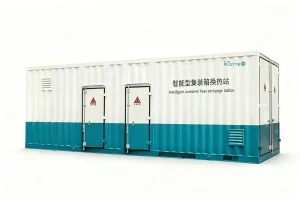
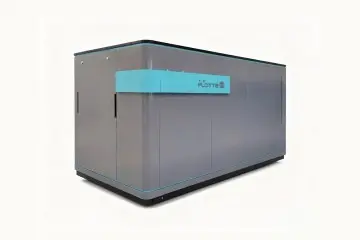
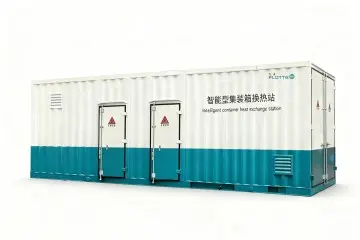
Intelligent Integrated Box-Type Heat Exchanger Unit

Box-Type Integrated Unit

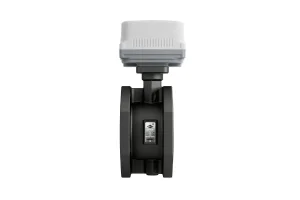
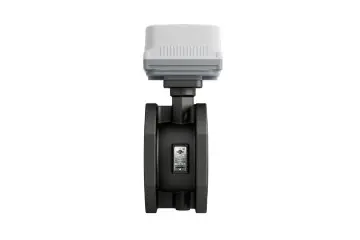
Secondary Network Intelligent Unit Balance Valve

Secondary Network Balance Valve

Room Temperature Collector

Room Temperature Collector

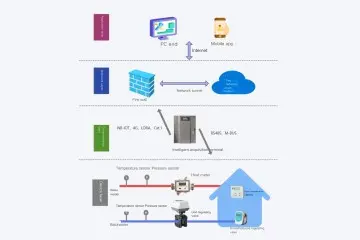
Intelligent Regulation And Balance System For Secondary Networks

Intelligent Regulation System

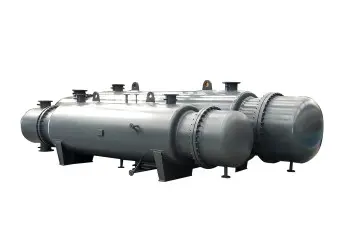
Shell And Tube Heat Exchanger - A Heat Exchanger Of The Shell And Tube Type

Shell And Tube Heat Exchanger

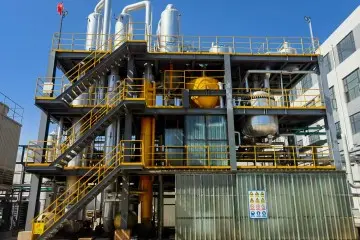
Multi-Effect Evaporation System

Multi-Effect Evaporation System

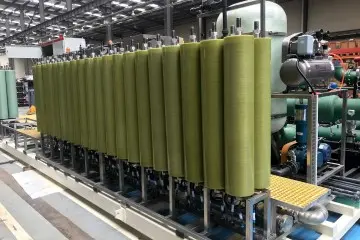
Membrane Concentration System

Membrane Concentration System

International Compliance, Standards & Certifications

Operating strictly under international pressure vessel directives to guarantee site safety and reliability.

Industrial thermal systems operate under extreme pressure and temperature differentials. Even minor seal failures or weld defects can result in hazardous fluid leaks, costly process contamination, and unplanned downtime. To prevent these failures, Flotte adheres to a rigorous quality control framework.

All materials undergo chemical composition validation and ultrasonic thickness testing. Completed units are subjected to hydrostatic pressure testing at 1.3 to 1.5 times their design pressure limits. We maintain certifications for ISO9001 (Quality Management), ISO14001 (Environmental Management), and ISO45001 (Occupational Health and Safety), ensuring compliance with global regulatory standards.
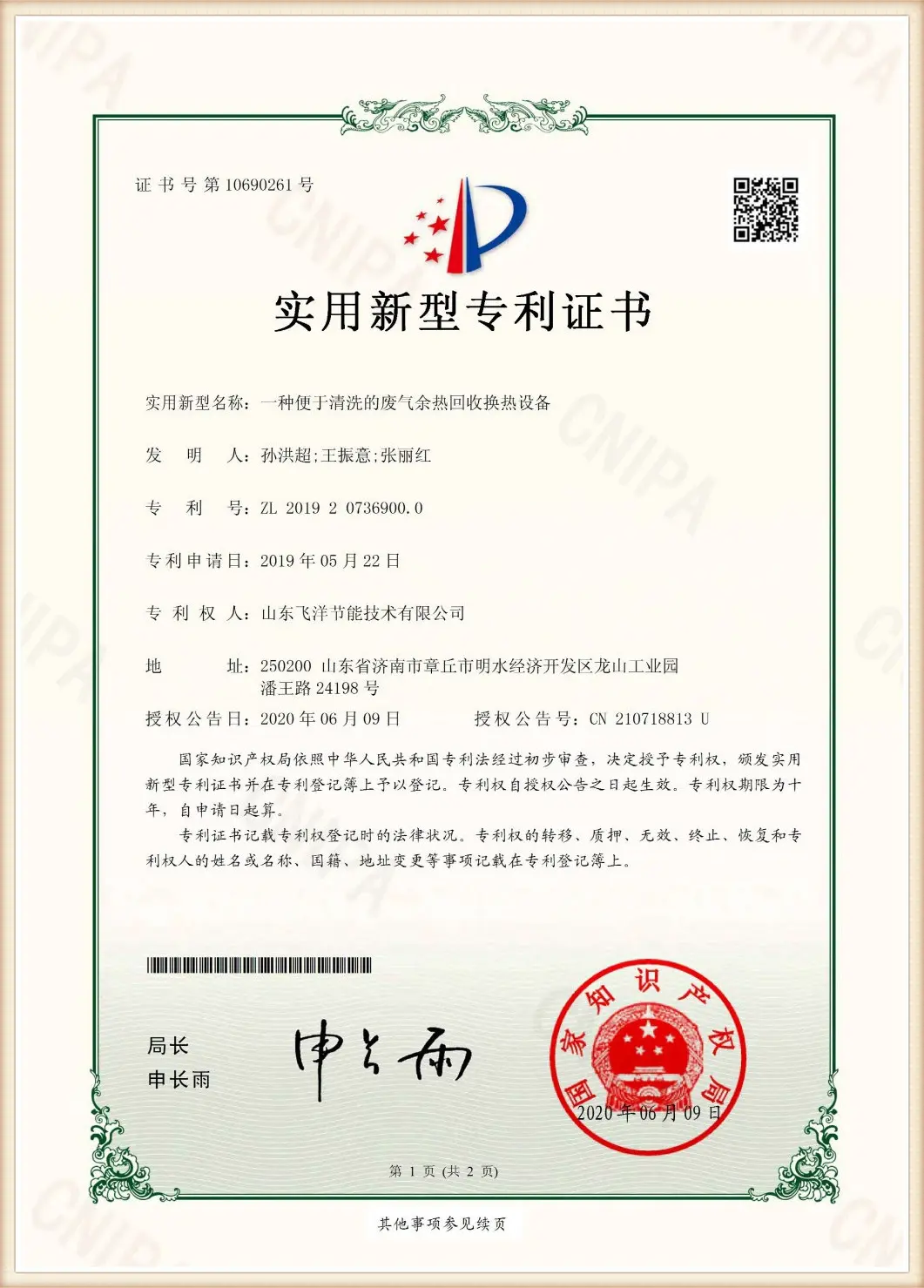
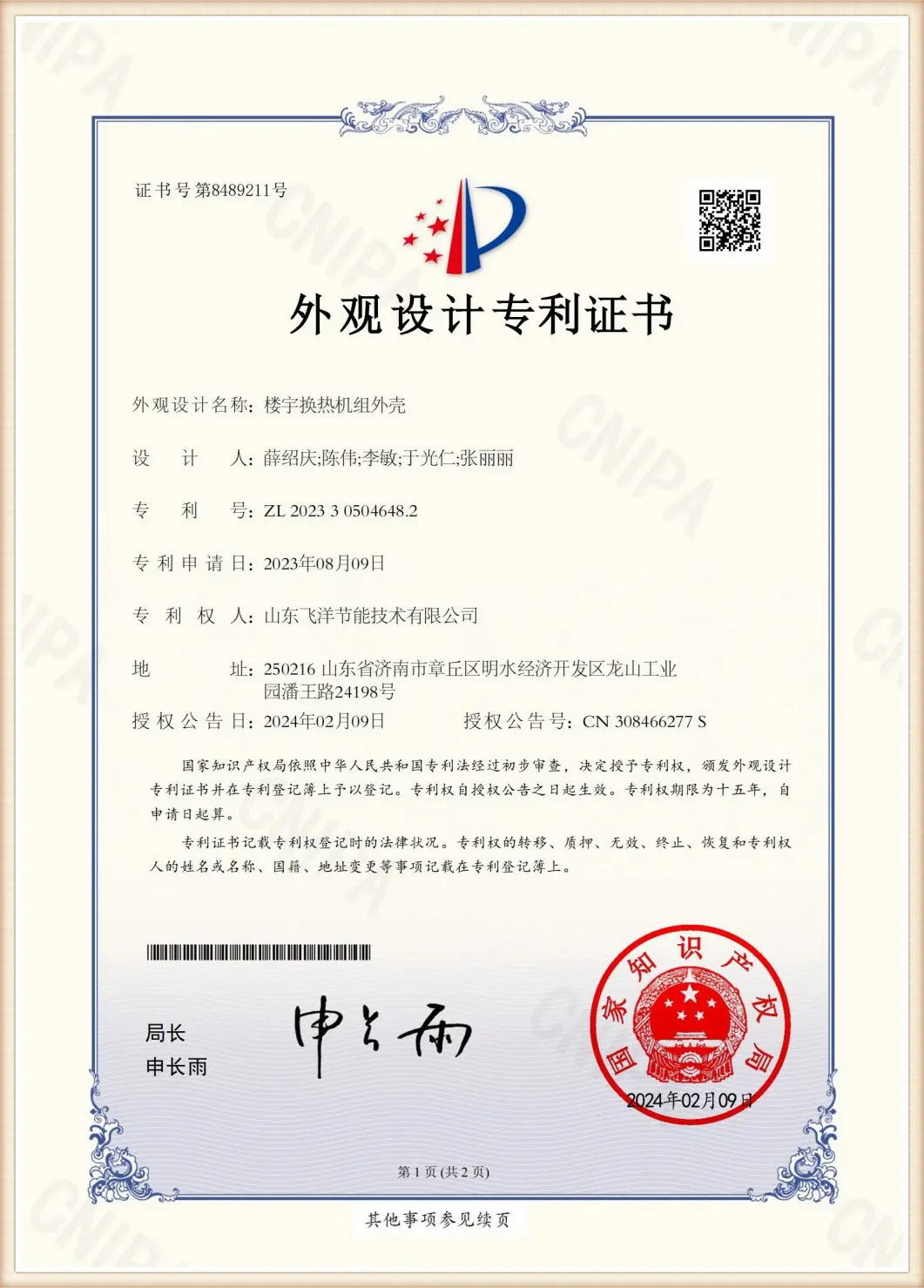
Global Compliance Directives Met:

  • ASME Section VIII Div 1: Compliant engineering design calculations and pressure vessel verification.
  • CE-PED (Pressure Equipment Directive): Conformance with EU safety directives for high-pressure systems.
  • National Standardization Technical Registration: Approved for specialized boiler and pressure vessel deployment.

Verified Quality Certifications

Certification 1
Certification 2
Certification 3
Certification 4
Certification 5
Certification 6
Certification 7
Certification 8

Technological Roadmap & Future Outlook

A projection of advanced thermal engineering trends and innovations through 2030.

2024-2025

Laser Welding Innovations

Integrating advanced automated fiber laser welding into production lines to replace standard welding. This minimizes heat-affected zones, enhances seal integrity, and prevents fatigue failures under rapid pressure cycles.

2026-2027

Ultra-Thin Plate Alloys

Developing 0.3mm ultra-thin titanium and hastelloy plates. By reducing plate thickness without compromising pressure ratings, thermal resistance is minimized, optimizing heat transfer efficiency and reducing raw material costs.

2028-2030

IoT-Enabled Self-Cleaning Systems

Integrating automated Clean-In-Place (CIP) systems with neural networks. Dynamic fluidic pulsing removes mineral scaling and organic biofilms, optimizing heat transfer without manual intervention.
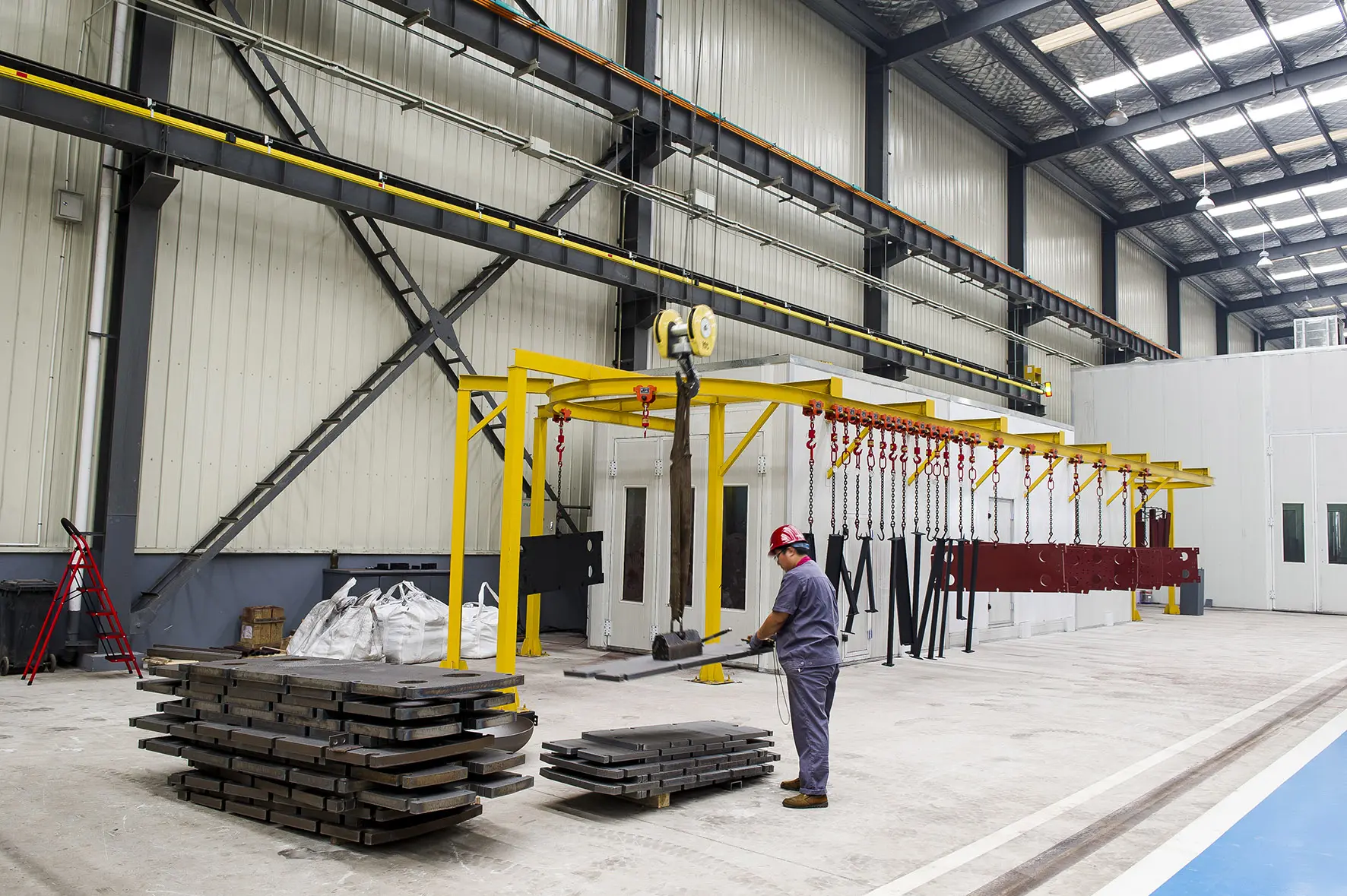
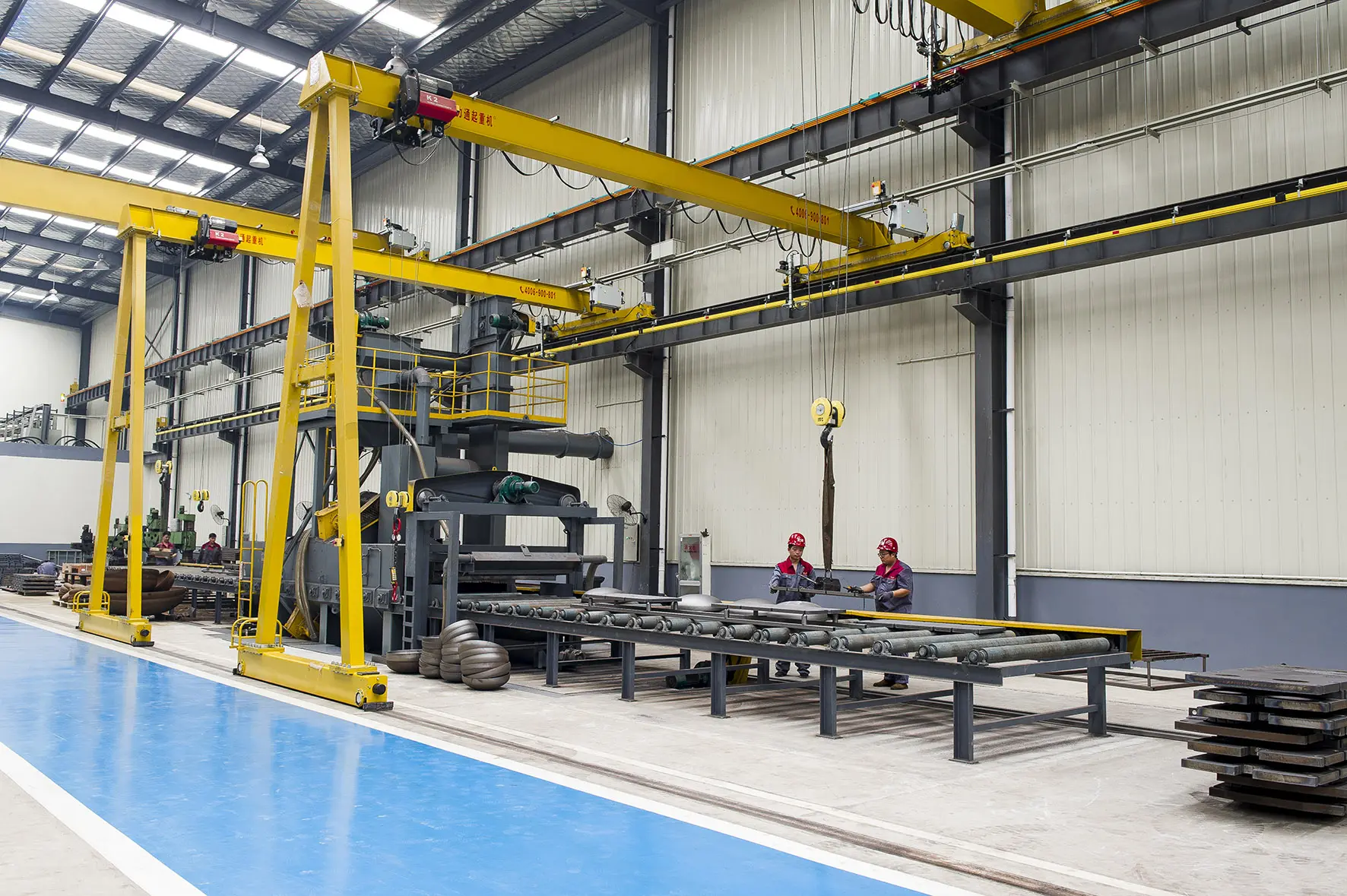
Flotte Production Workshops & Facilities

Factory Facility 1
Factory Facility 2
Factory Facility 3
Factory Facility 4
Factory Facility 5
Factory Facility 6
Factory Facility 7
Factory Facility 8

Industrial Q&A: Technical & Sourcing Operations

Expert technical answers to common questions raised by procurement managers and process engineers.

How do I determine if my application requires a gasketed, brazed, or welded plate heat exchanger? +
The choice depends on your operating temperature, design pressure, and fluid properties. Gasketed PHEs (GPHE) are easy to disassemble, clean, and expand, making them ideal for scaling-prone processes and standard HVAC cooling loops. Brazed PHEs (BPHE) feature plates copper-brazed in a vacuum furnace, eliminating gaskets and frames. This allows them to handle higher pressures (up to 45 bar) and temperatures (up to 220°C) in a compact design, which is ideal for refrigerants and clean liquid processes. Fully welded heat exchangers (WPHE) are designed for extreme process conditions, managing pressures over 60 bar and aggressive chemicals that degrade standard gaskets.
What indicators suggest a plate heat exchanger requires maintenance or chemical cleaning? +
The two primary indicators of scaling or clogging are an increase in pressure drop across the ports and a decrease in thermal efficiency (such as an inability to meet target outlet temperatures). If the pressure drop exceeds the design limit by more than 20-30%, or if the temperature approach (the difference between the hot inlet and cold outlet temperatures) widens significantly, the plates should be inspected. Implementing clean-in-place (CIP) flushing or manual scale removal can restore thermal performance.
Why does Flotte use a 101 million yuan registered capital structure and how does this affect buyers? +
A large registered capital indicates high financial stability, modern infrastructure, and long-term viability. For B2B buyers and EPC contractors working on major infrastructure, district heating, or industrial projects, this financial standing guarantees that the manufacturer can handle large production volumes, provide warranty support over decades of operation, and absorb project risks.
Which gasket polymers are recommended for heat exchangers in steam-to-water applications? +
For low-pressure steam-to-water applications (up to 150°C), EPDM (Ethylene Propylene Diene Monomer) gaskets are recommended due to their resistance to heat and steam degradation. For higher temperature steam or chemical applications, Viton (FKM) or resin-cured EPDM gaskets are preferred. Standard NBR should not be used in steam systems as it degrades rapidly when exposed to high-temperature moisture.
How does plate corrugations geometry affect the balance between heat transfer and pressure drop? +
The angle and depth of plate corrugations determine the channel geometry. High-theta plates (featuring obtuse chevron angles) create high turbulence, which maximizes heat transfer but results in a larger pressure drop. Low-theta plates (featuring acute chevron angles) produce lower turbulence, resulting in a smaller pressure drop but requiring a larger surface area to transfer the same amount of heat. Modern PHE designs often mix high and low-theta plates within a single frame to balance pressure limits with thermal requirements.

Procure Directly from Our Factory

Select from our certified product range to optimize energy recovery and system reliability.

China Room Temperature Collector

Room Temperature Collector from China Suppliers - High-Precision Factory Sensor for Smart Heating Solutions

View Technical Specifications →
China Intelligent Heat Exchange Unit

Intelligent Heat Exchange Unit - Integrated Heating Solution from China Suppliers and Factory for Efficient Building Heating

View Technical Specifications →
Wholesale China Suppliers Factory Heat Exchanger Unit

Wholesale China Suppliers Factory Heat Exchanger Unit for Efficient HVAC Systems in Buildings

View Technical Specifications →
Wholesale Heat Exchanger Unit HVAC Systems

Wholesale China Heat Exchanger Unit for Building HVAC Systems - Energy-Saving Suppliers & Factory Solutions

View Technical Specifications →
China High-Efficiency Detachable Plate Heat Exchanger Solutions

High-Efficiency Detachable Plate Heat Exchanger from China Suppliers - Reliable Factory Solutions for Thermal Exchange

View Technical Specifications →
Wholesale High-Efficiency Shell and Tube Heat Exchanger

Wholesale High-Efficiency Shell and Tube Heat Exchanger from China Suppliers - Industrial Solutions by Trusted Factory

View Technical Specifications →
China Heat Exchanger for Pressure Regulating Stations

Detachable Plate Heat Exchanger for Pressure Regulating Stations - Top China Suppliers & Factory for District Heating

View Technical Specifications →
China Intelligent Valve Suppliers

China Intelligent Unit Balance Valve Suppliers - Advanced Factory Solutions for Hydraulic Systems

View Technical Specifications →