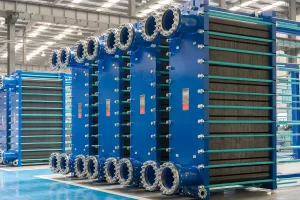
Premium heat exchange units, sensors, and water treatment systems designed for high scalability and thermal performance.
In-depth theoretical calculations driving plate design, thermal dynamics, fluid flows, and pressure drop optimizations.
The total heat transfer load ($Q$) is dictated by the thermal capacity of the fluids involved. It defines the energy quantity transferred per unit of time and is expressed as:
Where:
Unlike shell and tube configurations, plate heat exchangers offer close counter-current flow regimes, maximizing thermal utilization. The LMTD is computed as:
Where:
The relationship linking the required heat exchange surface area ($A$) to the heat load, heat transfer coefficient, and corrected mean temperature gradient is expressed as:
Where:
The turbulent flow inside the corrugated plate spacing dictates convective efficiency. Manufacturers rely on custom Nusselt ($Nu$) calculations to optimize herringbone patterns:
Where chevron angle β determines empirical constants C and m. High chevron angles yield high turbulence (and higher $U$), but at the expense of pressure drop.
| Corrugation Configuration | Chevron Angle (β) | Heat Transfer Performance (U) | Pressure Drop Impact (ΔP) | Optimal Fluid Applications |
|---|---|---|---|---|
| High Theta (Hard Plates) | ~ 60° | Extremely High (Turbulence induced) | High Pressure Drop | Low viscosity liquids, clean water |
| Mixed Theta (Medium) | Alternating 30°/60° | Balanced Performance | Moderate Pressure Drop | HVAC, general heat recovery loops |
| Low Theta (Soft Plates) | ~ 30° | Moderate | Low Pressure Drop | High viscosity oils, fibrous suspensions |
30 Years of Advanced Thermal Engineering and Quality Control
Established in 2013 with a registered capital of 101 million yuan, Flotte Energy Saving Company originated from Flotte Thermal Engineering founded in 1995. With three decades of profound technical expertise, the company specializes in water equipment, HVAC systems, and water treatment industries. It consistently leads industry peers in adopting cutting-edge technologies, developing innovative products, and delivering comprehensive production and sales services.
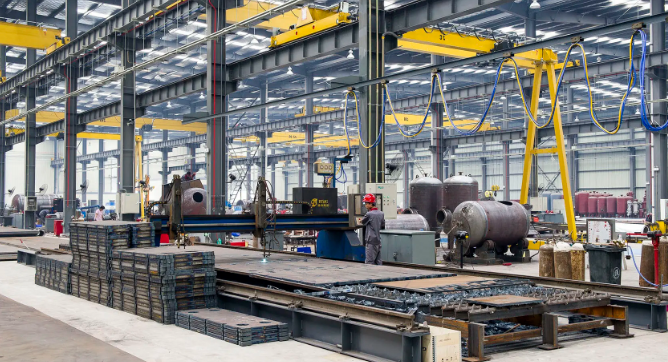
Operating modern production facilities that combine advanced manufacturing with systematic management, Flotte holds a leading position in the industry nationwide and commands a substantial market share. Annually, it manufactures approximately 4,500 heat exchange units and water supply/drainage equipment sets. The company has accumulated valuable expertise in technology development, production, application, and installation services.
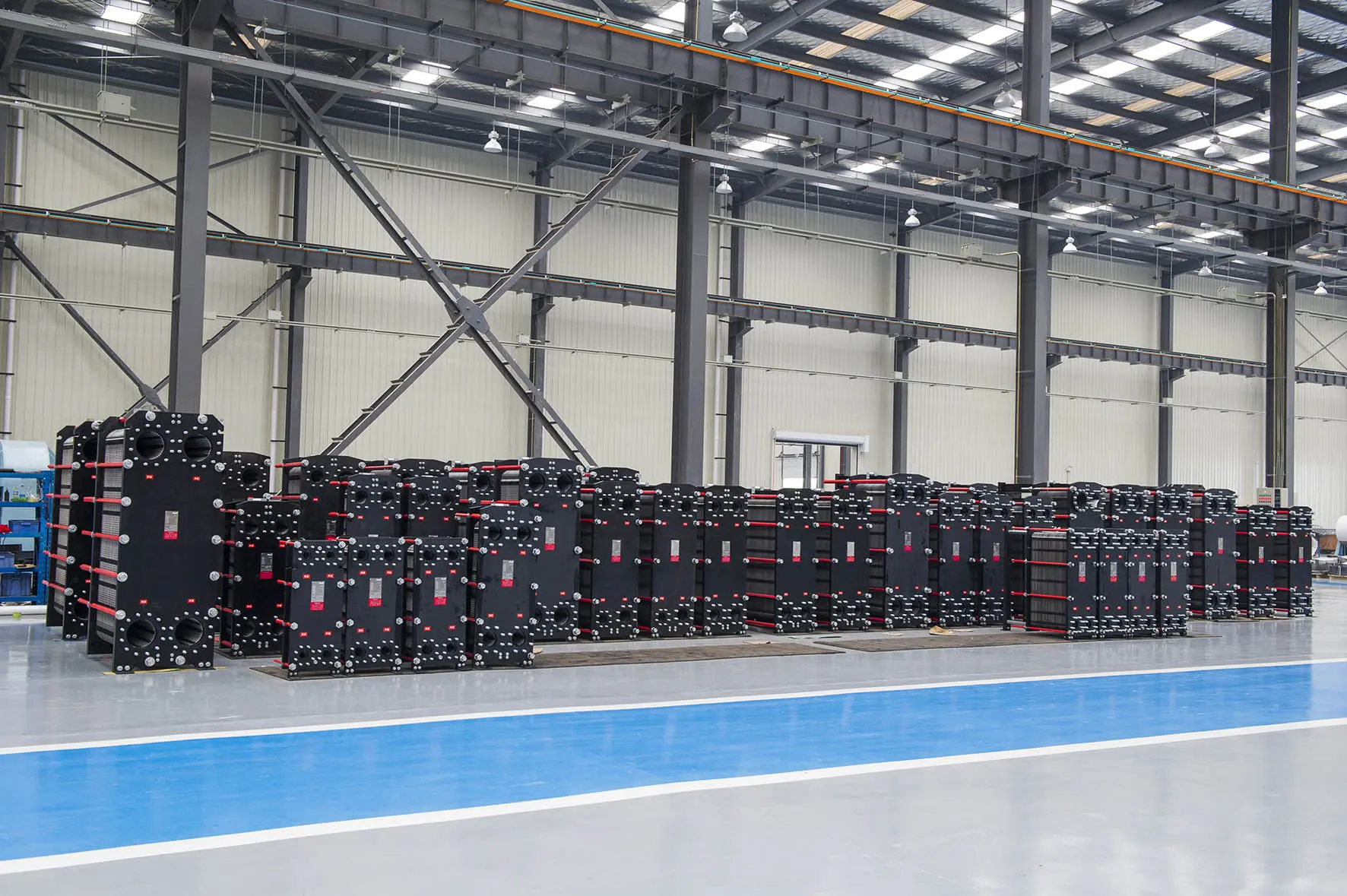
Our dedicated professional designers have been engaged in design work for many years, backed by profound professional knowledge and rich practical experience to ensure the reliability of the technical products designed. With a specialized R&D center and advanced laboratory, we guarantee the technical advancement of products developed and produced.
Furthermore, Flotte has achieved major industry certifications confirming our commitment to reliability, environment, and workplace safety:
Production processes, quality control, and service operations strictly adhere to the pressure vessel quality assurance framework. All frontline production staff are certified technicians who have undergone rigorous formal training, ensuring all products undergo mandatory inspections by national quality supervision authorities.
Years of Engineering & Manufacturing Experience
Highly Skilled Certified Employees
Annual Units Production Capacity
State-Of-The-Art Land Area
Providing significant information gain, mathematical modeling accuracy, and quality-driven manufacturing pipelines.
Specializing in plate heat exchangers, it features patented corrugated plate designs, achieving 2-3 times higher heat exchange efficiency than conventional equipment.
Products cover 8 core areas such as air conditioning, HVAC, and central heating. Verified globally to match unique regional climates and municipal regulations.
Quality control systems run through the entire production. Prefers stainless steel 304/316, titanium, and exotic alloys for harsh fluid applications.
We provide customized design, after-sales maintenance, and one-stop service with a multilingual support team and highly efficient supply chain.
Converting plate heat exchanger equations into functional, energy-saving infrastructure for heavy industries worldwide.
In municipal district heating networks, plate heat exchangers act as critical isolation units between primary municipal water networks and secondary user systems. Calculations help balance pressure differences, minimize heat loss over transmission distances, and achieve precise temperature management.
Corrosive raw chemicals, organic solvents, and high thermal demands necessitate high-grade titanium plates and highly chemical-resistant EPDM or Viton gaskets. The customized flow equations avoid local overheating or thermal degradation.
For sanitary applications, double-plate designs prevent cross-contamination between media. Highly polished plates conform to sanitary guidelines, enabling clean CIP (Clean-in-Place) procedures without disassembly.
In modern high-rise architecture, static pressure increases with building height. Plate heat exchangers are utilized as pressure break stations, protecting low-pressure boilers and chillers from structural hydrostatic pressures.
Engine cooling and turbine oil cooling demand compact plate heat exchangers due to space limitations. Seawater cooling systems utilize high-alloy plates and specialized corrosion inhibitors to maximize operational longevity.
Using multi-effect evaporation and membrane concentration systems to concentrate salts and purify industrial effluent. This is highly aligned with modern environmental regulations and sustainable manufacturing.
Globally, industrial thermal consumption accounts for nearly 50% of energy usage. With carbon-neutrality policies accelerating across Asia, Europe, and the Americas, manufacturing facilities are pushed to transition from traditional energy-intensive shell and tube structures to high-density plate heat exchangers.
By leveraging advanced mathematical equations, factories can reduce heat transfer surface requirements while minimizing temperature approach to as low as 1°C. This capability dramatically boosts waste heat recovery potentials and enhances overall plant efficiencies. Standardizing on heat exchangers designed with optimized plate geometries directly impacts Scope 1 and Scope 2 emission reduction goals, making them an indispensable component of green energy roadmaps.
Engineering heat transfer solutions that satisfy international design codes, municipal frameworks, and physical site requirements.
We comply with major international pressure vessel codes including ASME Section VIII (USA), PED 2014/68/EU (Europe), and GB150 (China). Each unit is delivered with complete mill certificates and pressure test sheets.
From deep Nordic winter heating networks where glycol concentrations alter specific heat ($C_p$), to desert climates requiring saltwater cooling calculations, we adapt equations to match local climates.
Our global engineering network provides complete commissioning support, piping alignment recommendations, and specialized diagnostic software compatibility to interface with your SCADA system.
Inside Flotte's ISO 9001 certified production line: how premium plates, gaskets, and frames are constructed.
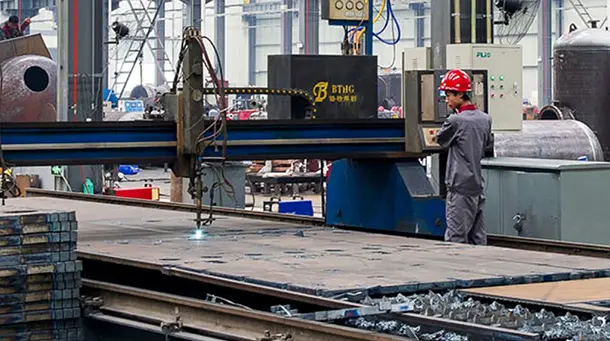
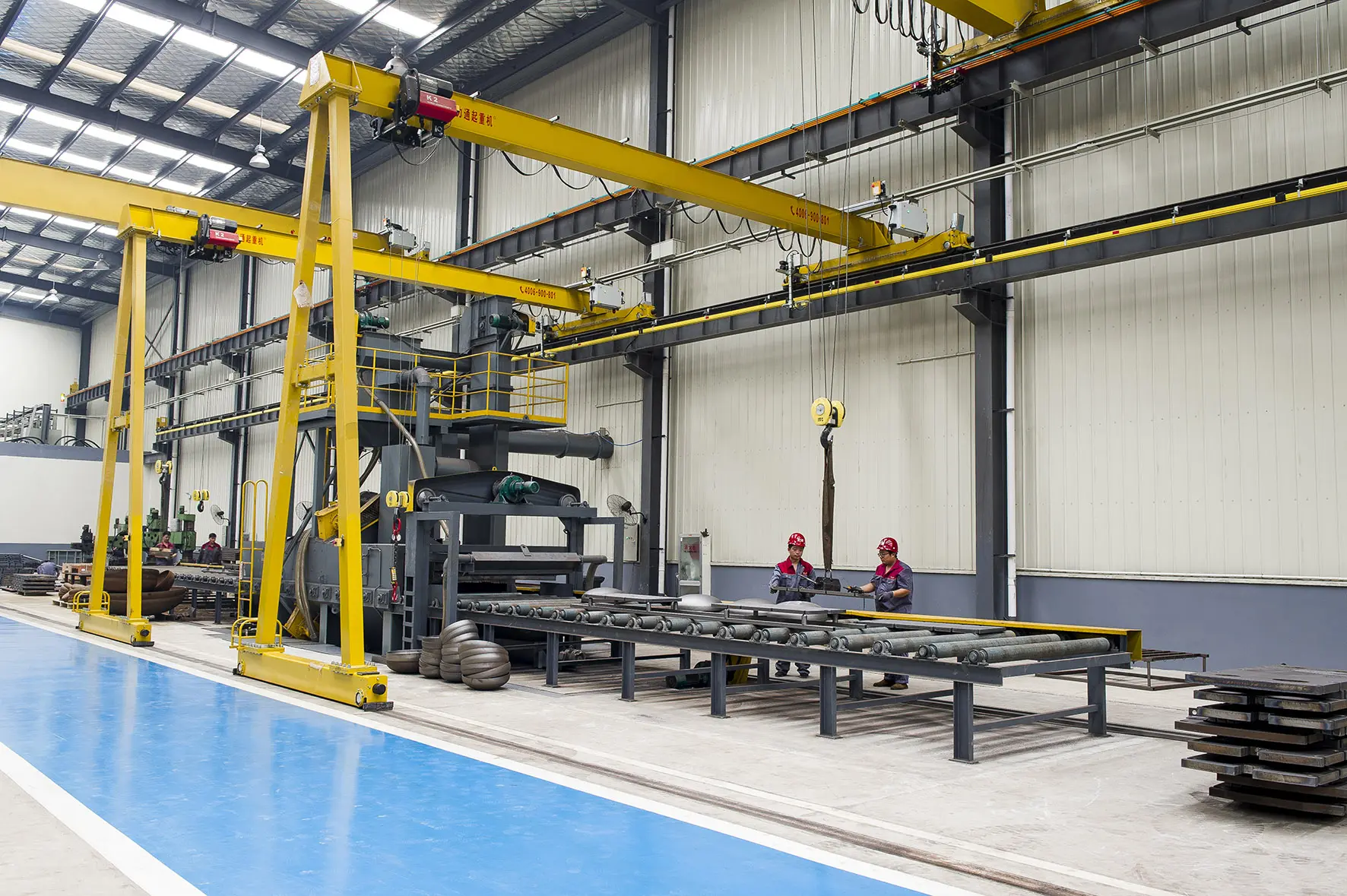
High-precision laser and CNC plasma cutting tables form structural steel frames (splints) to withstand extreme test pressures.
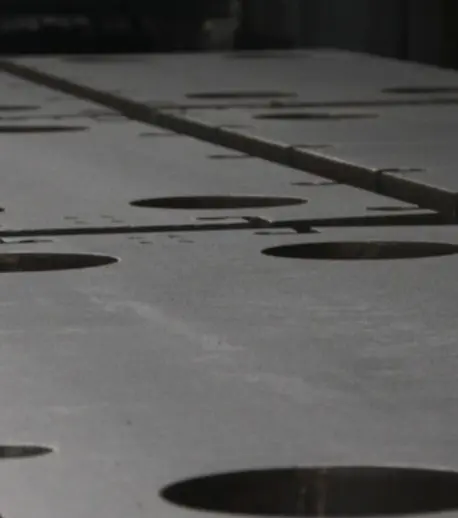
Custom toolings structure localized flow connections, ensuring smooth fluid channels and structural durability.
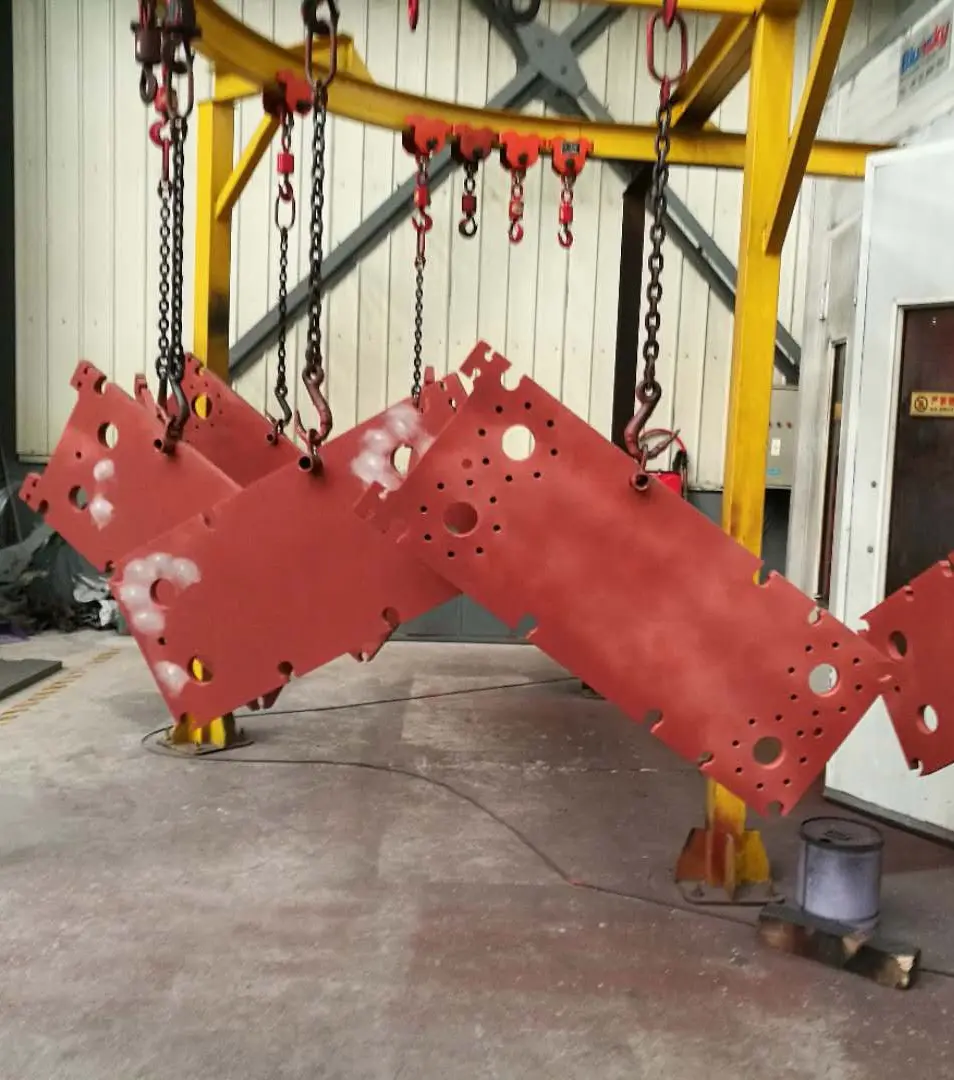
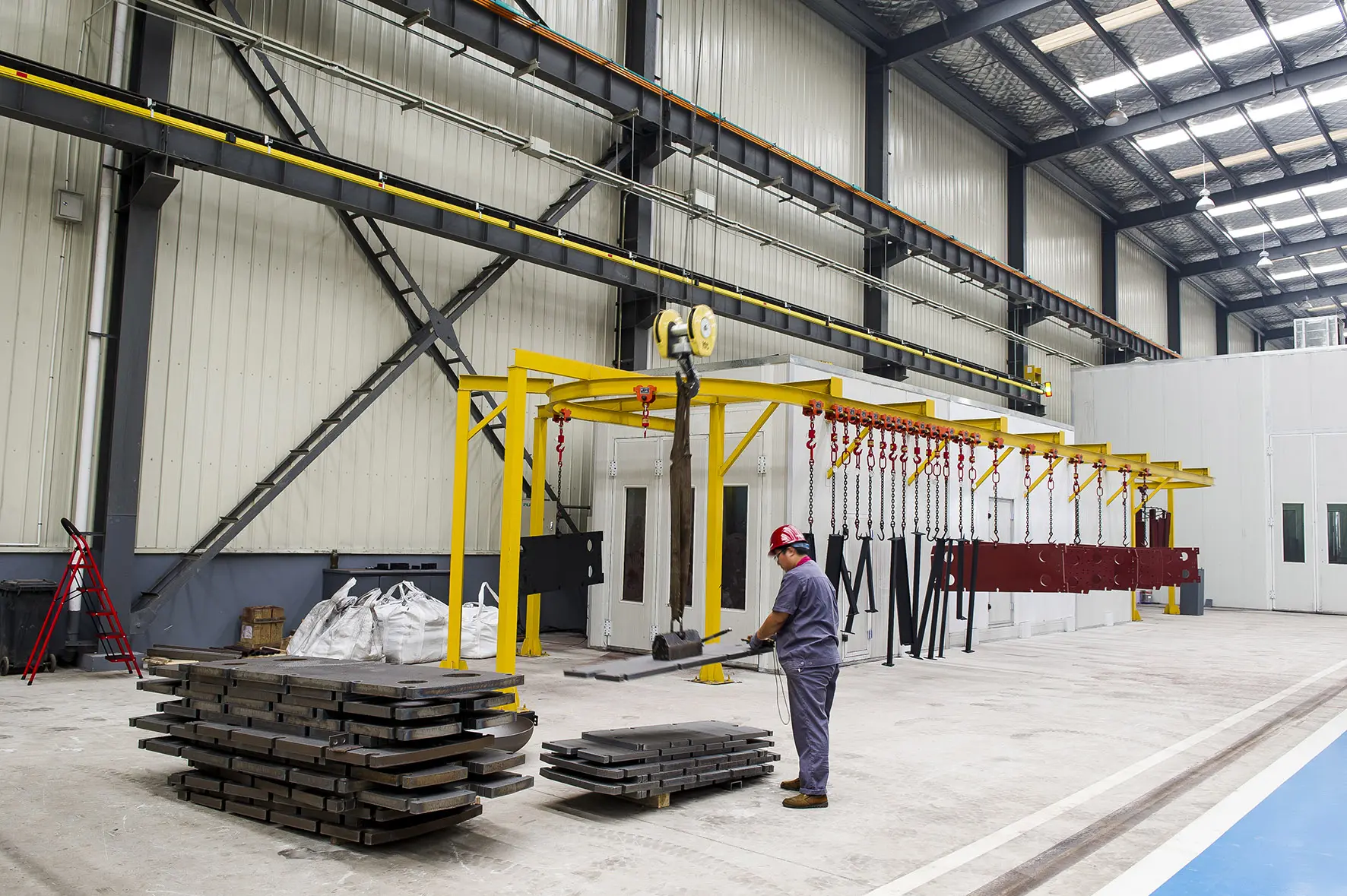
Anti-corrosion coatings are applied to external frame surfaces, protecting the units from harsh environments.
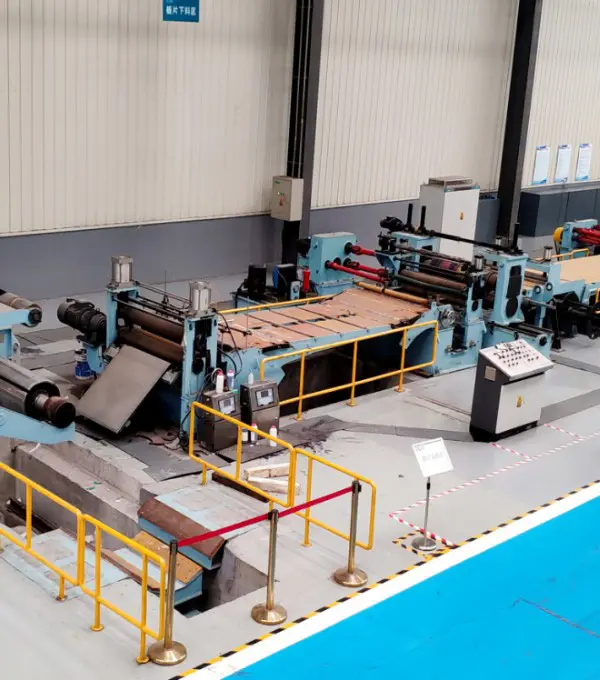
Raw metal coils are precision-cut and coded with heat numbers for complete raw material traceability.
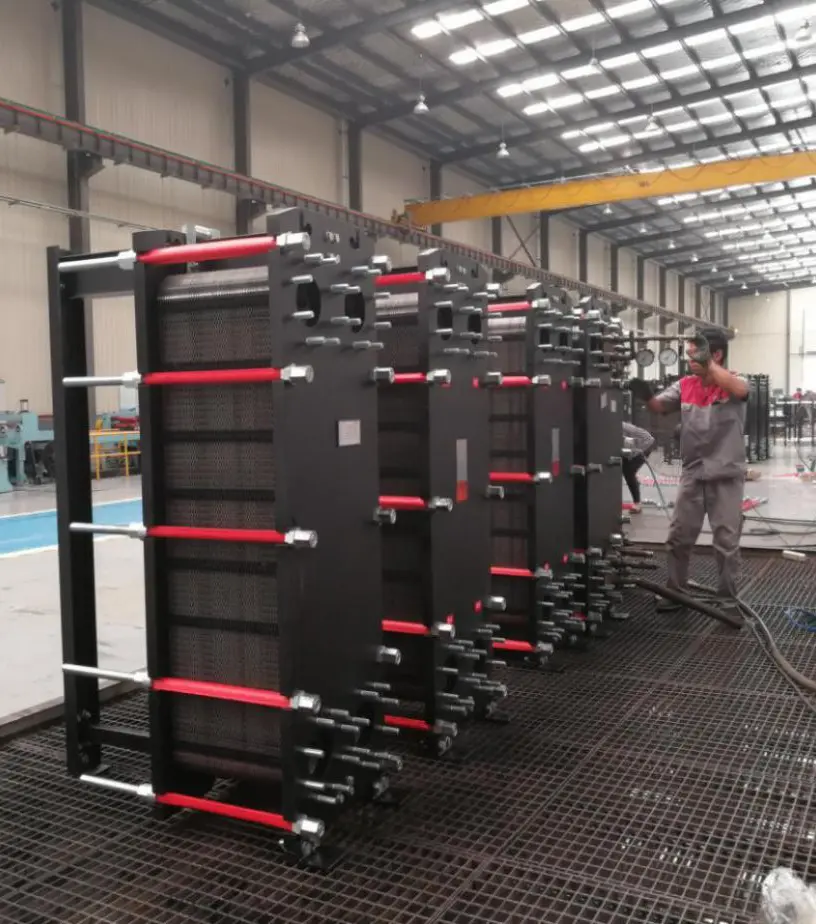
Every single assembled unit undergoes structural pressure testing, verifying zero fluid cross-leakage.
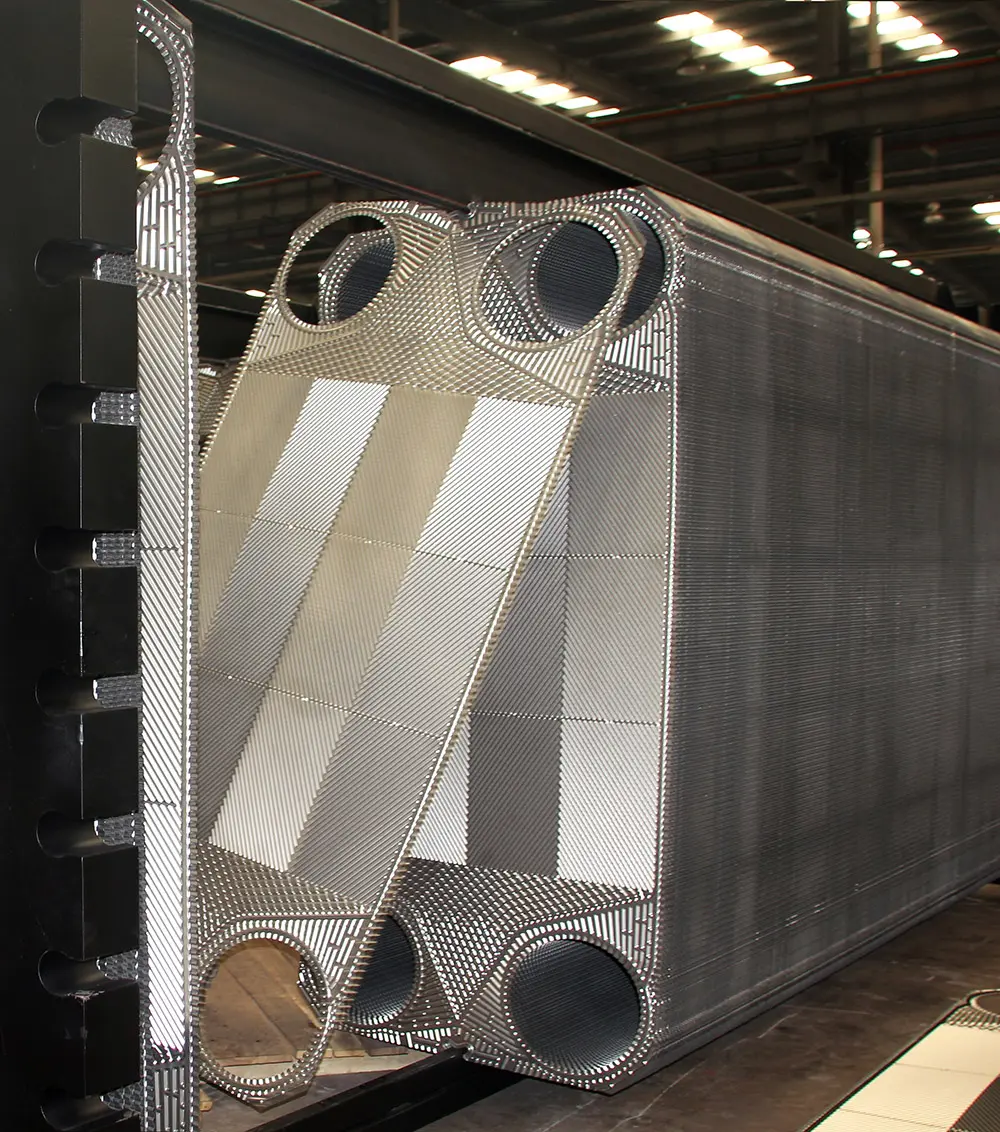
Hydraulic clamping systems align the plate pack along the carrying bar to ensure precise torque parameters.
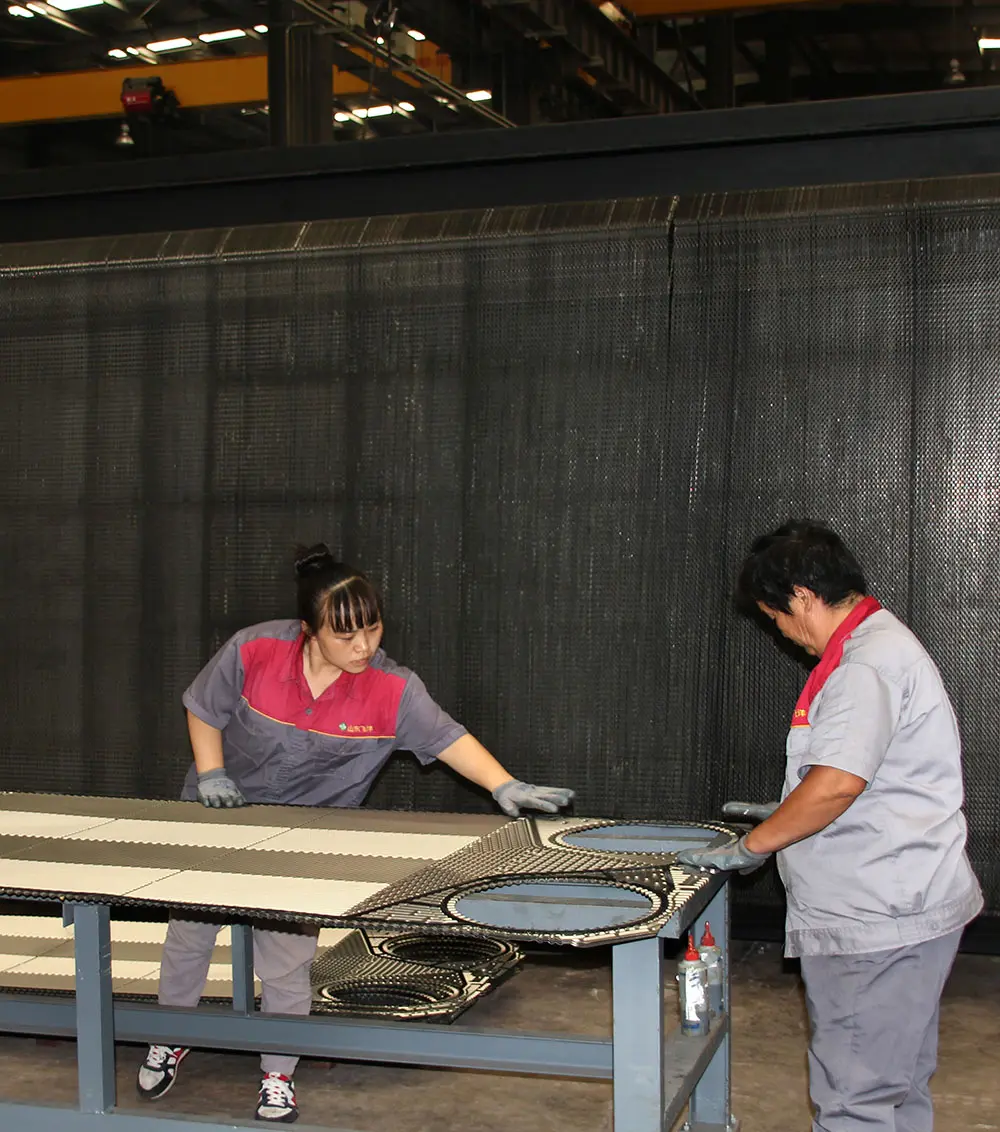
Precision-molded elastomer gaskets are applied, creating double-barrier channel seals.
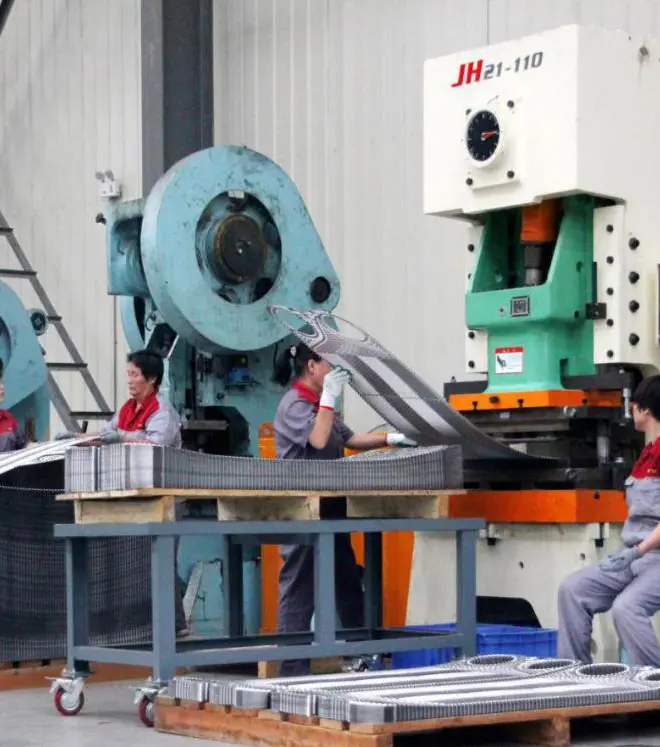
Precision tooling pierces connection ports, ensuring aligned distribution zones across the plate pack.
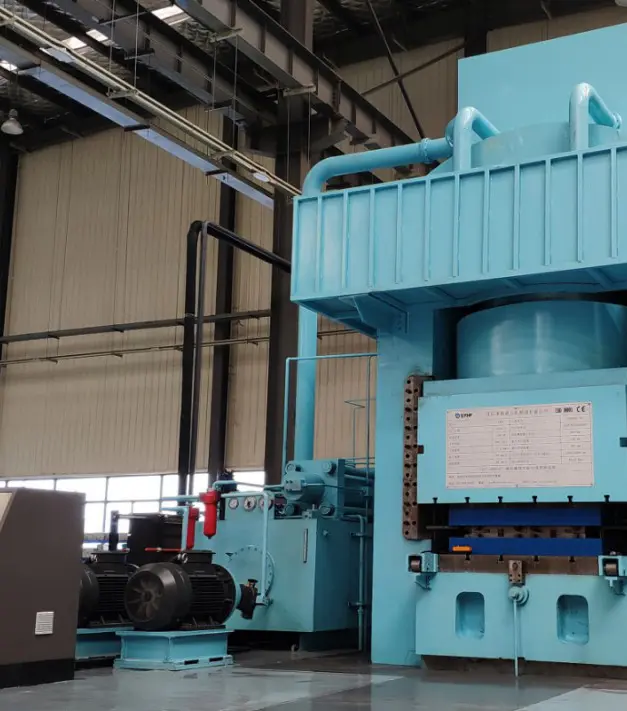
Up to 20,000-ton hydraulic presses stamp herringbone corrugations into stainless steel or titanium sheets.
Our credentials reflect our rigorous adherence to safety, environmental responsibility, and international standards.
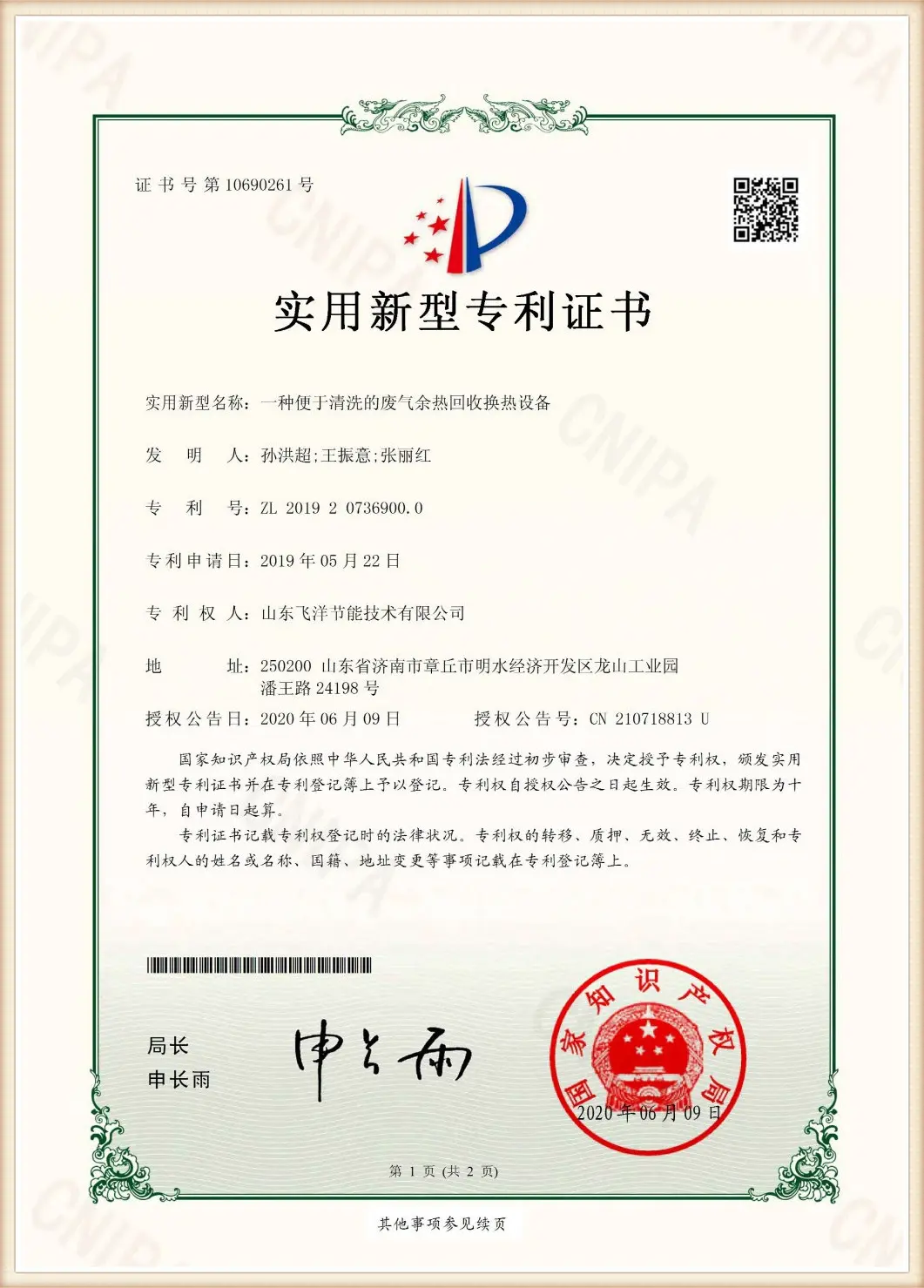
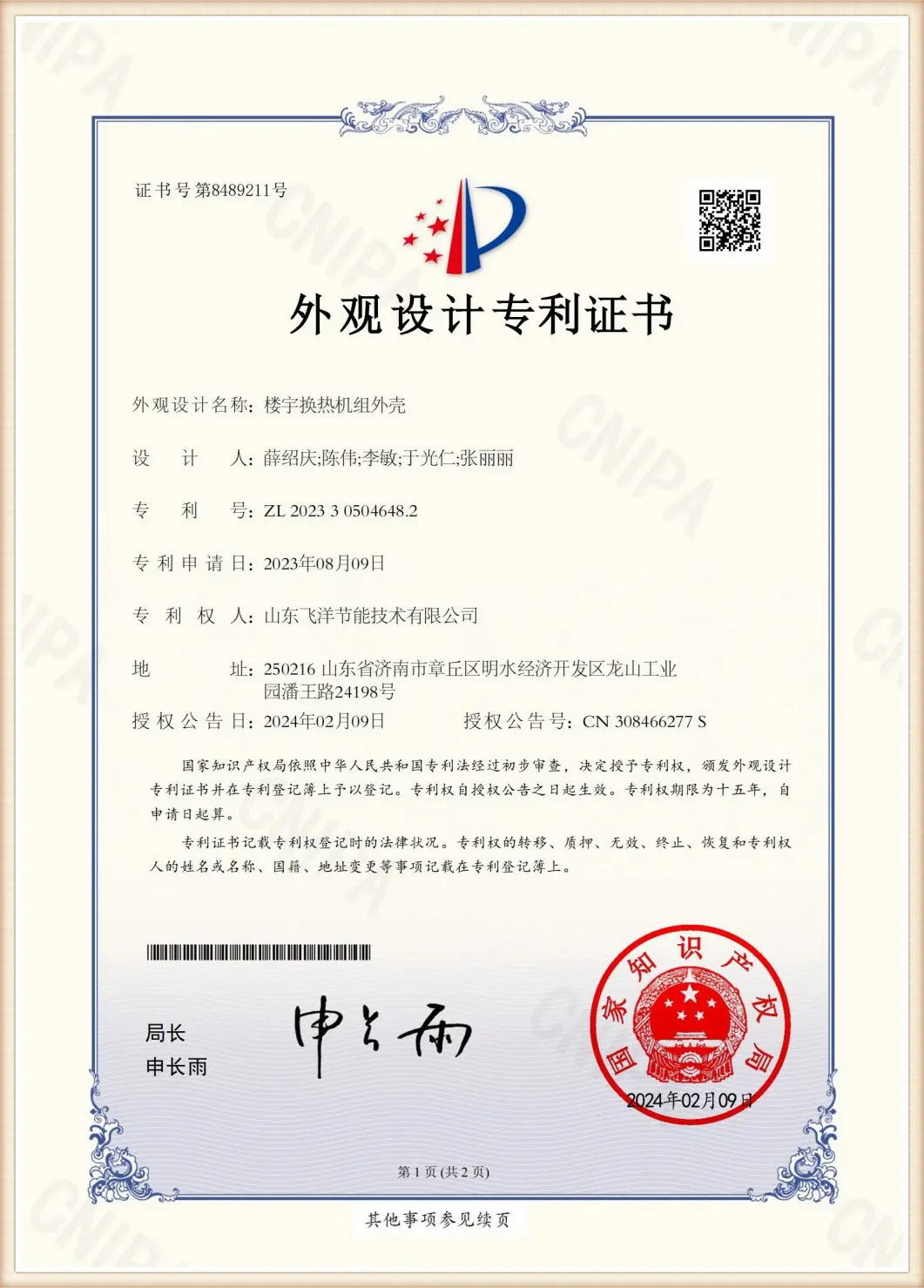
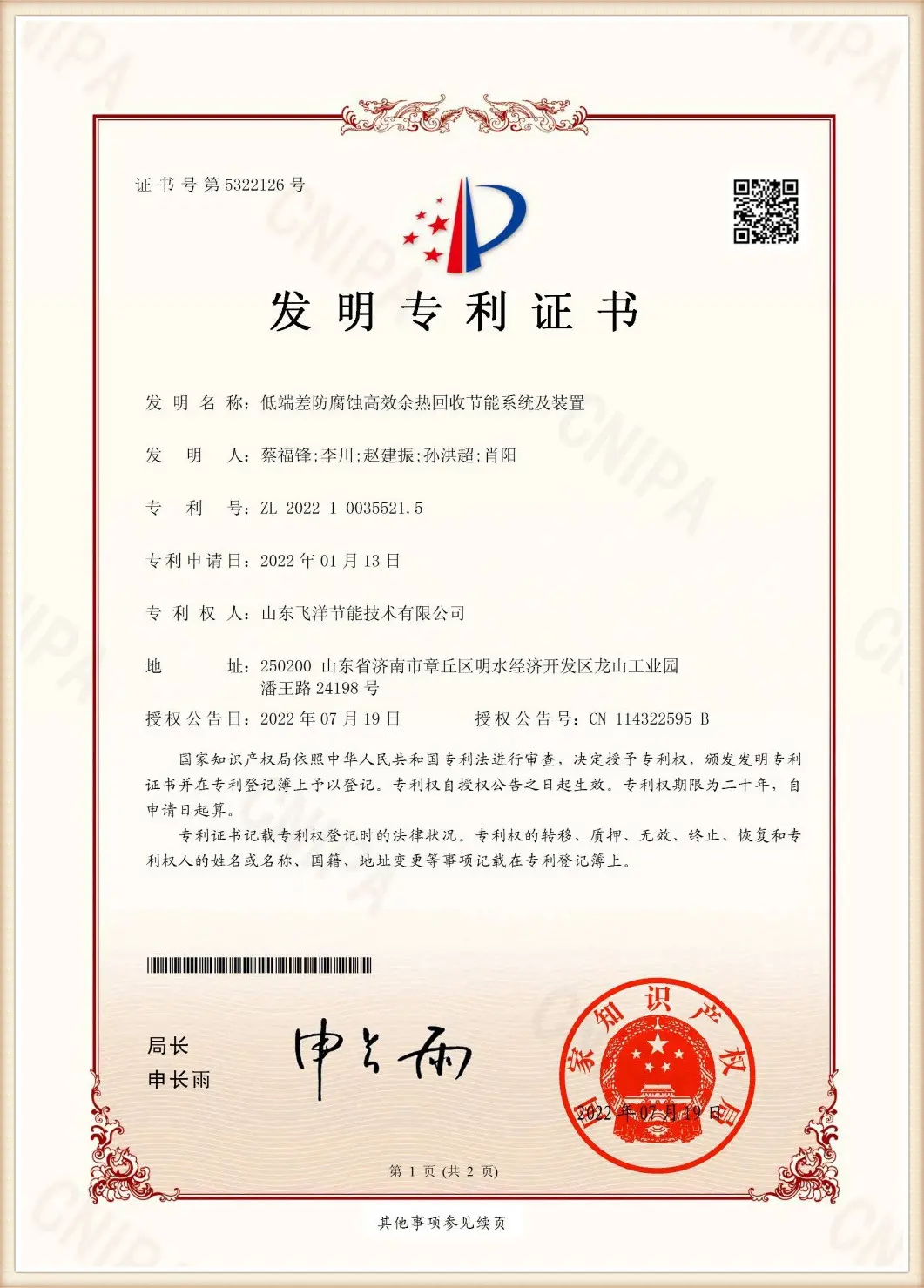
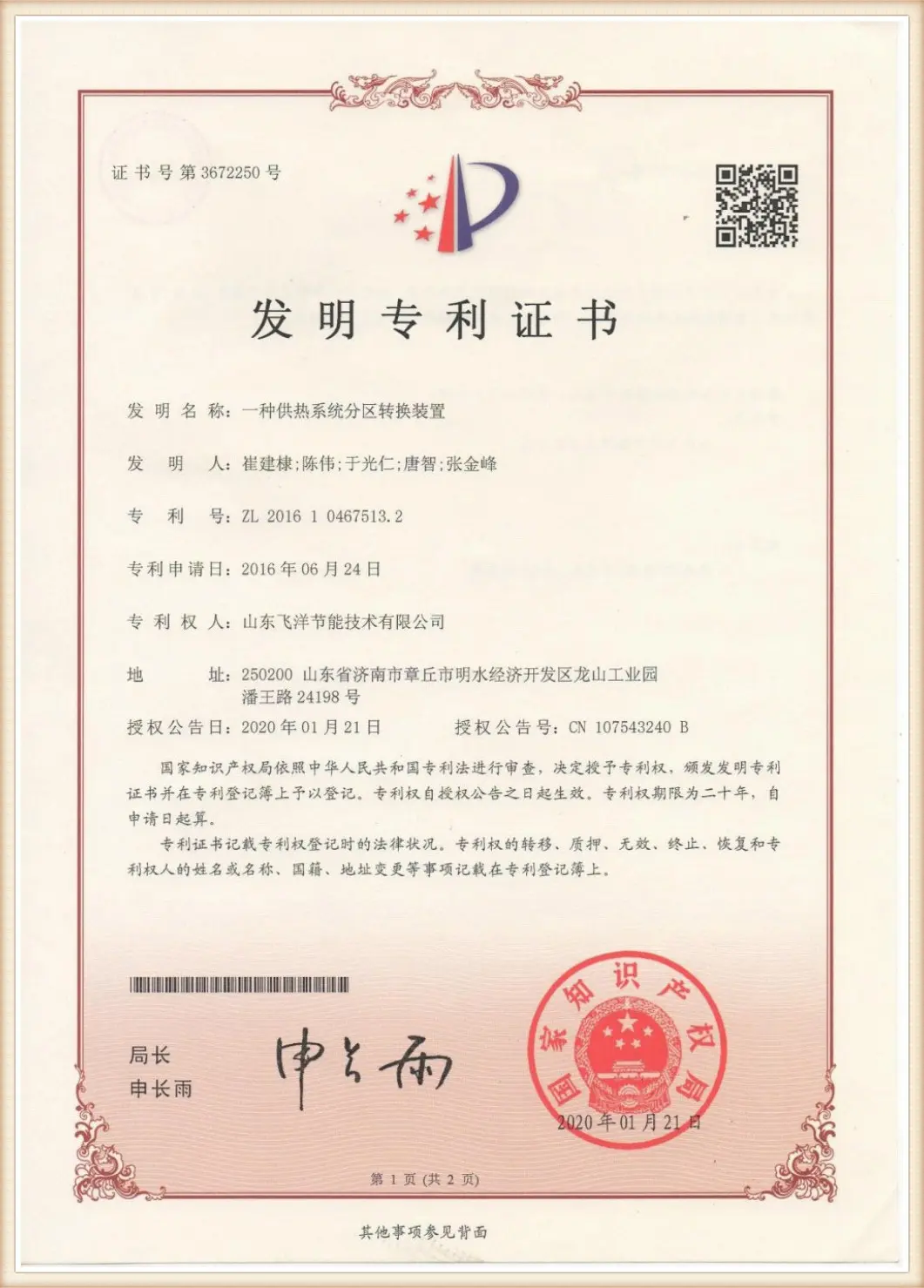
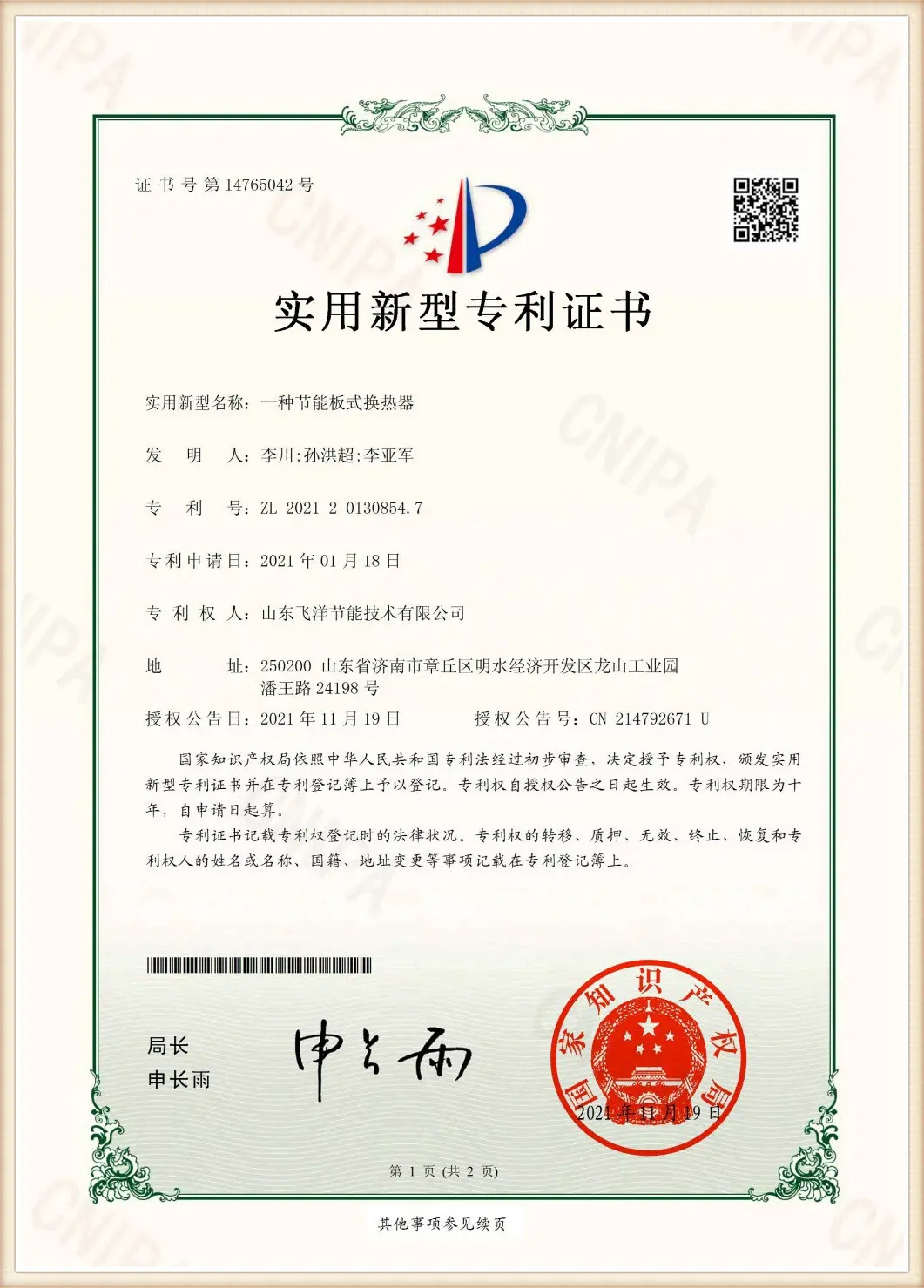
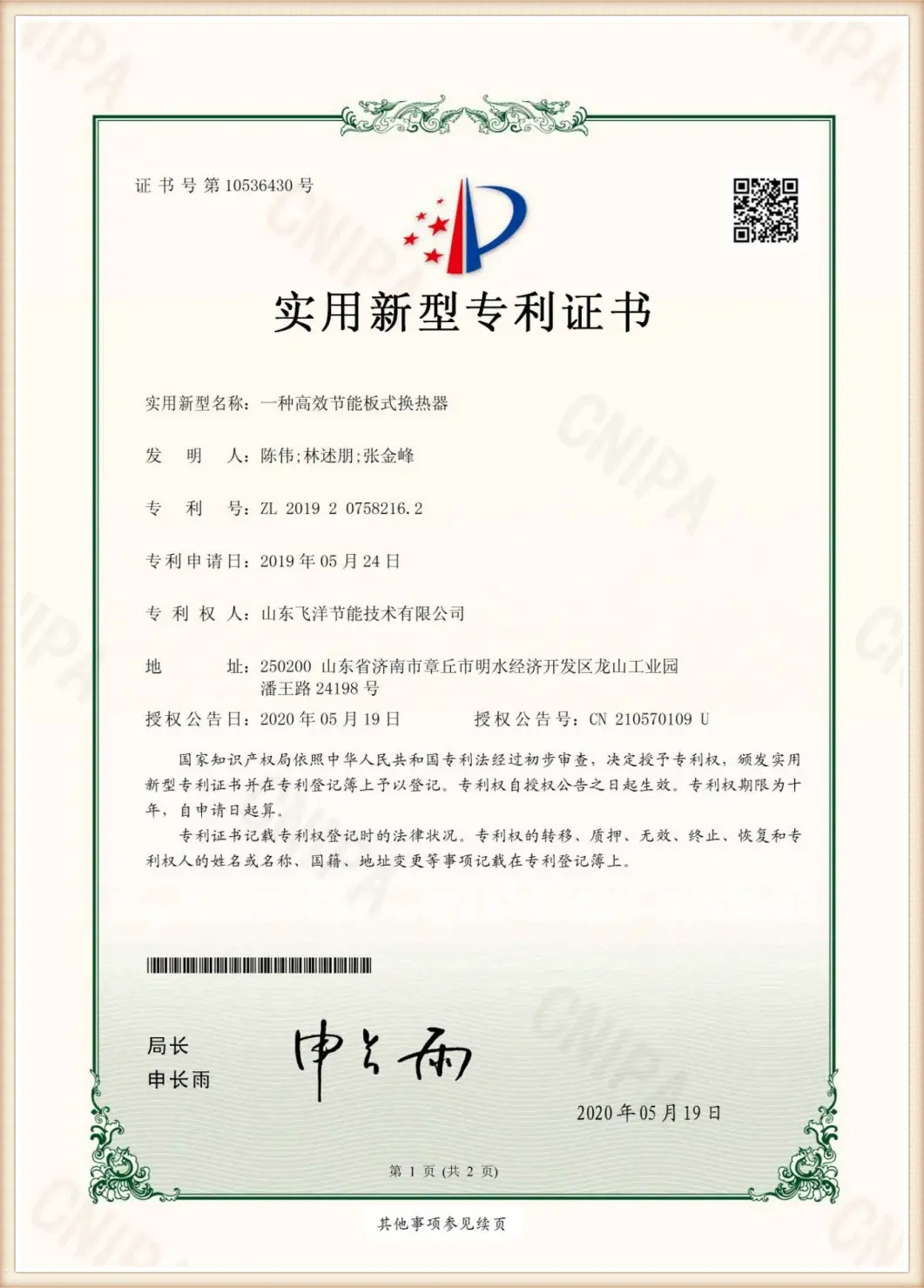
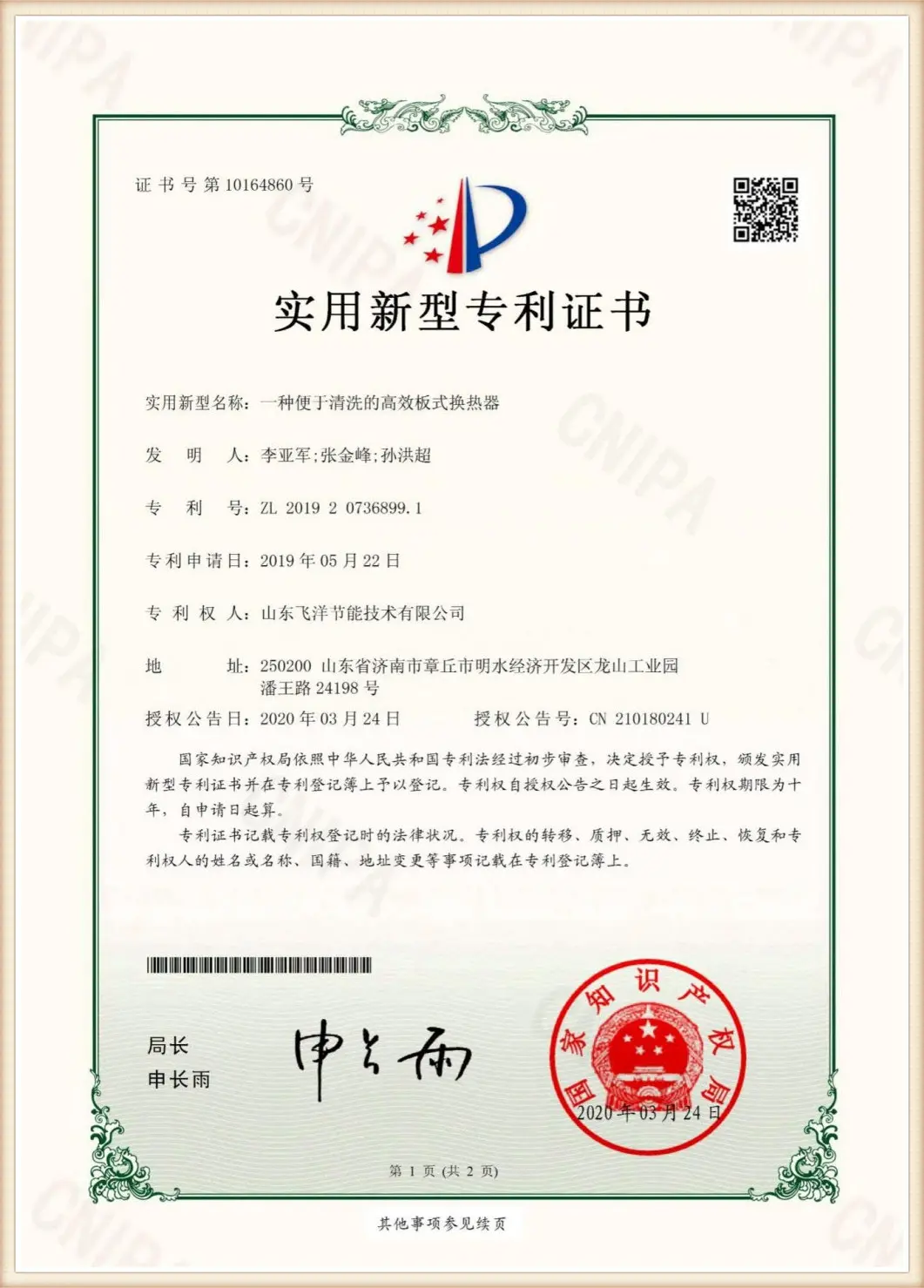
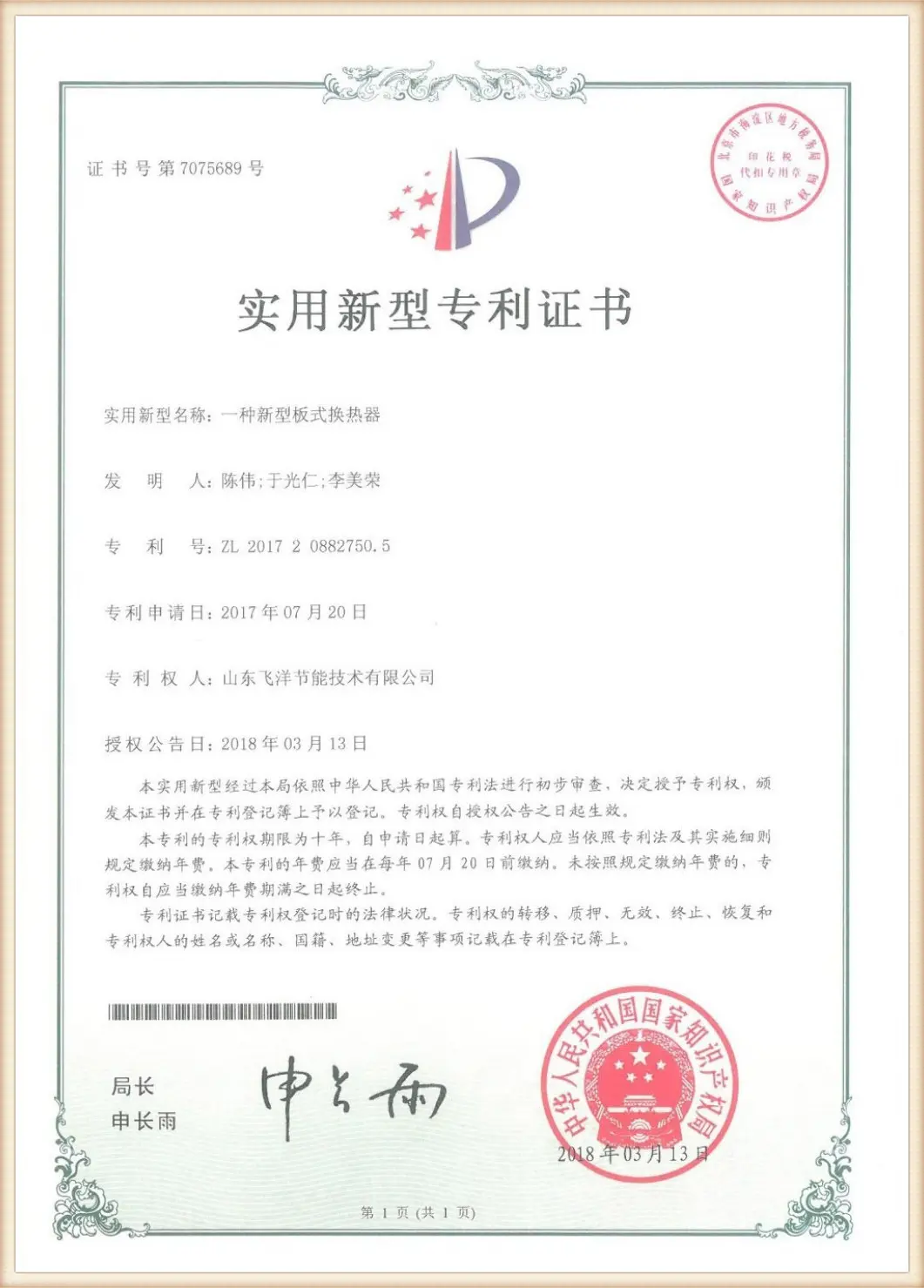
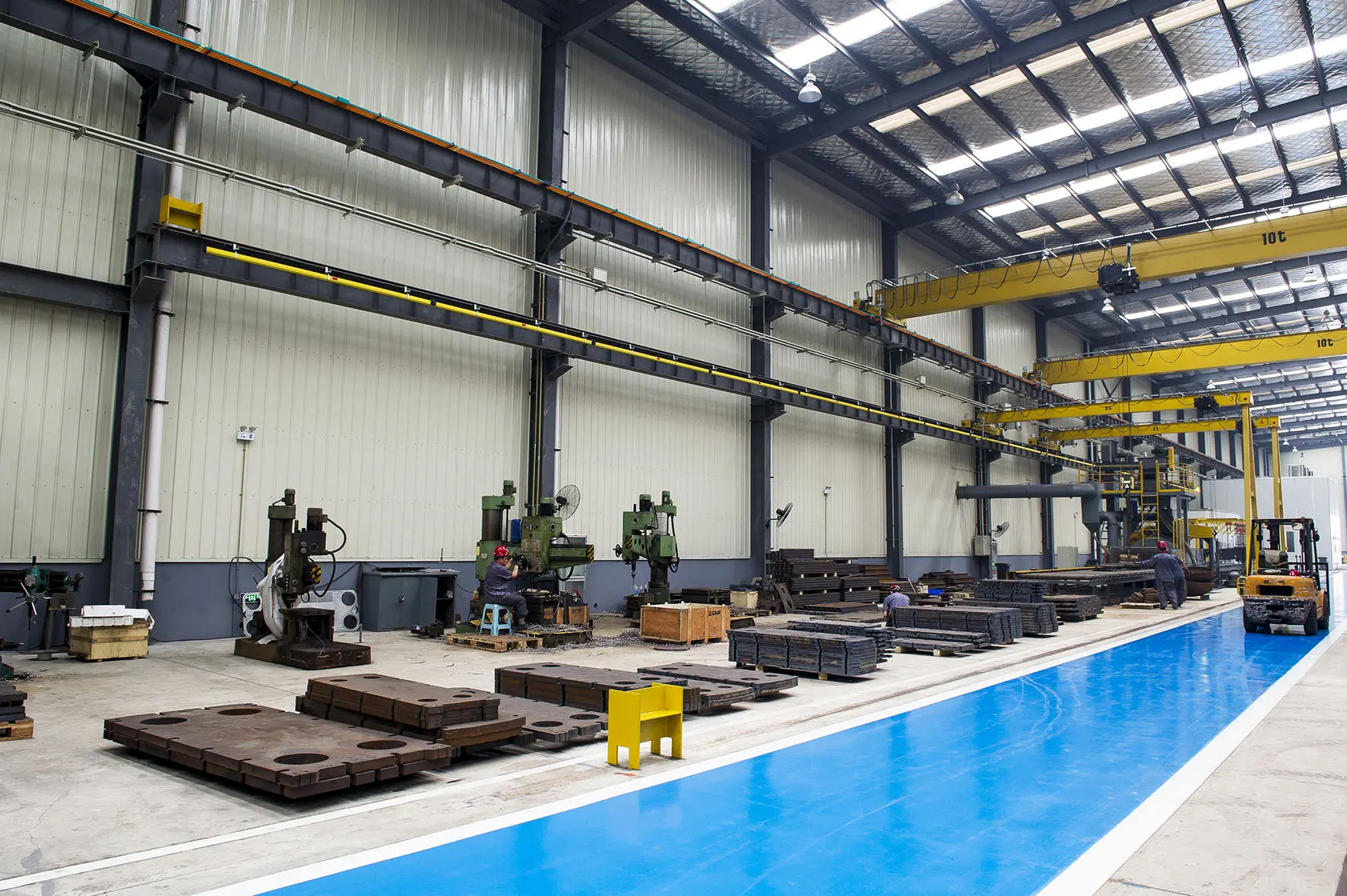
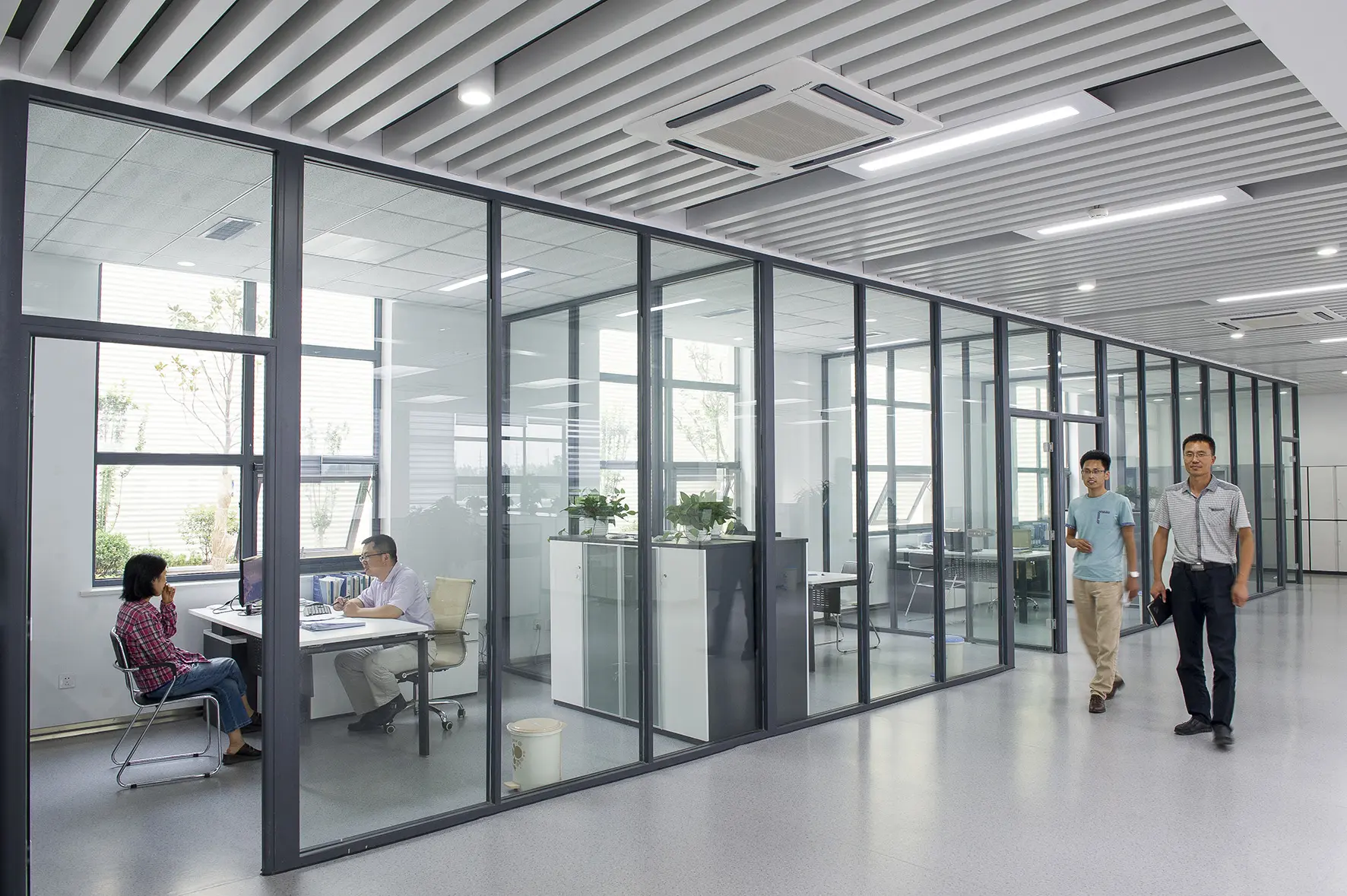
A closer look at Flotte's 70,000㎡ modern workshops, heavy stamping presses, and CNC assembly lines.


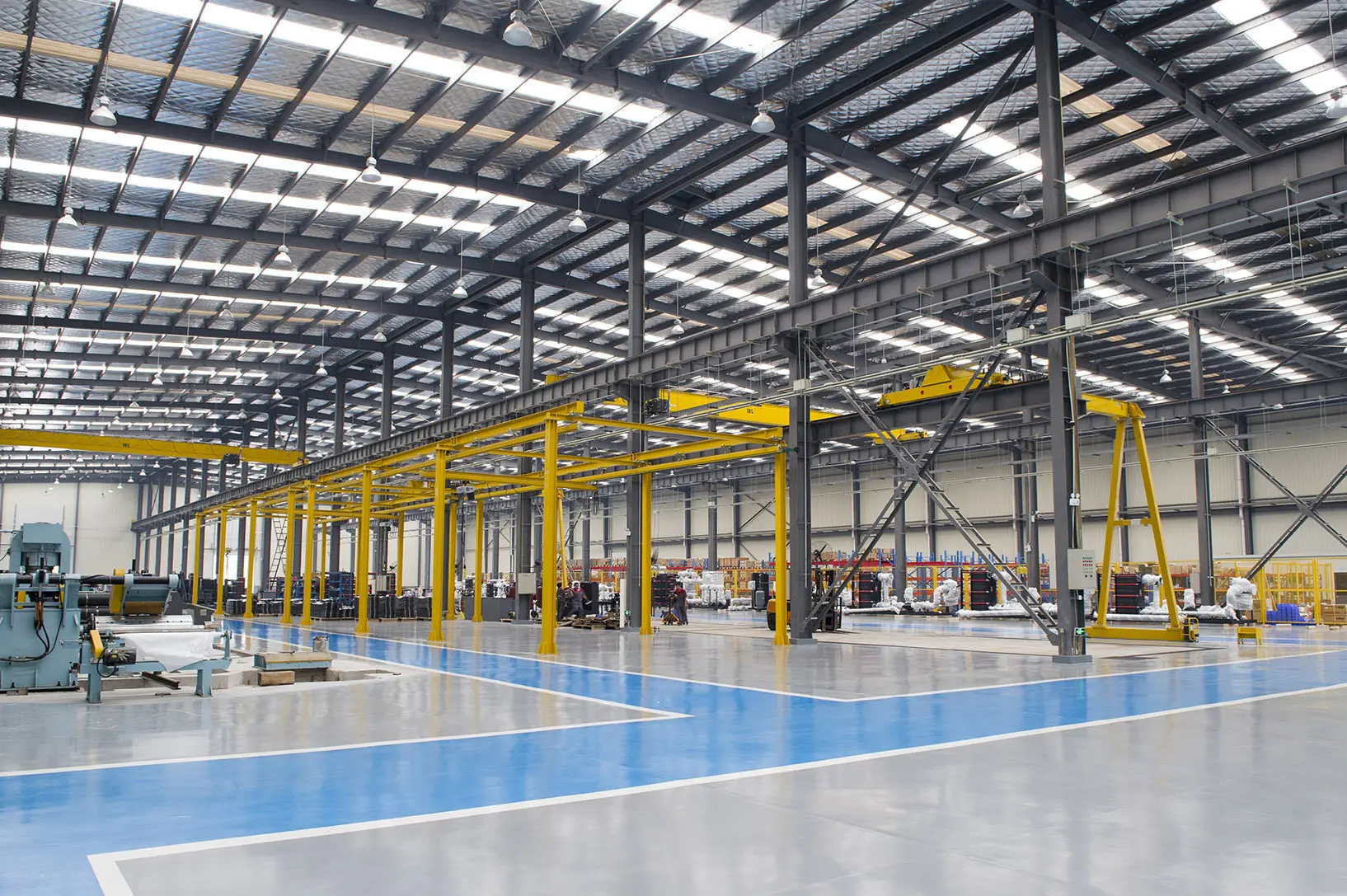
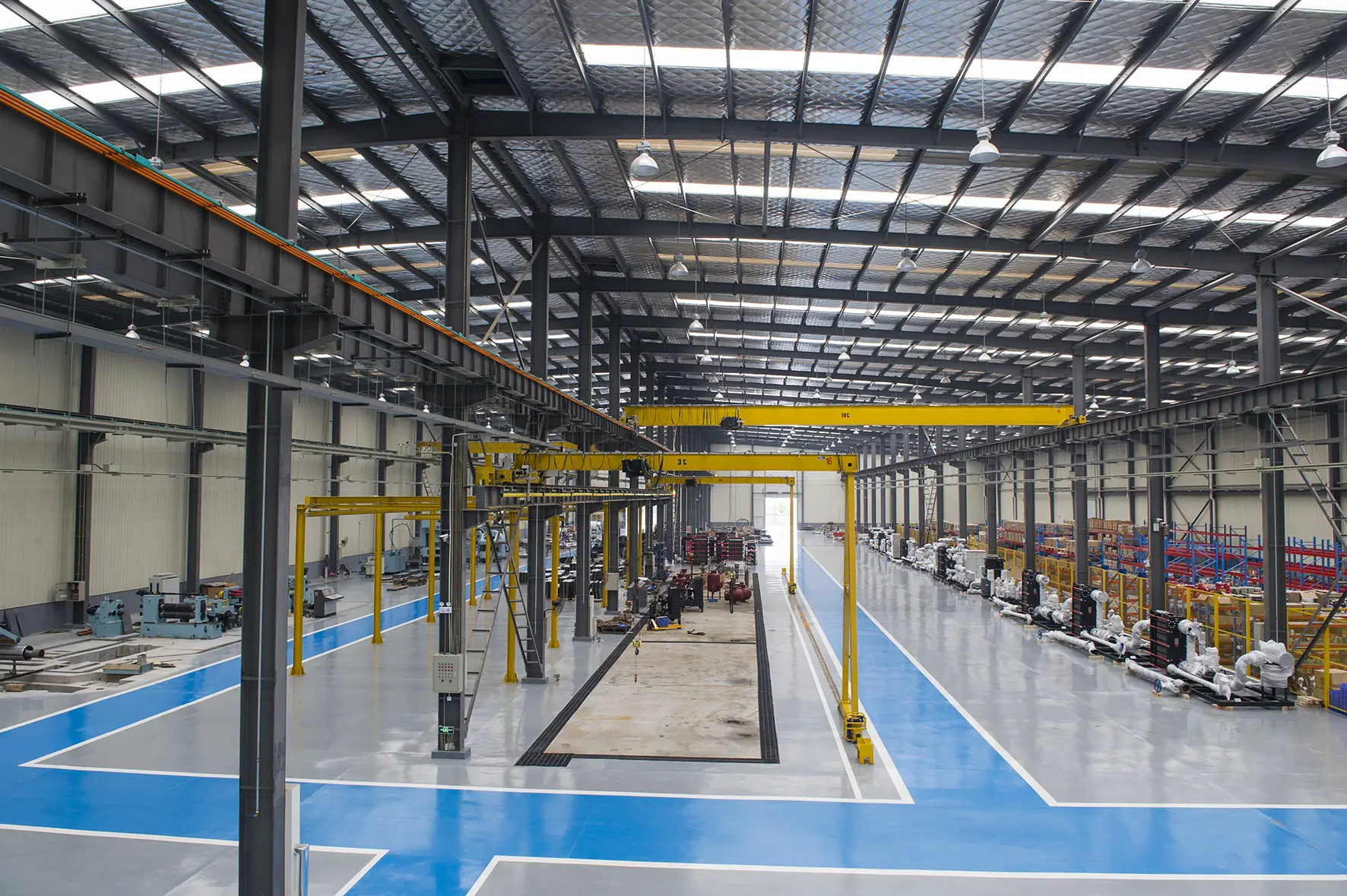
Pioneering the next generation of smart thermal regulation through AI design, dynamic tracking, and micro-flow engineering.
By using machine learning algorithms to model and simulate fluid boundaries, we optimize plate micro-structures, maximizing heat transfer rates while reducing pressure drops below current physical limits.
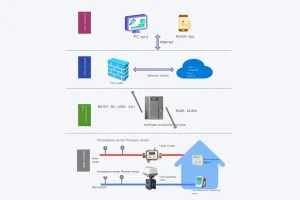
Deploying edge collectors and intelligent control valves directly onto the heat exchange skids. Our system collects temperature and flow data, enabling real-time efficiency calculations and predictive maintenance warnings.
Developing molecular-level hydrophobic coatings that reject minerals and suspended particles, preventing scale buildup and maintaining maximum heat transfer efficiency over extended runtimes.
Authoritative technical answers to common questions regarding plate heat exchanger calculations, installation, and procurement.
A: The required heat transfer area is determined using the equation A = Q / (U * ΔT_lm * F). First, calculate the heat load (Q) based on your fluid flow rate and temperature requirements. Next, determine the LMTD (ΔT_lm). With these parameters, together with the overall heat transfer coefficient (U) based on fluid characteristics, you can determine the exact size and plate counts required.
A: A high chevron angle (around 60°) increases fluid turbulence and shear stress, resulting in a higher overall heat transfer coefficient (U) but also a higher pressure drop (ΔP). Conversely, a lower chevron angle (around 30°) reduces flow resistance, lowering the pressure drop, but it yields lower convective efficiency. Modern designs often mix both angles to achieve optimal thermodynamic performance.
A: Suppliers need the hot and cold fluid mass flow rates, inlet and outlet temperatures, allowable pressure drop limits, fluid physical properties (such as density, viscosity, specific heat), and the design pressure and temperature limits of the system.
A: Plate material depends on the corrosiveness of the media. Stainless Steel 304 is used for clean water; SS316 offers improved resistance against chlorides. For marine applications, seawater, or highly acidic media, Titanium or Hastelloy is required to prevent pitting corrosion.
A: Gasketed PHEs are detachable, allowing for mechanical cleaning and scaling removal. They are ideal for high flow rates and systems prone to fouling. Brazed PHEs use copper or nickel to seal the plates permanently. They are highly compact, handle higher pressures and temperatures, but cannot be opened for cleaning.
A: Look for ISO9001:2015 for quality control, PED (Pressure Equipment Directive) for European projects, ASME stampings for North America, and safety registration from national committees for pressure vessel applications.
Explore our comprehensive industrial portfolio, featuring smart energy regulators, valves, monitoring networks, and heavy-duty vapor condensers.
Comprehensive hardware mapping of Flotte thermal solutions, integration skids, and system monitoring nodes.
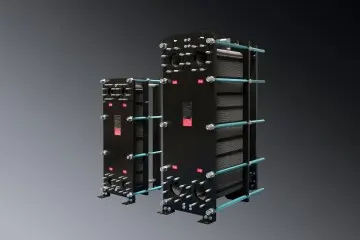
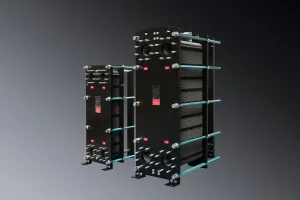
Engineered for simple maintenance access, cleaning operations, and thermal efficiency scalability.
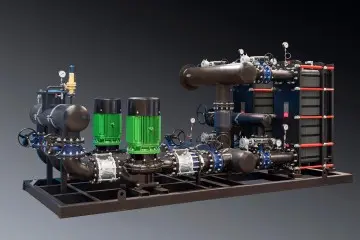
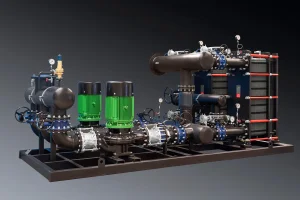
Combines smart controllers, pumps, valves, and heat exchangers into a single drop-in skid.
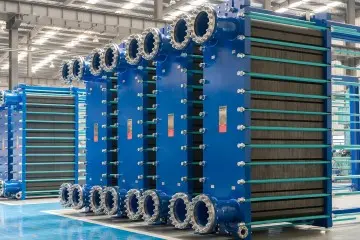
Designed for district heating systems, managing high primary pressures safely.
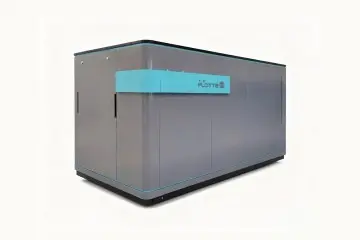
Engineered to deliver high-performance climate control and temperature distribution in skyscrapers.
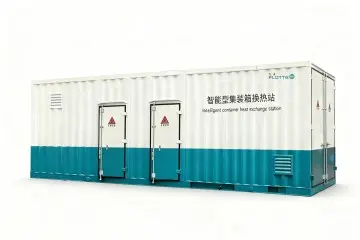
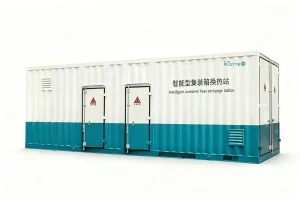
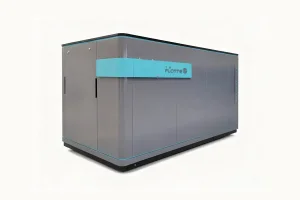
Fully enclosed compact designs with acoustic insulation and weatherproofing for outdoor installation.
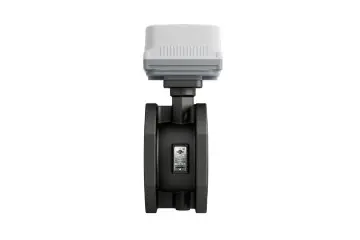
Precisely balances mass flow rates across secondary networks to prevent hydronic imbalances.

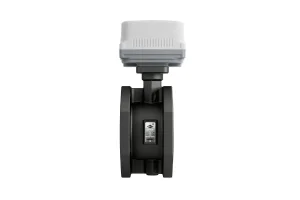
Smart sensor units designed to feed real-time climate data back to the central controller.
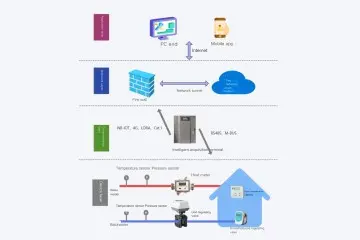
Centralized control platform dynamically balancing heating networks using IoT edge devices.
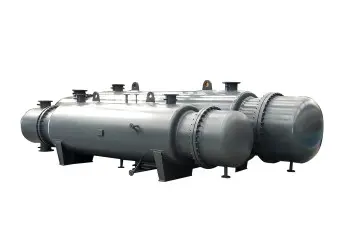
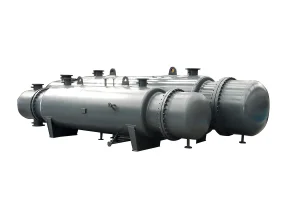
Heavy duty heat transfer solutions for extreme temperatures, high phase change duties, or vapor condensing.
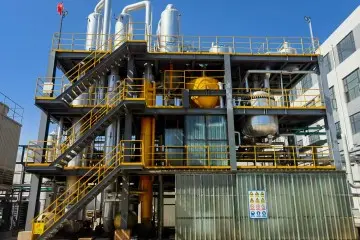
Concentrates thermal processes to recover water and solutes from industrial waste streams.
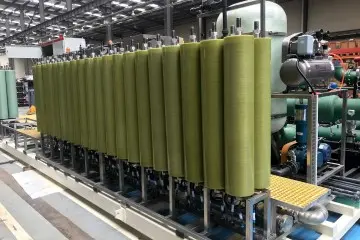
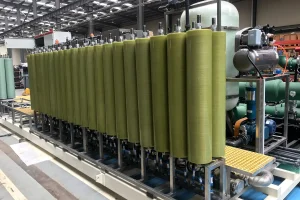
Advanced cross-flow filtration design for high-efficiency concentration and purification.
 Flotte Energy