Explore our leading line of high-efficiency heat transfer components, intelligent hydraulic monitoring architectures, and industrial systems.
Flotte Energy Saving Company, formally established in 2013 with a robust registered capital of 101 million yuan, originated from the foundations of Flotte Thermal Engineering established back in 1995. With nearly three decades of targeted technical iteration, Flotte stands as a global beacon in water treatment equipment, high-performance HVAC fluid controls, and state-of-the-art heat exchange systems.
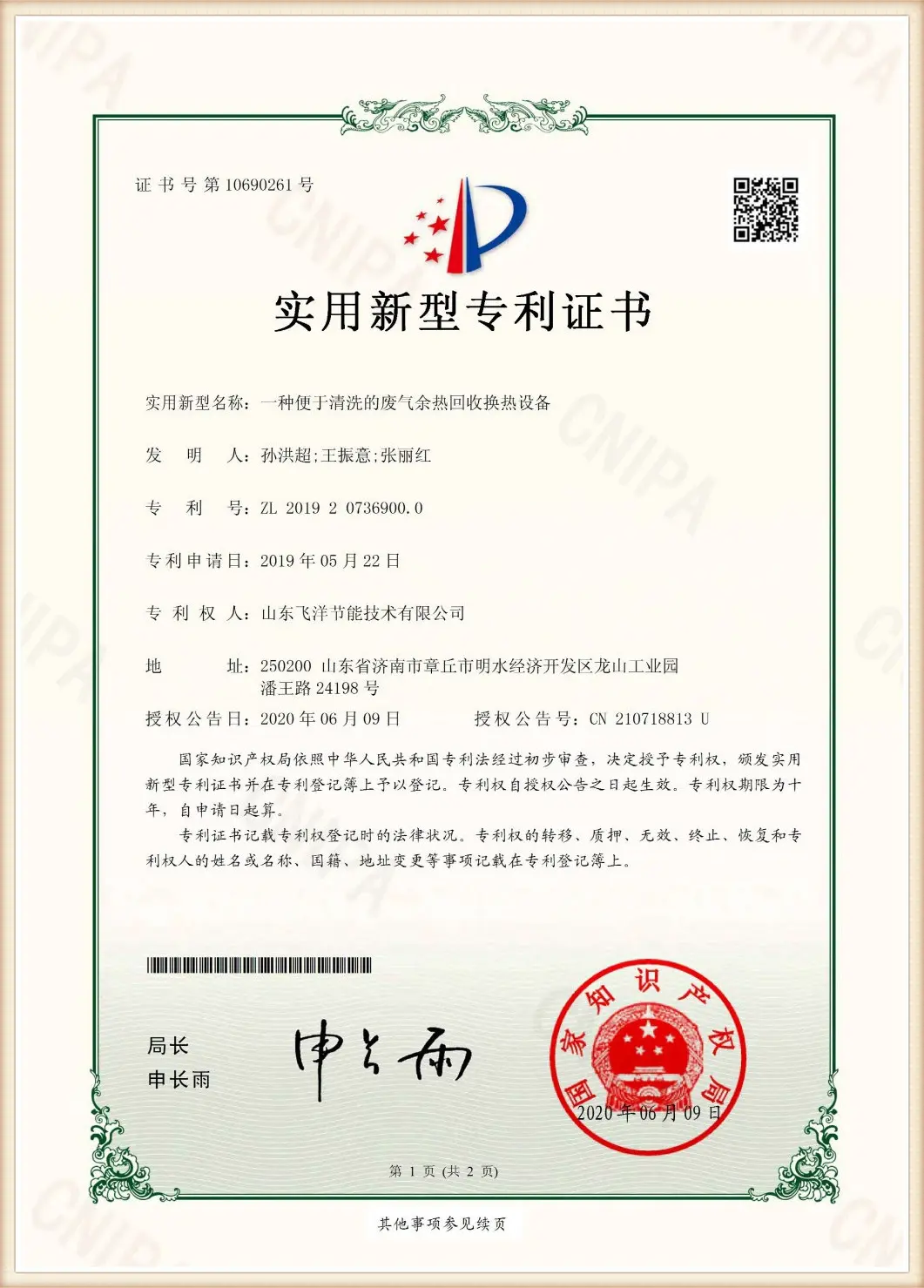
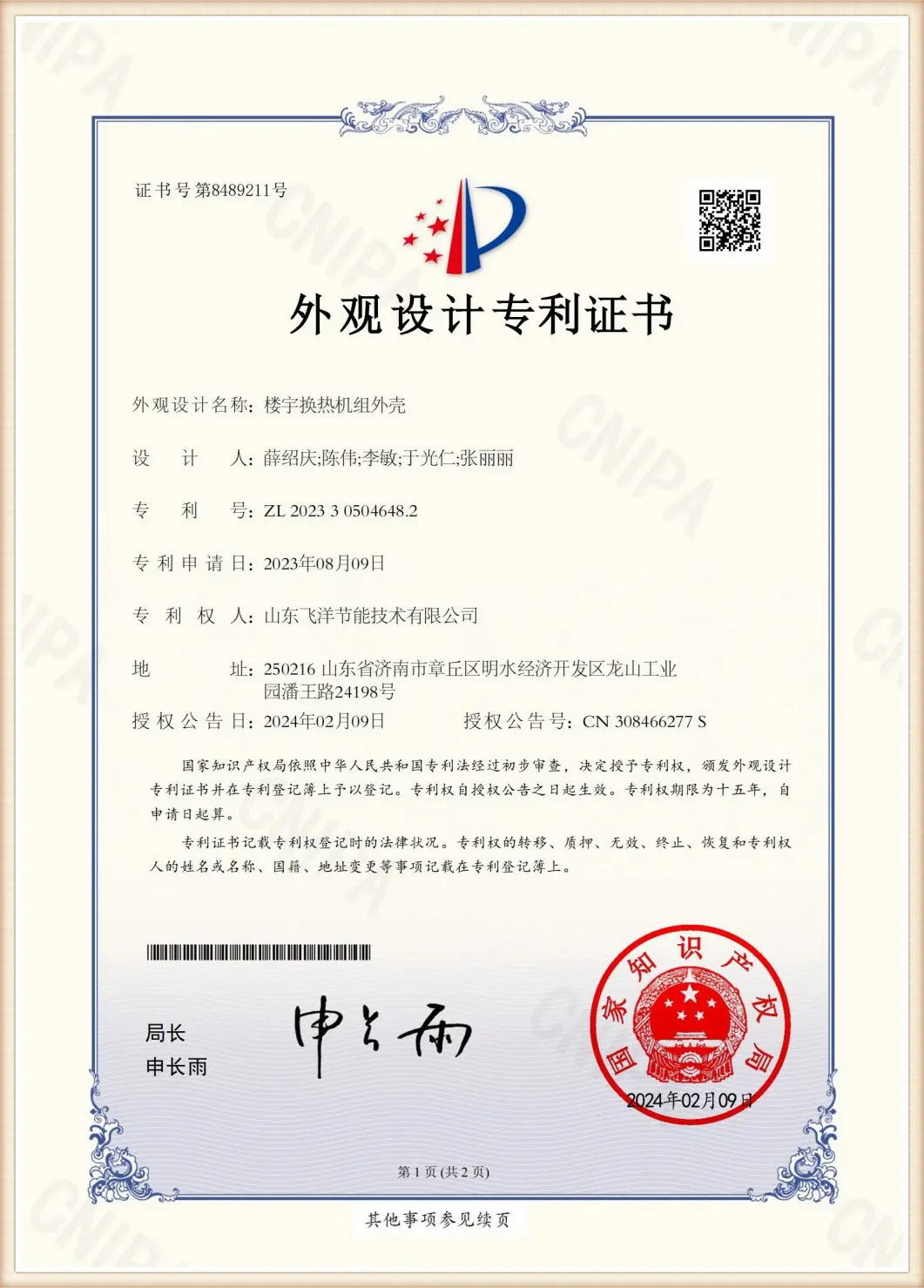
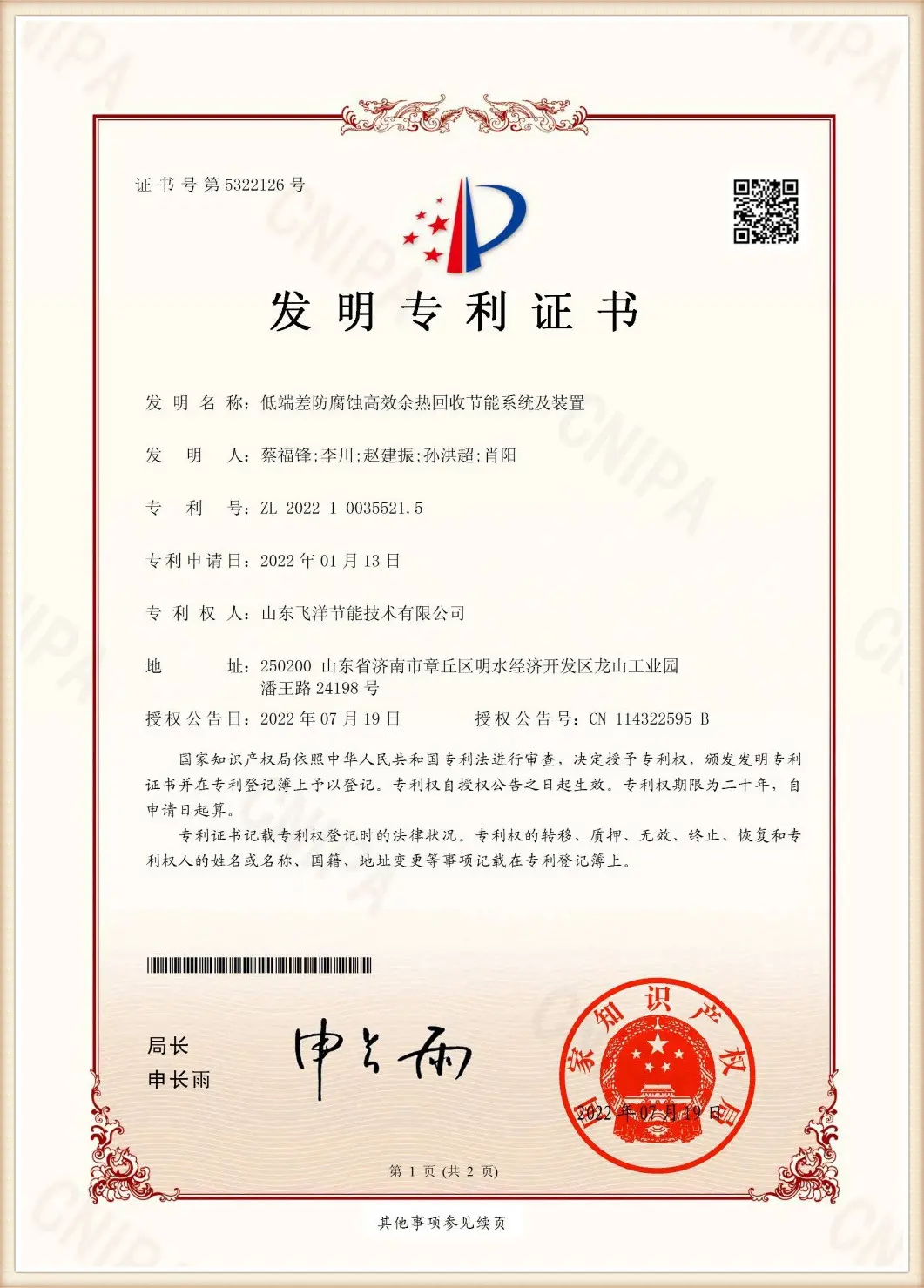
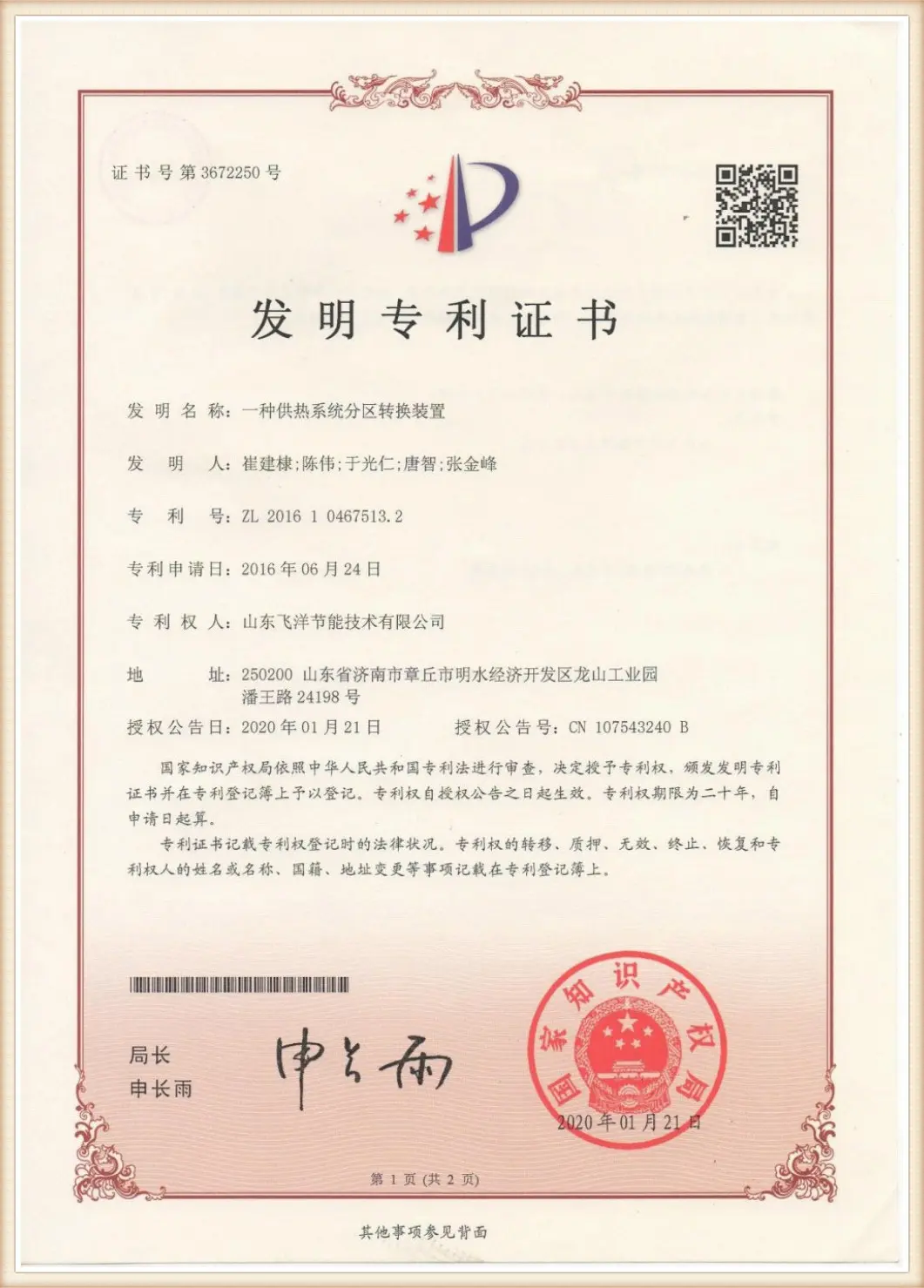
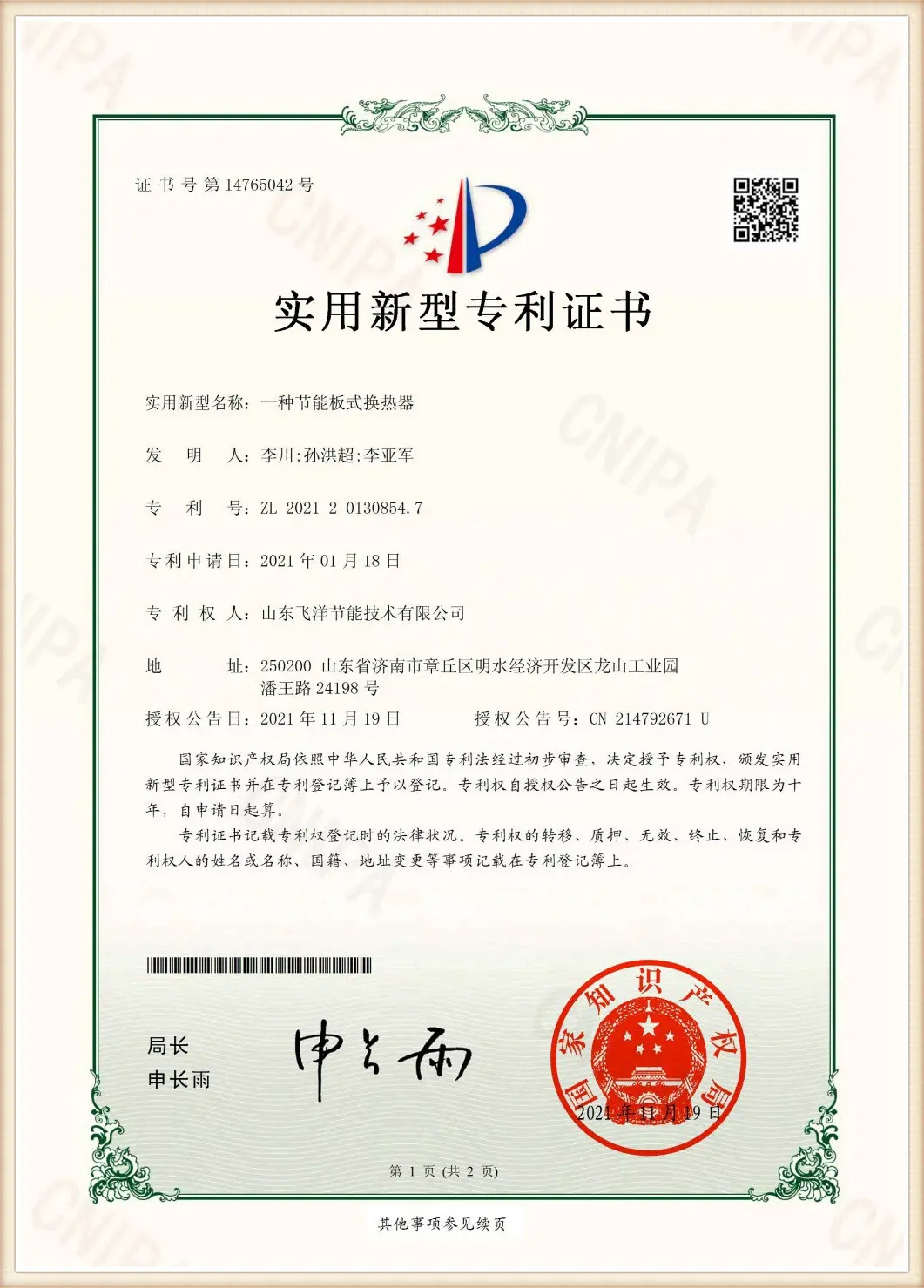
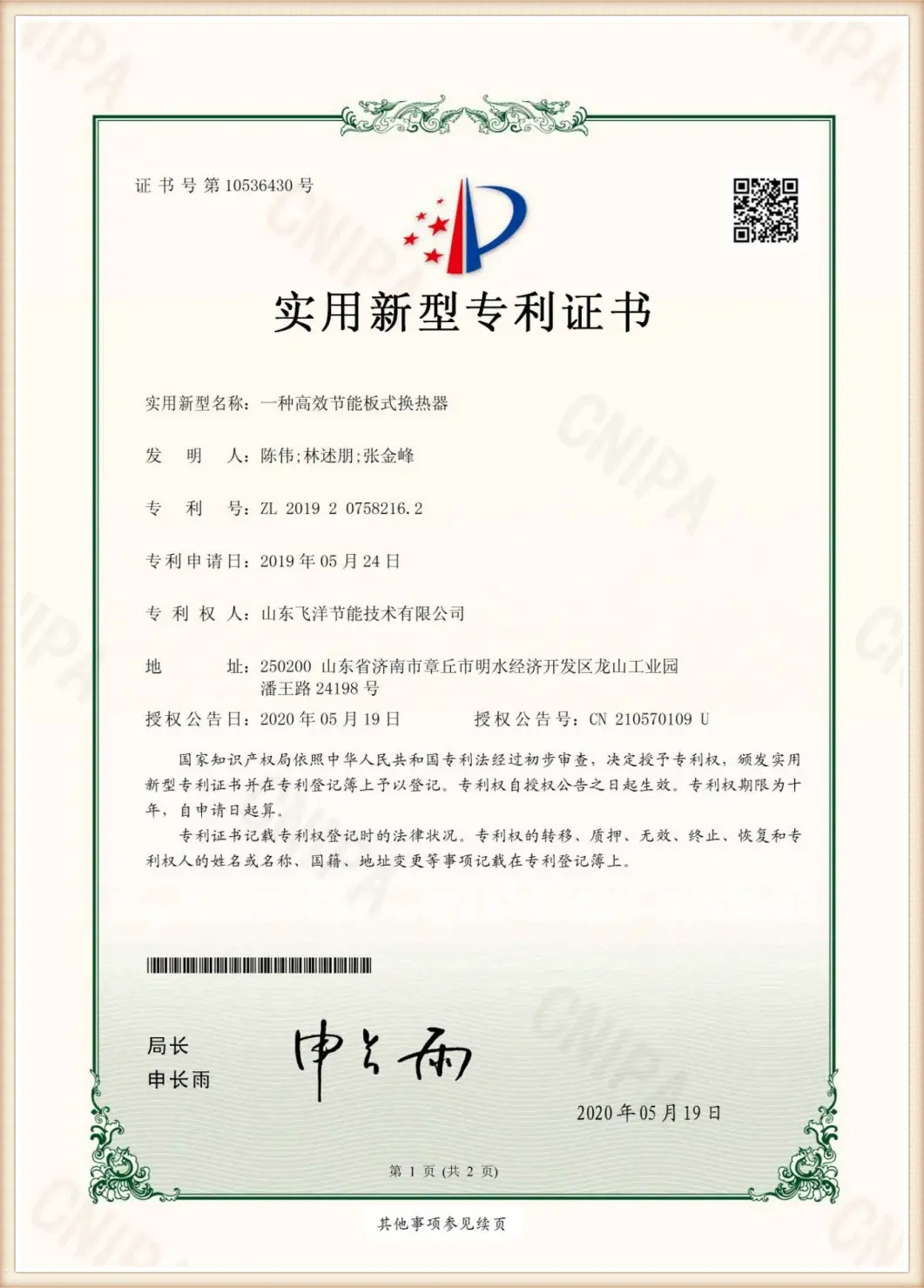
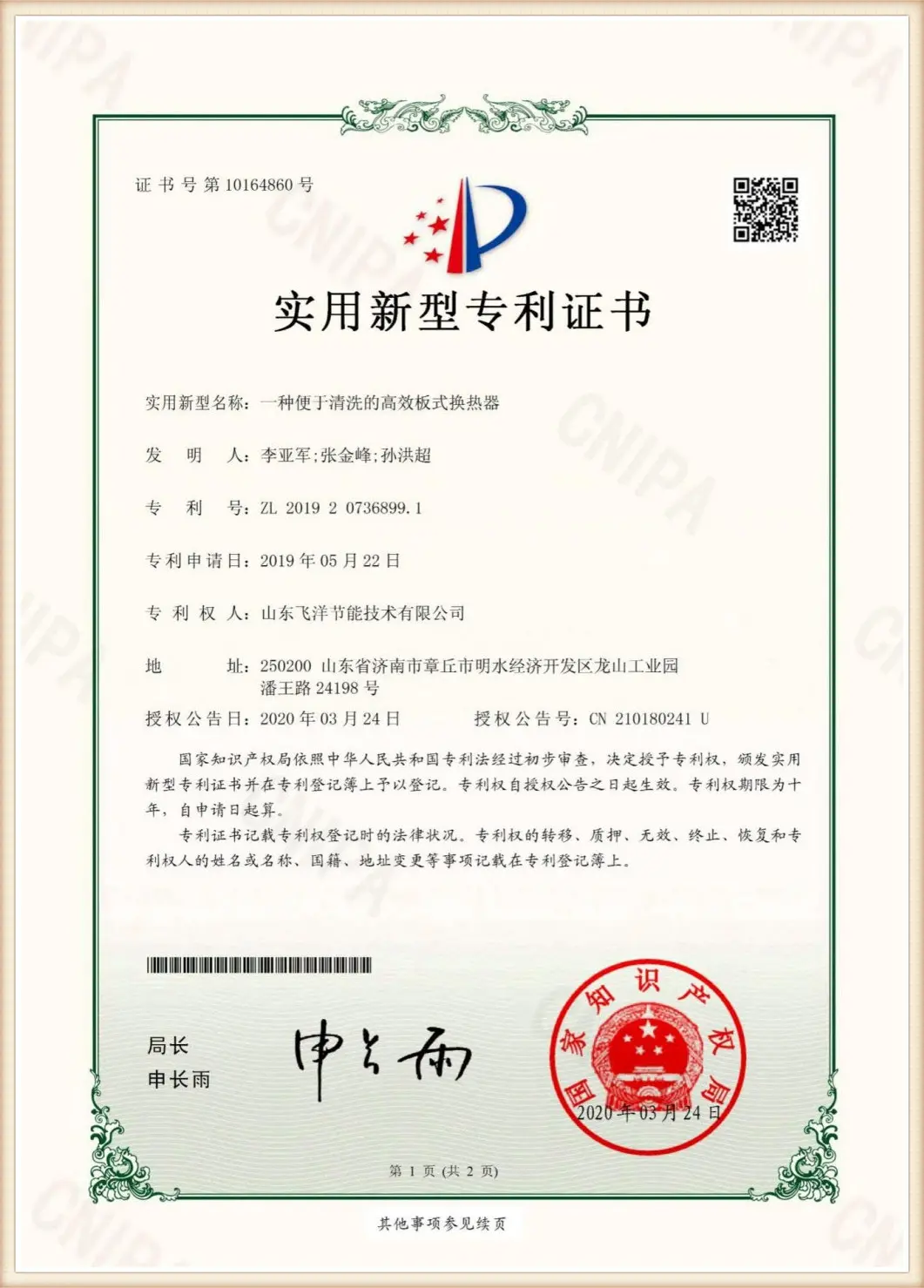
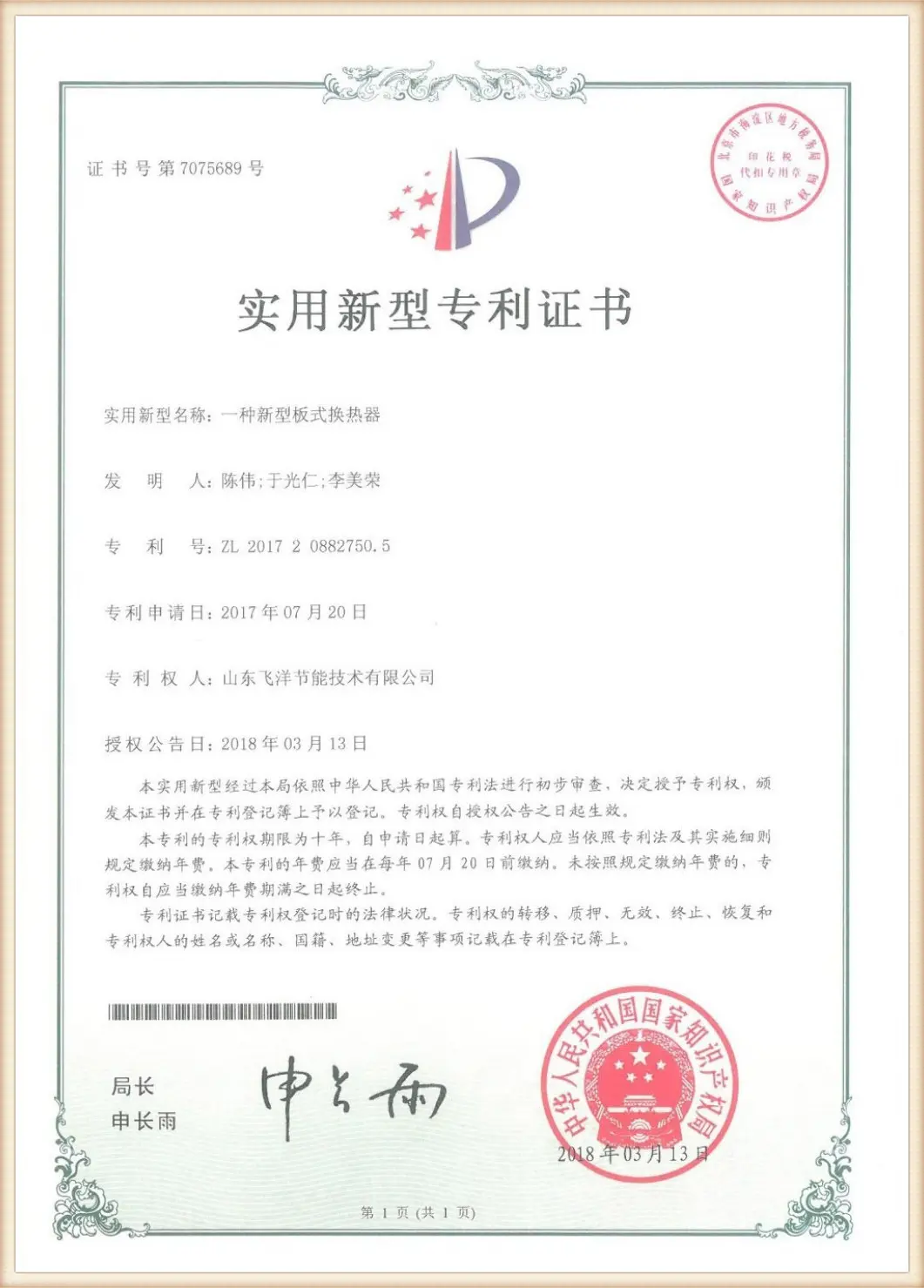
Our research and engineering initiatives drive technical boundaries, acquiring prestigious proprietary patents including the "High-Efficiency Plate Heat Exchanger", the "Intelligent Plate Heat Exchanger System", and the advanced "Plate Heat Exchanger Scale Removal Device". These technical benchmarks ensure operational longevity and elevated coefficient of performance (COP) in real-world fluid setups.
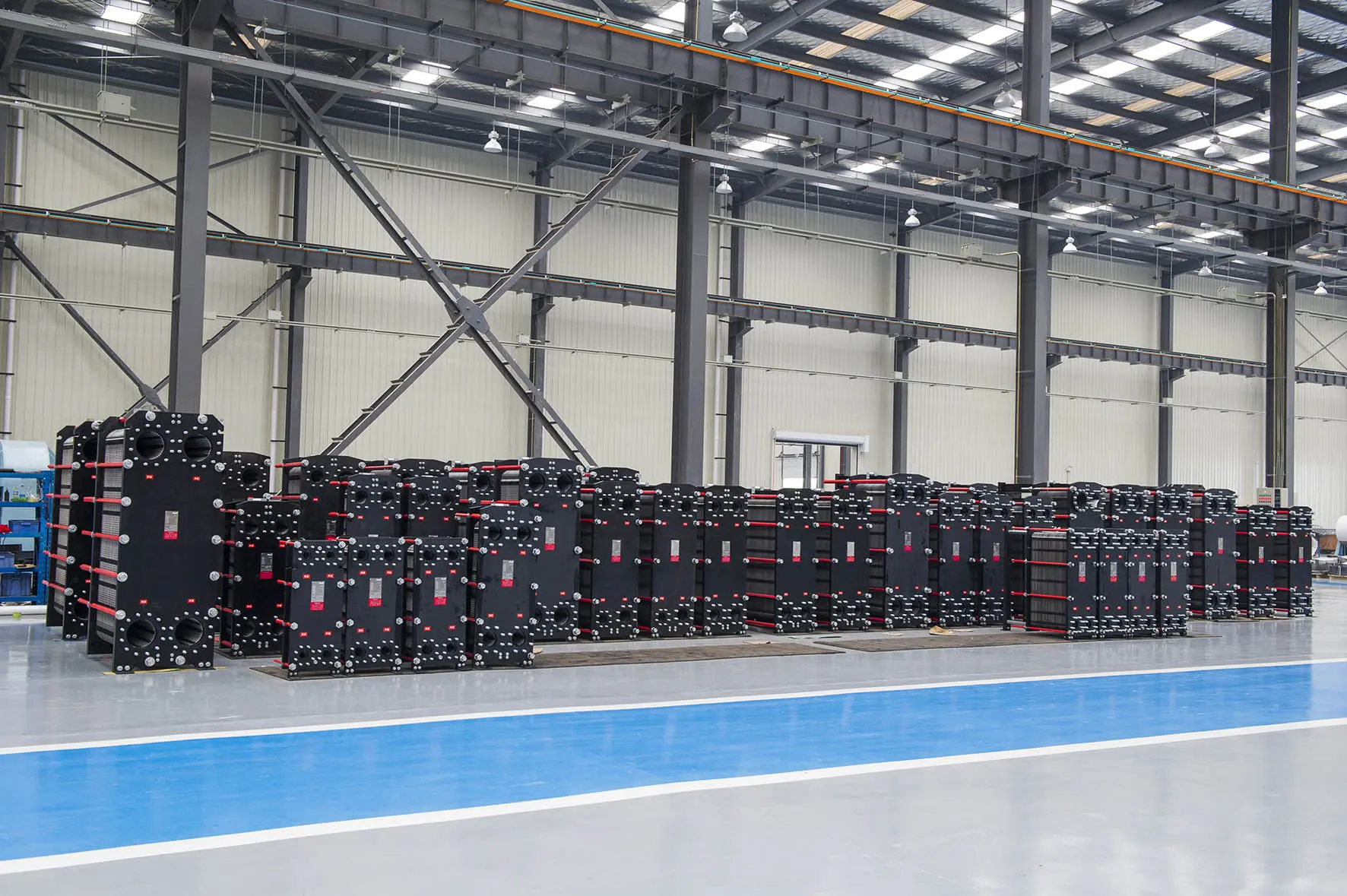
A comprehensive engineering analysis of fluid dynamics, chevron configurations, and thermodynamics in gasketed and detachable heat exchangers.
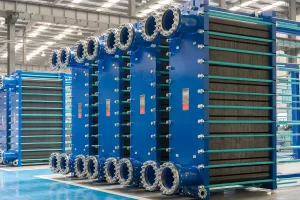
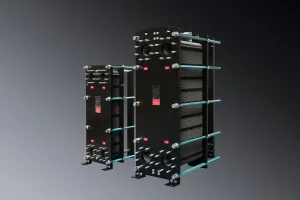
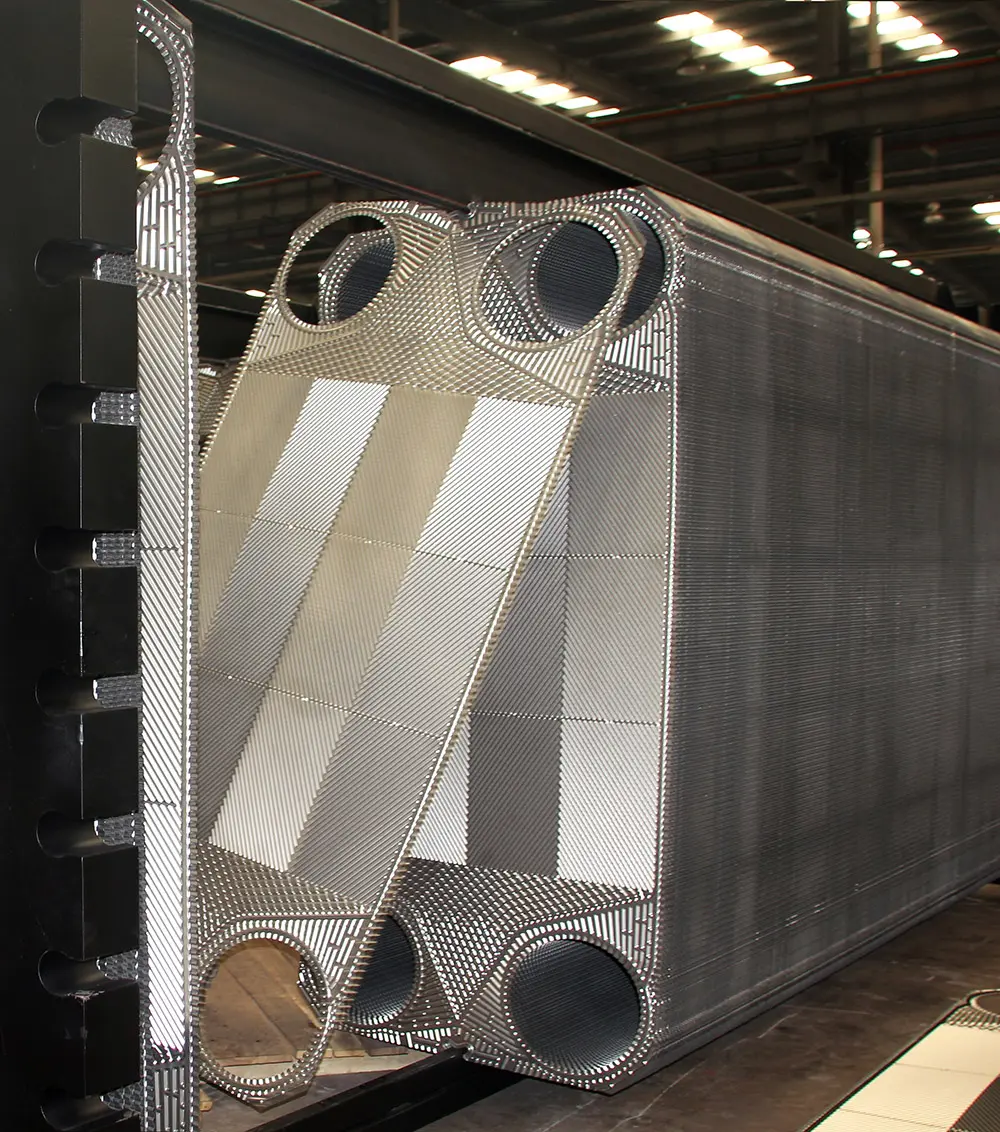
The standard plate type heat exchanger diagram represents a sophisticated arrangement of parallel thin metal plates patterned with chevrons or corrugated grooves. The primary function of this structured geometry is to establish high-frequency turbulence within the boundary layers of the flowing fluids. Traditional smooth pipe architectures suffer from laminar flow conditions that restrict convective heat transfer. Conversely, the corrugated plate layout disrupts the fluid pathway, promoting continuous mixing even at low Reynolds numbers.
By forcing fluids to flow in counter-current directions through alternating channels, the temperature gradient remains highly optimized across the heat transfer area. This maximizes the Logarithmic Mean Temperature Difference (LMTD) and achieves heat transfer coefficients (U-values) that are 2 to 3 times superior compared to traditional shell-and-tube configurations.
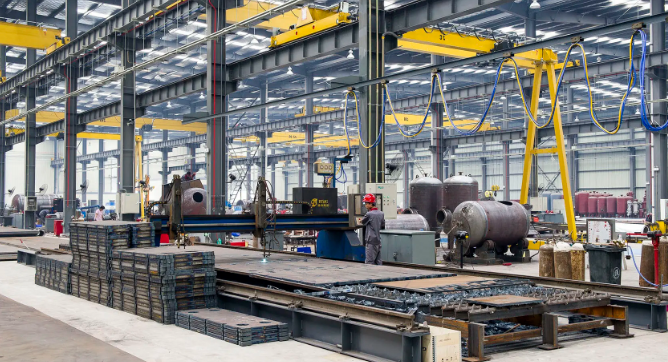
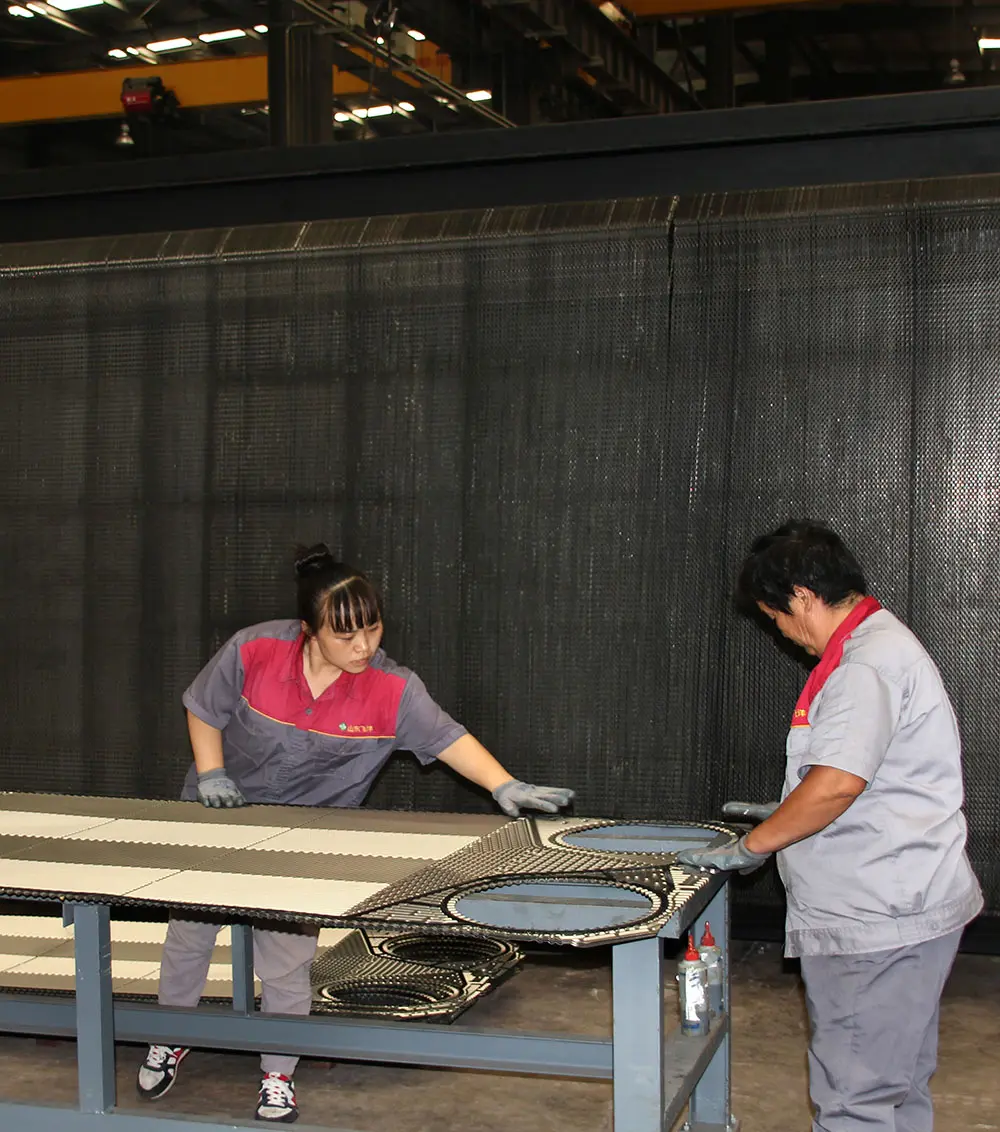
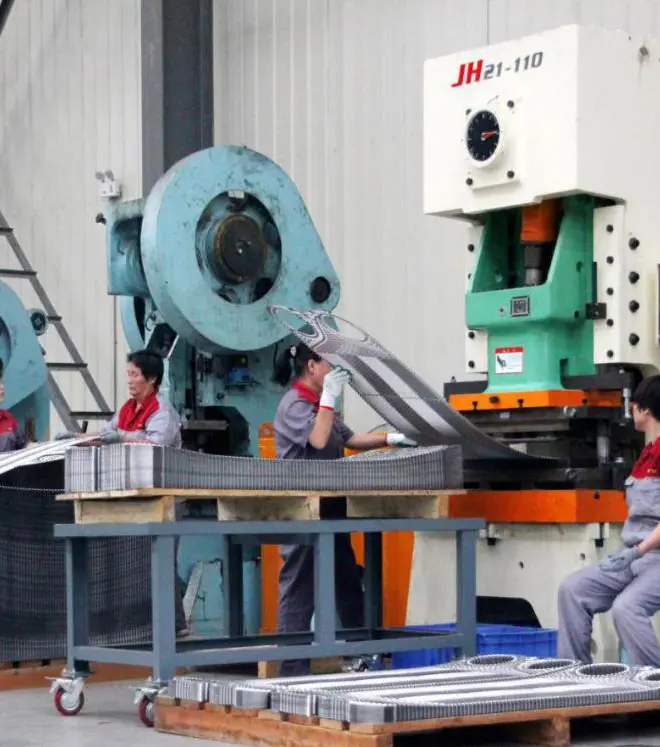
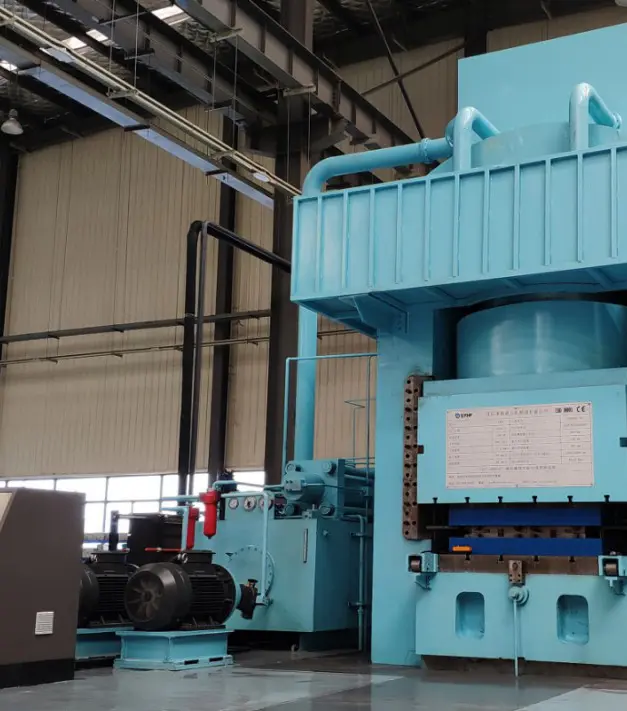
Adhering to strict ISO 9001:2015 standards, our manufacturing processes integrate advanced metallurgy, micro-forging, and computerized stress testing.
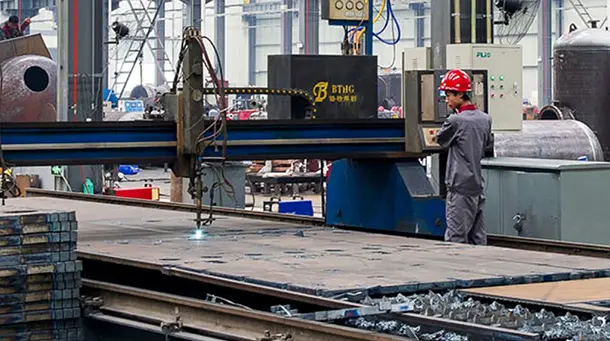
Deploying tailored thermal exchange architectures across complex energy grids, severe chemical processing plants, and localized district systems.
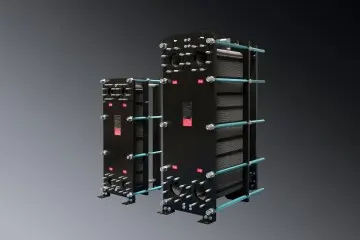
Connecting municipal power plants to primary and secondary district loops. The detachable design handles dynamic pressures and thermal stresses cleanly, scaling according to municipal population growth.
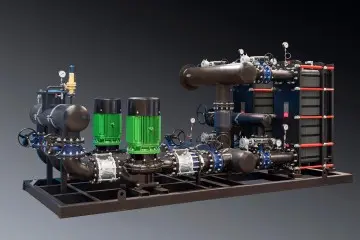
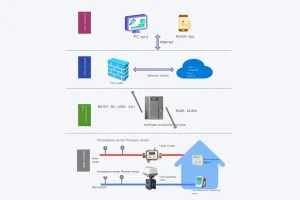
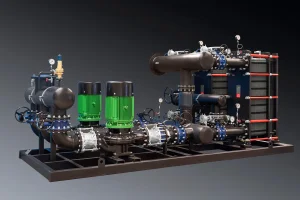
Smart, skid-mounted integrated modules incorporating automated valves, smart pumps, sensors, and heat exchangers. Designed to communicate directly with IoT heating network centers.
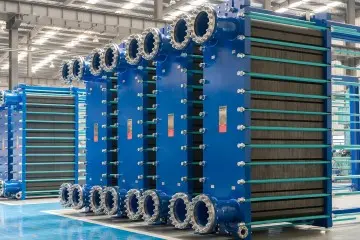
Engineered for high-stress hydraulic environments. Stabilizes incoming temperatures and regulates multi-zone high-rise heating circuits while preventing pressure spikes from damaging end-user hardware.
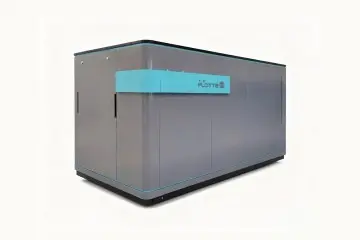
Optimizing thermodynamic performance inside commercial skyscrapers. Isolates high static pressure zones between lower building levels and high-altitude HVAC circuits.
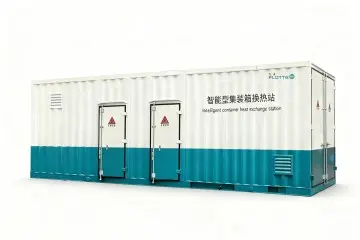
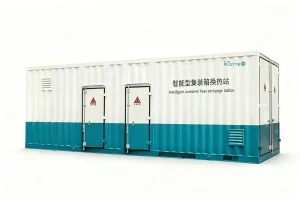
Modular, weather-proof enclosures for outdoor installations. Eliminates the requirement for dedicated utility buildings, keeping critical piping infrastructure safe from harsh sub-zero temperatures.
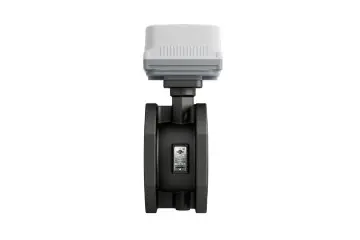
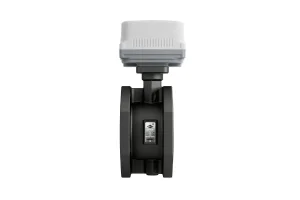
Features digital sensors and intelligent control actuators to resolve hydraulic imbalance issues across complex secondary distribution lines, decreasing unnecessary heat loss.

Smart localized devices that feedback real-time household temperatures directly to central heat exchangers to adapt heat output dynamically based on indoor environmental data.
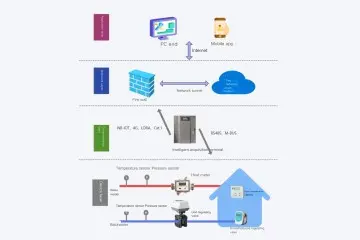
A full software-hardware ecosystem adjusting system flow rates, balancing pipeline pressures, and delivering precision temperature management for multi-family residential setups.
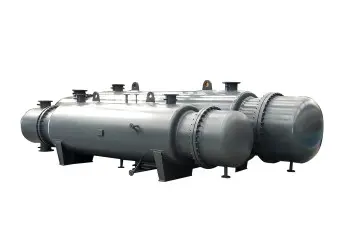
Offered alongside plate systems to support extreme high-temperature and high-pressure steam-water setups in heavy processing, chemical distillation, and energy generation fields.
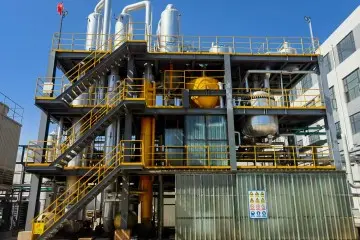
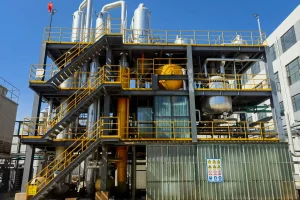
Recovers energy from secondary vapor sources. Extensively integrated into wastewater desalination, industrial concentration, and chemical recovery lines to lower raw fuel costs.
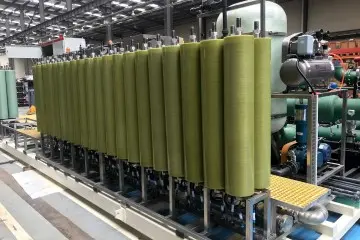
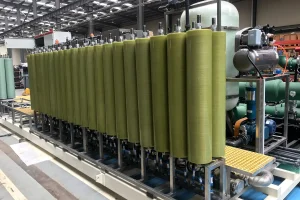
Utilizes selective filtration alongside heat recovery to process industrial wastewater, liquid concentration, and pharmaceutical purification loops, meeting zero liquid discharge (ZLD) requirements.
Ensuring complete design conformity and supply chain stability for our partners across North America, Europe, Central Asia, and East Asia.
Our plate heat exchangers comply with global code frameworks. We hold national pressure vessel registration, safety certifications from the National Standardization Committee, and strict compliance alignment with ASME Section VIII and EU PED directives.
We operate within a fully certified management ecosystem: ISO 9001 for Quality Management, ISO 14001 for Environmental Responsibility, and ISO 45001 for Workplace Safety. Every batch undergoes rigorous hydraulic and dye penetrant testing.
Through our dedicated global supply network, we deliver customized plate specifications and rapid gasket replacements to reduce industrial downtime. Multi-lingual engineering teams provide on-site setup guidance and remote diagnostic support.
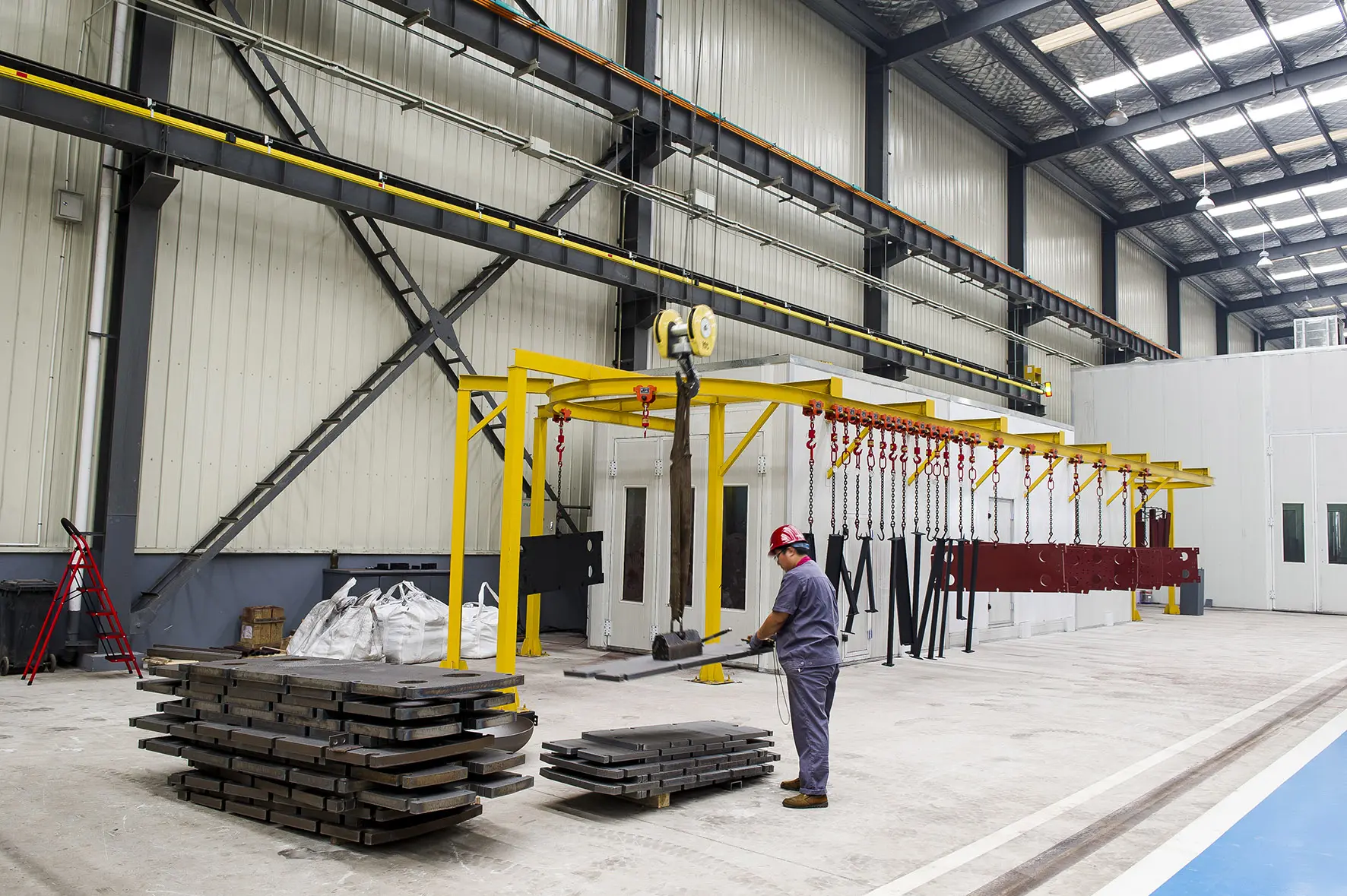
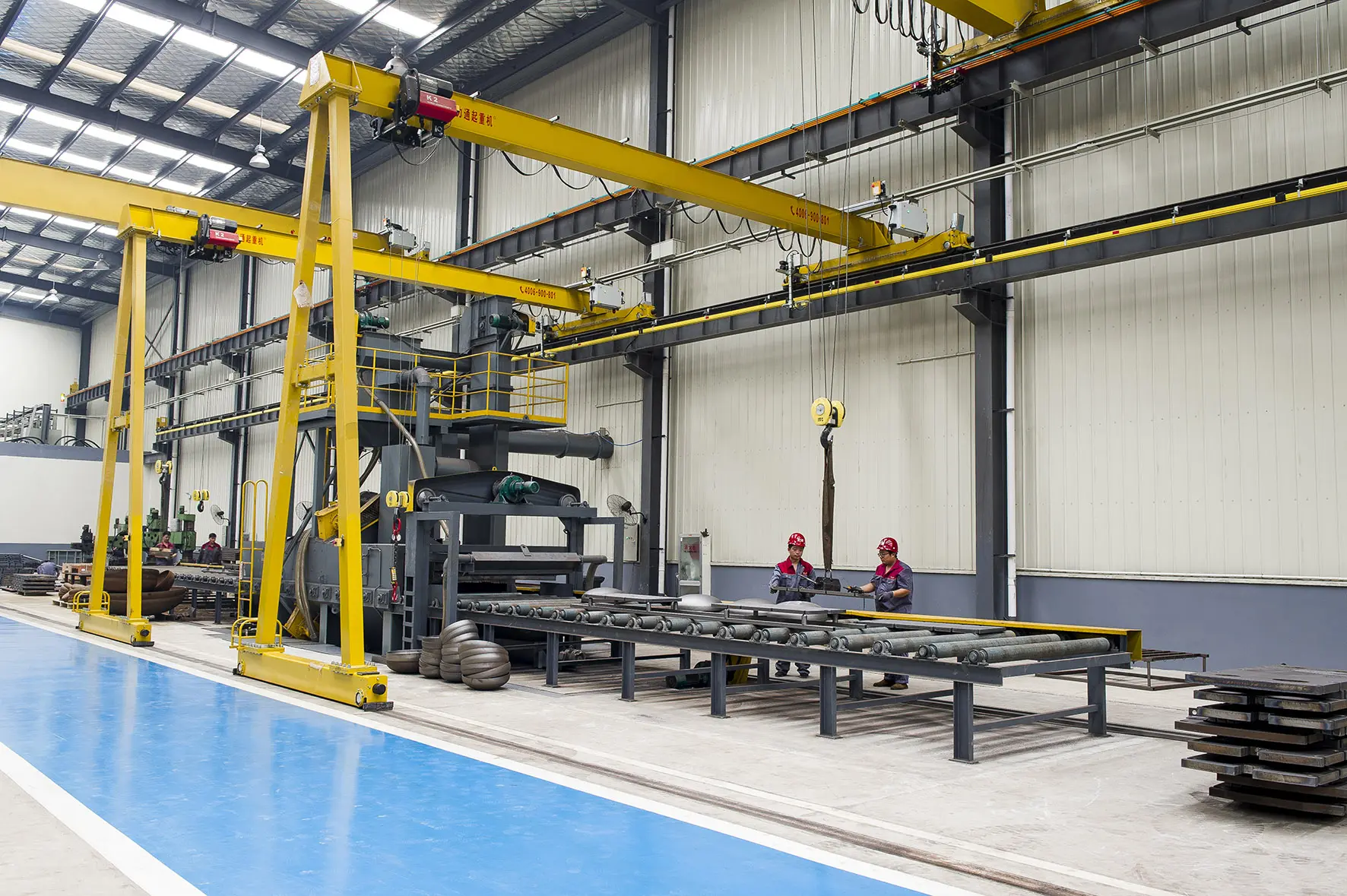
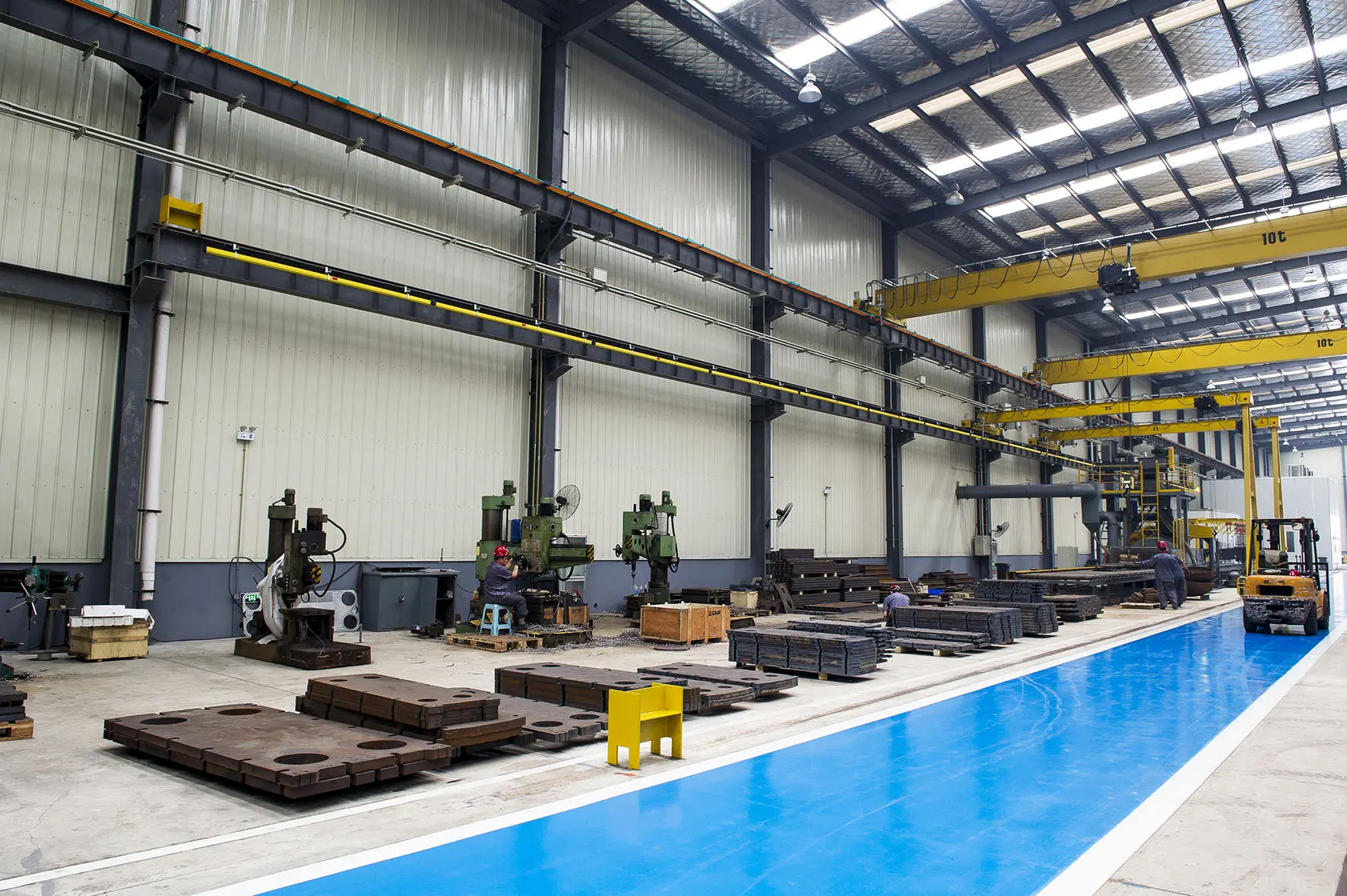
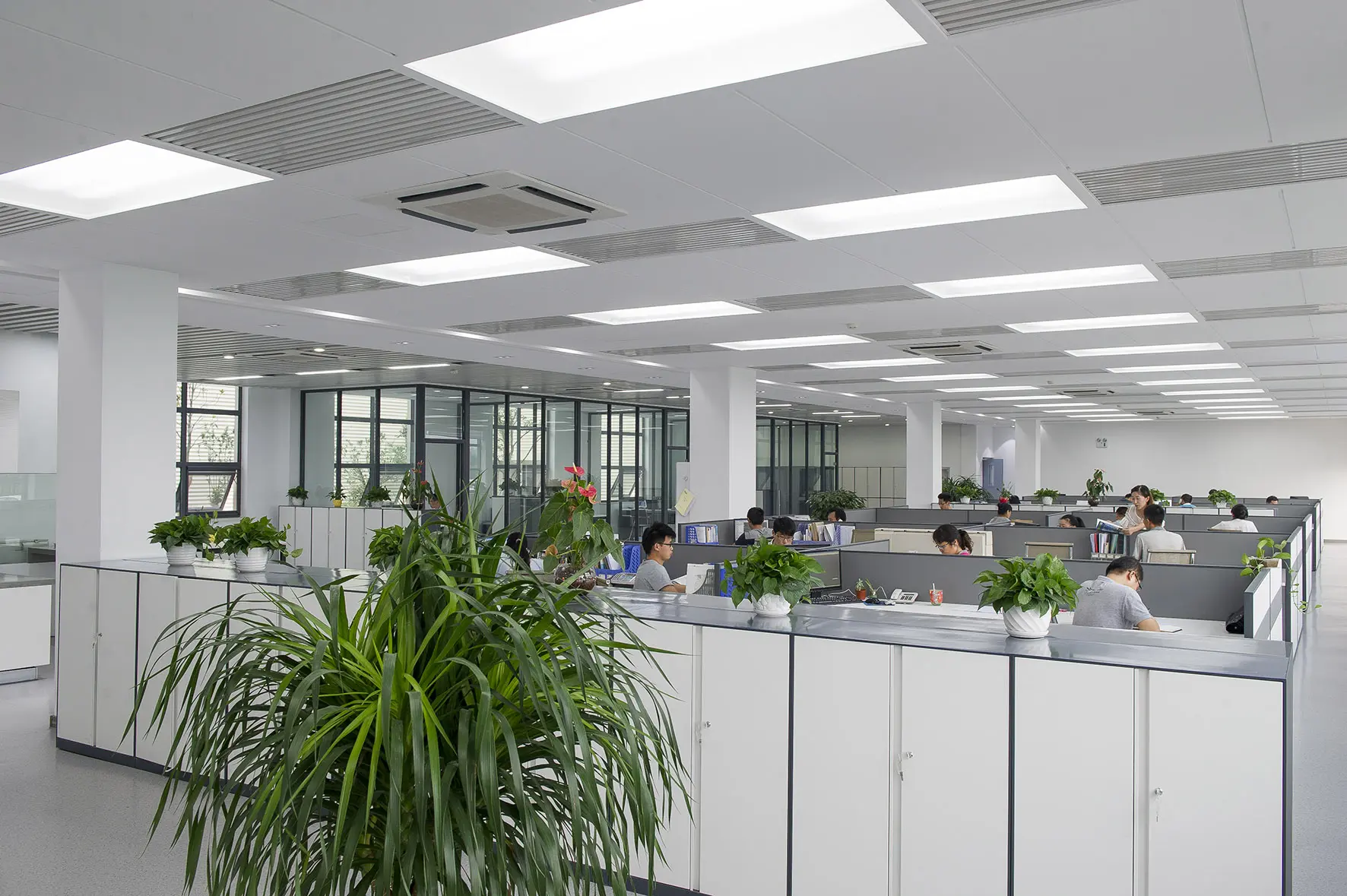
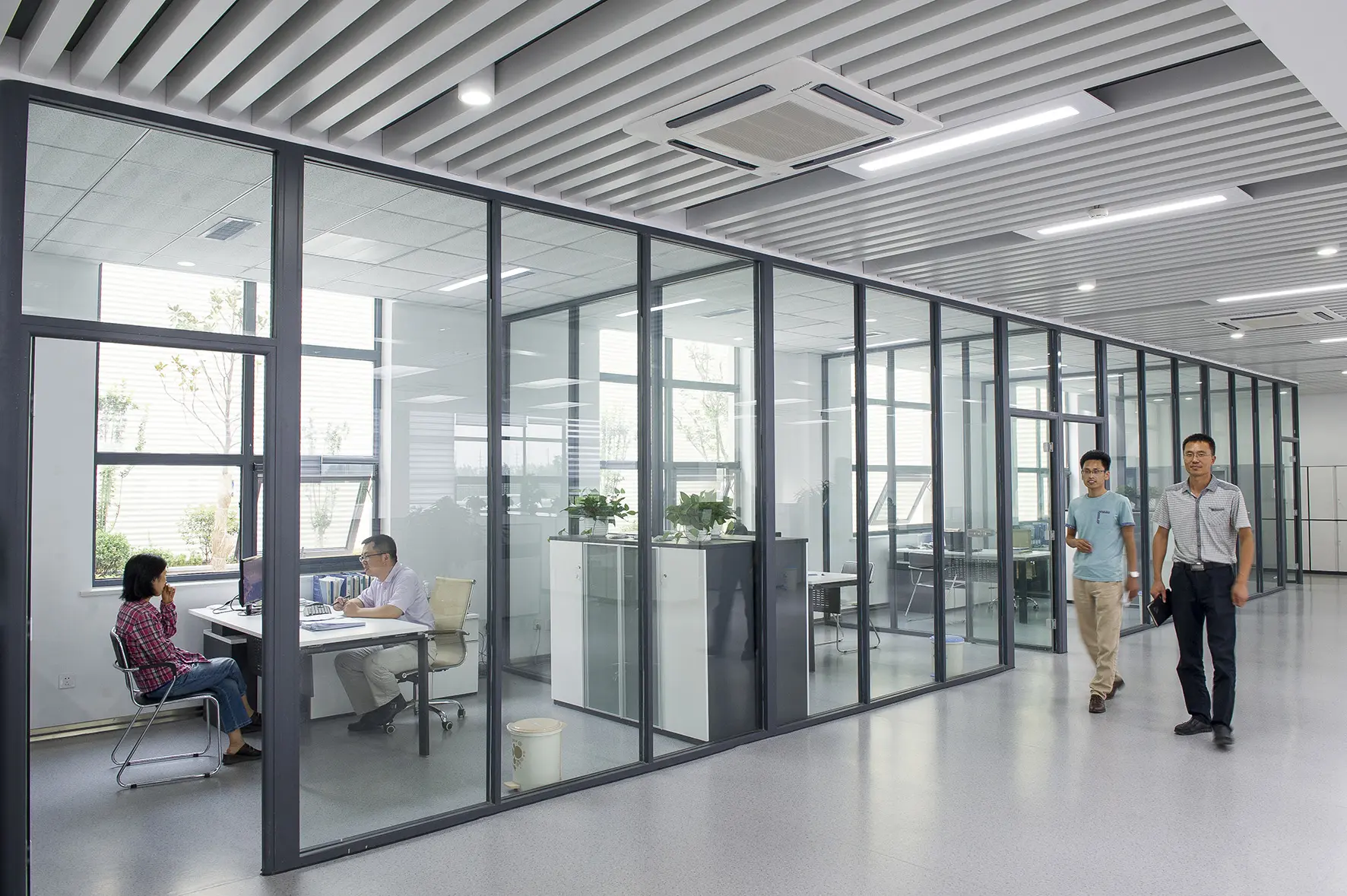
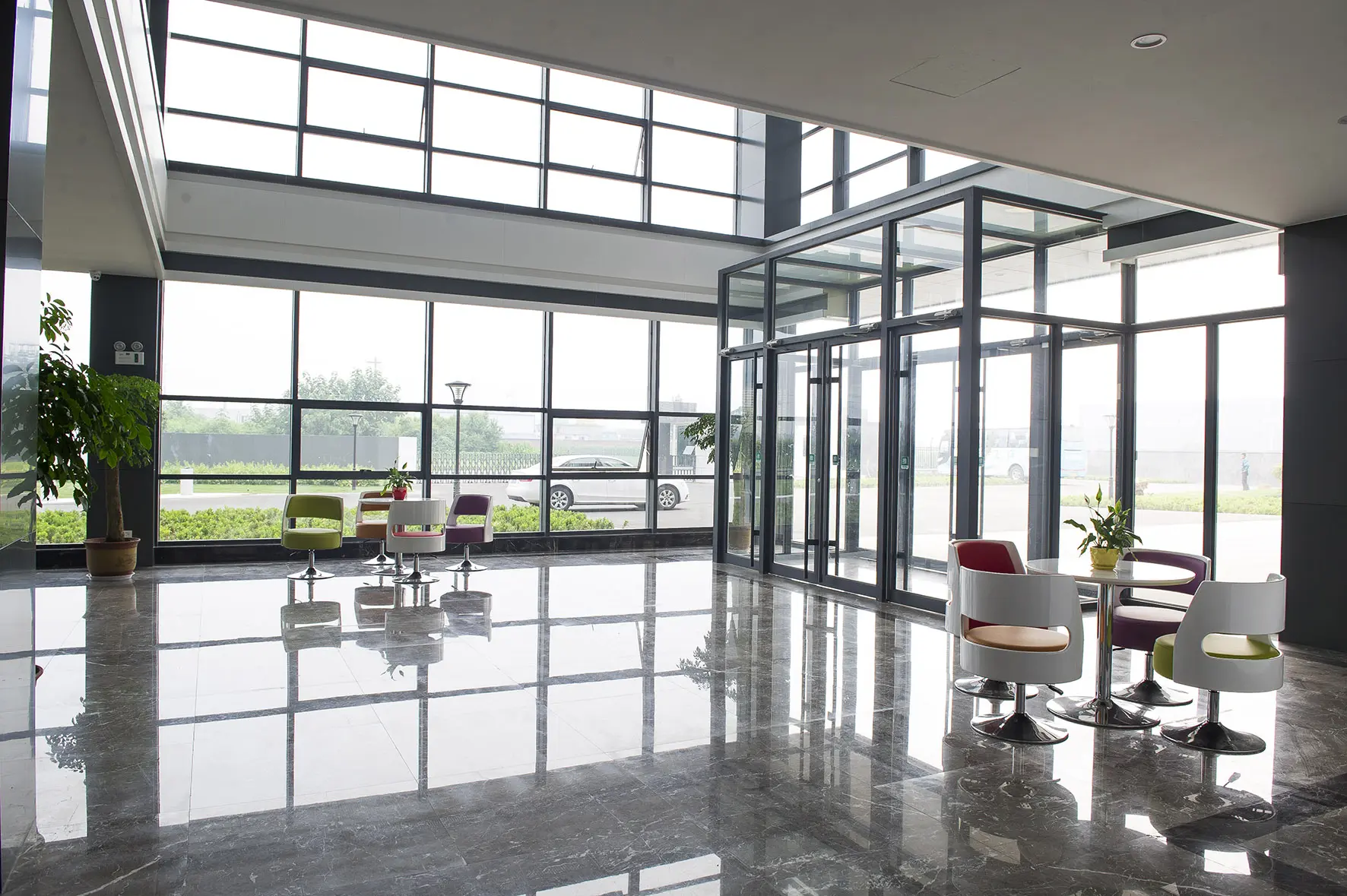
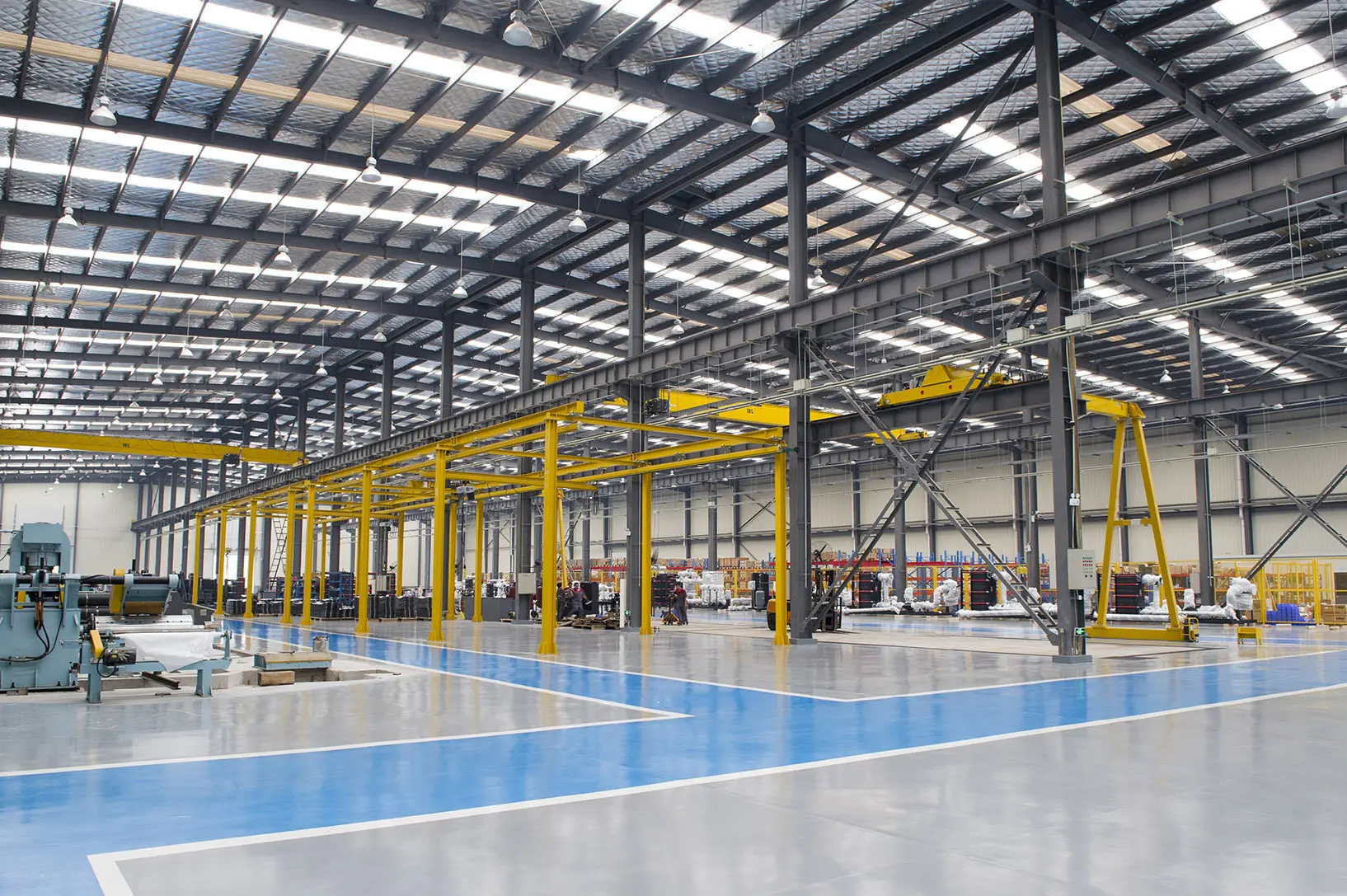
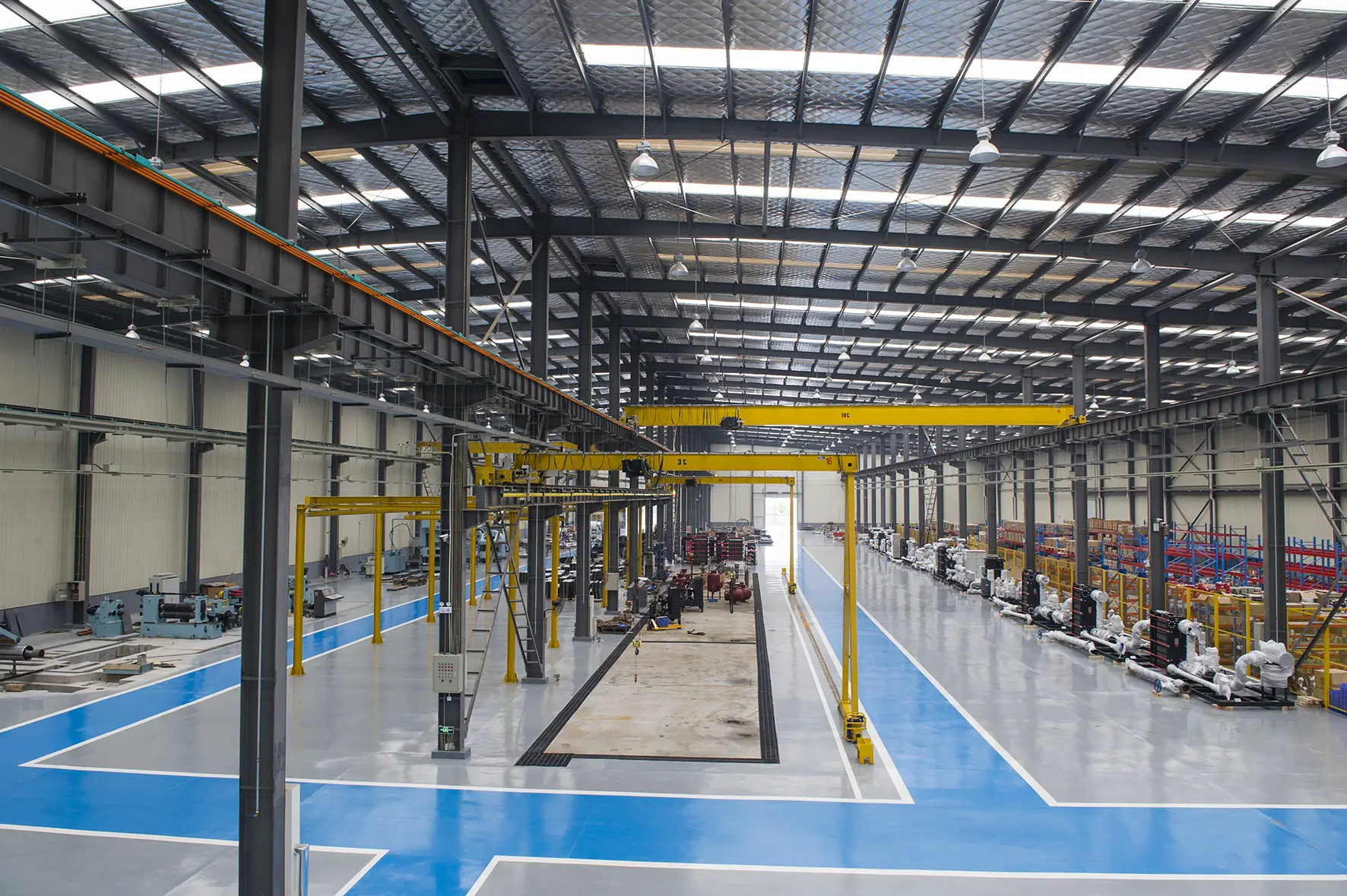
Adapting physical plate dynamics for next-generation automated grids, heat recovery cycles, and intelligent process integration.
The convergence of physical heat exchange design and digital monitoring systems is shaping the future of global utility design. Flotte is driving research into nano-composite anti-fouling coatings that prevent carbonate and silicate deposits from adhering to titanium plate surfaces. This dramatically lowers operational maintenance windows and guarantees continuous high heat transfer rates.
Additionally, our intelligent box units utilize integrated telemetry algorithms. Rather than operating under static parameter baselines, these systems adjust flow distribution dynamically by reading changes in outdoor ambient temperatures. This minimizes pump work, balances line pressures, and prevents overheating, reducing overall system energy consumption by up to 15%.
In-depth responses from our senior research team covering diagnostic reading, gasket selections, scaling preventions, and fluid optimization.
Browse our complete list of detachable heat exchangers, multi-effect evaporation plants, and intelligent network balance valves.
 Flotte Energy