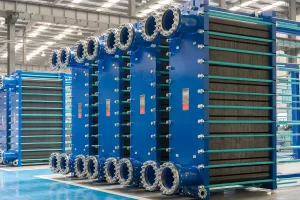
Browse our featured selection of state-of-the-art modular systems, intelligent collectors, and highly optimized plate heat exchangers direct from our manufacturing facility.
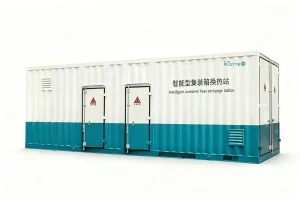

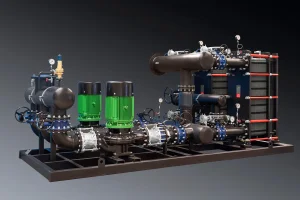
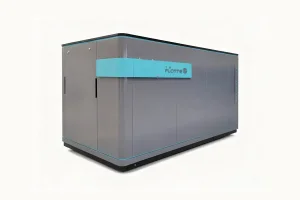
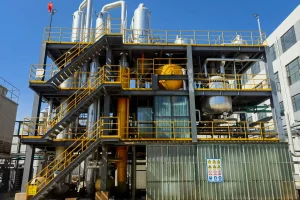
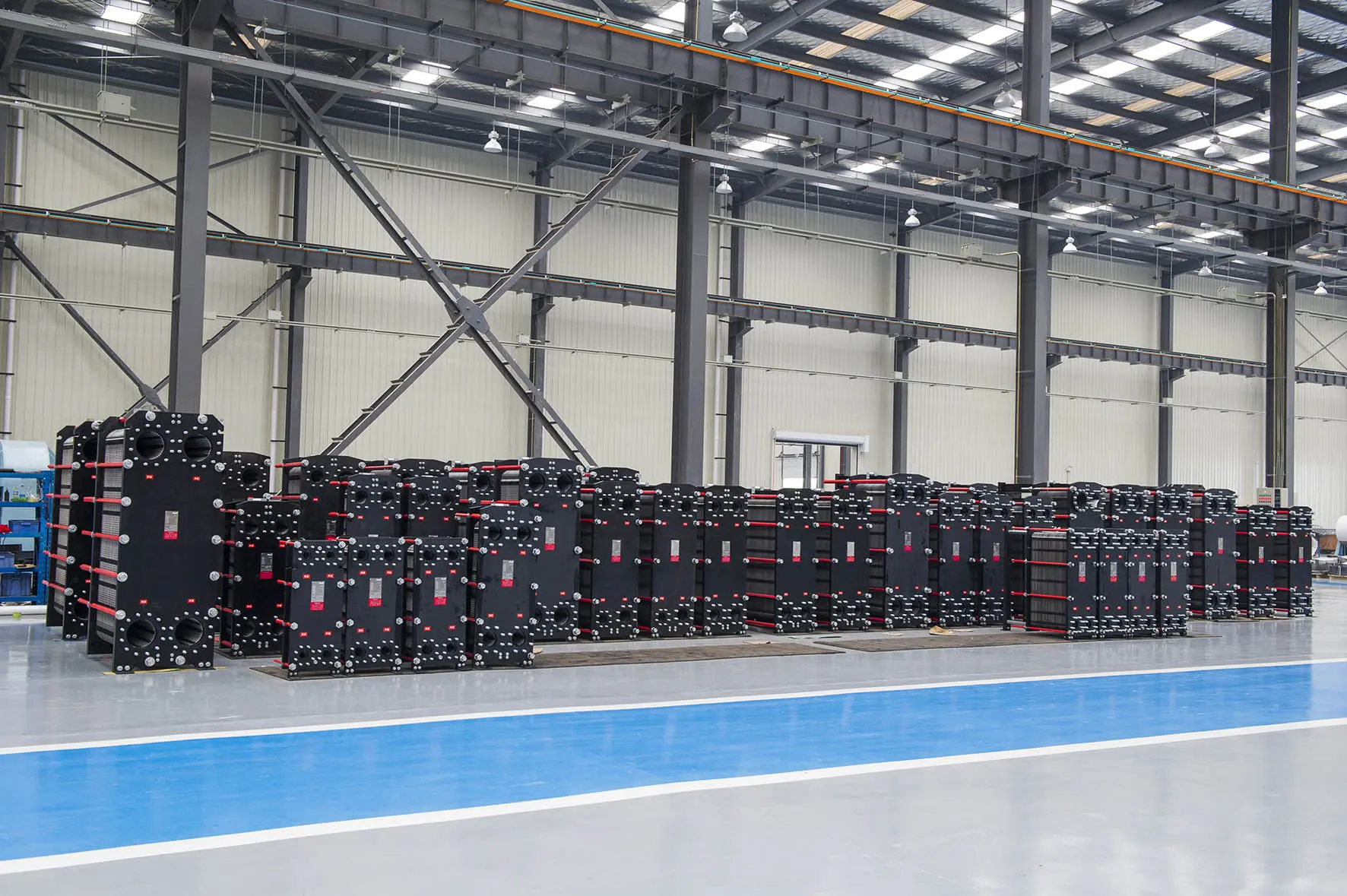
Founded on a bedrock of technical excellence, Flotte Energy Saving Company represents the pinnacle of modern thermal engineering. Established in 2013 with a robust registered capital of 101 million yuan, Flotte is the direct expansion of Flotte Thermal Engineering which commenced operations in 1995. This three-decade lineage underpins our structural expertise in industrial water equipment, high-performance HVAC systems, and eco-friendly water treatment solutions.
By constantly executing technological pivots, investing in computational fluid dynamics (CFD), and integrating robotic production lines, Flotte consistently leads domestic and international peers. We bridge the gap between material sciences and industrial execution, providing customized, end-to-end heat transfer configurations that meet stringent international regulatory metrics.
The structural integrity and operational efficiency of a Plate Heat Exchanger (PHE) are heavily dictated by the metallurgy of its thermal transfer plates. Optimal material selection ensures a high heat transfer coefficient, minimizes fouling, and resists aggressive corrosive elements native to processing fluids. Below is an analytical overview of the primary alloys utilized in modern PHE manufacturing:
| Material Designation | Chemical Profile Highlights | Corrosion Resistance Scope | Ideal Application Environments |
|---|---|---|---|
| Stainless Steel 304 (1.4301) | 18% Cr, 8% Ni | Moderate. Susceptible to chloride-induced pitting. | General HVAC, domestic hot water heating, cooling tower isolation. |
| Stainless Steel 316L (1.4404) | 17% Cr, 12% Ni, 2.5% Mo | High. Good resistance to pitting in low-concentration chloride environments. | Industrial cooling, municipal steam-to-water exchange, food processing. |
| Titanium Grade 1 & 11 | Pure Ti / Ti-Pd alloy | Excellent. Impervious to chlorides, brackish water, and marine conditions. | Seawater cooling, marine vessels, offshore oil & gas, brine systems. |
| Hastelloy C-276 | Ni-Cr-Mo alloy with low carbon | Superior. Outstanding resistance to mineral acids, wet chlorine, and organic acids. | Aggressive chemical synthesis, petrochemical processing, highly acidic media. |
| 254 SMO (High Alloy SS) | 20% Cr, 18% Ni, 6% Mo, 0.2% N | Extremely High. Specially formulated for severe chloride pitting conditions. | Desalination facilities, pulp & paper wash loops, flue-gas desulfurization. |
Expert Engineering Tip: Choosing the right plate material is not just about avoiding immediate failure; it is about calculating the Life Cycle Cost (LCC). Over-engineering leads to excessive capital expenditures, while under-engineering causes premature gasket blowout, stress-corrosion cracking (SCC), and catastrophic system downtime.
Procuring plate heat exchanger components and materials from a centralized Chinese manufacturer like Flotte offers unmatched advantages to global buyers. This economic and operational advantage is characterized by three core pillars:
Located in the heart of China's advanced manufacturing hubs, our facilities benefit from direct upstream metallurgy partnerships. We acquire high-grade raw steel, titanium, and elastomer compounds with lower lead times and reduced transport overheads, translating to competitive wholesale pricing for global buyers.
Forming precise chevron and corrugation patterns on high-hardness plates (such as Titanium and Hastelloy) requires massive, precise press tonnage. Flotte utilizes state-of-the-art hydraulic pressing machinery up to 20,000 tons, ensuring zero micro-fracturing and consistent wall thickness down to 0.4mm.
Every single batch of raw metal undergoes Positive Material Identification (PMI) and chemical validation. All finished plates are subjected to automated dye penetrant testing (PT) and helium leak detection tests to guarantee micro-fissure-free operations in critical environments.
As international regulations prioritize carbon neutrality and energy efficiency, the plate heat exchanger market is experiencing a profound paradigm shift. Key technical developments include:
Every industry presents unique thermodynamic and chemical challenges. Flotte designs custom configurations to match specific application demands:
In centralized heating systems, plate heat exchangers act as the vital pressure barrier between the main municipal boiler line and the indoor heating loops. Flotte's plate design features patented corrugations that achieve heat transfer coefficients 2 to 3 times higher than traditional shell-and-tube units. By optimizing the secondary network with balancing valves and modular heat exchange stations, municipal operators reduce heat losses and pump power consumption, ensuring stable, comfortable indoor conditions during freezing winter months.
For processing chemical substances involving corrosive reactants or high thermal gradients, standard steels fail rapidly. Flotte engineers specify premium titanium, nickel, and Hastelloy materials assembled under strict class-clean rooms. By incorporating advanced gasket compounds like Fluororubber (FKM) and Viton, our units prevent environmental leakage, withstand operational pressures up to 4.0 MPa, and resist acidic erosion, maintaining uptime for chemical plants globally.
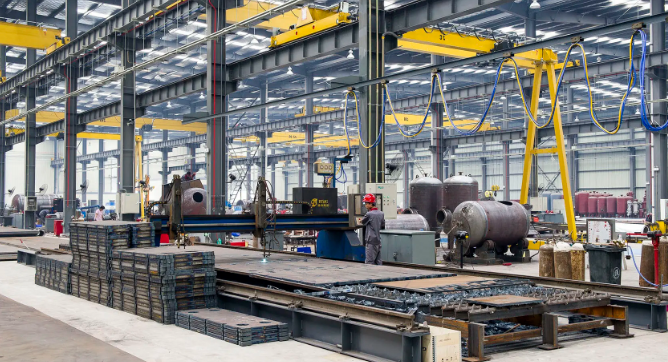
Witness the systematic assembly line and processing steps behind our high-efficiency plate type heat exchangers. Rigorous quality control is woven into every phase.
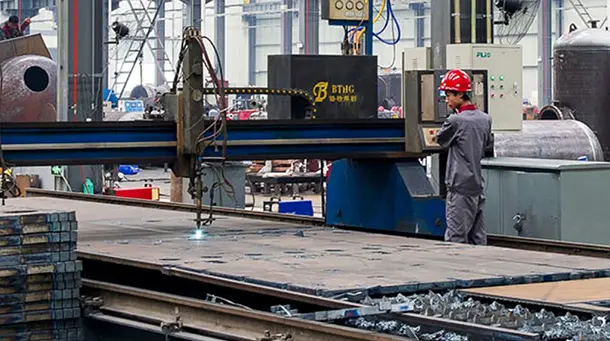
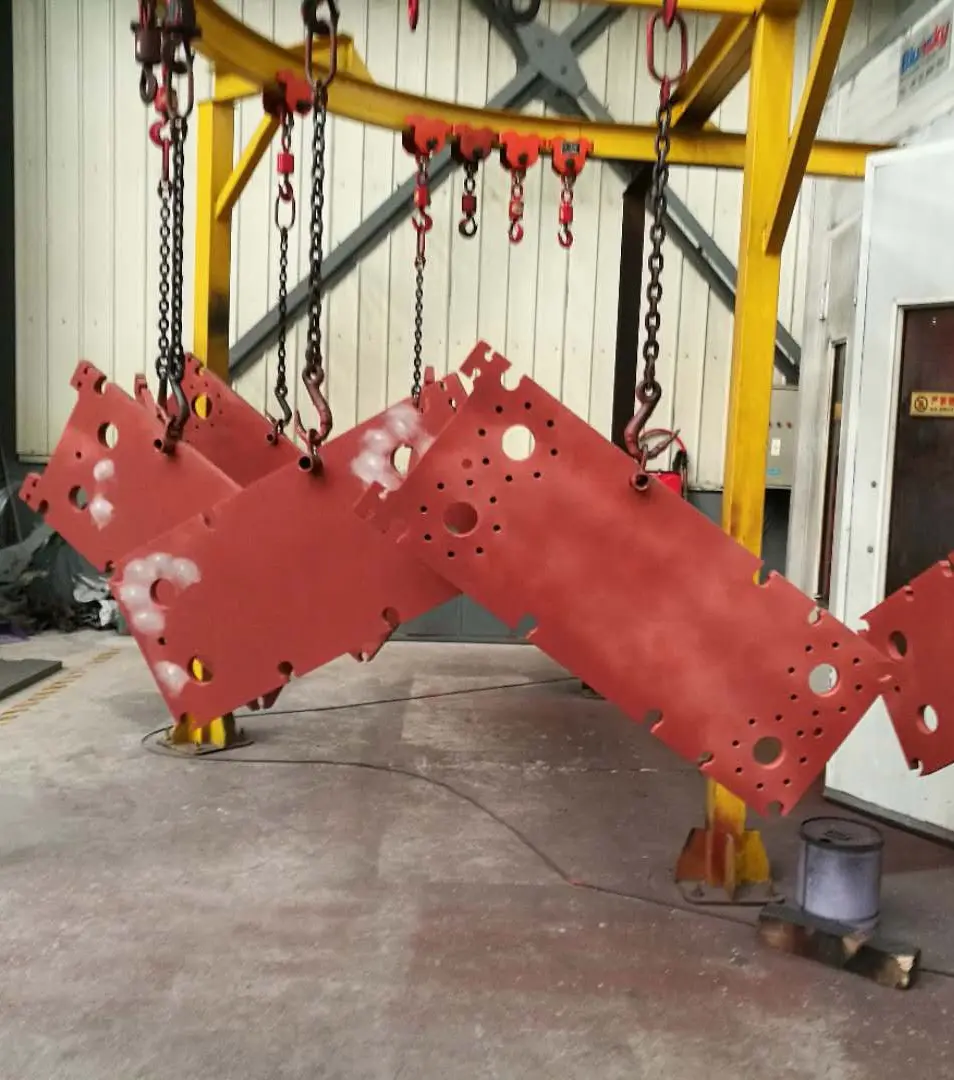
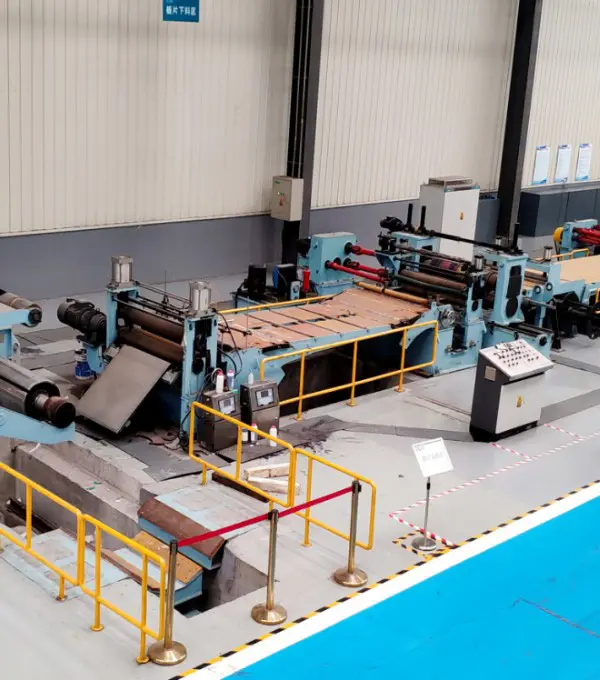
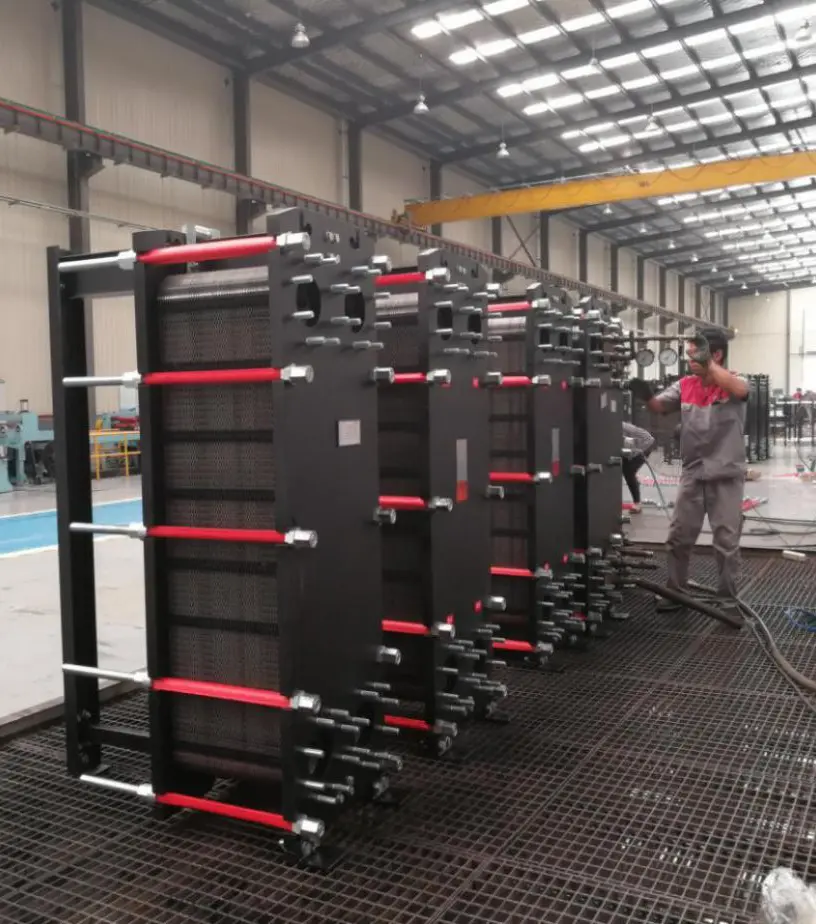
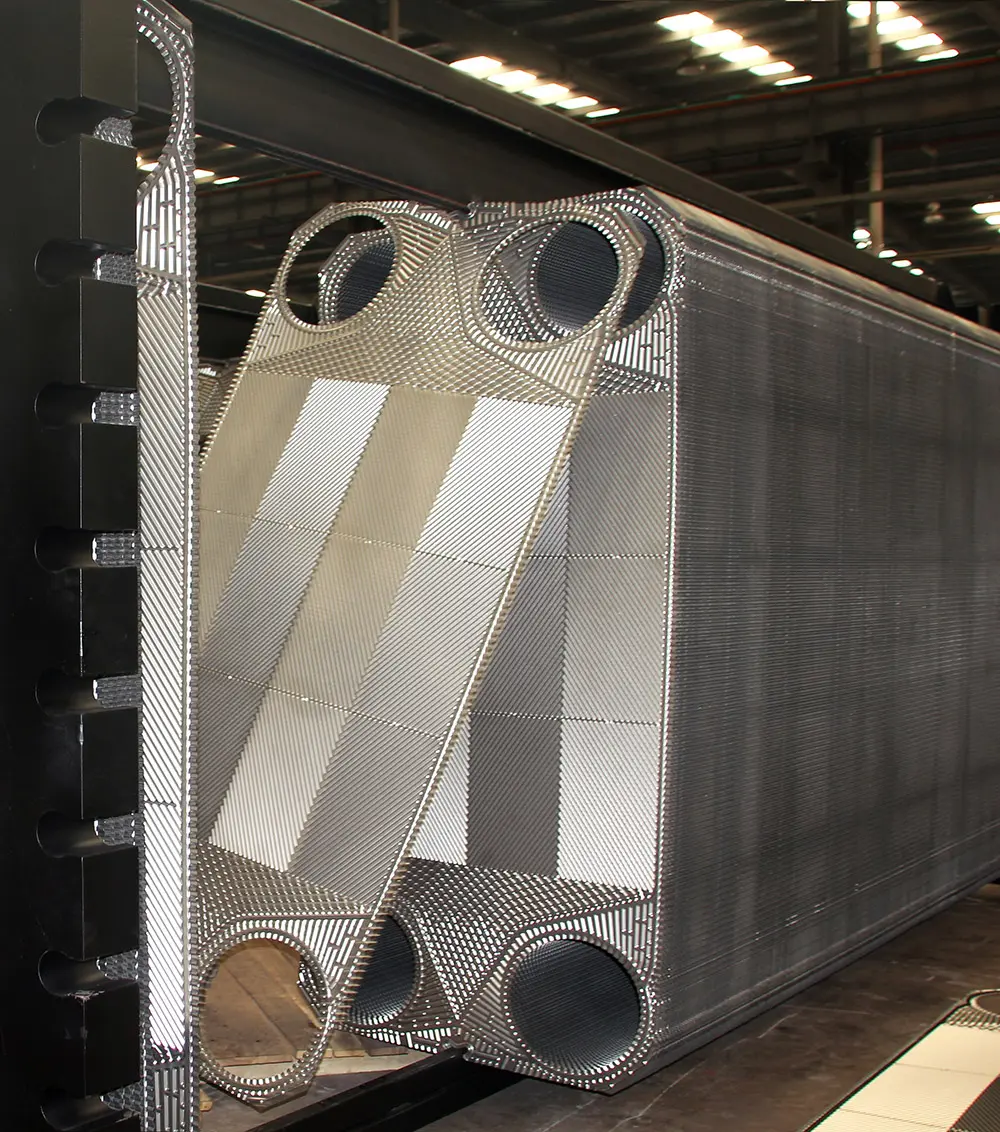
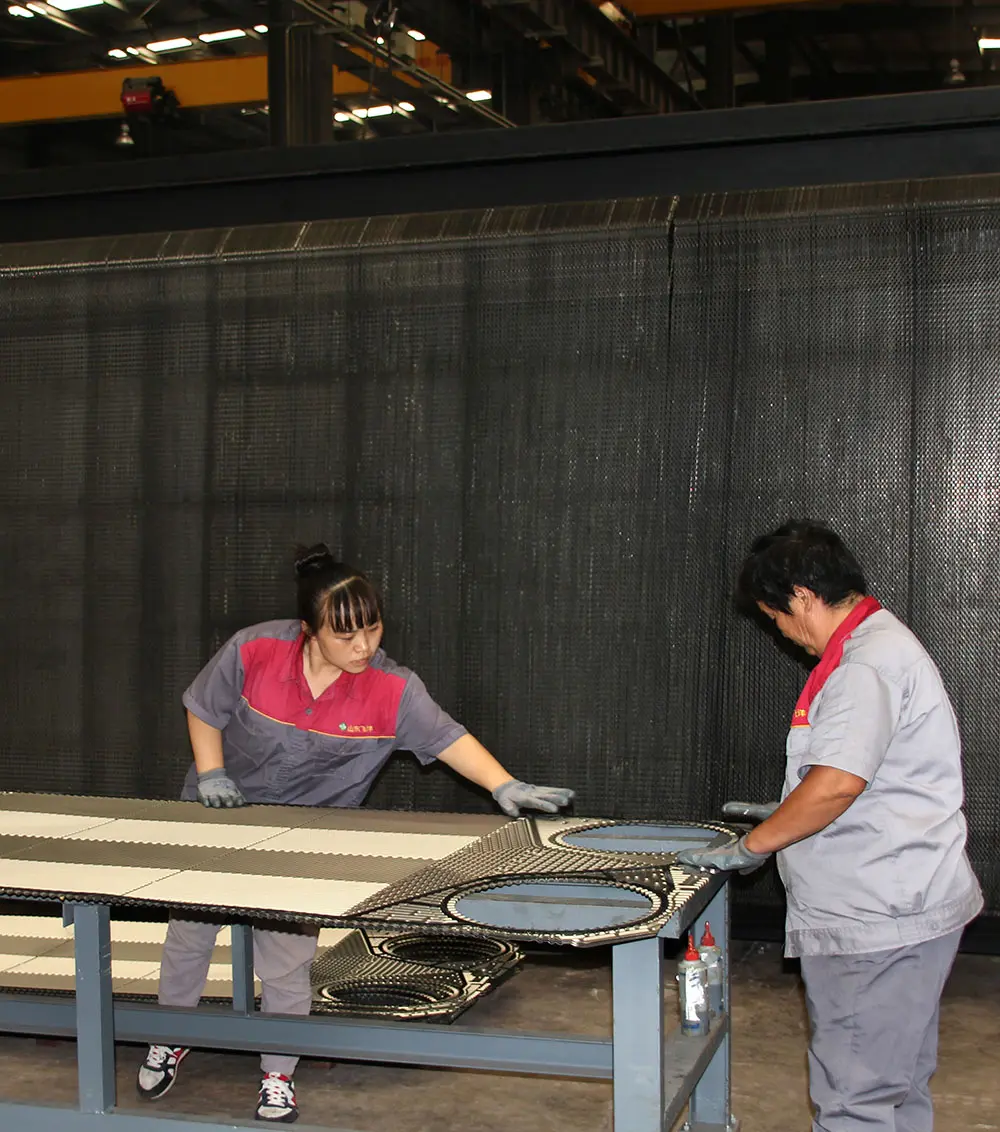
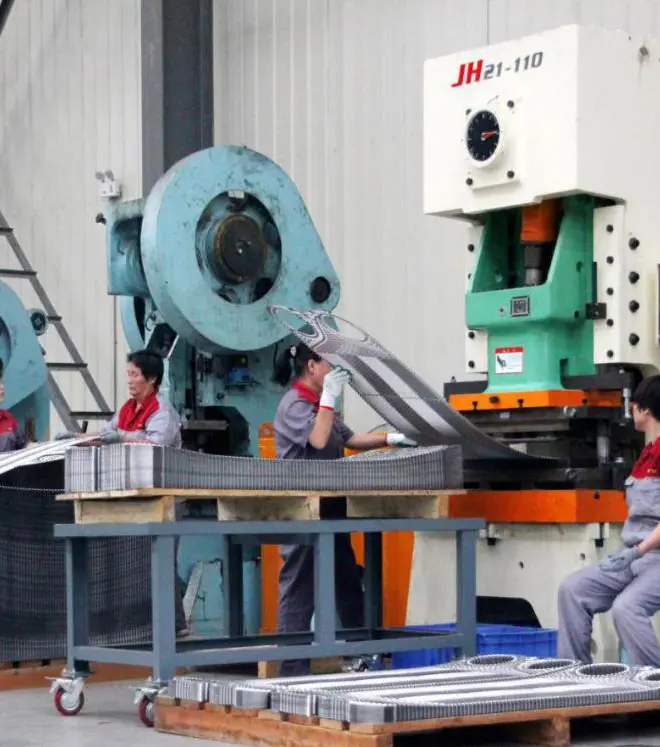
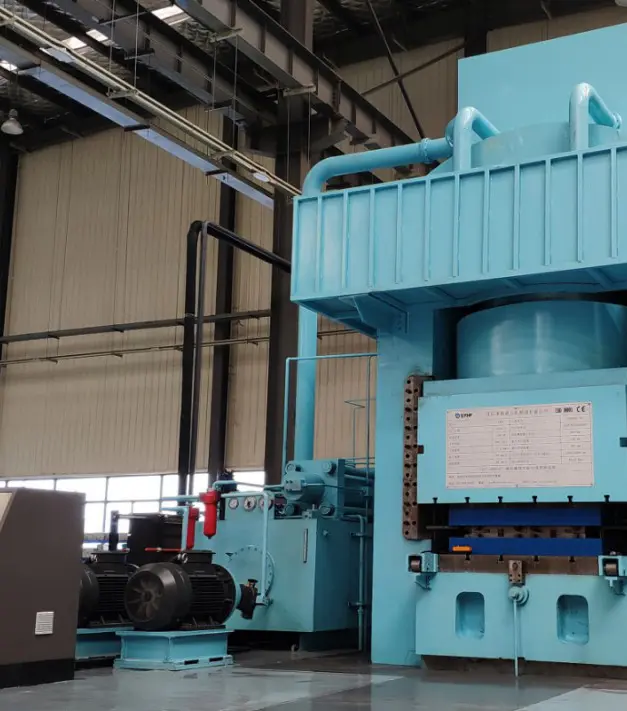
Our manufacturing plant operates under global standards to deliver unmatched security and process efficiency to our overseas partners.
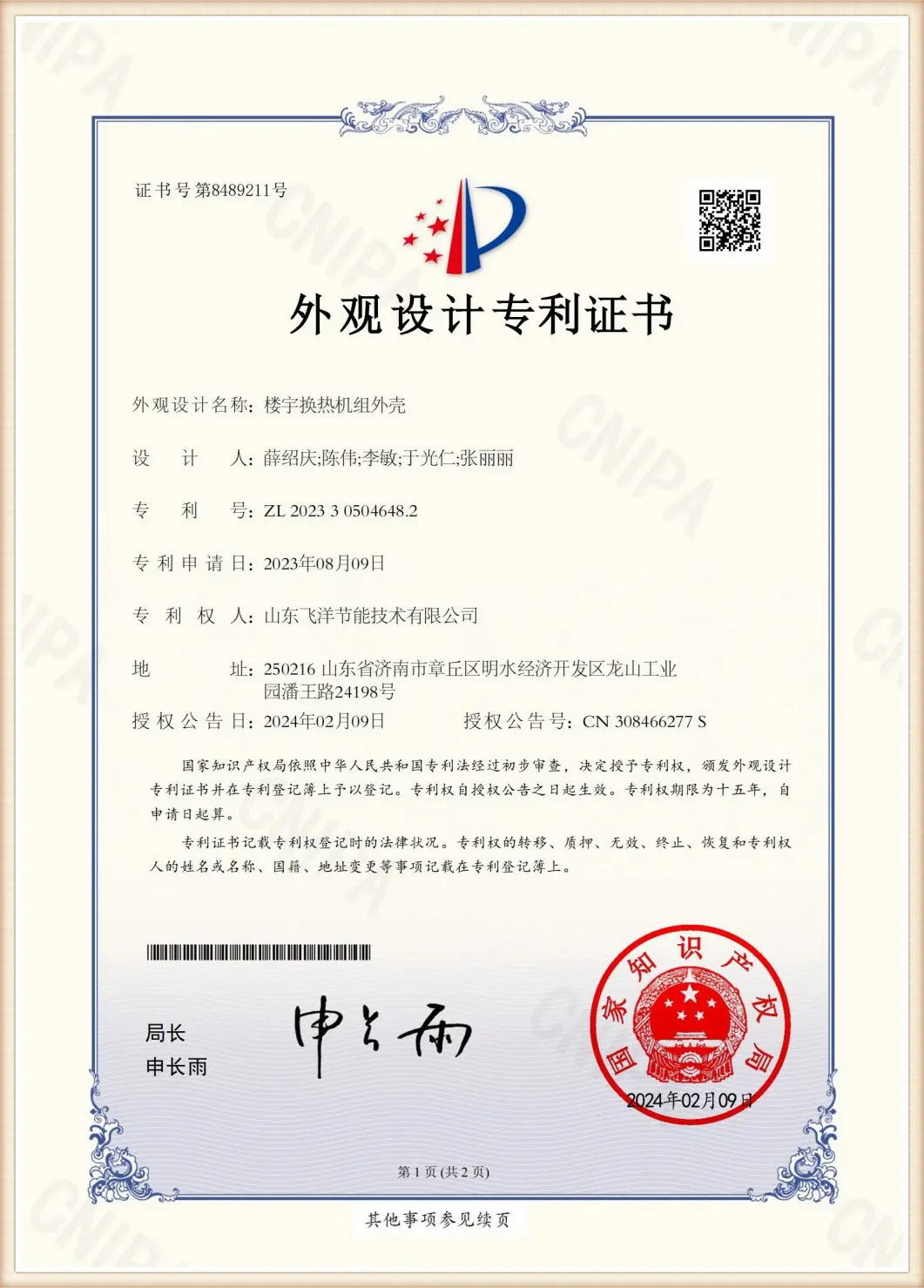
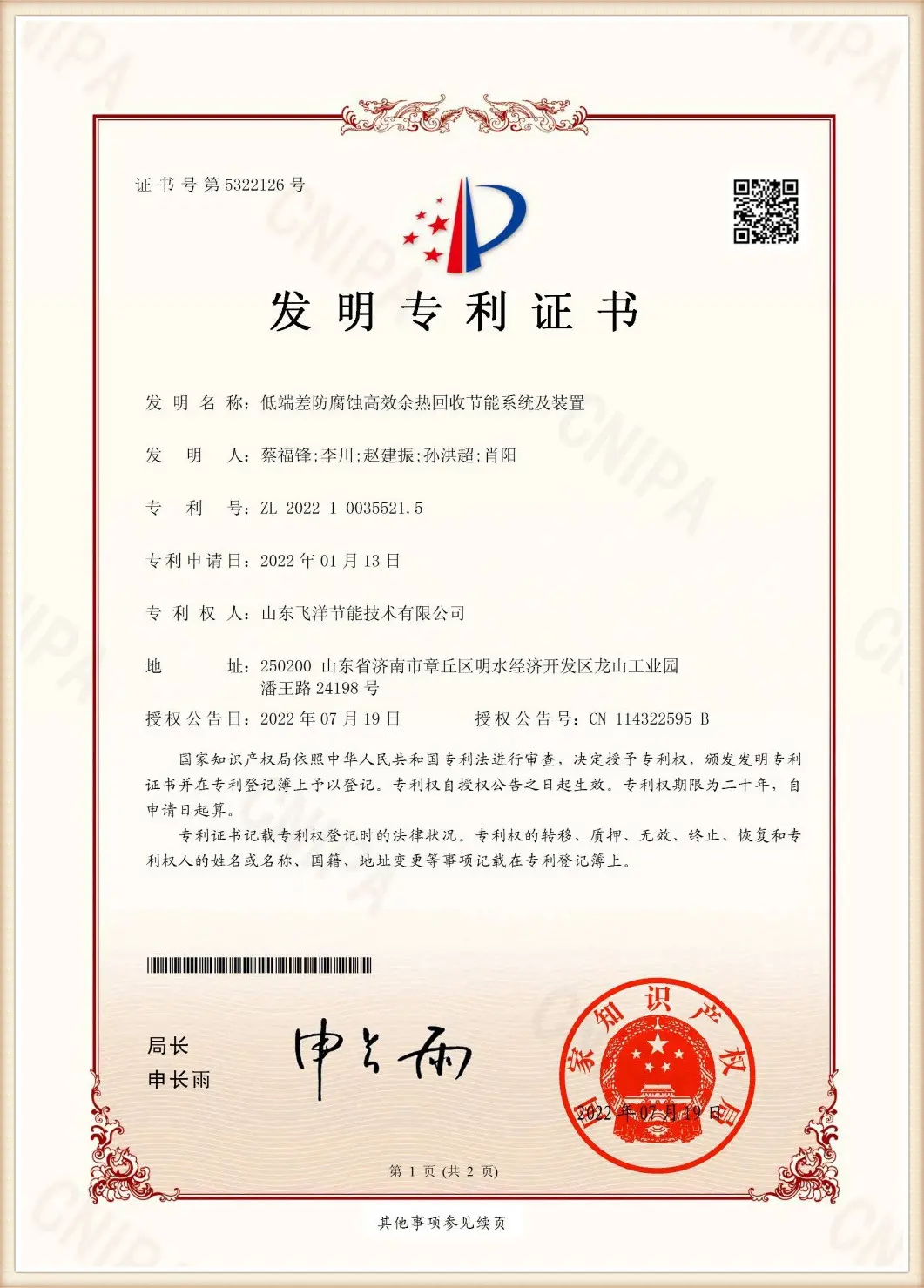
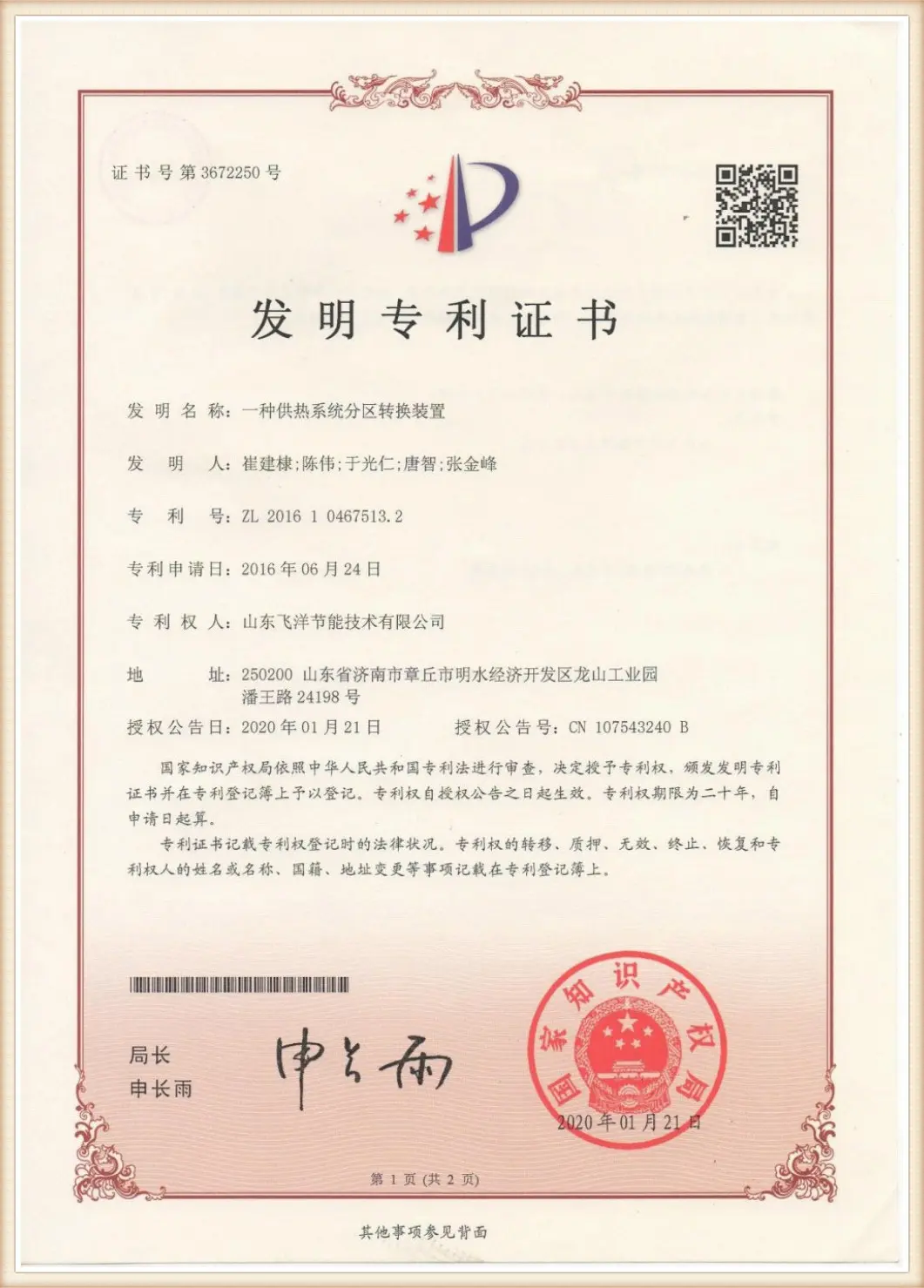
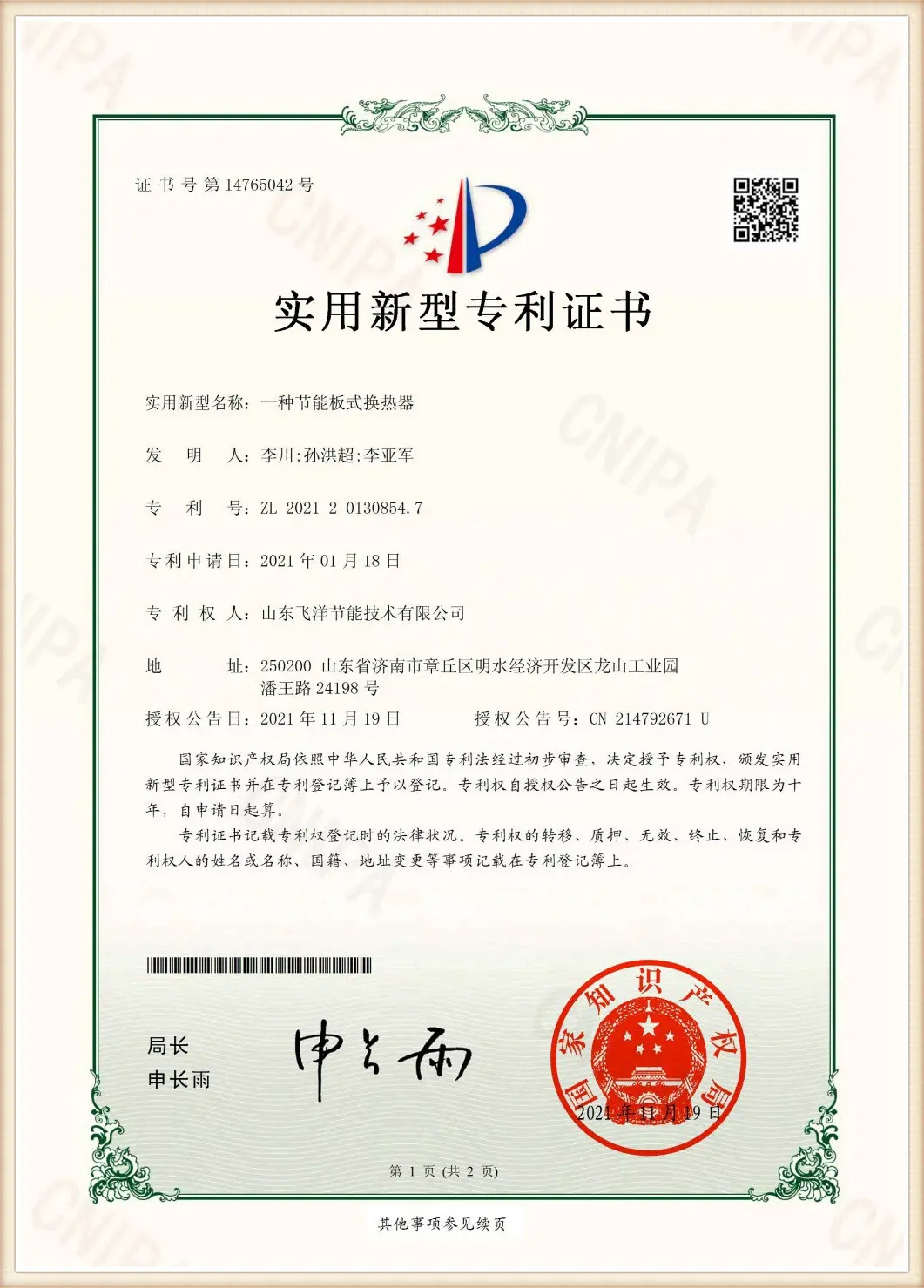
Flotte is committed to the "Quality First" paradigm. We strictly conform to ISO 9001:2015 International Quality Management Systems, ISO 14001:2015 Environmental Management Systems, and ISO 45001:2018 Occupational Health and Safety frameworks. Our thermal equipment holds certifications including the Safety Registration for Plate Heat Exchangers issued by the National Boiler and Pressure Vessel Standardization Technical Committee, and mandatory national product certifications.
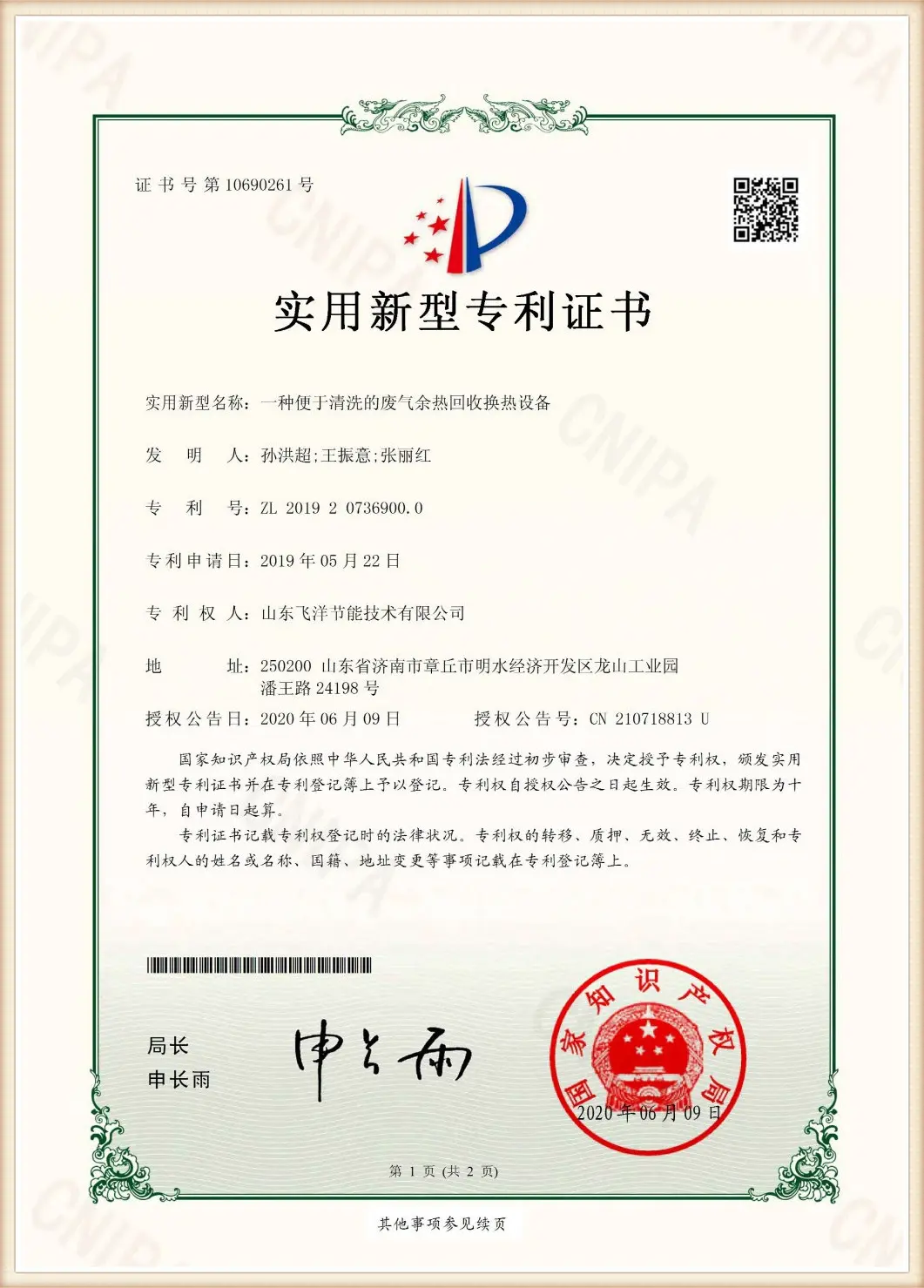
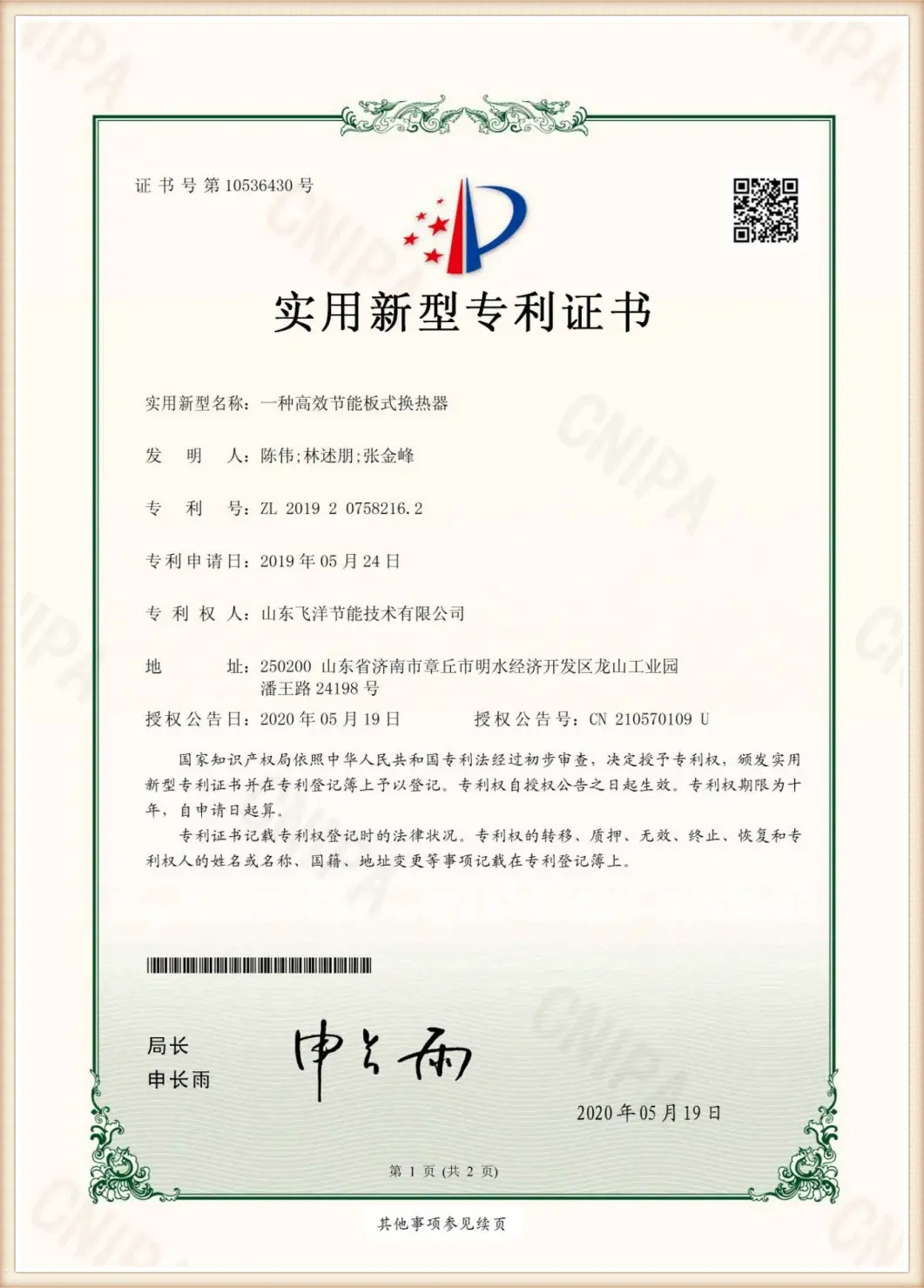
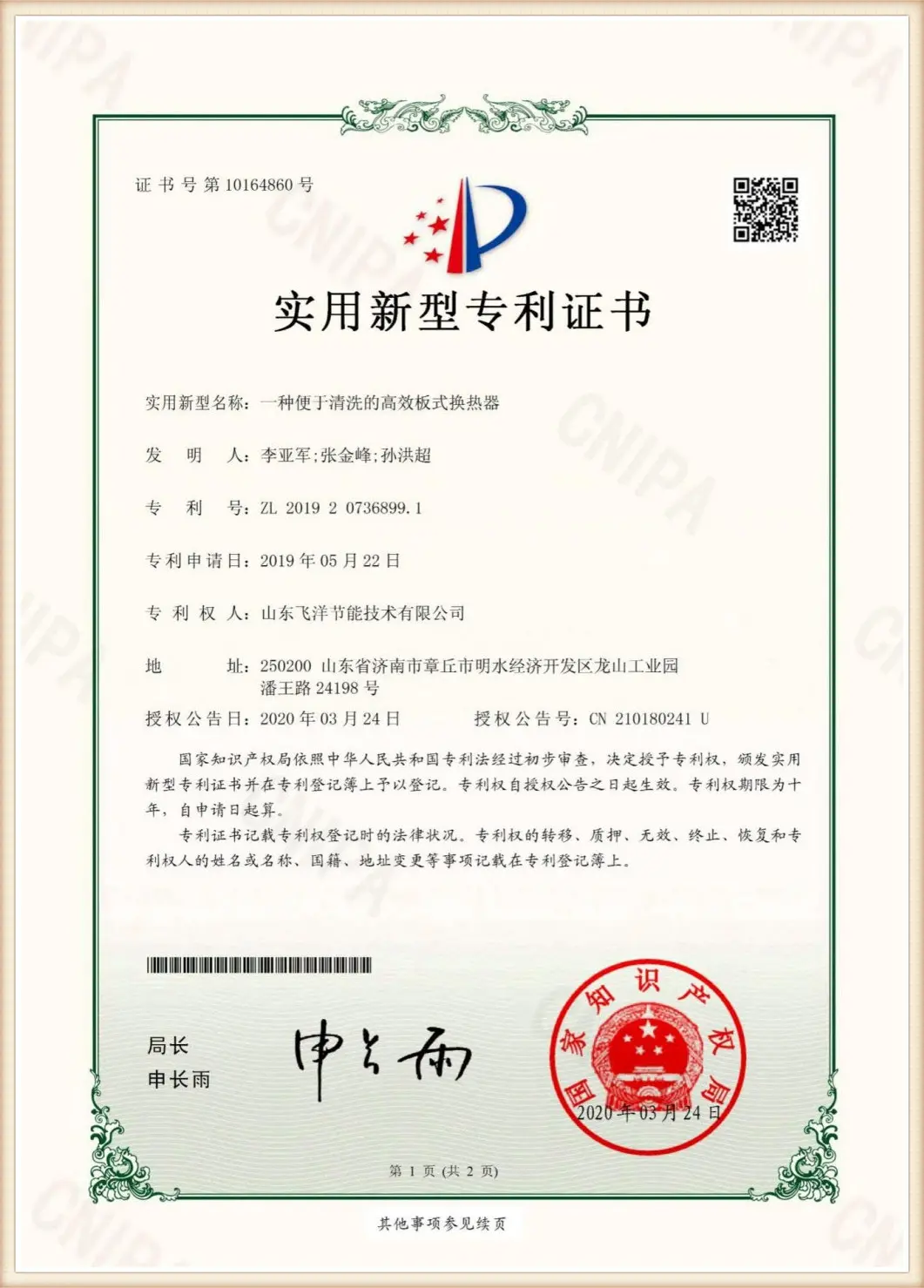
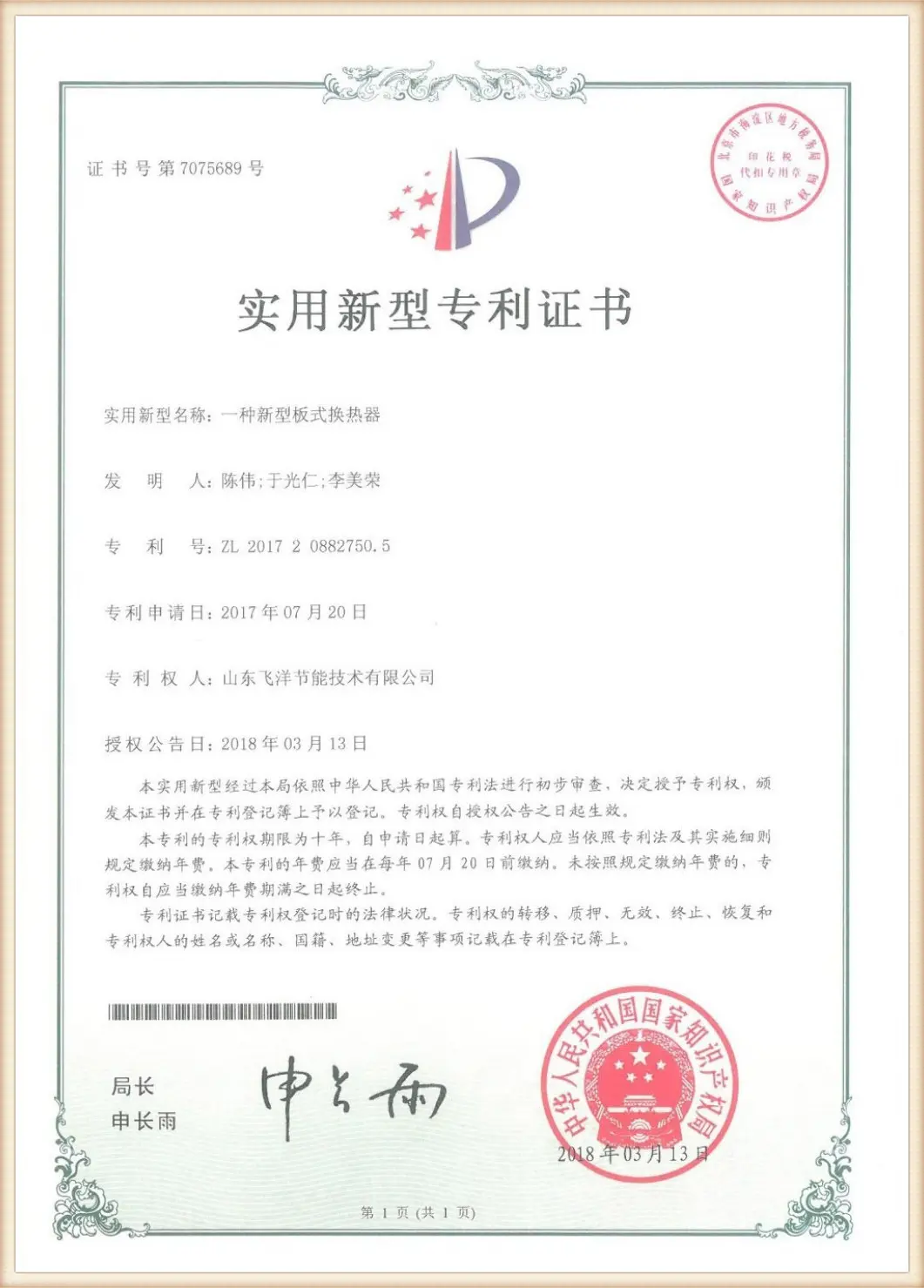
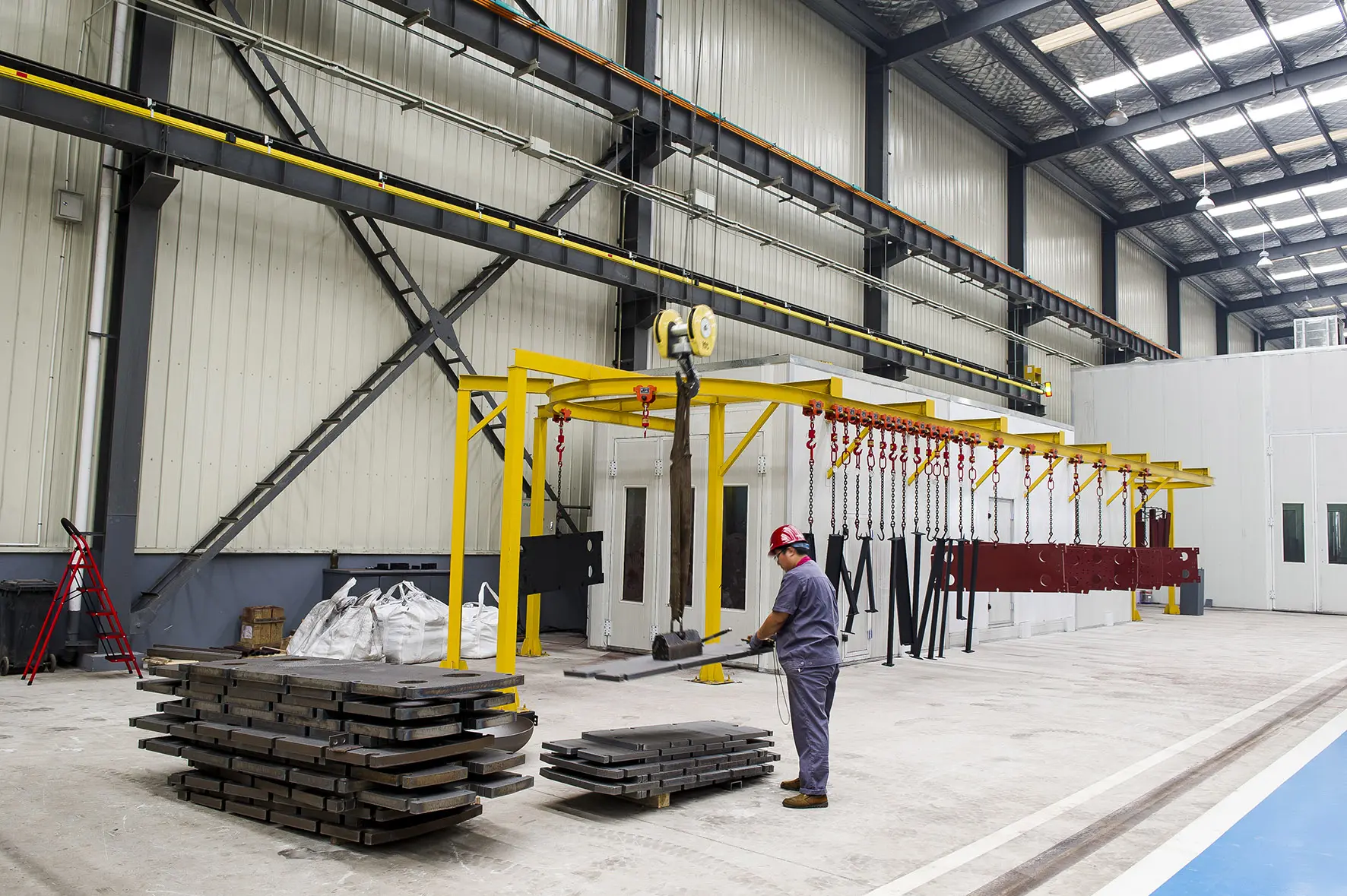
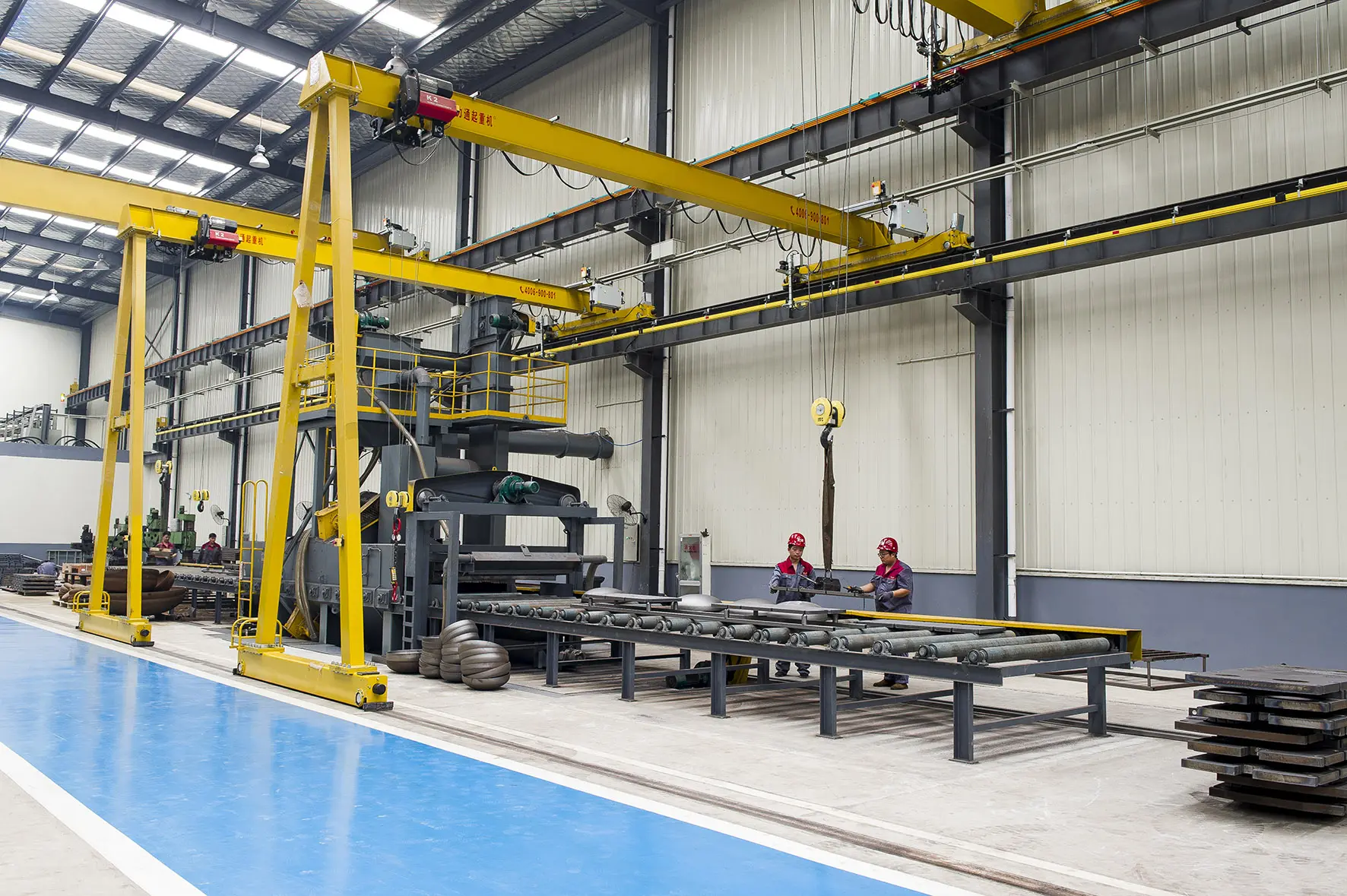
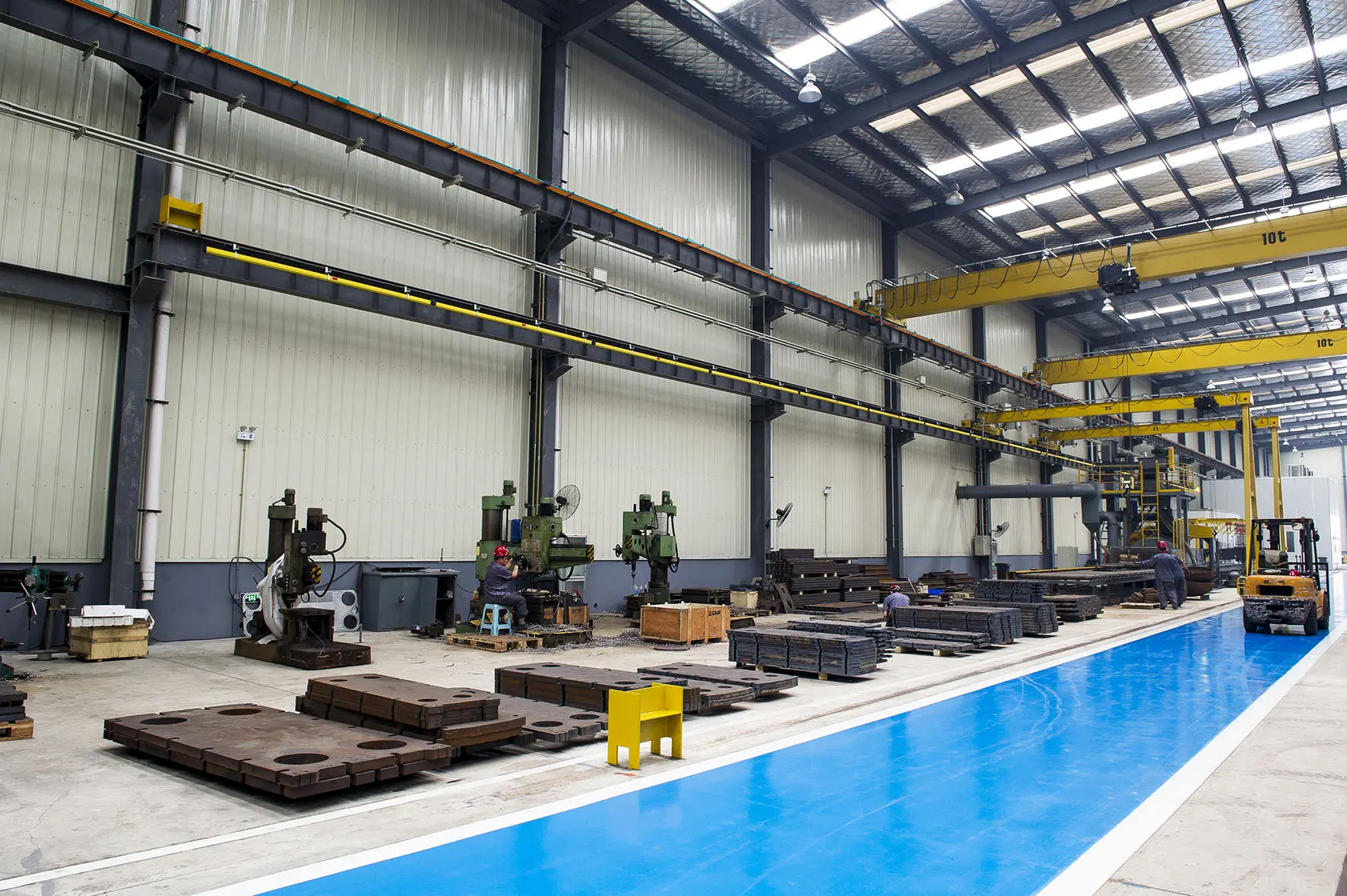
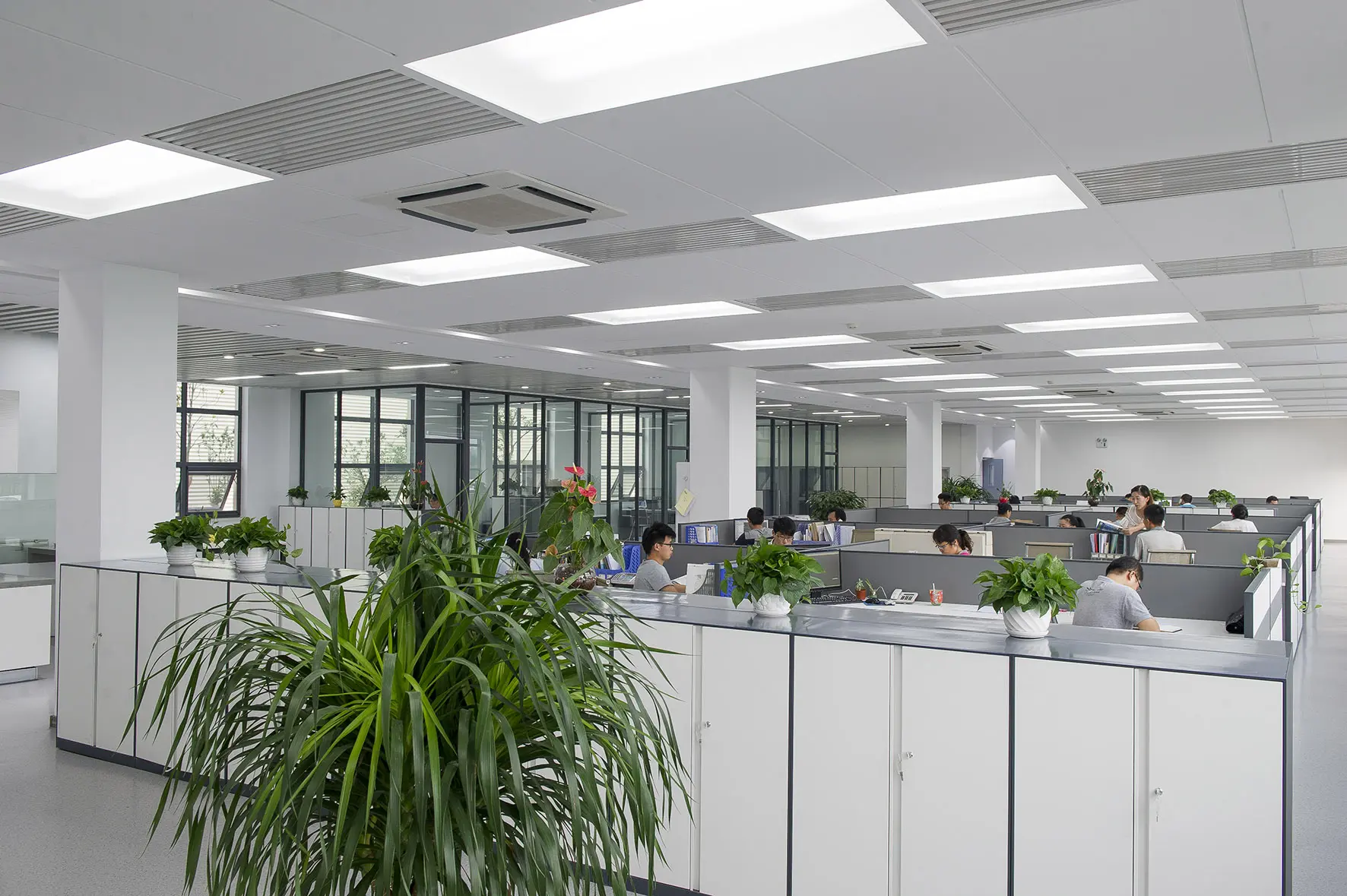
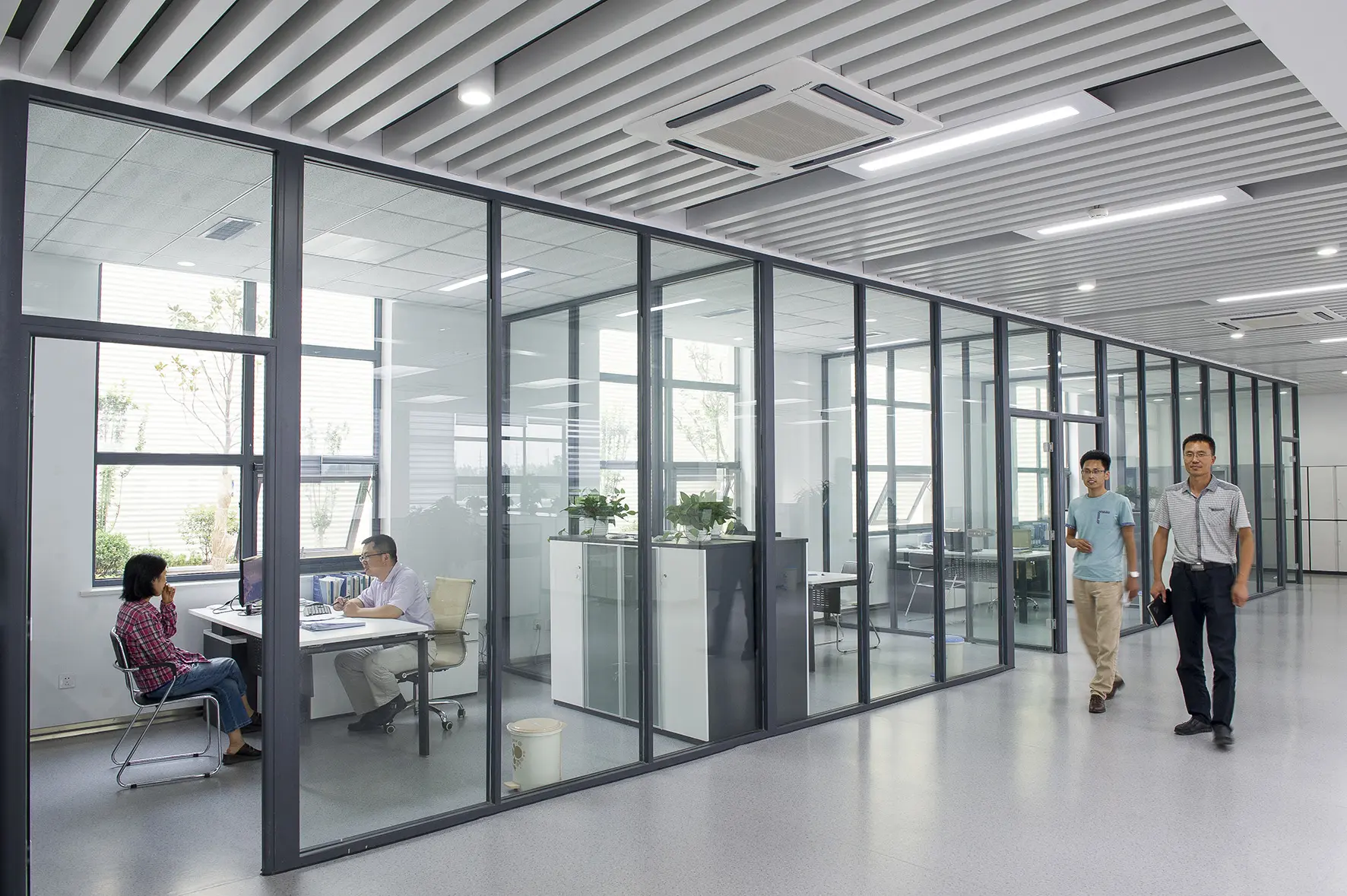
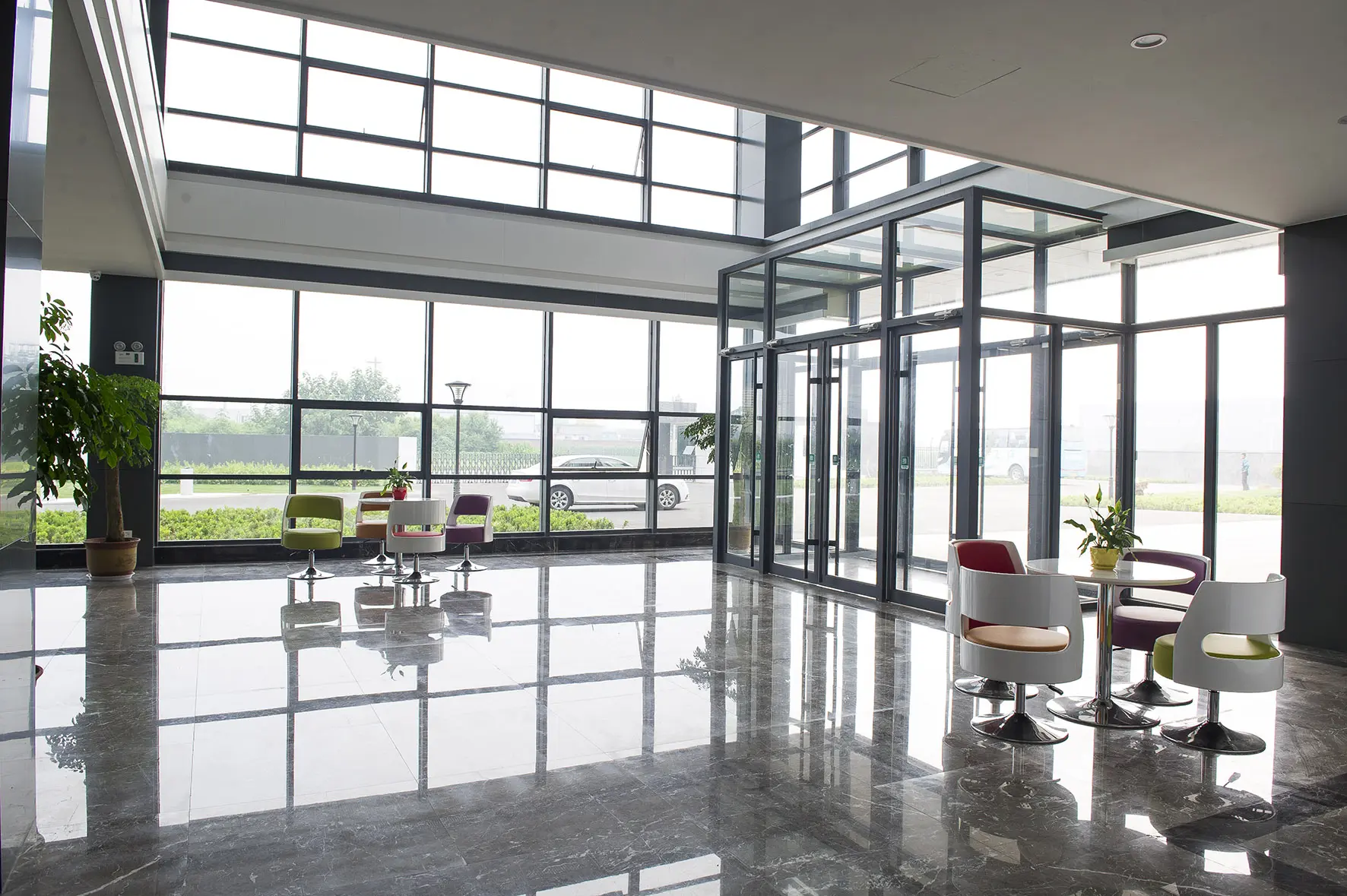
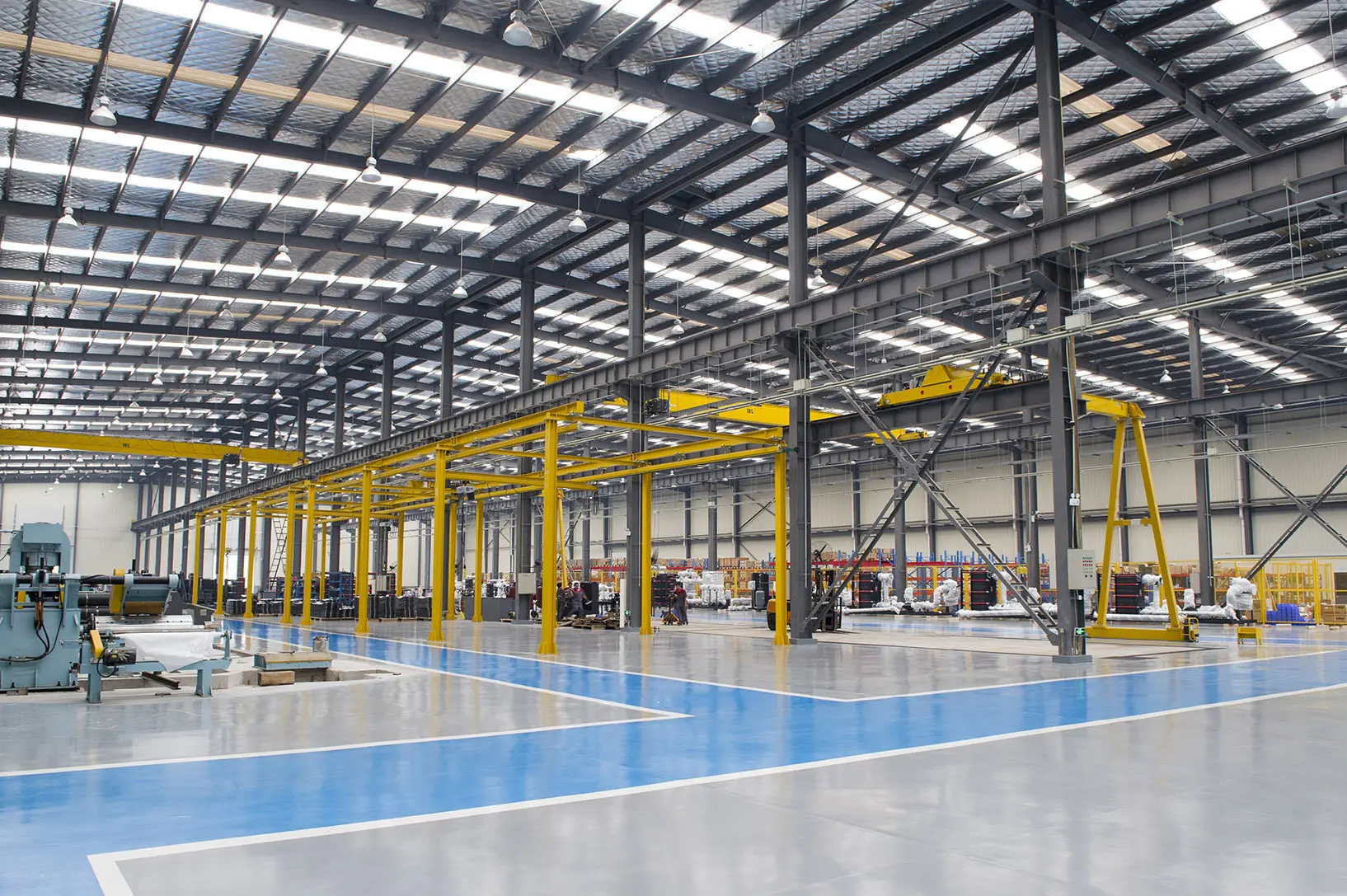
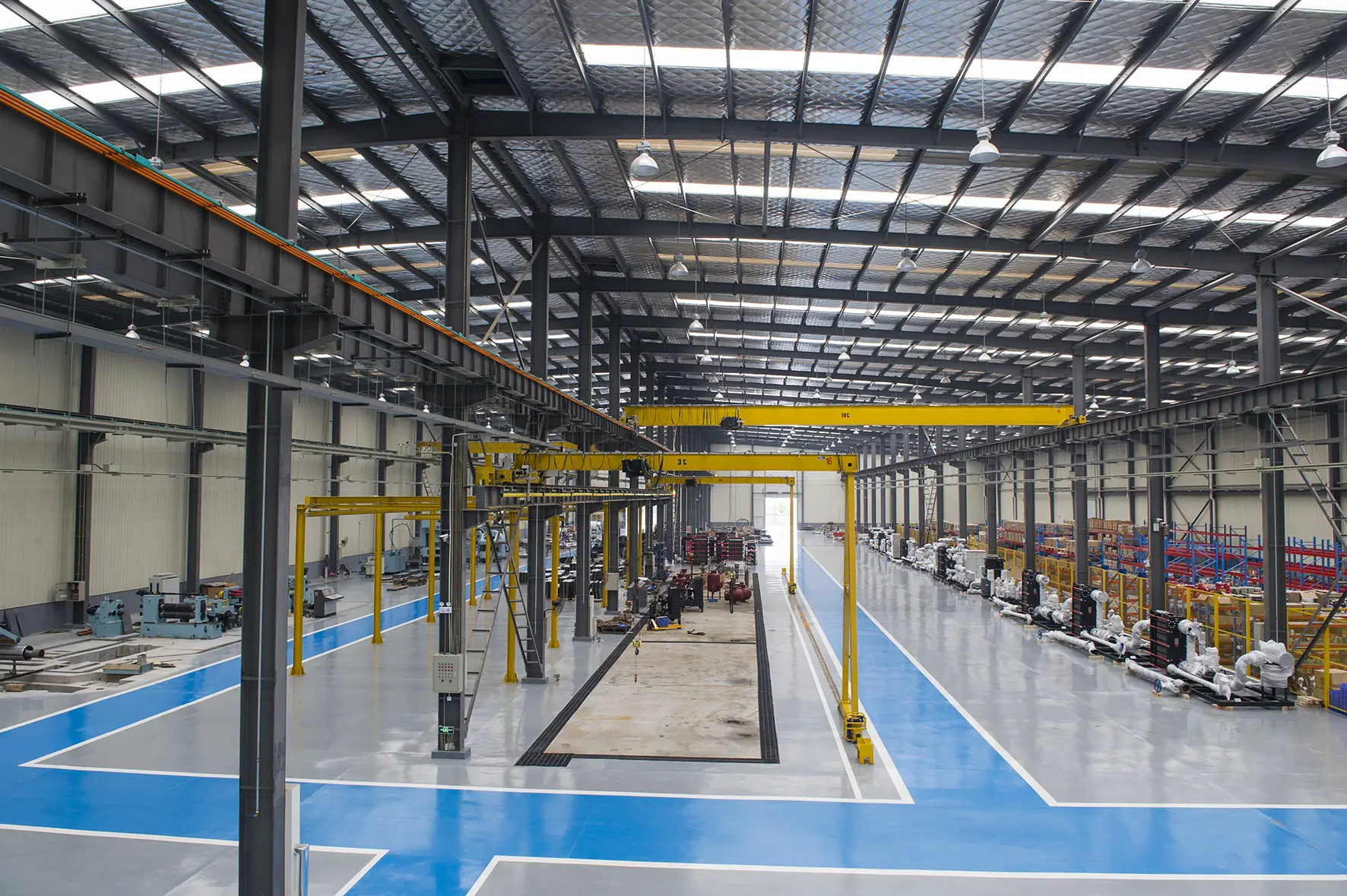
Step inside Flotte's modernized production workshops, housing computerized test centers, hydraulic lines, and testing laboratories.
Find direct answers to structural engineering questions, material limits, and trade guidelines.
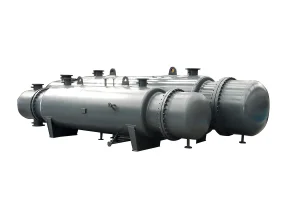
Explore our global range of detachable plates, intelligent network controls, shell-and-tube units, and multi-effect evaporation plants.
 Flotte Energy