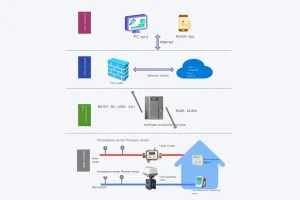
Explore our core selection of modular units, intelligent valves, and advanced thermal management solutions
The shell and tube heat exchanger working principle is rooted in fundamental thermodynamic heat transfer between two isolated fluids. A primary fluid flows through a bundle of internal tubes, while a secondary fluid circulates across the shell chamber surrounding those tubes. Heat energy transfers through the tube wall, moving from the hot fluid to the cold fluid without direct mixing or contamination.
Engineered for high-pressure, extreme-temperature applications, shell and tube designs rely on solid mechanical parameters. Baffles within the shell disrupt laminar flow, promoting cross-flow and turbulent movement to optimize the thermal convective heat transfer coefficient. Advanced modeling determines optimal baffle spacing and tube layouts (such as triangular or square pitches) to maximize contact time while controlling pressure drops.
Material choices are crucial to managing corrosive processes. Factories customize shell and tube configurations using carbon steel, 304/316L stainless steel, or titanium to withstand aggressive industrial environments. Understanding these design choices helps global sourcing teams select units that deliver long term reliability and efficiency.
| Feature / Parameter | Fixed Tube Sheet Exchanger | U-Tube Heat Exchanger | Floating Head Exchanger |
|---|---|---|---|
| Thermal Expansion Management | Limited; requires expansion joint on shell if temperature difference is large | Excellent; tubes expand/contract freely within the shell | Excellent; floating sheet moves independently of the shell structure |
| Internal Cleaning Capability | Chemical cleaning only (tube interior cannot be mechanically scrubbed) | Tubes can be cleaned internally, shell bundle is difficult to extract | Fully extractable bundle for easy mechanical cleaning on both sides |
| Cost and Fabrication Index | Most cost-efficient, straightforward design and assembly | Moderate; specialized bending required for internal tube passes | Highest capital cost, complex sealing and mechanical configuration |
| Best Applications | Clean fluids, low temperature differentials, district heating | High-pressure steam, non-fouling shell fluids, gas cooling | Corrosive chemical refinement, high fouling applications, refining processes |
Flotte Energy Saving Company, established in 2013 with a registered capital of 101 million yuan, originated from Flotte Thermal Engineering founded in 1995. With three decades of technical expertise, the company specializes in water equipment, HVAC systems, and water treatment industries. It consistently leads industry peers in adopting cutting-edge technologies, developing innovative products, and delivering comprehensive production and sales services.
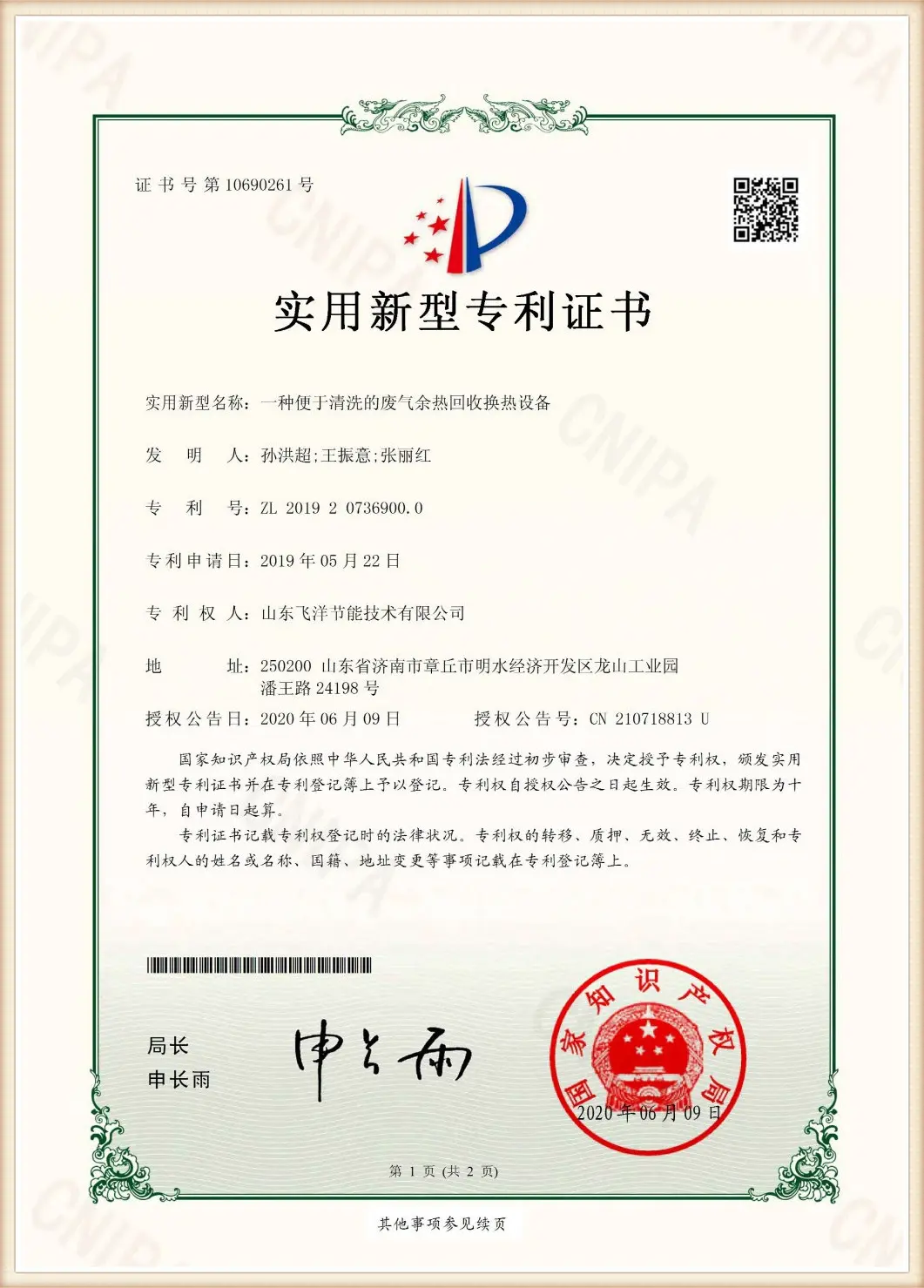
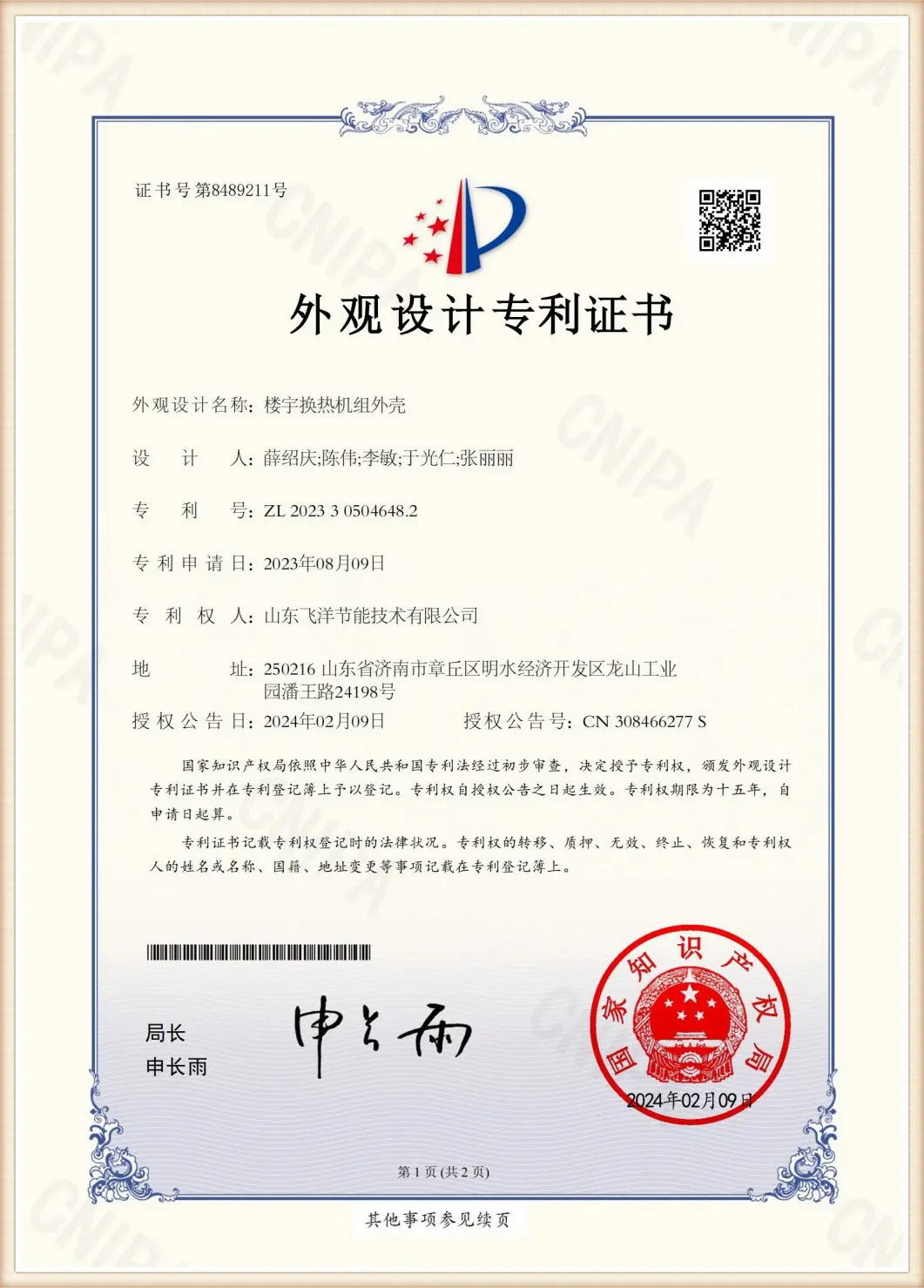
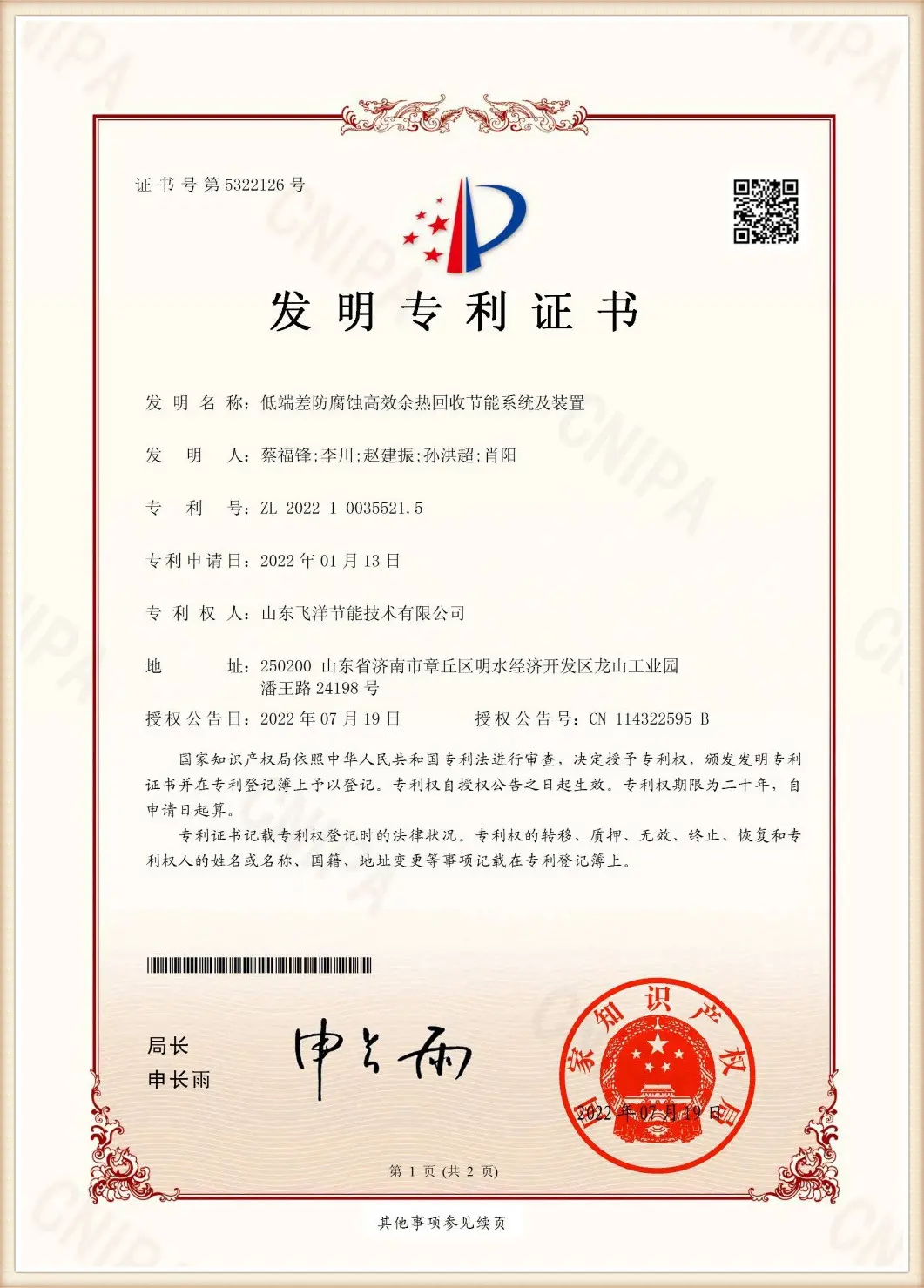
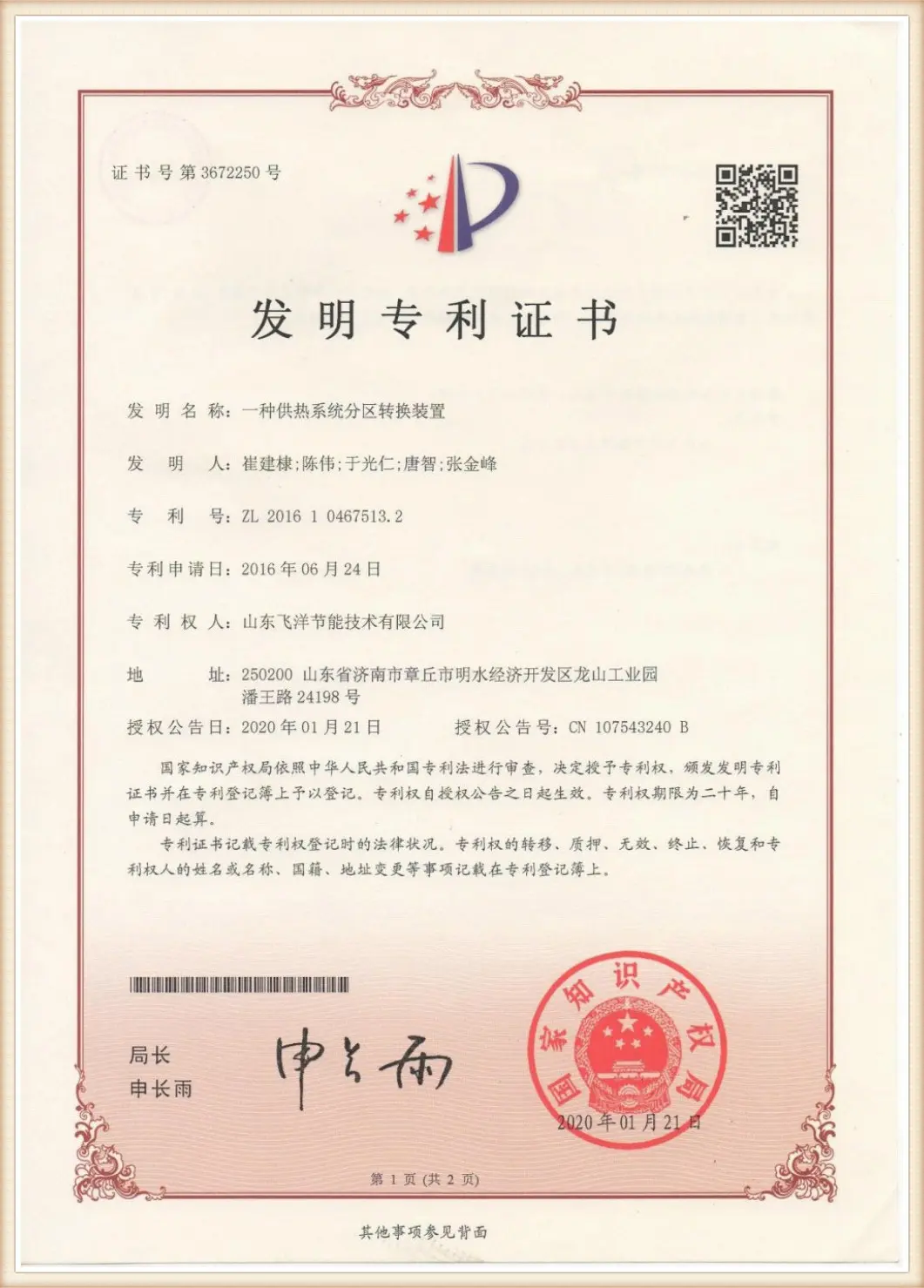
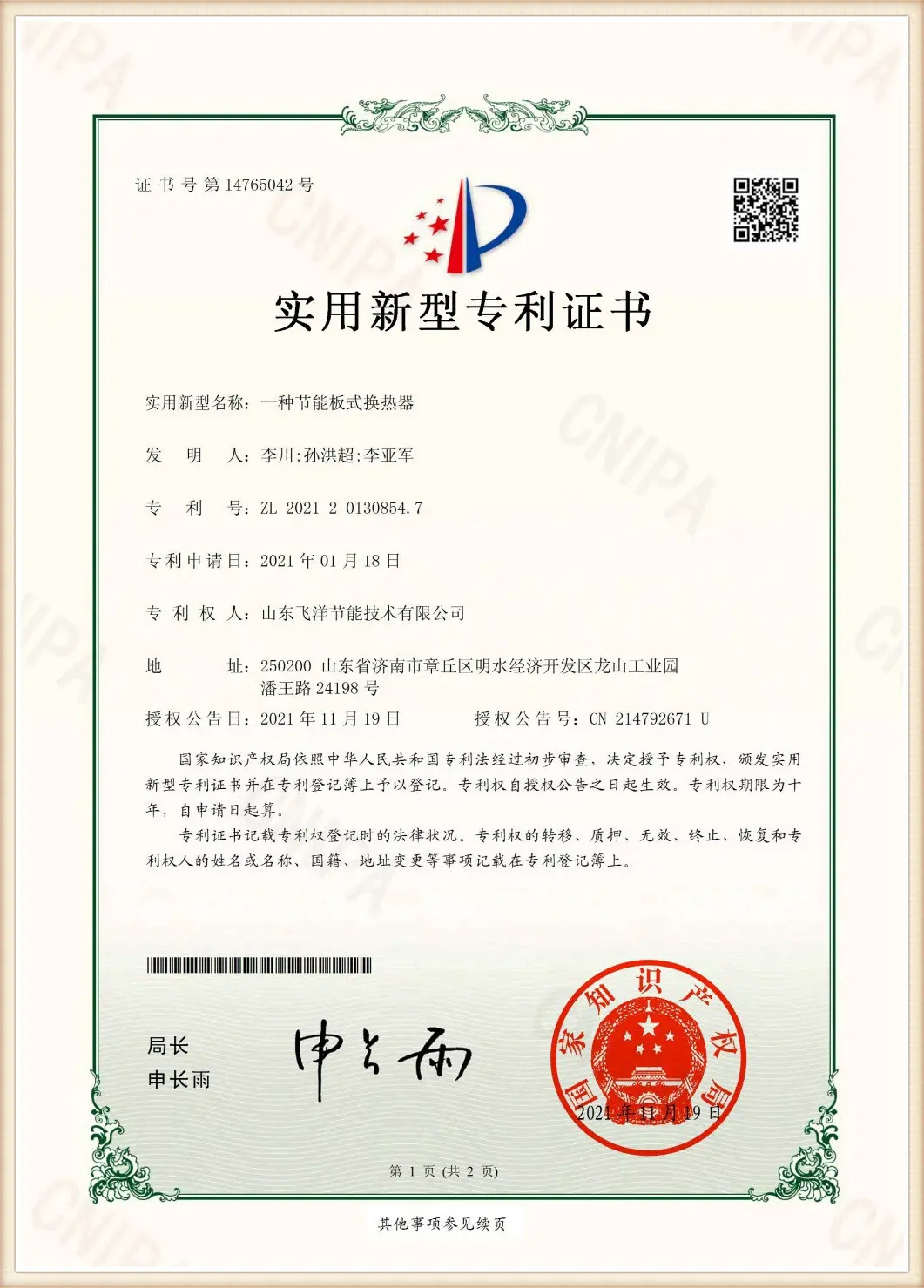
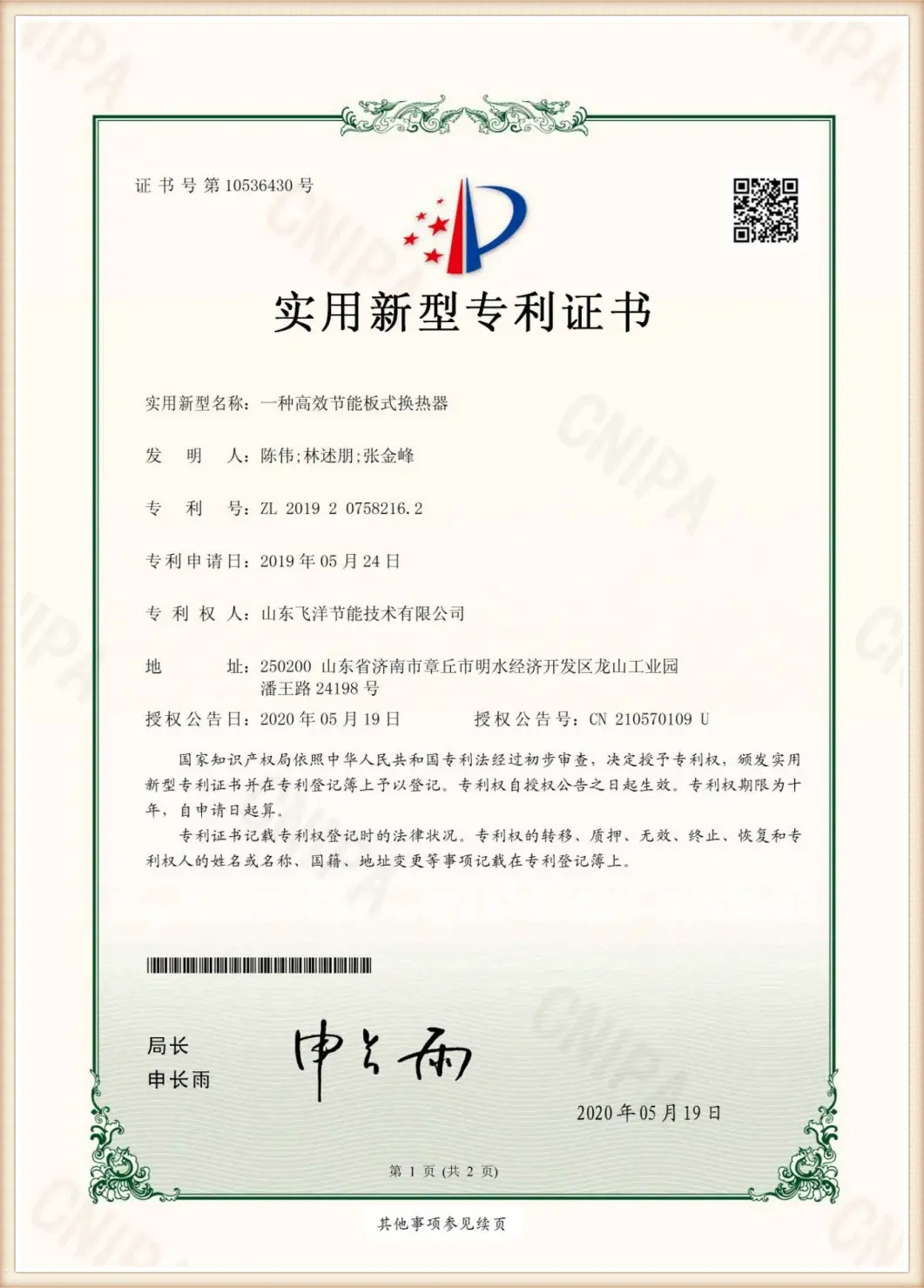
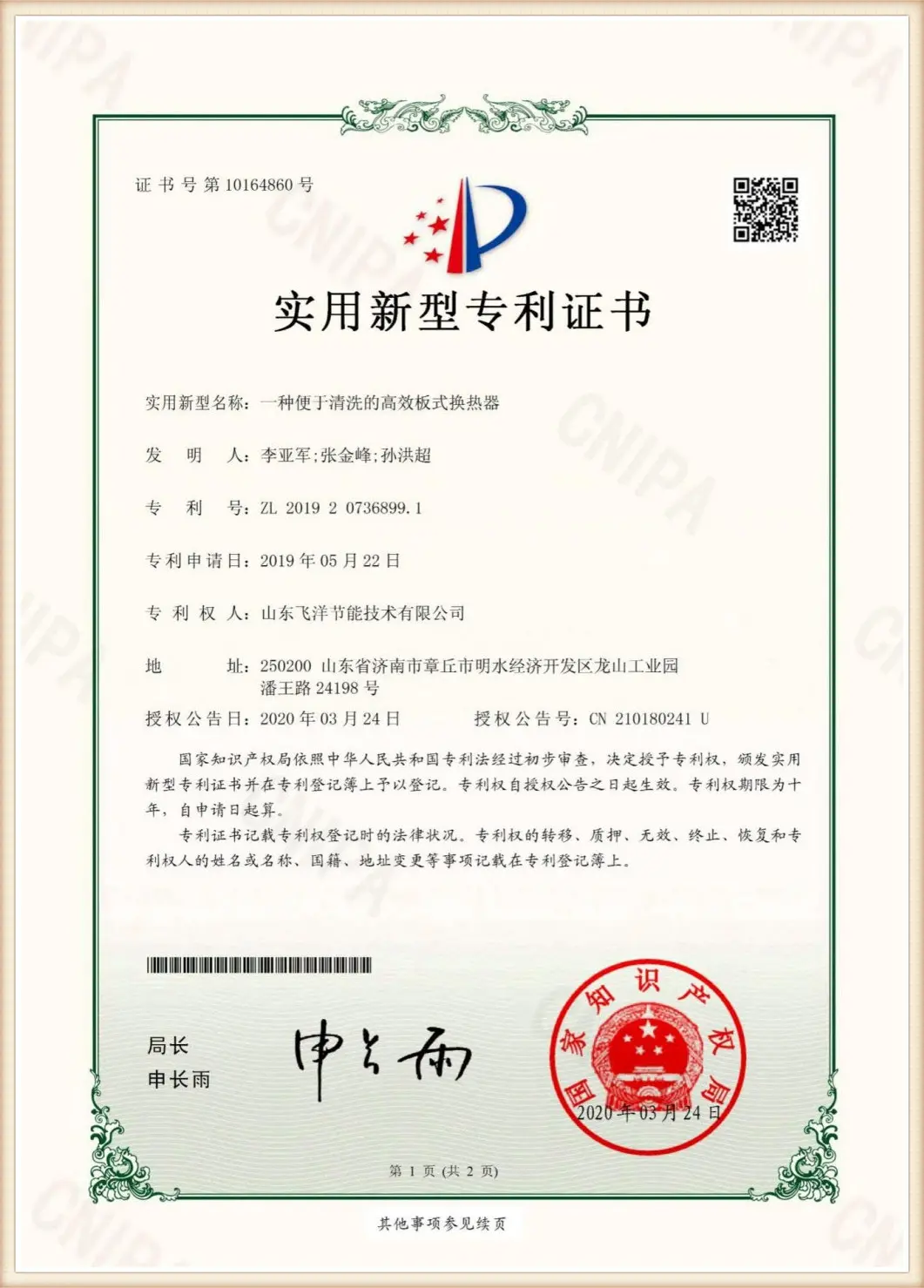
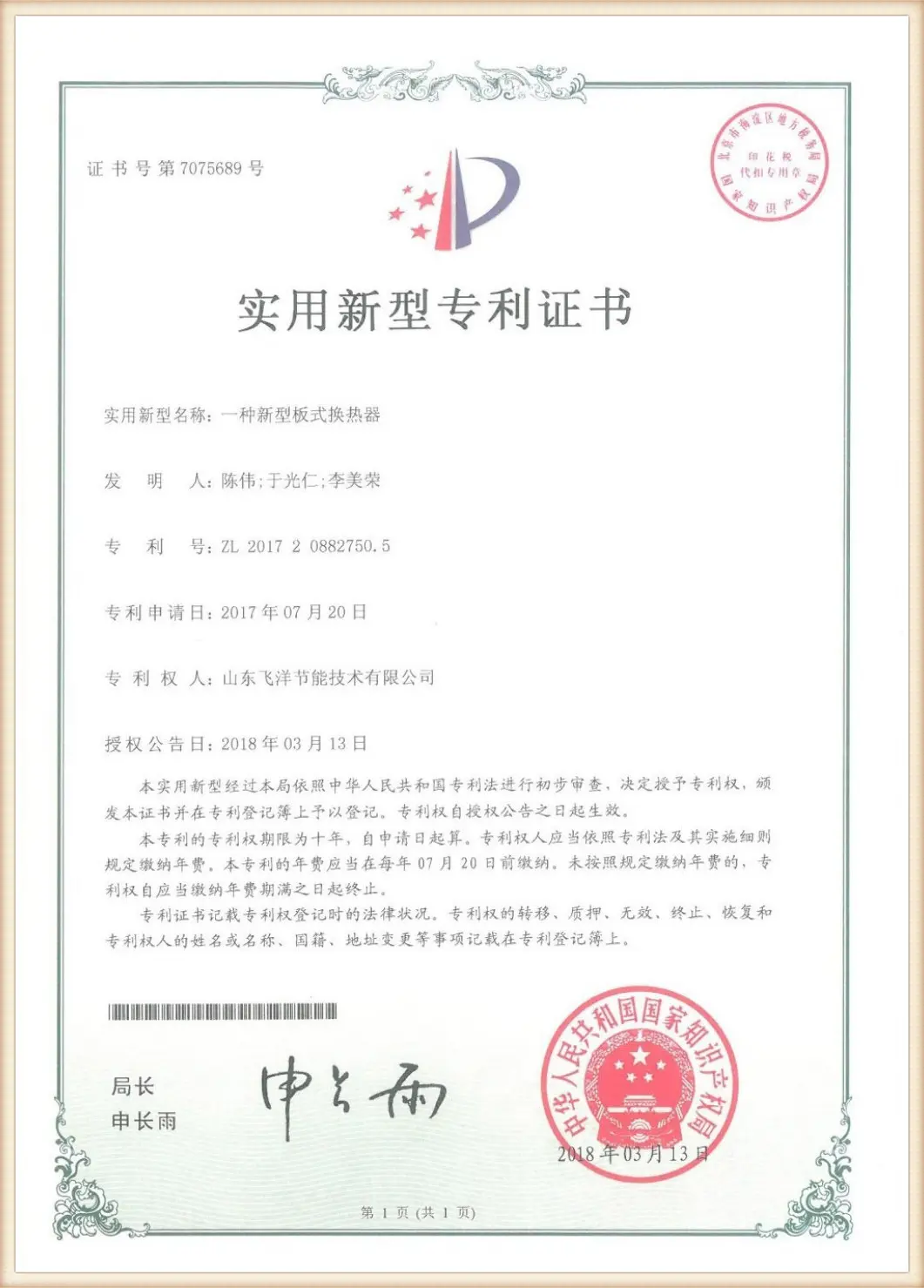
The company has been continuously advancing in production technology innovation, holding multiple patent certifications including "High-Efficiency Plate Heat Exchanger", "Intelligent Plate Heat Exchanger System", and "Plate Heat Exchanger Scale Removal Device" (see qualification documentation). Its products have obtained mandatory national product certification and safety registration from the National Standardization Committee, along with the safety registration for plate heat exchangers issued by the National Boiler and Pressure Vessel Standardization Technical Committee. The company has also achieved ISO9001 Quality Management System certification, ISO14001 Environmental Management System certification, and ISO45001 Occupational Health and Safety Management System certification.
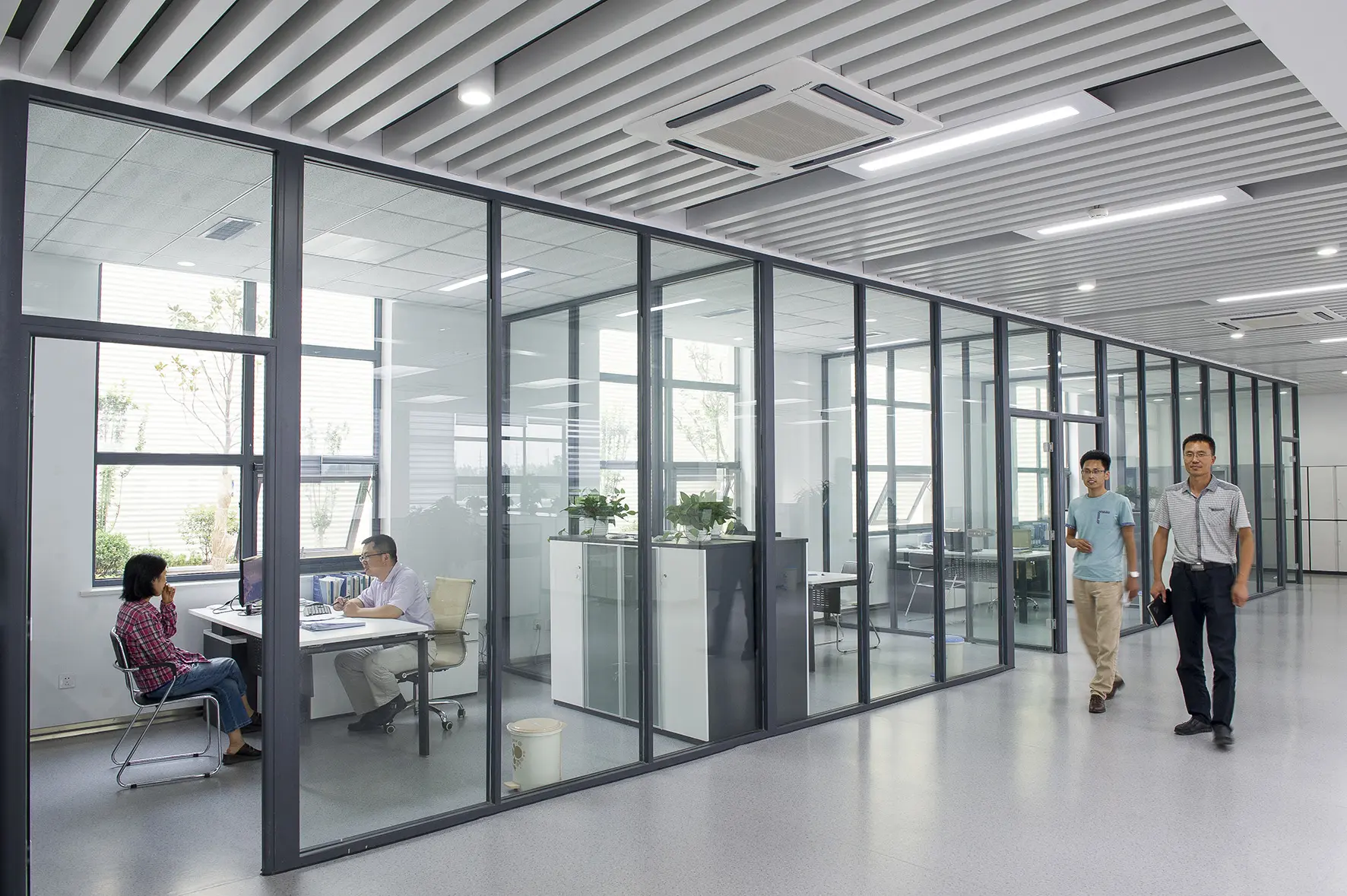
The company has professional designers and skilled technical workers; the designers have been engaged in design work for many years, with good professional knowledge and rich practical experience to ensure the reliability of the technical products designed; has a special R & D center and advanced laboratory, to ensure the technical advancement of products developed and produced.
The company has accumulated valuable expertise in technology development, production, application, and installation services. Having delivered equipment and technical support for multiple key projects, it has cultivated a team of highly skilled technicians and installation specialists. Moving forward, the company will continue to thrive in the industry by maintaining cutting-edge technologies, providing premium products and professional services, while ensuring that past, present, and future users can rest assured about after-sales support.
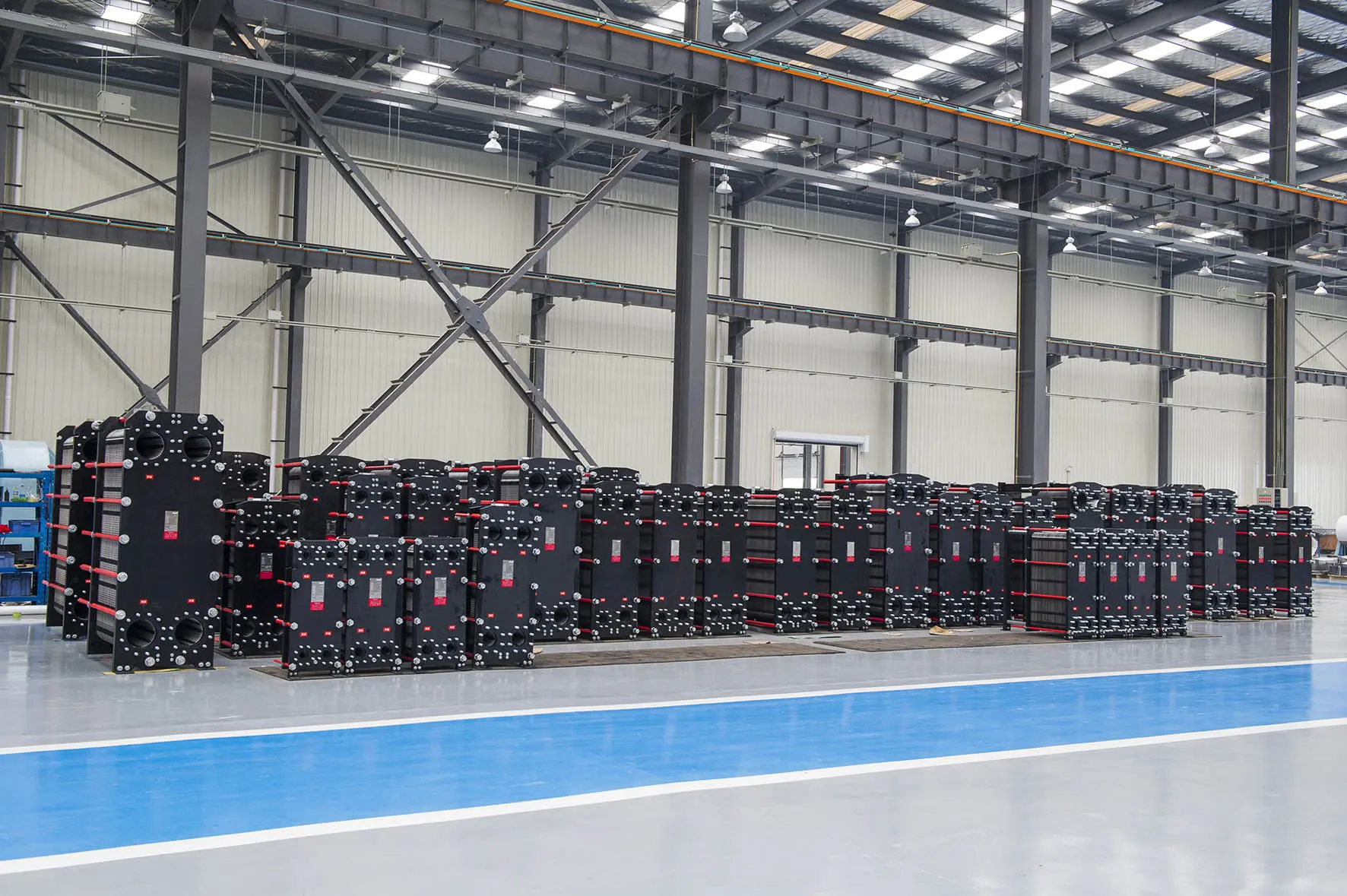
How we manufacture high-efficiency shell & tube systems and plate heat exchangers with precision engineering
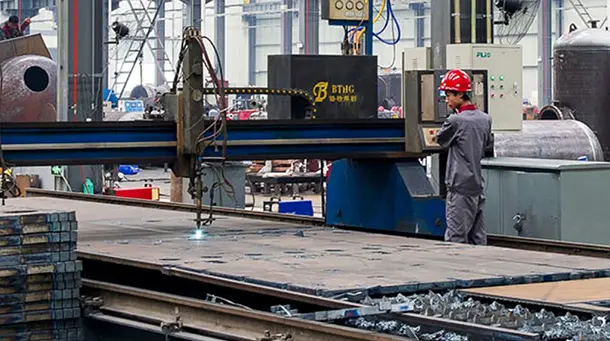
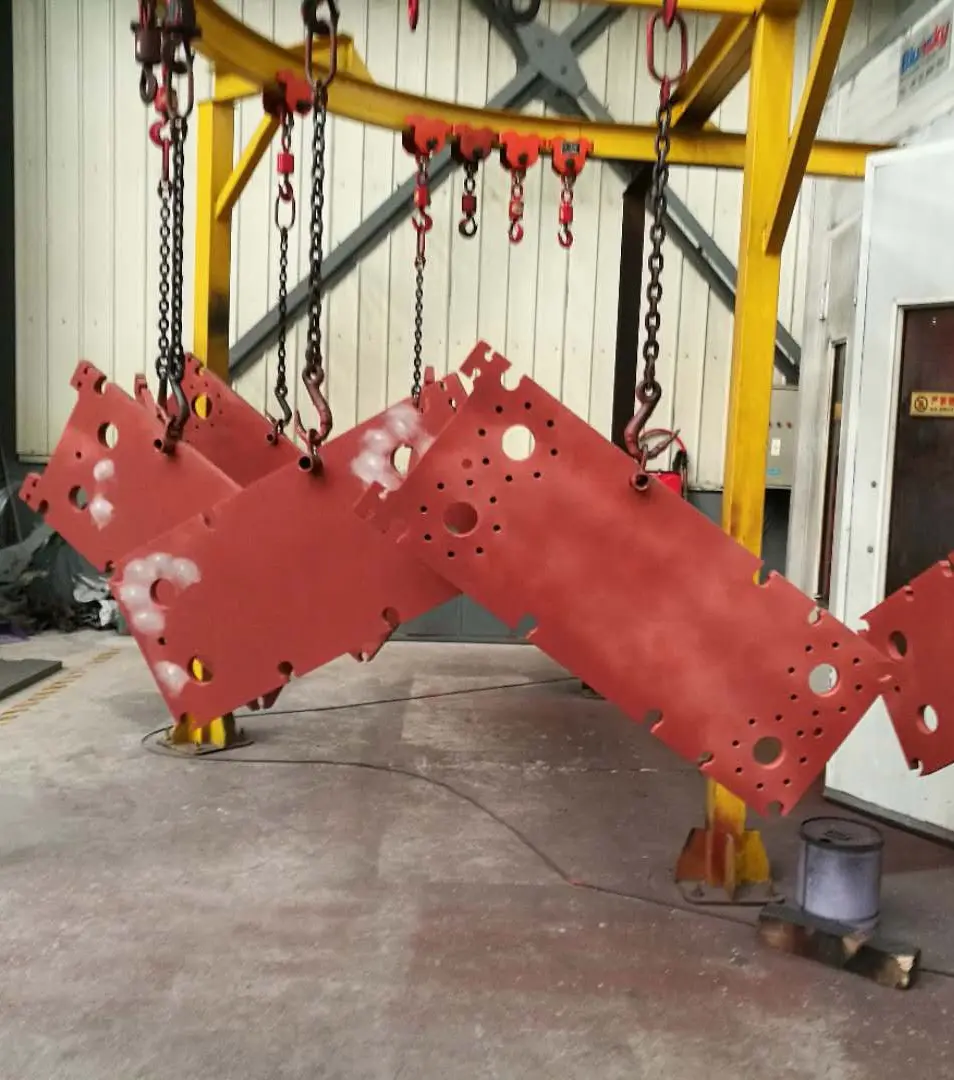
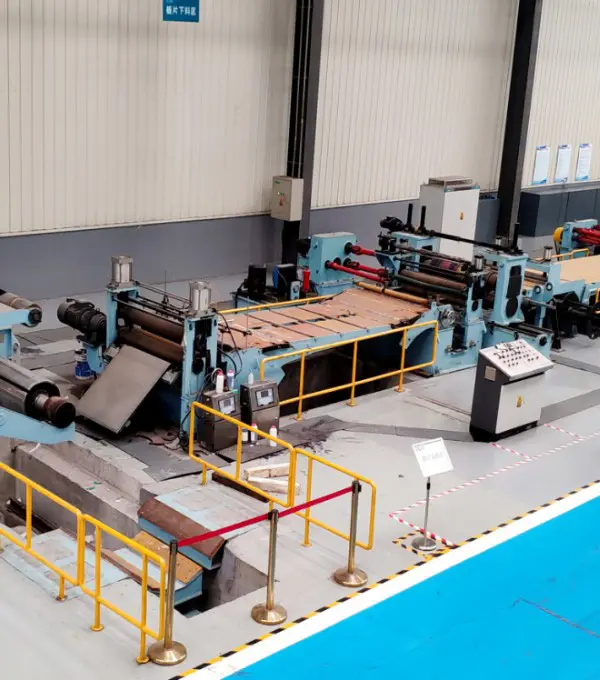
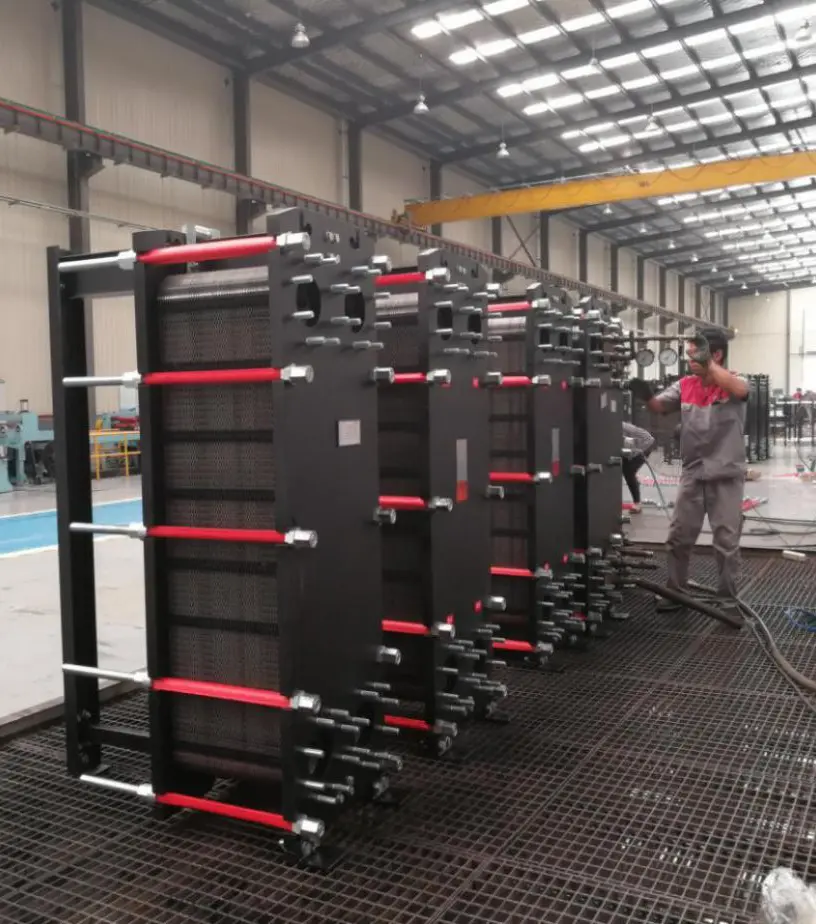
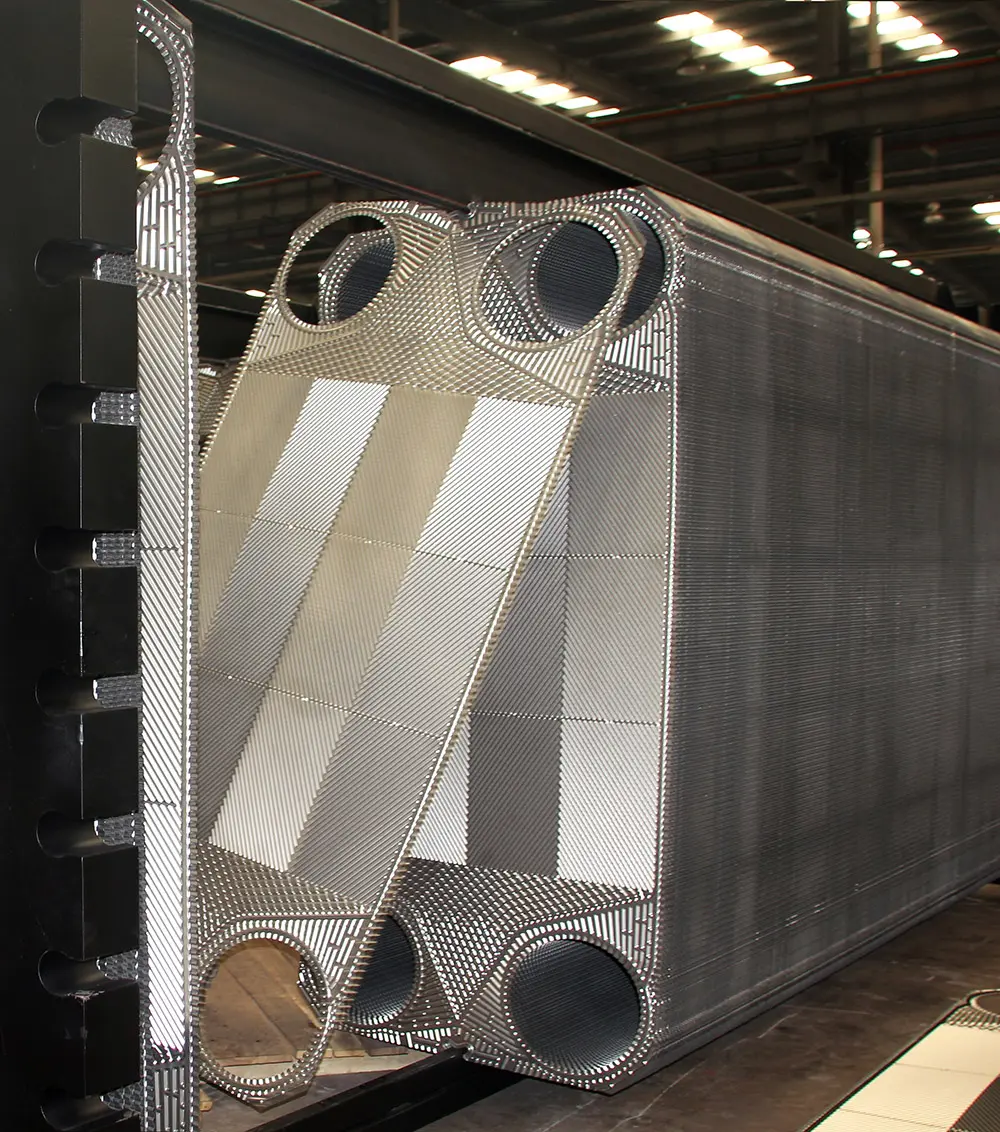
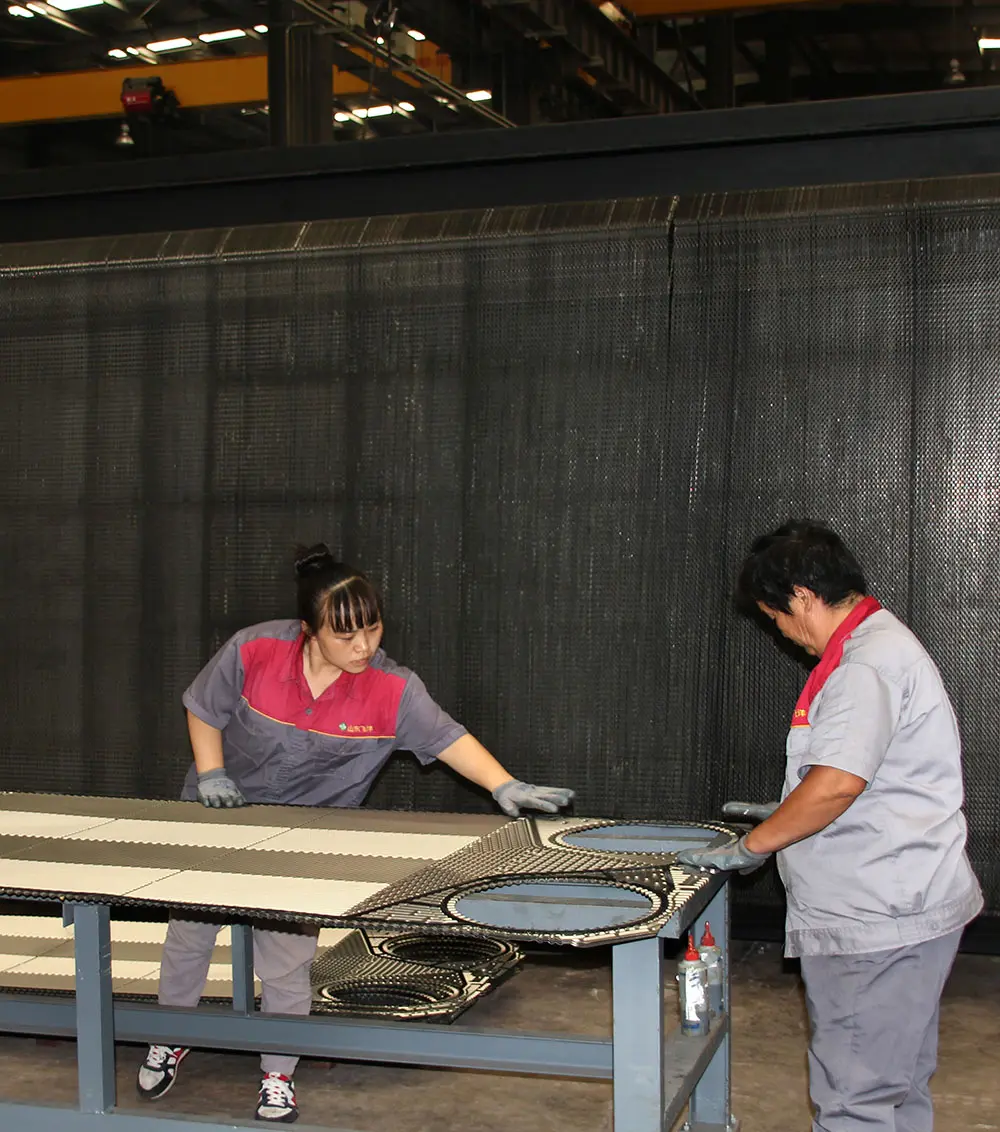
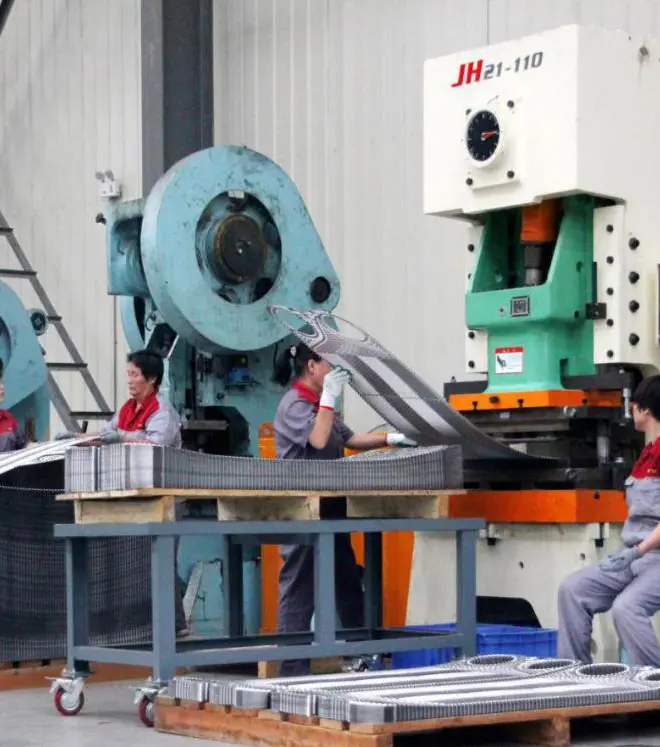
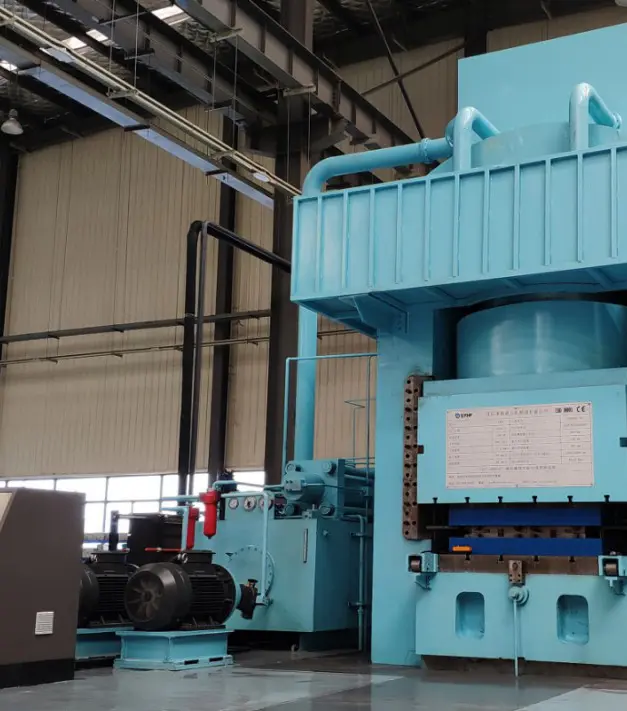
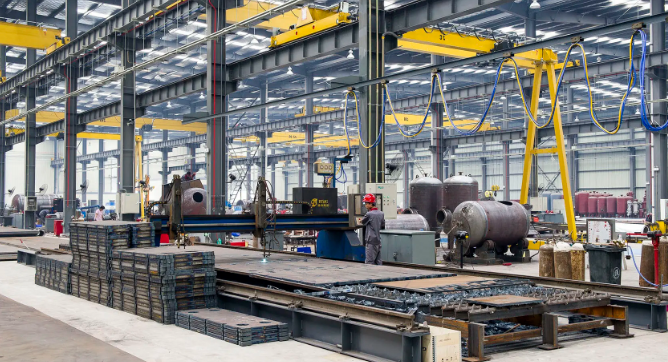
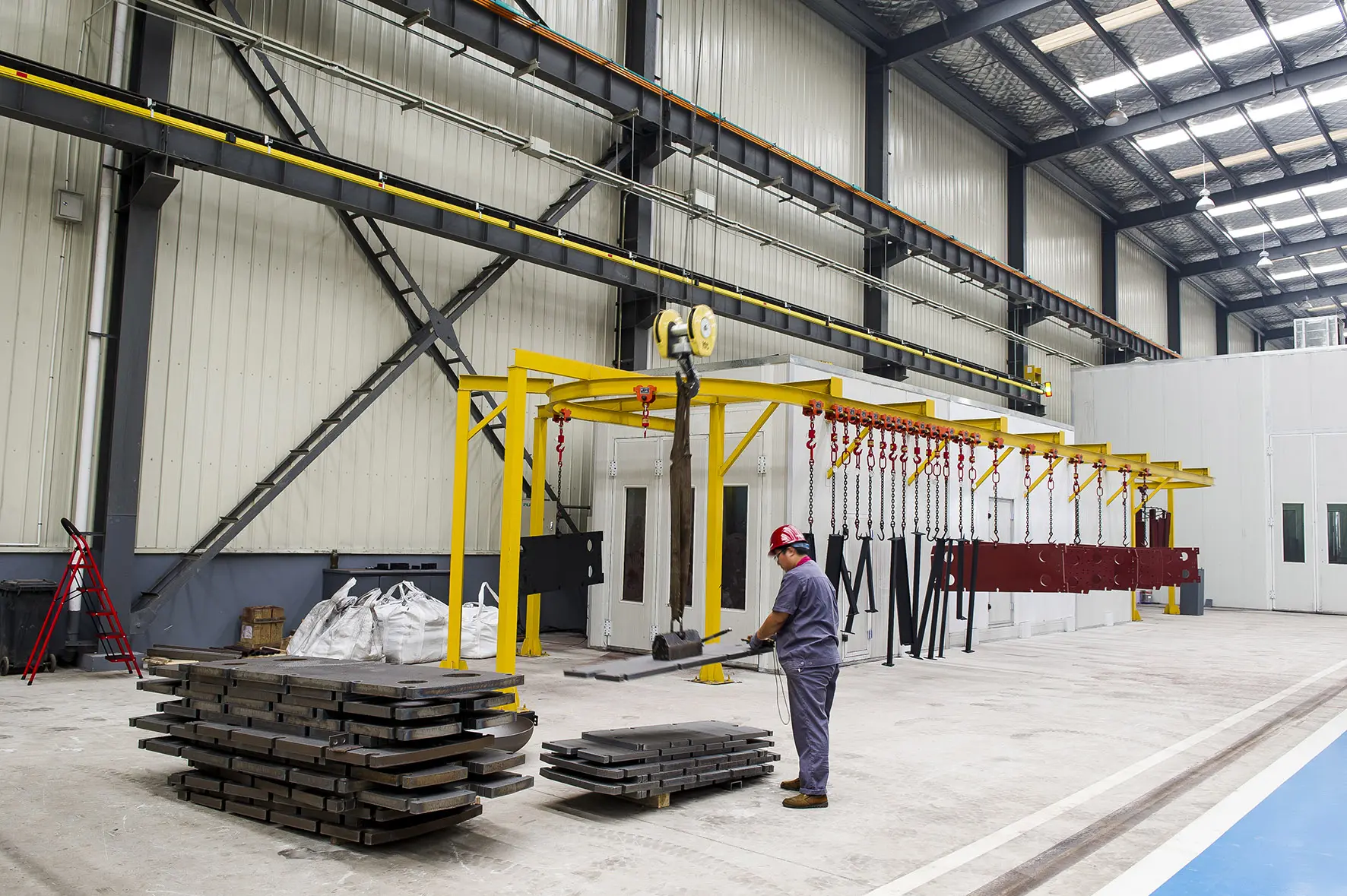
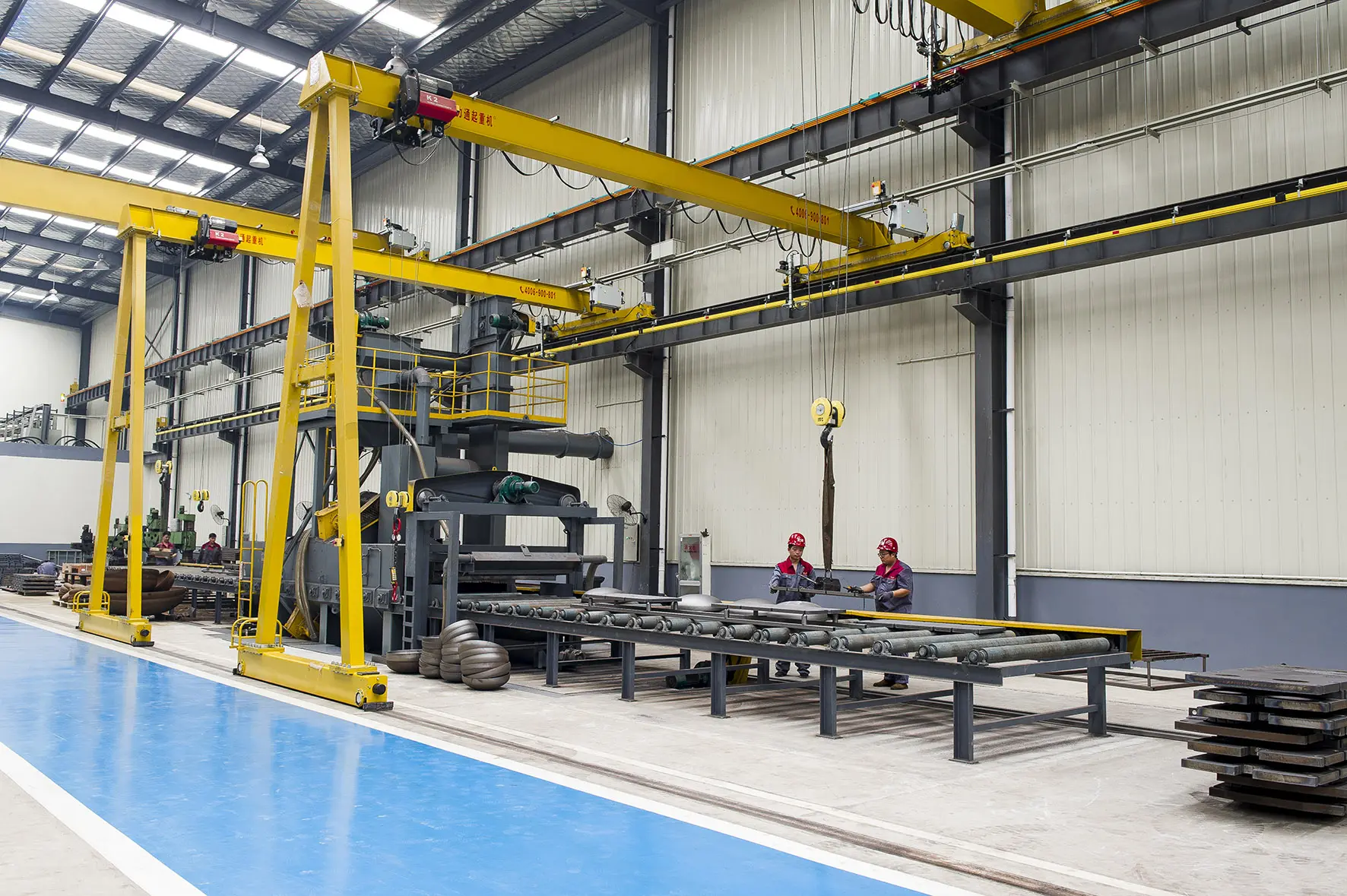
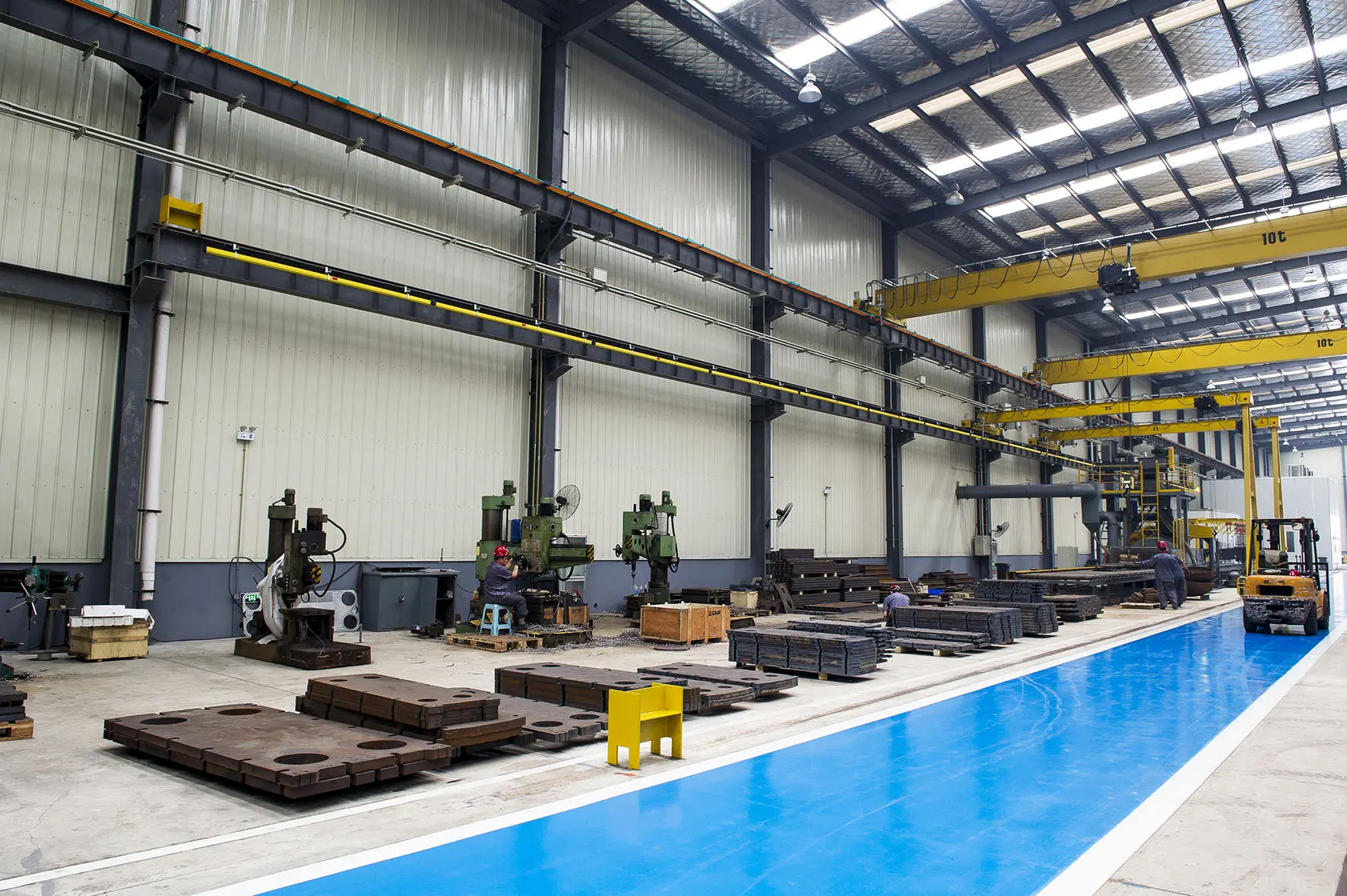
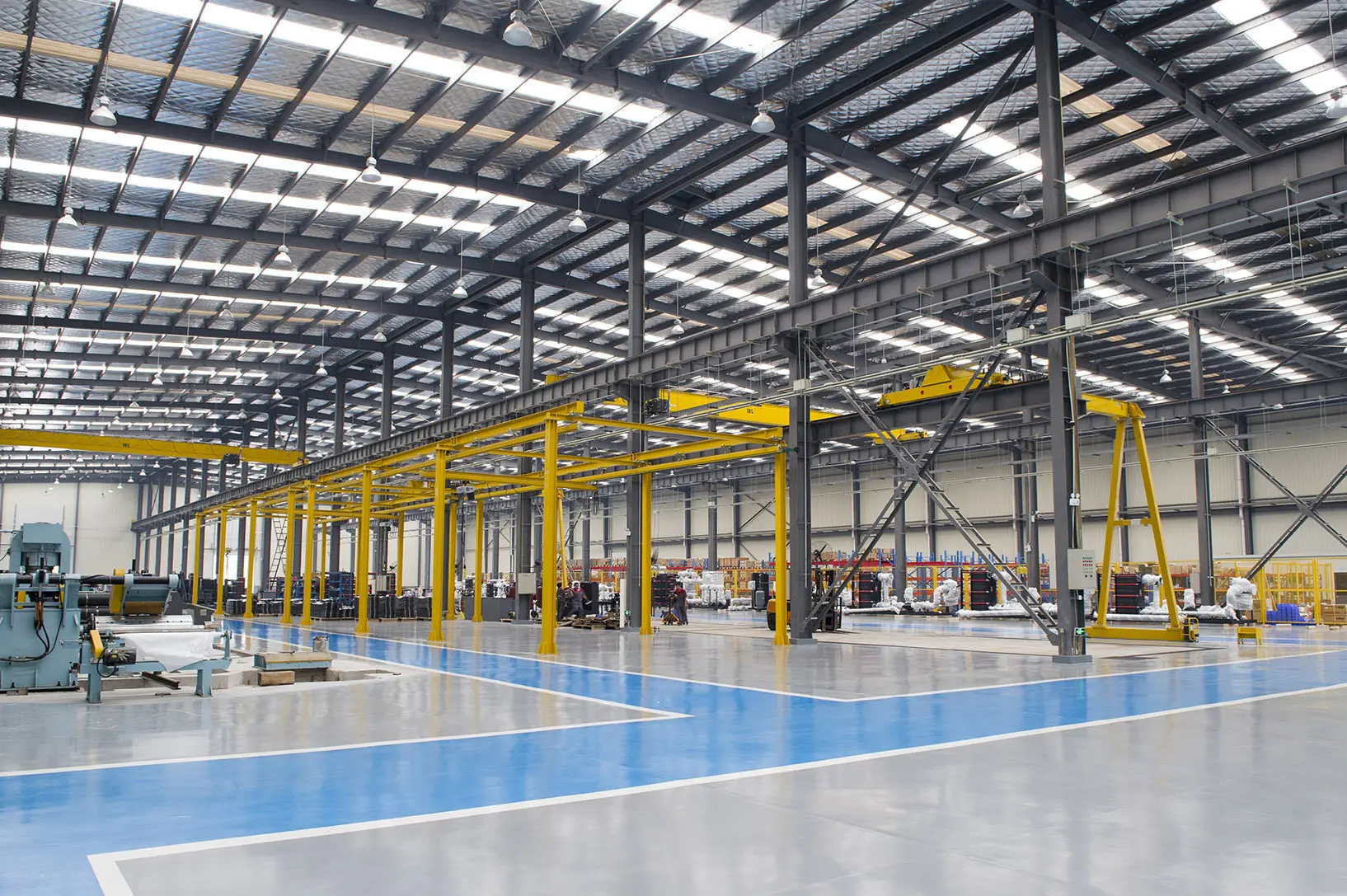
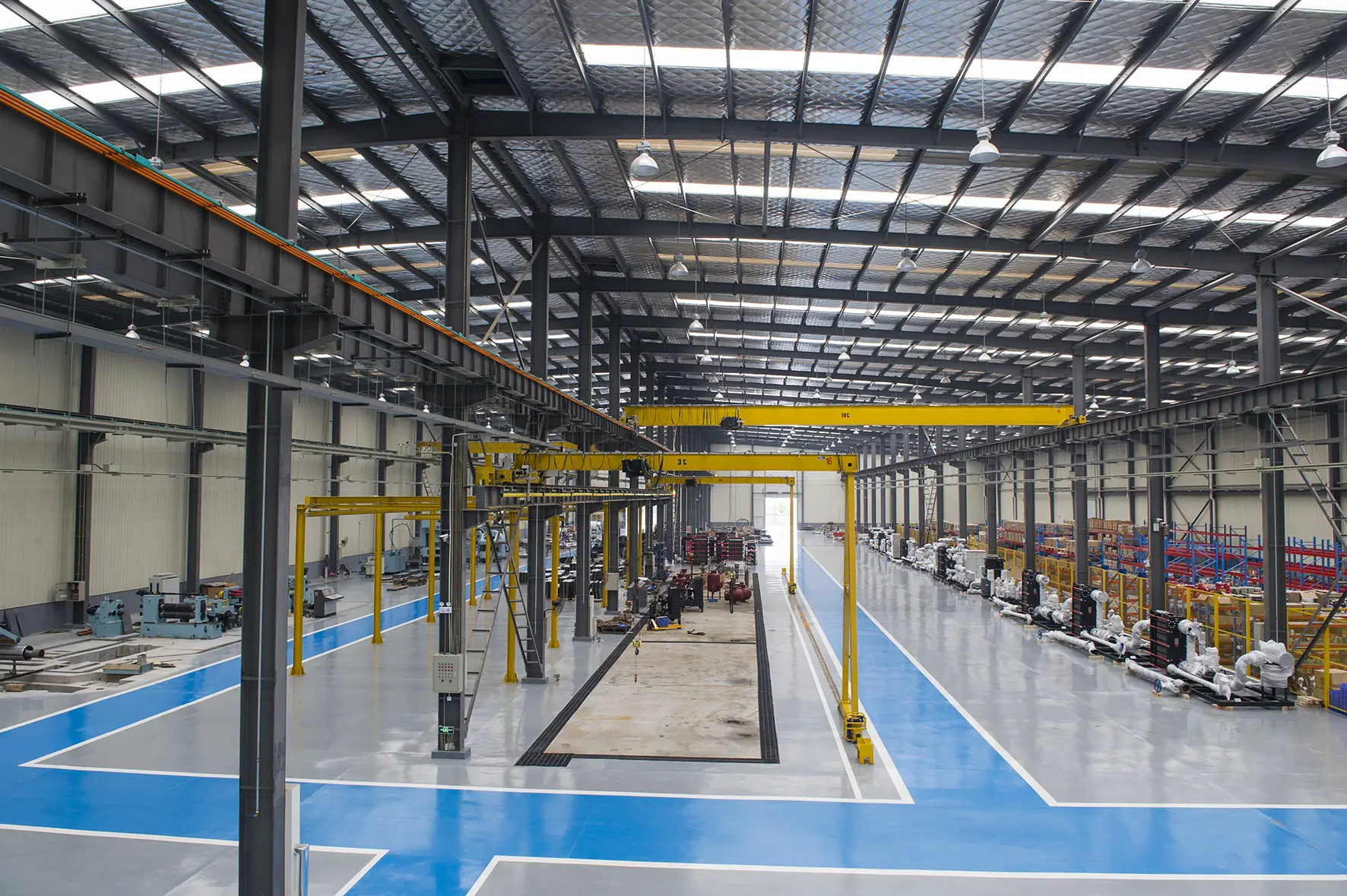
Sourcing from China's industrial manufacturing hubs offers significant supply chain efficiency. Flotte operates a modern 70,000 square meter plant, with an annual output capacity of over 4,500 heat exchange units and water treatment assemblies. This scale allows us to manage manufacturing costs effectively and secure reliable raw materials from verified vendors.
By keeping raw materials, precision CNC machining, stamping, assembly, and testing in-house, we reduce production bottlenecks and lead times. Our purchasing team works directly with steel mills to source high-grade alloys, ensuring consistent quality and structural integrity across all production runs.
Additionally, Flotte leverages China's robust logistics infrastructure, situated near major international ports. This enables efficient and timely delivery to international projects, keeping shipping costs manageable and timelines predictable.
Purchasing pressure vessels internationally requires strict adherence to regional safety and quality standards. A shell and tube heat exchanger must comply with localized certifications to be approved for operation in major markets. Our products hold certificates from the National Standardization Committee and safety registrations for plate heat exchangers issued by the National Boiler and Pressure Vessel Standardization Technical Committee, alongside international ISO standards.
For operations in the European Union, designs must meet the Pressure Equipment Directive (PED) 2014/68/EU and carry the CE mark. In North America, compliance with the ASME Boiler and Pressure Vessel Code (Section VIII Div 1) is standard. We ensure all customized units meet these requirements, providing full material traceability, weld documentation, and hydrostatic test reports.
To support local engineering teams, Flotte offers complete bilingual technical documentation, localized engineering drawings, and direct access to our technical support team. This helps simplify the integration of our units into existing systems and streamlines local regulatory approvals.
Engineered to meet ASME Section VIII standards and TEMA Class R, C, or B designations for oil, chemical, and general industrial applications.
Compliant with the Pressure Equipment Directive 2014/68/EU, including full compliance testing and CE mark authorization.
Manufactured and safety-registered in strict compliance with China's national standards for pressure vessel design and production.
Our thermal management products are widely utilized in heavy chemical processes, power generation, district heating networks, and HVAC systems. Explore our custom designs below:
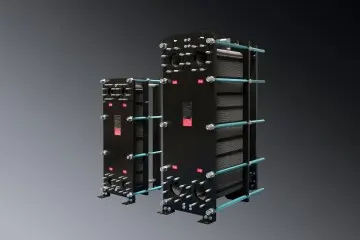
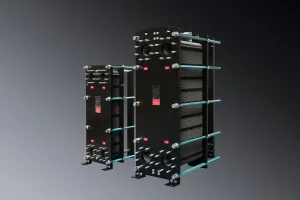
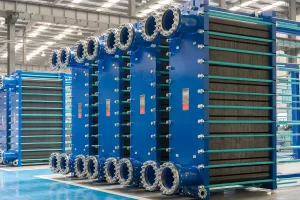
Designed for easy maintenance, cleaning, and plate replacement in systems with high fouling potential.
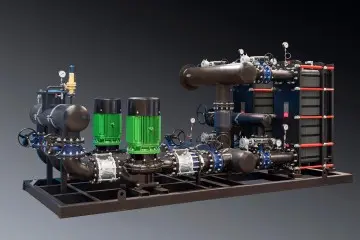
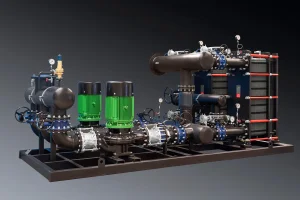
Integrated skids combining heat exchangers, smart control valves, and sensors for automated building heating.
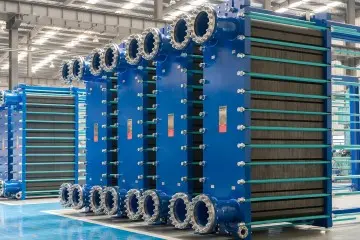
Specifically engineered for municipal district heating networks and secondary distribution substations.
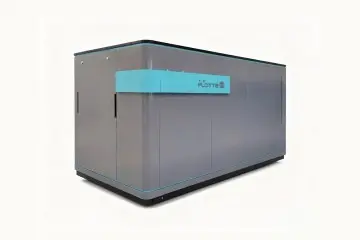
Optimized for commercial and residential high-rise building HVAC networks to ensure reliable temperature regulation.
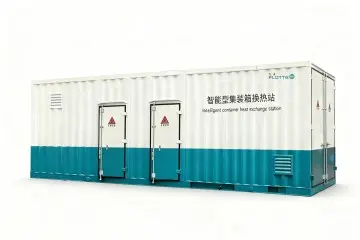
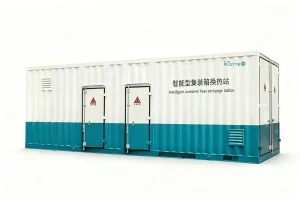
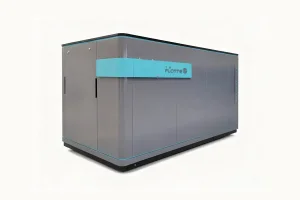
A compact, weather-proof enclosed thermal station design that simplifies outdoor field installation.
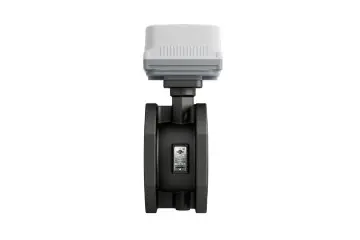
Enables precise flow balancing and hydraulic stabilization across local heat distribution loops.

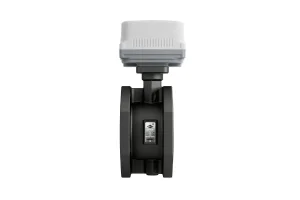
High-precision telemetry sensor designed to feed environmental temperature data to intelligent heating networks.
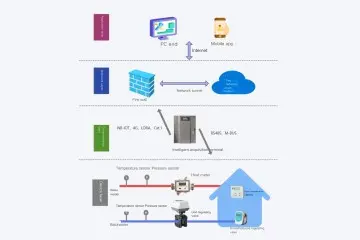
A comprehensive system designed to optimize thermal efficiency and reduce energy waste in complex HVAC distribution layouts.
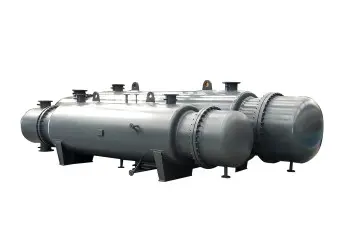
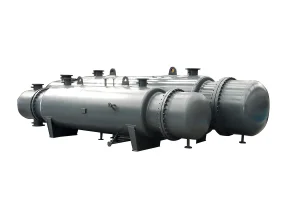
Our classic heavy-duty exchanger designed to manage high temperature differentials and pressures in demanding processes.
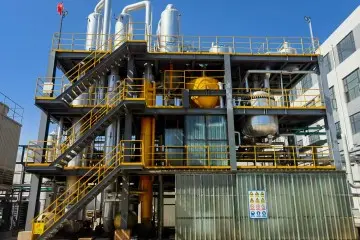
Utilized for concentration, crystallization, and recovery in chemical and water treatment plants.
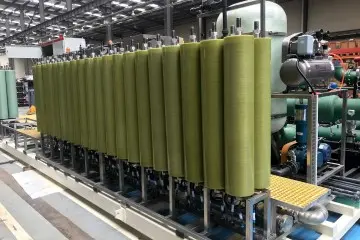
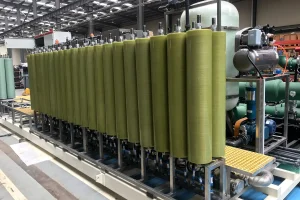
Advanced liquid desalination and purification setup built for industrial wastewater treatment applications.
The industrial heating sector is increasingly focusing on energy conservation and carbon reduction. Modern operations are moving away from passive heat exchange toward integrated, active, and digital thermal systems. Incorporating IoT monitoring and AI algorithms allows operators to track heat exchanger health and performance in real time.
Using digital monitoring, systems can identify fouling buildup early by tracking changes in pressure drop and thermal efficiency. Scheduled, proactive maintenance helps prevent unplanned downtime and keeps systems operating at peak efficiency, minimizing energy waste.
In addition, modern designs are optimized for waste heat recovery. Systems are engineered to capture low-temperature thermal runoff from industrial processes and repurpose it for district heating networks or preheating cycles. This approach helps reduce fuel consumption and supports corporate sustainability targets.
All Flotte systems are designed, constructed, and inspected in compliance with international standards, ensuring safe, reliable, and efficient long-term operation.


Explore our specialized range of flow regulators, sensors, and large-scale concentration units
 Flotte Energy