In modern chemical synthesis, petrochemical refining, industrial HVAC systems, and environmental waste heat recovery, the demand for compact, efficient, and low-maintenance heat exchange technology has never been more critical. Traditional shell-and-tube configurations, while historically dominant, are increasingly limited by large structural footprints, high rate of fouling, and uneven temperature distributions. As industries shift toward carbon neutrality and high efficiency, the specialized Spiral Condenser Design has emerged as the definitive configuration to address these systemic thermodynamic challenges.
A spiral condenser operates on a simple yet highly advanced mechanical principle: two concentric metal sheets are rolled around a central core to form two independent, continuous spiral channels. As fluids flow in a counter-current direction, the centrifugal force induced by the curved pathway disrupts the boundary layer, generating highly turbulent flow even at low Reynolds numbers. This continuous curved geometry eliminates dead zones, prevents local hotspots, and substantially enhances the overall heat transfer coefficient (U-value) compared to linear tube alignments.
For international procurement departments, understanding the mechanical nuances of spiral condenser systems is key to realizing long-term operational savings. Beyond pure thermal transfer capabilities, these units are highly robust. The single-passage layout ensures that if particulate matter enters the channel, the velocity of the fluid increases locally behind the obstruction, naturally washing away the deposit. This self-cleaning property minimizes unscheduled factory shutdowns and keeps maintenance costs low.
Established in 2013 with a registered capital of 101 million yuan, Flotte Energy Saving Company trace our operational roots back to Flotte Thermal Engineering, founded in 1995. With nearly three decades of dedicated technical expertise, we specialize in high-performance water equipment, commercial and industrial HVAC systems, and water treatment technologies.
Our core mission revolves around adopting cutting-edge thermal transfer mechanisms and scaling up high-end manufacturing. Flotte operates a modern production center capable of producing 4,500 heat exchange units and water supply systems annually, generating an annual sales revenue of 500 million yuan. This robust financial position ensures that we can support large-scale, capital-intensive engineering projects worldwide.
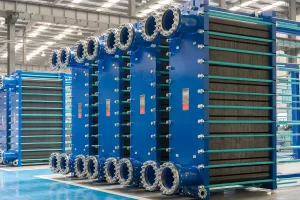
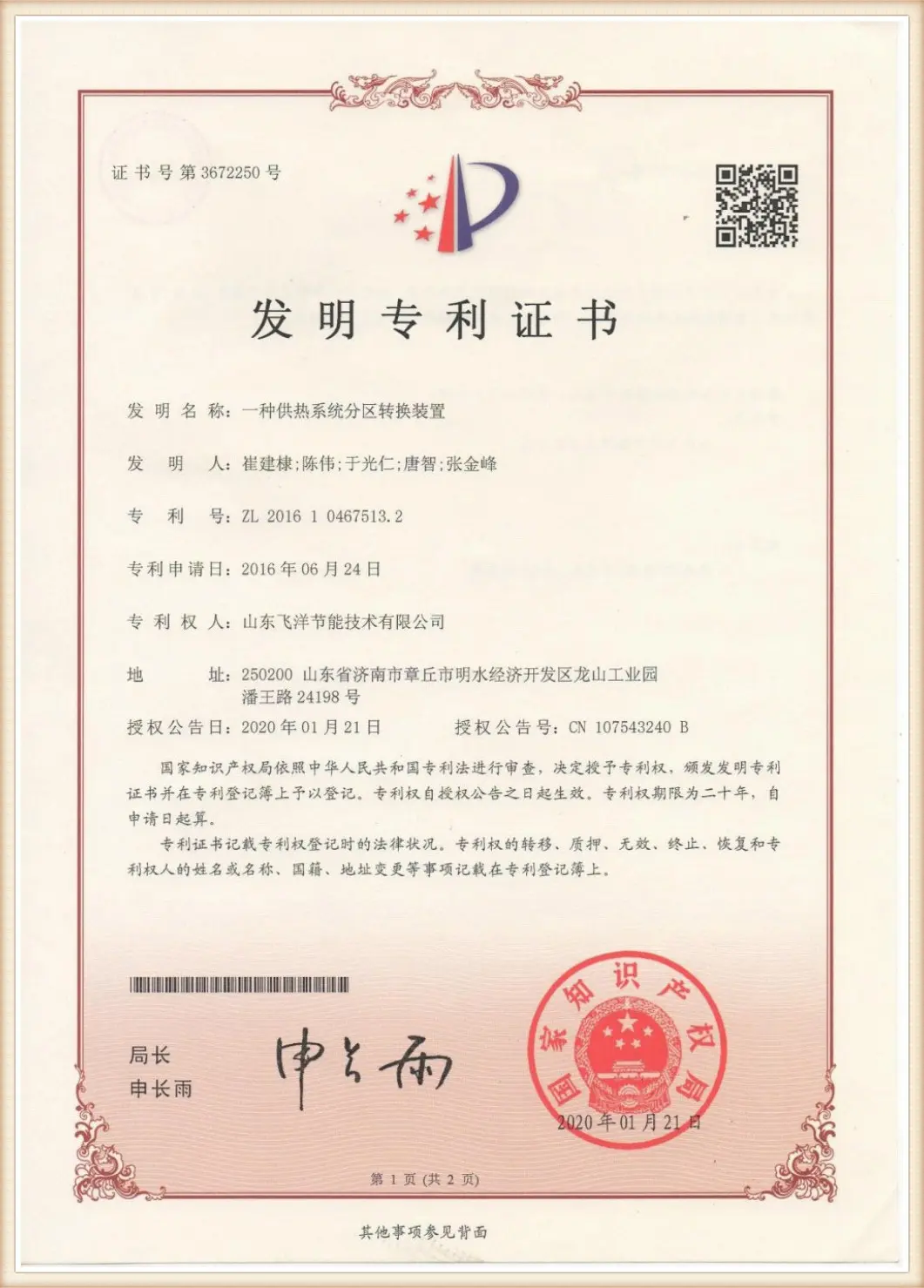
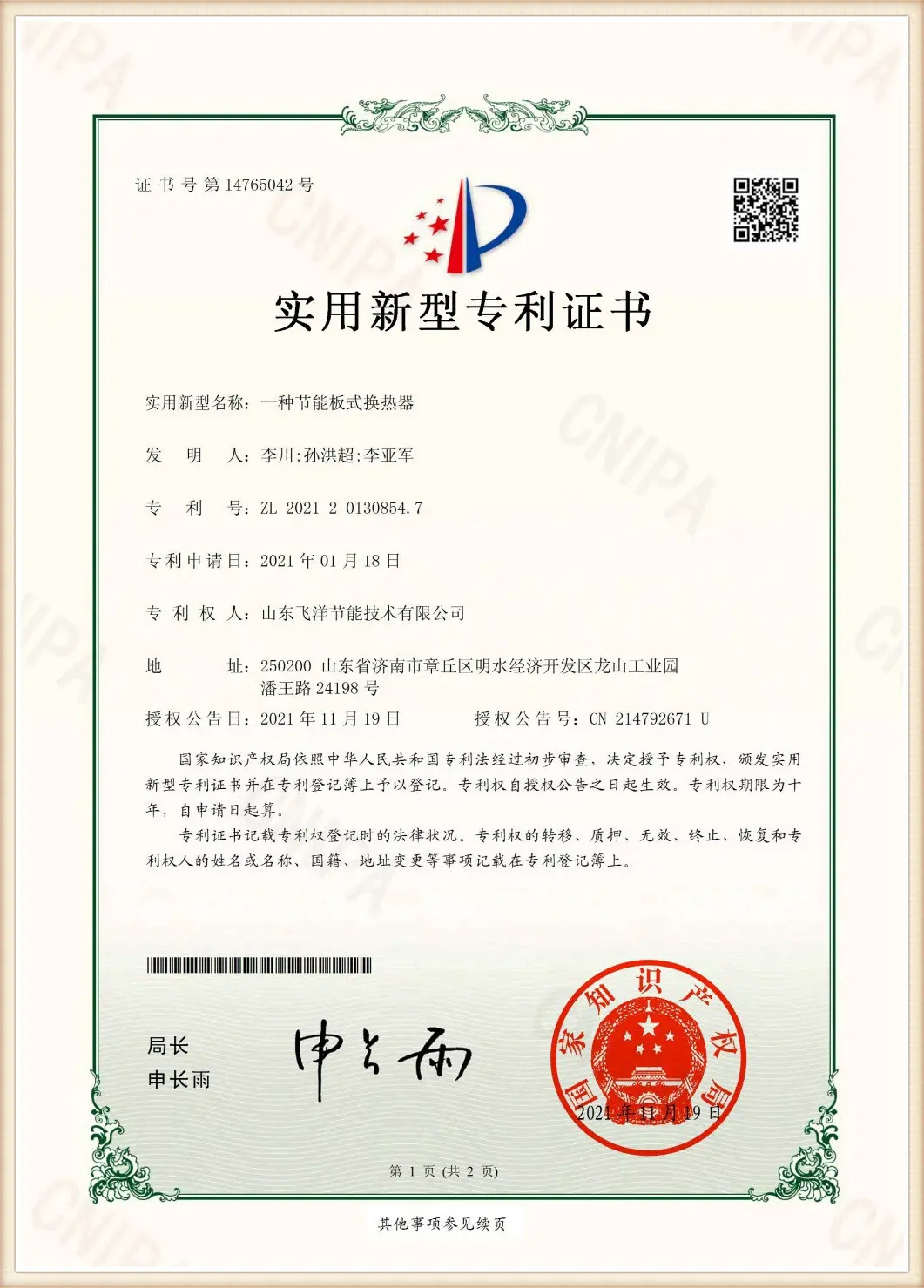
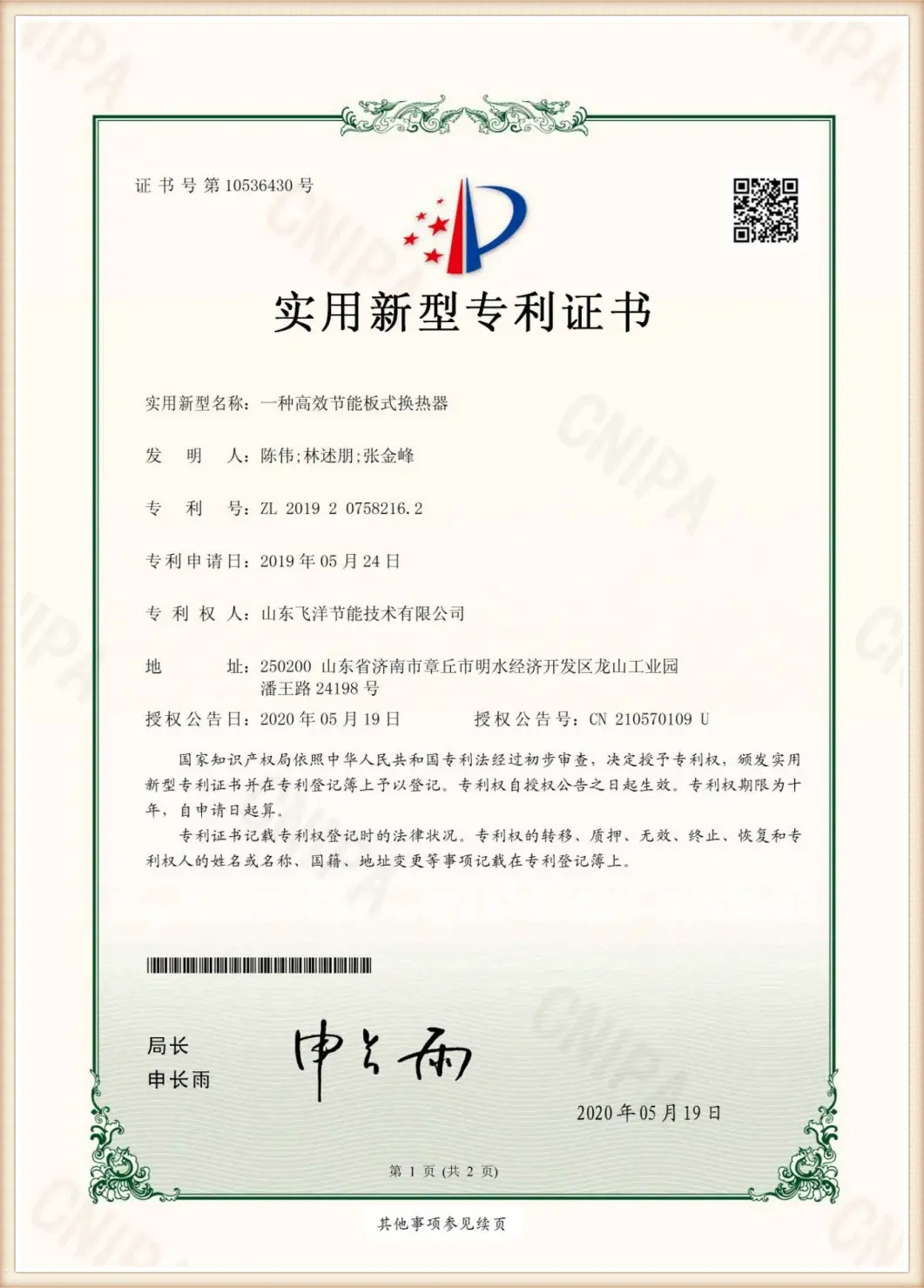
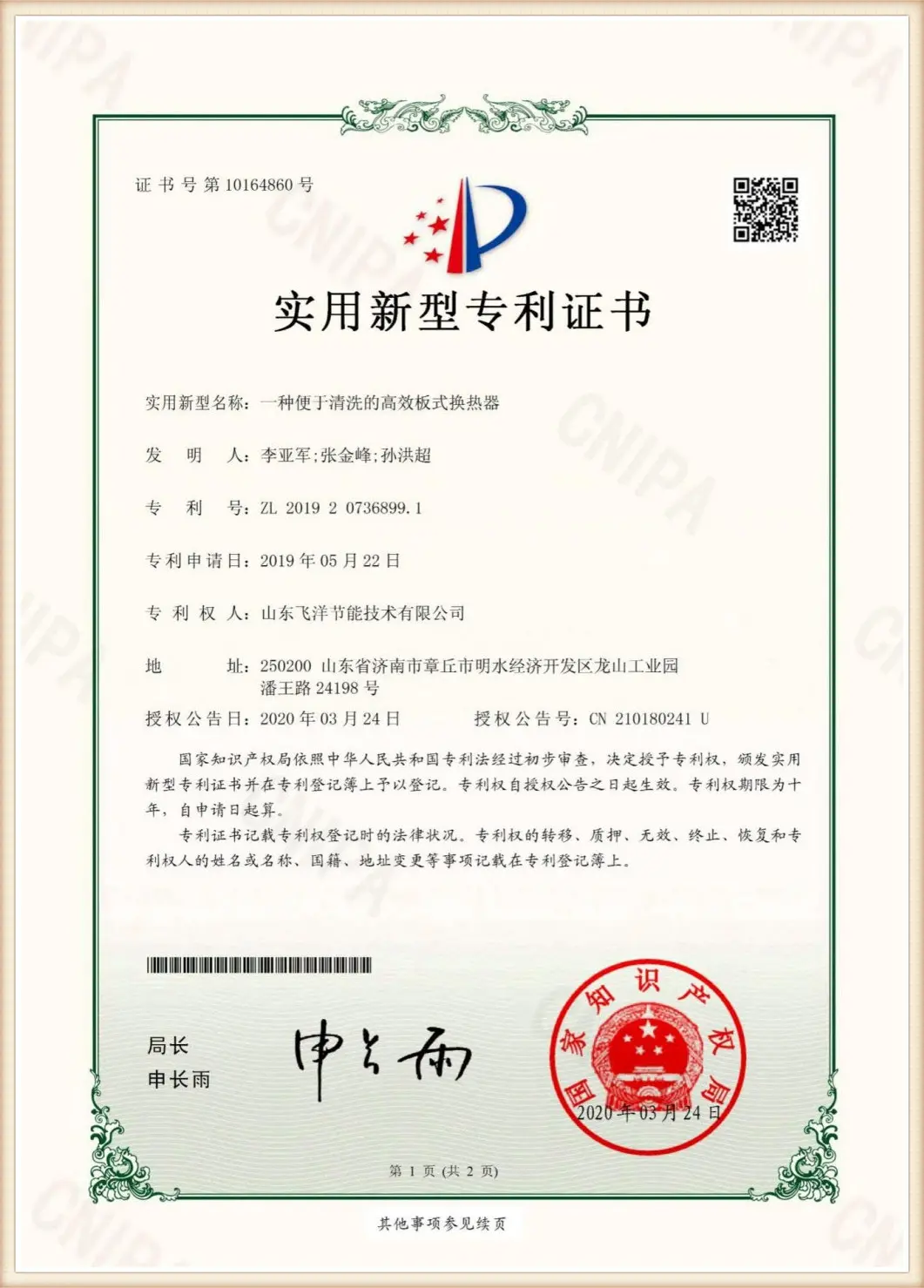
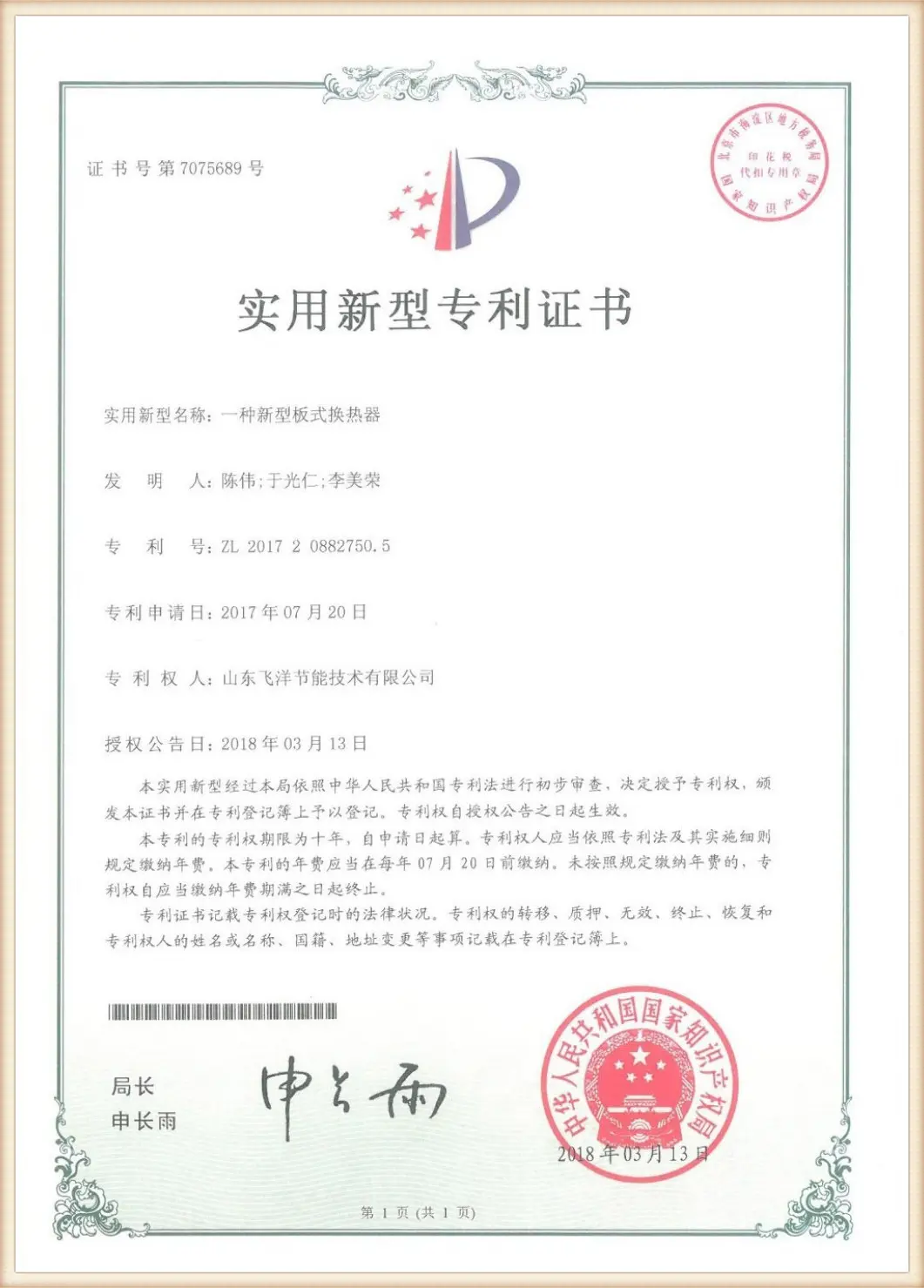
Our design teams hold multiple patent certifications, including our proprietary "High-Efficiency Plate Heat Exchanger", "Intelligent Plate Heat Exchanger System", and the "Plate Heat Exchanger Scale Removal Device". These innovations protect our systems against calcification and thermal degradation in aggressive fluid environments.
All Flotte products are manufactured and certified according to global quality management systems, ensuring strict adherence to international safety codes.
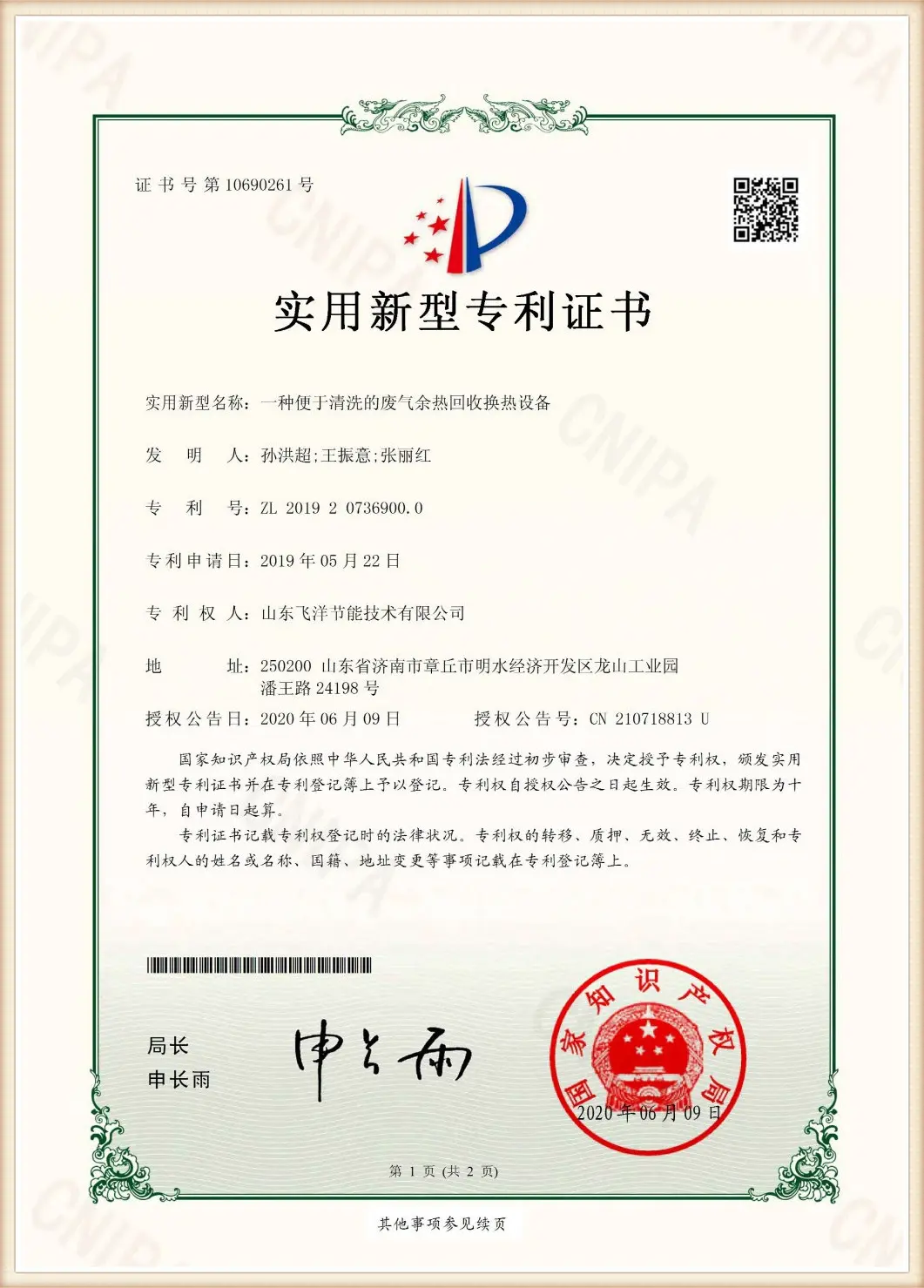
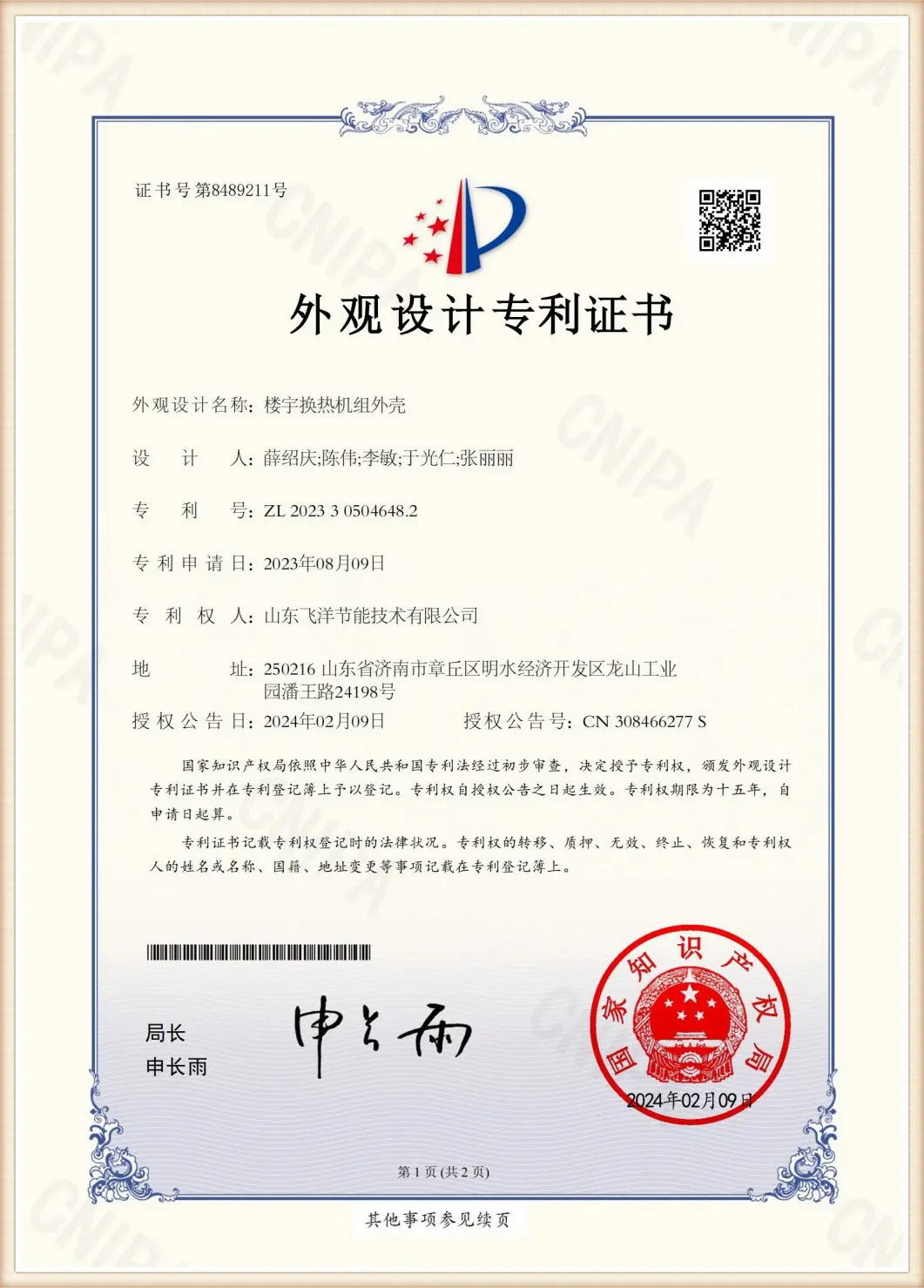
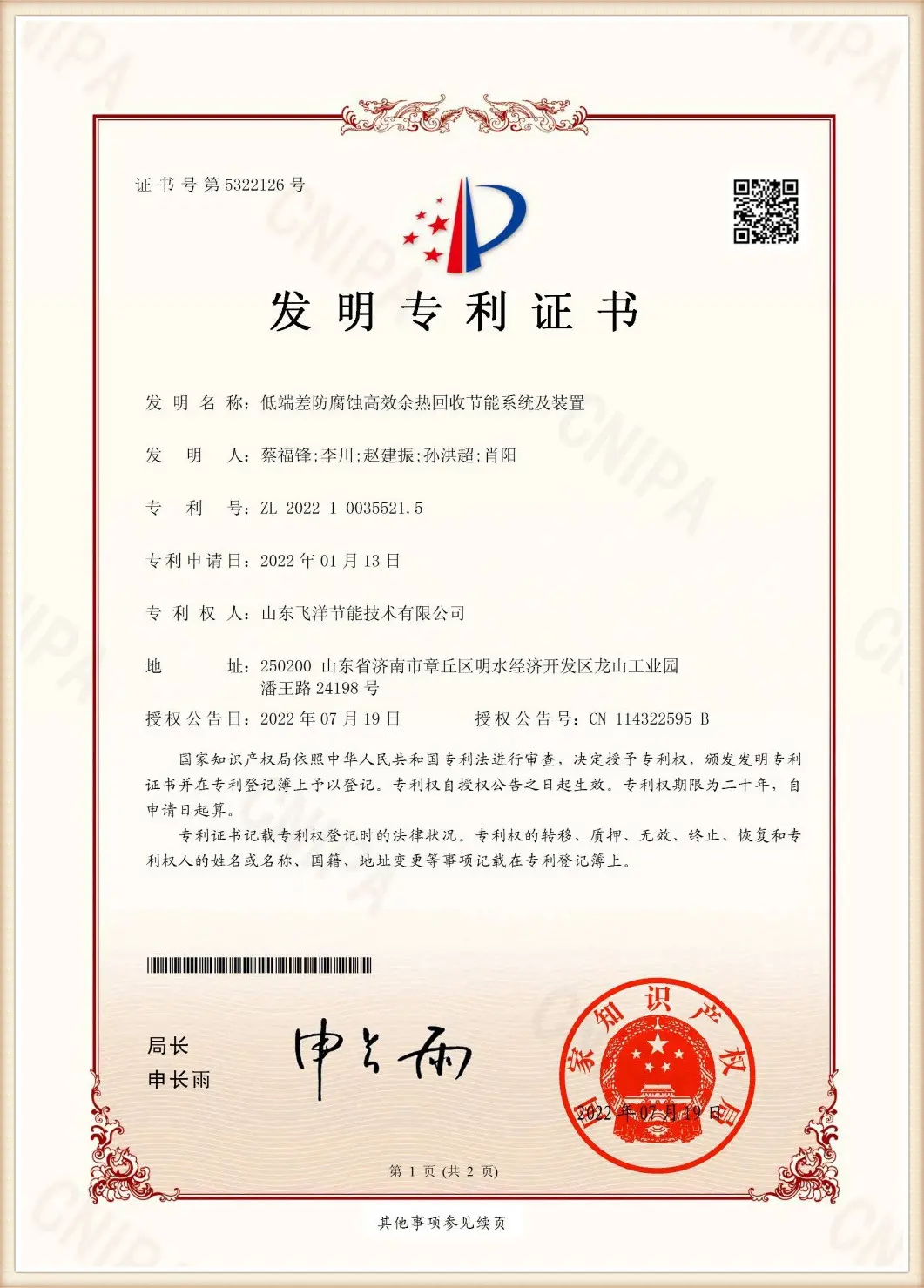
Our quality assurance frameworks comply with the ISO 9001:2015 International Quality Management System, ISO 14001 Environmental Management, and ISO 45001 Occupational Health and Safety.
Industrial EPCs (Engineering, Procurement, and Construction) and global process industries have updated their procurement requirements due to rising energy costs and strict environmental rules. When sourcing spiral condensers and thermal units, procurement teams now focus heavily on custom metallurgy and mechanical integrity. Selecting the right alloys (like duplex stainless steel, titanium, or Hastelloy) is essential for chemical processing lines containing aggressive chlorides or acidic condensates.
Modern thermal recovery demands systems that operate efficiently under low approach temperatures (differences as small as 1.5°C to 2°C). This allows plants to capture low-grade heat that was previously wasted.
By shifting to compact spiral systems, plants reduce their space requirements. This lowers the cost of structural steel framing and enables pre-packaged skid integrations.
Advanced manufacturing techniques, such as laser welding and precision finite element analysis (FEA), now allow spiral designs to handle operating pressures over 40 bar.
From an operator’s perspective, the life-cycle cost (LCC) has replaced capital expenditure (CAPEX) as the key metric for choosing suppliers. Spiral heat exchangers lower costs by reducing fouling-related maintenance and energy consumption. This leads to a faster return on investment (ROI), often achieved within 12 to 18 months of installation.
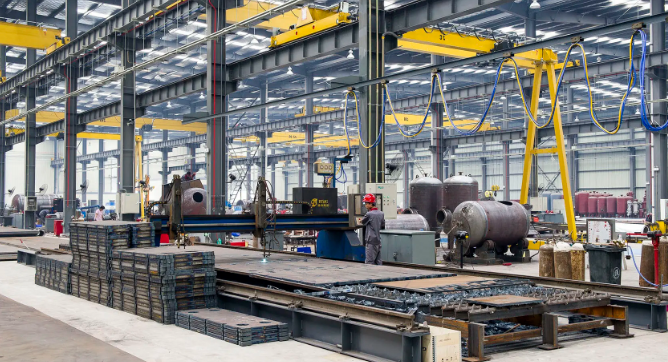
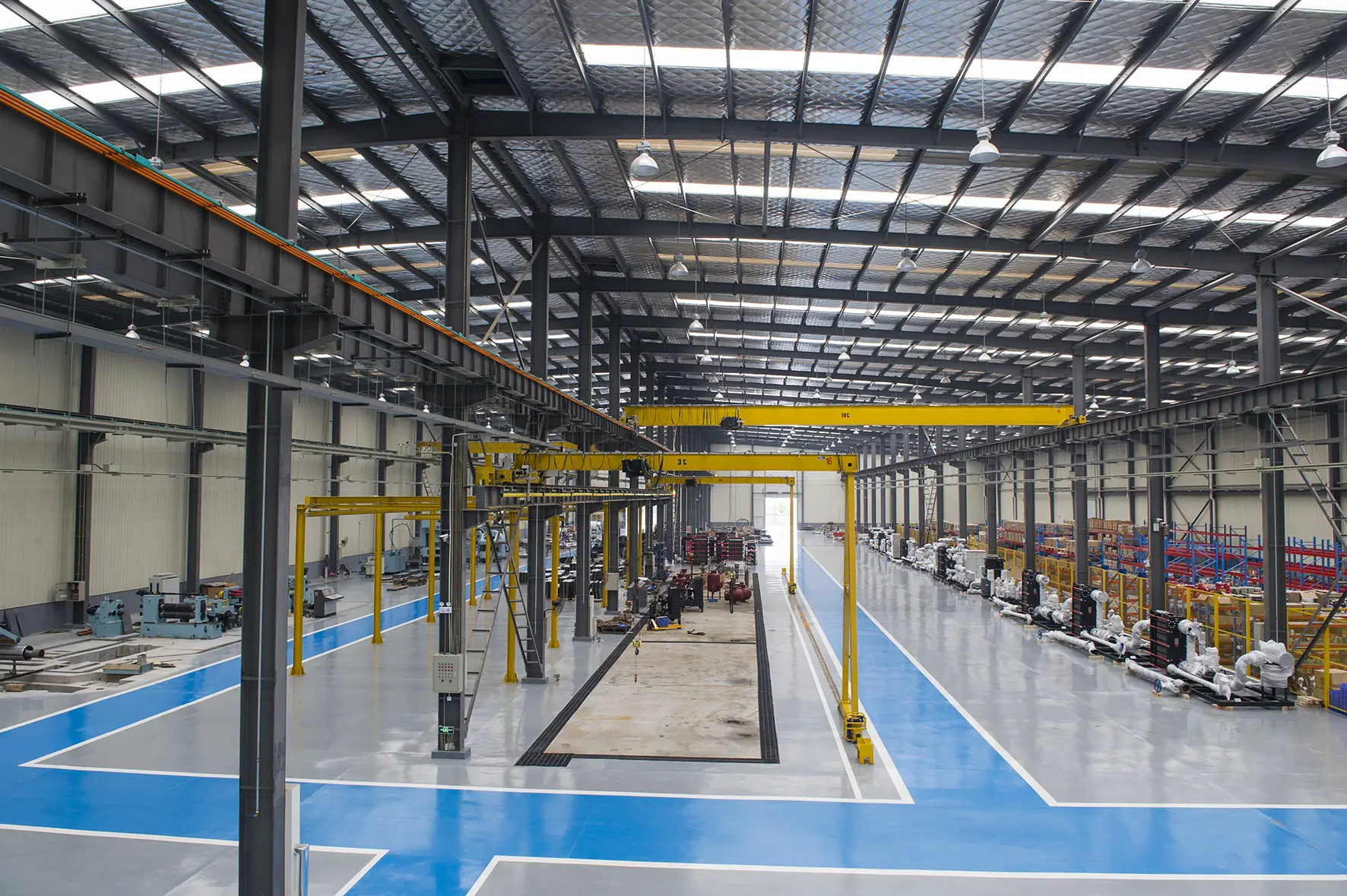
The Chinese industrial manufacturing sector has transitioned from a high-volume hub to an advanced, smart manufacturing center. Flotte's Factory 4.0 integration helps global customers manage supply chain risks while maintaining high engineering quality.
By combining raw material purchasing with state-of-the-art cold-forming processes, we reduce production cycles by 30%. Our supply chain relationships secure premium raw materials (such as domestic steel plates and imported alloy coils) even during market volatility. Our factory operations also comply with international pressure vessel codes (ASME, PED, GB), ensuring seamless compliance for global installations.
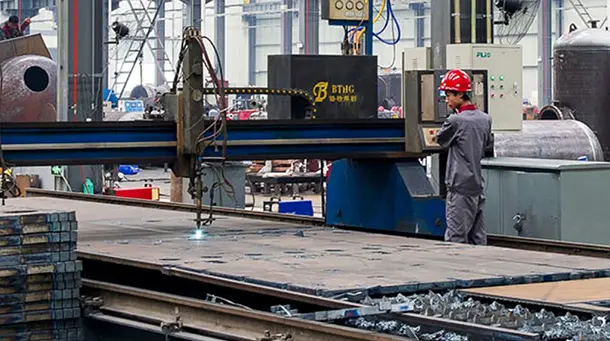
Every step of production, from raw sheet cutting to final inspection, is tracked through our digital quality control system. This transparent manufacturing process ensures high reliability, meeting the strict standards of multinational chemical firms and energy utilities.
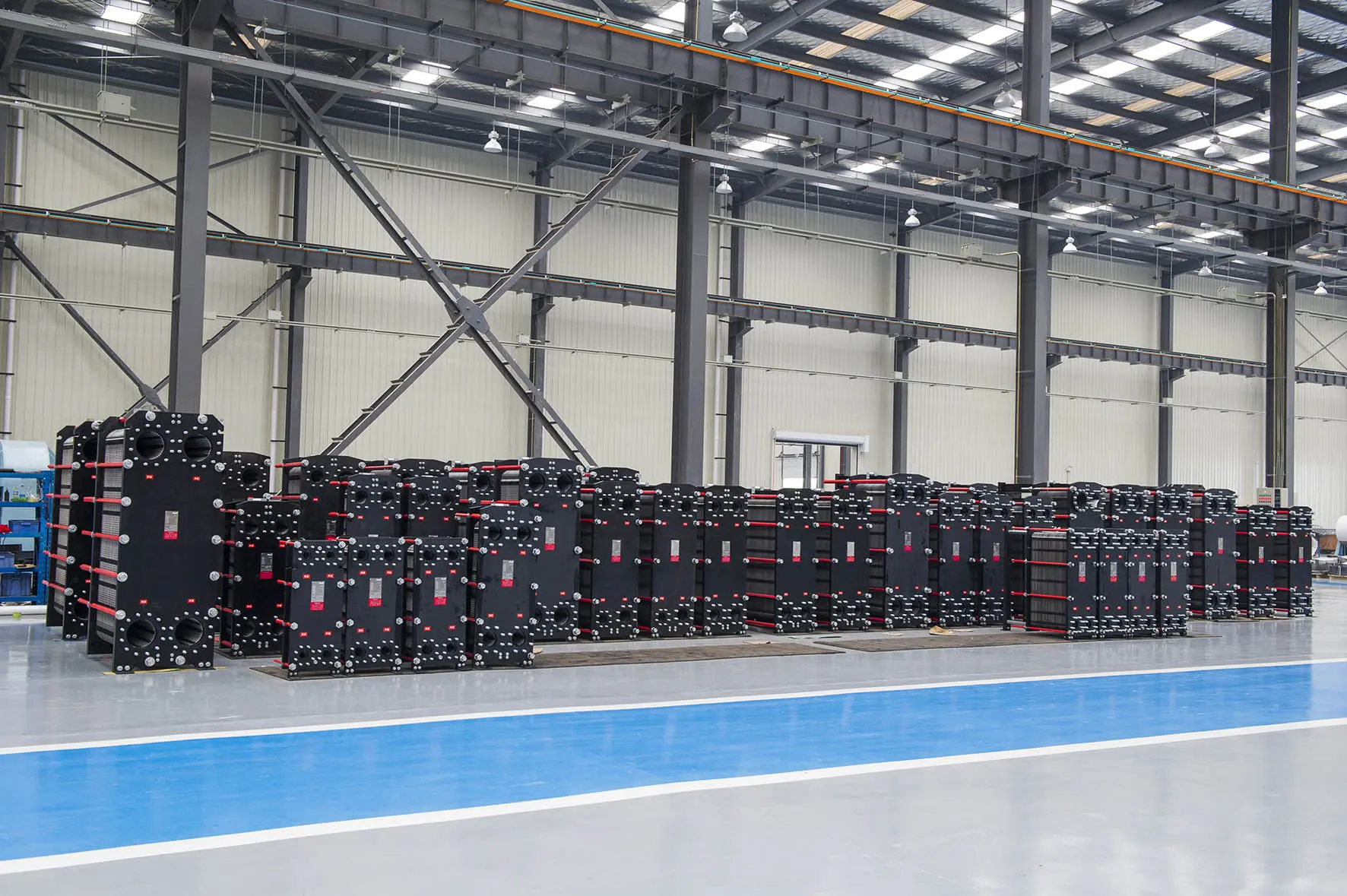
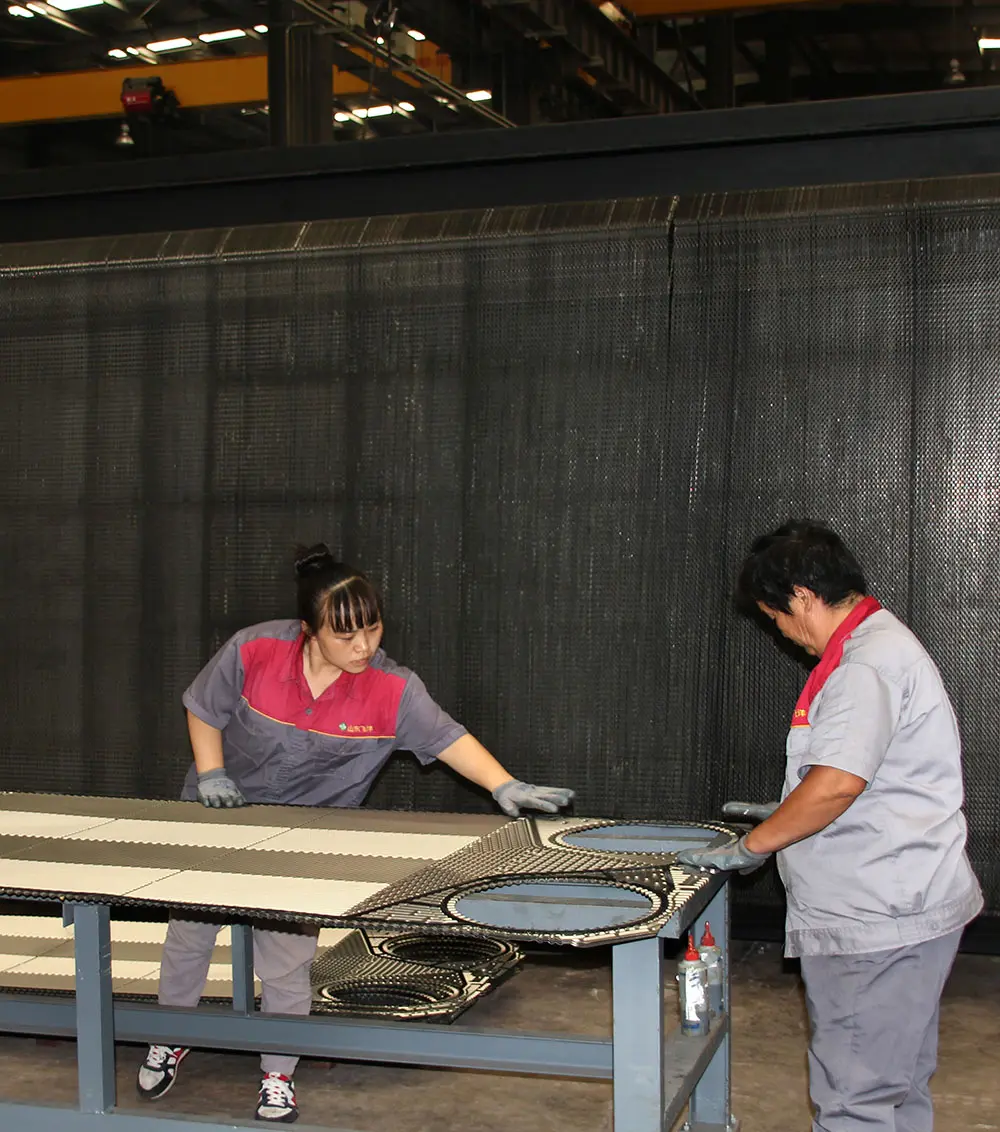
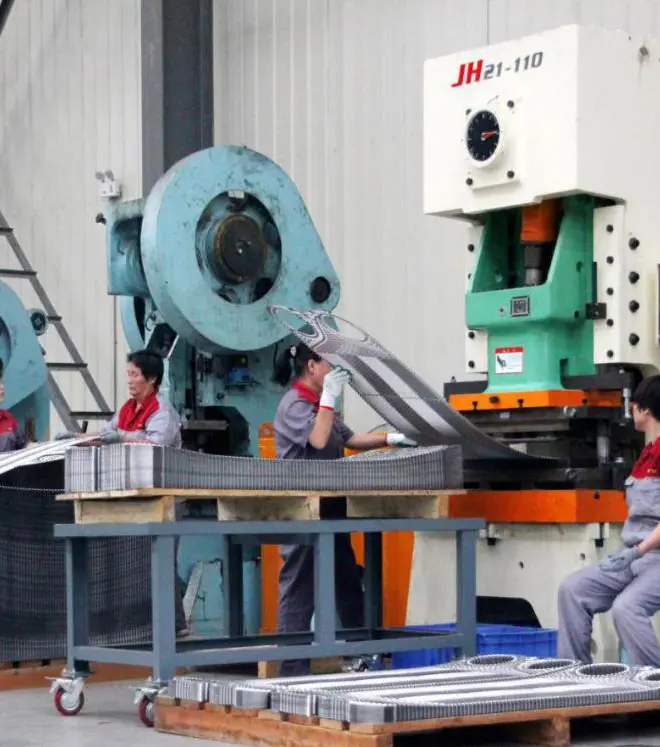
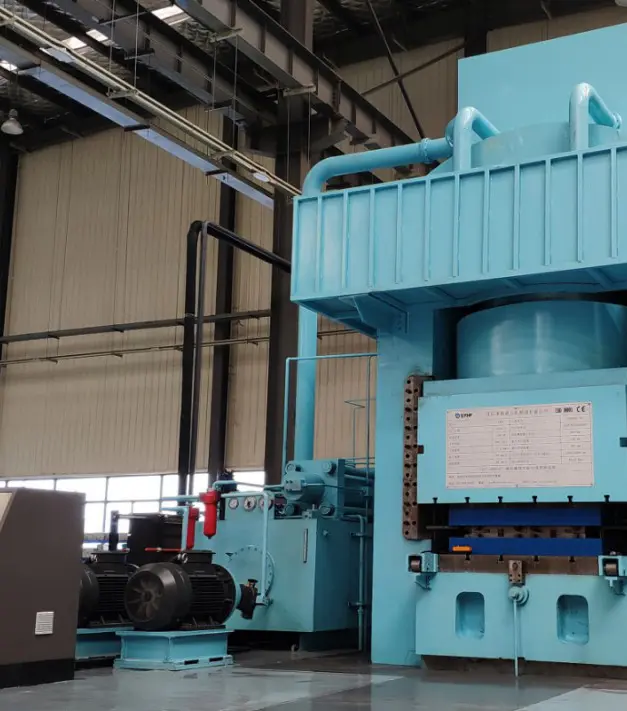
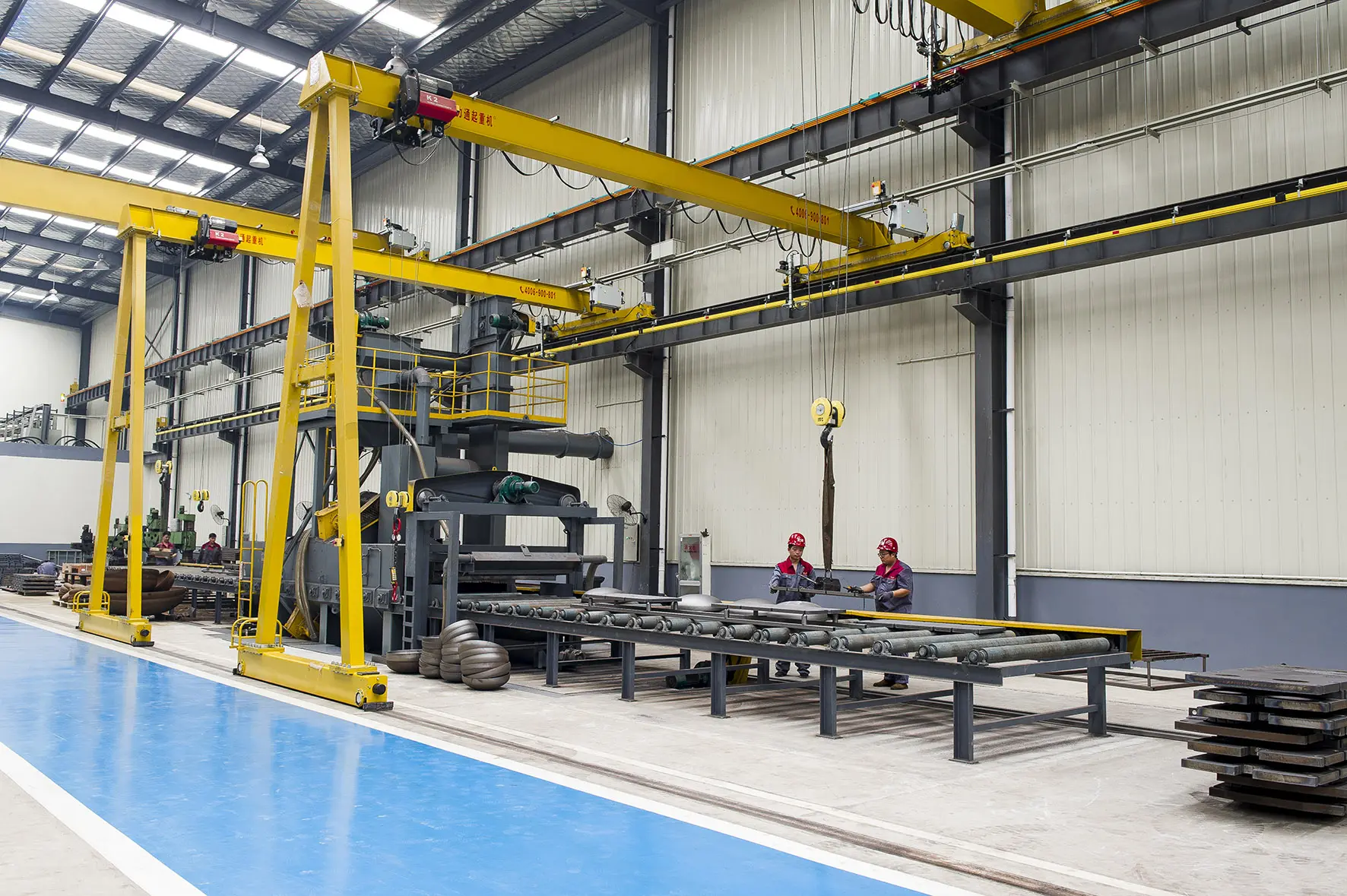
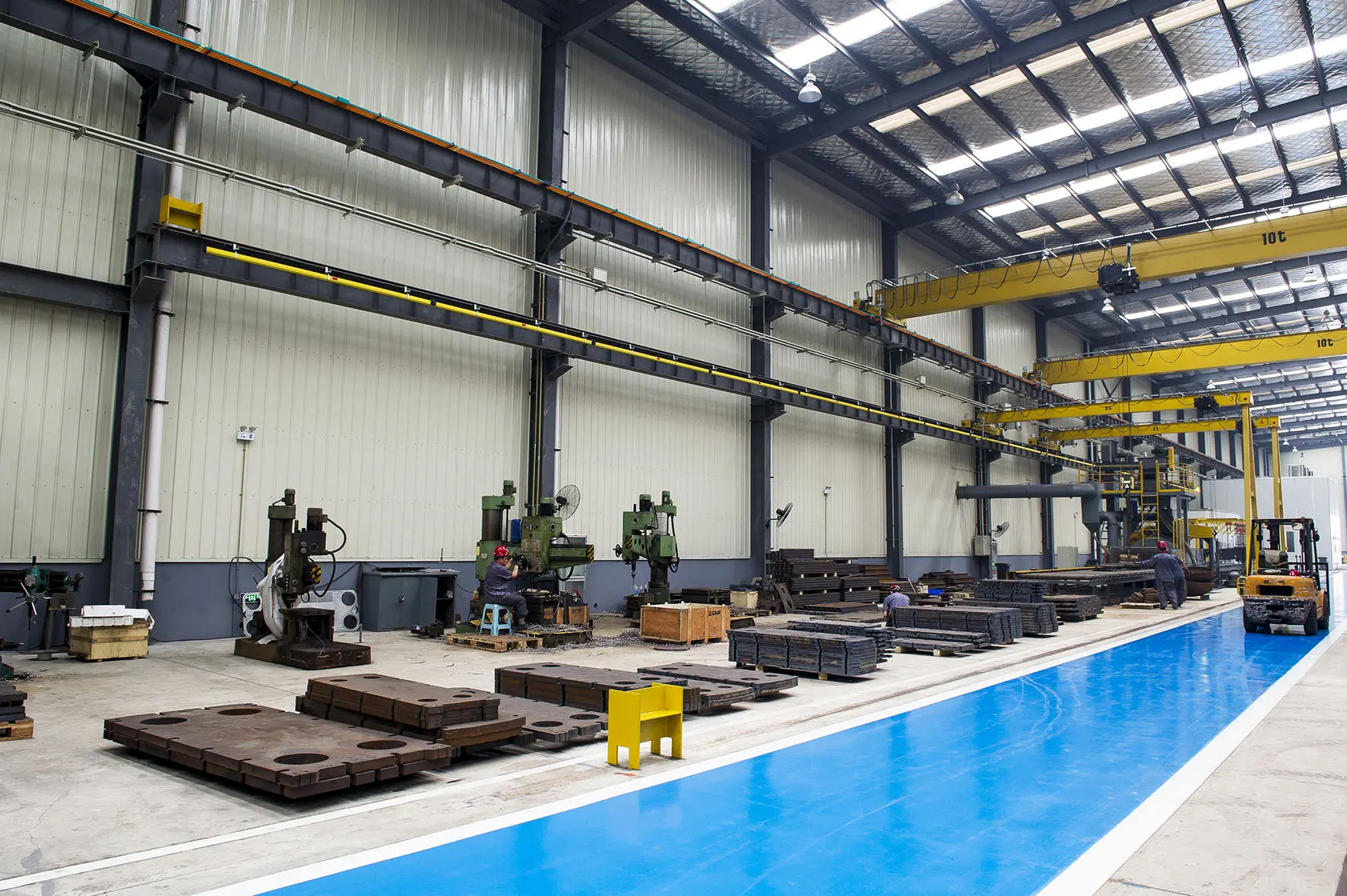
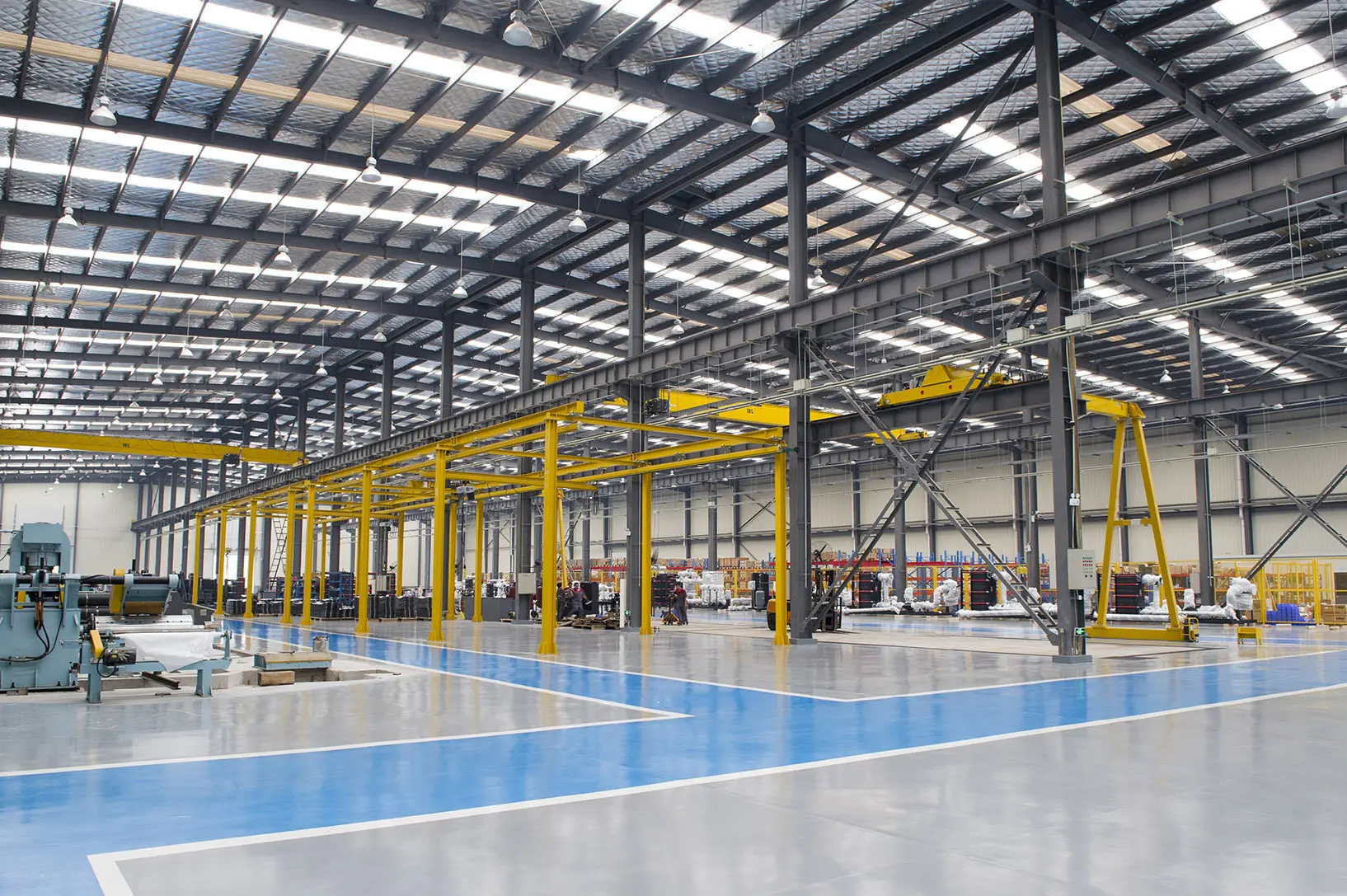
Our integrated manufacturing facility handles every phase of the process, ensuring all equipment meets strict performance and durability standards.
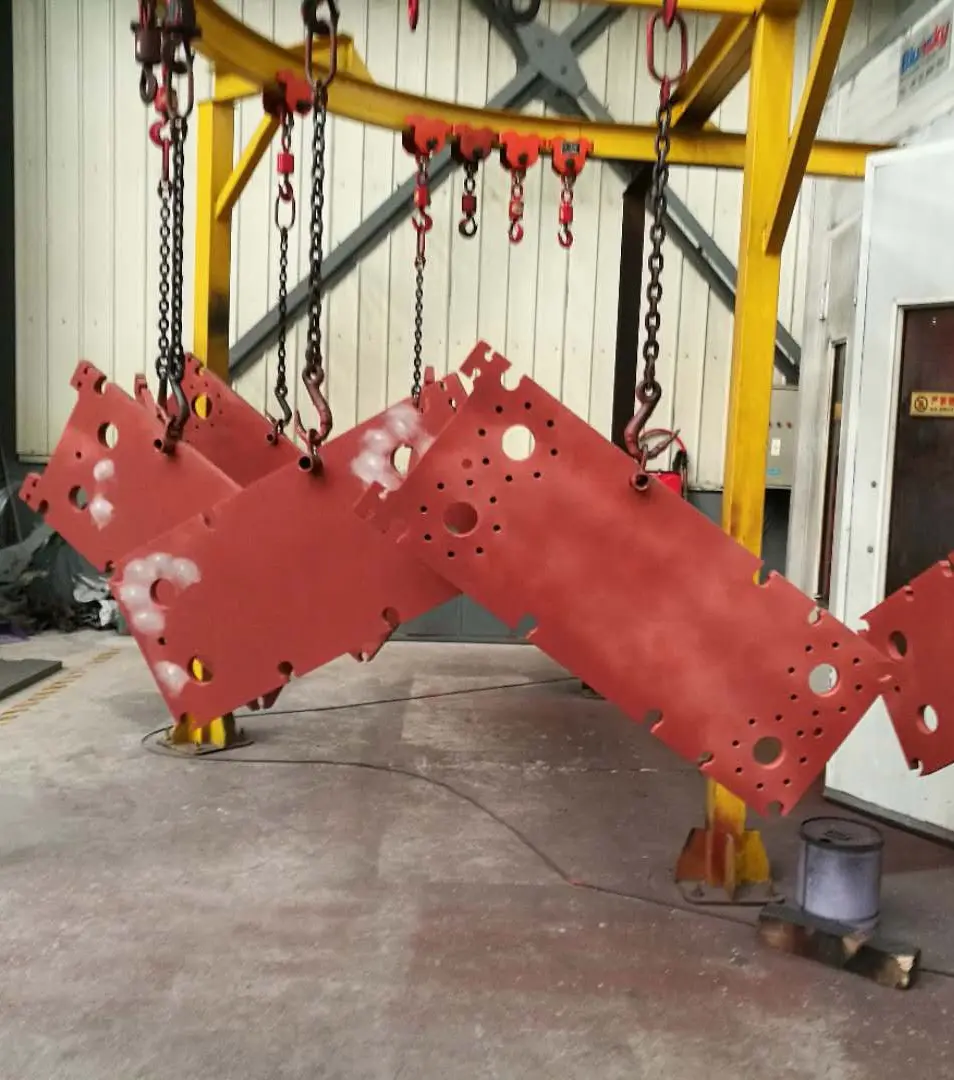
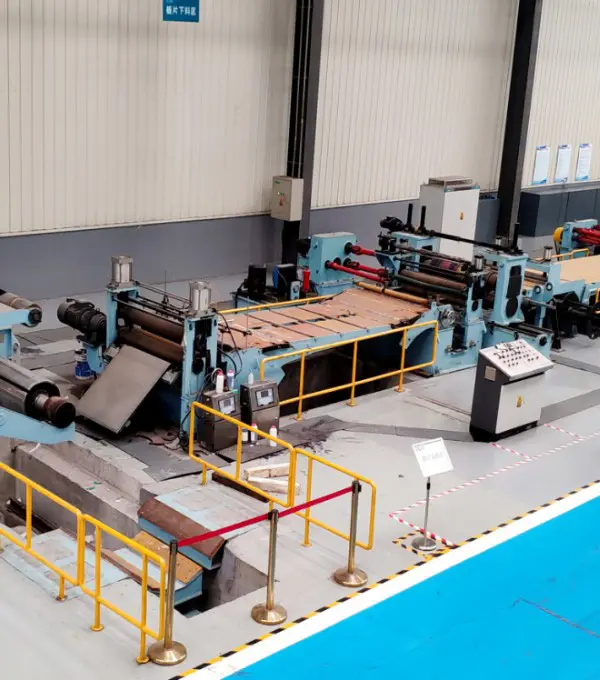
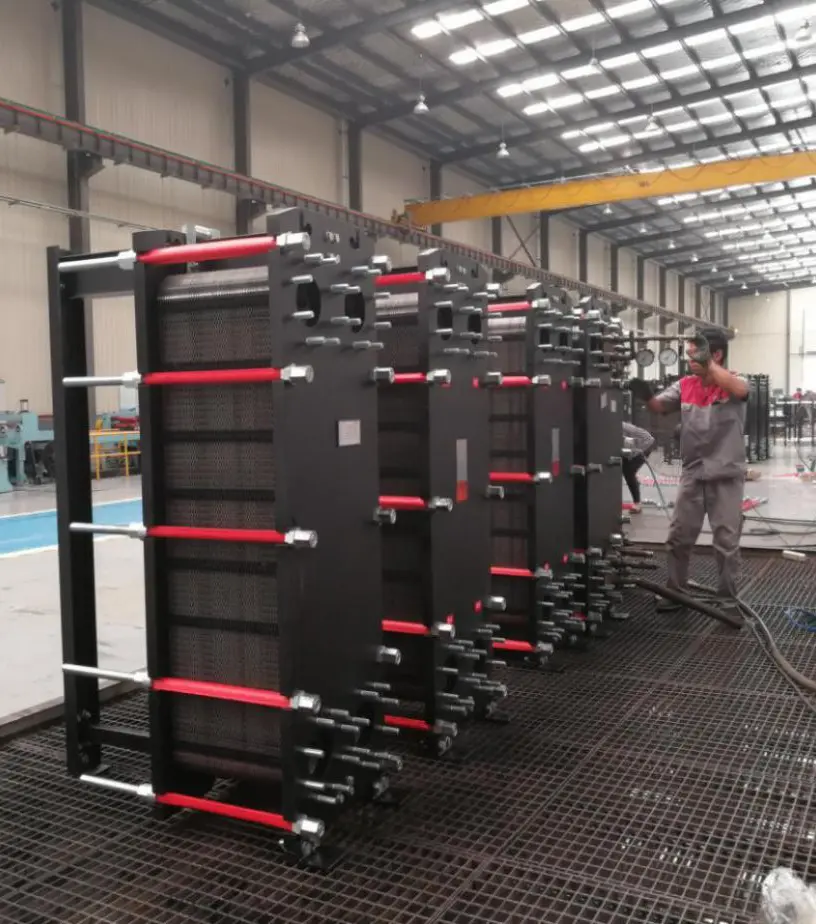
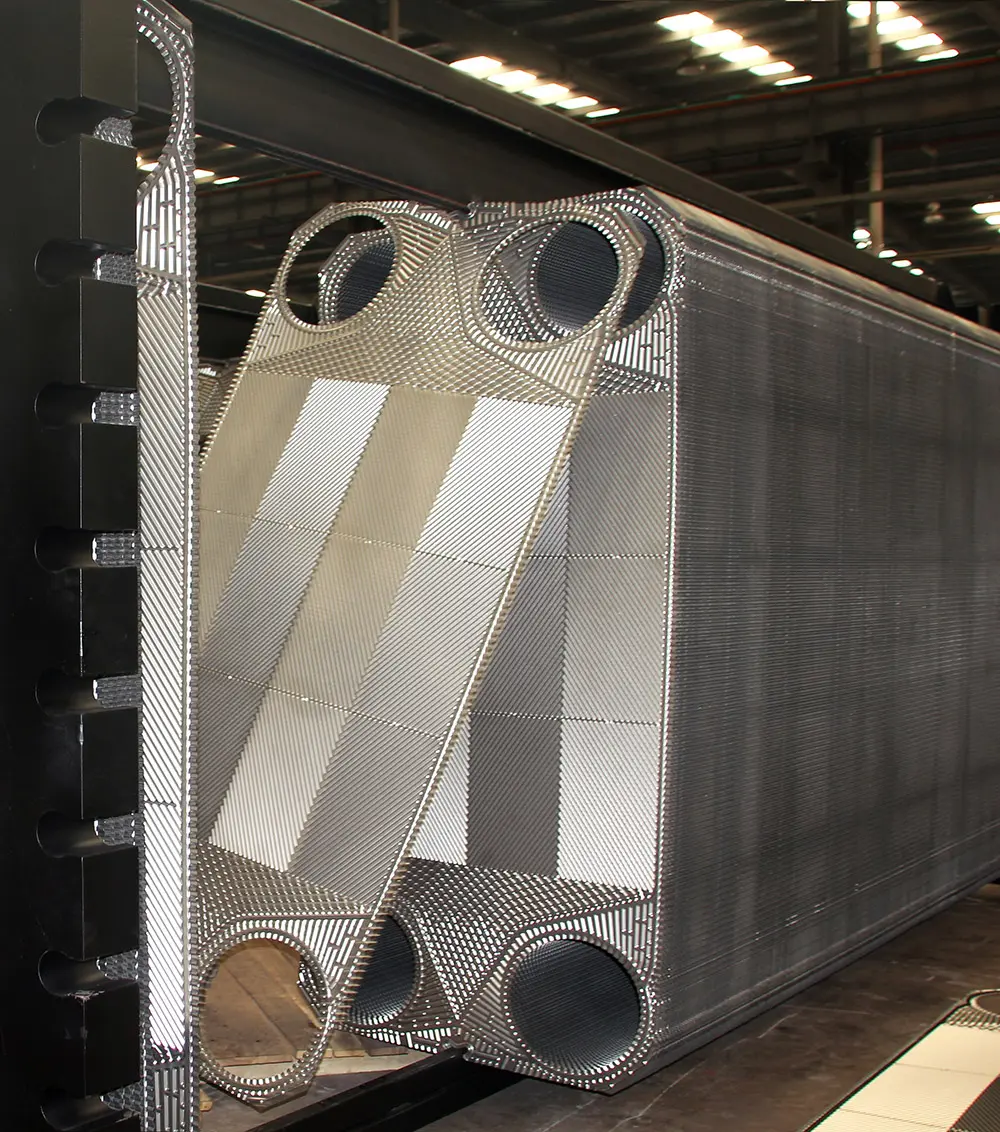
Customized spiral condensers and integrated heat exchangers perform critical functions across a wide range of global industrial fields:
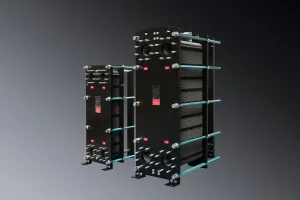
In municipal energy networks, our detachable plate heat exchangers link municipal heat sources with residential systems. They regulate water temperatures to reduce pipeline losses and ensure reliable operation during peak winter demand.
Designed to process high-temperature vapours, chemical slurries, and organic solvents, our condensers resist fouling and corrosive attacks, extending operational life under demanding process conditions.
For sterile environments, we design units with sanitary isolation barriers. These systems prevent cross-contamination and support clean-in-place (CIP) sterilization routines.
In localized applications, environmental factors such as regional water hardness or low ambient temperatures must be accounted for. For instance, in areas with hard municipal water, we recommend our specialized detachable plates or units equipped with automated scale-removal devices. This ensures consistent thermal performance and prevents calcium buildup over time.
A comparative breakdown of key engineering specifications demonstrates the advantages of spiral designs in modern industrial installations:
| Performance Dimension | Spiral Condenser Design | Shell & Tube Exchanger | Standard Plate Exchanger |
|---|---|---|---|
| Heat Transfer Coefficient (U) | Excellent (Turbulent Flow) | Moderate (Laminar Tendencies) | High (High Pressure Drop) |
| Fouling Tendency | Self-cleaning (Single Channel) | High (Dead Zones at Baffles) | Moderate (Fouling in Small Gaps) |
| Installation Footprint | Minimal (Highly Compact) | Large (Requires Tube Bundle Pull Space) | Compact |
| Maximum Working Temperature | Up to 400°C | Over 500°C | Limited by Gasket Materials (150°C) |
| Direct Maintenance Cost | Low (Self-Flushing Layout) | High (Requires Manual Tube Rodding) | Moderate (Requires Gasket Service) |
Answers to frequently asked questions about the design, integration, and maintenance of spiral condenser systems.
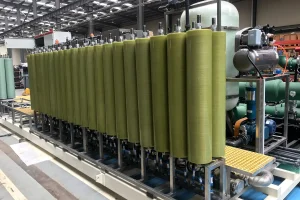
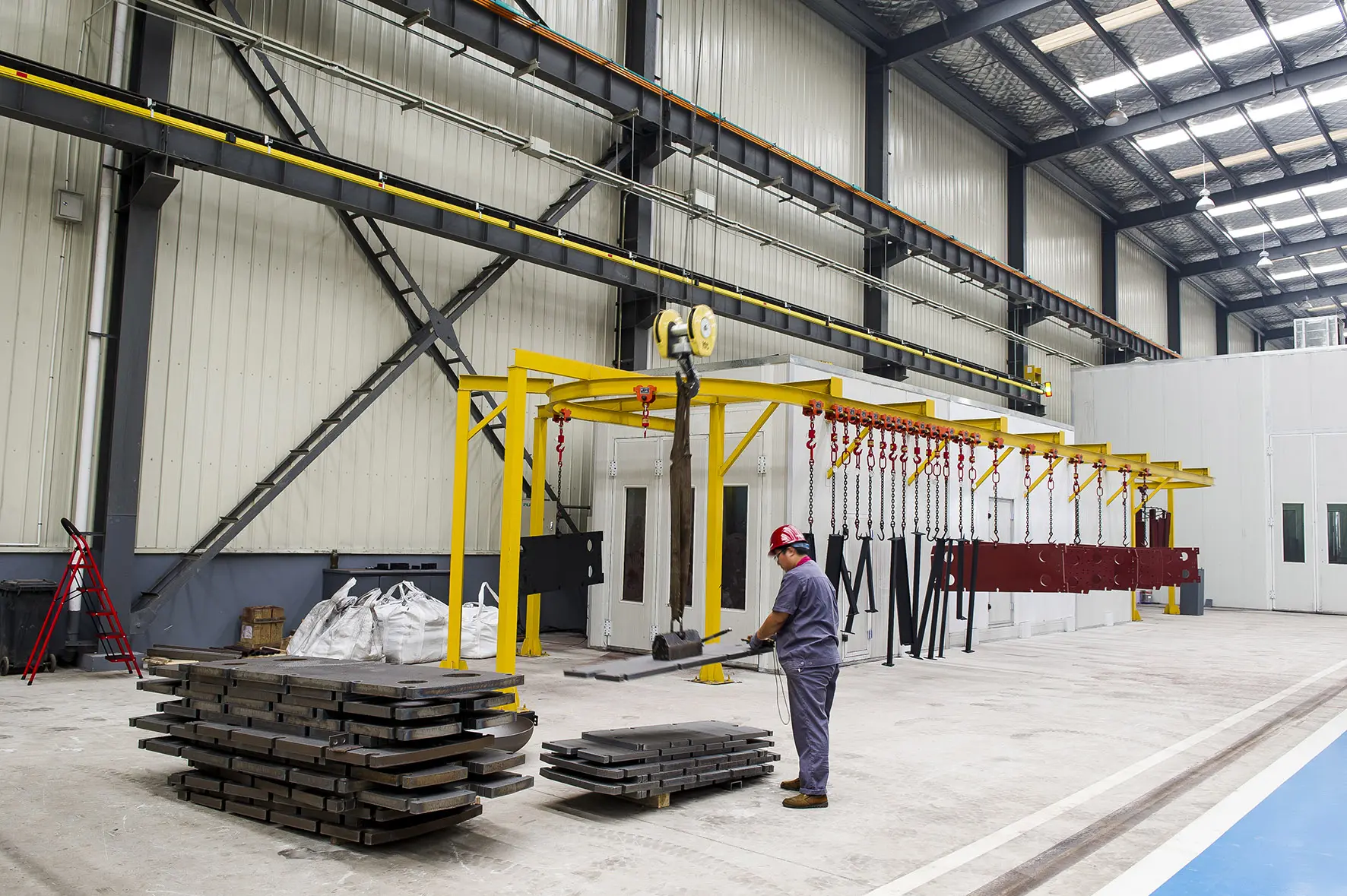
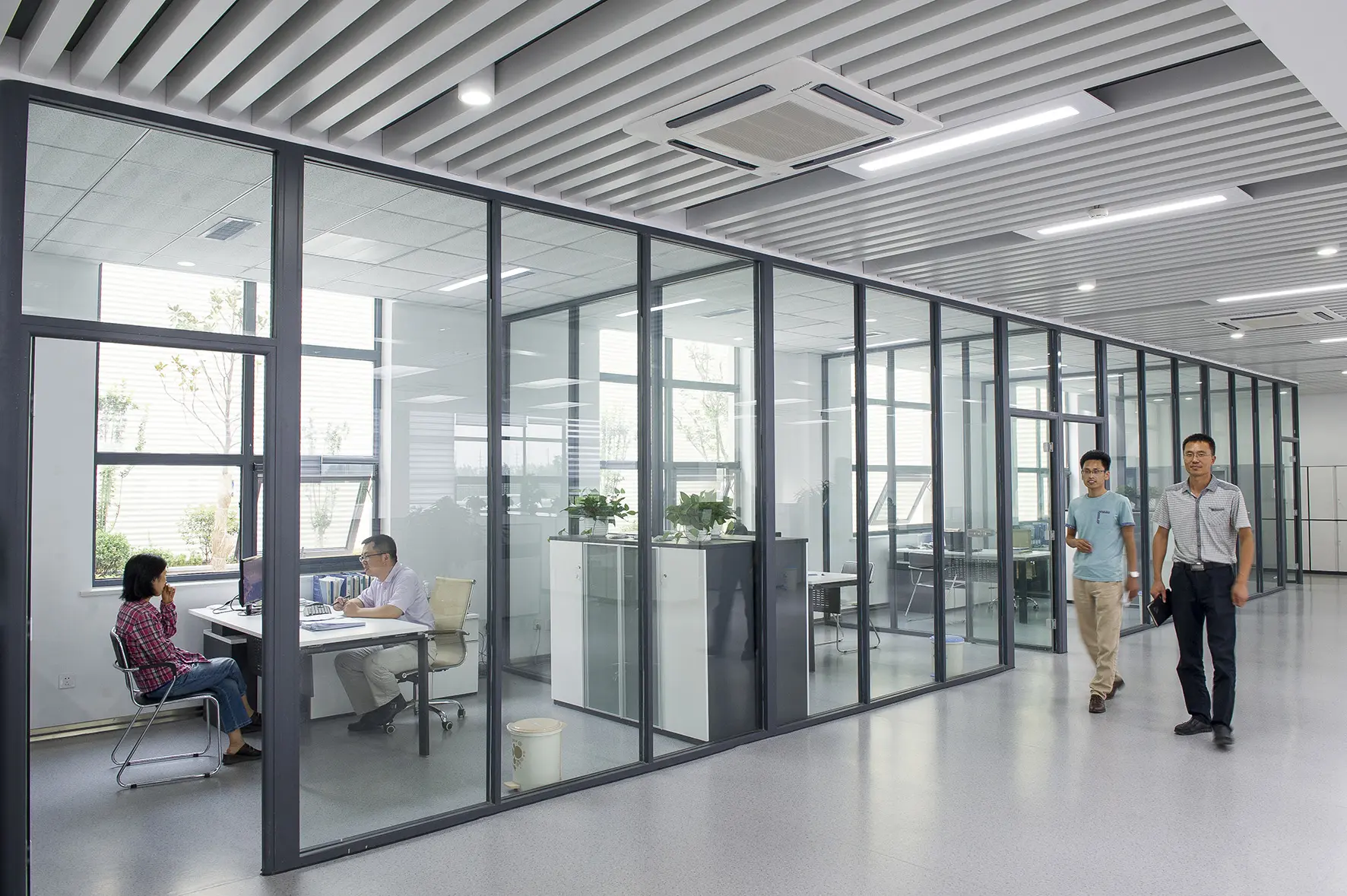
A look inside our advanced manufacturing workshops, showing our fabrication areas, assembly lines, and testing equipment.


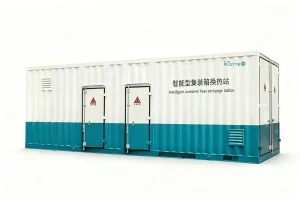
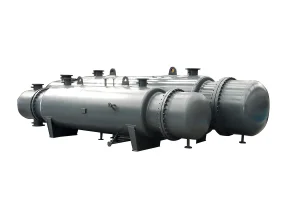
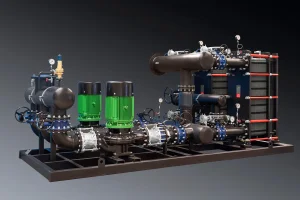
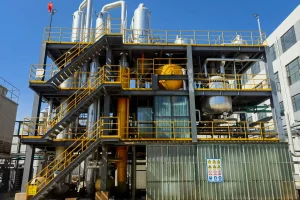
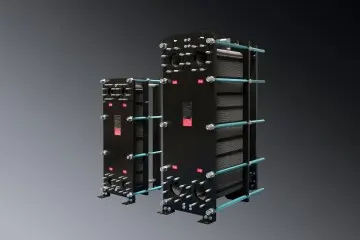
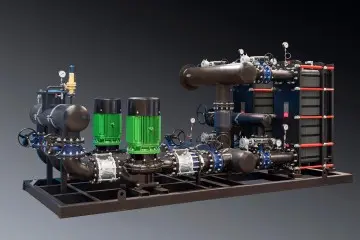
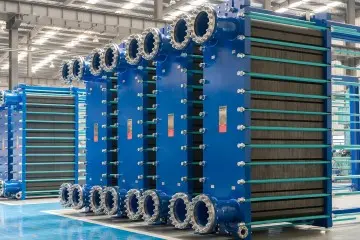
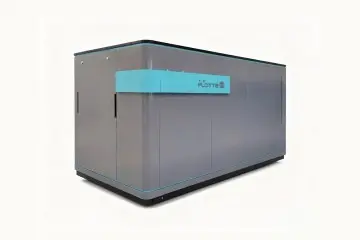
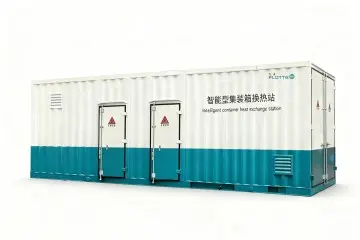
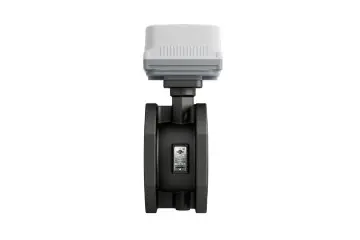
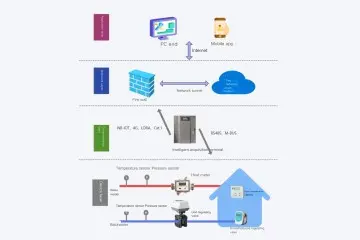
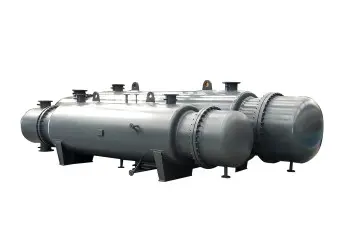
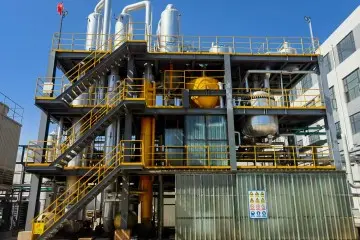
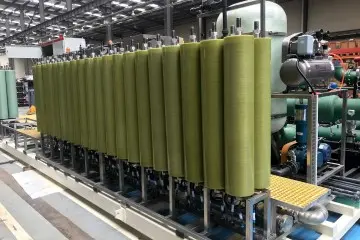
Explore our comprehensive range of specialized thermal units, station controls, and multi-stage evaporators designed for demanding industrial operations.

 Flotte Energy