Explore our top-tier industrial systems, precision-manufactured under strict ISO protocols for optimal thermal transfer and fluid regulation.
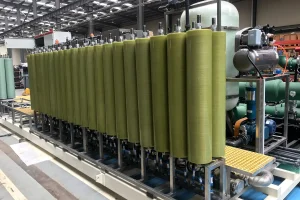
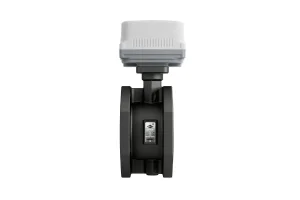
Understanding fluid dynamics, thermal calculations, and why the spiral geometry is critical for high-viscosity and high-fouling fluids.
In modern industrial thermal processing, selecting the appropriate structural design determines not only thermal efficiency but also operational longevity. The Spiral Heat Exchanger (Spiral HE) represents a pinnacle of flow channel geometry optimization. Consisting of two concentric metal sheets rolled around a central core to form two continuous, curved flow passages, Spiral HE designs force fluids into a circular flow pathway. This geometric configuration generates centrifugal forces that induce high shear stress along the transfer surfaces, producing a dynamic self-cleaning effect that dramatically decreases surface scaling and boundary layer build-up.
Traditional shell and tube configurations often fall short when processing viscous slurries, organic sludge, or fibrous process fluids due to localized stagnation points (dead zones) behind baffles where solids easily settle. Conversely, a Spiral Heat Exchanger utilizes single, unobstructed curved channels. If localized deposition begins to constrict the channel, the localized flow velocity through that constriction immediately spikes, generating a concentrated shear pressure that naturally flushes away the sediment. This single-channel design achieves heat transfer coefficients (U-values) that are 2 to 3 times greater than traditional Shell and Tube exchangers operating under identical fouling-heavy conditions.
Information Gain Concept: Unlike standard heat exchangers, a Spiral HE relies on a Logarithmic Mean Temperature Difference (LMTD) correction factor close to 1.0. This achieves true counter-current heat exchange in a compact structural volume, allowing plant operators to recover valuable low-grade waste thermal energy that would otherwise be rejected into cooling towers.
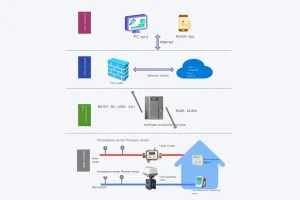
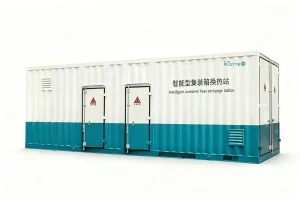
Furthermore, from an environmental perspective, optimized thermal performance directly translates to lowered carbon footprints. Implementing smart balancing networks—comprising intelligent valves, balance monitoring components, and modular heat exchange packages—ensures energy systems maintain performance envelope integrity over years of continuous service. By analyzing operational profiles through integrated system data, thermal engineers can precisely configure plate geometry, channel widths, and plate materials to achieve an ideal balance between allowed pressure drop (ΔP) and required heat duty (Q).
Established in 2013 with a robust registered capital of 101 million yuan, Flotte Energy Saving Company traces its prestigious technical lineage back to Flotte Thermal Engineering, founded in 1995. With nearly thirty years of relentless research, development, and engineering expertise, the company has positioned itself as an industry leader across industrial water equipment, HVAC systems, and high-performance water treatment sectors.
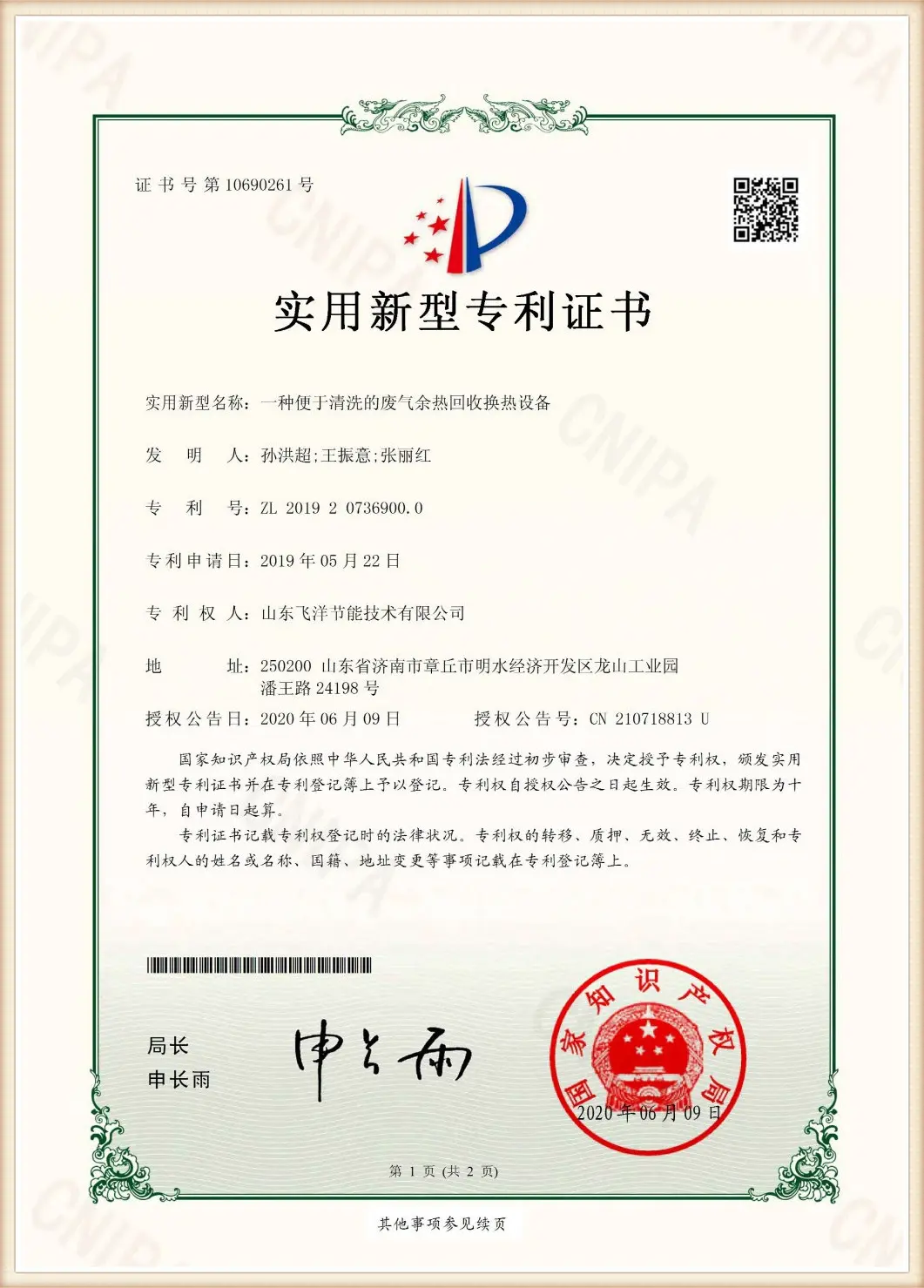
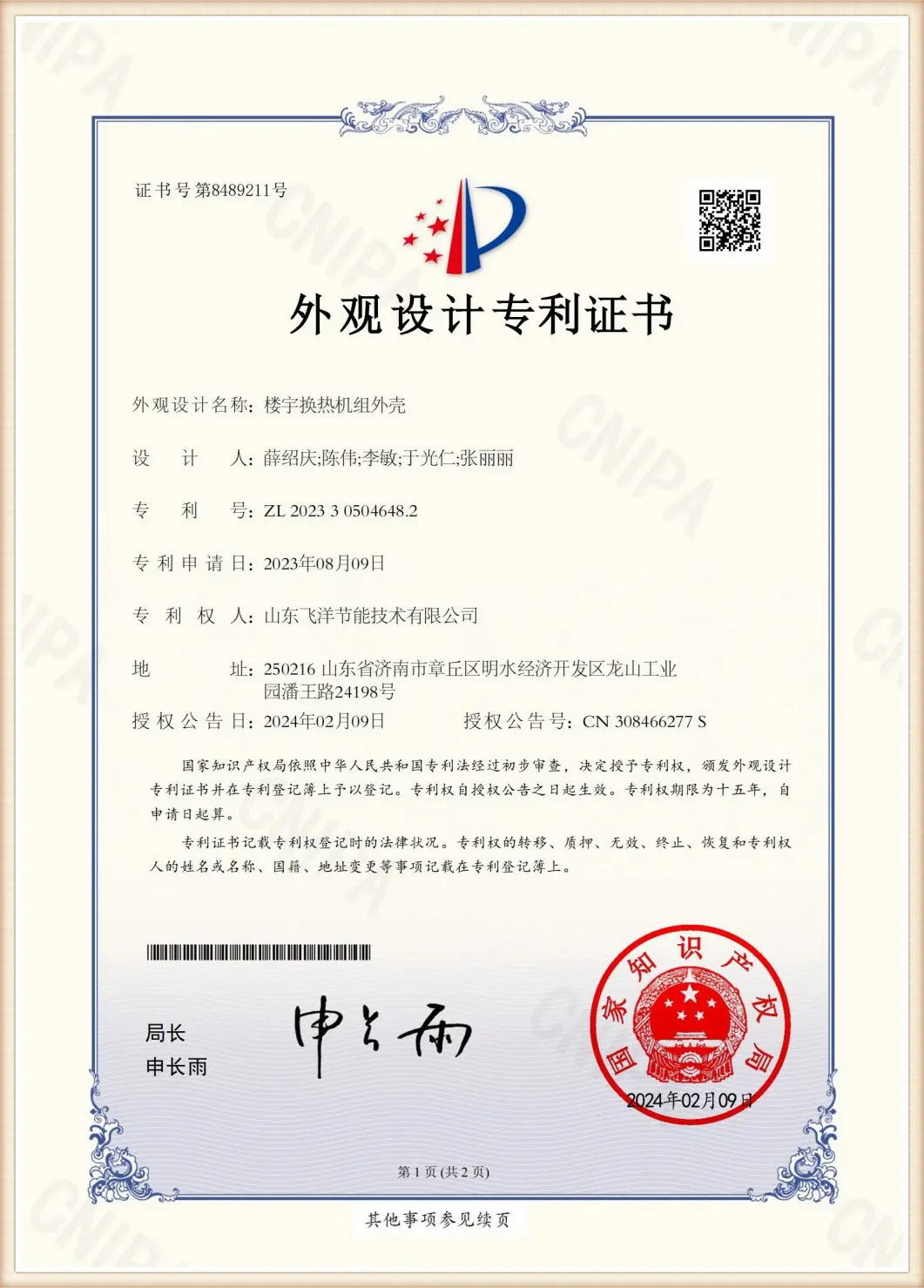
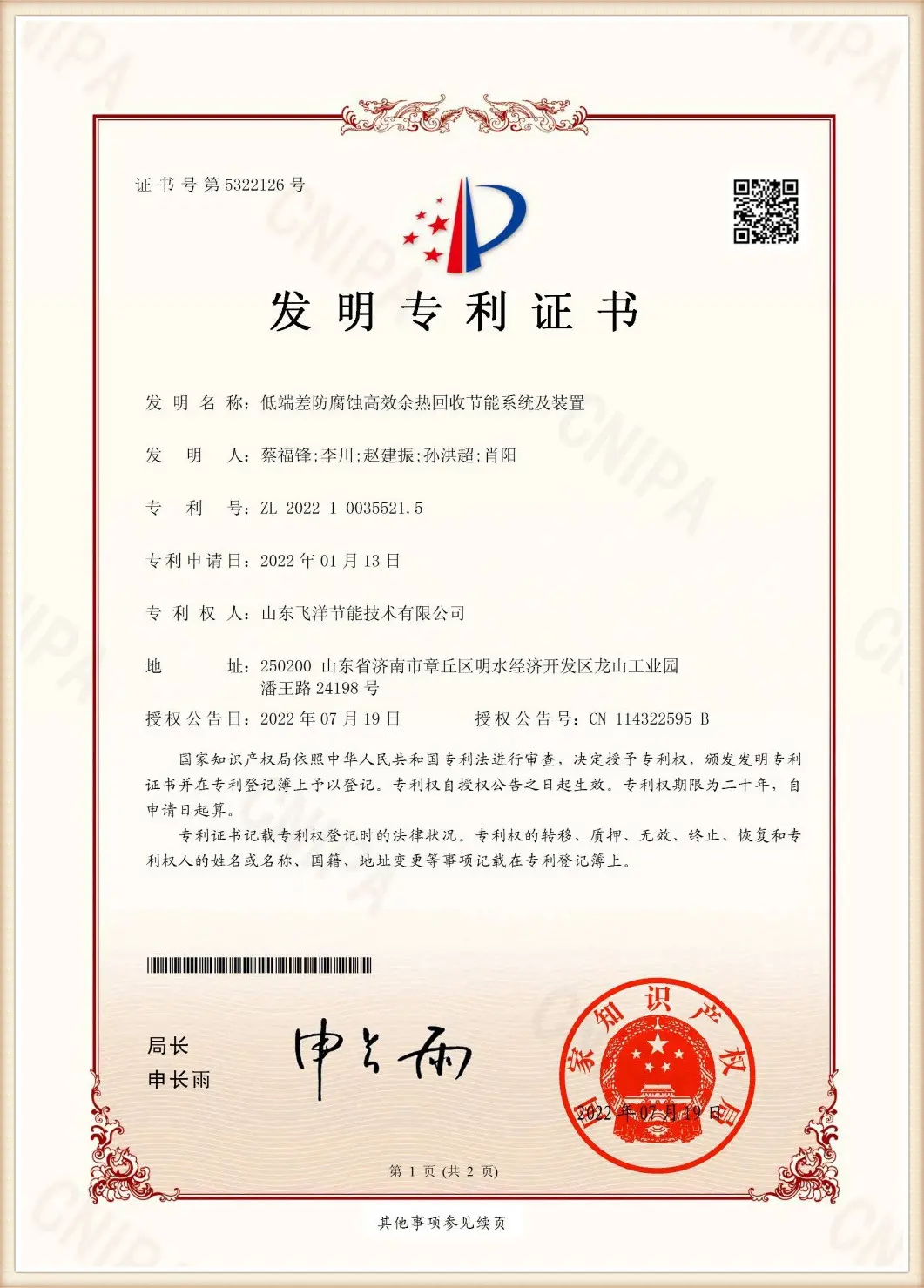
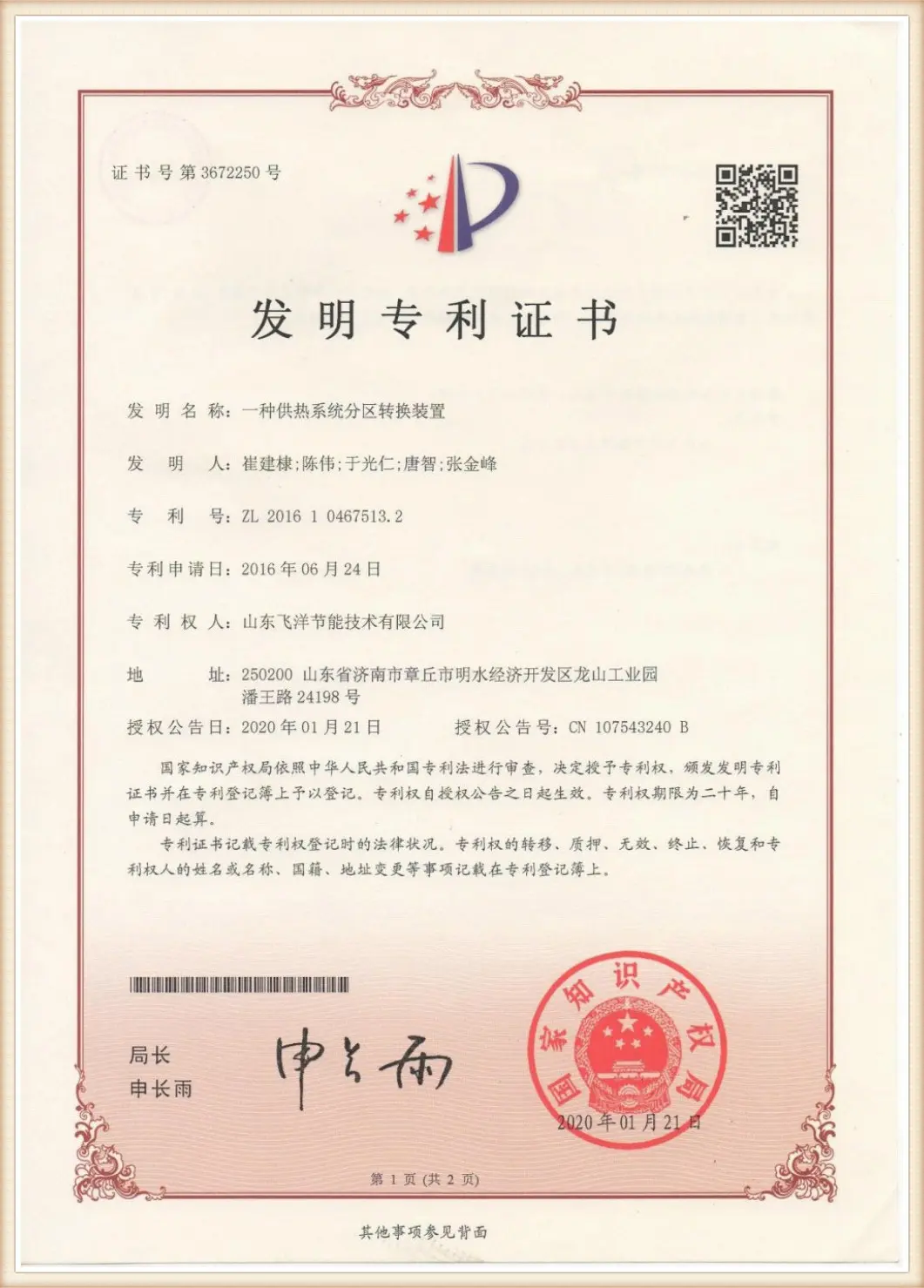
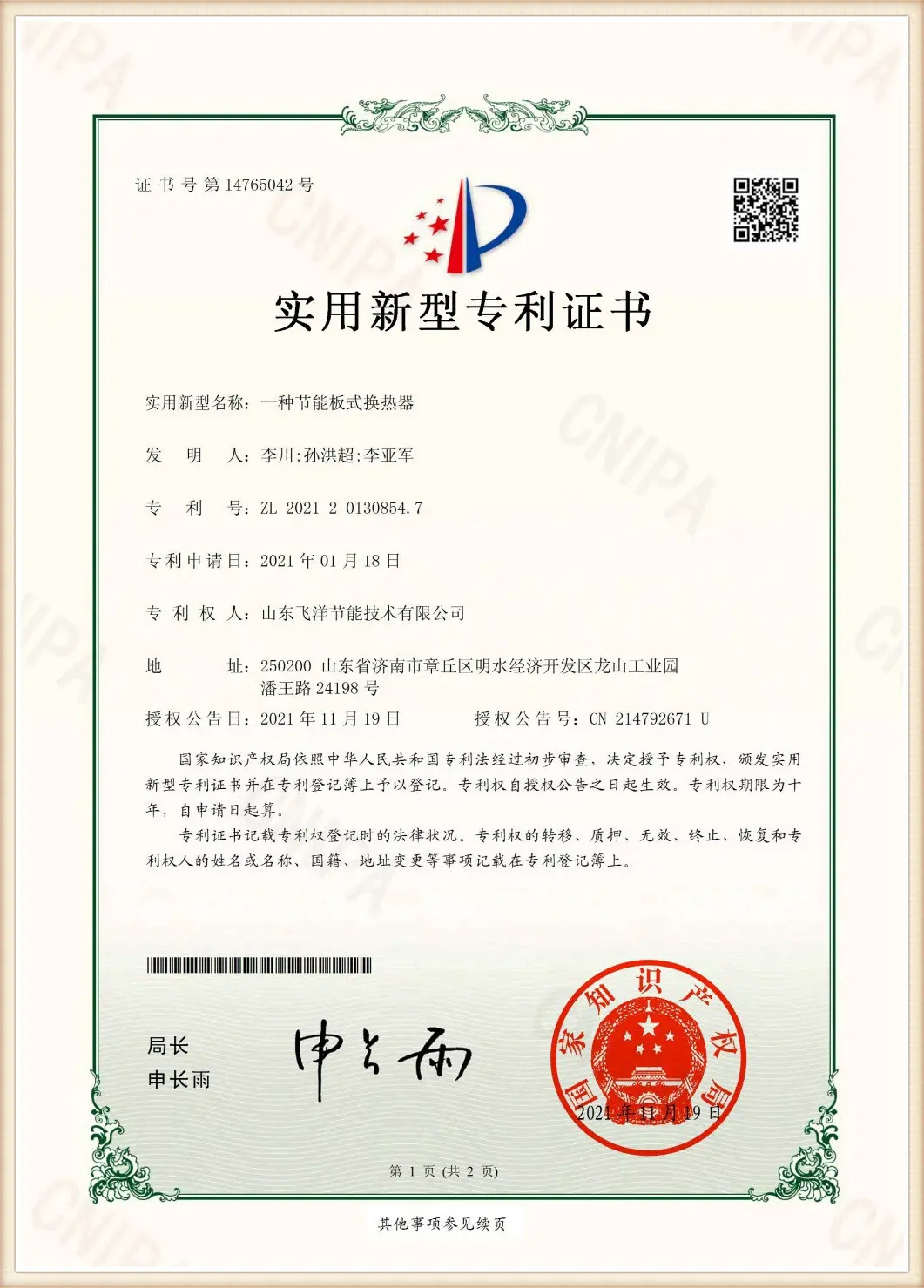
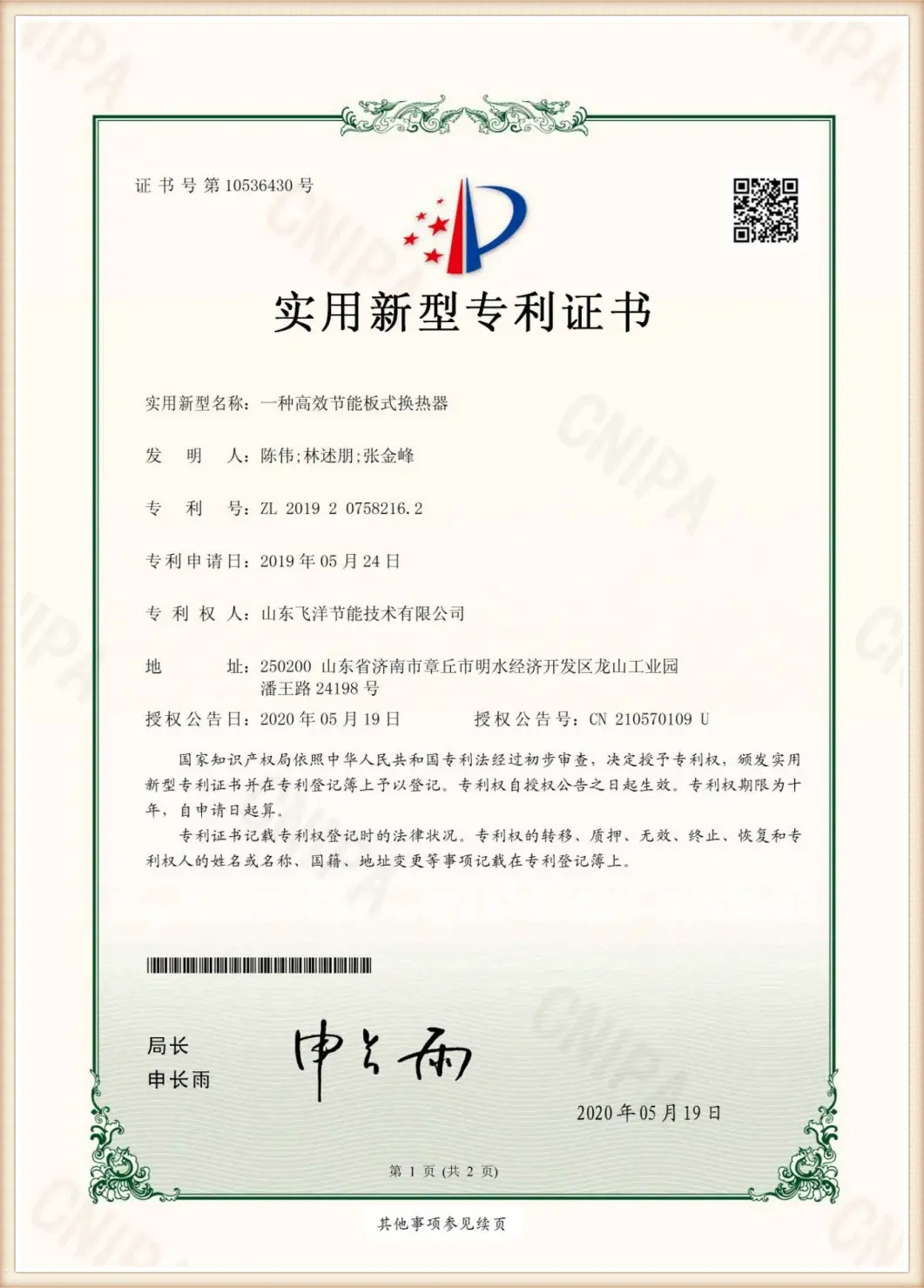
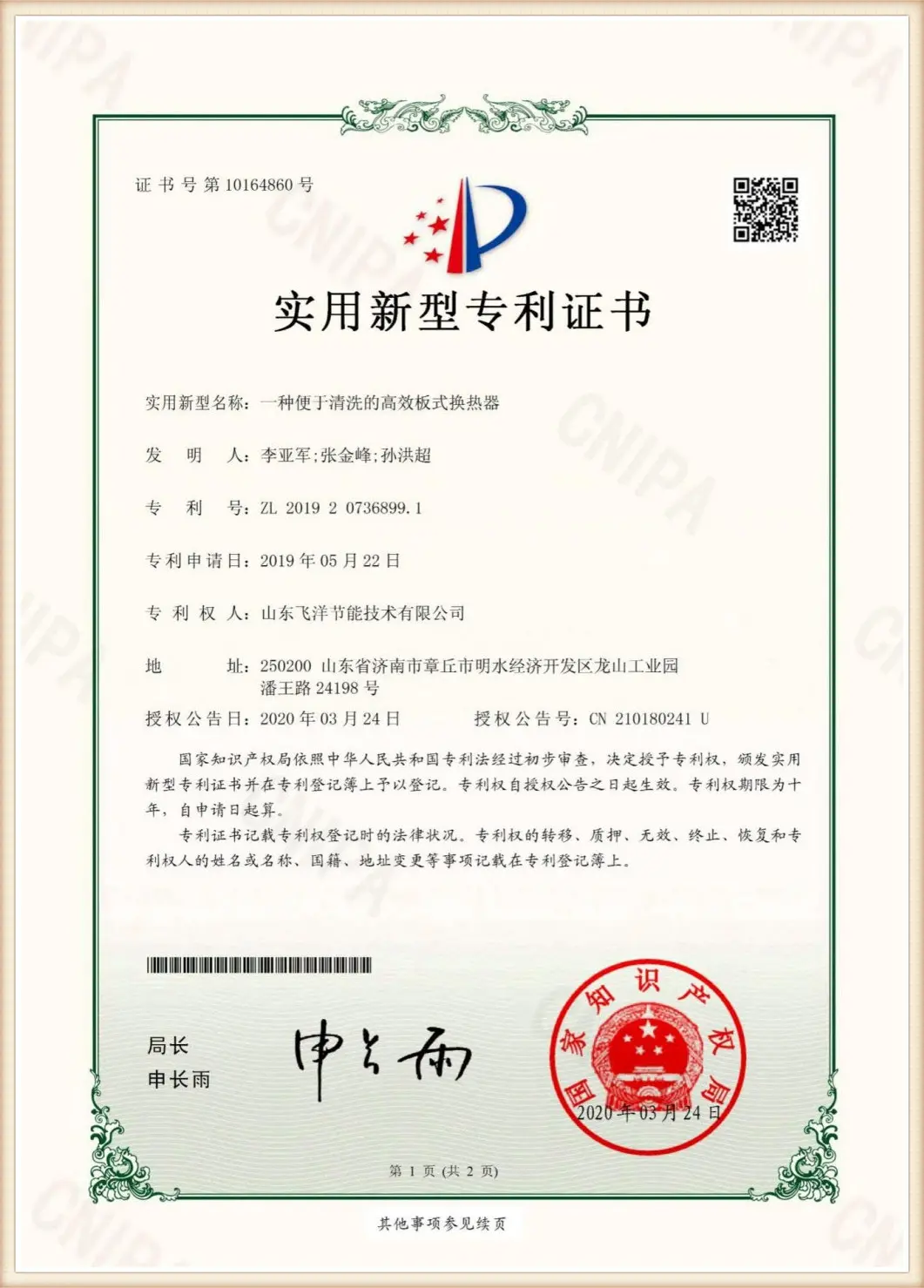
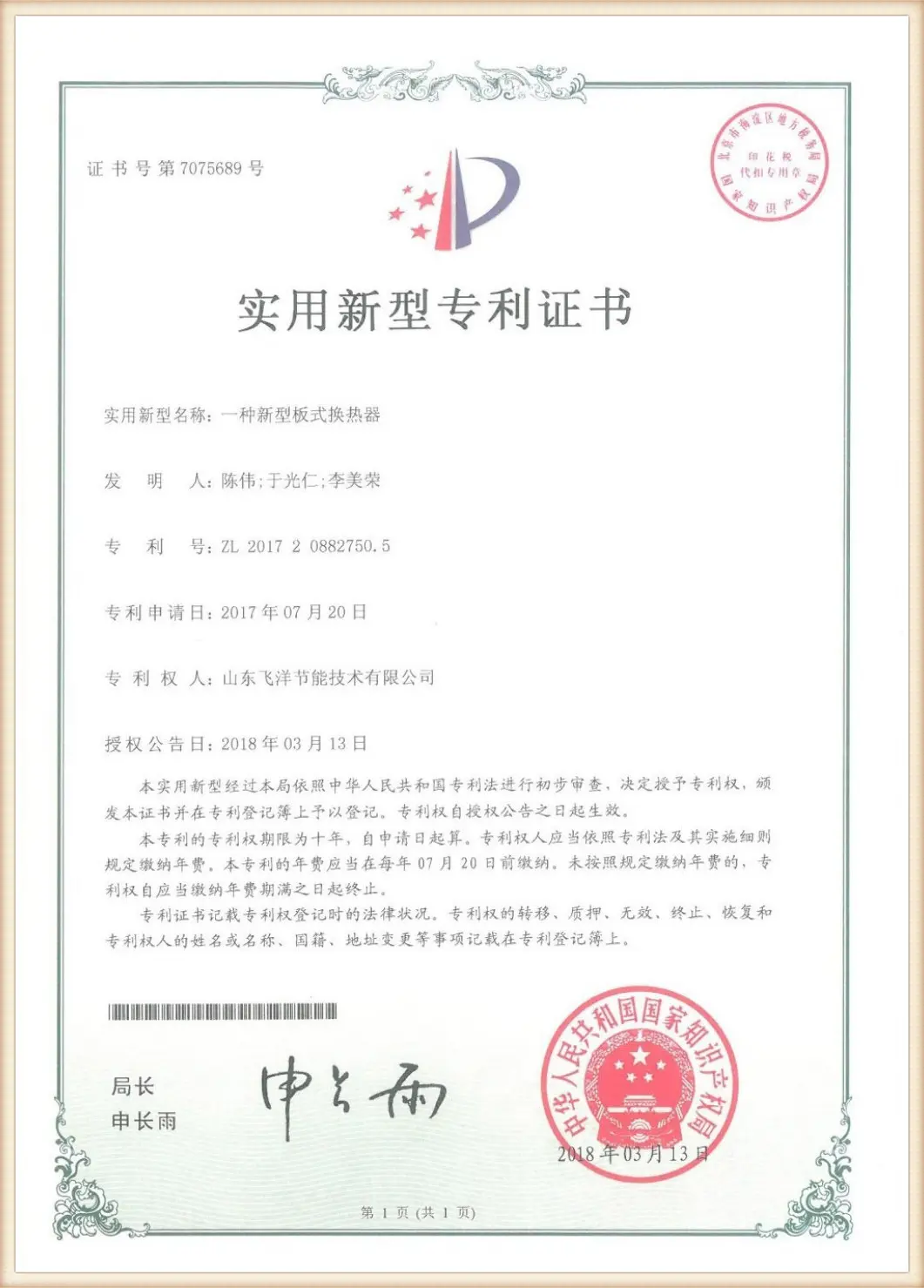
Our commitment to rigorous engineering standards is reflected in our multiple certified patents, including "High-Efficiency Plate Heat Exchangers", "Intelligent Plate Heat Exchanger Systems", and "Plate Heat Exchanger Scale Removal Devices". Every unit manufactured complies with national mandatory certifications, and we hold safety registrations issued by the National Boiler and Pressure Vessel Standardization Technical Committee. Flotte operates strictly under the ISO 9001:2015 Quality Management, ISO 14001:2015 Environmental Management, and ISO 45001:2018 Occupational Health and Safety frameworks.
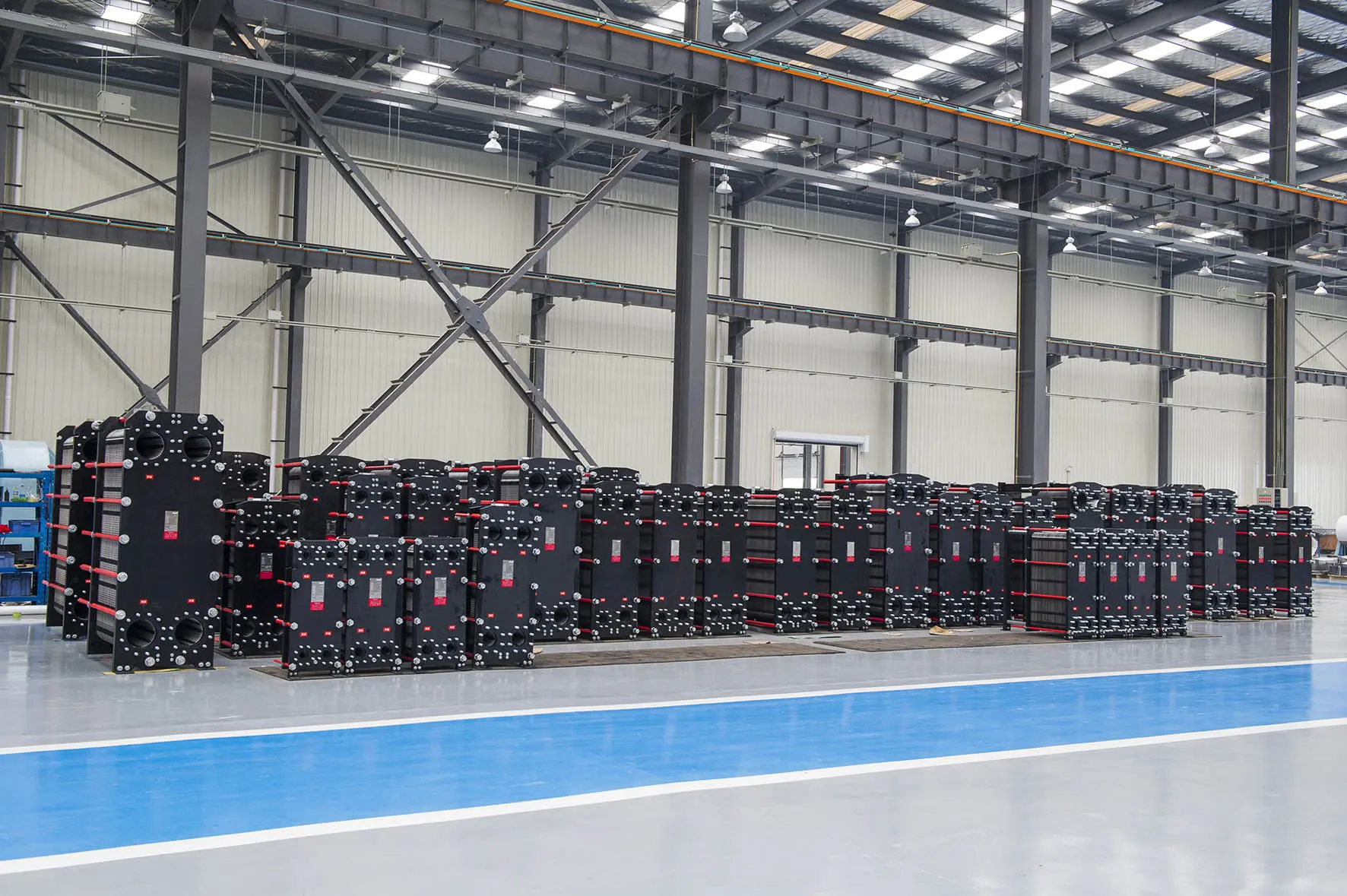
How Flotte leverages local supply chains and advanced robotics to deliver cost-effective, high-reliability thermal systems worldwide.
We procure premium alloys directly from domestic top-tier steel mills. Our inventory includes SS304, SS316L, Duplex Steel (SAF2205), Titanium, and Hastelloy C-276, allowing us to build units capable of resisting severe chloride and acidic corrosion.
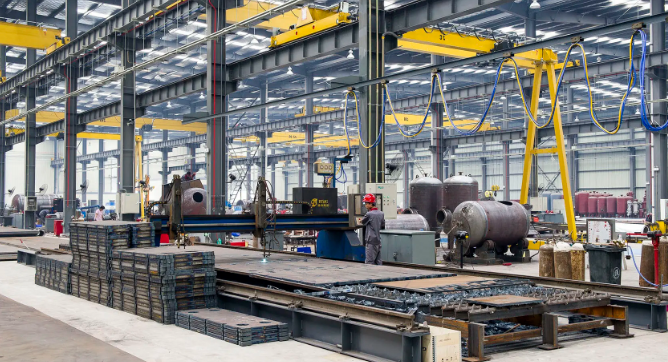
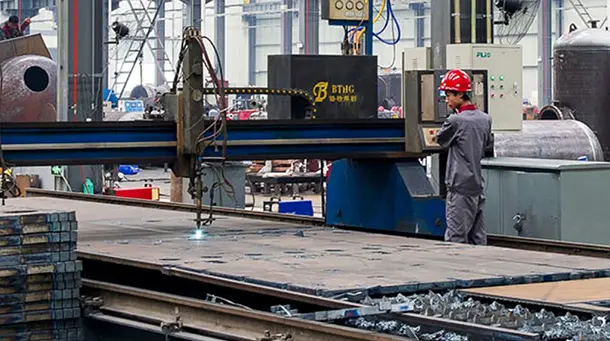
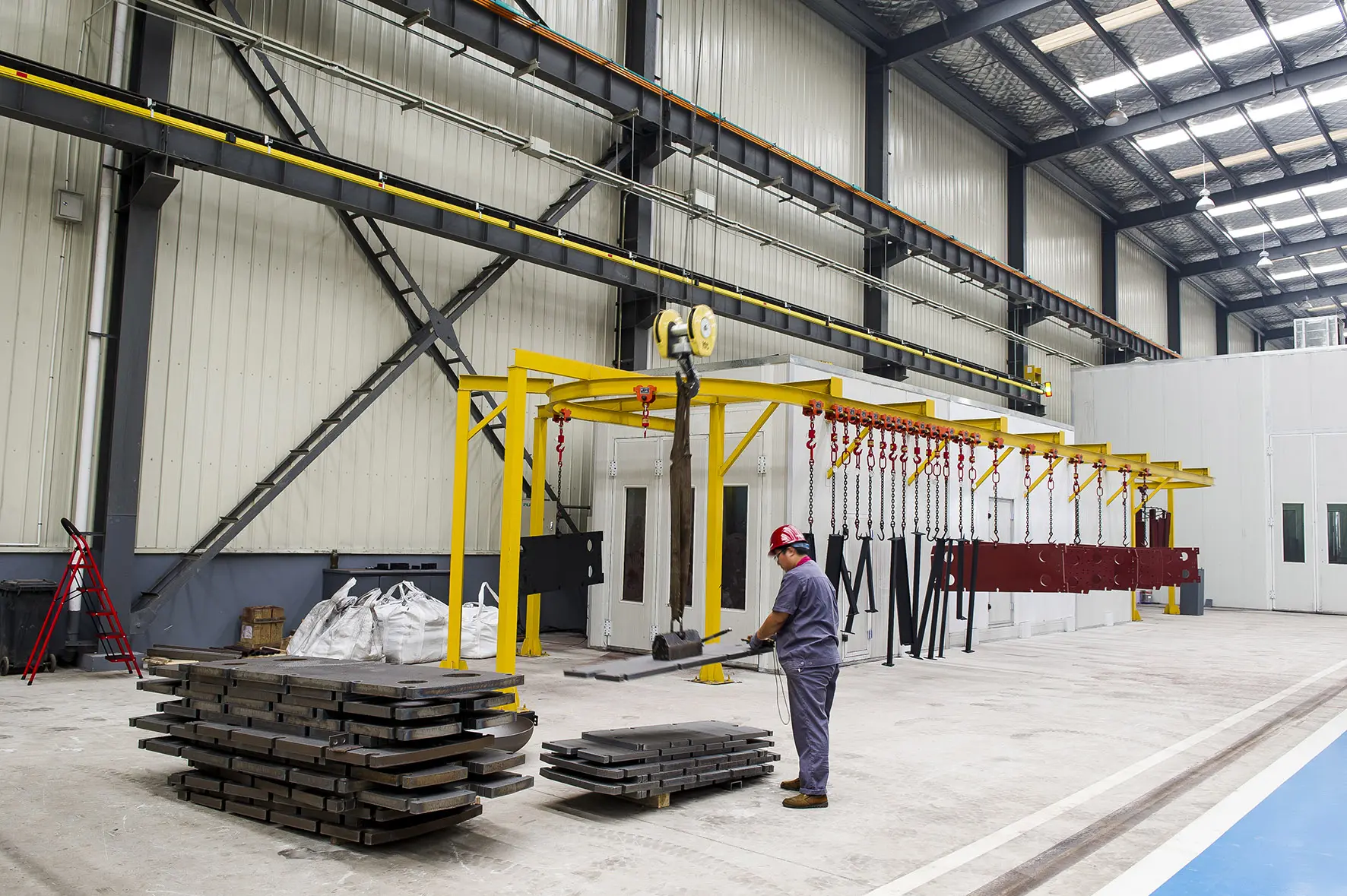
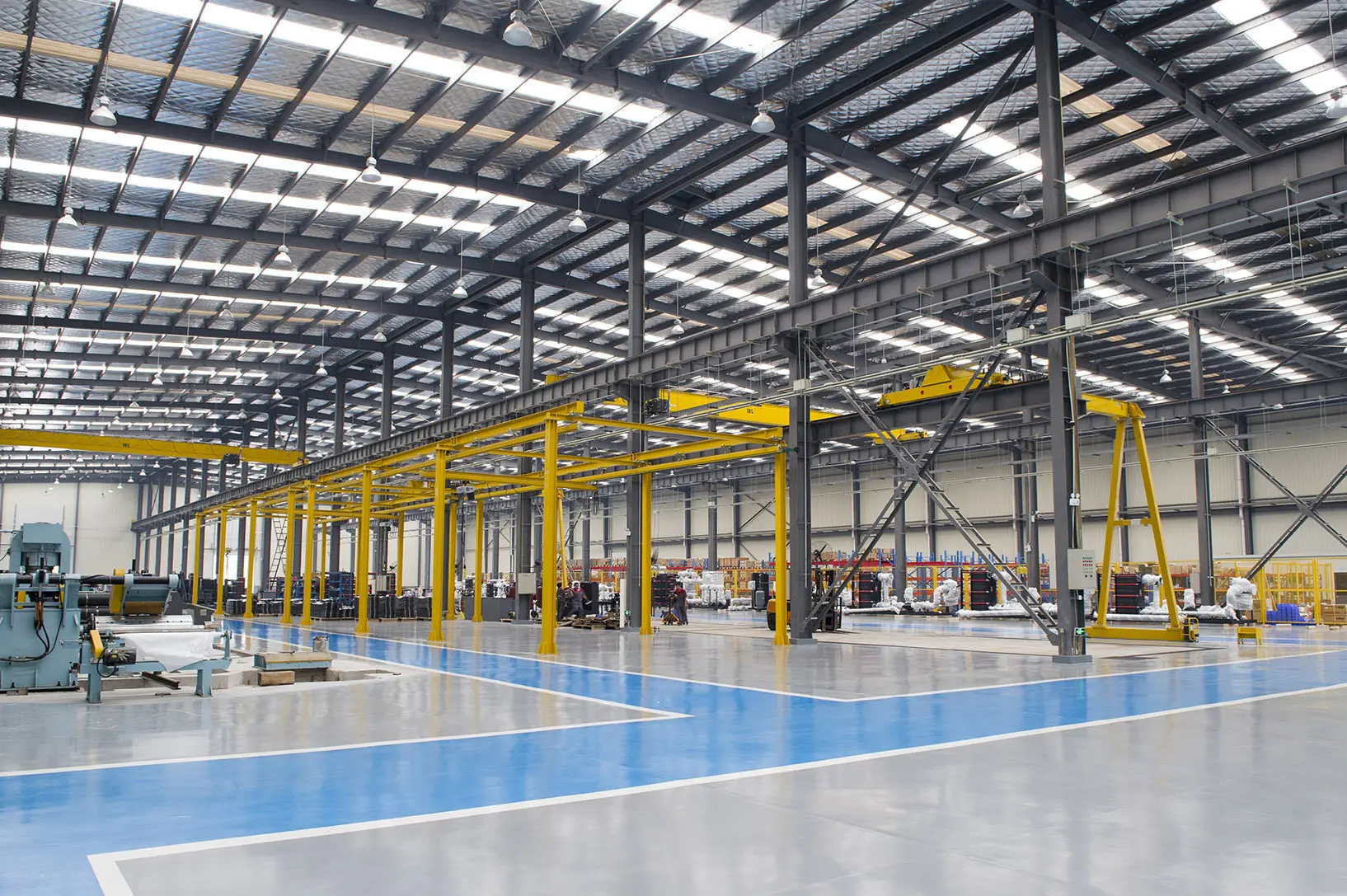
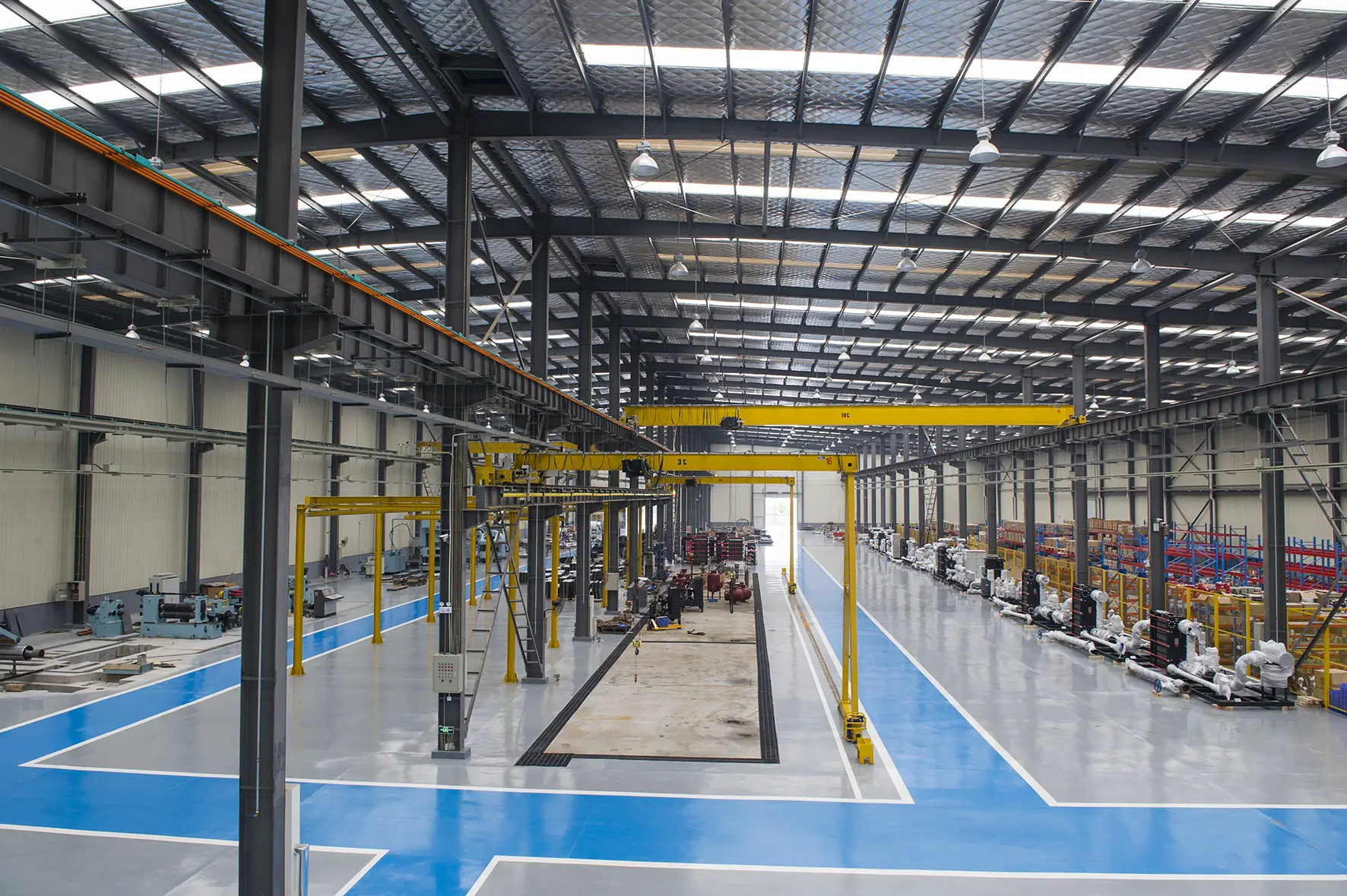
Using robotic laser welding cells, large tonnage stamping presses (up to 20,000 tons), and automated channel forming machines, Flotte guarantees tight tolerances and uniform plate corrugations, minimizing stress concentration points.
Every unit undergoes dye penetrant testing, radiographic examination of welds, and high-pressure hydraulic tests (up to 1.5 times the design pressure limit) on dedicated test beds to guarantee completely leak-free performance.
Global industrial development is shifting rapidly towards high-efficiency carbon mitigation. Industrial waste heat accounts for nearly 50% of the total energy consumed across process plants. Recovering this low-grade heat is no longer just a cost-saving measure; it is a regulatory mandate for ESG (Environmental, Social, and Governance) compliance.
The digitalization of heating networks represents another core trend. Historically, district heating systems suffered from "hydraulic imbalance", resulting in overheating near the heat source and underheating at remote terminals. Flotte's integrated balance control systems incorporate automated, sensor-enabled valves that dynamically adjust flow profiles based on real-time temperature feedback from room collectors. This active regulation minimizes pressure spikes, reduces circulating pump energy consumption by 15-20%, and prevents system wear and tear.
From heavy chemical refining to high-purity pharmaceutical manufacturing, Flotte provides custom configurations designed for chemical and mechanical compatibility.
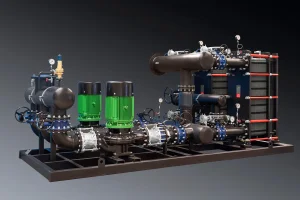
Municipal district heating networks rely on high-capacity primary energy transfer stations. Flotte's plate heat exchanger units handle wide temperature variations, transferring heat from thermal power plant water systems to community loops with minimal energy losses.
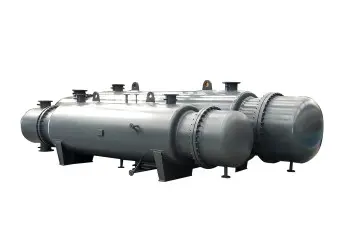
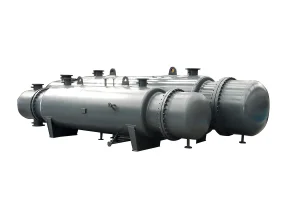
Chemical processing often involves highly corrosive media under elevated temperatures. We construct spiral heat exchangers with specialized alloys to accommodate reaction slurries, solvent recovery systems, and viscous emulsions while preventing localized polymer buildup.
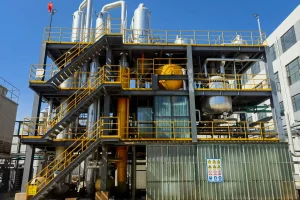
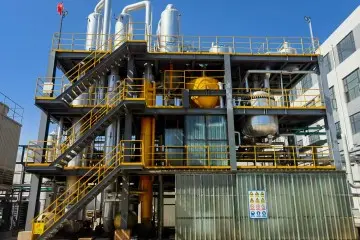
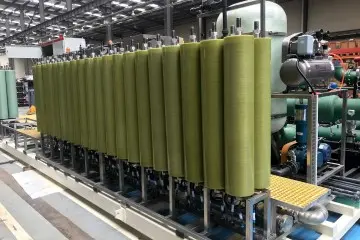
In zero-discharge water treatment facilities, wastewater must be processed using Multi-Effect Evaporators and Membrane Concentration systems. Flotte provides the core heat transfer units that boil off water, leaving concentrated crystals behind for safe extraction.
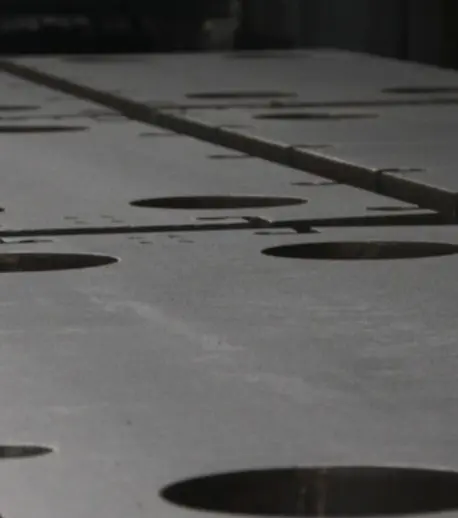
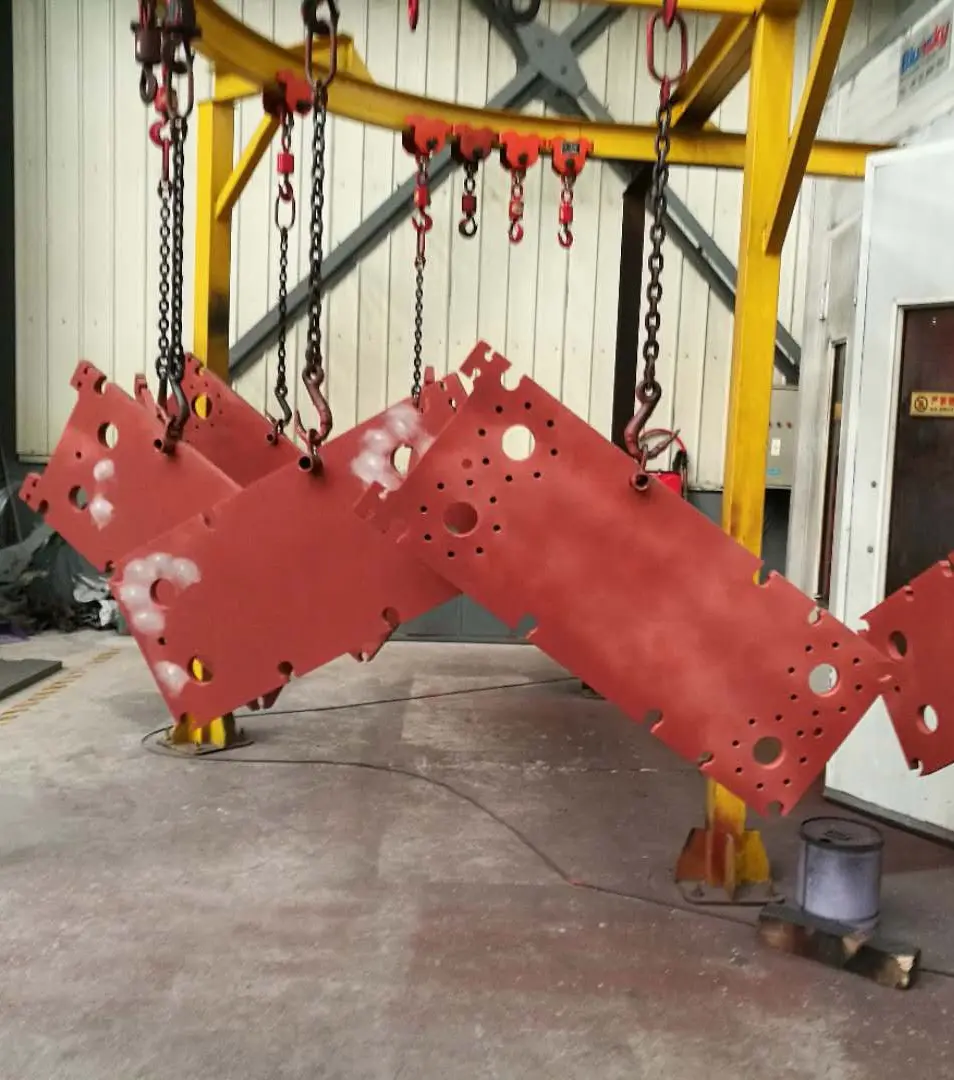
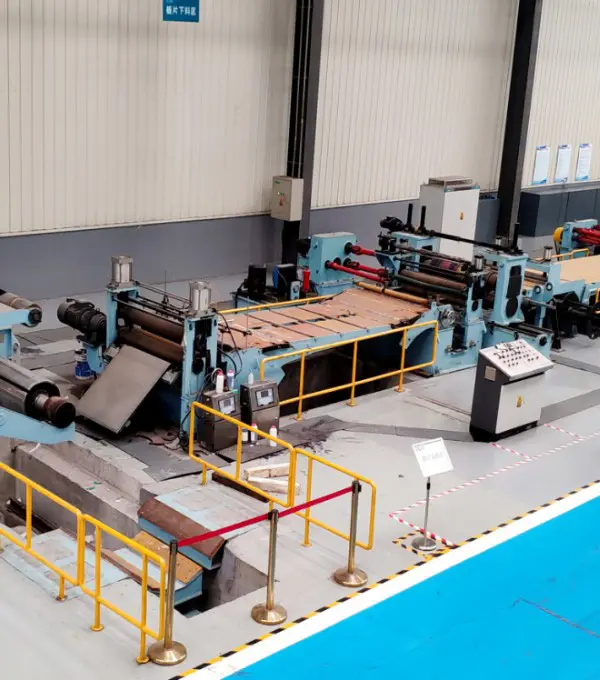
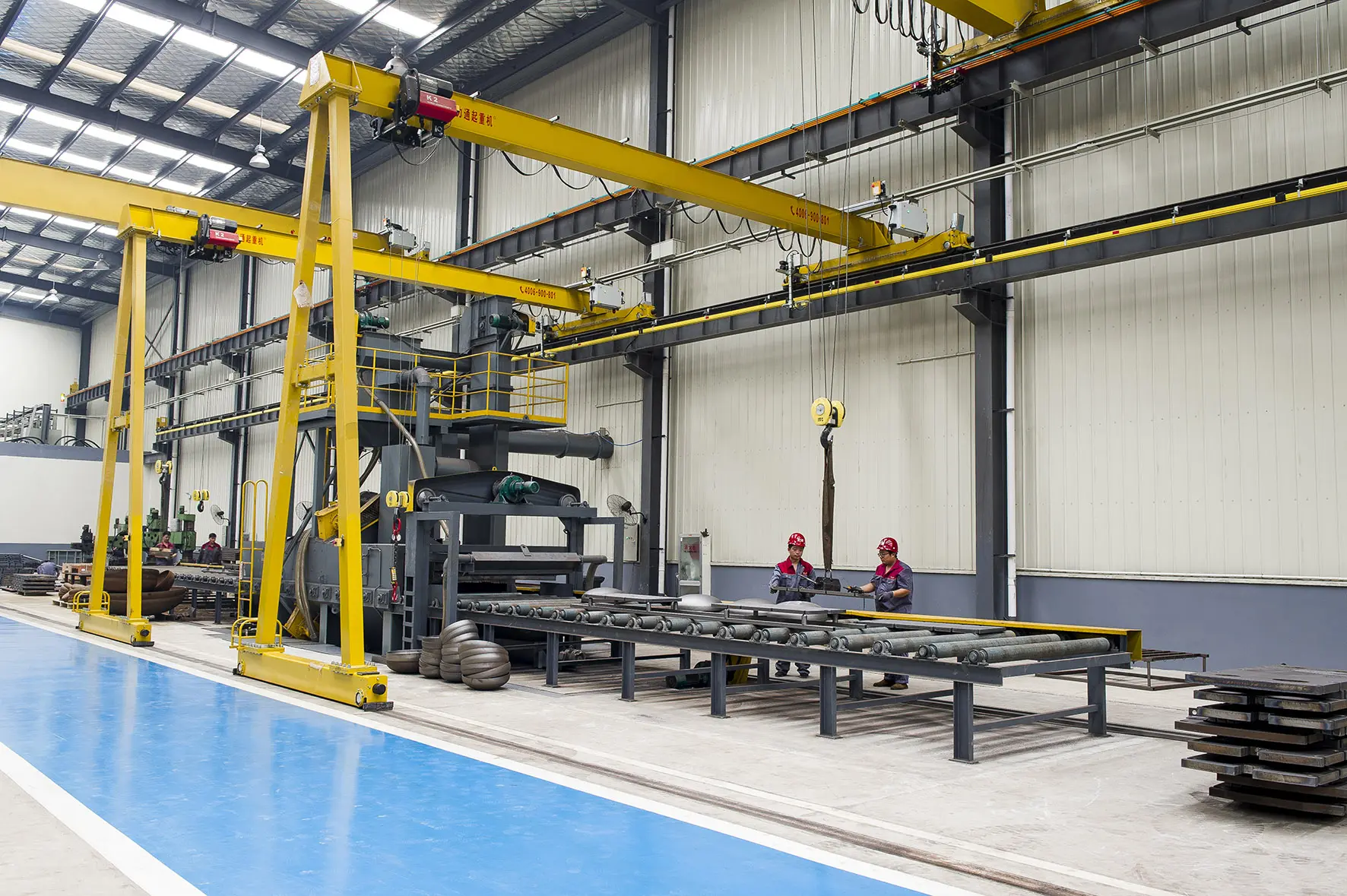
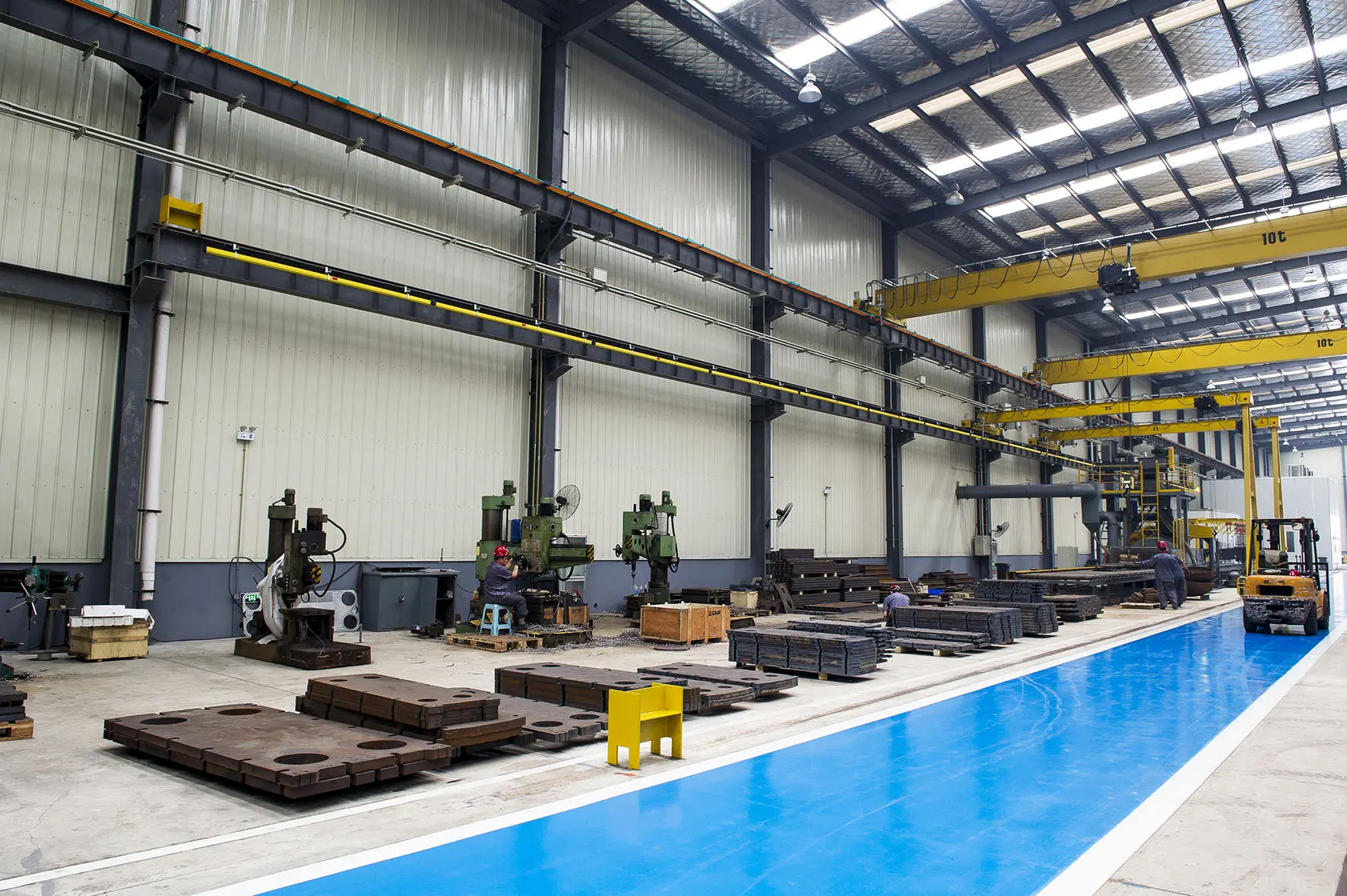
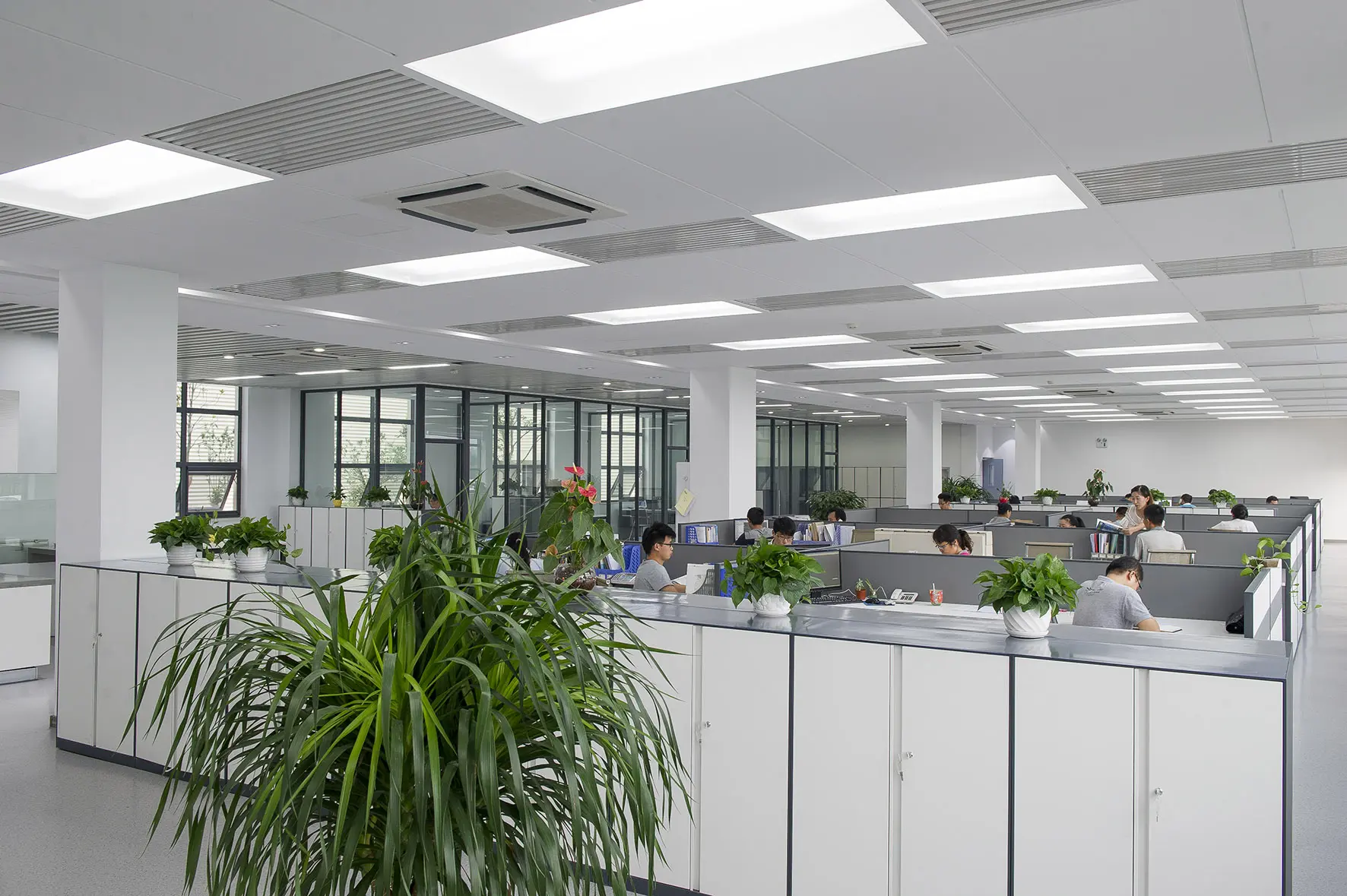
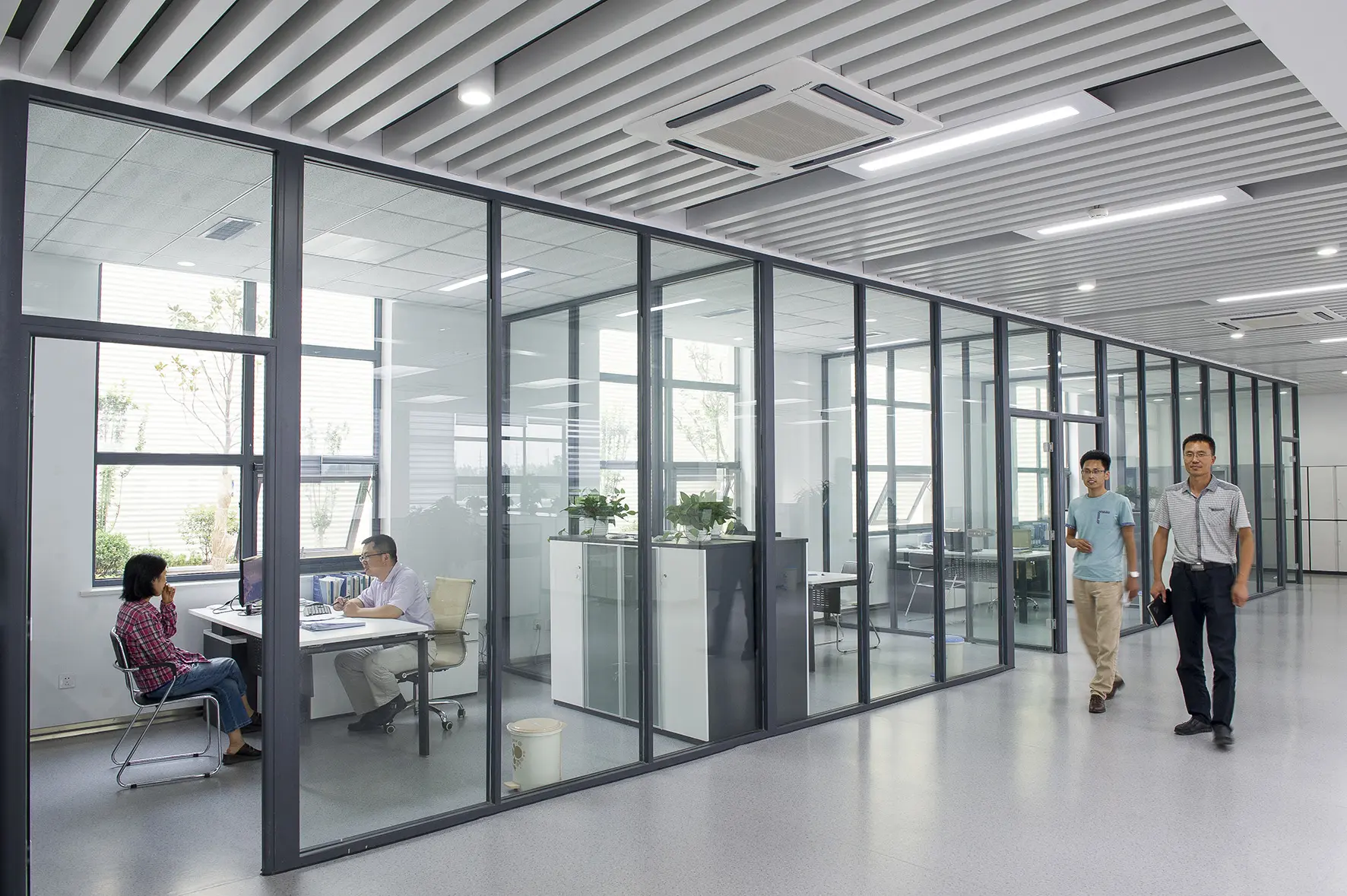
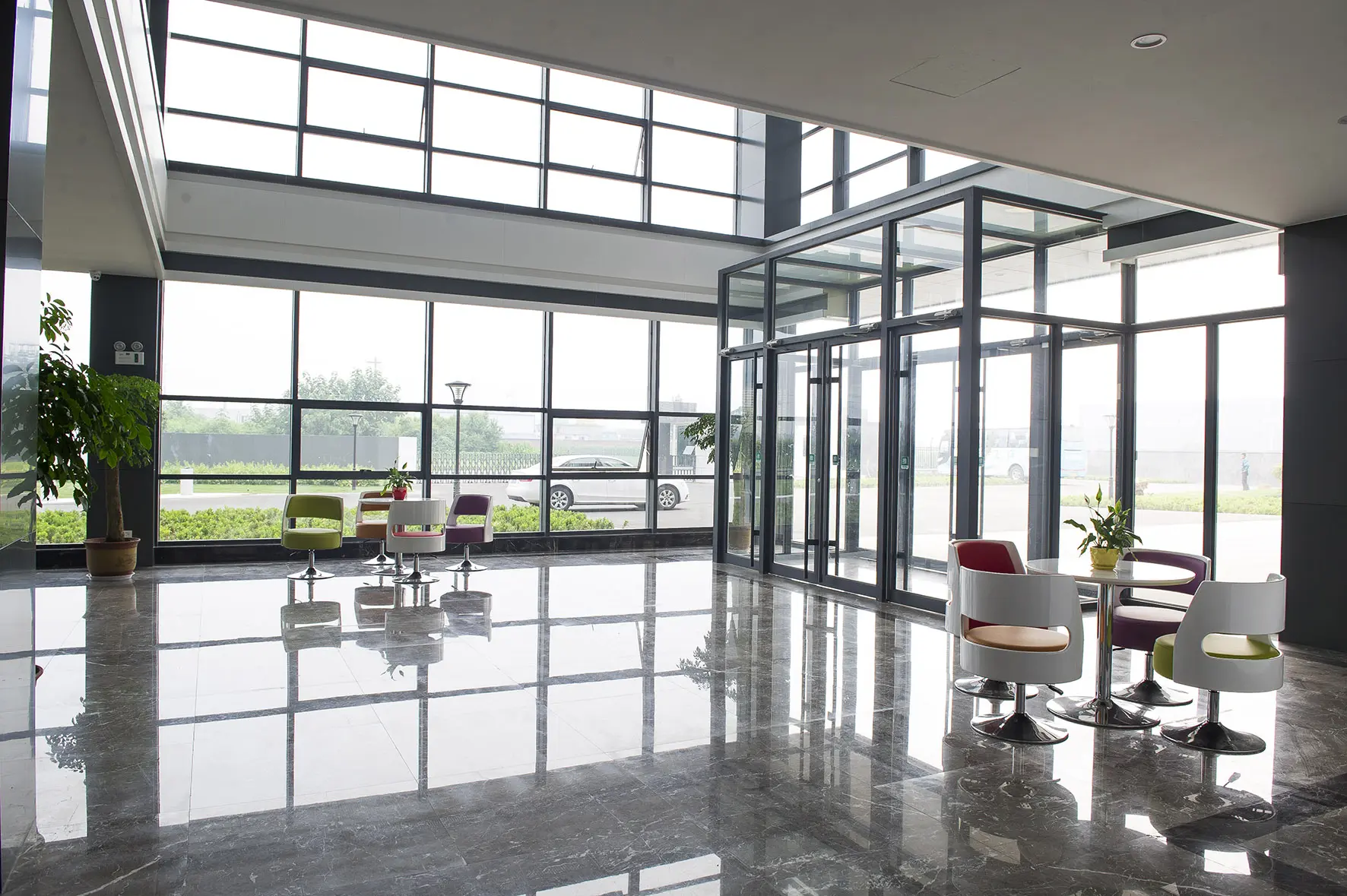
A look inside our ISO 9001 certified workflow, showcasing how raw plates are transformed into high-performance thermal units.
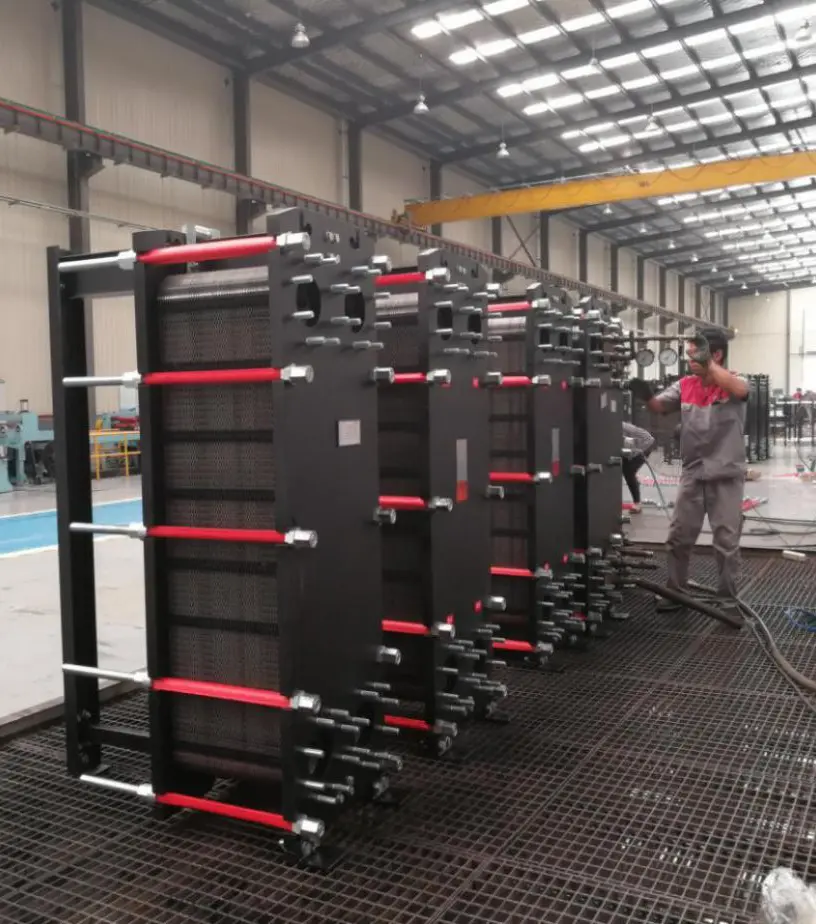
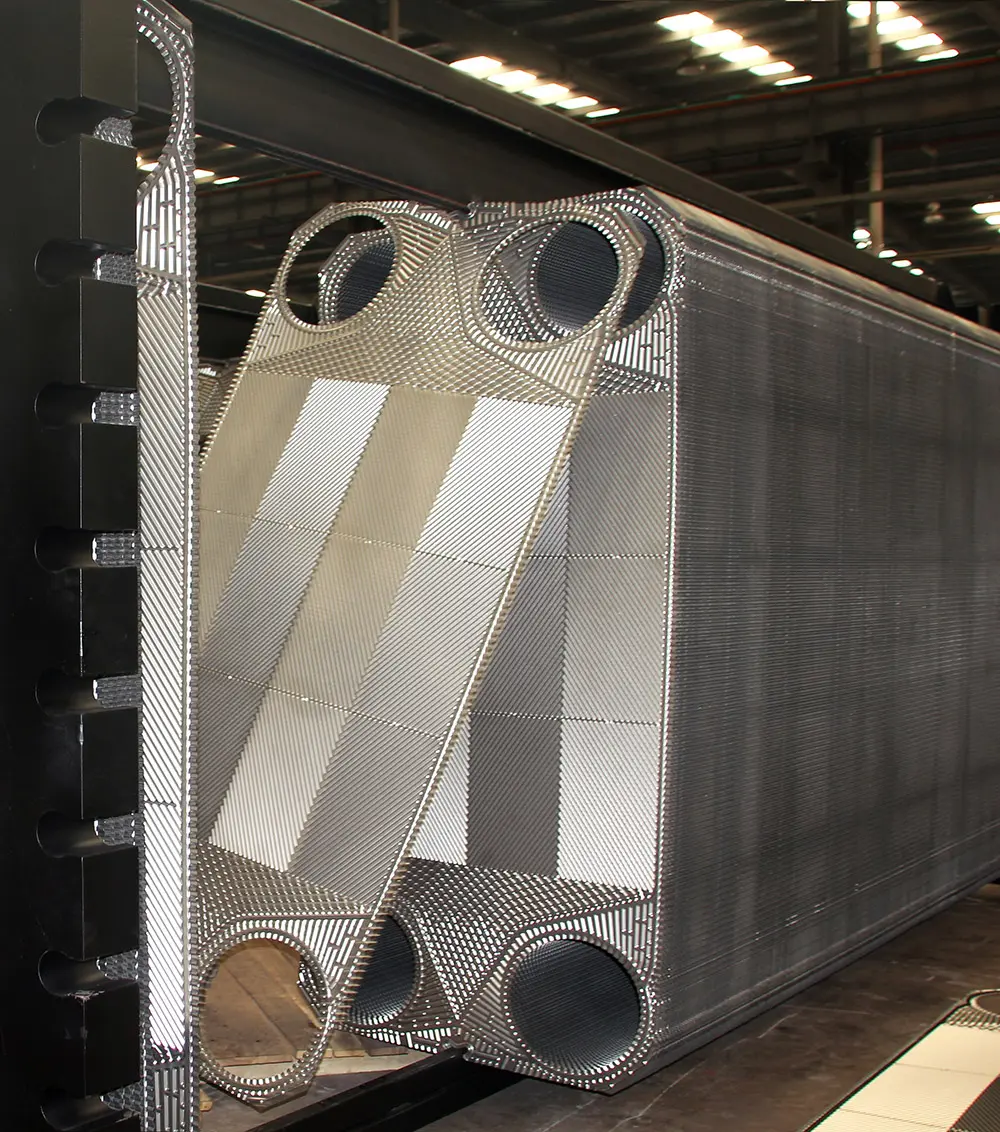
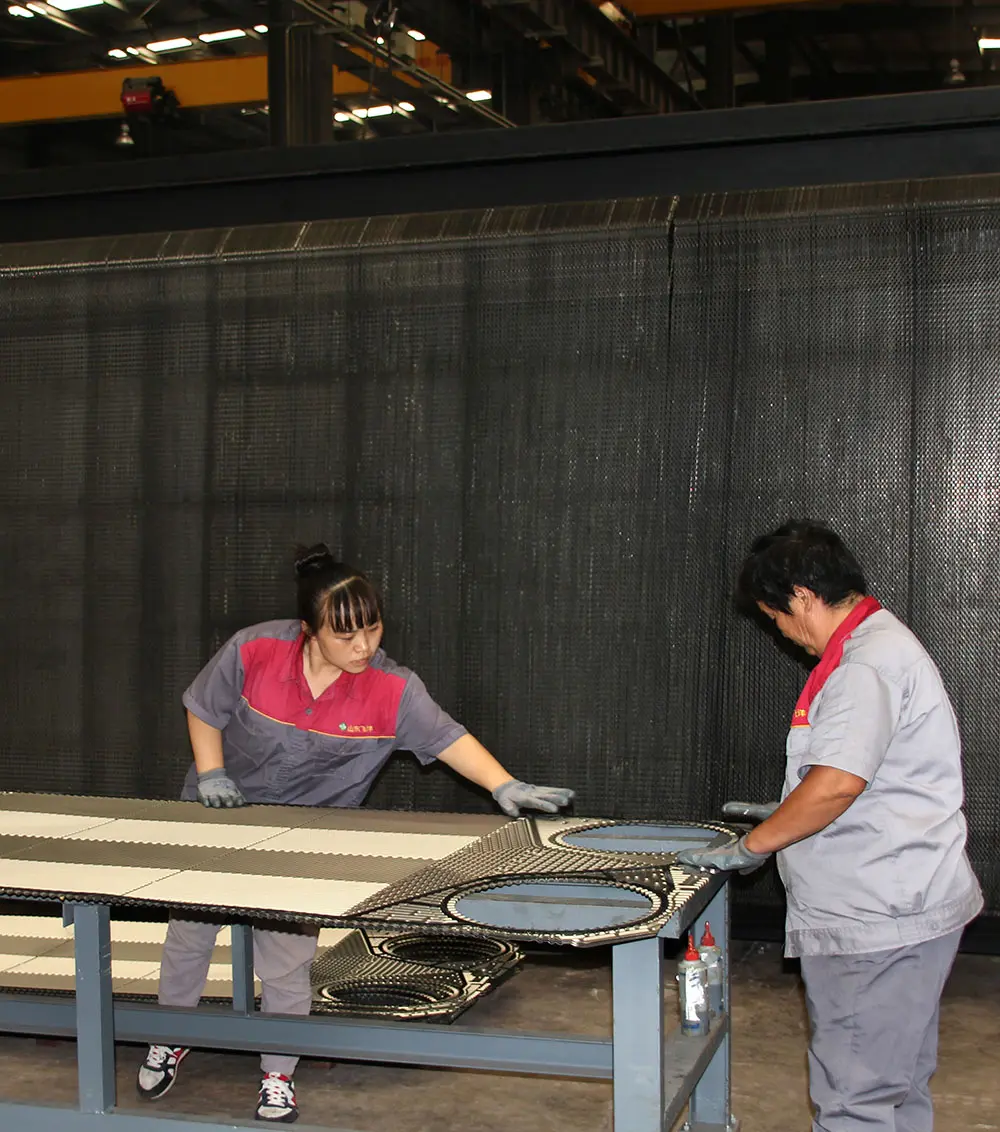
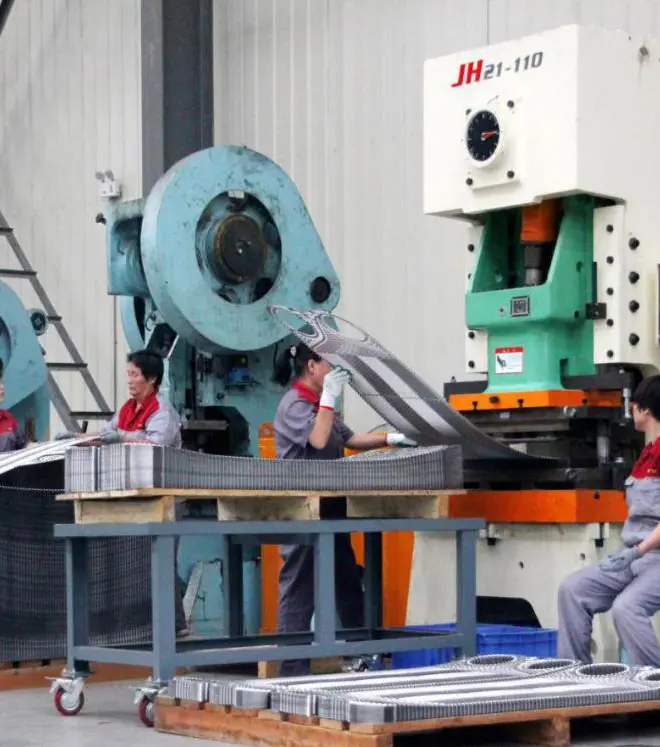
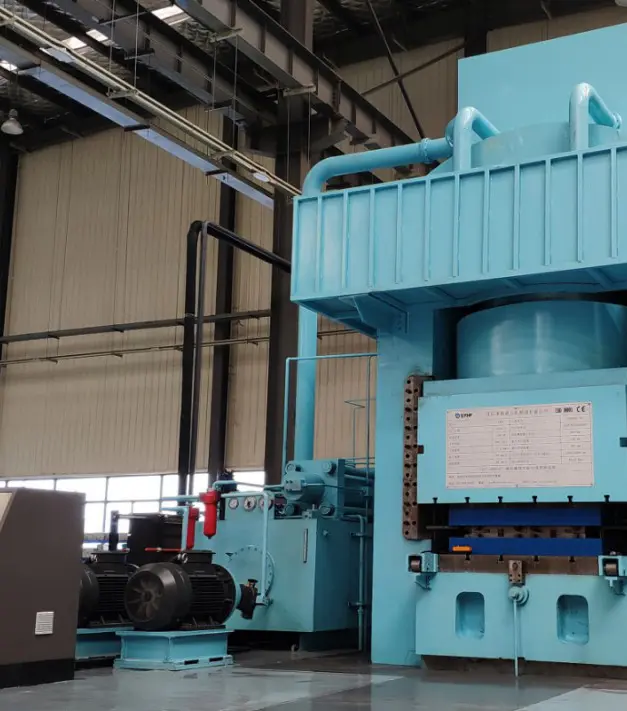
Explore our specialized subcategories of heating exchangers and hydraulic valves designed for maximum efficiency.
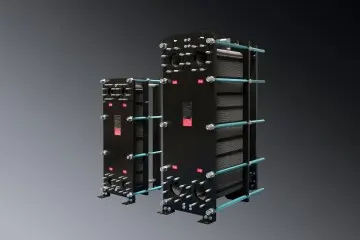
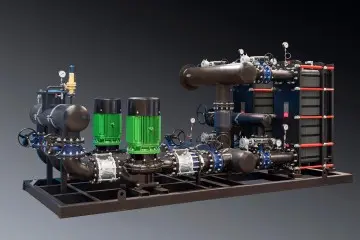
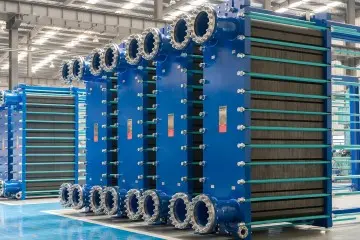
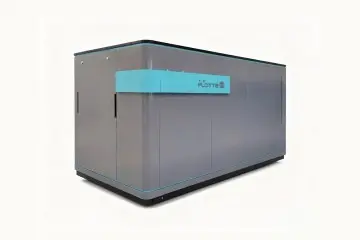
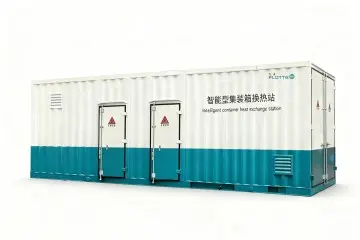
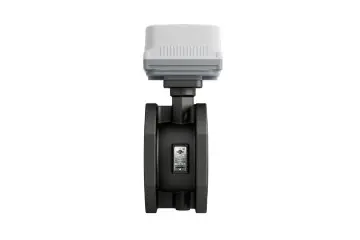

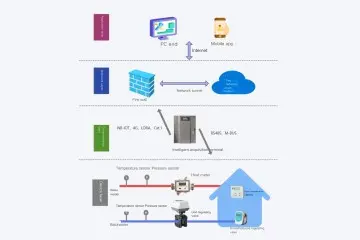
We adhere strictly to international manufacturing standards to guarantee absolute safety and operational reliability.
Get authoritative answers to the most common engineering and procurement questions regarding our heat exchanger products.
Spiral Heat Exchangers are designed with a single concentric flow channel which completely eliminates internal dead zones. Because there is only a single path for each fluid, any particulate buildup creates a local velocity increase, generating a dynamic self-cleaning effect. Traditional shell & tube designs suffer from bypass flows and stagnation points, which accelerate fouling.
Flotte holds safety certifications from the National Boiler and Pressure Vessel Standardization Technical Committee. Every unit undergoes automated precision welding, non-destructive testing (NDT), and high-pressure hydraulic tests on dedicated pressure test rigs to guarantee complete shell-and-tube isolation and prevent inter-channel contamination.
Yes. Flotte utilizes advanced metallurgical sourcing including Stainless Steel 304, Stainless Steel 316L, Titanium, and Hastelloy. These materials are chosen specifically to match the chemical compatibility requirements of processes involving high-salinity brines, industrial wastewater, organic solvents, or highly acidic slurries.
In large HVAC or municipal heating systems, traditional manual valves fail to adapt to dynamic heat loads. Flotte's Intelligent Unit Balance Valves automatically adjust flow rates based on real-time feedback loops. This prevents energy waste by eliminating localized overheating and reduces circulation pump power consumption by up to 20%.
Flotte offers full engineering customization (thermal calculations, material choice, nozzle locations). Standard production cycles range from 4 to 8 weeks depending on the complexity of the design and required national standard certifications. We provide comprehensive documentation packages for international customs and shipping clearance.
Explore our secondary line of specialized energy-saving evaporation and heating machinery designed for global export.
 Flotte Energy