Optimized energy-saving solutions configured for thermal power, chemical processing, pharmaceutical manufacturing, and complex municipal district heating networks.
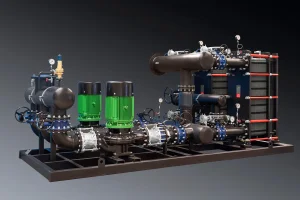
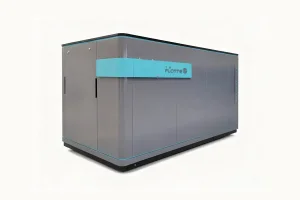
Analyzing the macro shifts in modern thermal energy management, regulatory pressures, and decarbonization strategies.
In today's globalized industrial landscape, thermal efficiency is no longer just an operational parameter—it is a cornerstone of economic viability and environmental compliance. As nations align under strict decarbonization targets and escalating environmental, social, and governance (ESG) regulations, processing plants, refineries, district heating systems, and manufacturing operations are pressured to optimize their thermal footprint. Heat exchangers act as the vital thermodynamic organs of these facilities, transforming waste energy into usable resources, regulating critical chemical process streams, and keeping operations running within optimal limits.
"According to industrial research, optimizing heat exchanger design to eliminate scale, mitigate flow-induced vibrations, and maximize surface-to-volume metrics can reduce an enterprise's overall energy consumption by up to 18% to 25%, drastically shrinking operational expenditures and carbon footprints."
As a premier global authority and wholesale supplier of thermal equipment, Flotte stands at the intersection of thermal science and heavy manufacturing. Founded originally as Flotte Thermal Engineering in 1995 and established as Flotte Energy Saving Company in 2013 with a registered capital of 101 million yuan, we offer nearly three decades of targeted field experience. Our design frameworks rely on rigorous thermodynamic modeling and fluid dynamic simulations to ensure that every shell and tube or plate heat exchanger unit achieves maximum thermodynamic performance.
Industrial clients regularly face a series of interconnected issues: heavy fouling in hard-water zones, thermal stress and cracking in high-temperature processes, flow-induced vibration causing mechanical fatigue, and the need to meet strict local emission standards. A poorly configured design leads to premature failure, expensive unscheduled downtime, and safety hazards. Consequently, selecting a design partner that understands thermodynamic parameters, material selection limits, and global pressure vessel compliance standards is critical for modern industrial operations.
Applying state-of-the-art computational fluid dynamics (CFD) and thermal analysis for customized process solutions.
Designing high-performance tube and shell heat exchangers requires balancing physical layout, flow distribution, and thermal energy equations. At Flotte, our engineering department uses advanced design software to analyze and model every parameter. The core target of our design is minimizing the thermal boundary layer resistance while keeping fluid pressure drop within acceptable operational limits.
We design fixed tube sheet, floating head, and U-tube exchangers conforming to TEMA class R, C, and B. Fixed designs maximize surface density, while U-tube configurations permit independent expansion to handle thermal shock.
Material choices range from standard Carbon Steel and Austenitic Stainless Steels (SUS304, SUS316L) to highly durable alloys such as Duplex Stainless Steel, Titanium, and Nickel alloys for aggressive chemical media.
Using precise segmental, double-segmental, and helical baffles, we balance fluid velocity across the tube bundle. This prevents flow-induced vibrations that damage tube-to-tubesheet joints over time.
By addressing the fluid boundary layer directly, Flotte's corrugated tube designs achieve heat transfer rates two to three times greater than traditional smooth tube setups. The induced swirl increases the Reynolds number, keeping the boundary layer turbulent even at lower flow velocities. This design also reduces the deposition of suspended solids along the heat transfer surfaces, providing natural self-cleaning characteristics.
Flotte combines decades of thermal engineering expertise with modern, systematic management to deliver high-quality products.
Flotte Energy Saving Company originated in 1995 as Flotte Thermal Engineering, establishing a solid reputation in industrial HVAC, water systems, and water treatment technologies. Backed by a registered capital of 101 million yuan and state-of-the-art facilities, we lead the industry in introducing advanced thermodynamic products to global markets. Every design is built to withstand extreme operating pressures and temperatures.
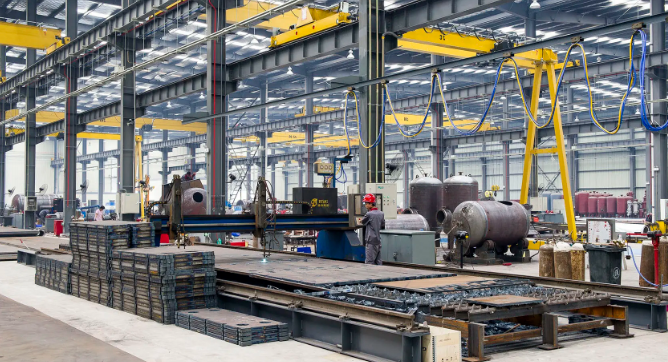
Our manufacturing base is fully equipped to build over 4,500 heat exchange units and water supply sets annually. The facility generates 500 million yuan in sales and contributes 15 million yuan in annual taxes, reflecting our role as a major domestic manufacturer and a growing exporter of custom industrial machinery.
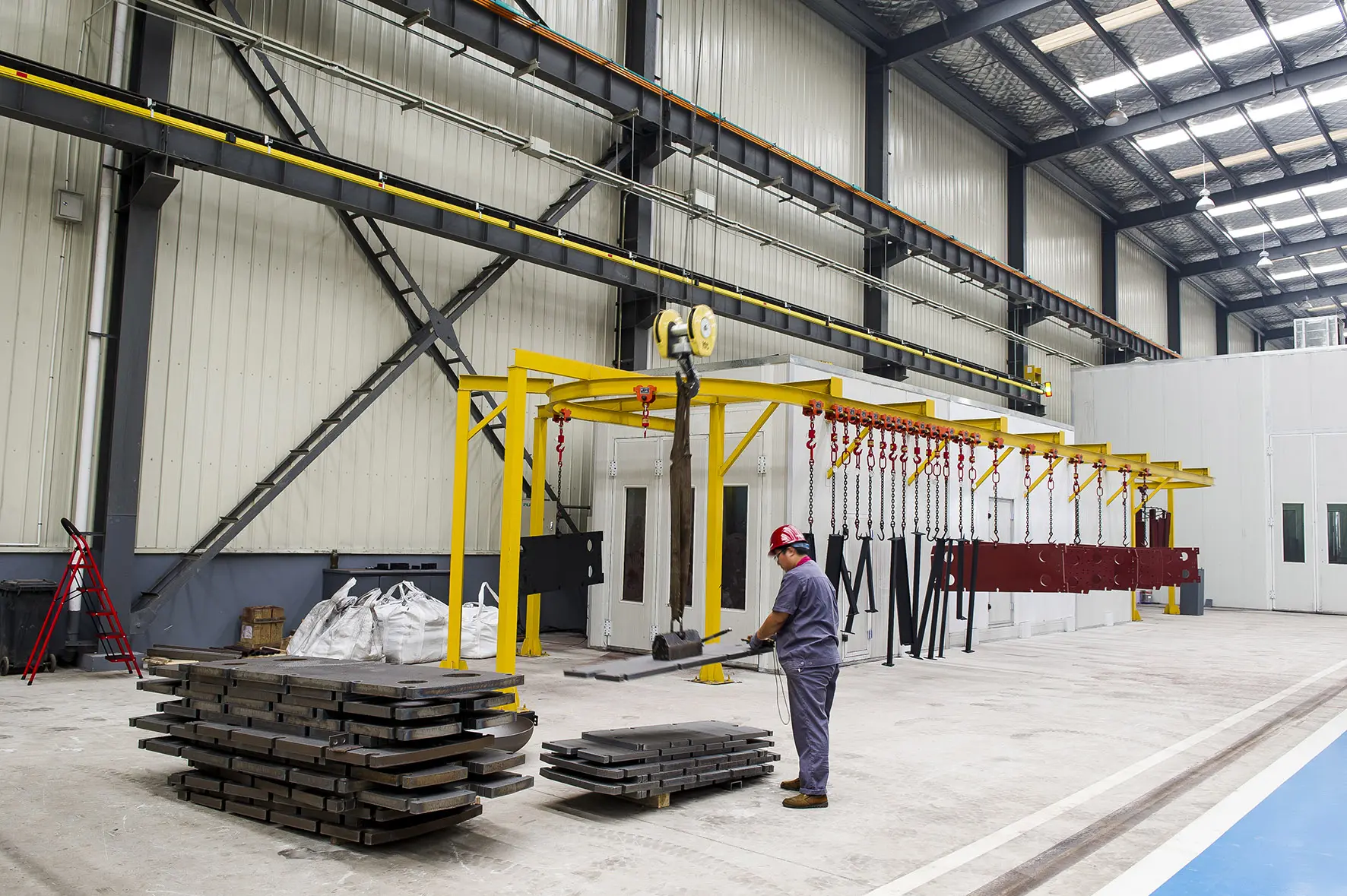
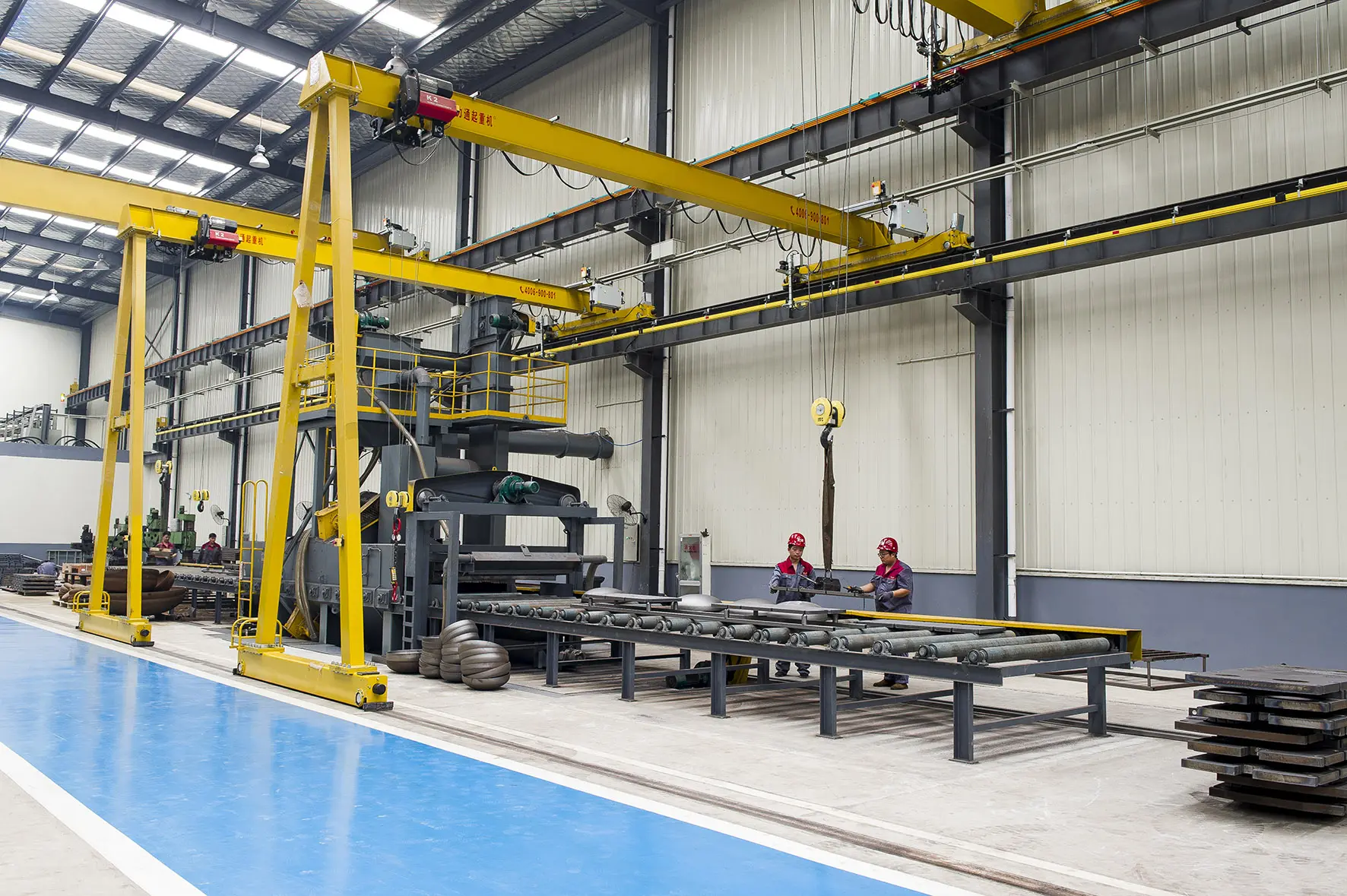
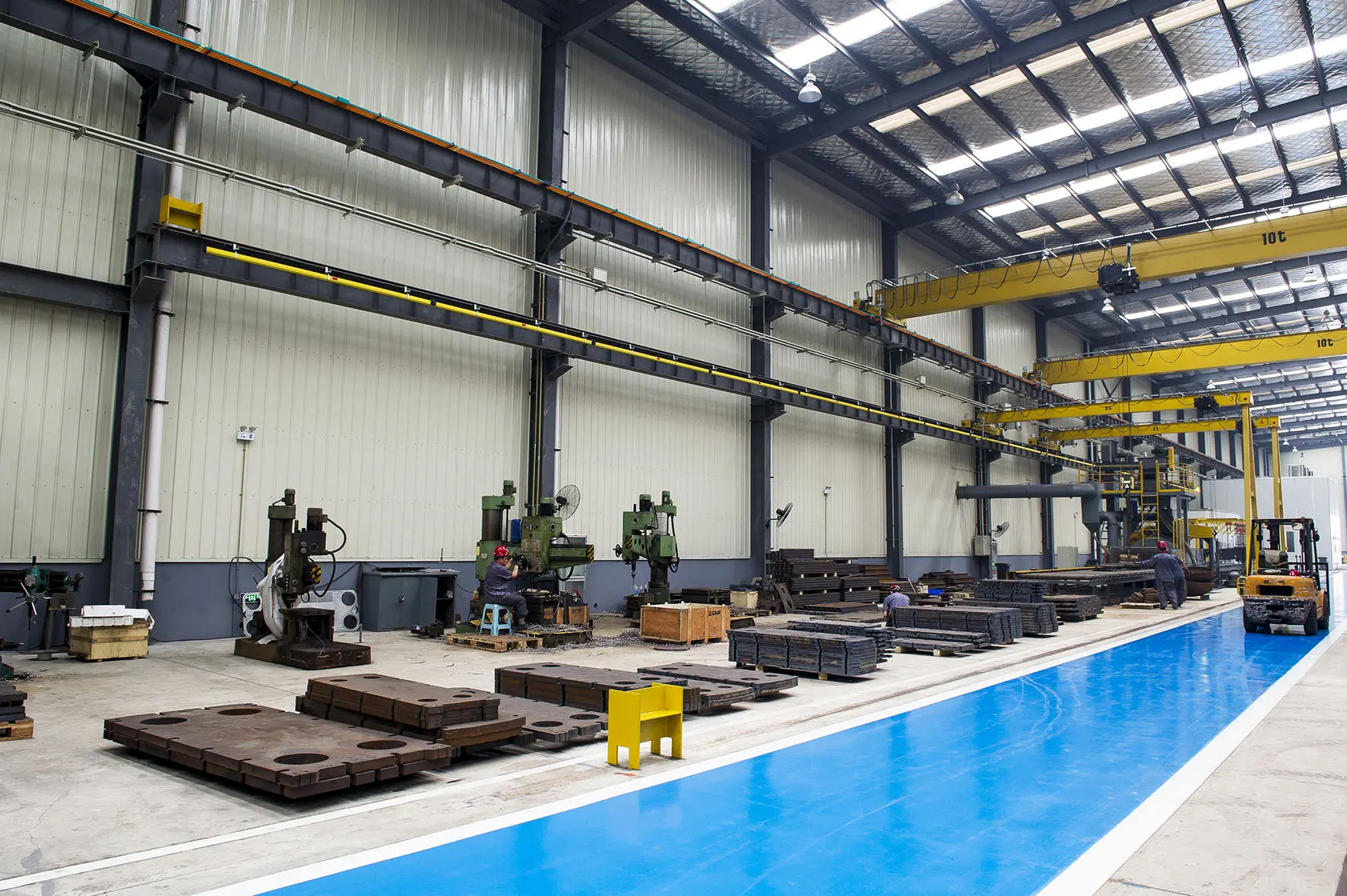
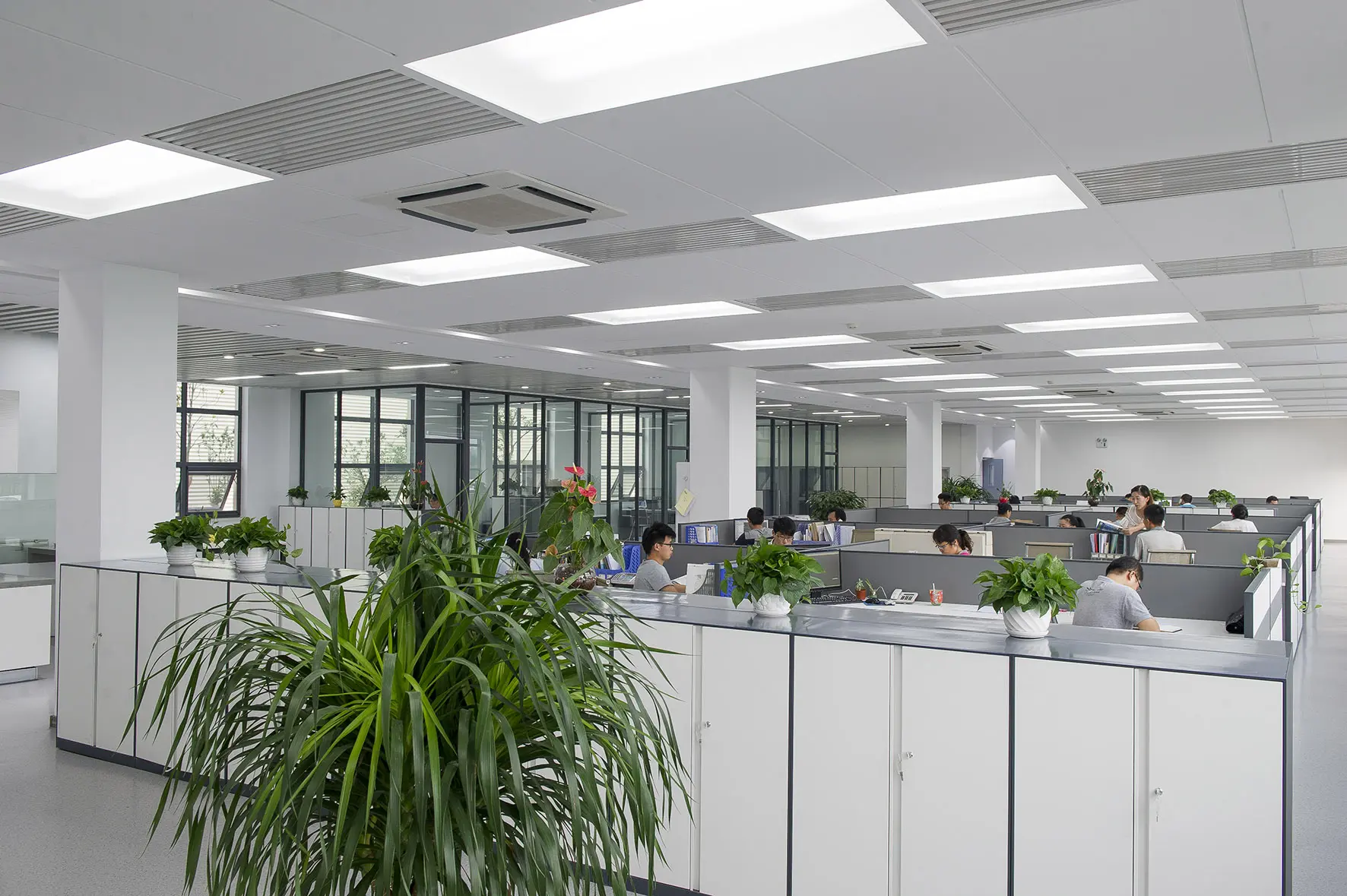
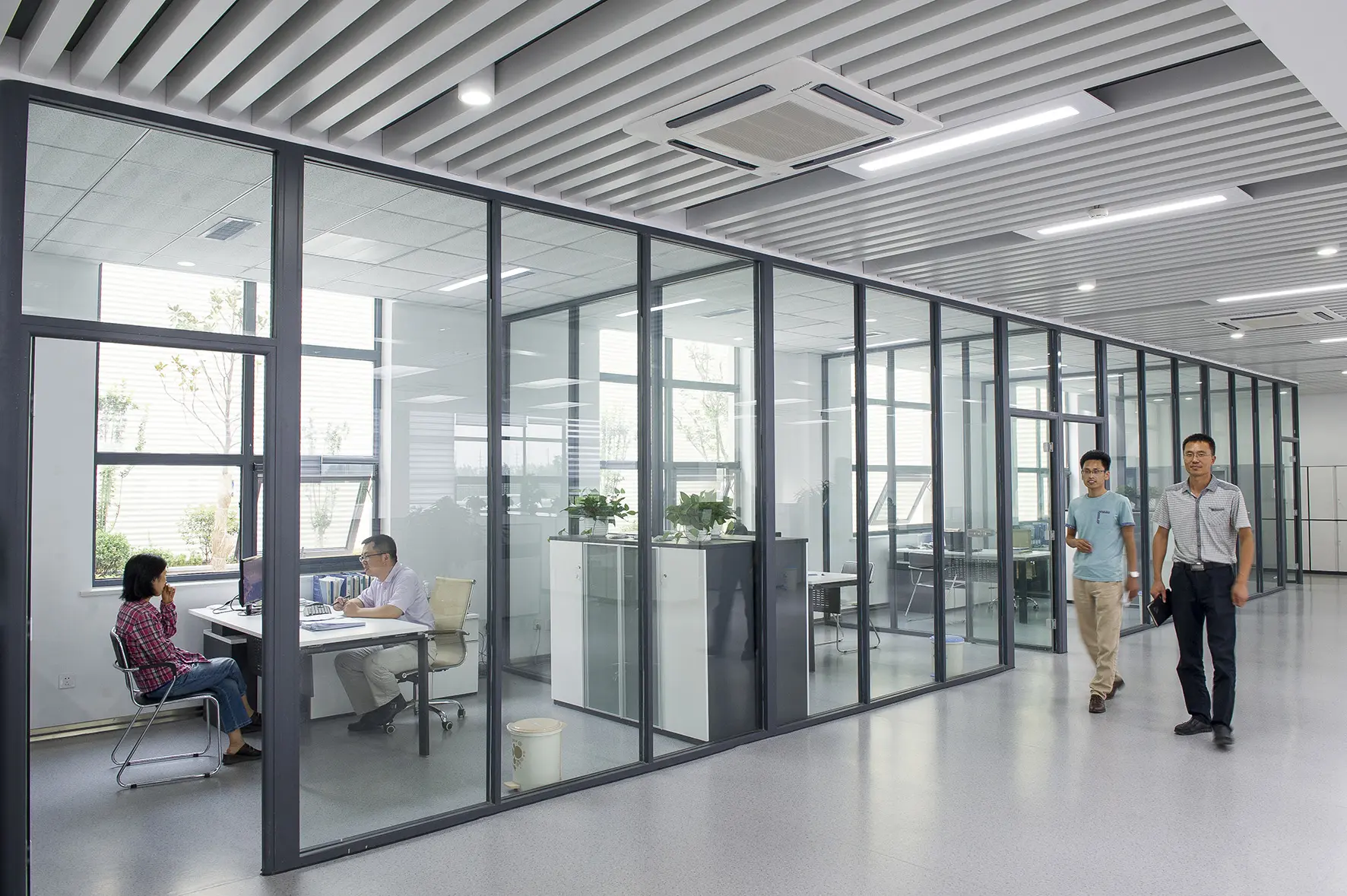
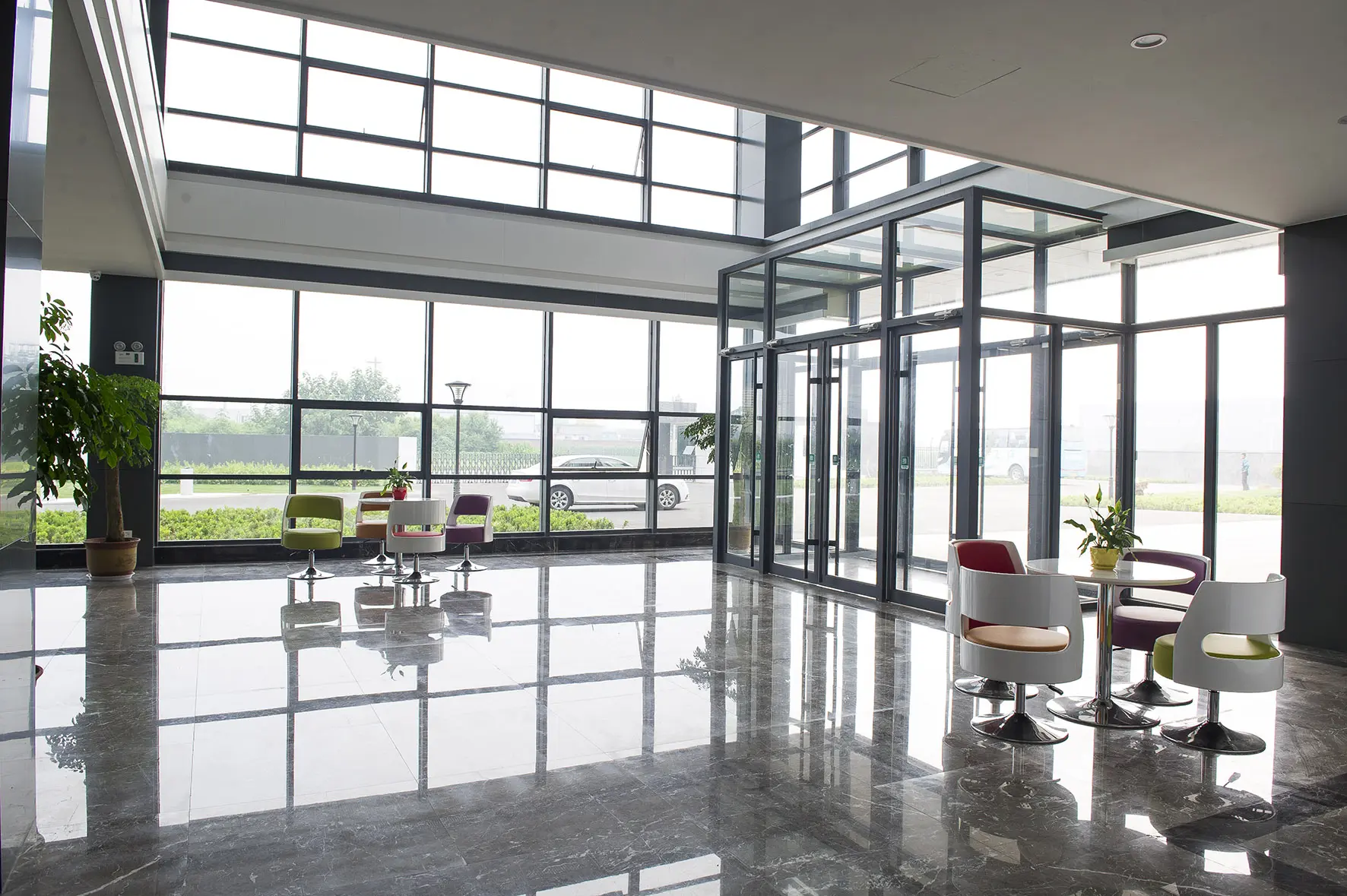
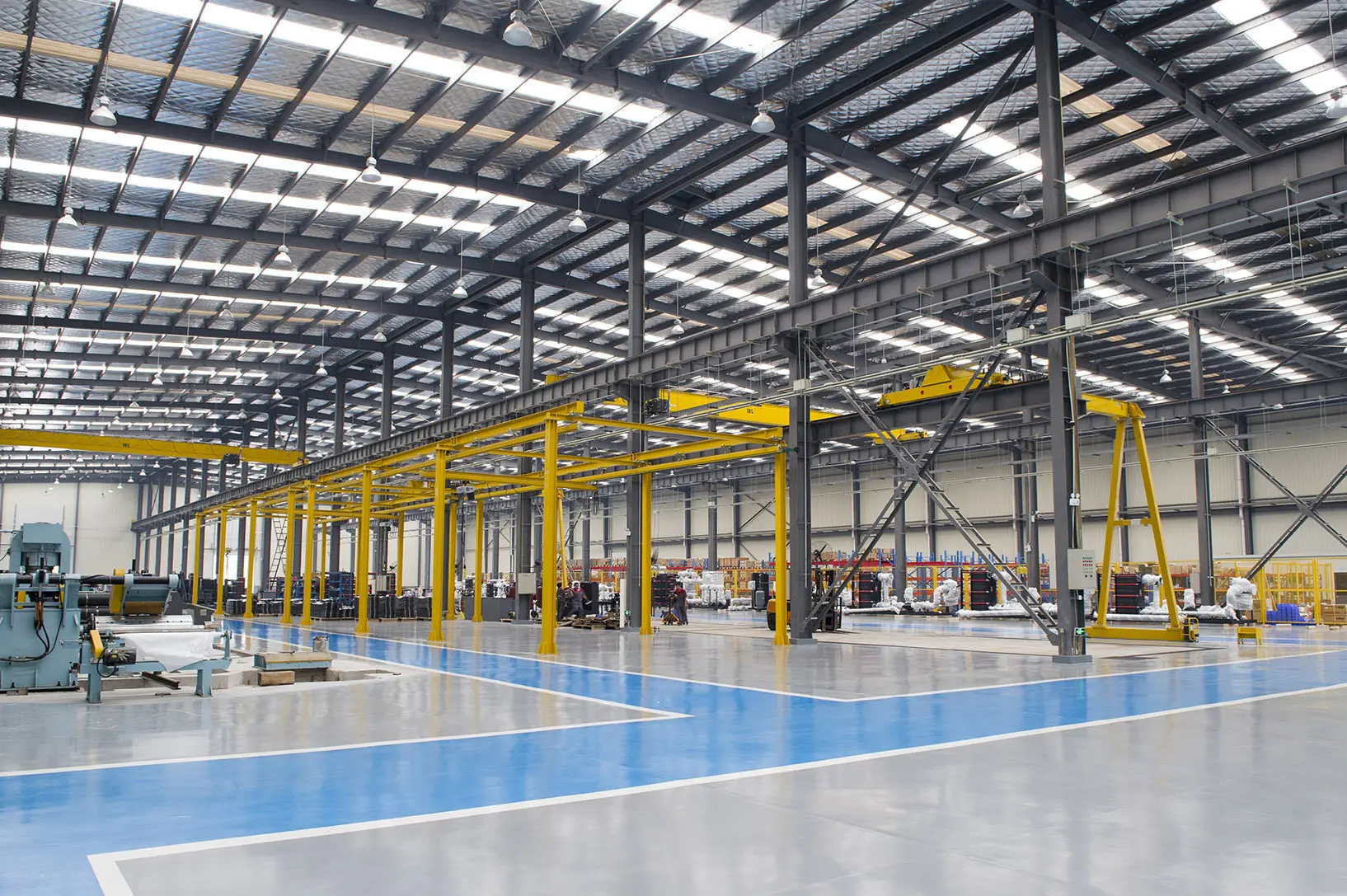
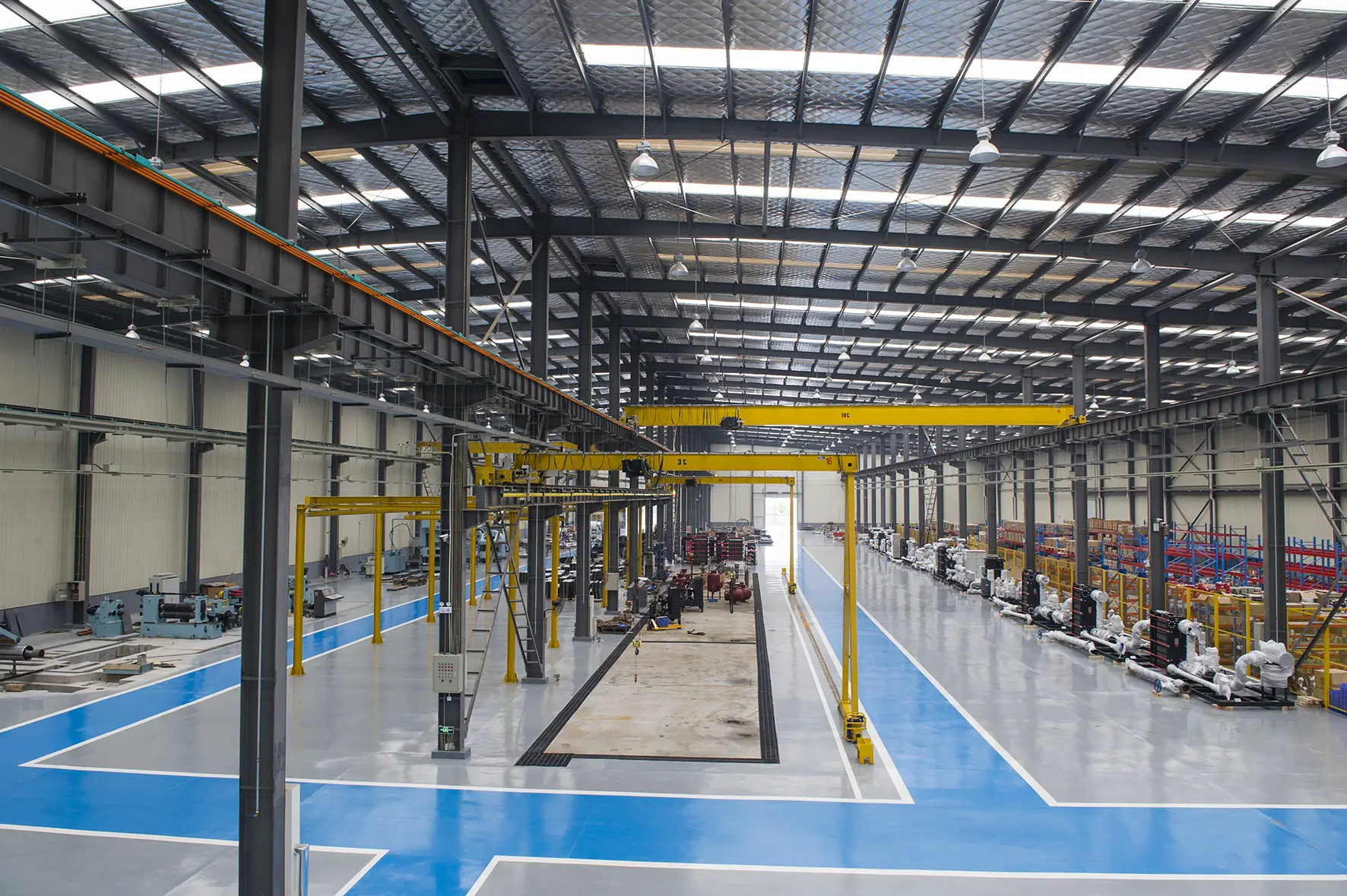
From structural plate cutting to testing, our manufacturing processes are executed under rigorous quality management systems.
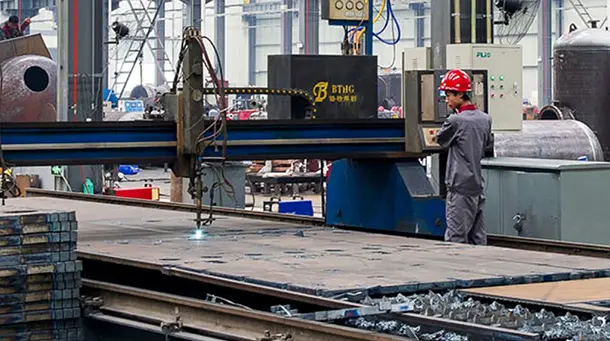
CNC laser and plasma systems cut the thick outer pressure retaining frame plates to exact design geometries.
Refining the grain structure of key load-bearing parts to improve high-temperature durability and fatigue resistance.
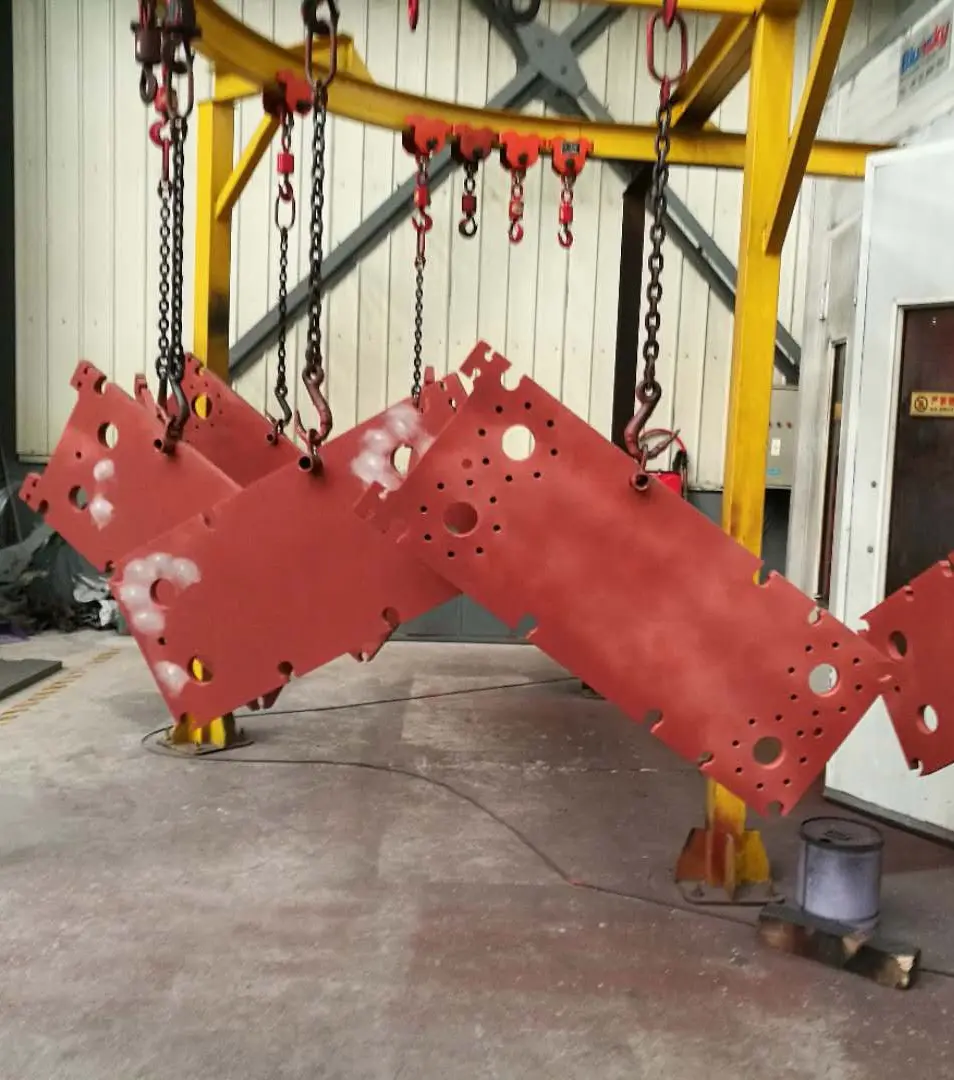
Applying multi-layer, industrial-grade protective coatings to prevent oxidation and environmental corrosion.
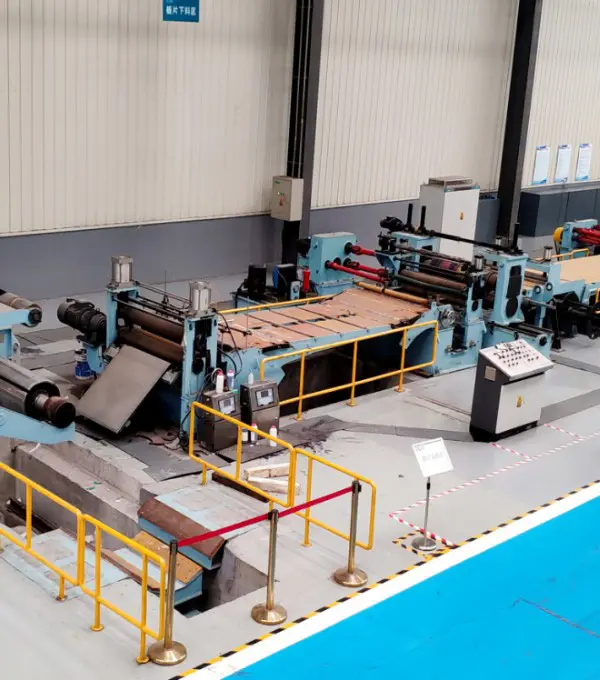
Precise shearing and fiber laser coding of sheets to maintain complete material traceability for audit standards.
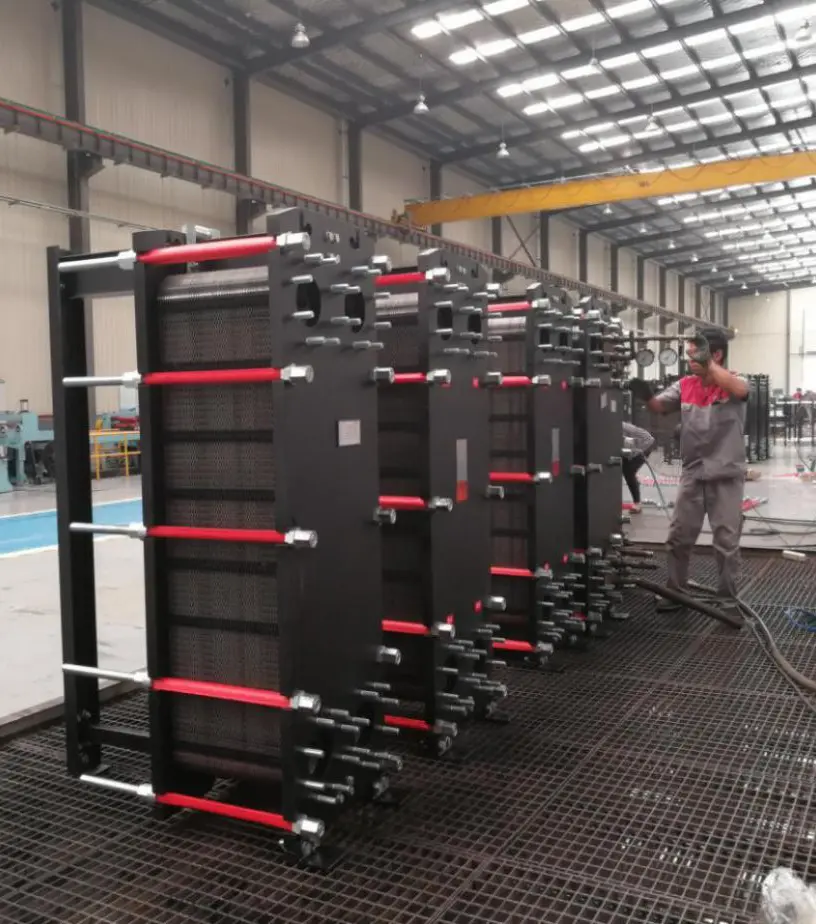
Subjecting units to intense hydrostatic testing at 1.25 to 1.5 times the design pressure limit to guarantee leak-free joints.
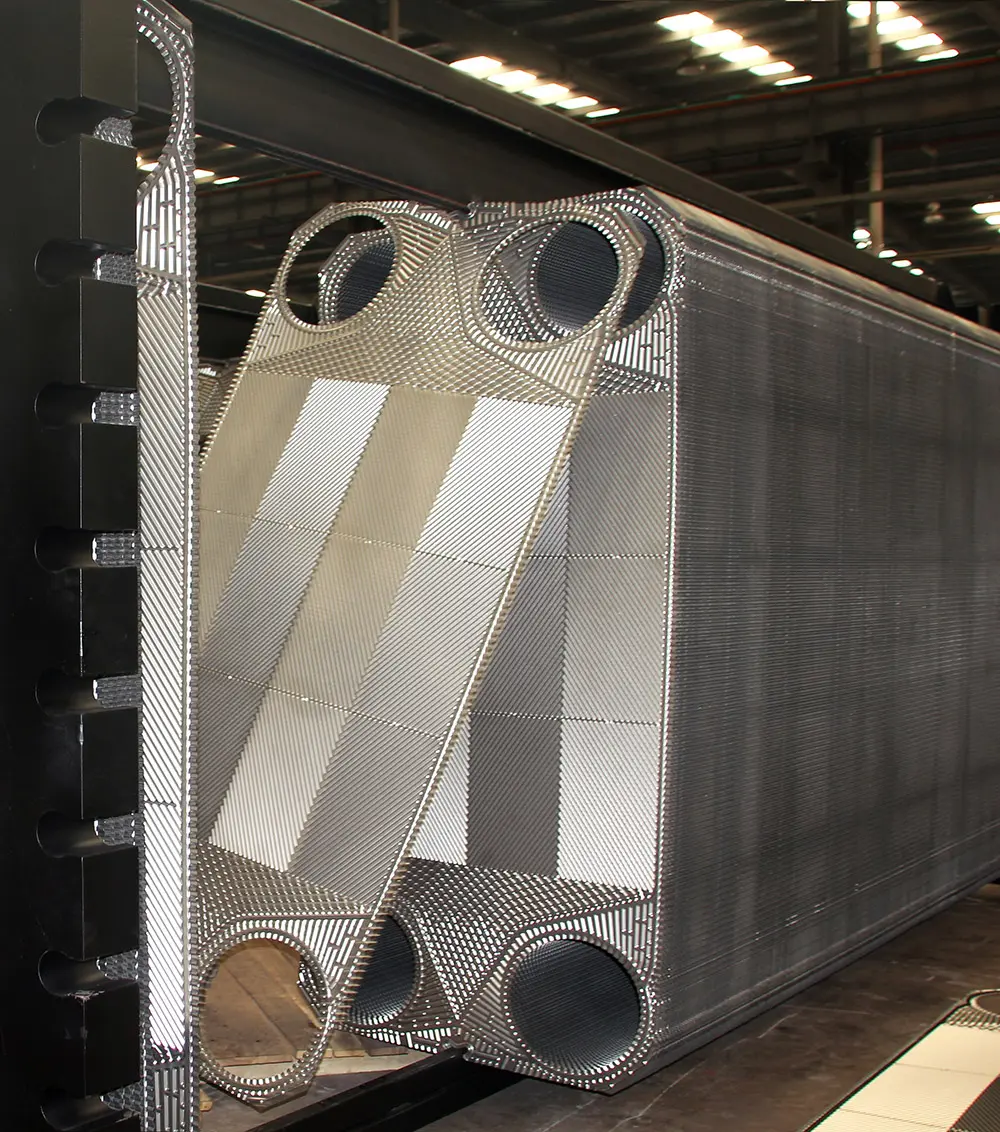
Aligning plate packs and tube bundles under the supervision of ASME and GB-certified assembly technicians.
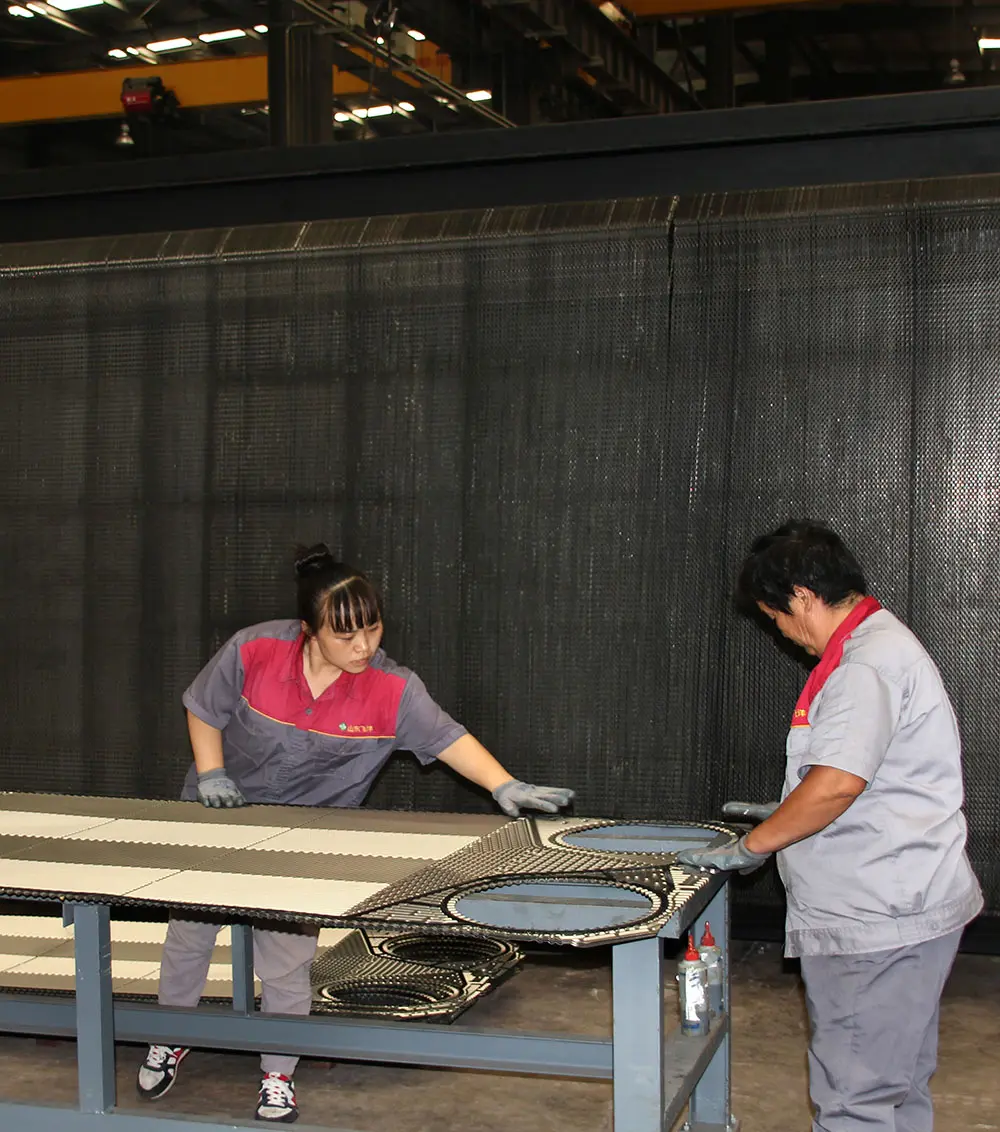
Applying optimized gaskets to ensure resilient seals across varying thermal expansion cycles.
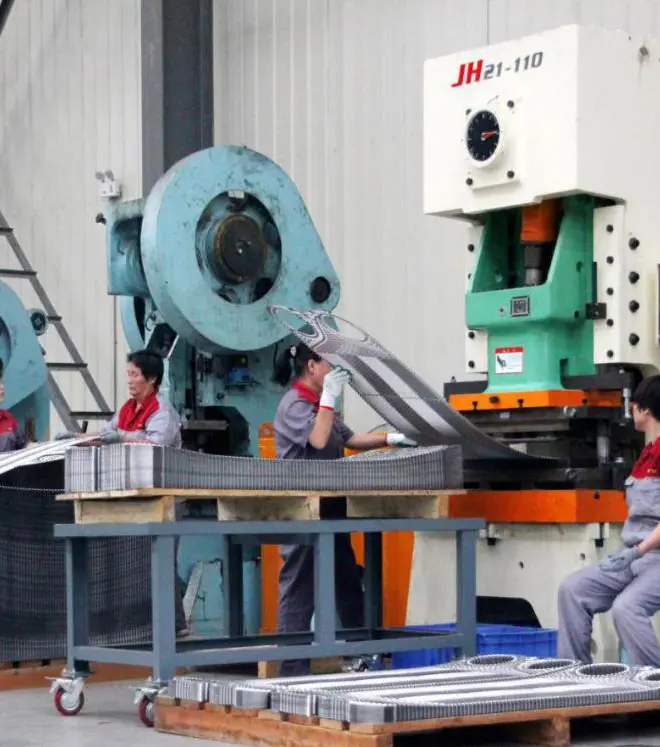
Forming precise alignment holes in the plates to lock structural members during assembly.
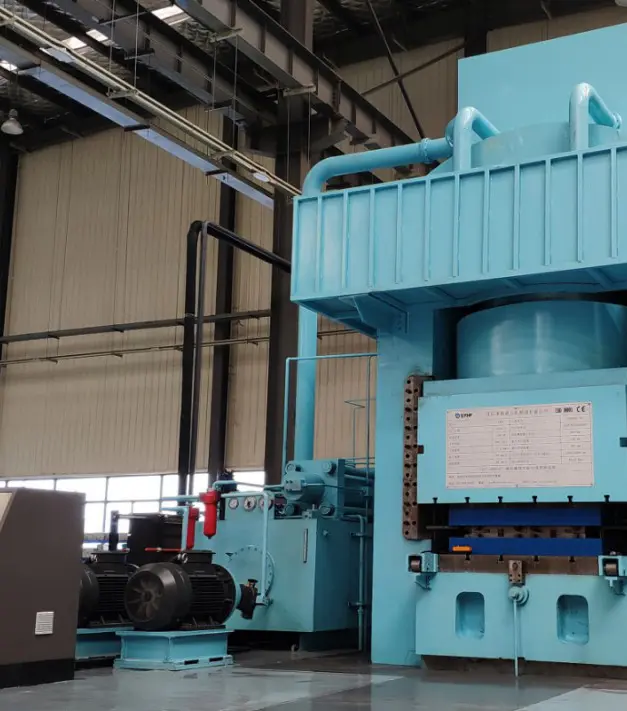
Stamping custom channel patterns using heavy hydraulic presses to maximize heat transfer surface area.
Providing compliant designs, manufacturing quality, and engineering support for our international partners.
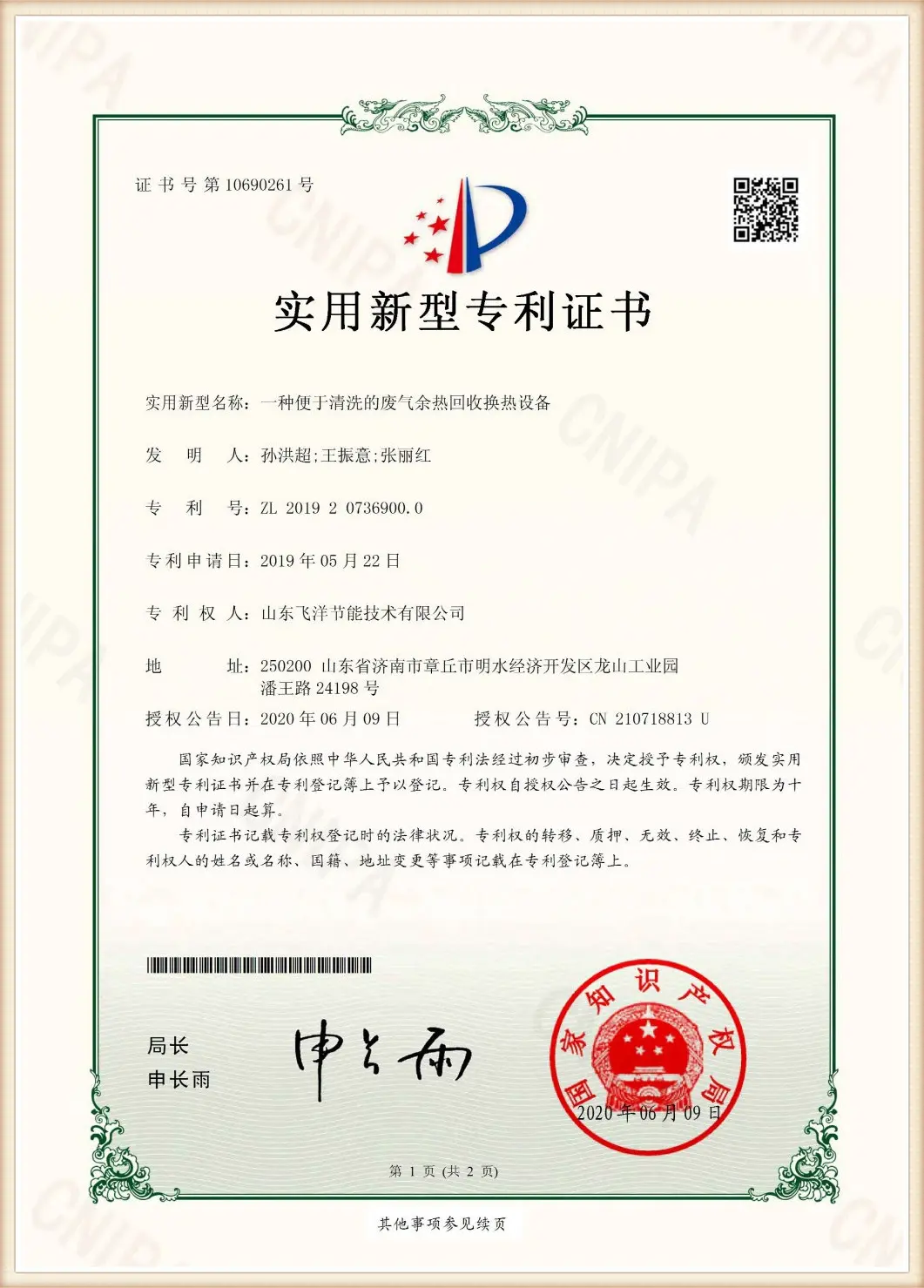
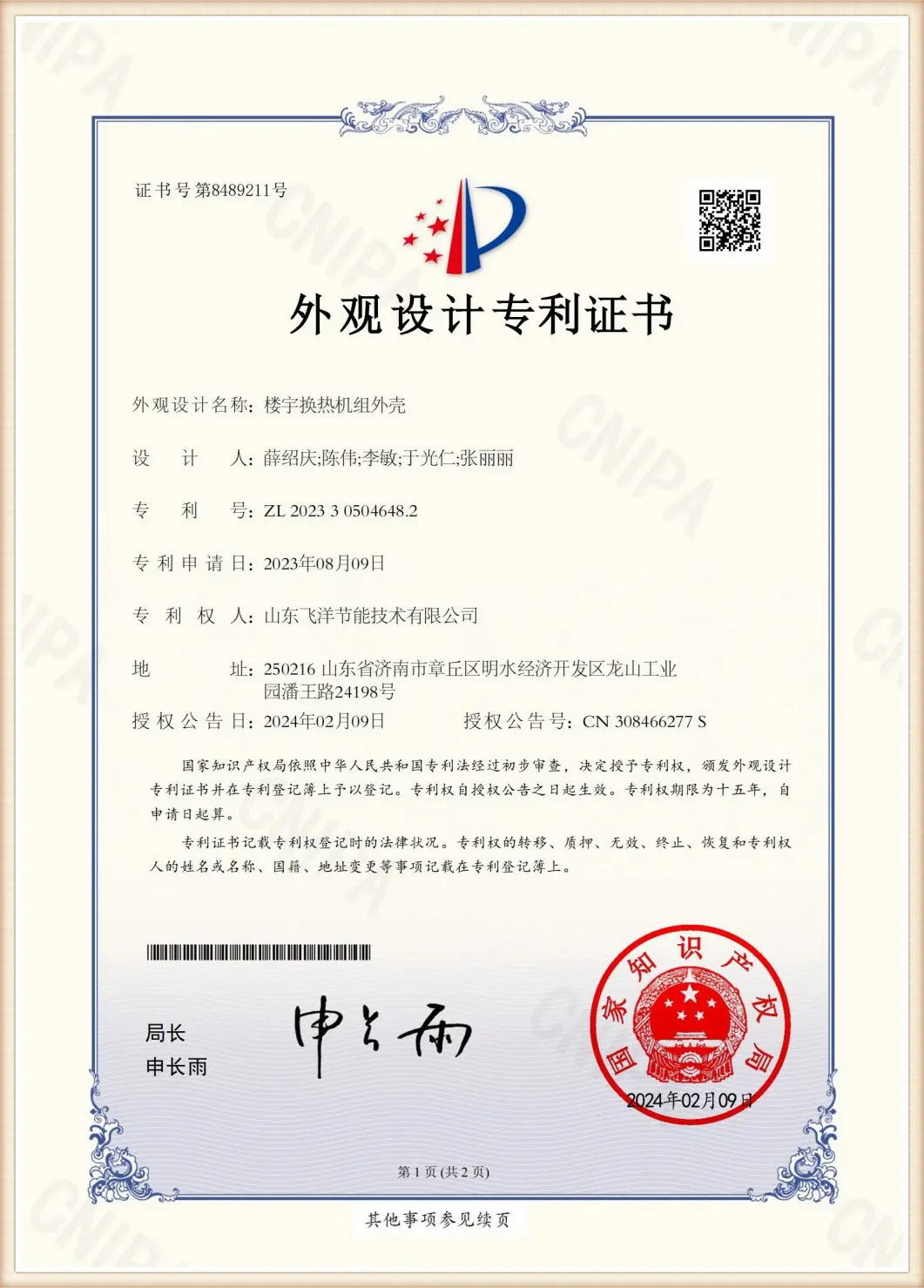
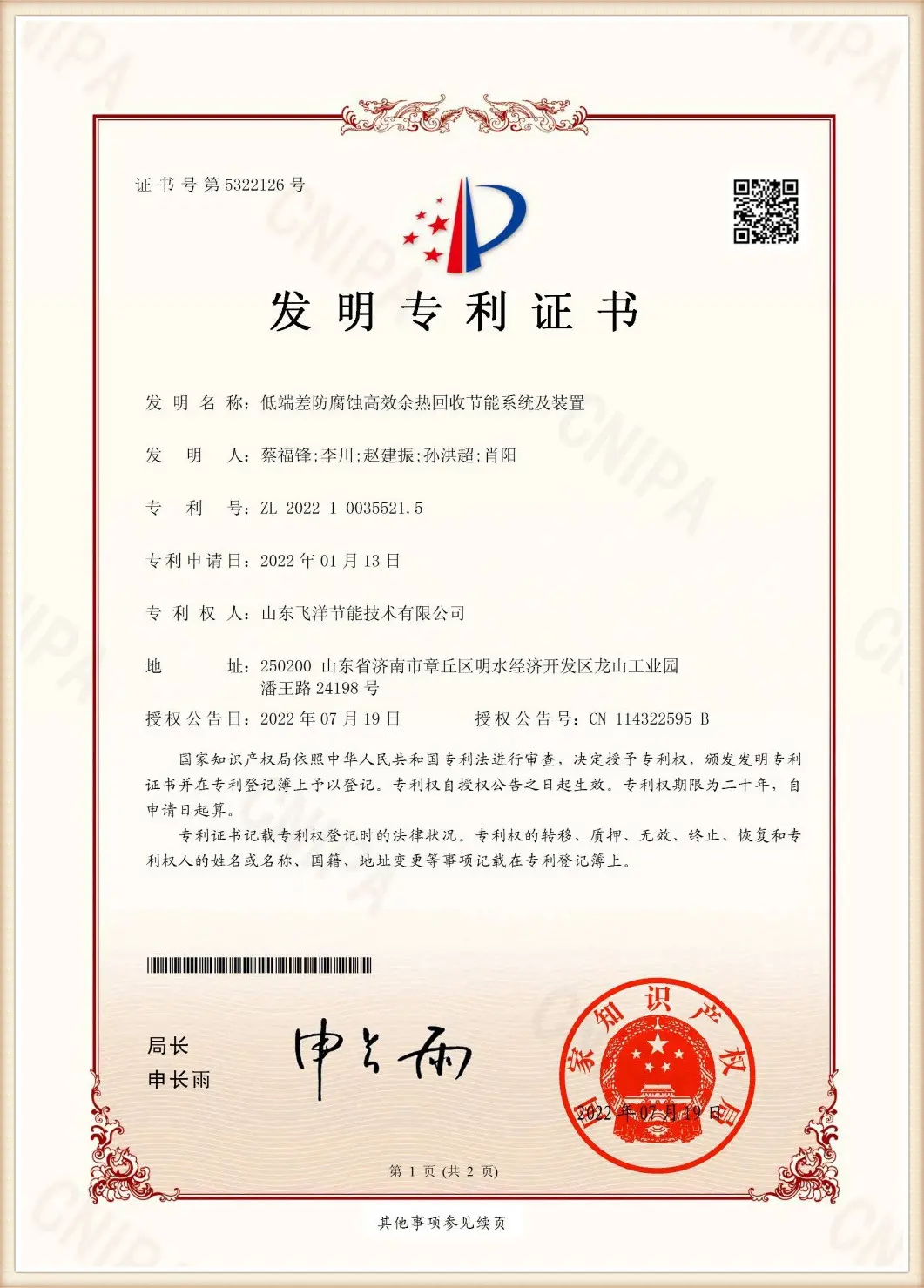
Building a dependable thermal unit requires meeting regional certifications and regulatory codes. Flotte designs comply with major pressure equipment standards, including the American Society of Mechanical Engineers (ASME Section VIII), Europe's Pressure Equipment Directive (PED 2014/68/EU), and China's national boiler code (GB150). Our internal quality control structures strictly follow ISO 9001:2015 for quality management, ISO 14001:2015 for environmental protection, and ISO 45001:2018 for occupational health.
Our components are backed by complete material test reports (MTR), certifying the chemistry and properties of all stainless steel, titanium, or nickel alloy metals used.
We support our clients through a multilingual engineering team that assists with international documentation and translation. From localized seismic calculations for South America and wind load compliance for coastal regions to standard European CE marking, our engineers provide complete design customization.
We also partner with major logistics networks to offer door-to-door delivery, customs assistance, and on-site support. Our field technicians assist with commissioning, testing, and training to ensure smooth project startups.
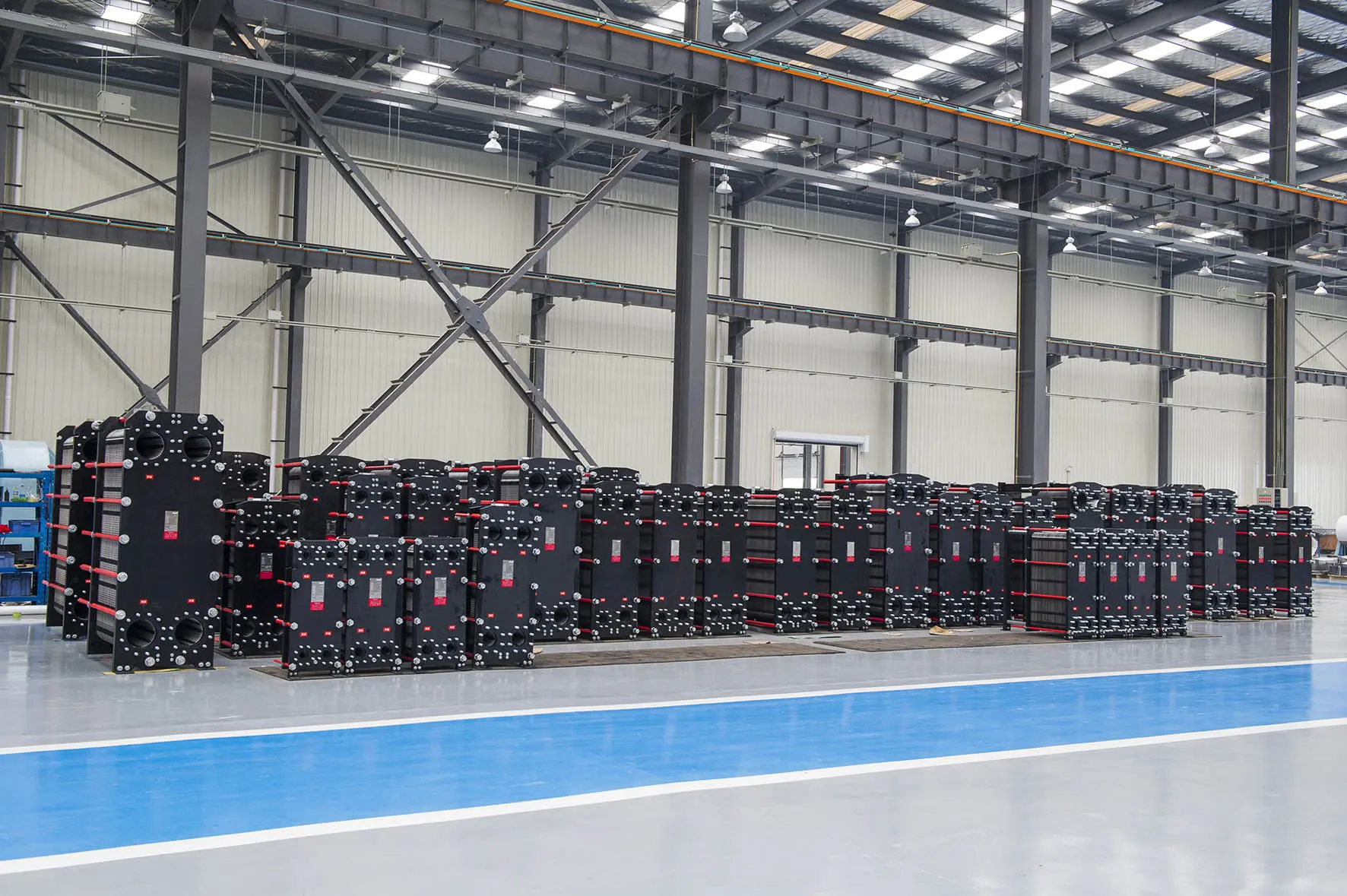
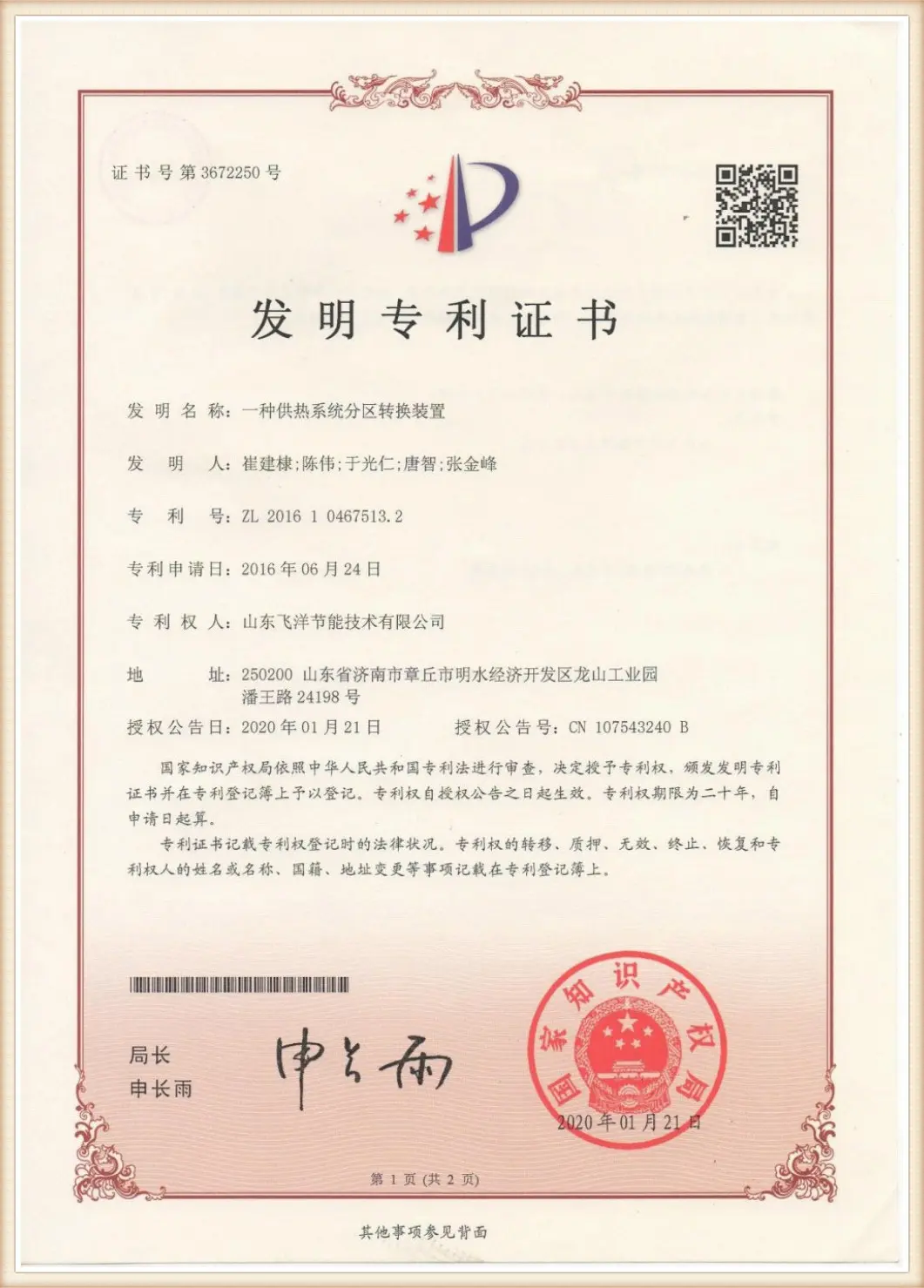
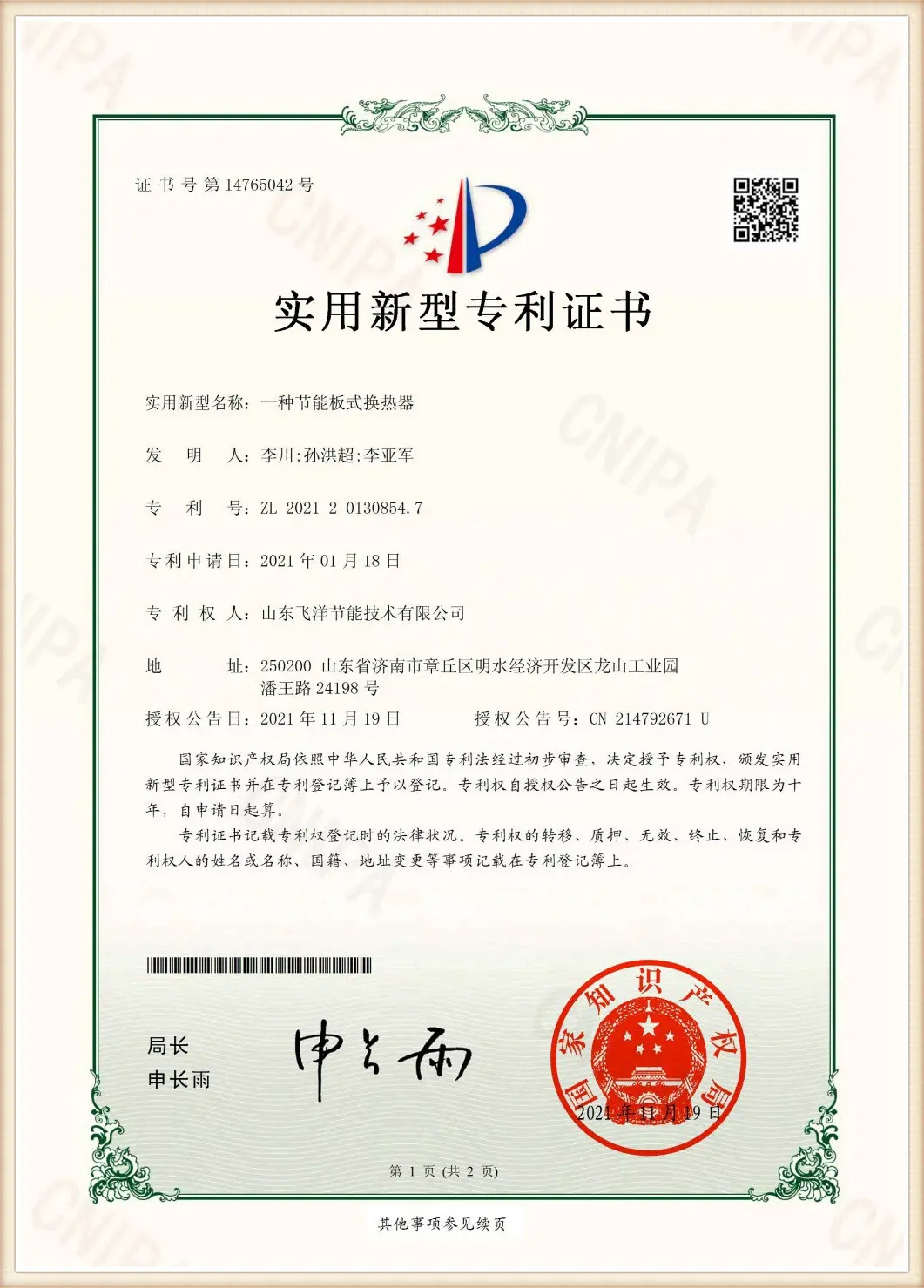
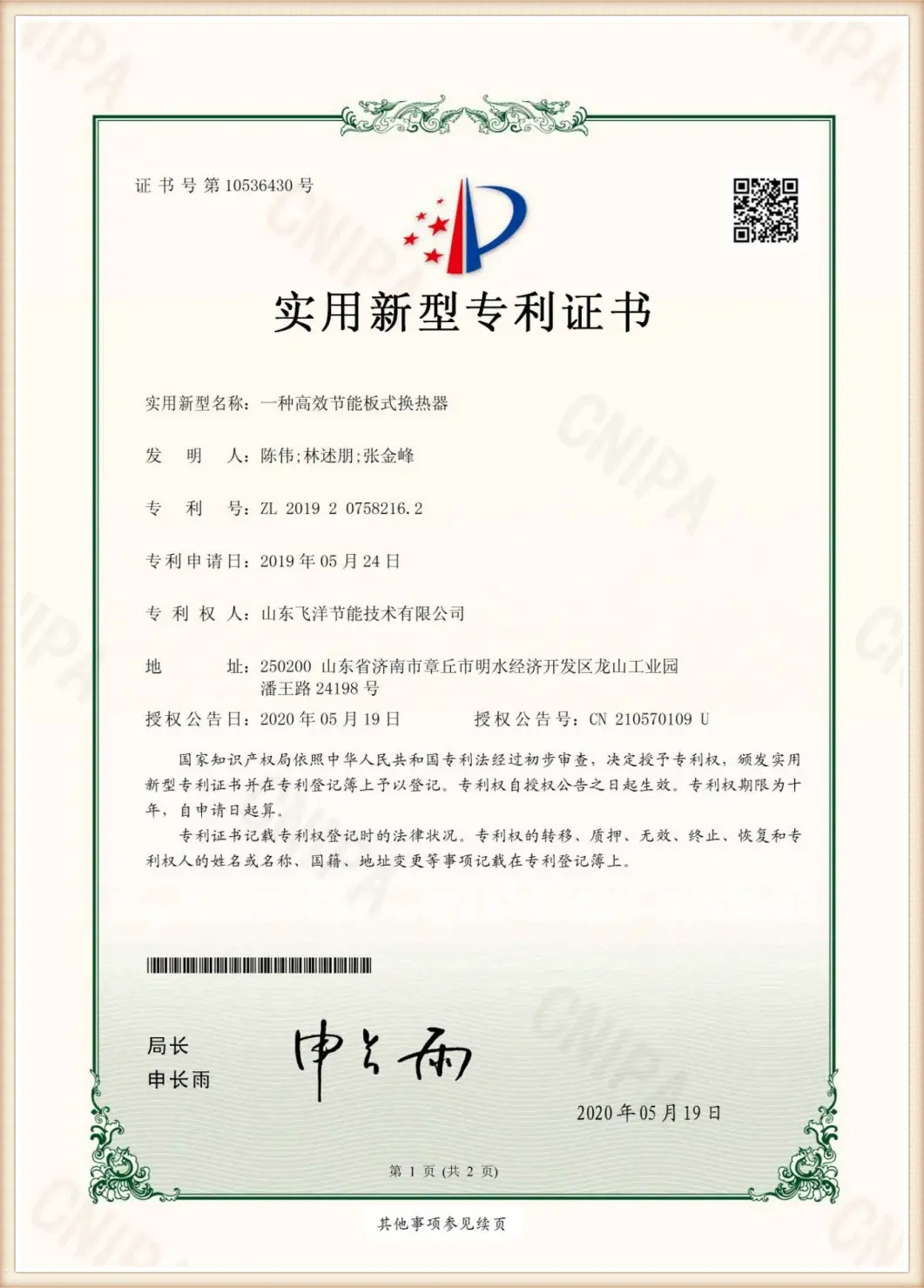
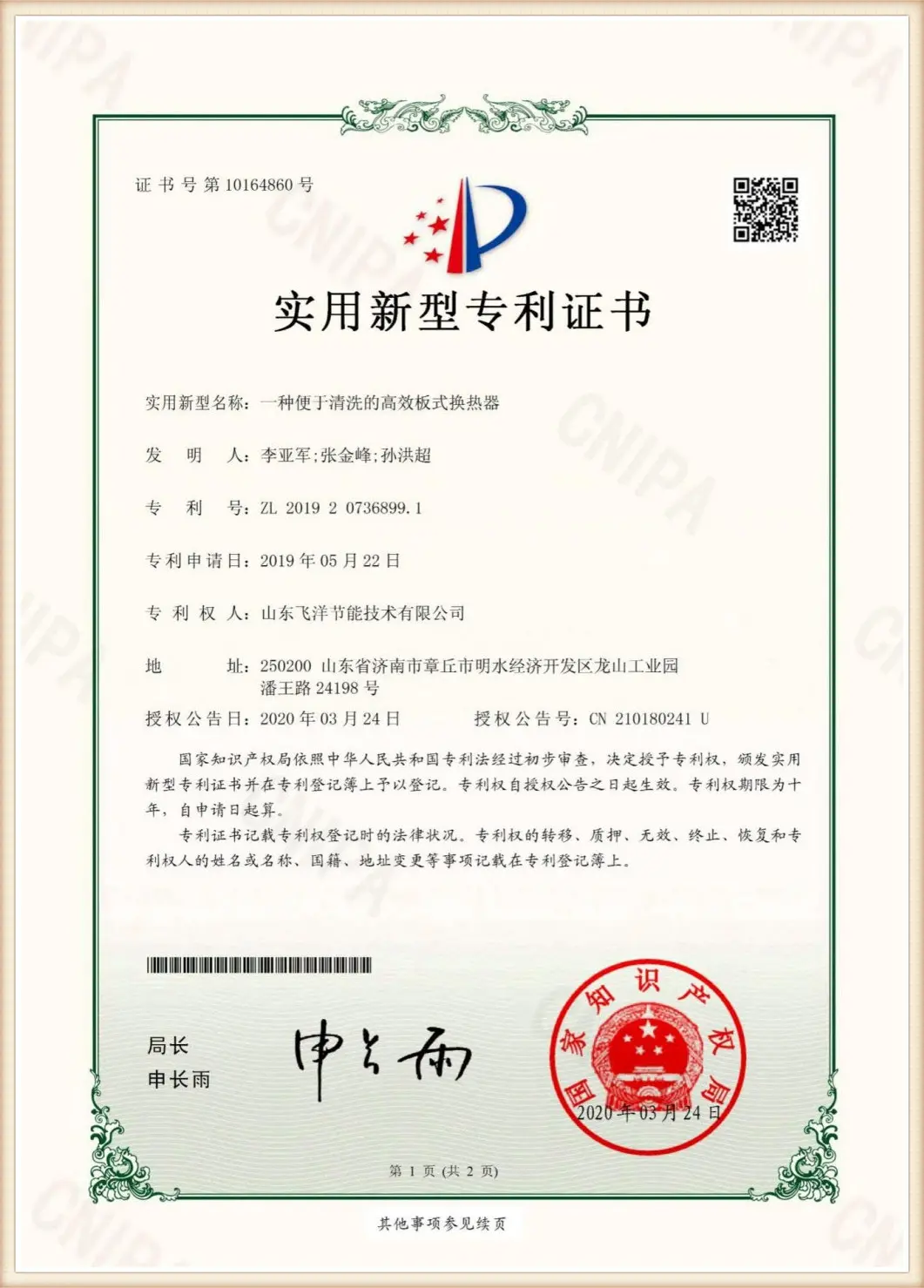
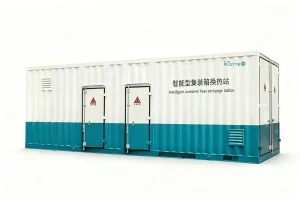
Discover how Flotte's thermal systems are integrated across major industrial operations worldwide.
In centralized district heating, thermal performance dictates energy efficiency across the network. Flotte plate and tube units act as primary barrier isolators between municipal high-pressure steam networks and local heating loops. They transfer thermal energy while protecting local piping from high pressures, helping lower distribution losses and stabilize municipal heating supplies.
Refineries process highly corrosive and hazardous media under extreme pressures. Our custom shell and tube systems are configured to manage high-pressure gases, sour water, and hydrocarbons. Using specialized materials such as duplex stainless steel and titanium prevents stress corrosion cracking, ensuring continuous, safe plant operations.
Hygiene is paramount in pharmaceutical processes. We manufacture double-tubesheet heat exchangers to eliminate the risk of cross-contamination between heating fluids and sterile process streams. Smooth surface finishes and sanitary fittings prevent bacterial growth and support CIP (Clean-in-Place) sterilization cycles.
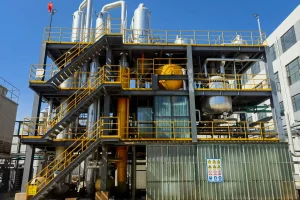
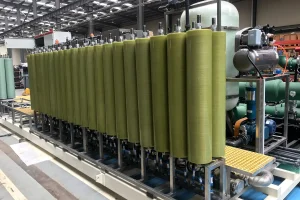
Using our Multi-Effect Evaporation (MEE) and Membrane Concentration Systems, plants can recover up to 98% of process water. These systems concentrate dissolved solids and recover clean water, helping chemical plants and manufacturing facilities achieve zero-liquid-discharge (ZLD) and comply with environmental laws.
Developing next-generation smart heat transfer systems through digitalization, analytics, and material science.
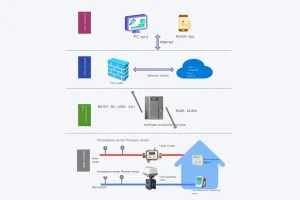
The future of industrial thermal engineering lies in digital connectivity and proactive operation. Flotte is actively developing next-generation intelligent heat exchange systems. By embedding thermal sensors, vibration detectors, and smart valves, our systems provide real-time performance tracking and predictive maintenance alerts.
These smart systems feed performance data directly into our Intelligent Heating Network Monitoring software. This platform uses machine learning to detect early fouling, calculate real-time heat transfer degradation, and schedule cleaning cycles before efficiency drops.
"By utilizing predictive maintenance analytics, plant operators can reduce maintenance-related shutdowns by 40% and extend the operational life of their heat exchanger components."
On the metallurgical front, Flotte is testing advanced surface coatings, including nano-scale hydrophobic treatments. These coatings reduce the adhesion of calcium carbonate scales and chemical residues, maintaining high heat transfer efficiency over longer operating periods.
Get answers to common engineering questions regarding selection, design calculations, and maintenance.
Shell and tube heat exchangers are preferred for high pressures (above 30 bar), high temperatures (above 250°C), and highly abrasive fluids. Plate heat exchangers are selected for space-constrained installations, clean fluids, and close temperature approaches, as they provide high thermal efficiency in a compact footprint.
We use specialized software to analyze fluid velocities at the inlets and crossflow areas. To protect the tubes, we optimize baffle spacing, use support plates, and add impingement plates near high-velocity inlets to redirect incoming fluid stream energy.
Fouling factors vary by fluid. Demineralized water calculations typically use 0.0001 to 0.0002 m²·K/W, while untreated river water or heavy oils require 0.0004 to 0.0006 m²·K/W. We oversize the heat transfer surface area to ensure the unit meets thermal targets even after build-up occurs.
Yes. We design and manufacture all pressure-retaining components to meet ASME Section VIII Division 1, European CE-PED, and Chinese GB150 codes. We hold all necessary licenses and provide complete documentation for local regulatory approval.
By operating consecutive evaporation vessels at progressively lower pressures, the water vapor boiled off in one stage serves as the heating medium for the next. This multi-stage process reuses the latent heat of vaporization, significantly reducing steam requirements.
For high-salinity applications, we recommend Titanium Gr. 1/Gr. 2, Hastelloy C276, or Super Duplex Stainless Steel (SAF 2507). These alloys resist chloride pitting, crevice corrosion, and erosion from high-velocity saline flows.
Explore our complete range of certified heat transfer units, membrane separators, and monitoring systems.
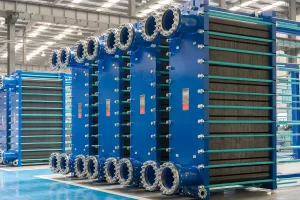
Comprehensive technical listings of our high-efficiency plate exchangers, modular monitoring components, and specialized evaporation units.
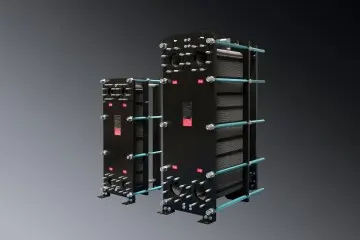
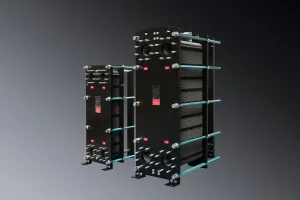
Designed for multi-phase liquid-to-vapor exchange, featuring deep corrugations that create highly turbulent flows to maximize thermal transfer efficiency.
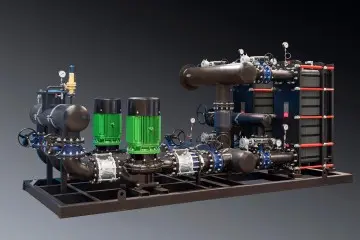
Integrated building heating package with digital controls, automated valves, and compact headers, optimizing district energy usage.
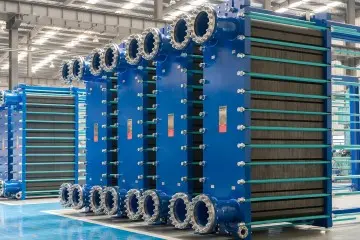
Robust plate units built for gas utility substations and district energy loops to manage large flow variations and thermal stress.
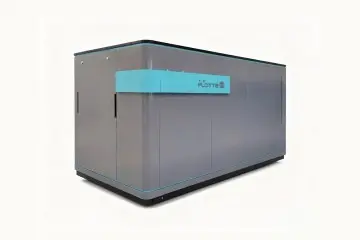
Energy-saving designs that handle ventilation recovery and heat transfers within large commercial buildings and skyscrapers.
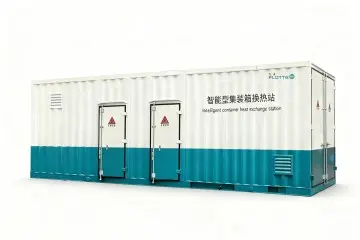
Enclosed, weather-proof, and sound-insulated modular heating packages designed for compact, outdoor commercial installations.
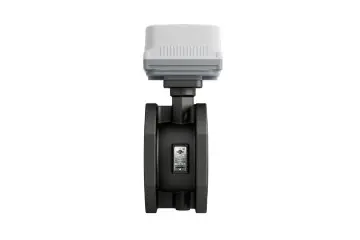
Precision control valves designed to optimize hydraulic balance and eliminate temperature distribution issues across local distribution piping.

Sensors that collect terminal ambient temperatures, sending real-time feedback to help heating plants regulate production.
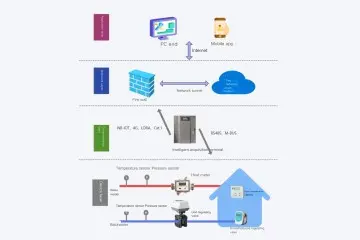
Software and hardware packages that automatically adjust system flow and balance pressures across district networks.
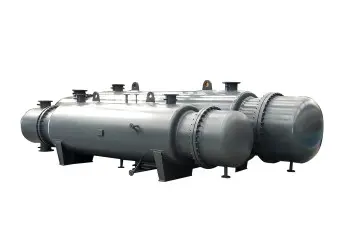
Designed to handle high pressure, thermal shock, and aggressive chemical processing. Built to TEMA and ASME standards.
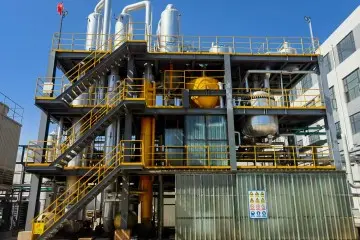
Industrial thermal separation systems engineered for waste volume reduction, product concentration, and steam reuse.
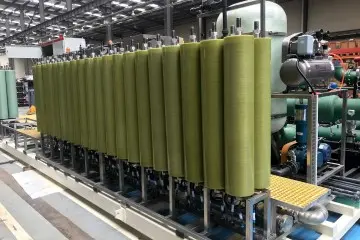
Combines physical membrane filtration and high-pressure separation to concentrate process streams and treat wastewater.
 Flotte Energy