Optimized heat exchange solutions designed to meet localized EU energy performance guidelines and smart grid regulations.
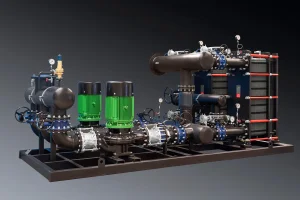
Designed for high-density municipal grids and real-time monitoring integration.
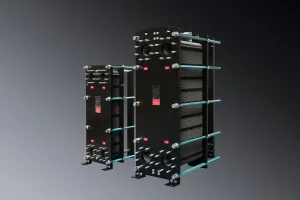
Optimized structure for simple maintenance, minimum downtime, and low flow resistance.
Excellent heat transfer coefficient designed to minimize structural footprint.
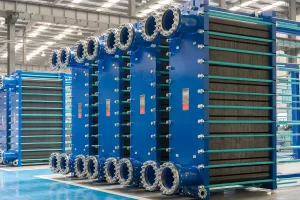
Engineered for high-pressure durability and dynamic load regulation.
As the capital of Germany and a core node in the European industrial network, the Berlin-Brandenburg metropolitan region is undergoing a massive transformation. The energy transition (Energiewende), coupled with strict municipal guidelines such as the Berlin Climate Protection and Energy Transition Act (EWG Bln), places unprecedented demand on regional industrial processes and thermal management systems. For factories, power plants, data centers, and pharmaceutical campuses across Berlin-Adlershof and the wider Brandenburg region, efficiency is no longer an option—it is a legal and financial imperative.
In this demanding landscape, Plate Coils and advanced detachable plate heat exchangers serve as critical equipment. By offering higher thermal efficiency with smaller physical footprints, plate coil systems allow local plants to optimize space, reduce energy consumption, and significantly lower carbon emissions. These systems are especially critical in district heating networks, where waste heat from combined heat and power (CHP) plants is redirected to residential and commercial sectors. Finding reliable exporters who understand local safety, compliance, and material engineering standards is a top priority for procurement managers throughout the Berlin market.
Berlin operates one of the largest district heating networks in Western Europe. Upgrading older sub-stations with intelligent, highly-efficient plate heat exchangers is key to maintaining hydraulic balance and reducing energy waste.
All pressure equipment operating within Germany must strictly adhere to the Pressure Equipment Directive (PED) 2014/68/EU and carry the CE mark, ensuring high material integrity and structural safety.
Precision temperature control is vital for Berlin's life sciences sector. Corrosion-resistant plate coils made from Grade 1 Titanium or 316L Stainless Steel are required to prevent cross-contamination.
Established in 2013 with a robust registered capital of 101 million yuan, Flotte Energy Saving Company trace our engineering pedigree back to 1995 with the founding of Flotte Thermal Engineering. With thirty years of profound industry experience, we specialize in high-performance water equipment, HVAC systems, and water treatment solutions. Our focus has always been on researching, developing, and manufacturing products that push the limits of efficiency.
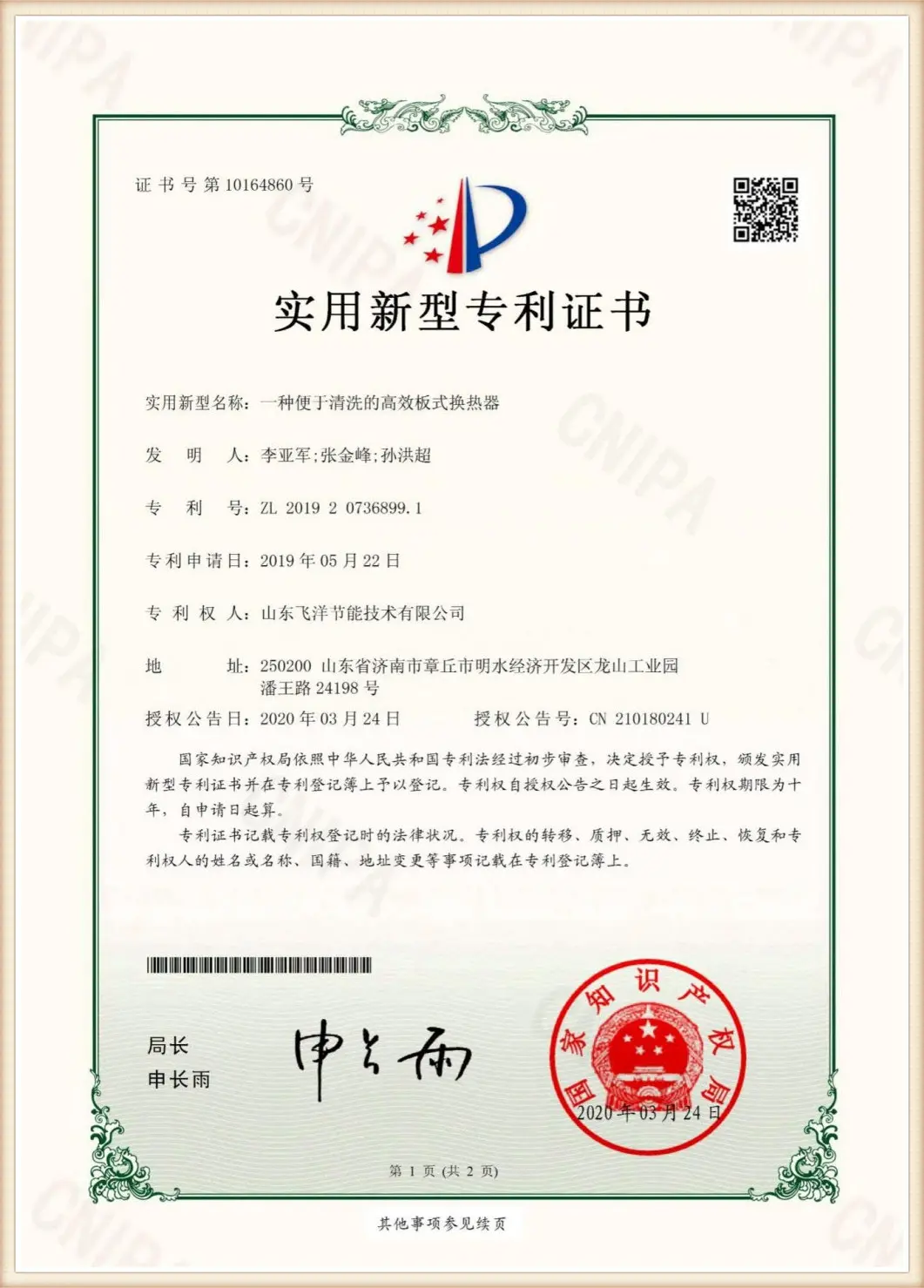
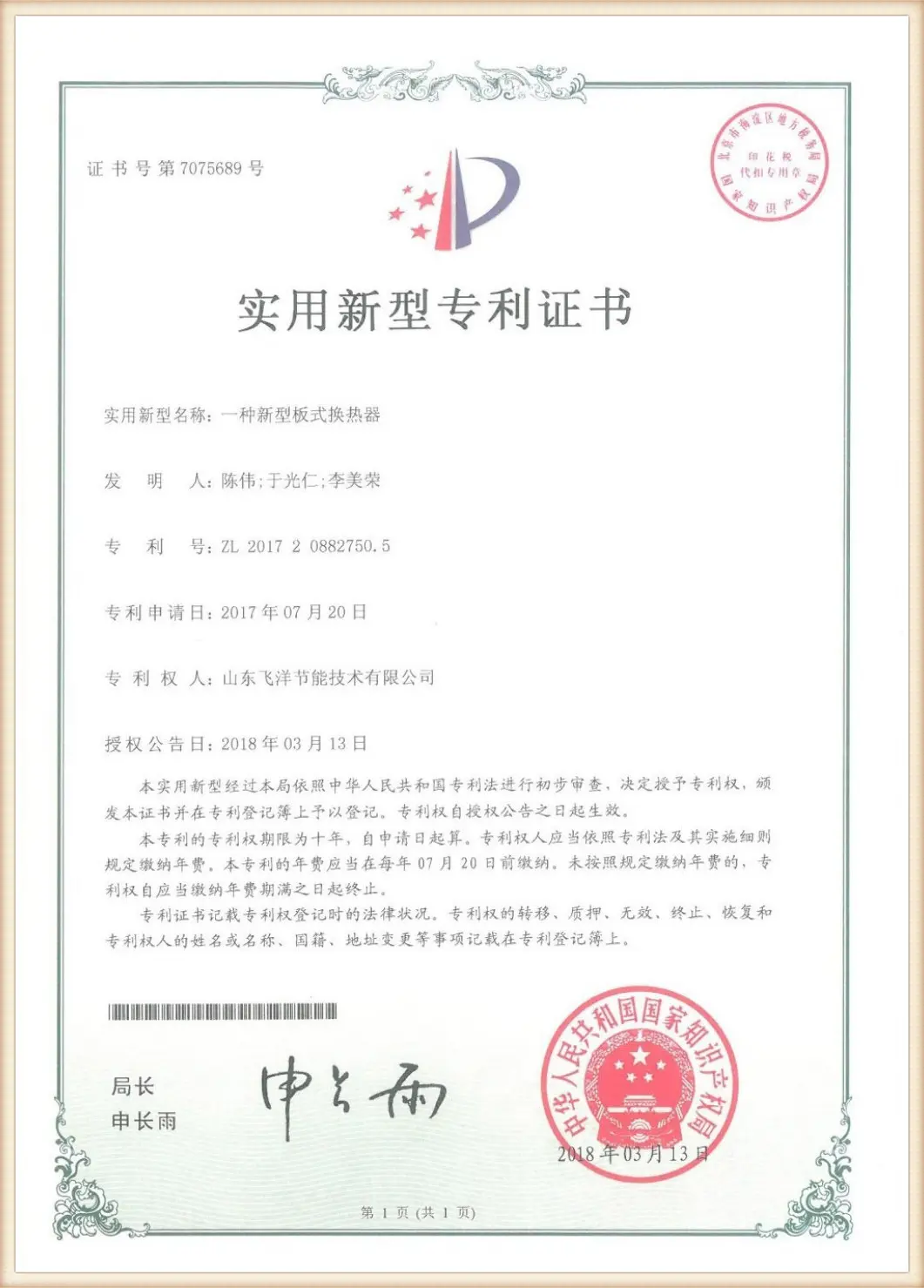
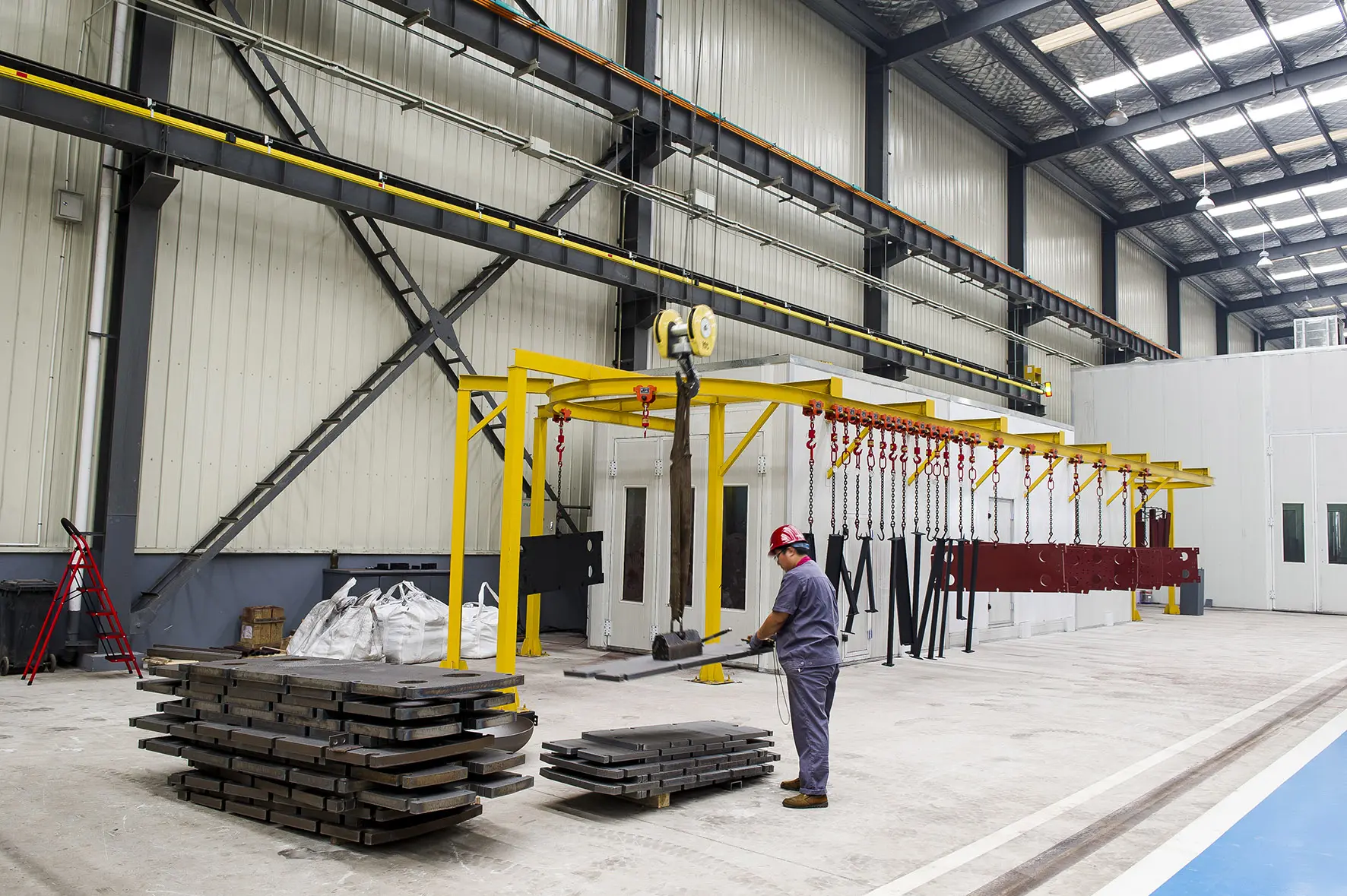
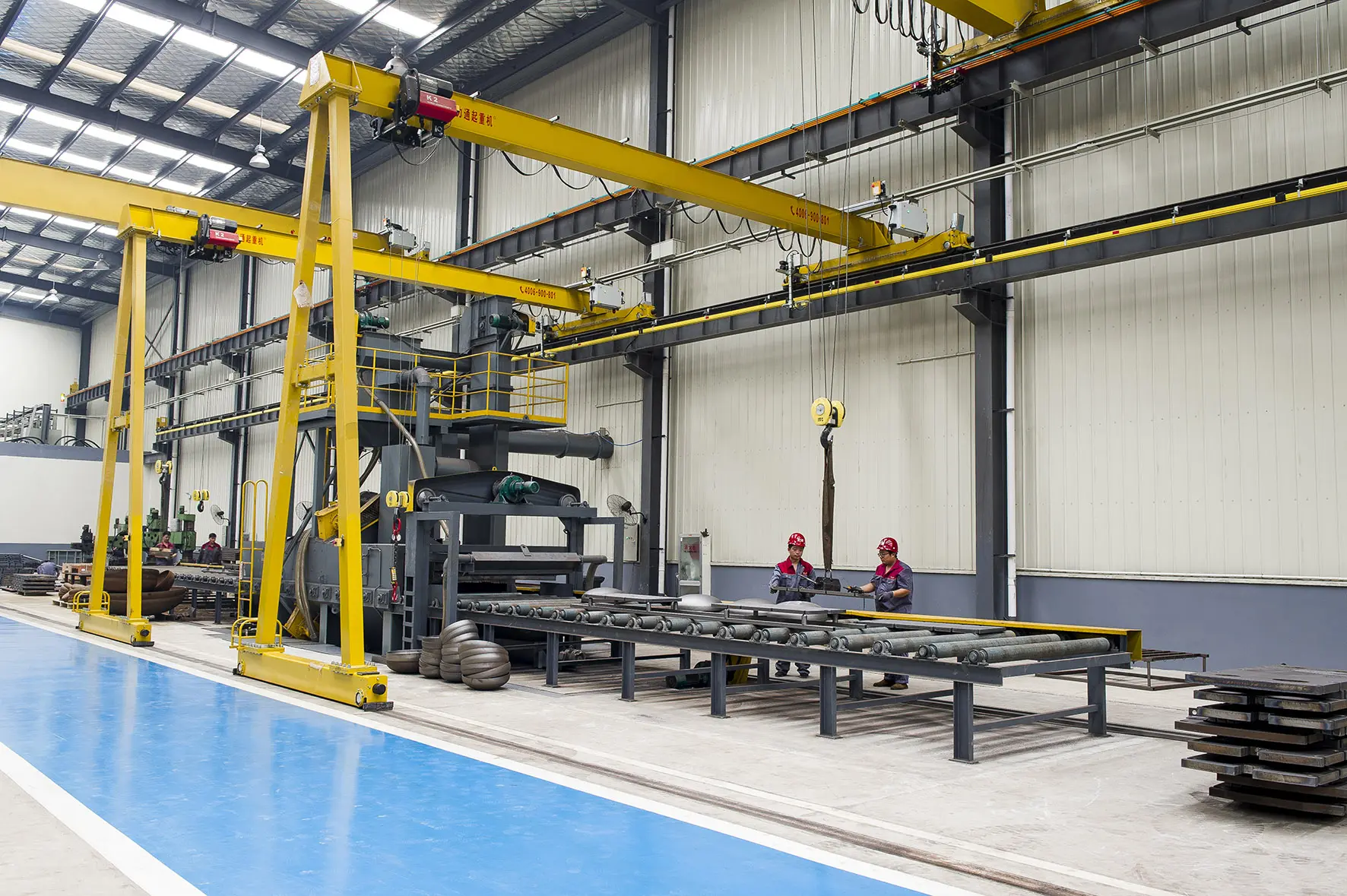
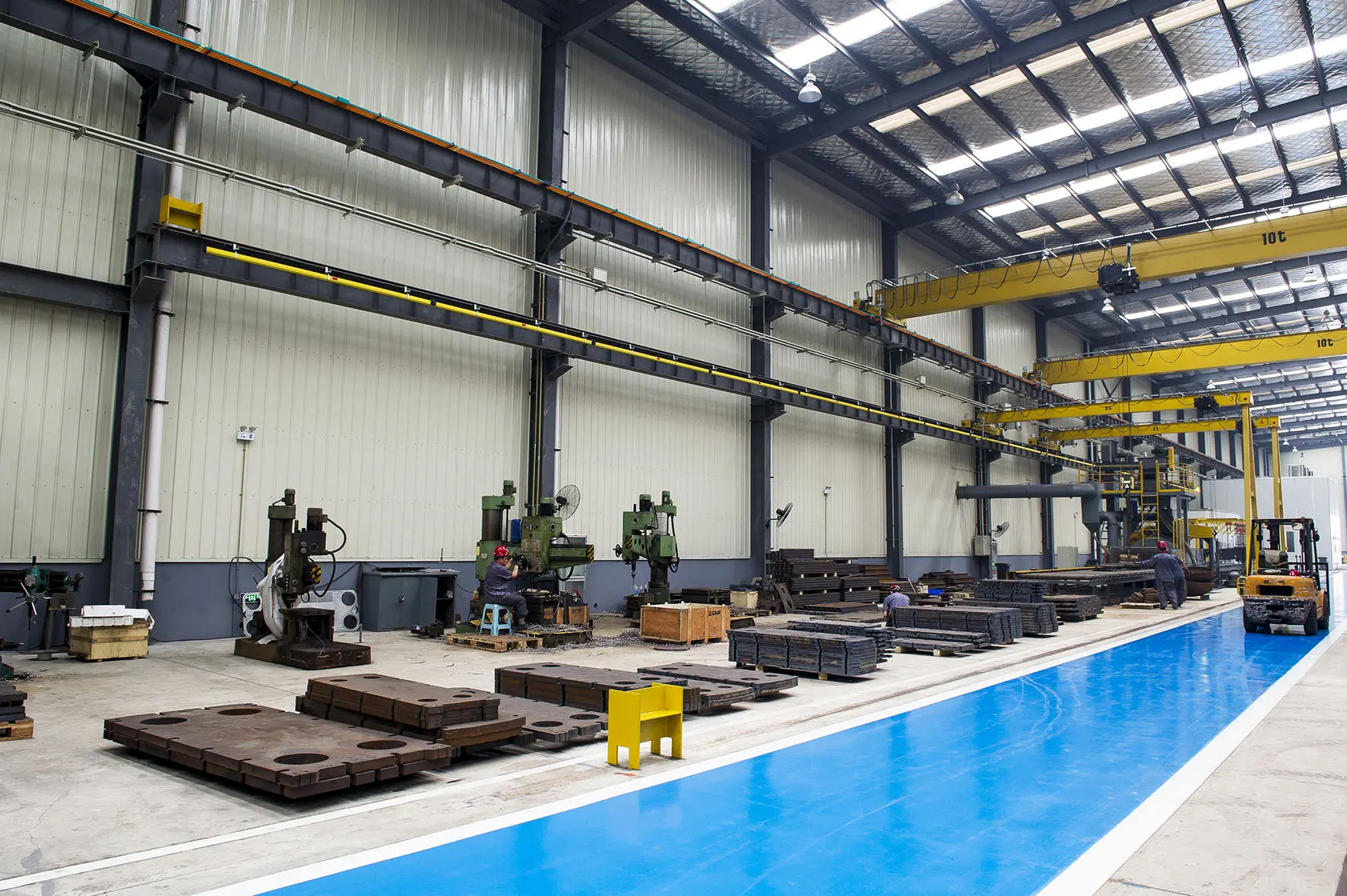
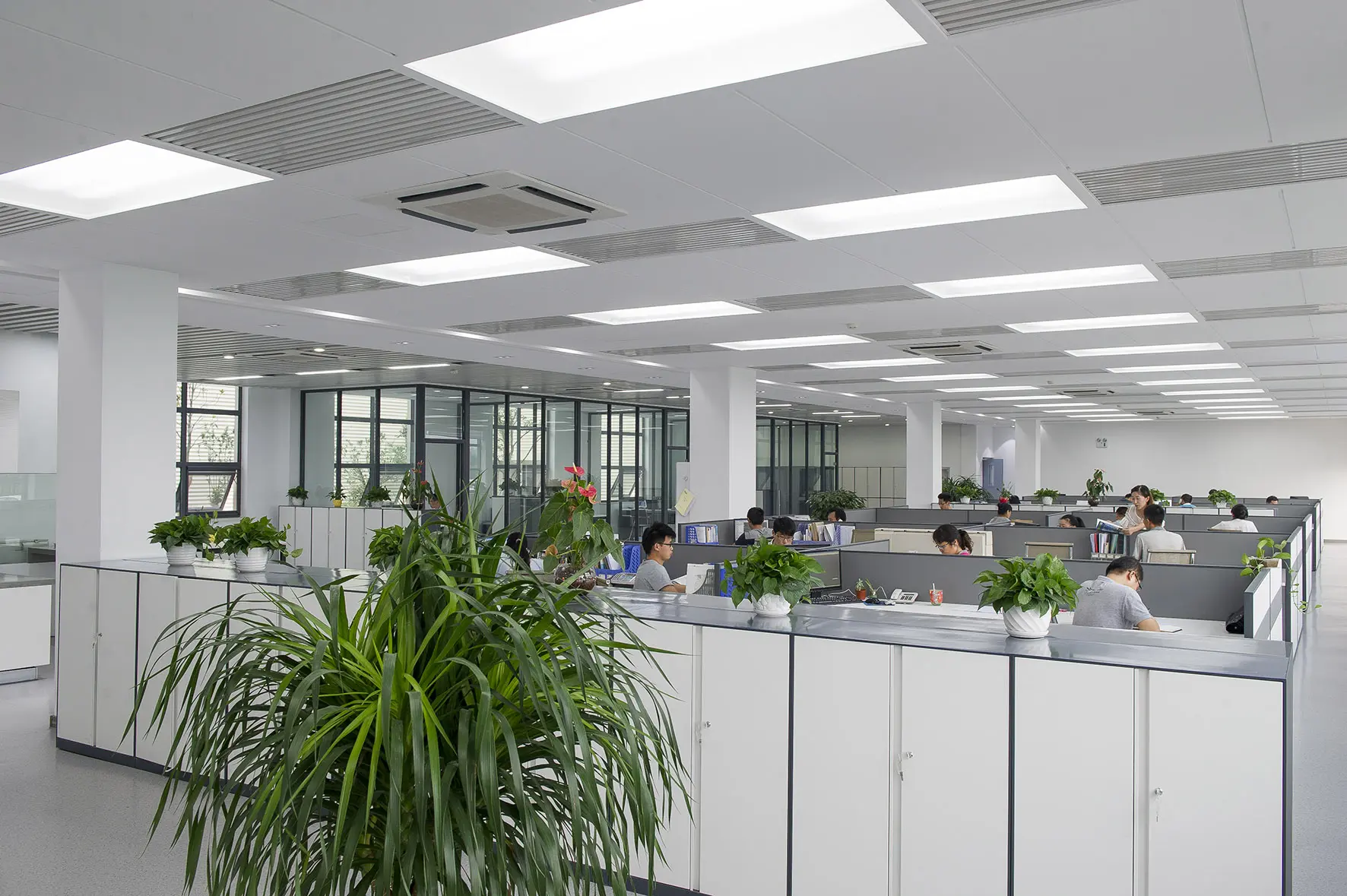
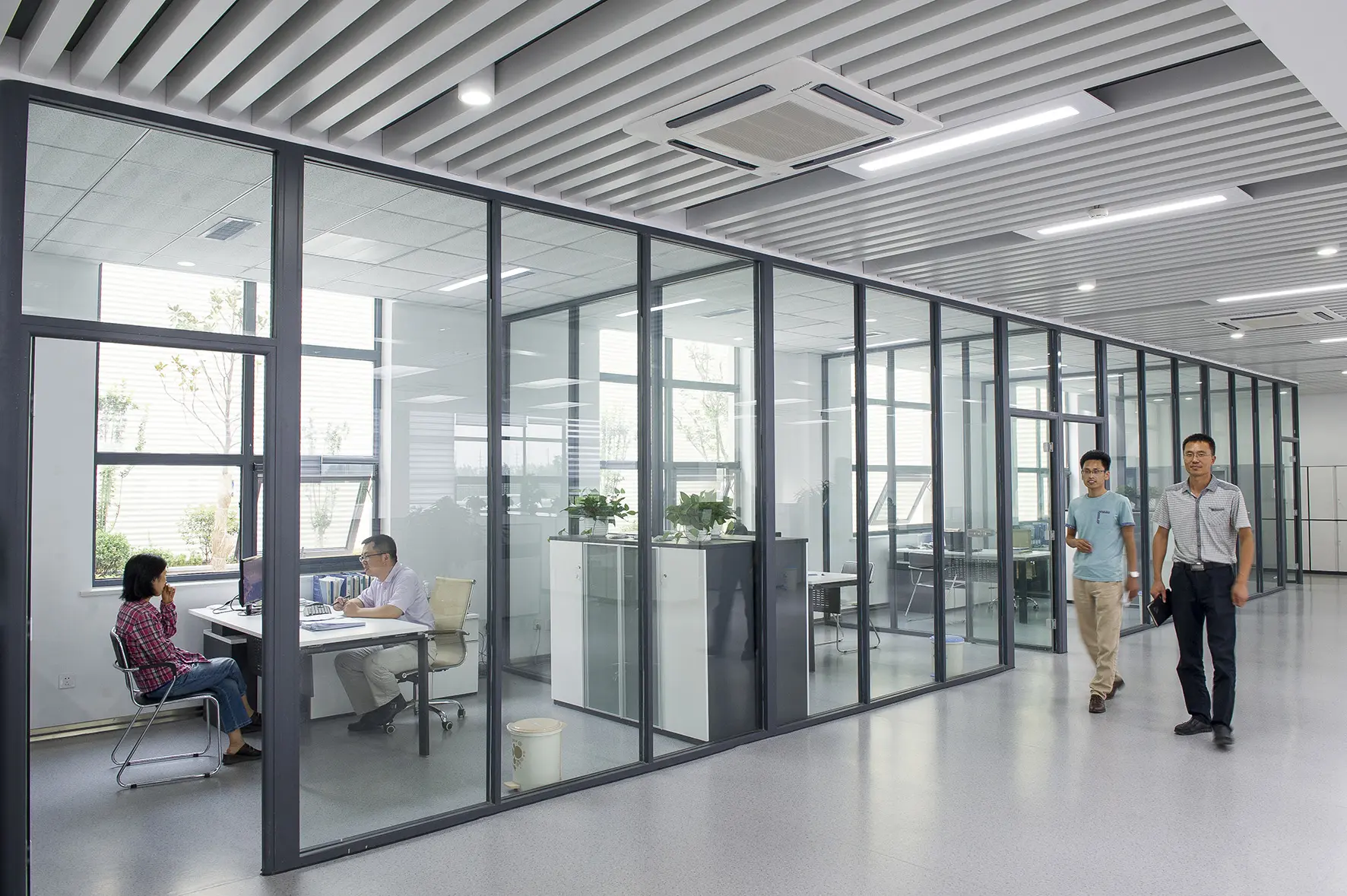
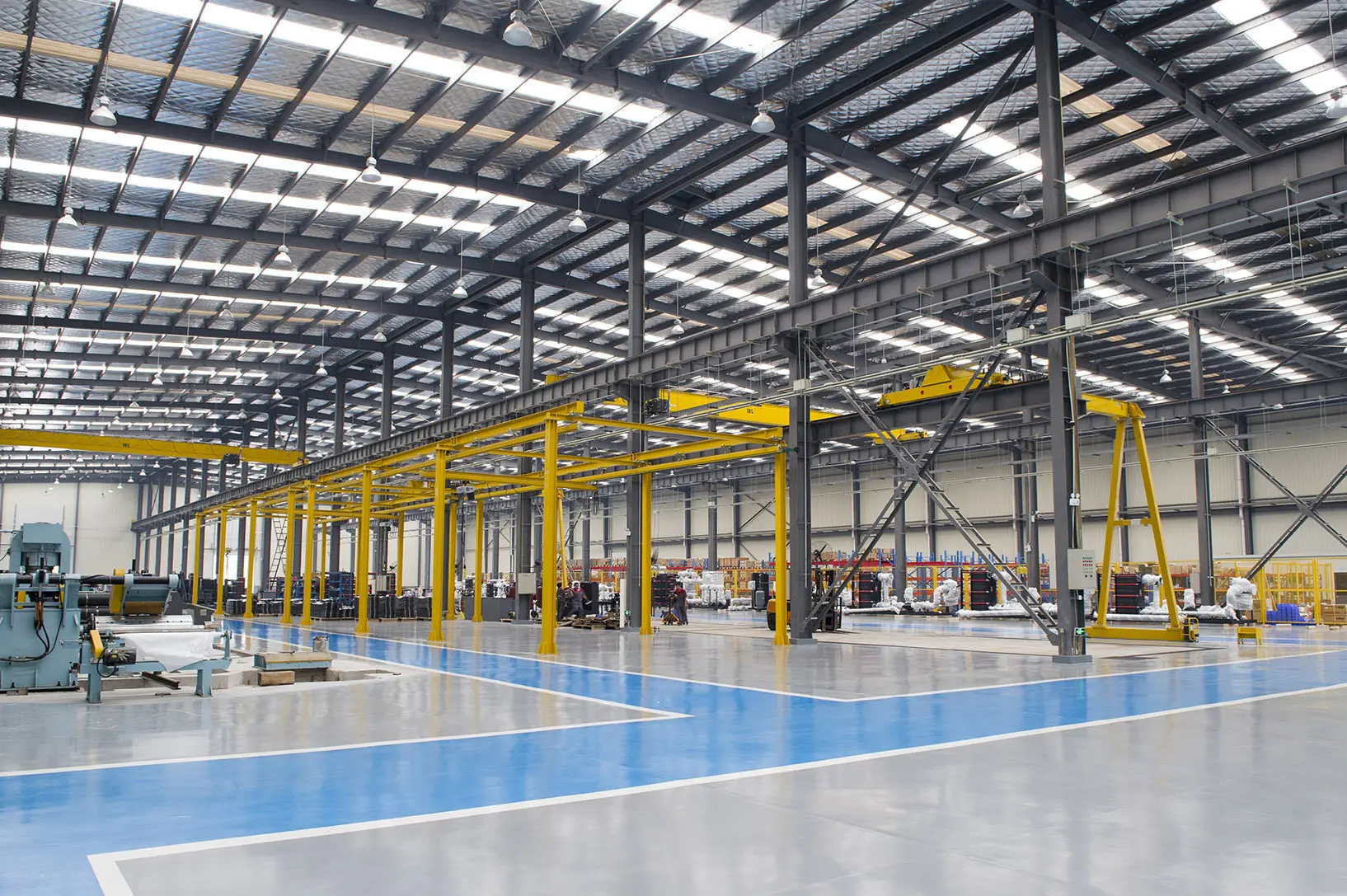
We operate modern production workshops equipped with advanced manufacturing and quality inspection facilities. All frontline production staff are certified technicians who have undergone rigorous formal training. Production processes, quality control, and service operations strictly adhere to the ISO 9001:2015 international quality management system, while also complying with the pressure vessel quality assurance framework. Our products undergo mandatory inspections by national quality supervision authorities, ensuring full compliance with performance standards.
Moving forward, the company will continue to thrive in the industry by maintaining cutting-edge technologies, providing premium products and professional services, while ensuring that past, present, and future users can rest assured about after-sales support.
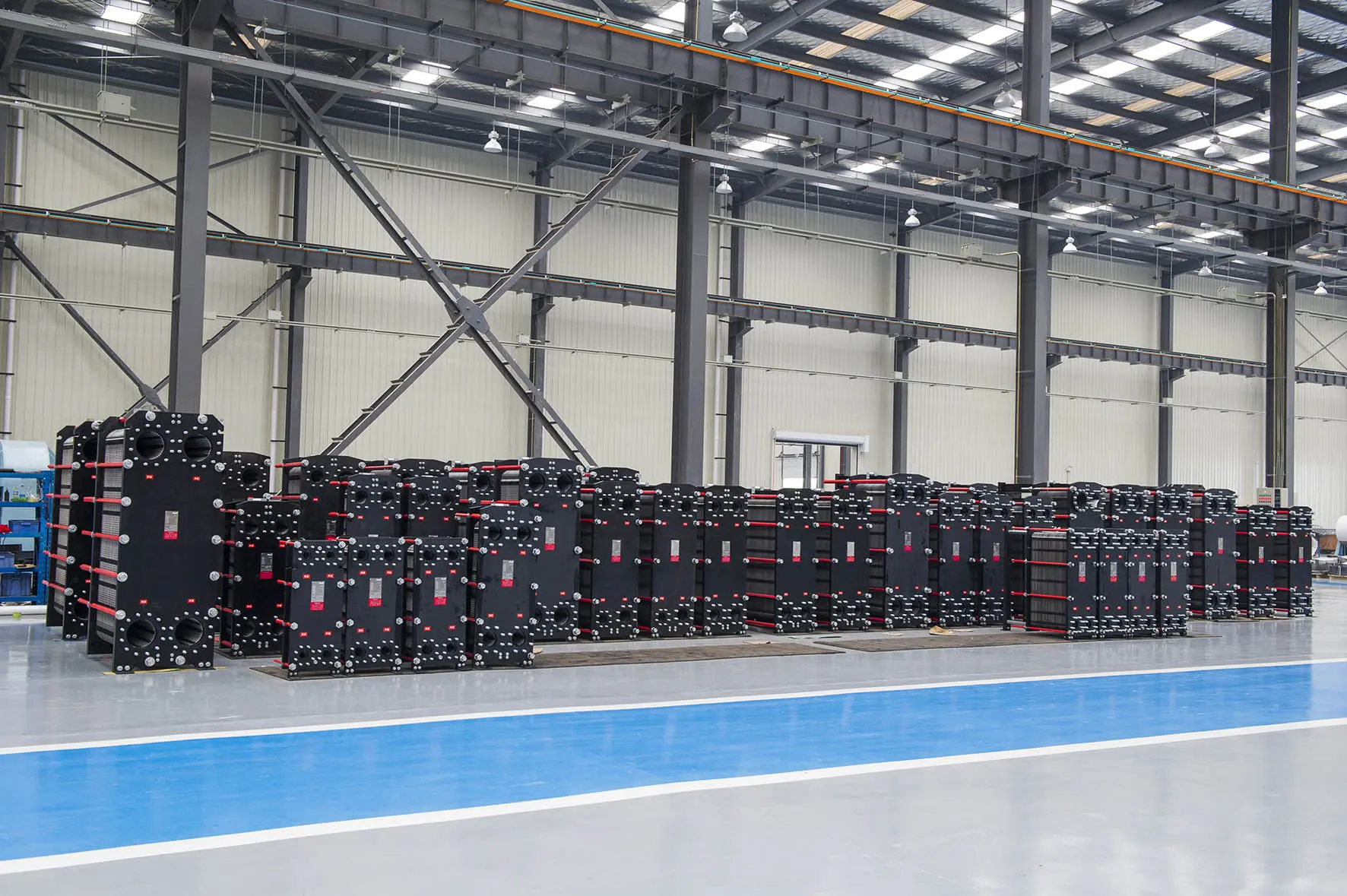
Every plate coil, thermal unit, and shell and tube system is manufactured using state-of-the-art technologies and tested under extreme pressures.
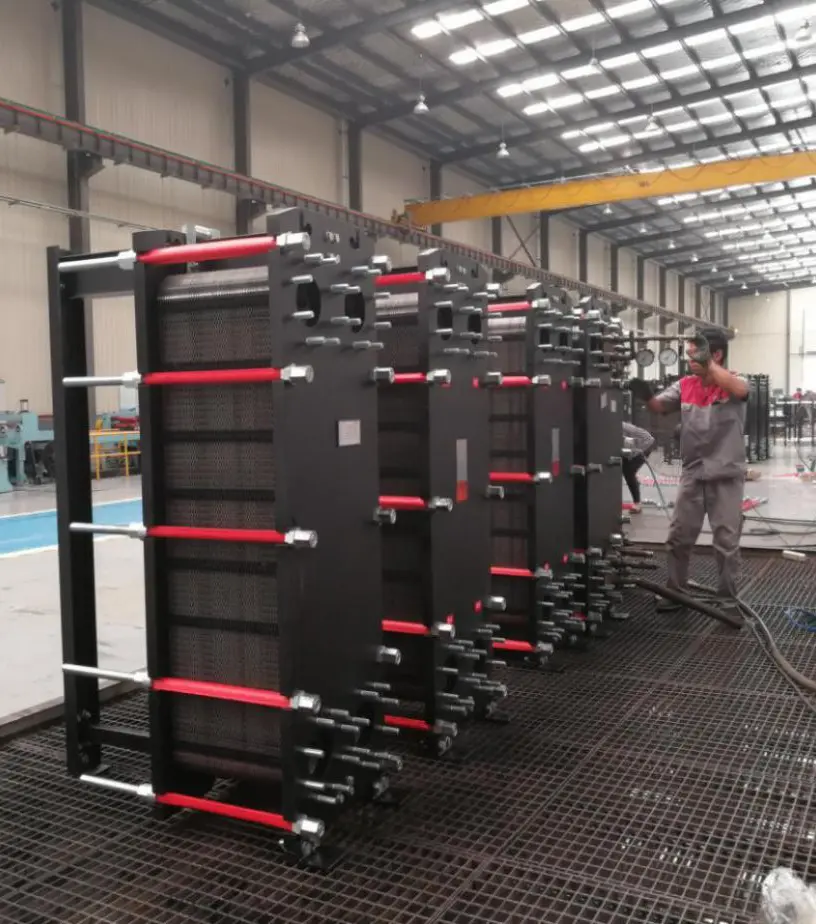
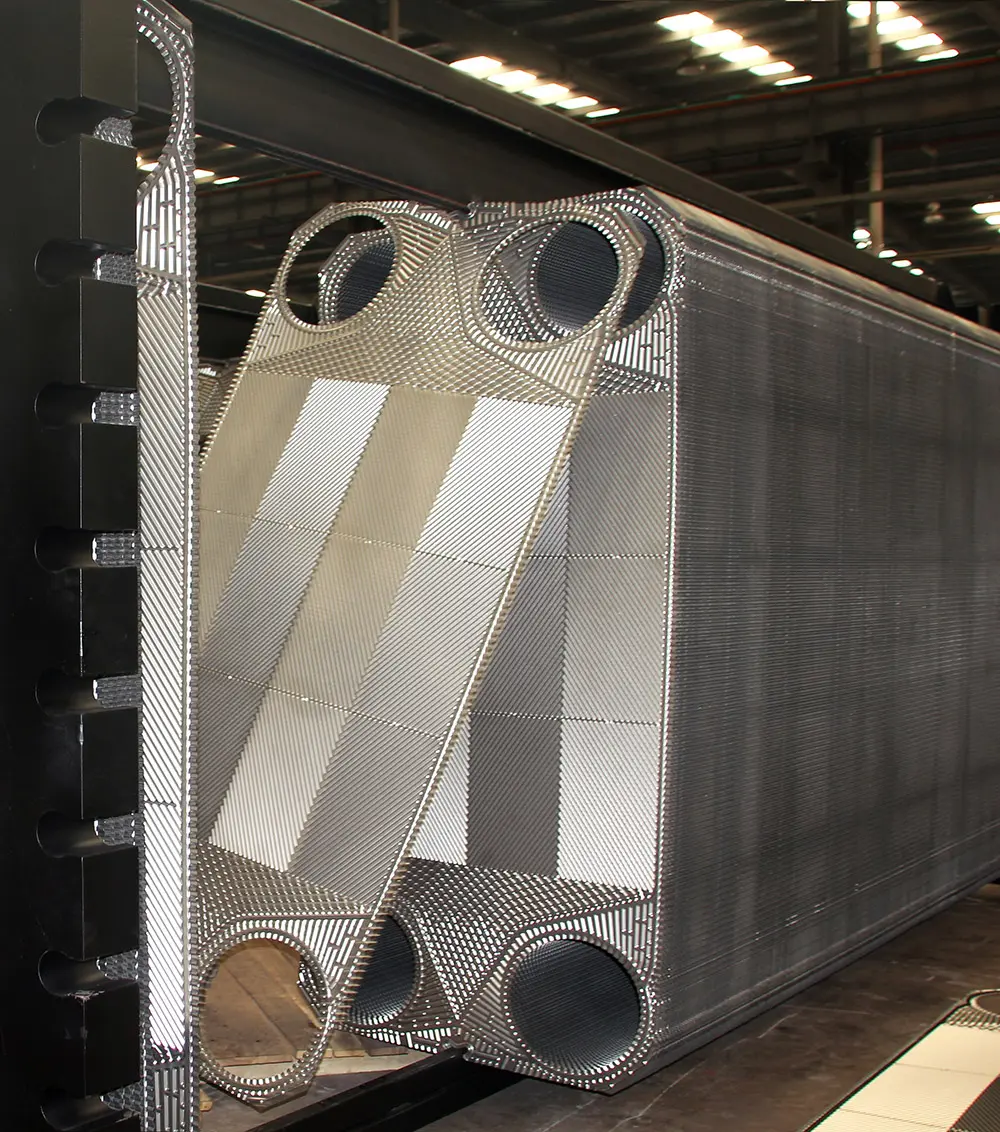
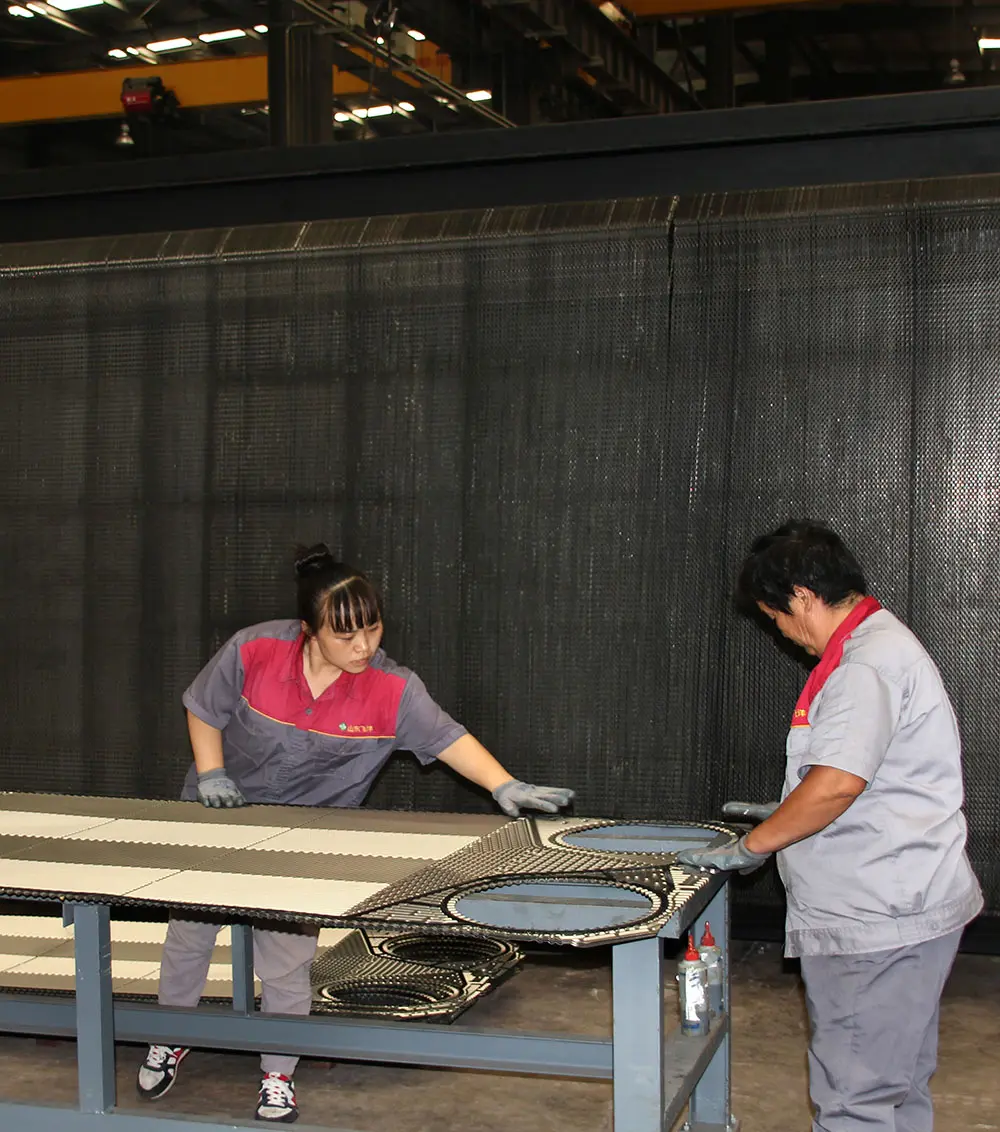
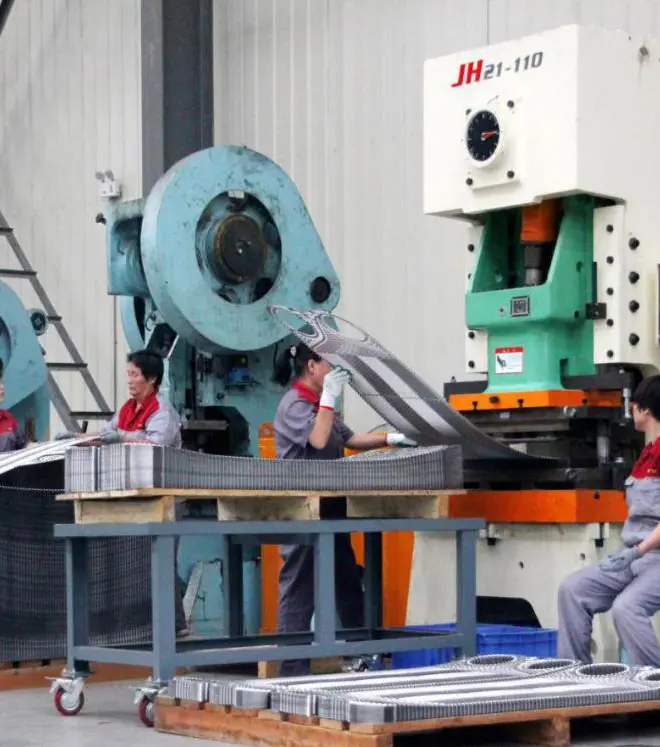
Thermal management systems represent the single largest vector for energy conservation in modern manufacturing and district HVAC setups. Industrial plate coils and heat exchangers transfer thermal energy between fluids through corrugated metal plates. The design of these corrugations is key to achieving optimal performance. By generating high-frequency turbulence at low fluid velocities, our plates achieve a heat transfer coefficient that is 2 to 3 times greater than traditional shell-and-tube systems.
Traditional shell and tube structures exhibit laminar flow regions near the tube walls, creating an insulating thermal boundary layer that hinders efficient heat transfer. In contrast, our plate coils utilize a specialized chevron corrugation pattern. As fluid passes through the narrow channels between plates, it undergoes continuous direction changes, inducing intense micro-turbulences. This turbulence disrupts the thermal boundary layer and maintains high heat transfer rates even under low flow conditions. Additionally, the shear stress generated by the turbulent flow helps clean the plate surfaces, reducing scaling and extending maintenance intervals.
Industrial applications in Germany require strict material compatibility. Depending on the process media, we offer custom fabrications using several key alloys:
A plate heat exchanger is only as reliable as its gaskets. We select premium elastomeric materials configured with glueless "Clip-on" or "Snap-on" designs for quick replacement during maintenance. Our primary gasket materials include NBR (for oil and water applications up to 140°C), EPDM (for steam, water, and weak acids up to 160°C), and FKM (Viton) for highly chemical-intensive applications up to 180°C.
By implementing a robust quality assurance system and sourcing certified raw materials, we ensure our gaskets can withstand the dynamic thermal cycles common in regional district heating grids.
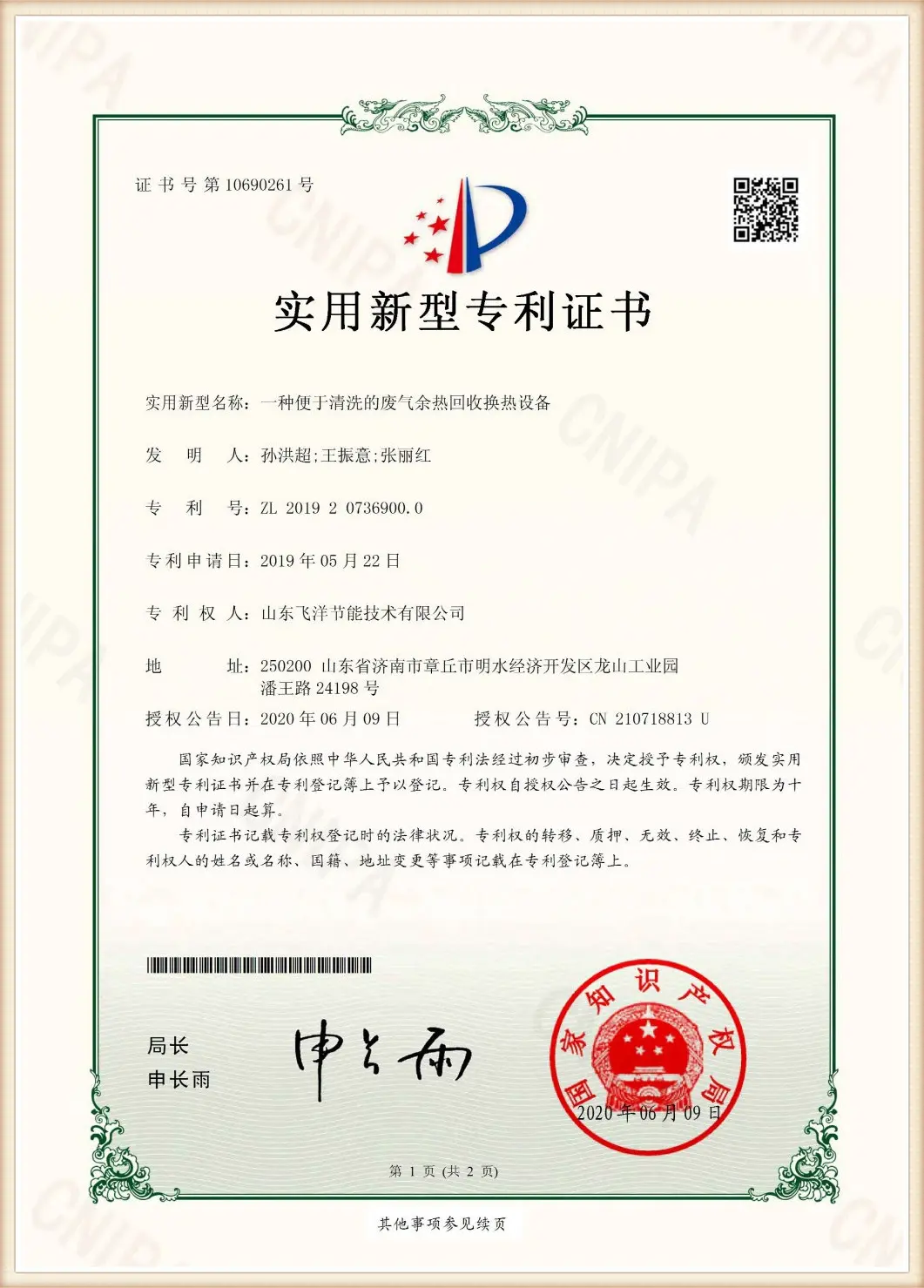
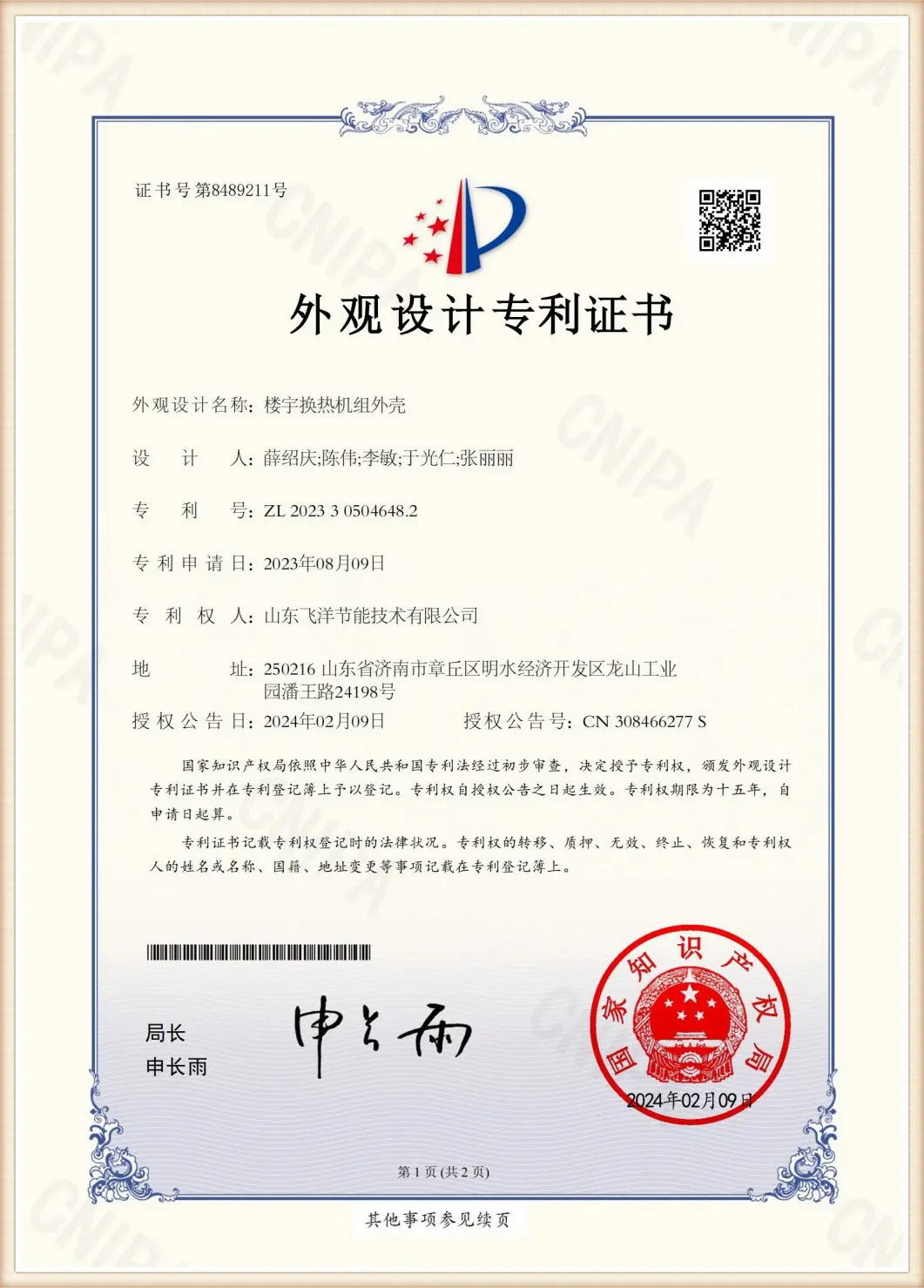
Our operations strictly conform to the highest safety and environmental frameworks, assuring reliable performance on European and global grids.
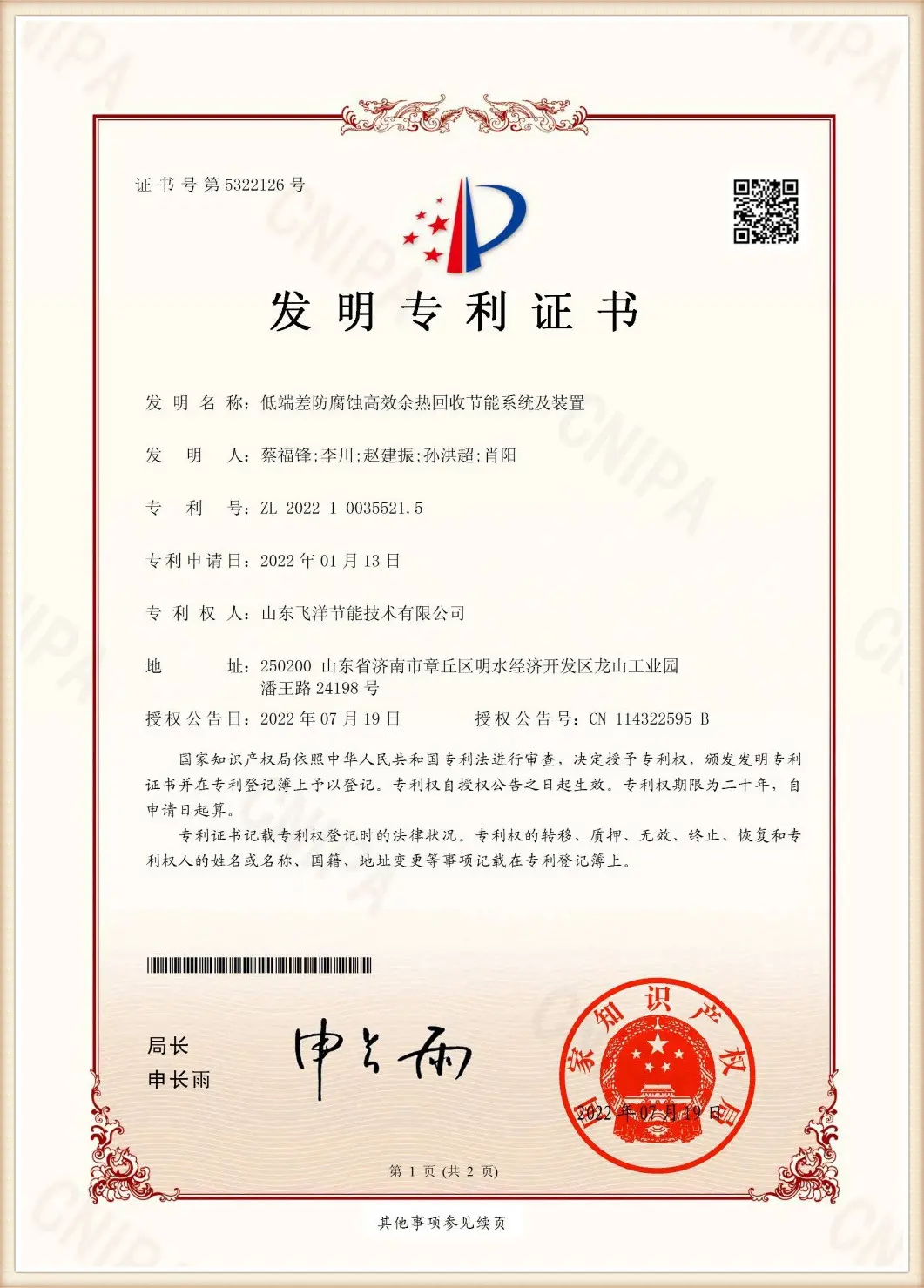
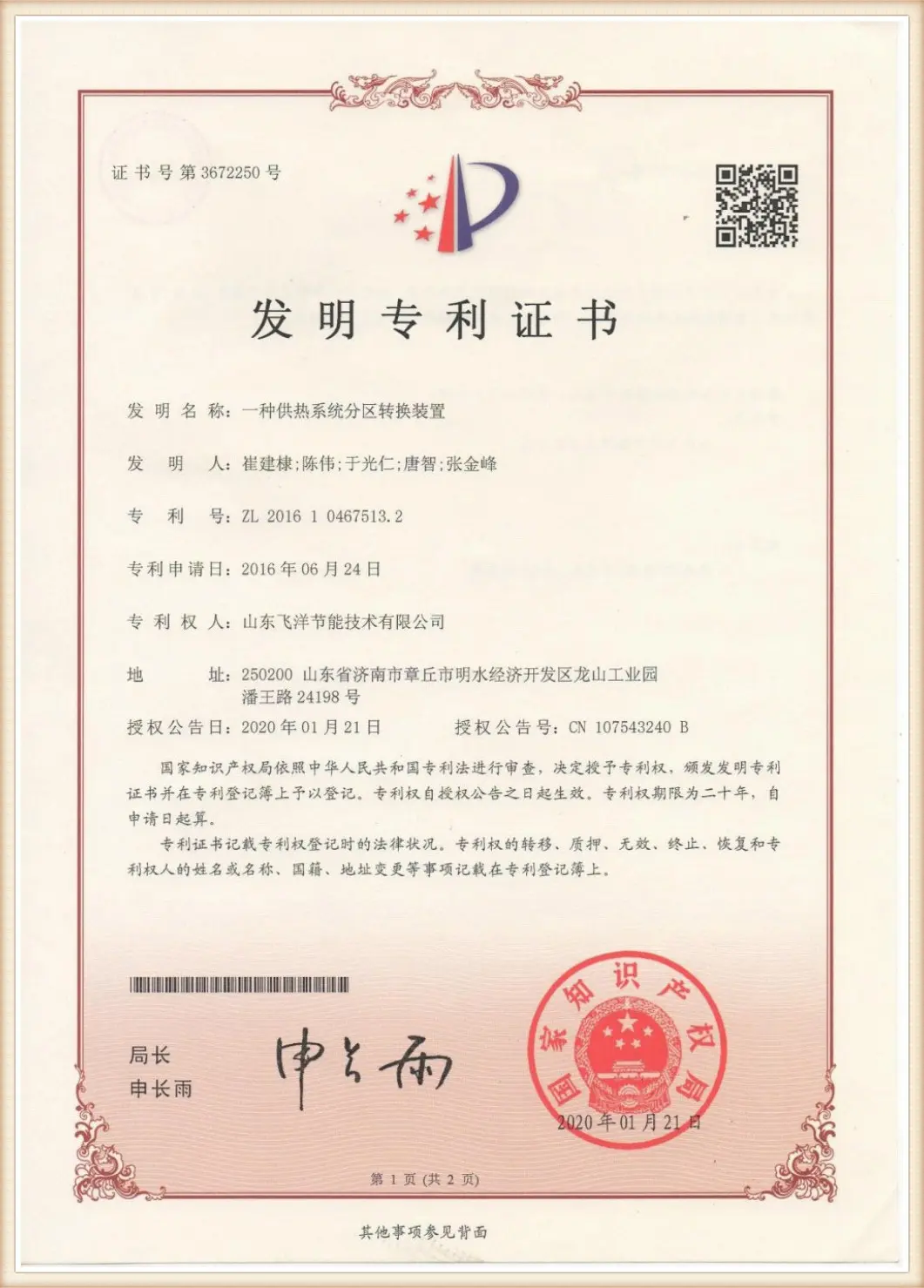
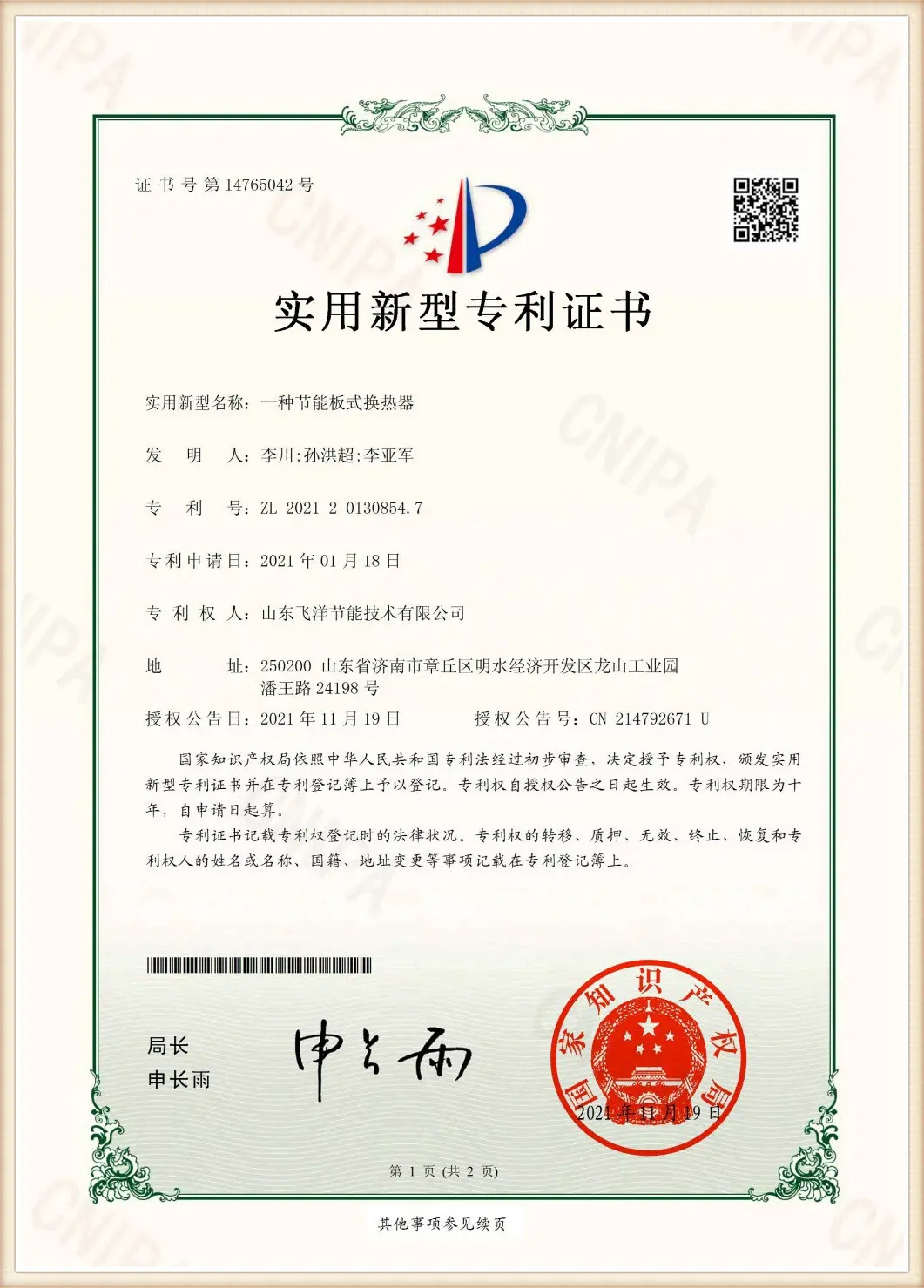
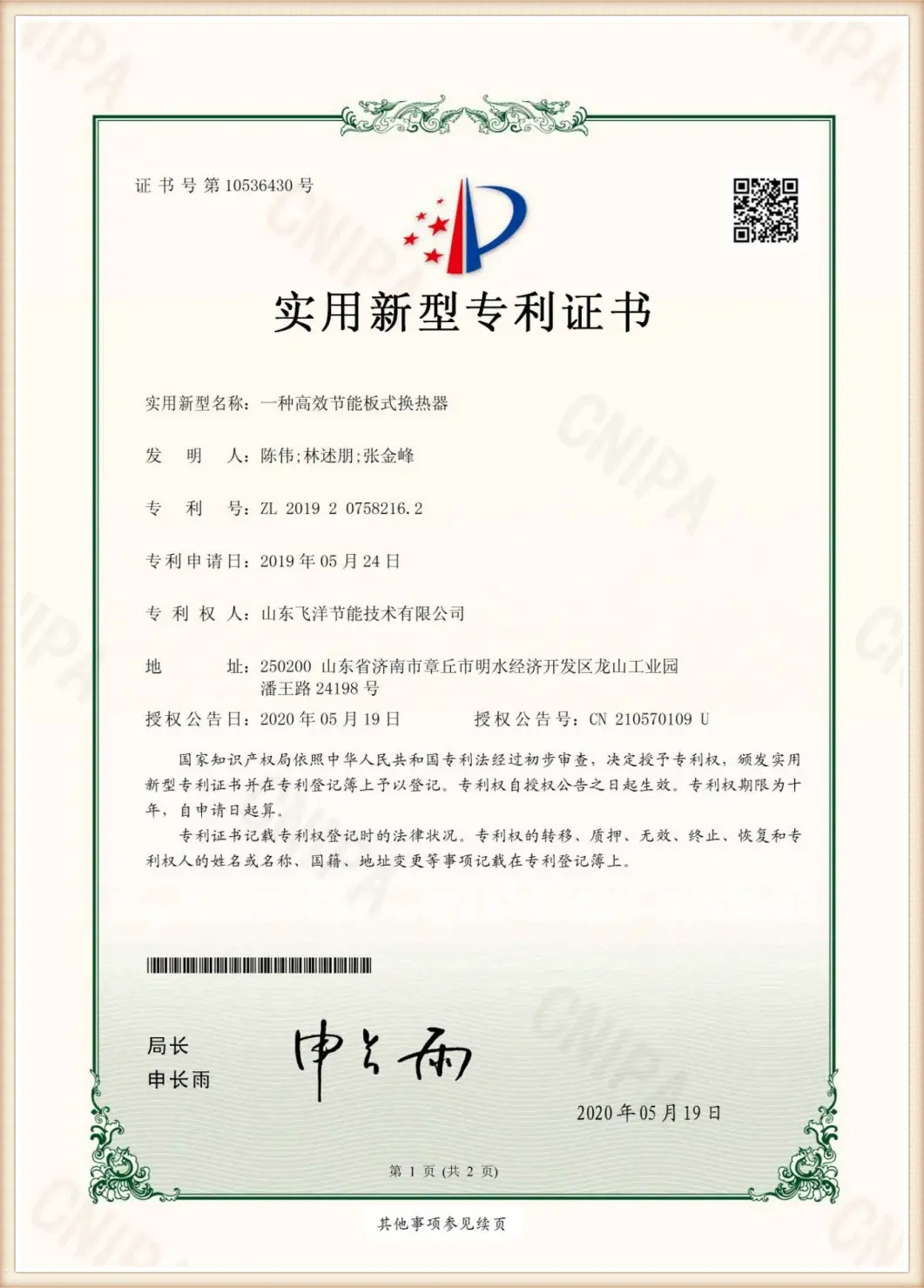
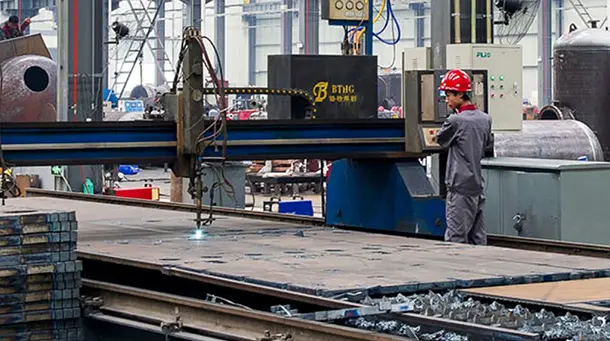
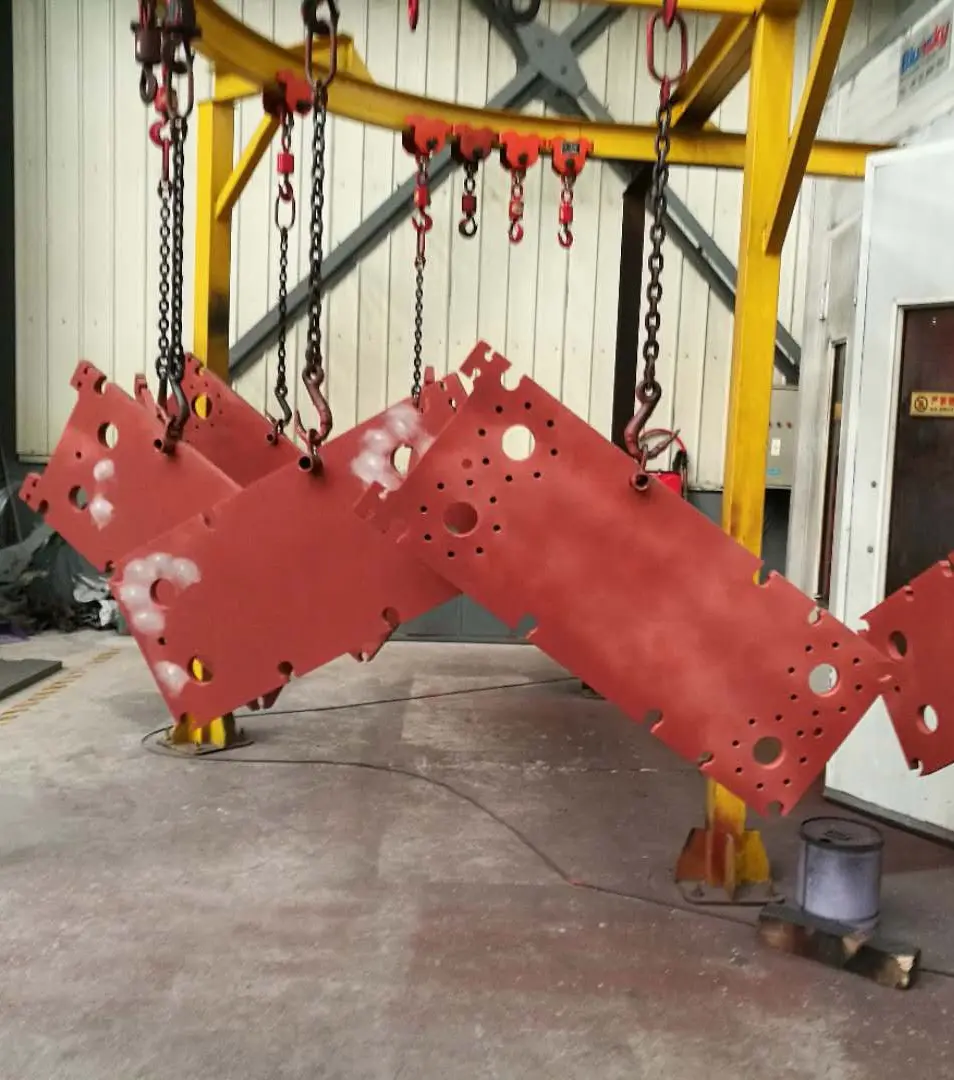
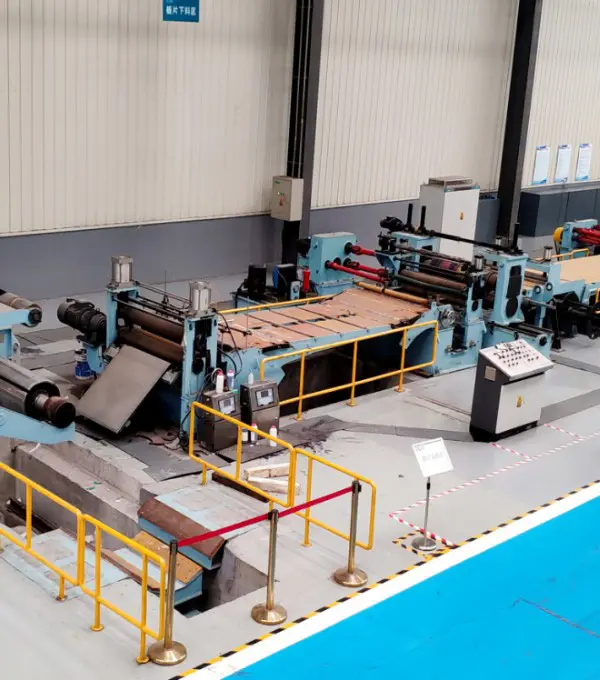
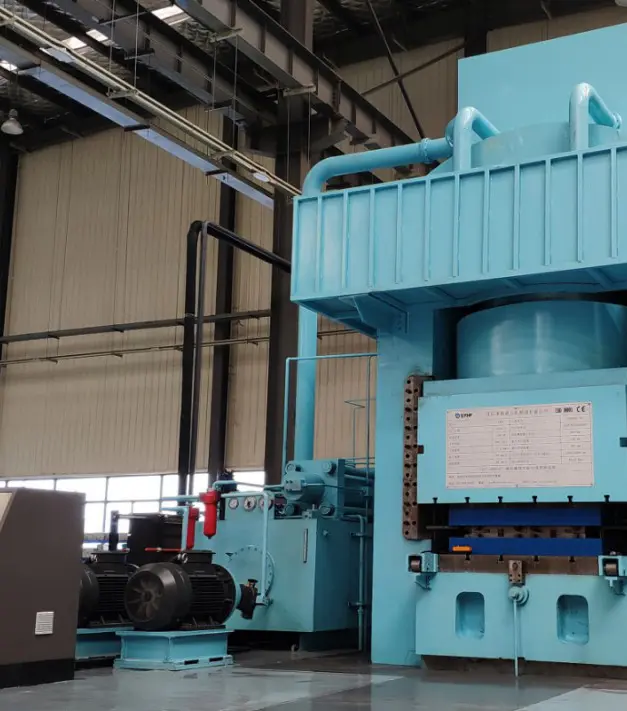
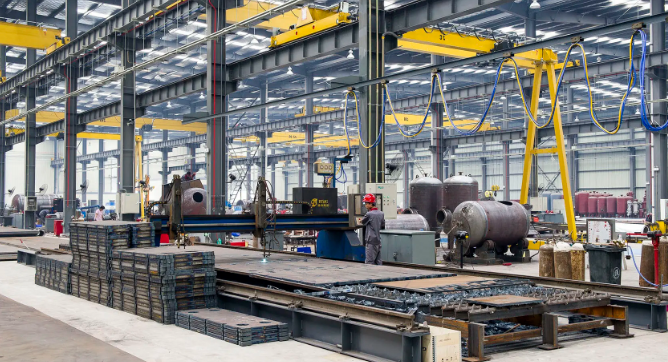
A glimpse inside our specialized fabrication workshops, heavy hydraulic presses, and automated testing bays.

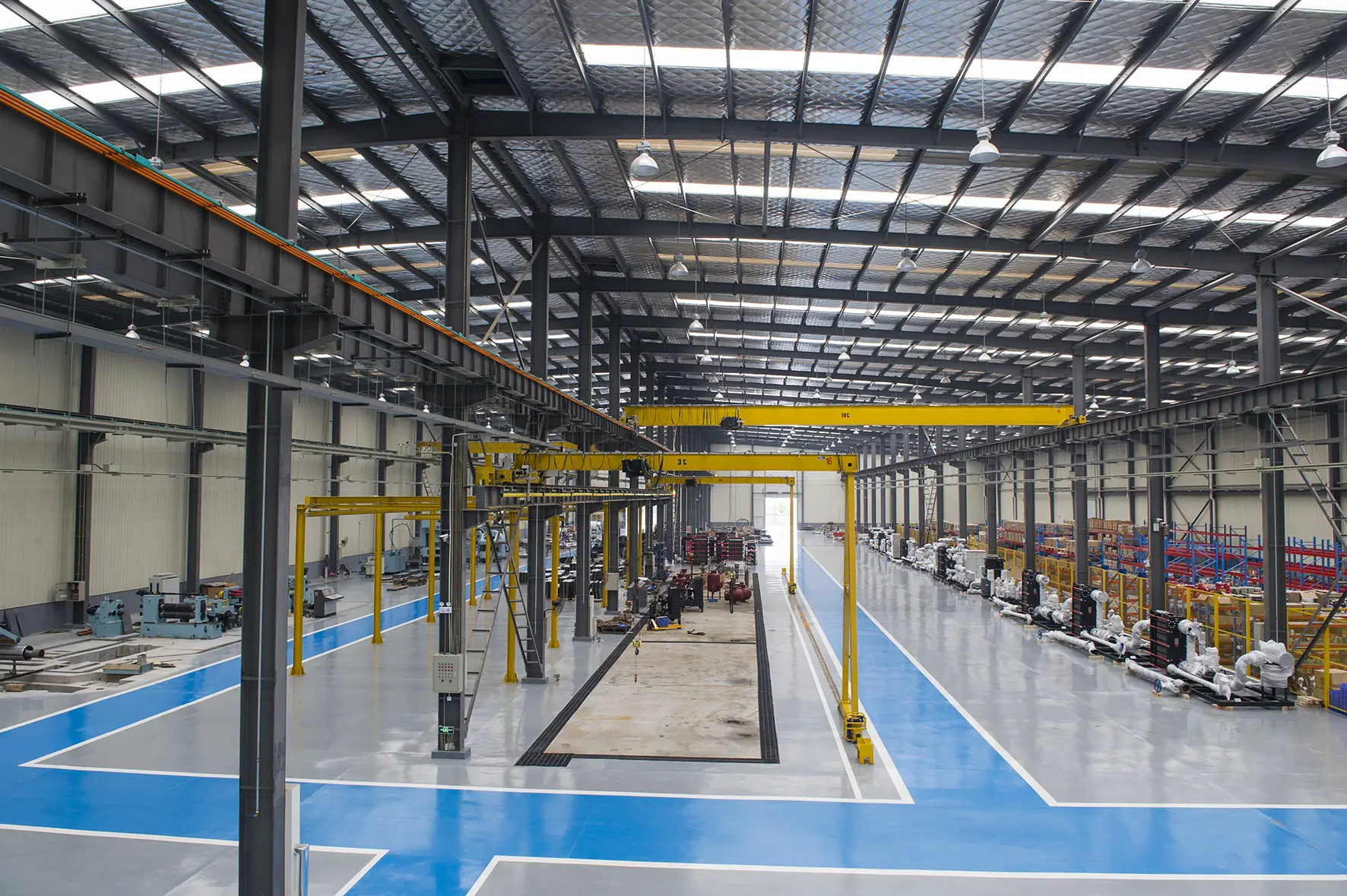
Procure standard components or custom solutions engineered to reduce operating expenses and meet European heating standards.
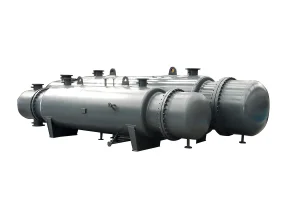
Designed for high temperatures and pressures, ideal for heavy industrial setups.
Heavy-duty construction optimized for continuous industrial fluid management.
High flow capacity with minimal pressure drop, suitable for HVAC cooling.
Compact design with built-in sensors for smart building energy systems.
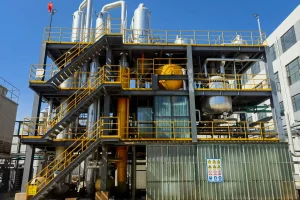
Optimized for chemical waste processing and high-efficiency steam recovery.

Provides accurate feedback for automated valve and heating station controls.
Features an integrated controller, variable frequency pump, and heat meter.
Utilizes secondary steam to significantly reduce overall plant power requirements.
Modern European district heating works by feeding heated water from central plants through underground piping to end-user sub-stations. In the Berlin market, municipal operators demand real-time telemetry and automated load-balancing systems to match supply with demand. Our smart subsystems, such as the Intelligent Heat Exchange Unit, integrate variable frequency pumps, control valves, temperature sensors, and plate heat exchangers into a single, pre-calibrated package.
Additionally, for larger municipal gas distributions or industrial facilities, products like our Detachable Plate Heat Exchanger for Pressure Regulating Stations play a vital role. These stations require precise thermal injection during pressure reduction steps to prevent gas lines from freezing due to the Joule-Thomson effect. Without high-reliability heat exchangers, local gas distribution lines risk structural failure.
In hydronic systems, uneven flow distribution across secondary pipe networks leads to uneven heating and energy waste. Flotte's smart balancing components address this challenge directly:
By implementing these high-tech systems, plant managers in Berlin and across Europe can reduce energy consumption by up to 25%, while cutting carbon footprints to meet municipal standards.
Expert technical answers addressing procurement, compliance, and material engineering for plate coils and thermal exchange systems in Germany.
Reach out to our application engineers for custom thermal calculations, technical specifications, and detailed commercial offers tailored to your project.
 Flotte Energy