Premium heat exchangers and network monitoring solutions tailored to meet the dynamic thermal regulation challenges of high-ambient desert environments.
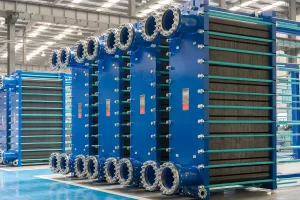

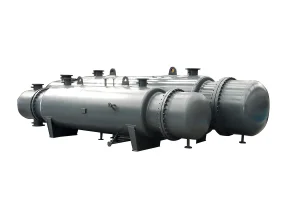
Operating industrial machinery, municipal systems, and chemical refineries in Kuwait requires cooling configurations designed specifically for hot desert climates. Because summer temperatures regularly exceed 50°C and coastal salinity remains high, cooling networks require durable plate coolers to prevent system degradation and energy waste. Over decades, plate heat exchange systems have transitioned from passive heat transfers to active thermal management mechanisms that handle high heat loads with minimal fluid loss.
For engineering procurement, construction (EPC) contractors, and mechanical design firms working in Kuwait, sourcing plate coolers is about long-term reliability. A single hour of thermal shutdown at a refinery or a localized district cooling plant can result in substantial operational losses. Therefore, understanding plate geometry, gasket material science, and anti-fouling profiles is critical to maintaining high thermal efficiency in extreme environments.
Kuwait's economic infrastructure—spanning from the Al-Zour Refinery to the expanding municipal installations of Sabah Al-Ahmad Sea City—relies on high-capacity thermal control solutions. Thermal management systems here face distinct challenges:
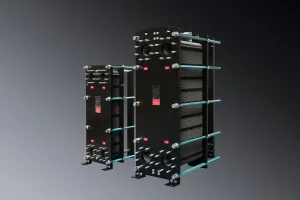
Specialized corrugated plate chevron patterns create micro-turbulences, increasing thermal performance by up to 3 times compared to traditional configurations.
EPDM and Hydrogenated Nitrile (HNBR) gasket compounds designed to withstand continuous operating temperatures up to 160°C and hydrocarbon contamination.
Optimized surface-to-volume ratio reduces physical space requirements on marine vessels, oil rigs, and space-constrained urban mechanical rooms.
Industrial designers globally face tightening energy efficiency standards. When the difference between the hot and cold media is small (a low LMTD scenario), standard shell and tube designs become overly large, expensive, and difficult to install. High-efficiency plate coolers address this by enabling heat transfer with temperature approaches as close as 1°C.
In centralized utility stations, optimizing this thermal approach reduces the work required by secondary compression chillers. Consequently, choosing a plate supplier that offers calculated, customized plate configurations is key to minimizing lifecycle operating costs.
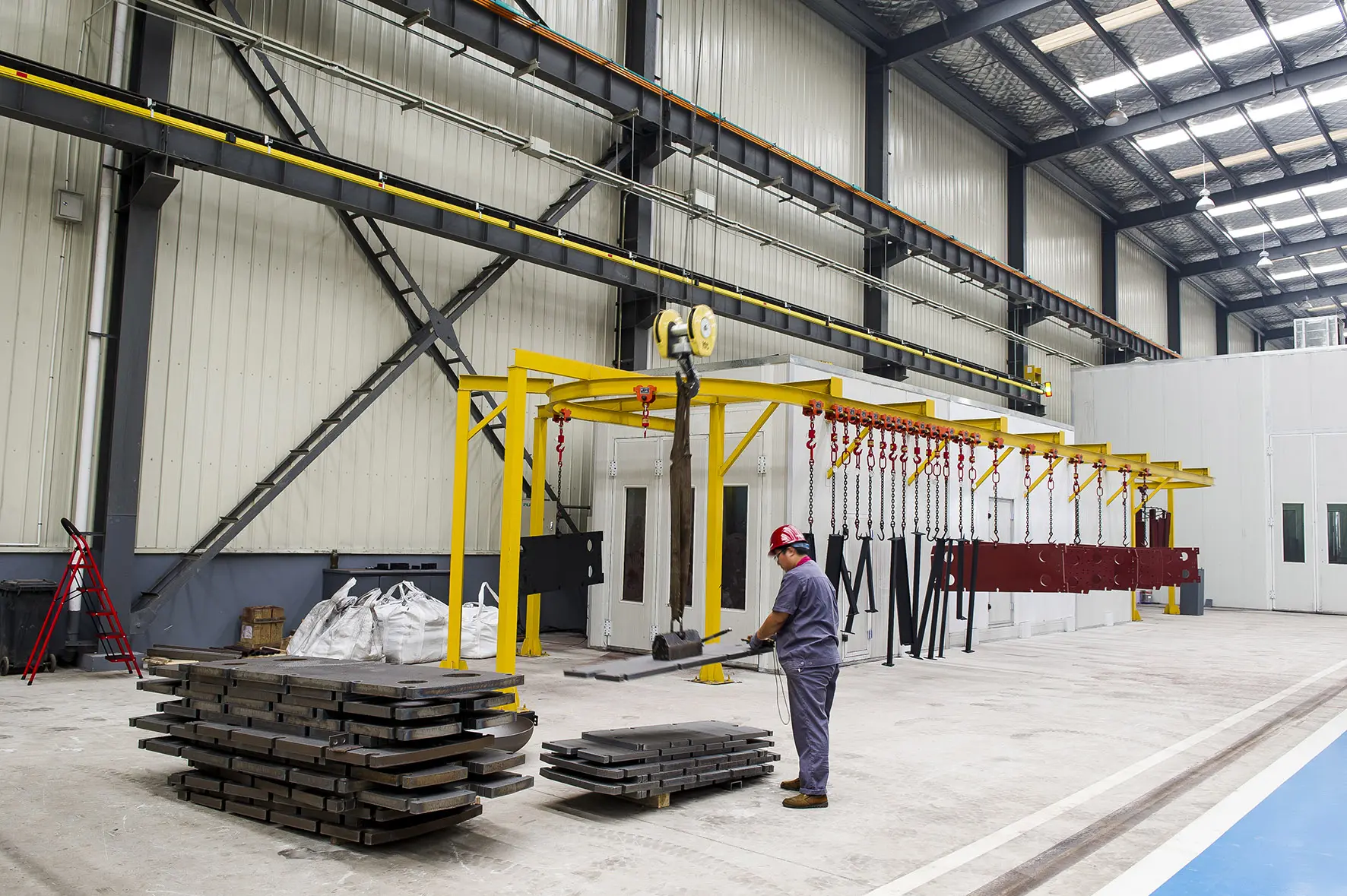
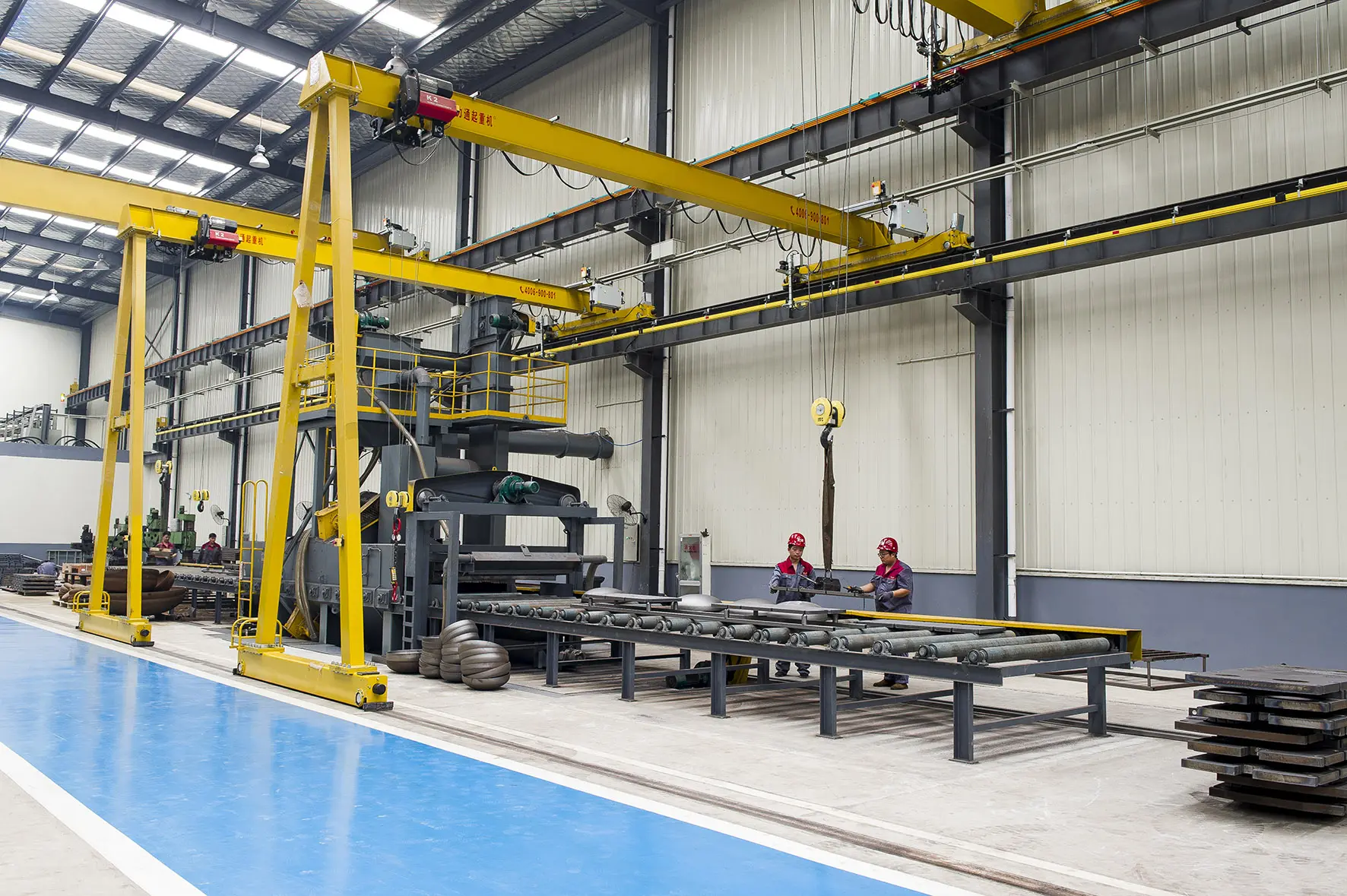
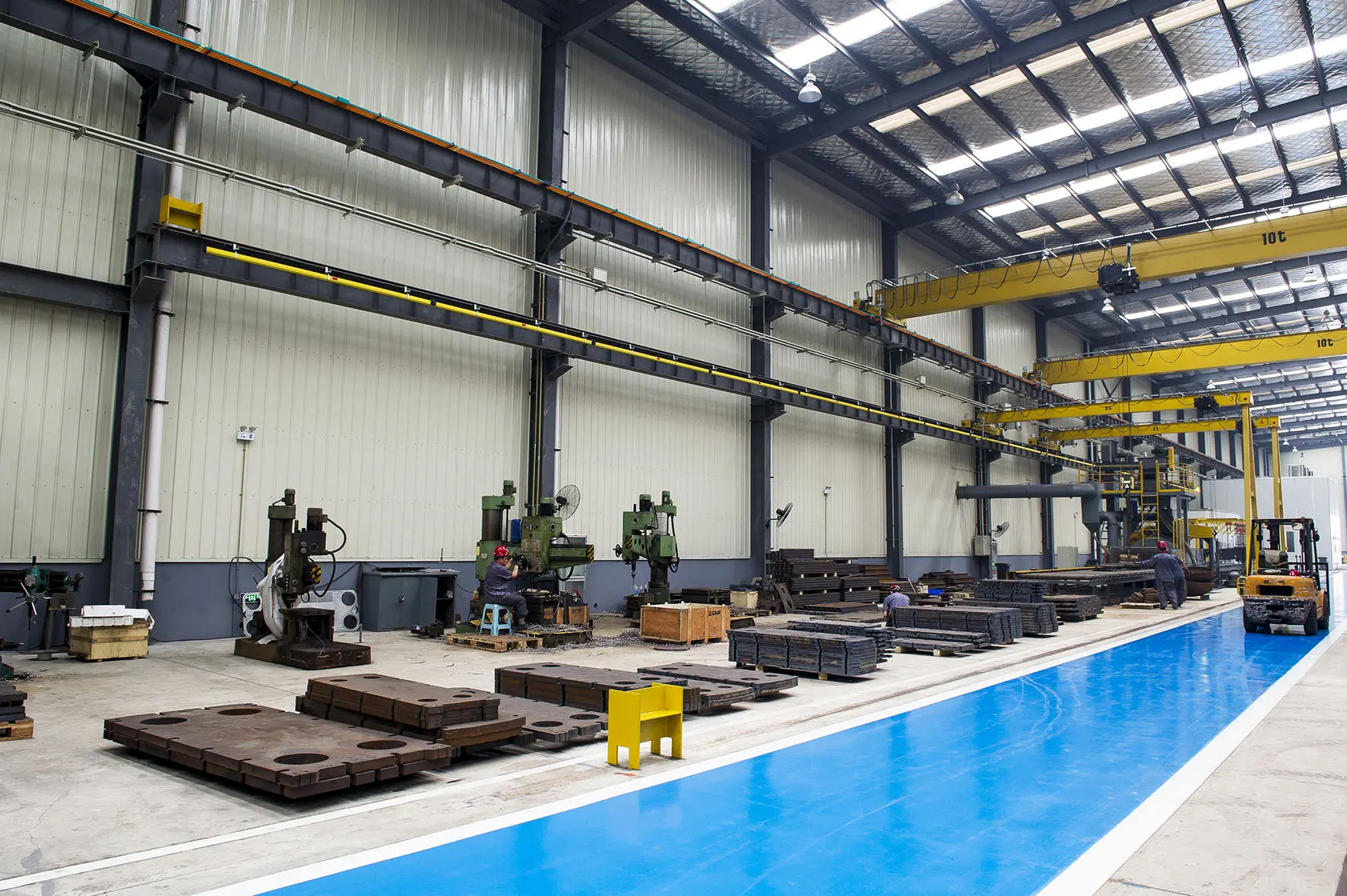
China's manufacturing ecosystem is built on scale, integrated supply lines, and advanced quality assurance. At our modern production facility, automated systems manage every step from raw metal coils to pressure-tested plate assemblies:
Our manufacturing workflow follows ISO 9001:2015 and ISO 14001:2015 frameworks to deliver durable, high-performance plate coolers for challenging industrial environments.
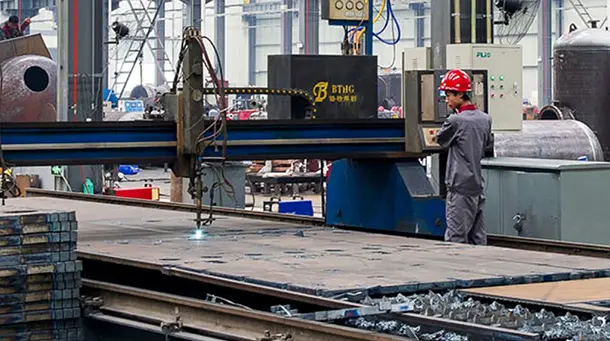
High-precision laser and flame cutting systems prepare structural frame plates up to 80mm thick with tight tolerances.
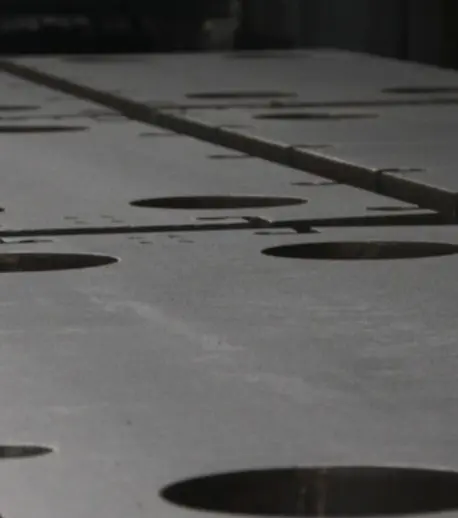
Advanced thermal forming operations align structural grains, helping critical components handle high cyclic working pressures.
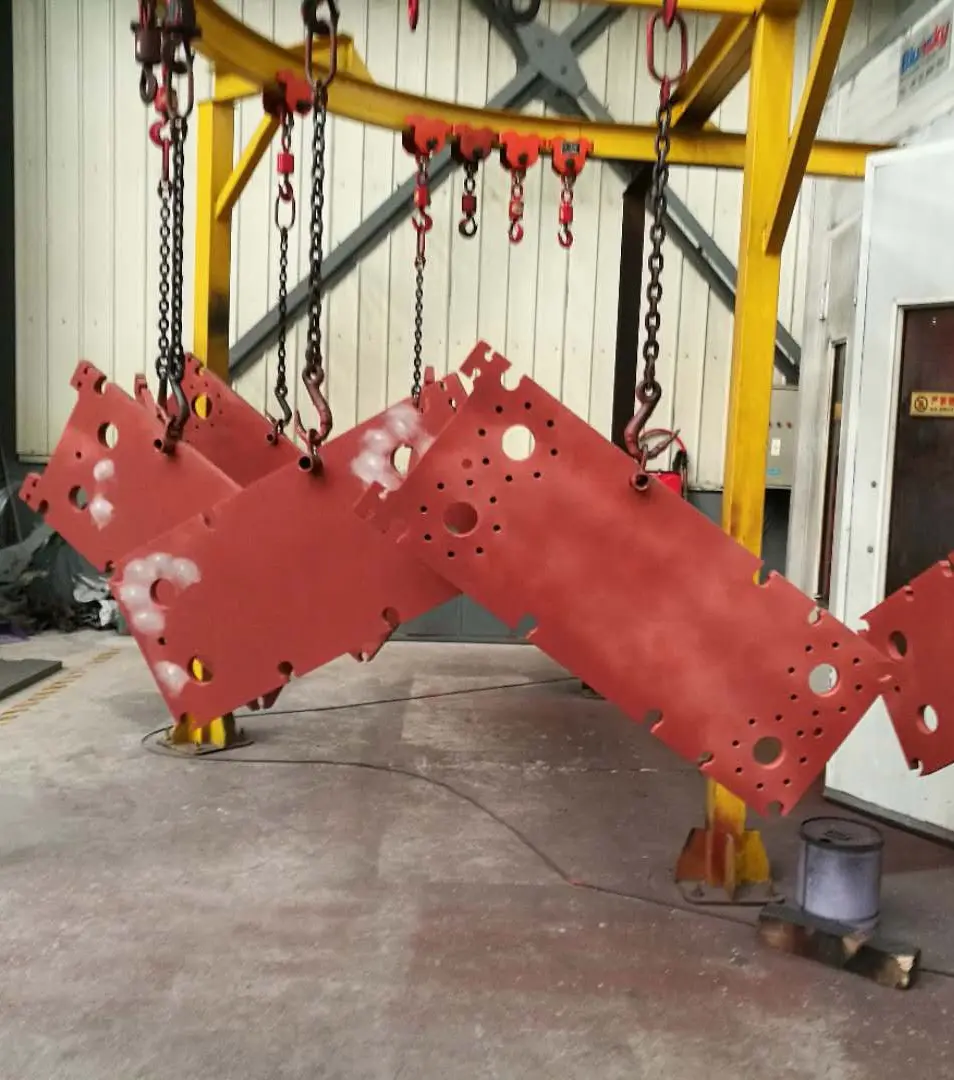
Multi-coat epoxy coating systems provide corrosion resistance in marine and saline air environments.
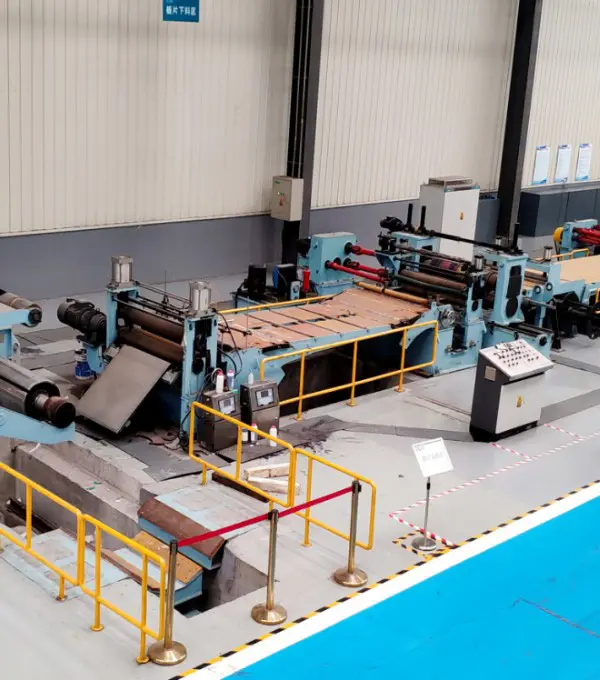
Automated shear-lines cut plates to size, printing tracking codes for material traceability down to the raw coil source.
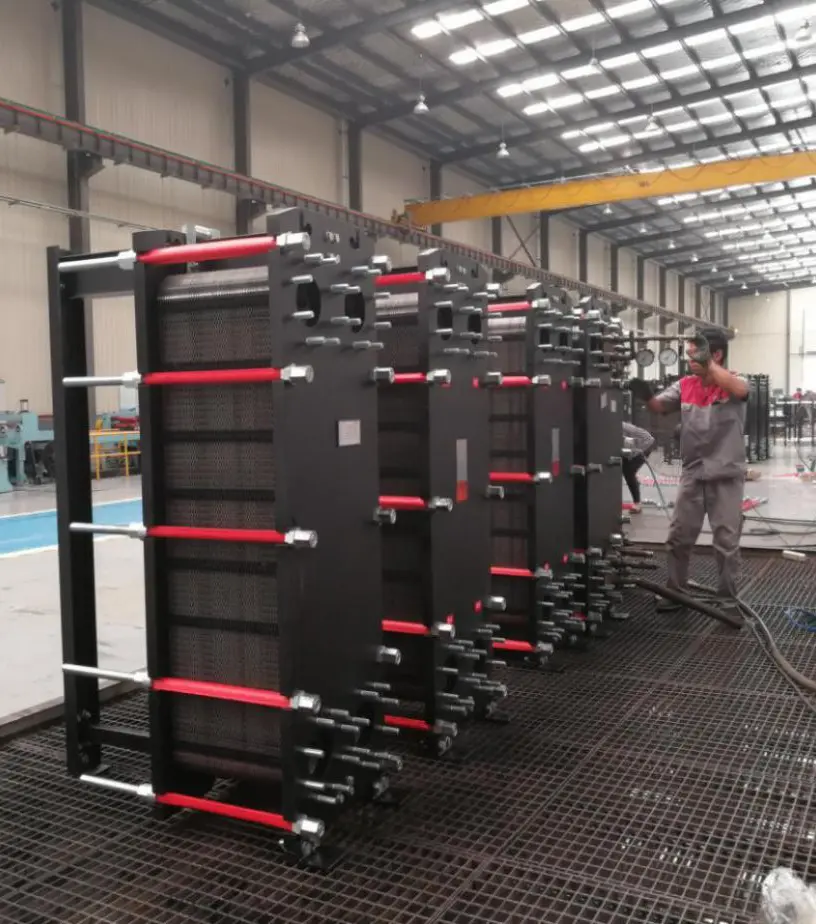
Every plate cooler package is hydrostatically pressure tested at 1.3 to 1.5 times the design working pressure to verify assembly seal integrity.
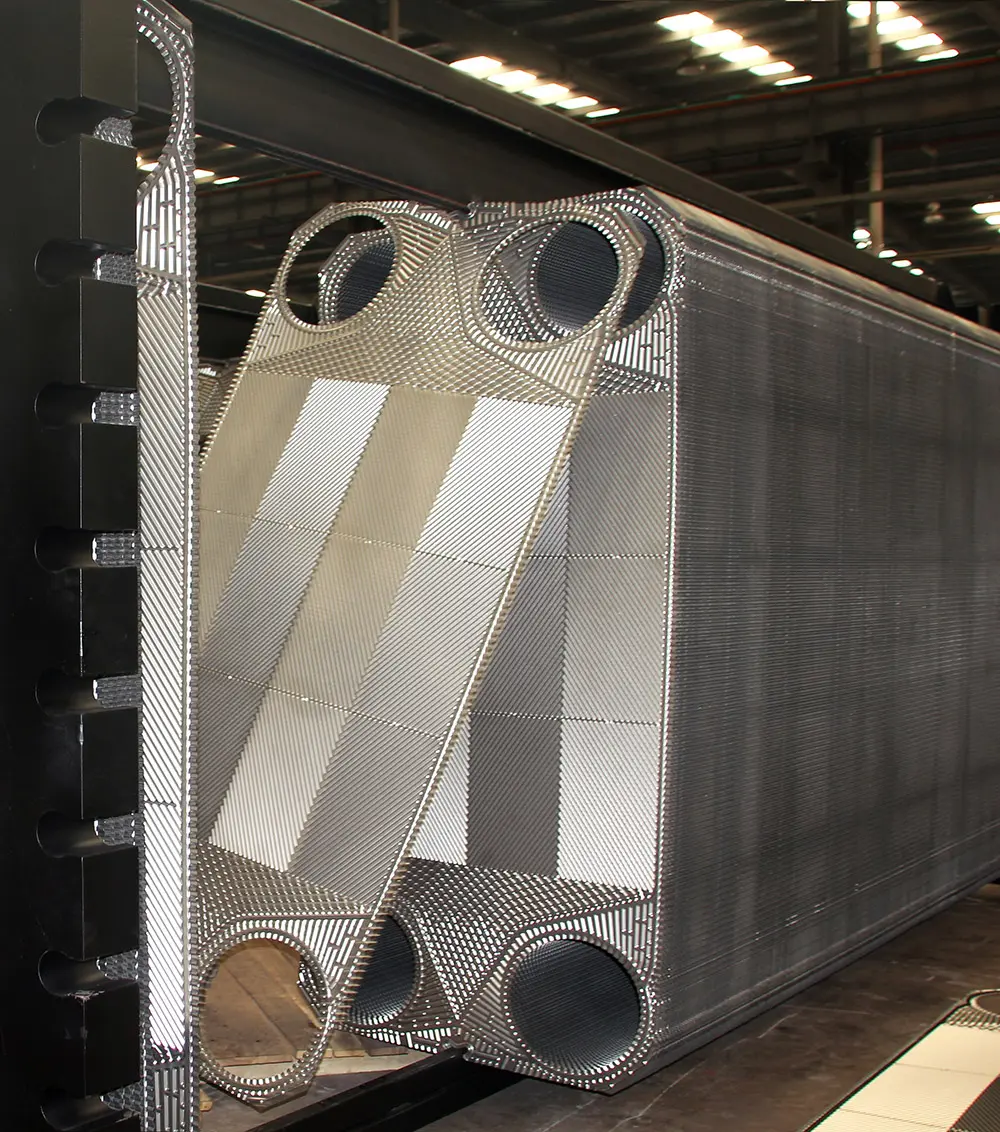
Skilled technicians mount plate packs using calibrated torque tools to ensure correct compression and uniform gasket seating.
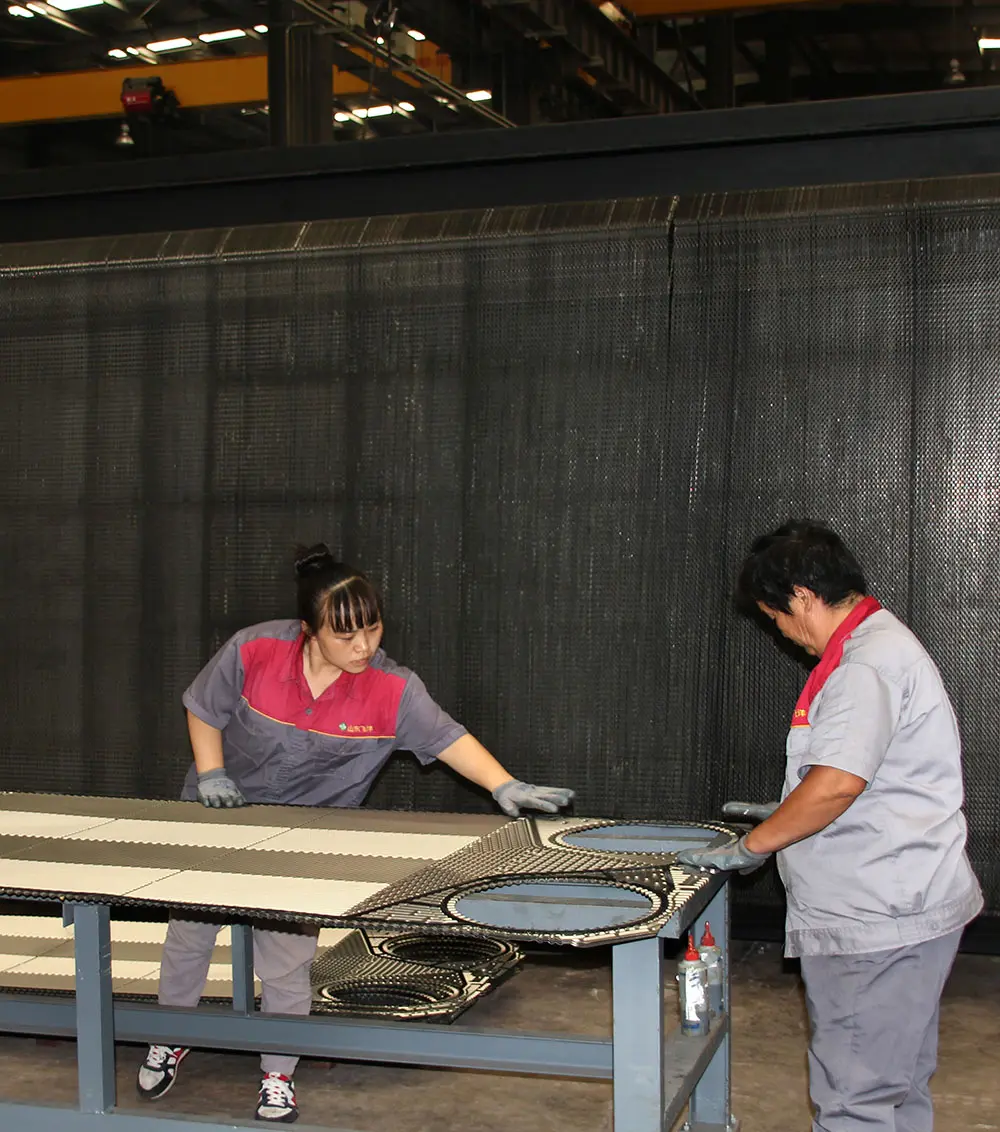
Specialized clip-on gasket designs fit into deep grooves, protecting against blowouts during high-pressure cycles.
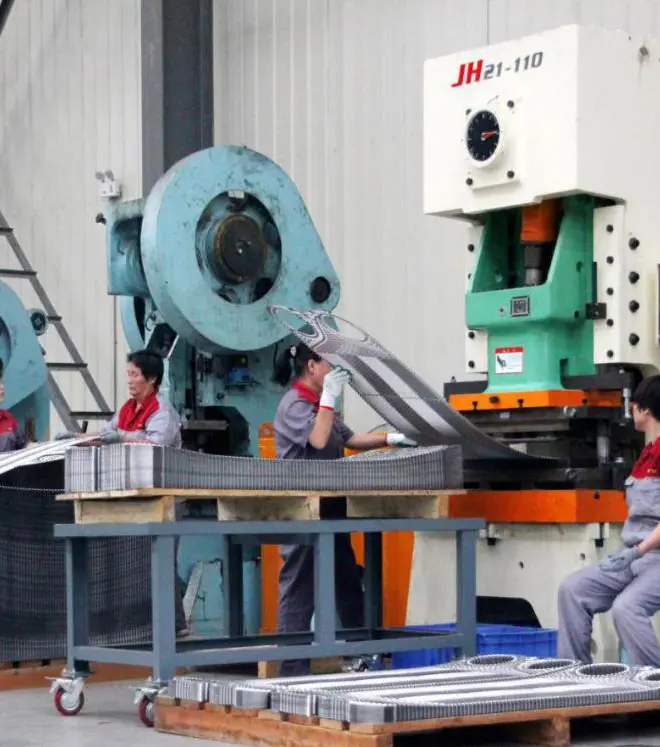
High-speed punch presses create fluid distribution ports without leaving burrs, minimizing fluid friction and preventing localized erosion.
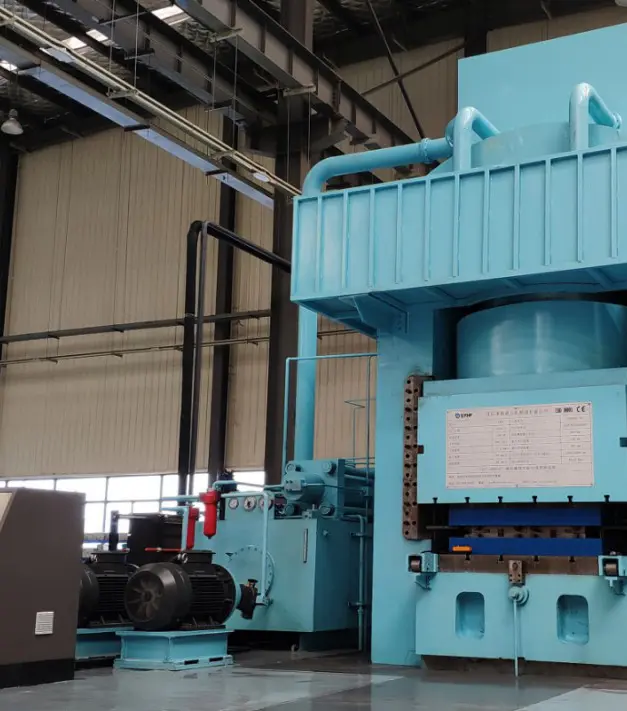
Large-tonnage hydraulic presses stamp chevron patterns into plates, providing uniform depth for balanced flow distribution.
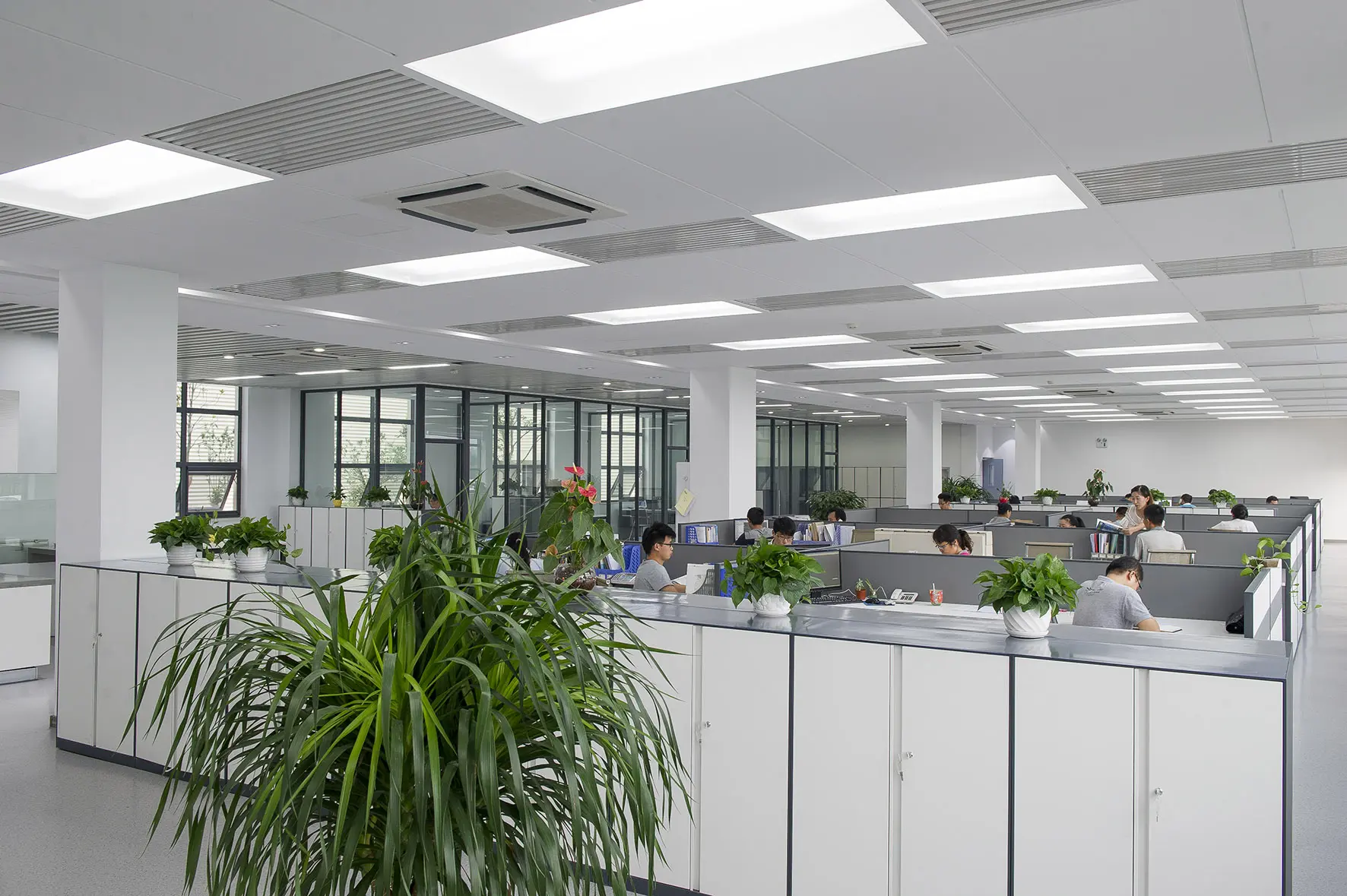
Our engineering team uses advanced thermal analysis software to specify plate configurations, material pairings, and dimension boundaries suited to your operating requirements.
Send Inquiry NowOur manufacturing and testing processes comply with international safety regulations, including ISO 9001 and pressure vessel certifications.
Answers to common design and engineering questions regarding plate coolers operating in high-ambient, saline, and dust-heavy environments.
For applications where raw Gulf seawater is the primary cooling medium (such as in coastal district cooling or petrochemical plants), Titanium plates (ASTM B265 Grade 1 or Grade 2) are recommended. Titanium provides high corrosion resistance against chloride ions at elevated temperatures, preventing corrosion cracking and chemical pitting that can damage standard 316L Stainless Steel.
High ambient temperatures reduce the temperature difference (LMTD) between the cooling fluid and the hot process stream. To handle the target heat load, designers must configure plate geometries that maximize turbulence and expand the effective heat transfer area. Custom plate patterning helps maintain target cooling rates without requiring excessively high fluid pressure drops.
We configure our units with high turbulent-flow chevron patterns that create self-cleaning actions along the heat exchange surfaces. Additionally, for systems handling mineral-heavy municipal water, we recommend detachable plate cooler designs. This allows maintenance crews to quickly open the frame pack, wash out particulate accumulations, and replace clip-on gaskets on site.
For HVAC and general water-to-water cooling networks, EPDM gaskets provide reliable service at temperatures up to 150°C and resist ozone degradation. For industrial installations handling hydrocarbons or oil-contaminated process water, Nitrile (NBR) or Hydrogenated Nitrile (HNBR) gaskets are used due to their compatibility with oils and organic solvents.
Our shipping operations coordinate ocean freight directly to Shuwaikh and Shuaiba Ports. Typical transit times from our automated production facility in China range from 18 to 25 days. All units are shipped with packed pressure-test certificates, material mill sheets, and corresponding ASME pressure documentation to facilitate customs clearance.
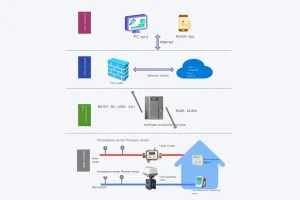
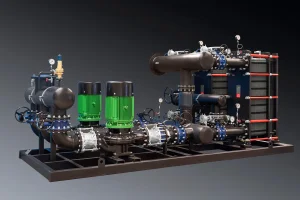
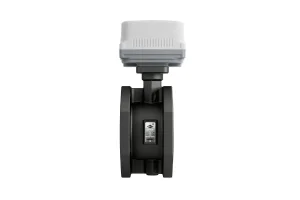
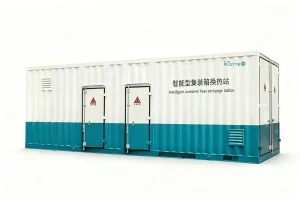
Explore our complete catalog of industrial pressure regulating stations, balance valves, and evaporation systems designed to optimize energy efficiency across regional thermal networks.
 Flotte Energy