Engineered for high temperature differences and demanding industrial environments, keeping operations in Texas running with zero unplanned downtime.
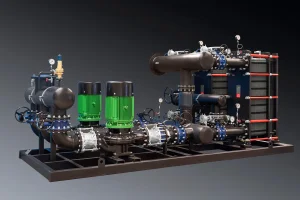

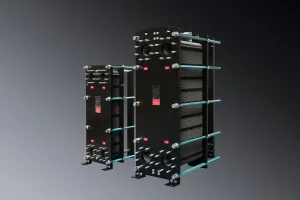
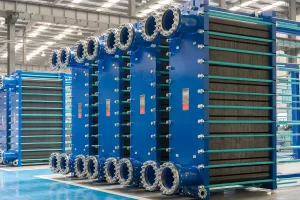
As the undisputed "Energy Capital of the World," the Houston metropolitan area hosts the largest concentration of petrochemical processing facilities, oil refineries, and heavy industrial hubs globally. From the massive complexes lining the Houston Ship Channel to the soaring corporate campuses in the Energy Corridor and Downtown Houston, thermal management is not merely an operational utility; it is the lifeblood of system uptime, process efficiency, and environmental compliance.
Operating in the Gulf Coast region presents unique challenges. High ambient temperatures, extreme seasonal humidity, and corrosive marine air put immense strain on traditional cooling infrastructure. Heavy industrial plants are actively transitioning from outdated Shell and Tube Heat Exchangers to advanced Plate Heat Exchangers (PHE). PHE technology provides a massive increase in heat transfer coefficients within a fraction of the physical footprint, minimizing structural costs and dramatically reducing fouling rates in cooling water loops sourced from local bays and ship channels.
"For Houston refineries and commercial district energy plants, an improvement of just 1°C in temperature approach (pinch point) can translate to hundreds of thousands of dollars in energy conservation and reduced carbon emission taxes annually."
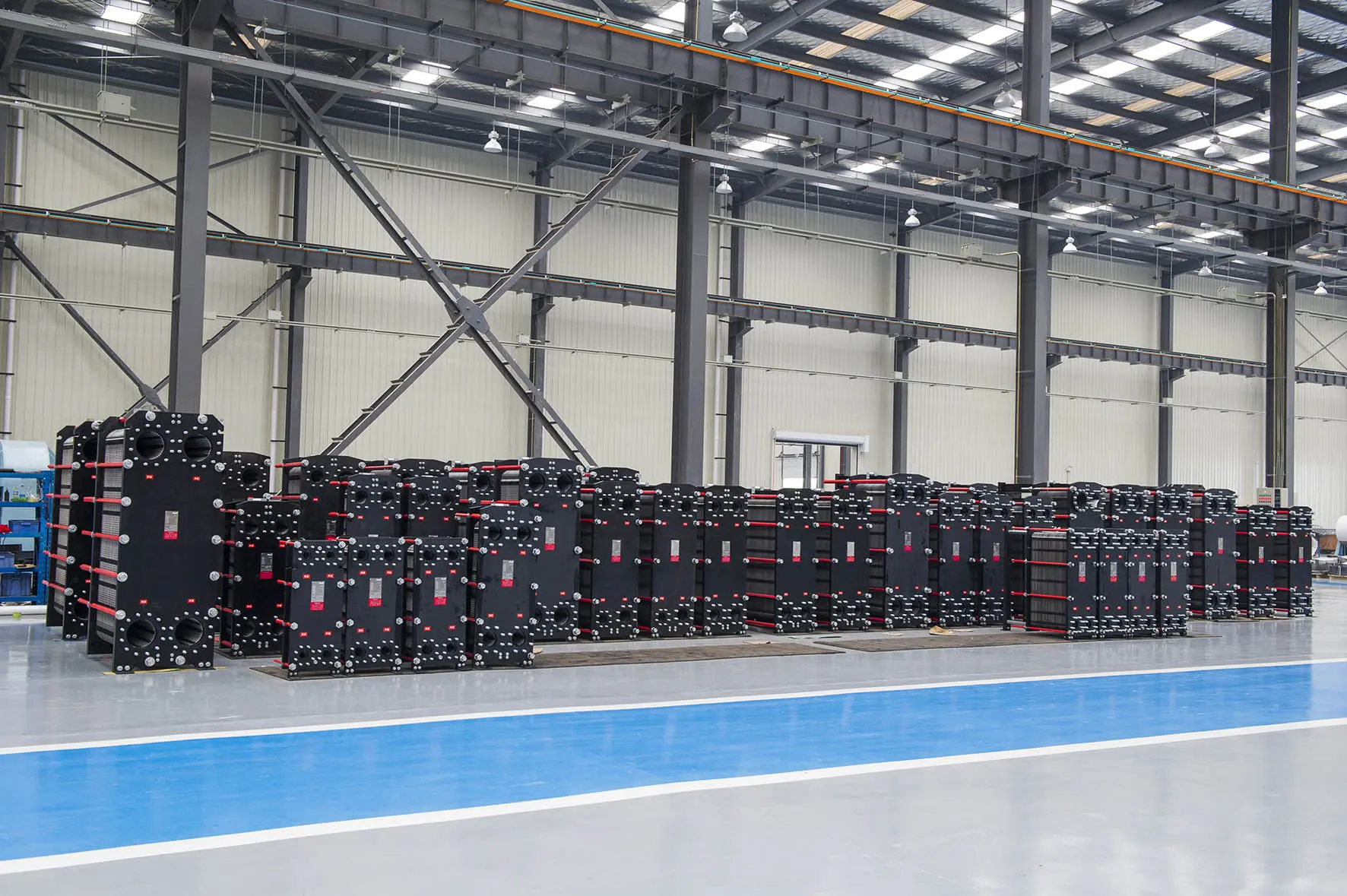
Three decades of manufacturing excellence, catering to international quality and pressure standards.
Unifying world-class supply chains, high-tonnage hydraulic forming presses, and rigorous testing protocols for Gulf Coast distribution.
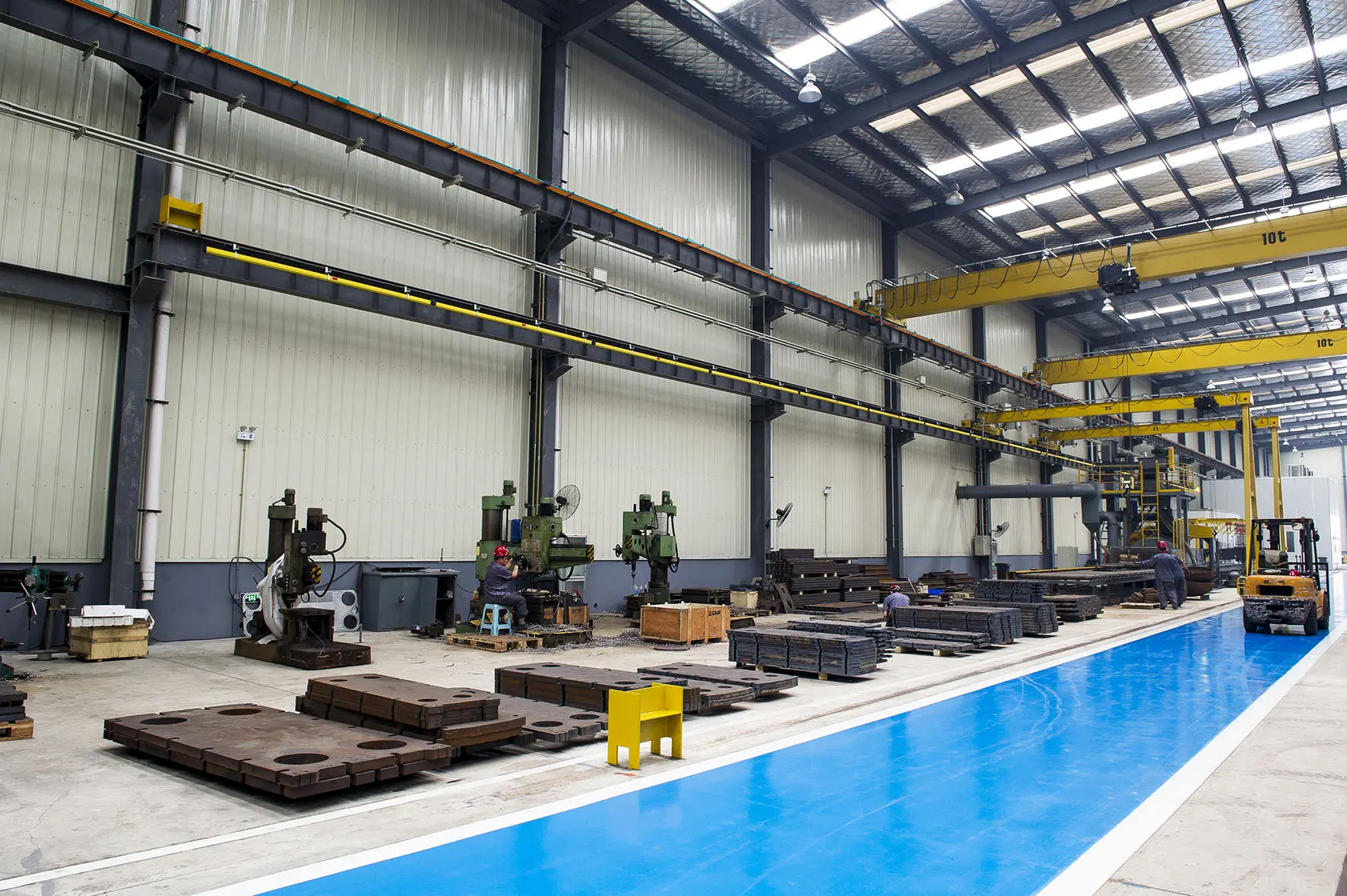
Our factory processes leverage extreme tonnage hydraulic presses to stamp corrugated heat transfer plates in one step. This eliminates internal micro-fractures, ensuring uniform thickness and long structural life even under high cyclic pressures.
From frame cutting and mold engineering to gasket vulcanization and assembly, our full-process control guarantees that Houston industrial plants receive premium grade-A equipment with up to a 40% cost reduction compared to domestic alternatives.
Compliance is mandatory. Flotte's plate heat exchangers are built under strict ISO9001, ISO14001, and ISO45001 frameworks. Every single unit undergoes hydrostatic and pneumatic pressure testing before container loading to ensure total integrity upon delivery.
How Flotte plate heat exchangers solve specific thermal challenges across Texas industries.
In Gulf Coast refinery setups, crude heating, fractionation cooling, and solvent recovery require heat exchangers capable of handling heavy hydrocarbons and aggressive chemicals. Flotte offers specialized titanium, Hastelloy, and SS316L plate options equipped with customized EPDM or Viton gaskets to prevent cross-contamination and leaks.
Downtown Houston high-rises utilize high-pressure chilled water systems. Our detachable plate heat exchangers serve as pressure isolation barriers, separating building-loop static pressure from central chillers. This minimizes structural load requirements on piping while maximizing heat transfer efficiency.
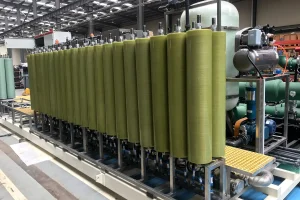
The Port of Houston requires high-durability cooling systems for marine vessels and industrial wastewater treatment. Our multi-effect evaporation and membrane concentration systems recycle process heat to desalinate saline process water efficiently, meeting local EPA guidelines.
Our manufacturing plant operates under rigorous regulatory checks. Here are our original inspection and system certificates.
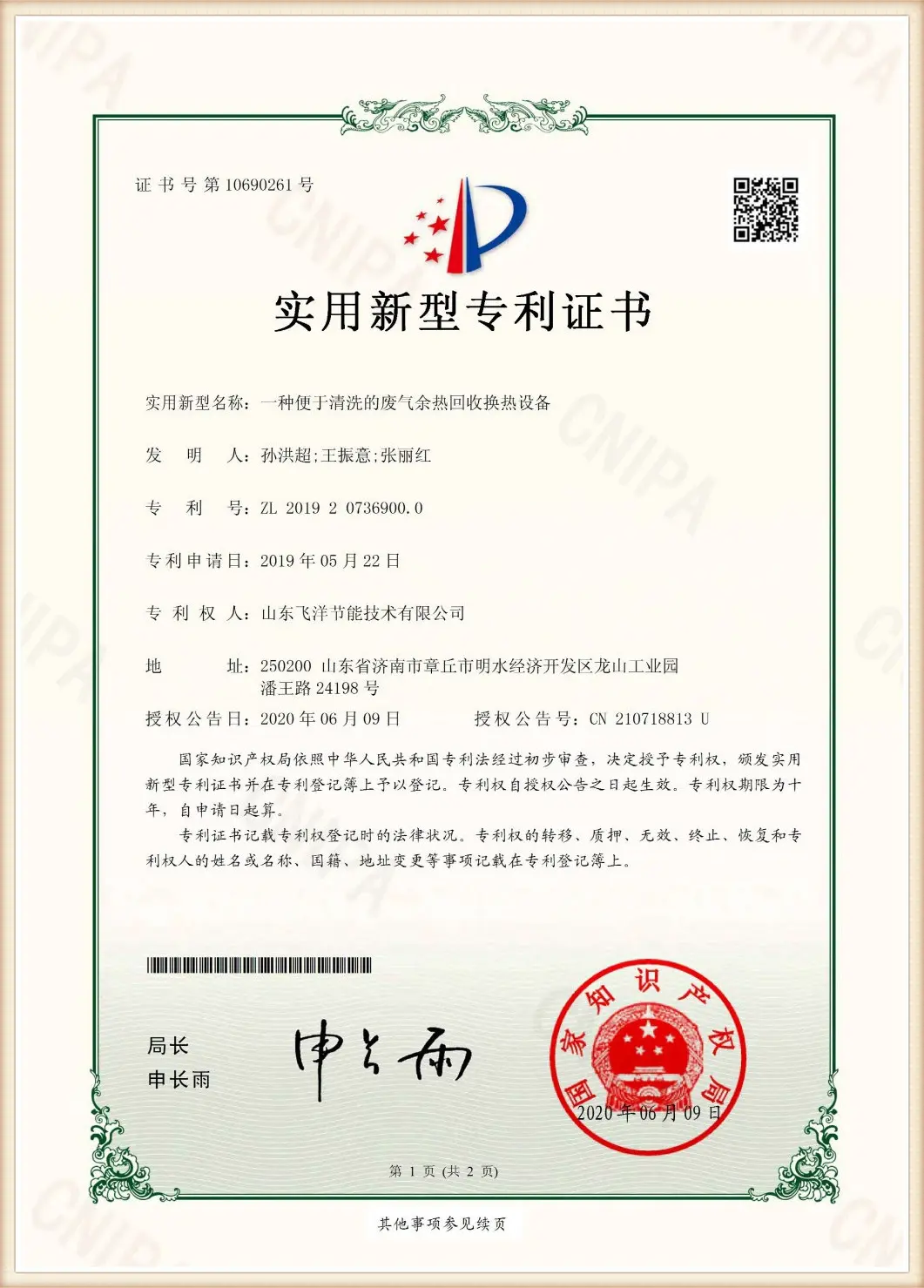
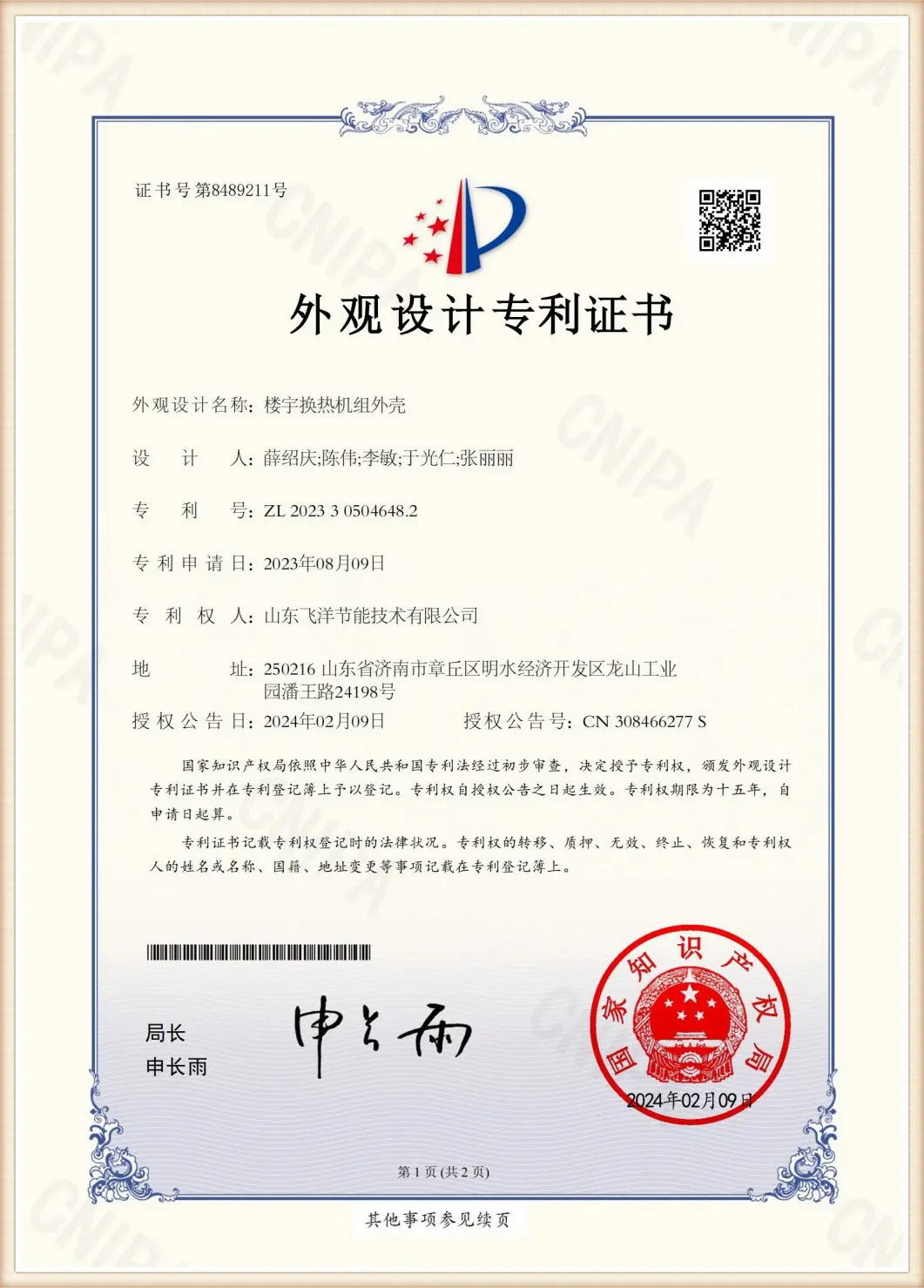
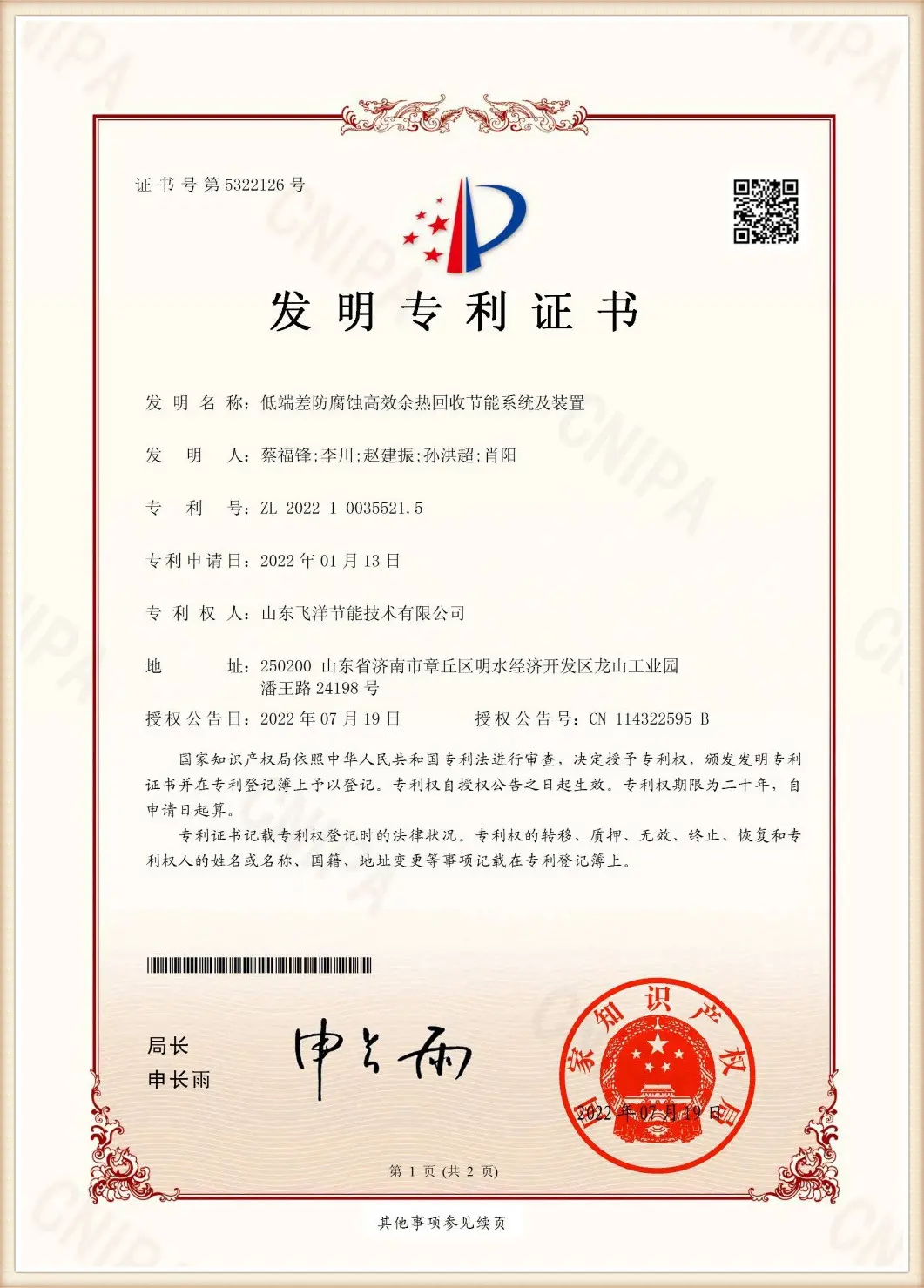
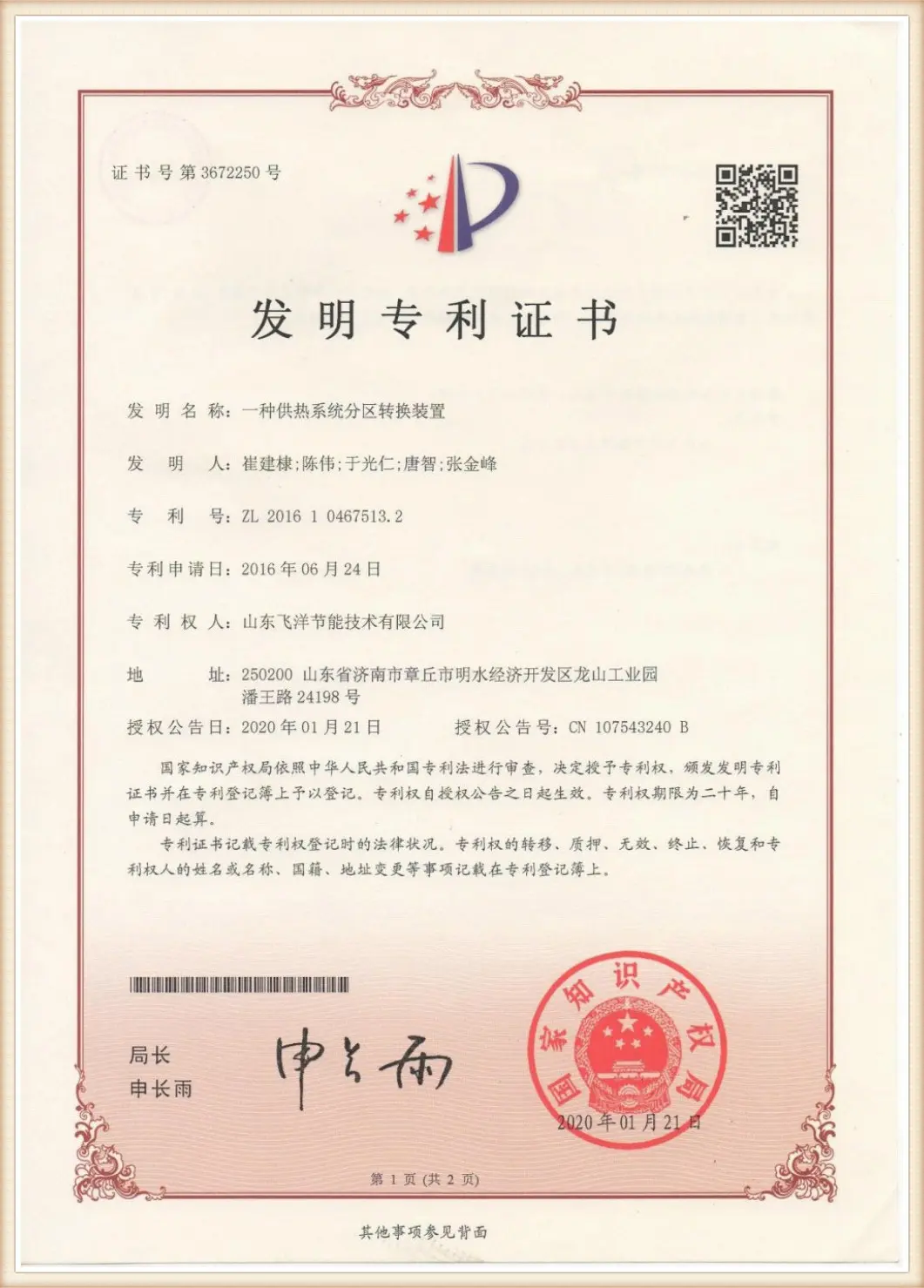
Established in 2013 with a registered capital of 101 million yuan, Flotte Energy Saving Company originated from Flotte Thermal Engineering founded in 1995. With three decades of core technical expertise, we specialize in high-performance water equipment, HVAC systems, and industrial water treatment systems.
We consistently lead industry peers in adopting cutting-edge technologies, developing patented plate geometries, and delivering comprehensive thermodynamic design and field services. Our products have obtained safety registration for plate heat exchangers issued by the National Boiler and Pressure Vessel Standardization Technical Committee, guaranteeing the highest standard of structural integrity for heavy industrial installations.
Every step, from plate raw material selection to pressure containment validation, is monitored to ensure high-durability performance.
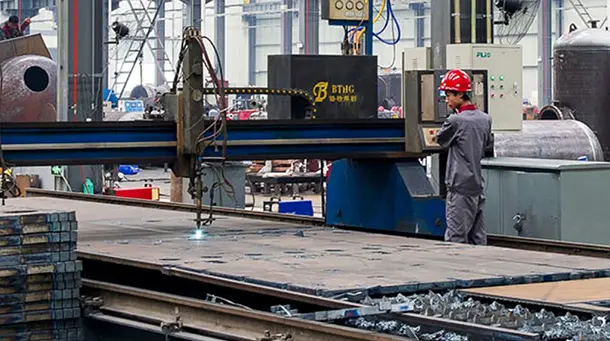
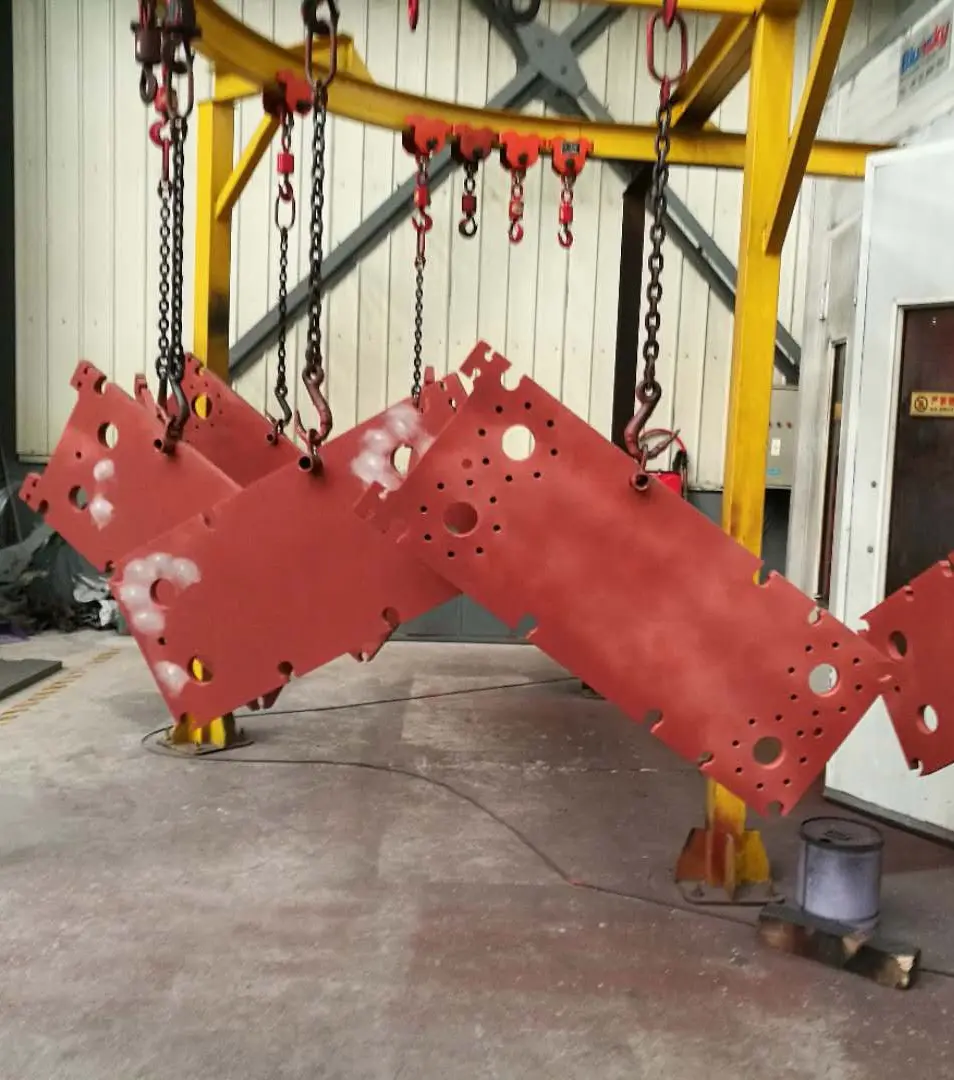
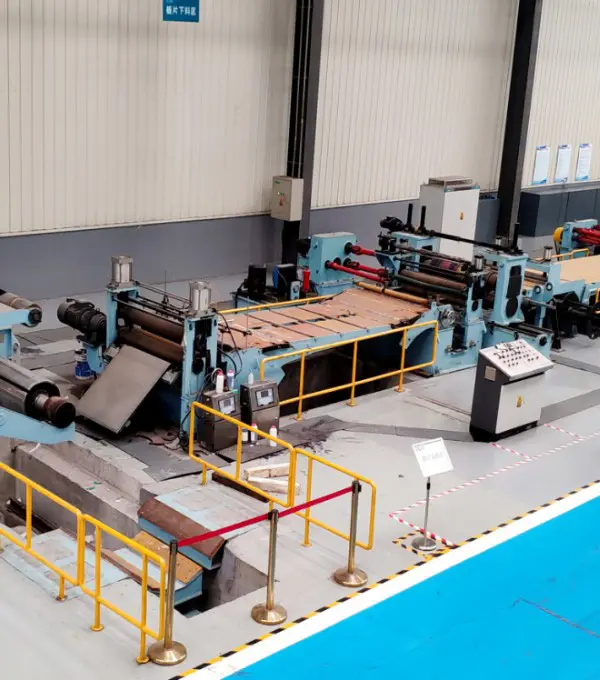
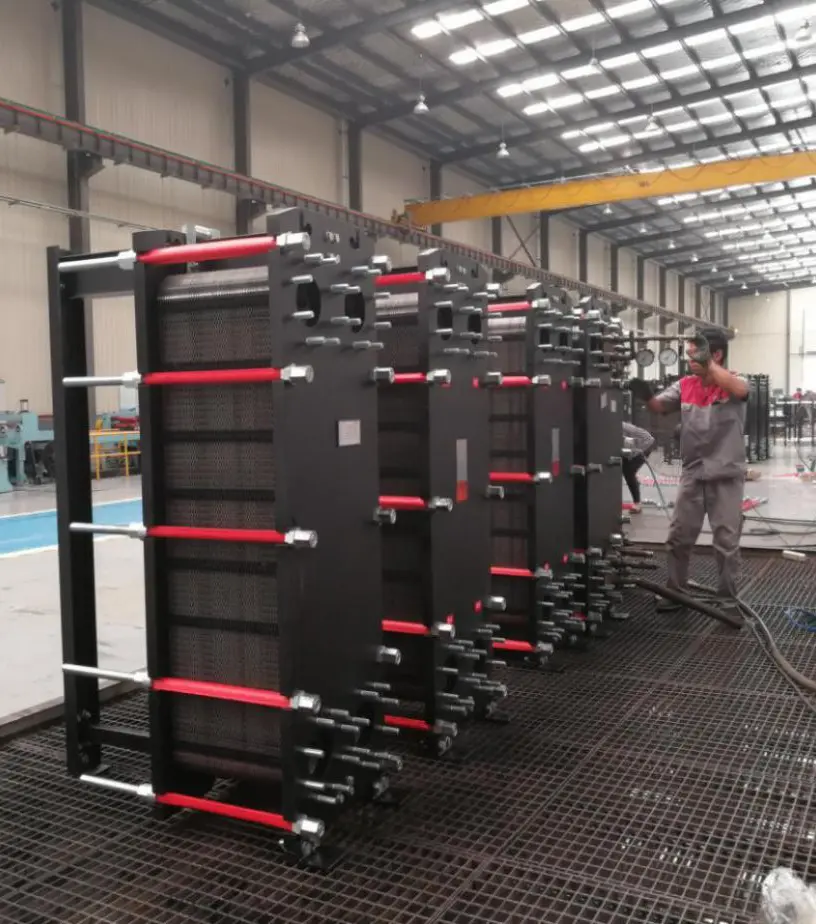
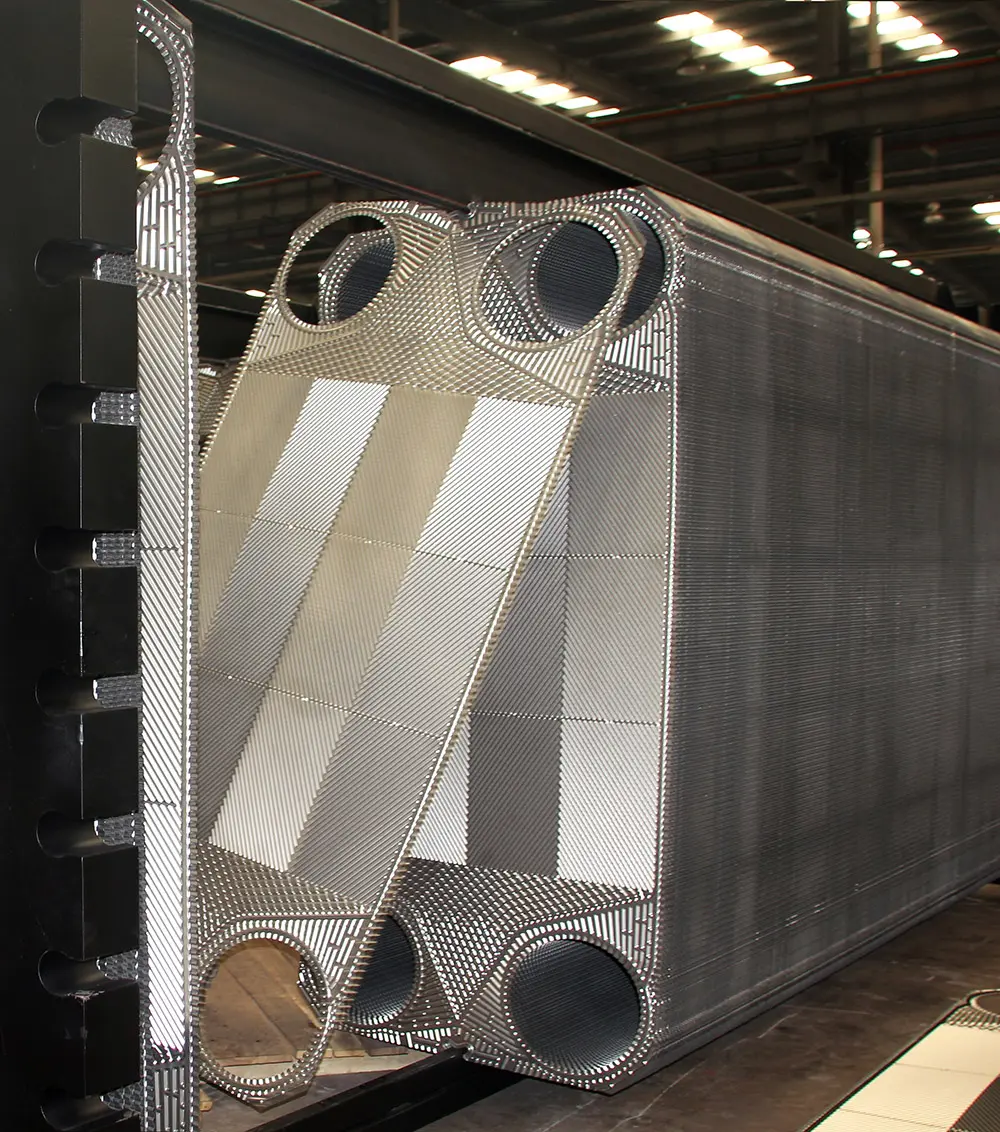
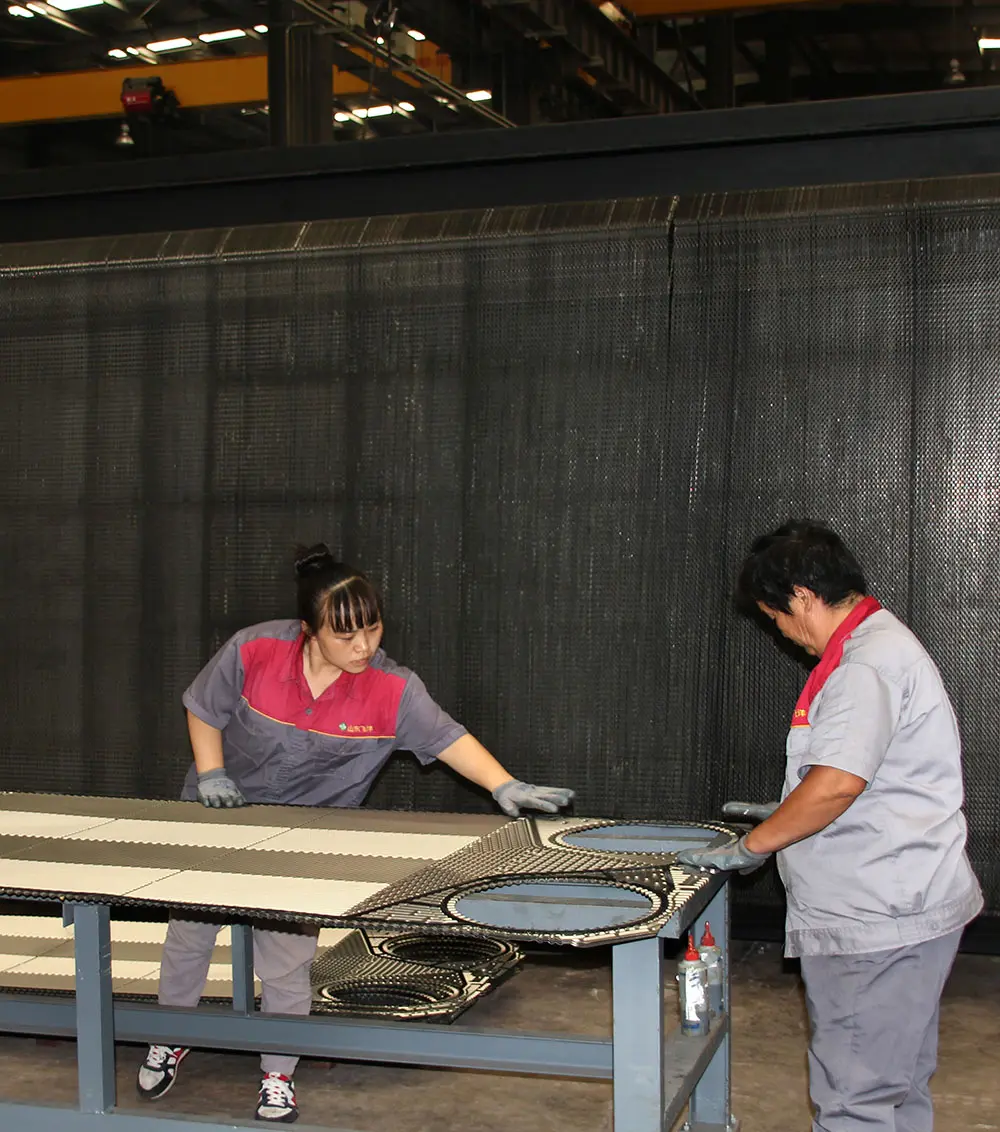
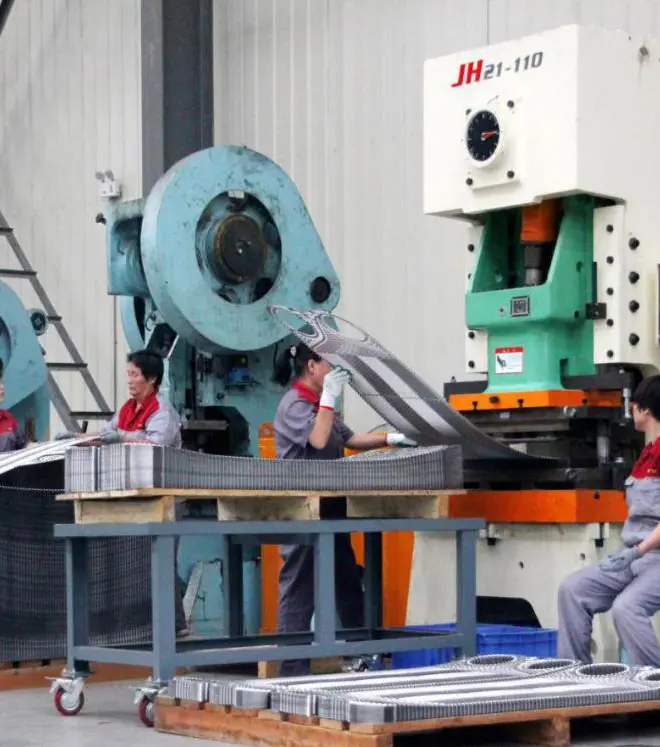
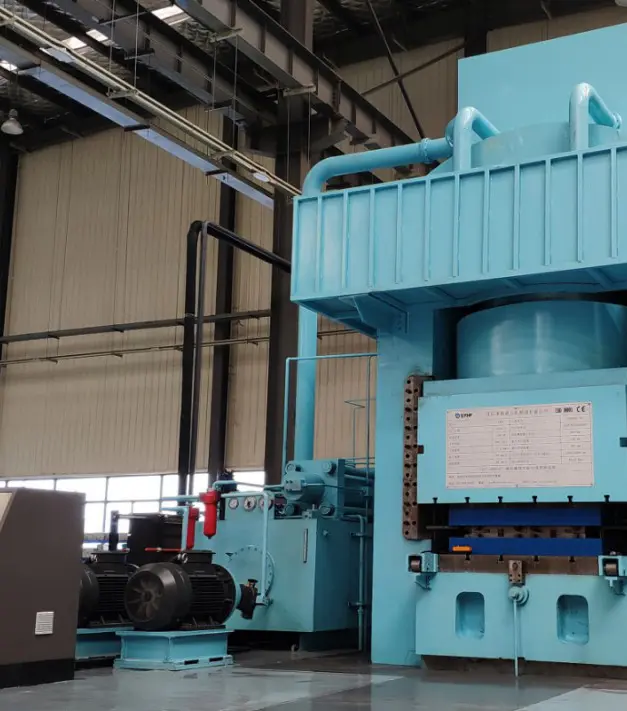
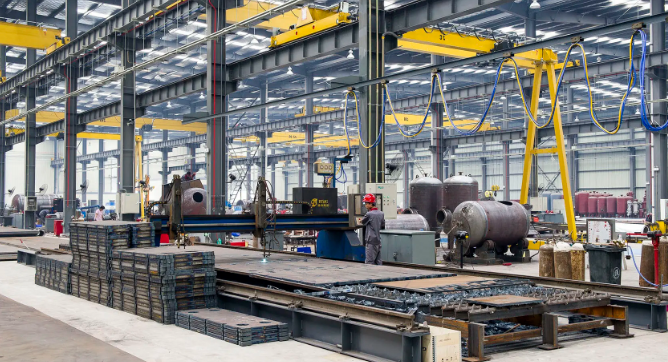
Take an inside look at our modern production floors where efficiency meets engineering precision.
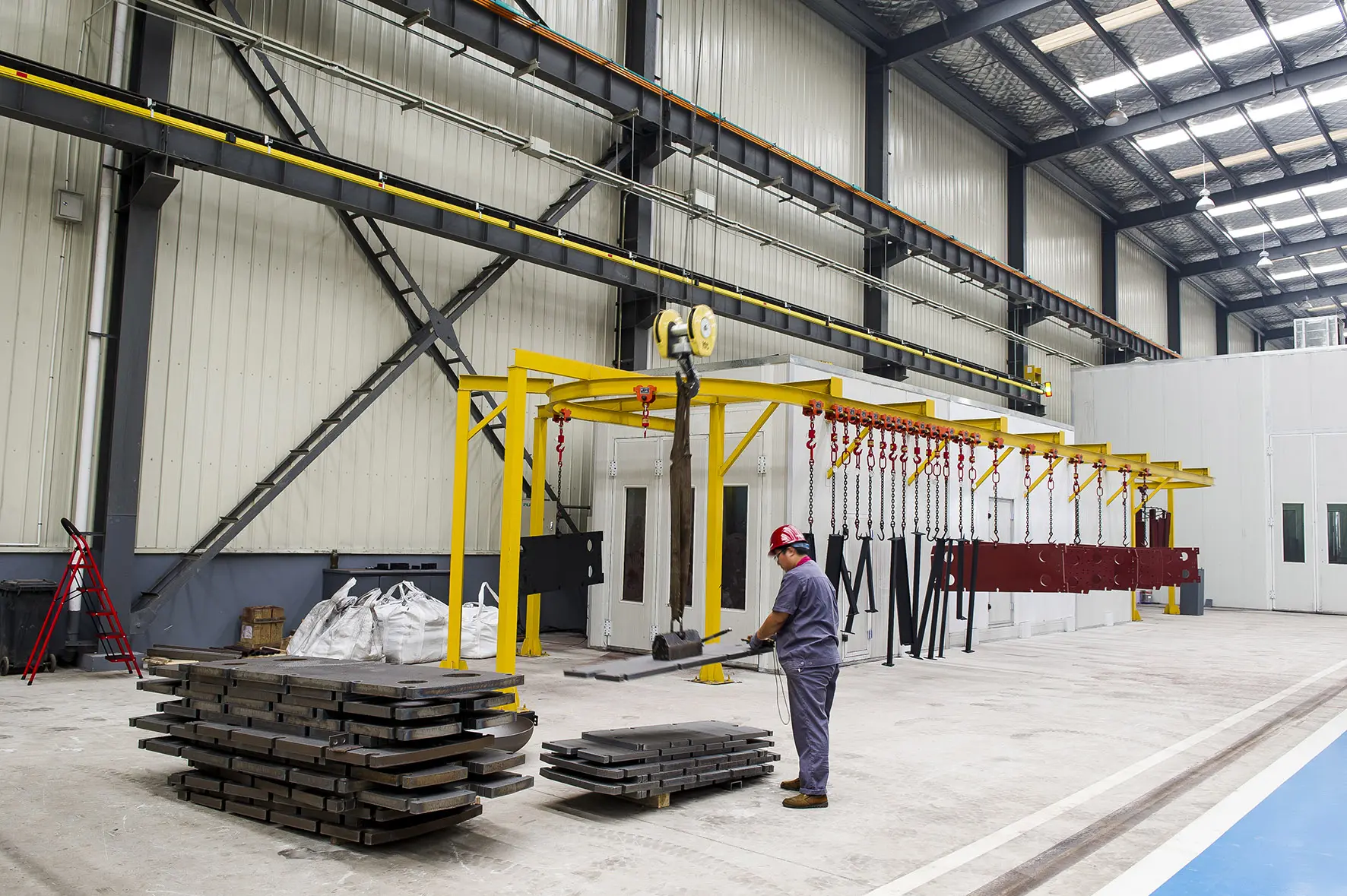
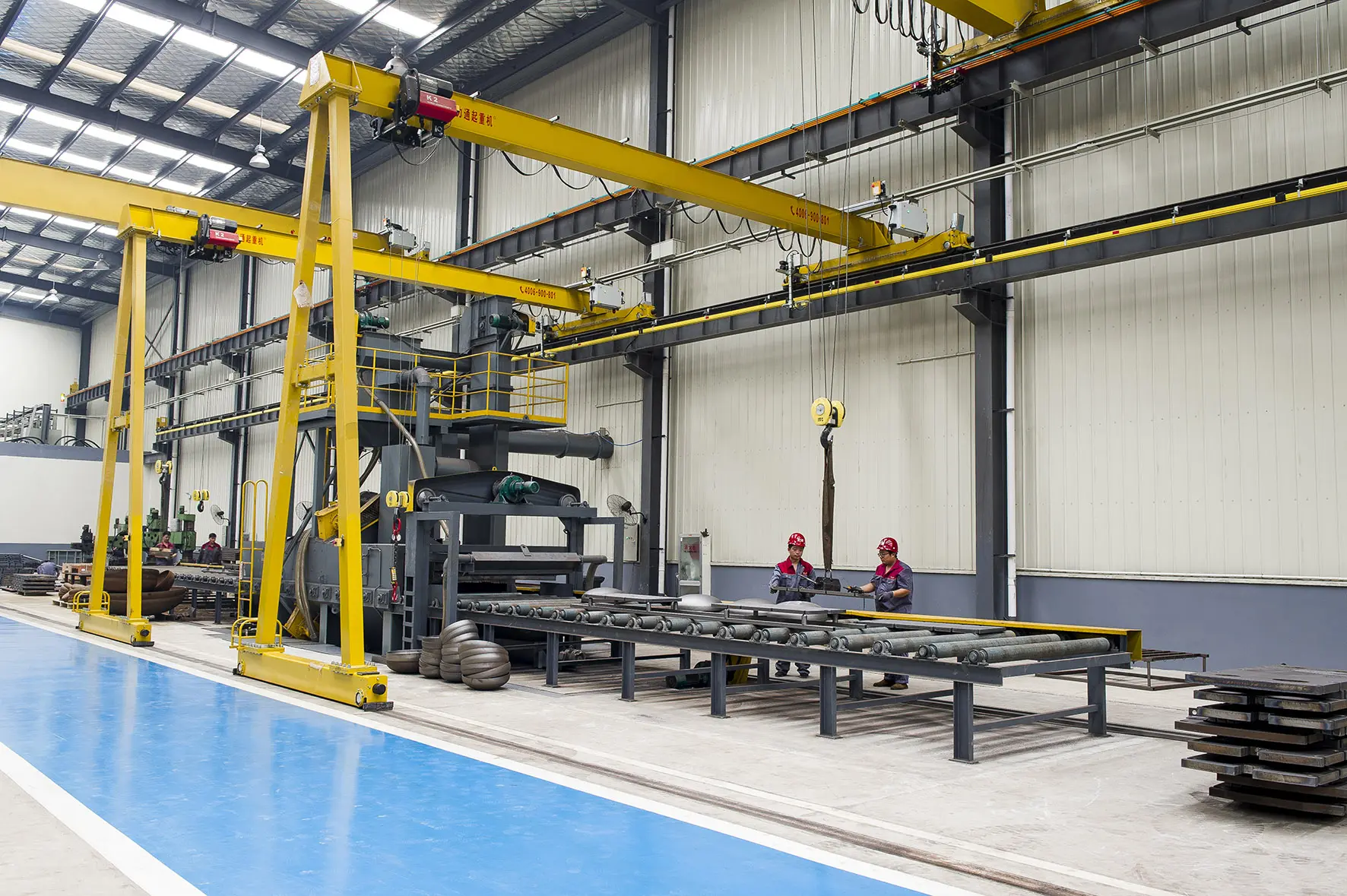

When engineering a plate heat exchanger for the aggressive environmental factors of Houston, selection of the plate metal is crucial. While standard stainless steel (SS304) is acceptable for clean water loops, chemical processing and coastal cooling water demand superior alloys. SS316L contains molybdenum, which offers drastically improved pitting and crevice corrosion resistance in chloride environments. For high-salinity cooling loops sourcing water from the Gulf of Mexico, Titanium (Grade 1 or Grade 11) is mandatory. Titanium develops a robust, self-healing oxide passivation layer, preventing degradation from brackish or salt-laden water.
The elastomer gasket determines both the temperature boundary and chemical compatibility of a plate heat exchanger. The three main classes are:
• NBR (Nitrile Butadiene Rubber): Best for water, oil, and non-polar solvents up to 140°C.
• EPDM (Ethylene Propylene Diene Monomer): Ideal for high-pressure steam, municipal district energy loops, and mild acids up to 160°C.
• Viton (FKM): The material of choice for aggressive chemical applications, organic solvents, and high-temperature hydrocarbons up to 180°C.
Corrugation patterns on the plates create turbulence even at low flow velocities. The angle of these corrugations is key:
• High-Theta Plates (Low Chevron Angle): Generate high turbulence, leading to higher heat transfer coefficients (U-values) but at the cost of a higher pressure drop.
• Low-Theta Plates (High Chevron Angle): Produce less turbulence and lower pressure drops, but require more surface area to achieve the same heat transfer.
Flotte engineers customize the plate mix (using a combination of high and low theta plates) to optimize thermal length while staying strictly within the pressure limitations specified by the client's engineering department.
Industrial installations in the US require units that meet ASME Section VIII standards. Global procurement teams must verify that foreign suppliers design, analyze, and test their products in compliance with these regulations. Our factory operates automated inspection systems that scan gaskets for micro-imperfections and run mechanical strain tests to confirm that raw materials match mill certificates, ensuring full traceability.
Direct factory pricing with comprehensive logistics, custom port clearance support, and engineering warranty.
Expert engineering answers to technical queries frequently raised by procurement, HVAC designers, and site managers.
 Flotte Energy