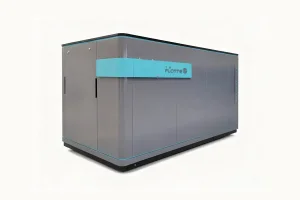
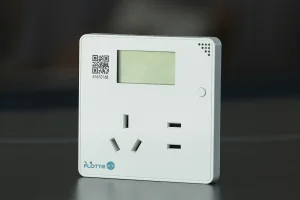
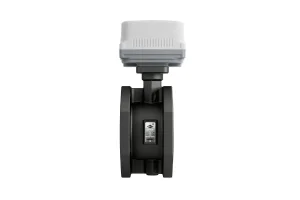
Engineered for absolute thermal efficiency, California Title 24 compliance, and heavy industrial integration.
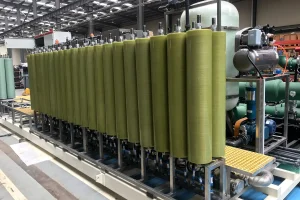
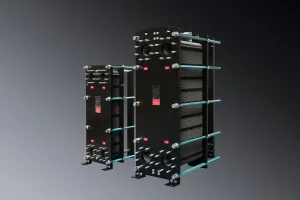
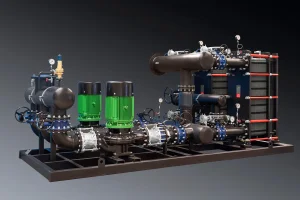
As the second-largest metropolitan area in the United States, Los Angeles is at the forefront of a major transition in industrial and building energy efficiency. Driven by ambitious climate mandates, such as California's Title 24 Energy Standards and the city's goal of achieving 100% clean energy by 2035, the demand for highly efficient thermodynamic systems has never been higher. Plate Heat Exchangers (PHEs) have emerged as crucial components in achieving these sustainability targets, serving as the thermal foundation for advanced HVAC networks, industrial manufacturing, food and beverage processing, marine cooling at the Port of Los Angeles, and water treatment operations.
In this demanding regulatory environment, choosing a reliable Plate Heat Exchanger Supplier is a strategic decision that affects operational costs, environmental compliance, and long-term uptime. Systems must be engineered to withstand the unique challenges of the SoCal region—ranging from hard water scaling and seawater corrosion in coastal facilities to the high load demands of large-scale urban cooling grids.
Information Gain: Why PHEs are Essential for LA Electrification
By transitioning from fossil-fuel-based boilers to heat recovery loops and high-efficiency plate heat exchangers, industrial facilities and commercial buildings in Los Angeles can reduce carbon emissions while qualifying for valuable utility rebates through LADWP and SoCalGas.
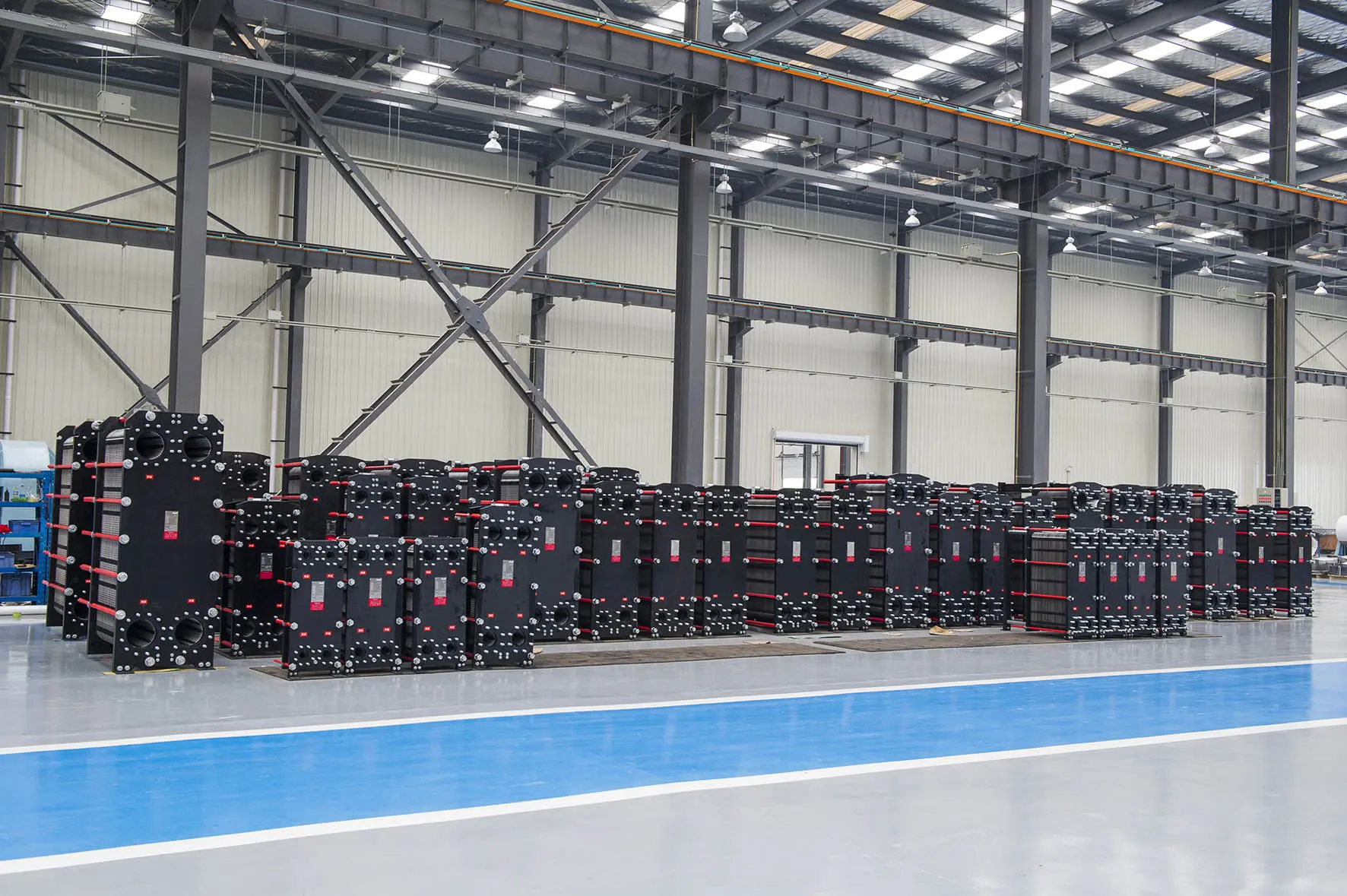
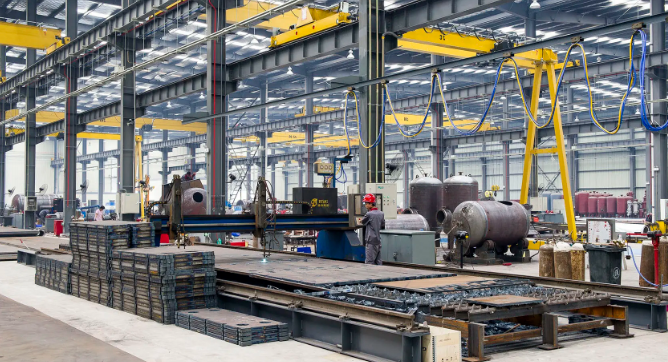
Flotte Energy Saving Company, established in 2013 with a registered capital of 101 million yuan, trace our roots back to Flotte Thermal Engineering, founded in 1995. With nearly 30 years of technical expertise in water equipment, HVAC systems, and industrial water treatment, the company consistently leads the industry in adopting cutting-edge technologies and manufacturing high-efficiency plate heat exchangers.
Our state-of-the-art 70,000 m² manufacturing facility utilizes advanced automated stamping presses, precise rubber gasket forming machinery, and automated spray-painting systems to deliver over 4,500 integrated heat exchange units and water supply packages annually. Driven by strict quality control, Flotte has obtained ISO9001:2015 Quality Management, ISO14001 Environmental, and ISO45001 Occupational Health & Safety certifications, alongside specialized pressure vessel safety registration certificates.
Our customizable thermal solutions are specifically designed to meet the demands of California's strict energy policies and demanding climates.
Our patented corrugated plate designs optimize fluid turbulence, yielding heat transfer coefficients that are 2 to 3 times higher than traditional shell and tube exchangers. This helps minimize structural footprint while maximizing thermal performance.
For coastal installations and marine applications at the Port of LA, we supply plates in AISI 304, AISI 316L, Titanium, and Hastelloy, combined with high-grade NBR, EPDM, and Viton gaskets to ensure long-term durability in corrosive environments.
Integrating smart sensors, electronic expansion systems, and intelligent balancing valves allows our systems to dynamically adjust to changing thermal loads. This guarantees optimal performance and energy efficiency.
Our structured production workflow ensures that every plate, gasket, and welded component meets rigorous global quality standards.
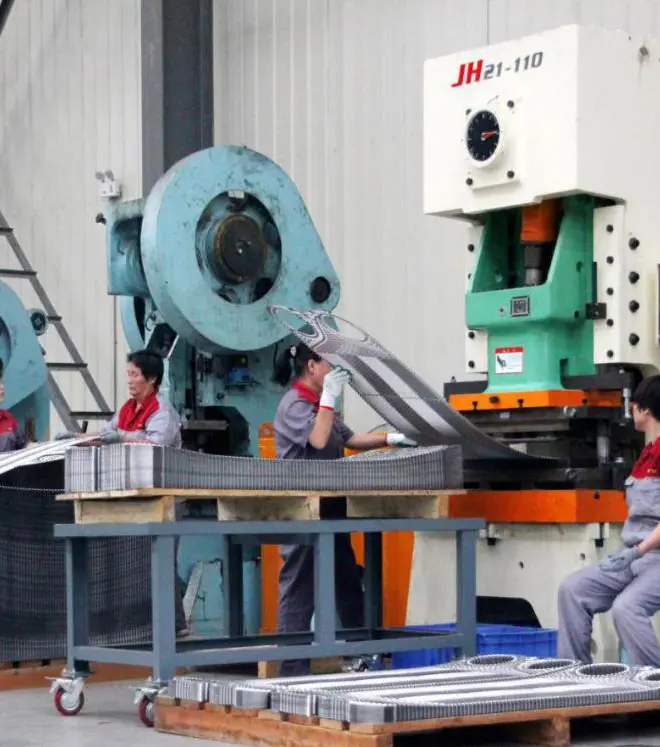
High-tonnage hydraulic presses stamp the corrugated chevron patterns in one single step. This prevents micro-fracturing and ensures uniform plate thickness.
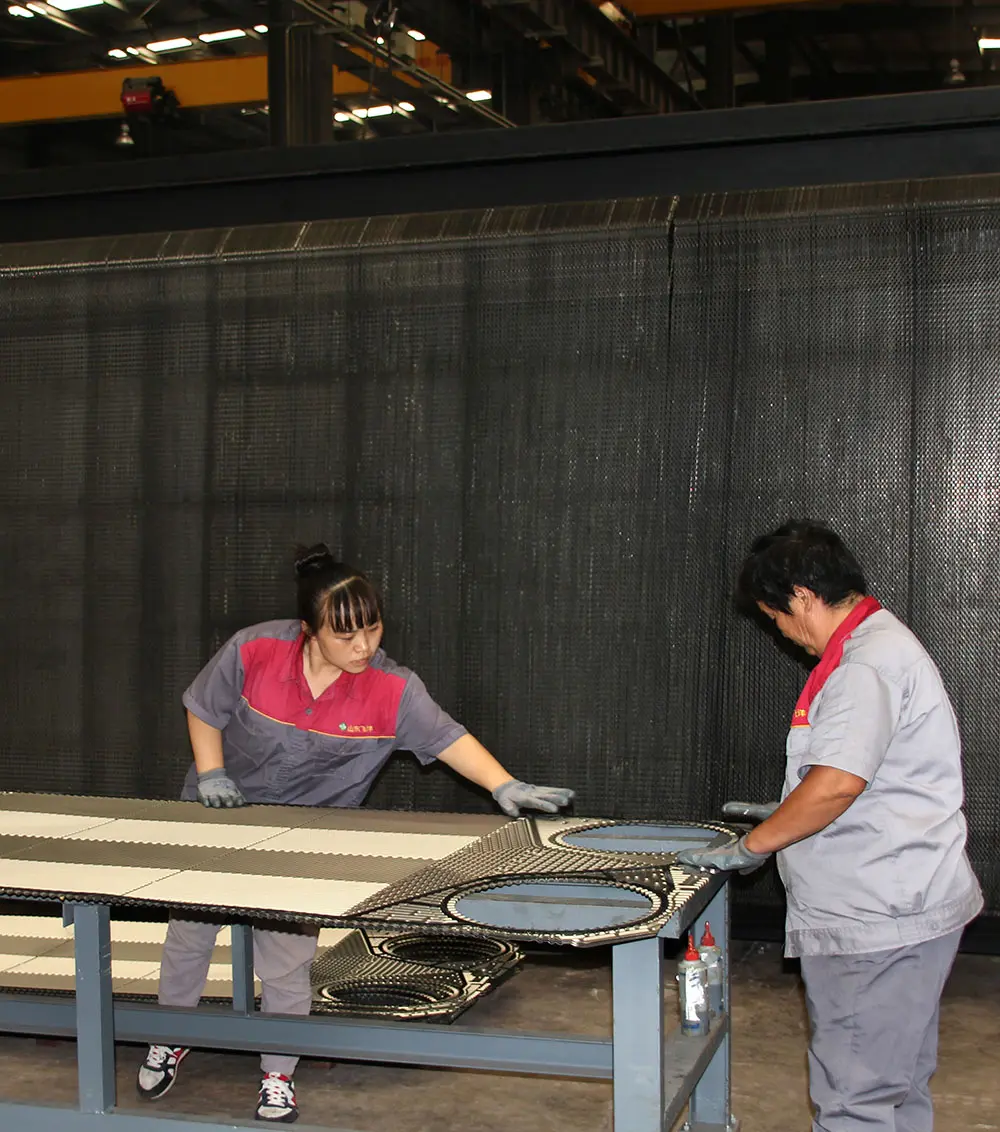
Our specialized glue-free and snap-on gasket designs ensure high seal integrity under varying temperatures and pressures, allowing for easier maintenance.
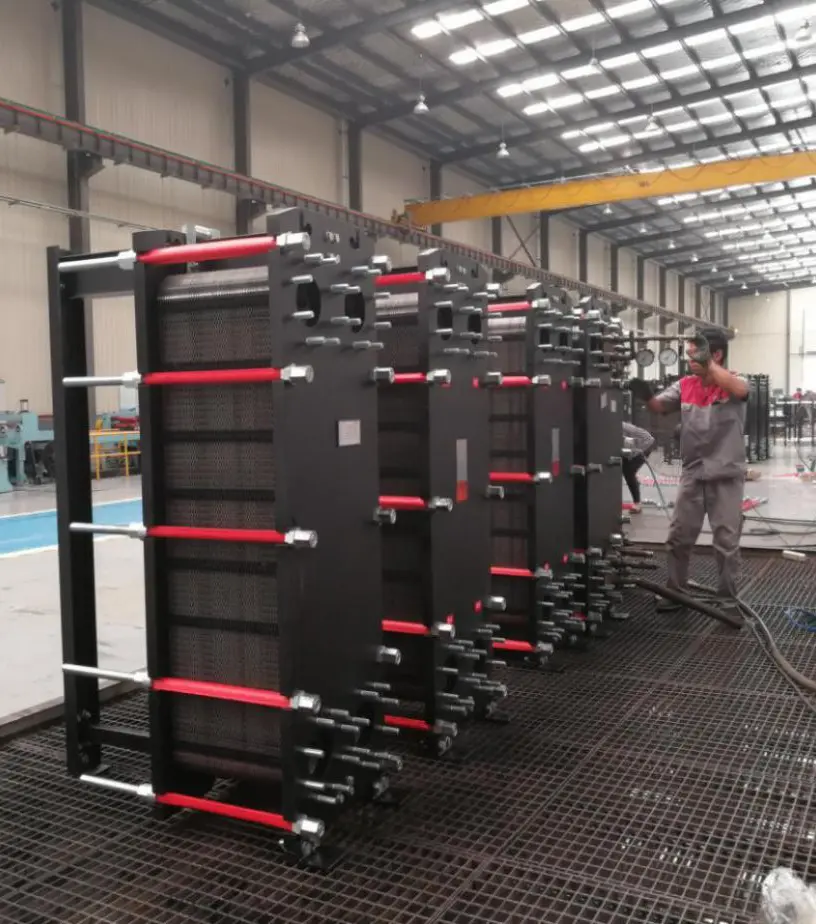
Before shipment, every plate pack is subjected to stringent pressure holding tests at 1.25 to 1.5 times the design pressure limit. This guarantees leak-free operation.
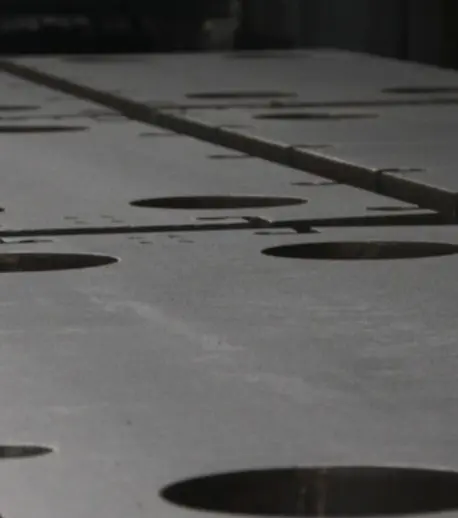
Our industrial facility utilizes an end-to-end quality pipeline including: Splint cutting for structural frame plates; Micro-forging for core stabilization; Spray painting for rust protection; Sheet cutting and coding for material tracking; and final Equipment assembly. These detailed steps ensure every unit performs reliably in demanding local environments.
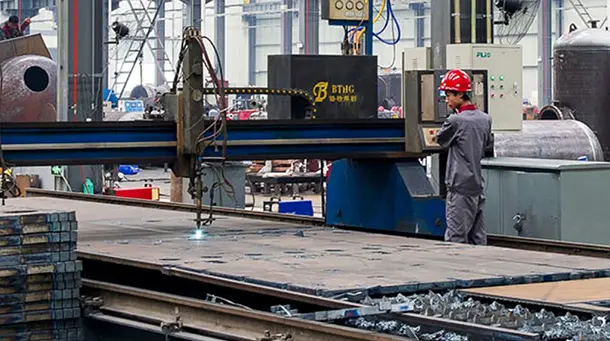
Splint Cutting
Micro-forging
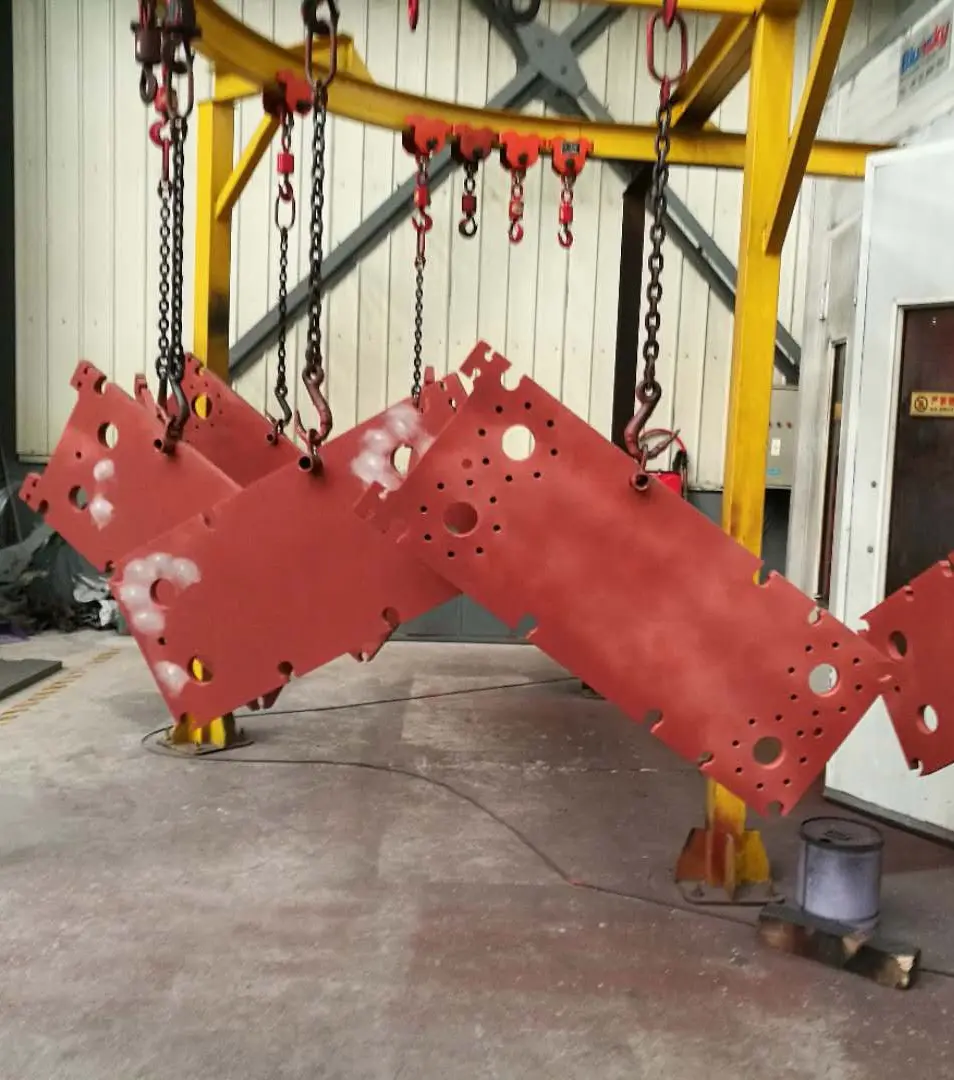
Spray Painting
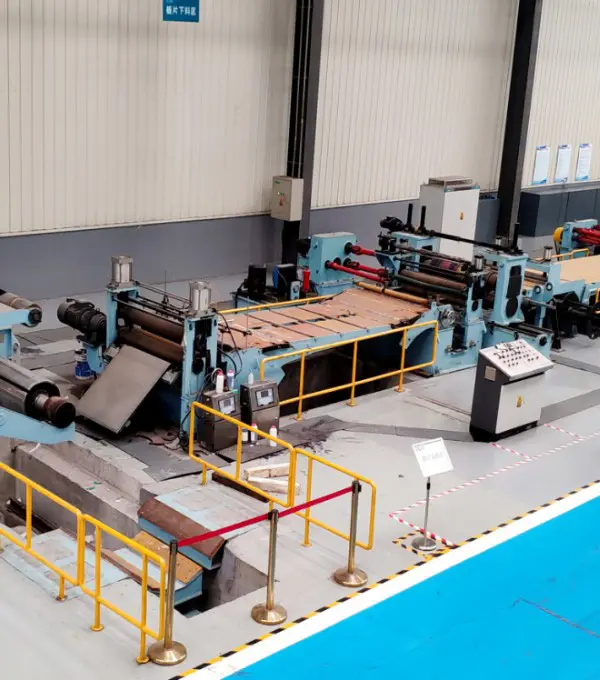
Sheet Cutting & Coding
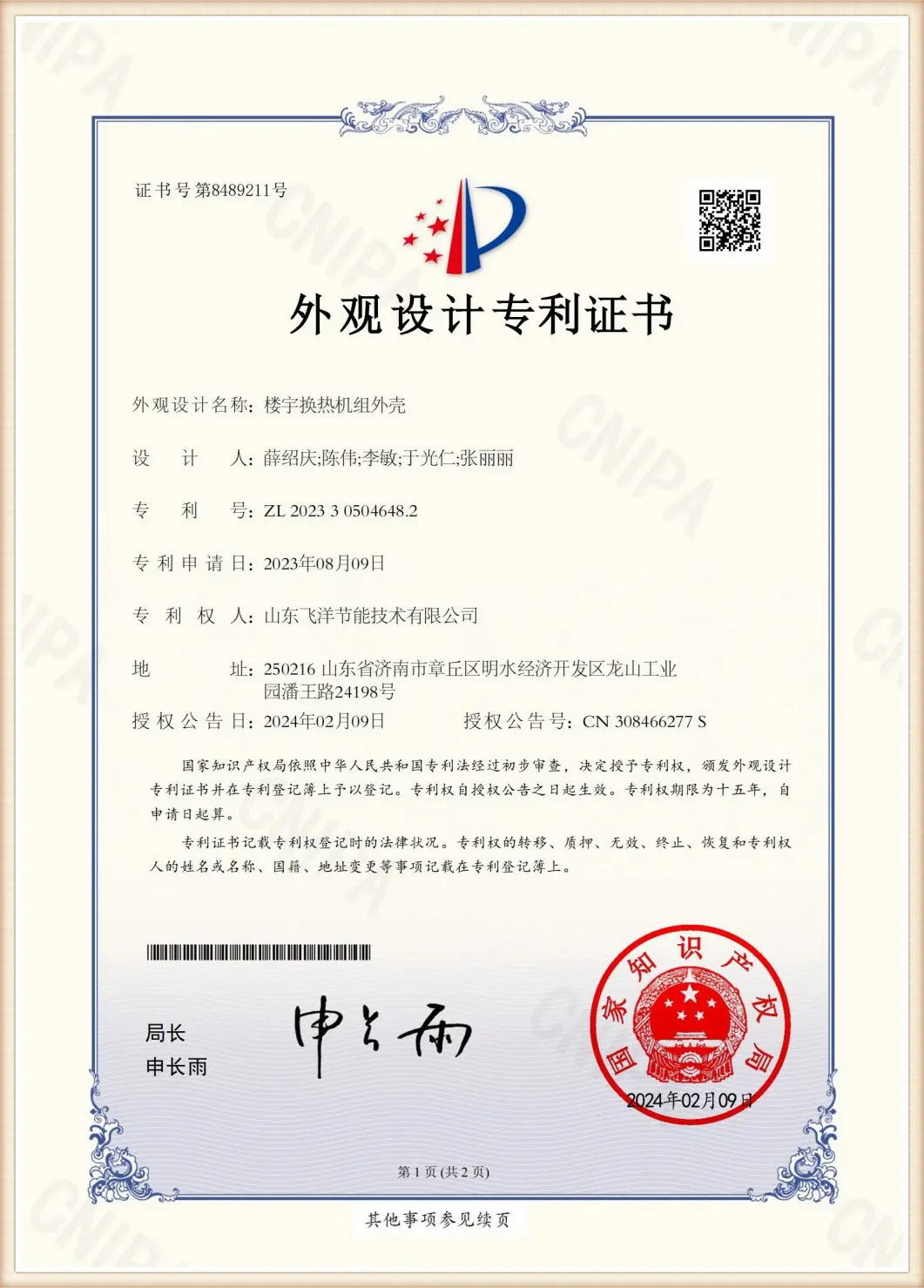
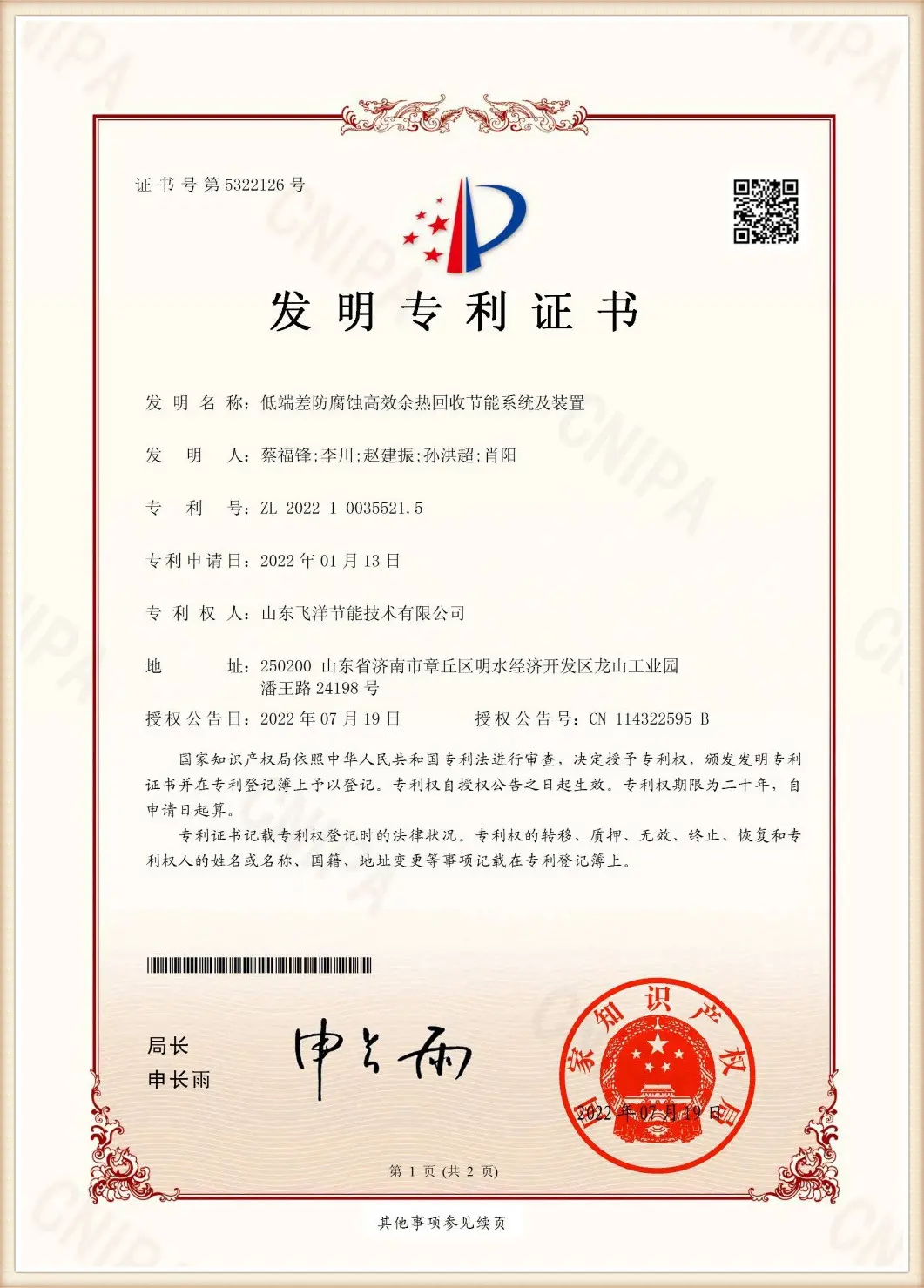
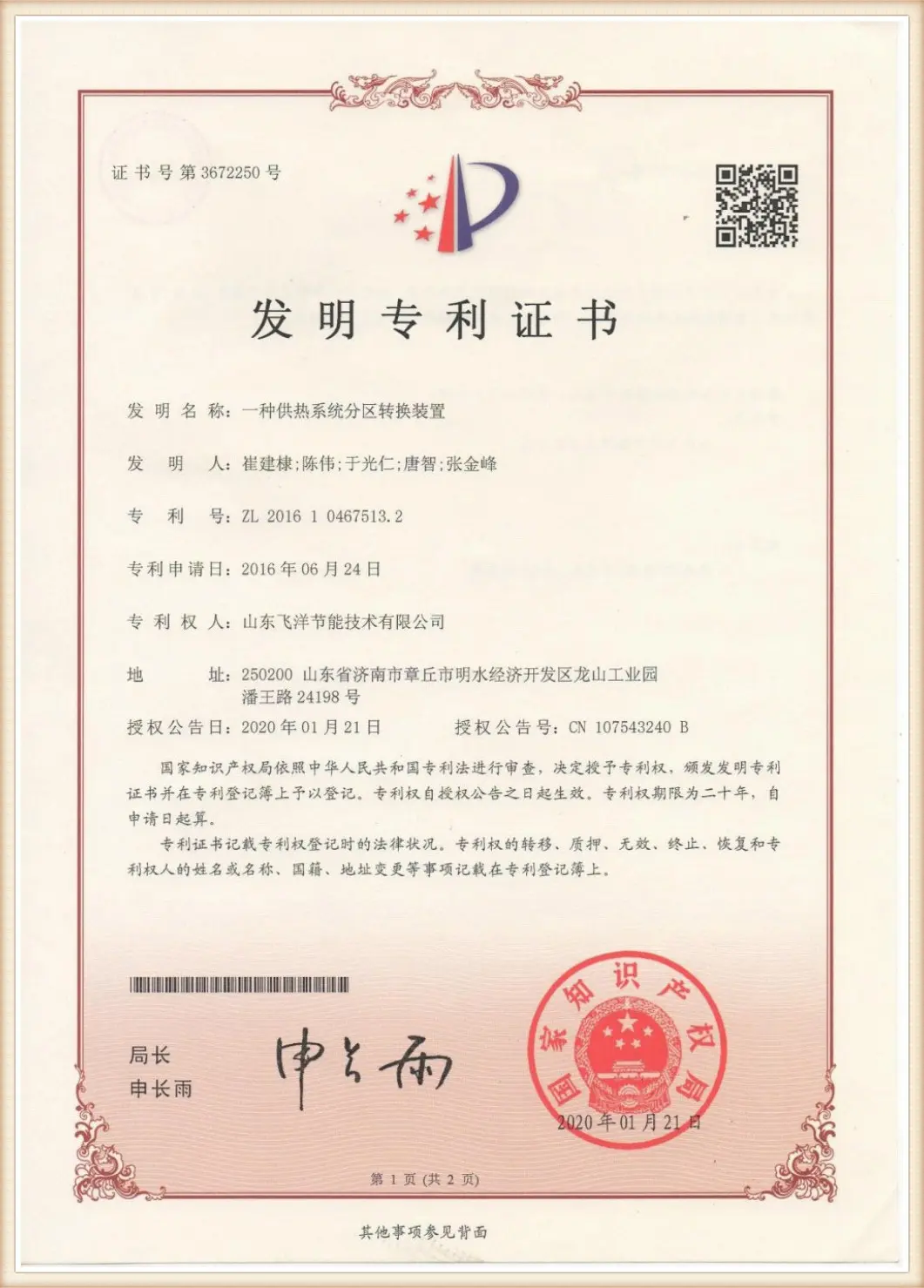
Our commitment to E-E-A-T and regulatory compliance is backed by certifications from recognized international standards bodies.
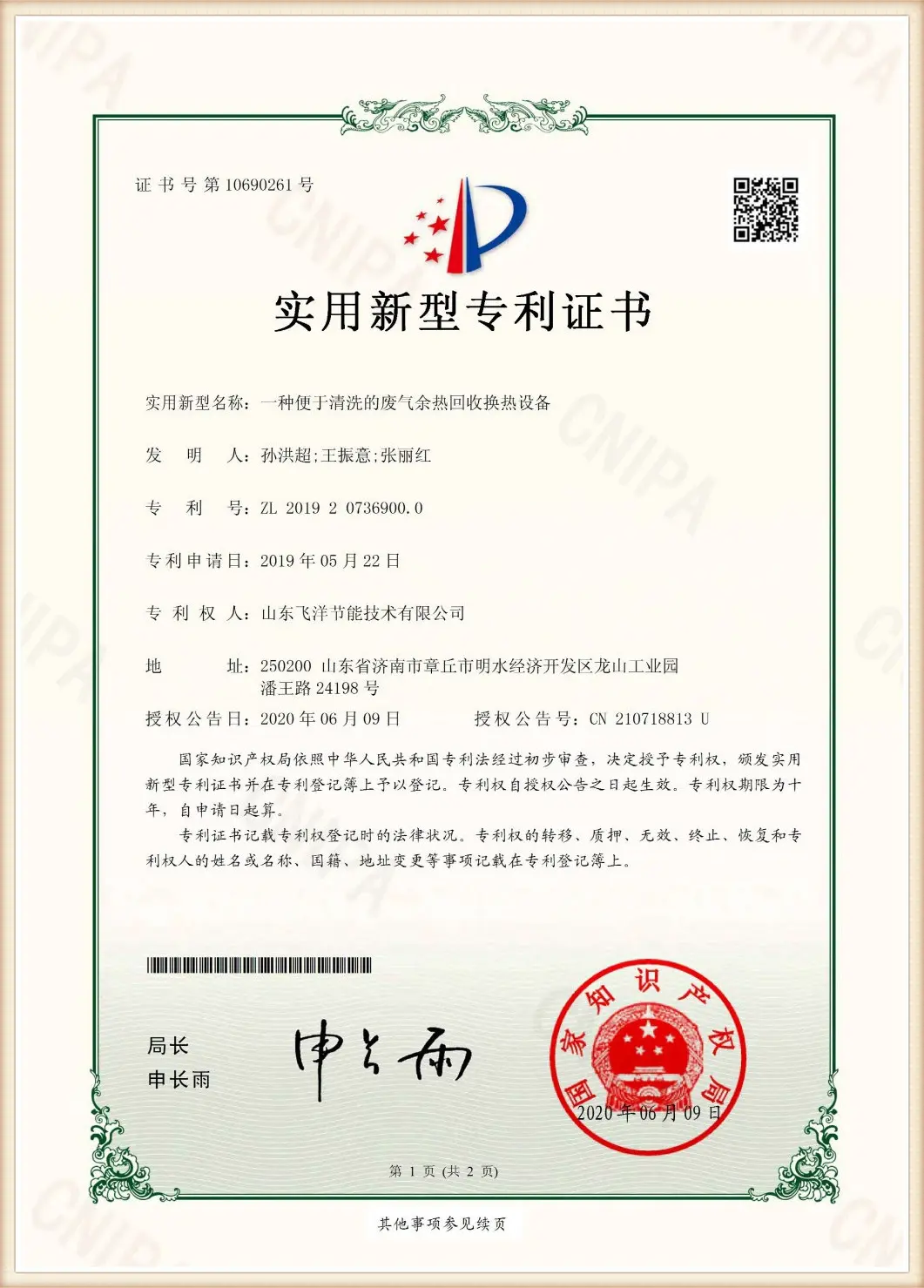
ISO 9001:2015
ISO 14001:2015
ISO 45001:2018
Pressure Vessel Registry
Explore our full line of detachable plate heat exchangers, multi-effect evaporators, and smart secondary hydronic control systems.
To successfully implement heat transfer solutions in the Southern California basin, designers must navigate a unique matrix of regulatory, environmental, and thermal requirements. In particular, the Los Angeles Department of Water and Power (LADWP) and the South Coast Air Quality Management District (SCAQMD) enforce strict environmental policies. Modern projects must prioritize high thermal effectiveness to meet the state's carbon neutrality targets.
California's Title 24 (Building Energy Efficiency Standards) requires high efficiency in hydronic space heating, chiller plants, and domestic hot water systems. Modern buildings are moving away from direct gas combustion toward air-to-water heat pumps and central energy plants. In these systems, Plate Heat Exchangers function as the primary thermal isolation barriers between low-temperature hydronic loops, domestic hot water supplies, and heat pump refrigerant circuits. By utilizing PHEs designed for close approach temperatures (down to 1°F or 0.5°C), building systems can operate at lower flow temperatures, saving substantial compressor energy in central chiller and heat pump configurations.
Southern California's municipal water supplies are known for high mineral content, which can lead to rapid scaling on heat transfer surfaces. In coastal regions, using ocean water for cooling requires materials that can withstand salt-water corrosion. Flotte addresses this by utilizing:
For heavy industries in the Los Angeles basin, including petrochemical refining in Torrance and Carson, chemical processing, and food production, heat recovery is a highly effective way to reduce greenhouse gas emissions. Flotte's Multi-Effect Evaporation Systems and Membrane Concentration Systems are designed to capture waste heat from industrial wastewater streams. This recovered energy can be reused for process preheating, helping facilities lower their overall fuel consumption.
Answers to engineering, sizing, compliance, and material selection questions from project designers and procurement managers.
To achieve a close approach temperature (e.g., 1°F to 2°F) in hydronic loops, we use high-theta plates featuring a low chevron corrugation angle. This configuration increases fluid residence time and heat transfer coefficient, though it results in a higher pressure drop. Our engineering team balances this pressure drop by adjusting the number of plates and channels. This helps maintain efficiency while keeping pump power consumption within allowable Title 24 limits.
Our standard manufacturing time ranges from 4 to 6 weeks, depending on the material specification (e.g., standard stainless steel vs. specialized titanium/hastelloy plates). We work with global freight partners to coordinate containerized or air shipping options to Los Angeles, ensuring reliable delivery schedules that align with project timelines.
Our frame compression plates are manufactured from high-strength carbon steel, designed and tested to withstand high pressure. The plate pack is compressed using heavy-duty tie bolts to ensure uniform pressure distribution across the gaskets. Additionally, we conduct a dual-phase hydrostatic test on every unit before shipment to confirm leak-free performance under design pressures.
We provide comprehensive documentation, complete drawings, and detailed manuals for every model shipped. We maintain stock of replacement plates and gaskets (including EPDM, NBR, and Viton) for rapid shipment, helping to minimize downtime during scheduled maintenance cycles.
Contact our engineering team to request a customized thermal calculation, ASME design sizing, or a quotation for your project.
 Flotte Energy