Advanced intelligent systems engineered to deliver superior cooling and thermal control across Jakarta's commercial properties and industrial facilities.
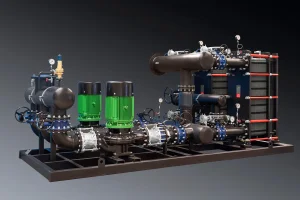
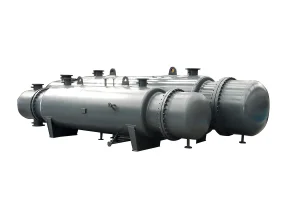
As the primary economic powerhouse of Indonesia, Jakarta and its surrounding metropolitan area (Jabodetabek) face unprecedented challenges in energy optimization and thermal management. Operating in an equatorial, high-humidity environment with average temperatures ranging between 28°C and 34°C, local commercial infrastructures, manufacturing facilities, and heavy utilities require advanced cooling architectures. Standard thermal designs face degradation due to ambient humidity, coastal salinity, and hard-water scaling.
Flotte Energy Saving Company, originally founded in 1995 as Flotte Thermal Engineering and formally incorporated in 2013 with a registered capital of 101 million yuan, stands at the forefront of this industrial transition. Over the past three decades, we have engineered custom-tailored solutions for water equipment, HVAC systems, and chemical fluid management. Our mission in the Jakarta market is to deploy high-efficiency Plate Heat Exchangers (PHE) that minimize energy loss, tolerate demanding tropical cooling media, and lower operating costs.
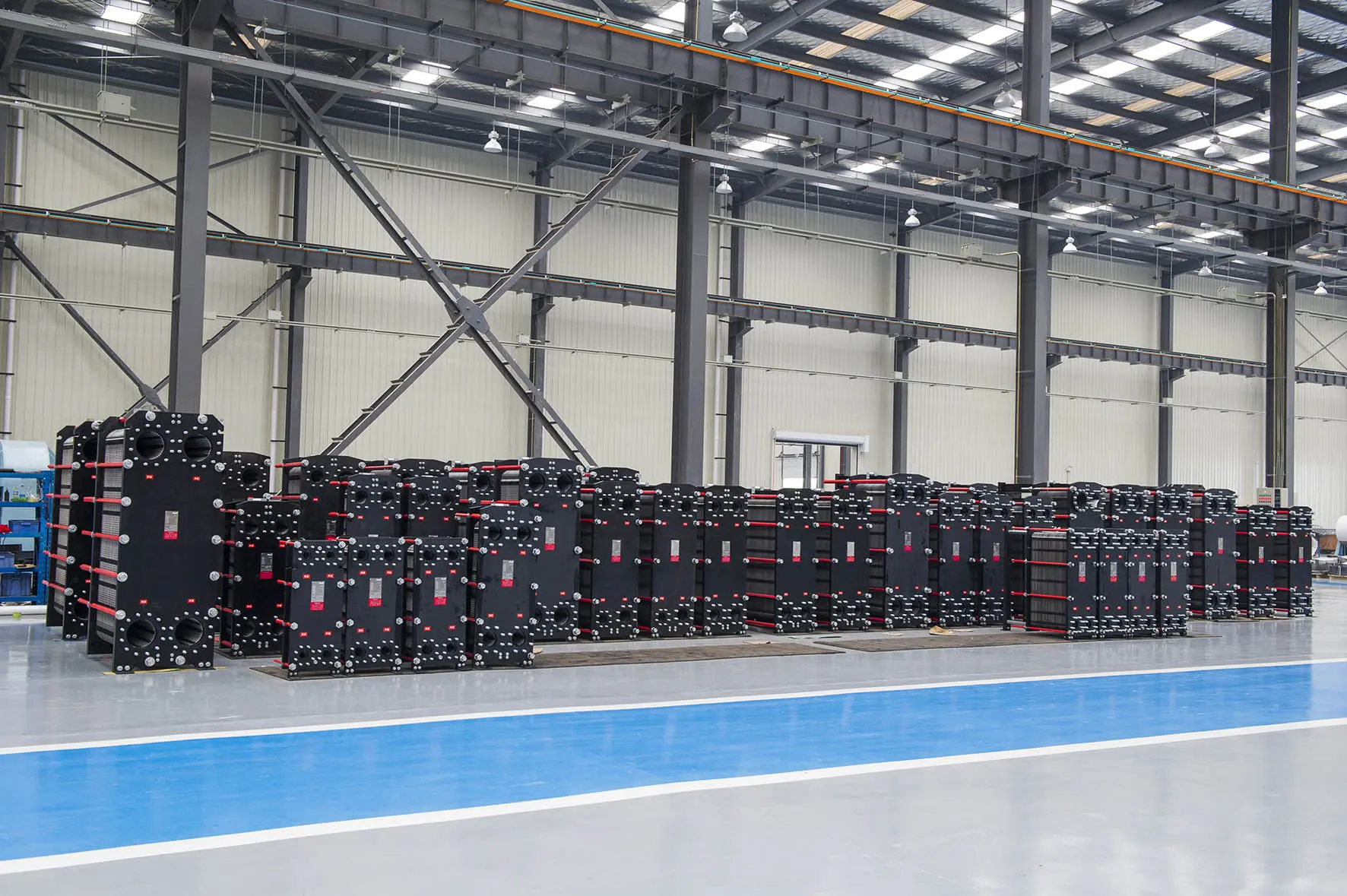
Our growth is backed by rigorous empirical testing, massive manufacturing capacity, and global certifications that guarantee absolute reliability in high-stake applications.
Jakarta’s distinct geographic and meteorological profile dictates specialized cooling requirements. Below are the key applications where our customized heat exchangers outperform traditional thermal methods.
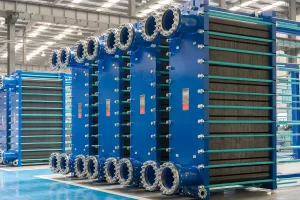
High-rise office towers in Sudirman, Kuningan, and Thamrin require cooling networks that manage high static pressures. Our gasketed and semi-welded plate heat exchangers separate the primary cooling tower loop from the secondary chilled water distribution loop, containing high design pressures up to 2.5 MPa and saving significant compressor energy.
With Jakarta situated on the coastline, local marine facilities at Tanjung Priok Port rely on coastal seawater for secondary process cooling. The heavy presence of chlorides will corrode standard stainless steels. We utilize Grade 1 and Grade 2 Titanium plate materials that offer high-level resistance against chloride attack, bio-fouling, and galvanic corrosion.
As the digital nerve center of Indonesia, Jakarta (alongside industrial parks in Cibitung and Karawang) is witnessing a massive expansion of data centers. To keep PUE (Power Usage Effectiveness) low, liquid cooling loops using our high-NTU (Number of Transfer Units) plate heat exchangers facilitate a tight approach temperature (under 1.0°C), minimizing active chiller runtimes.
Industrial complexes in Bekasi and Tangerang host major food production plants. Our sanitary plate heat exchangers with FDA-compliant EPDM and NBR gaskets prevent contamination during pasteurization and heat recovery steps. These units are engineered for rapid mechanical dismantling to allow simple CIP (Clean-in-Place) routines.
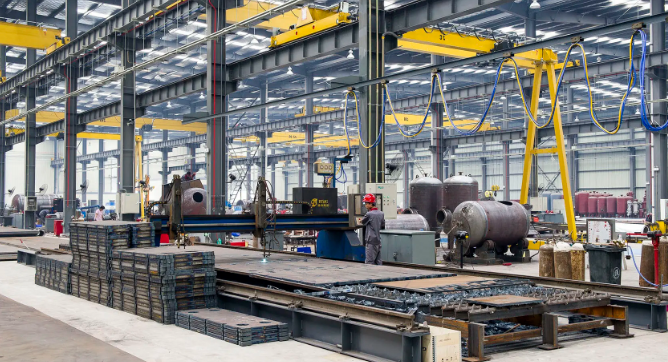
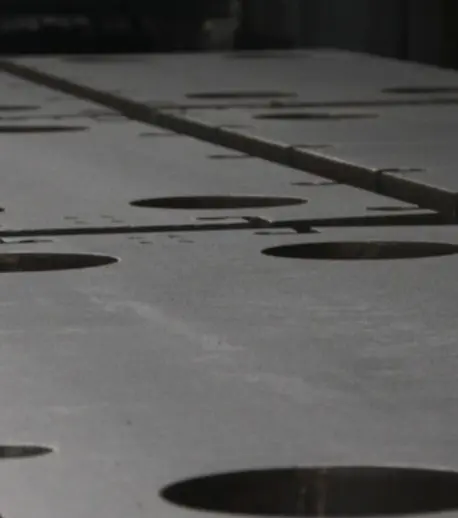
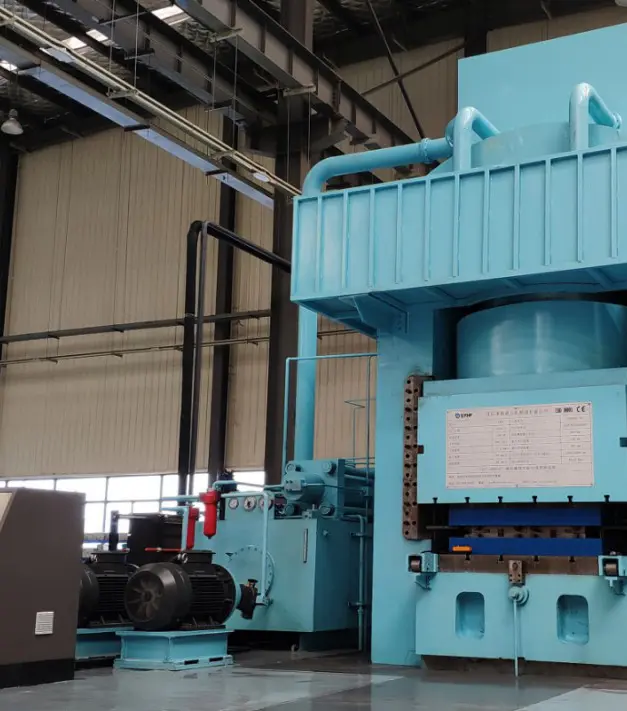
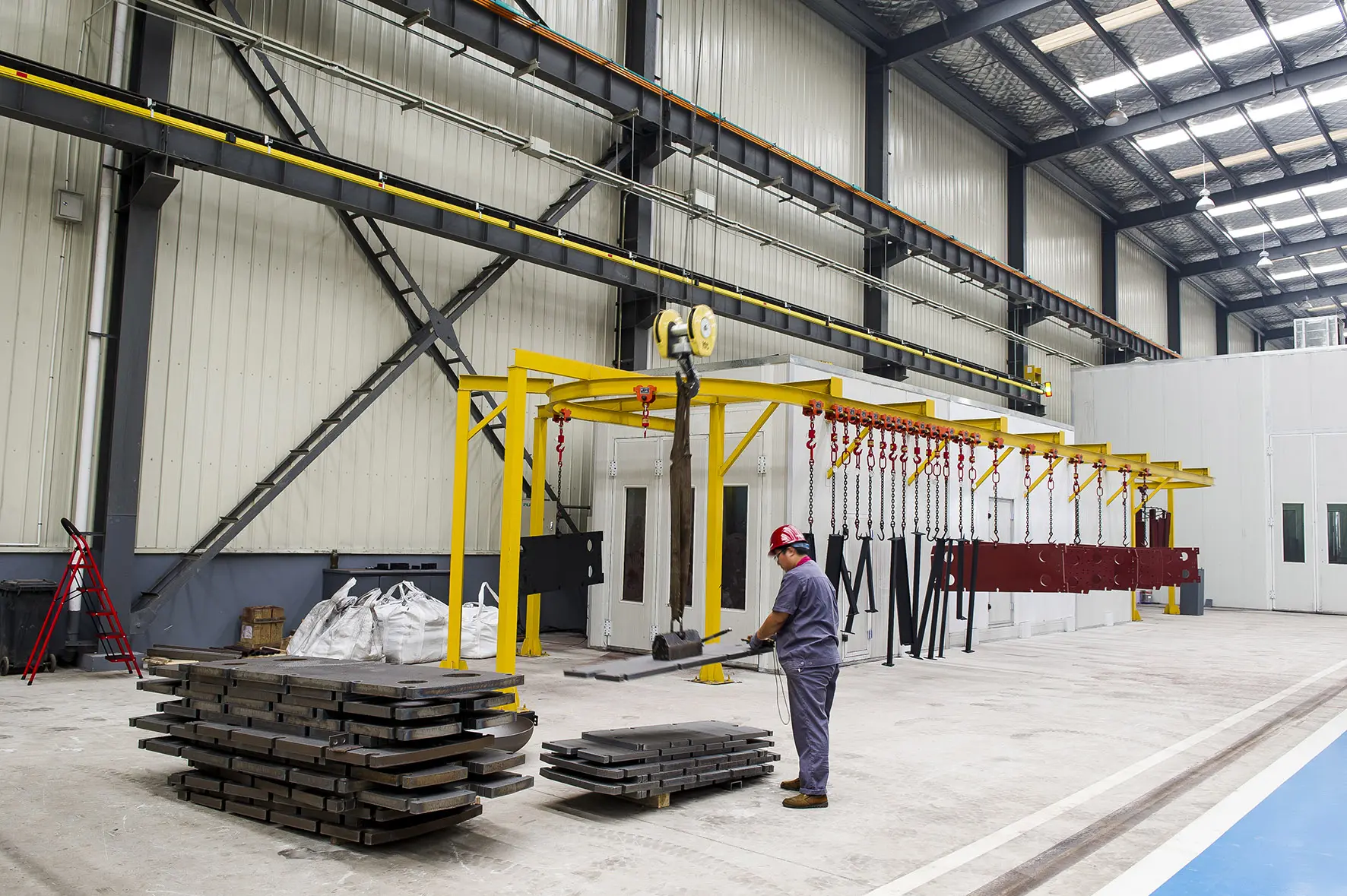
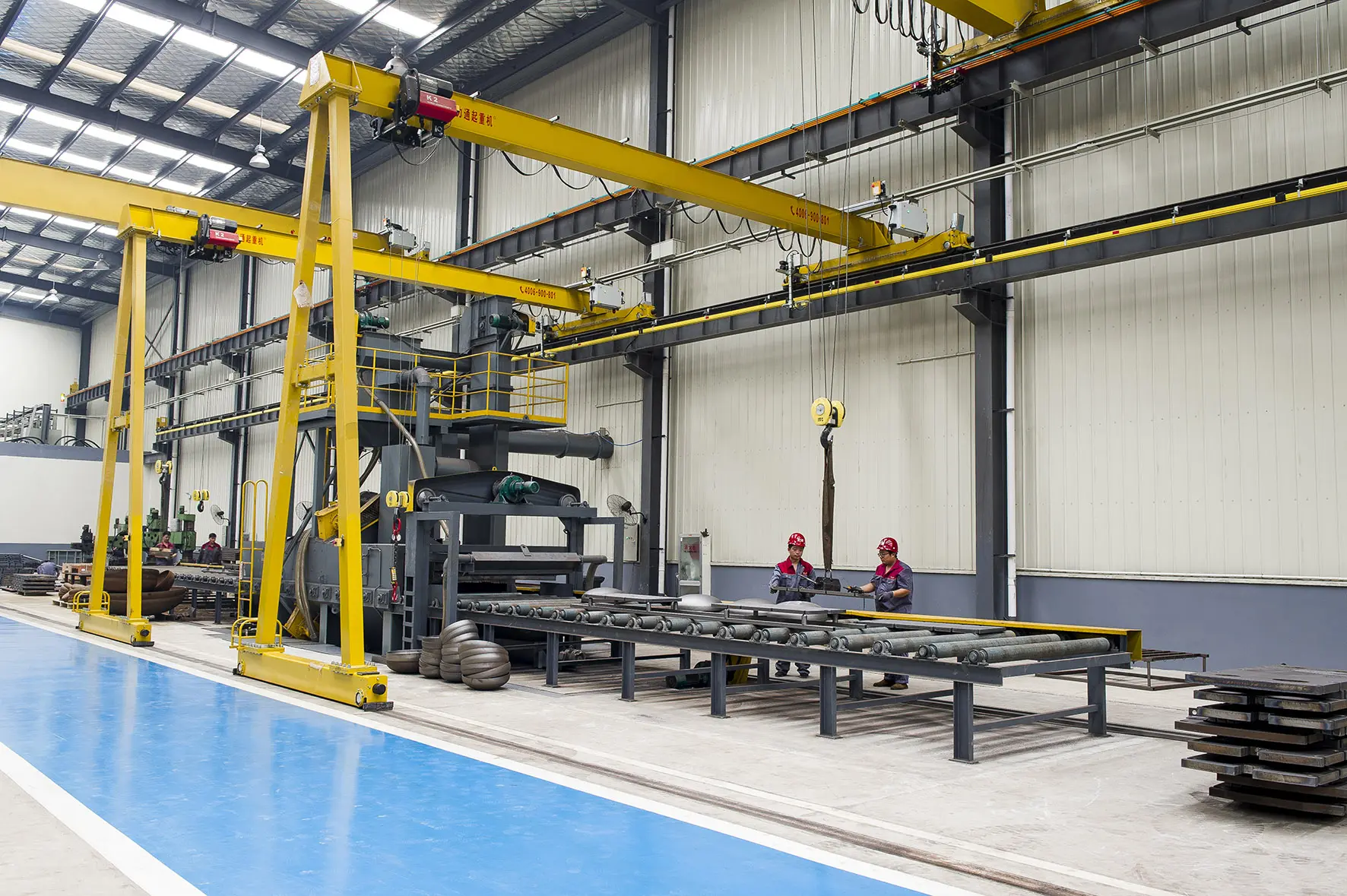
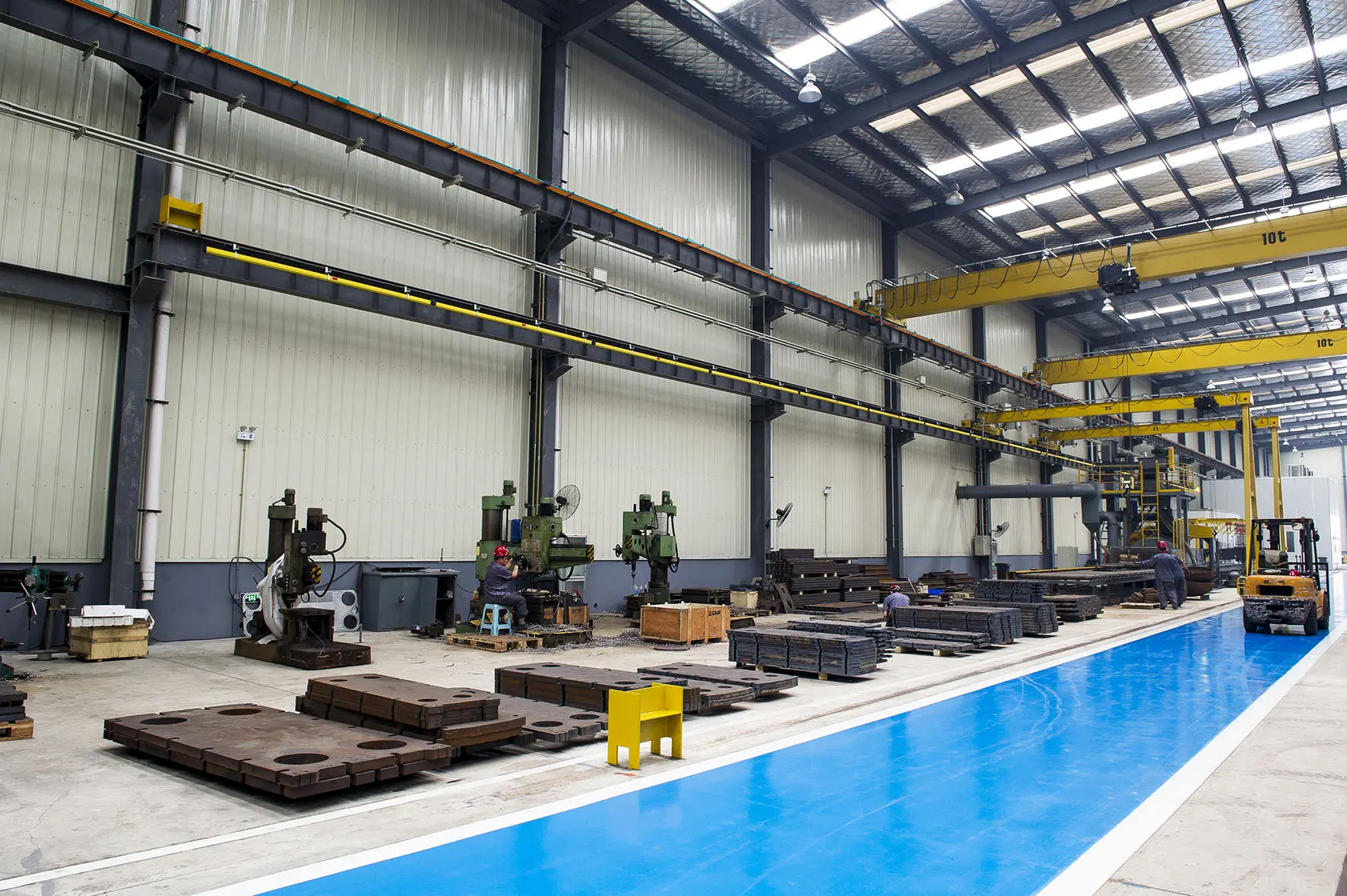
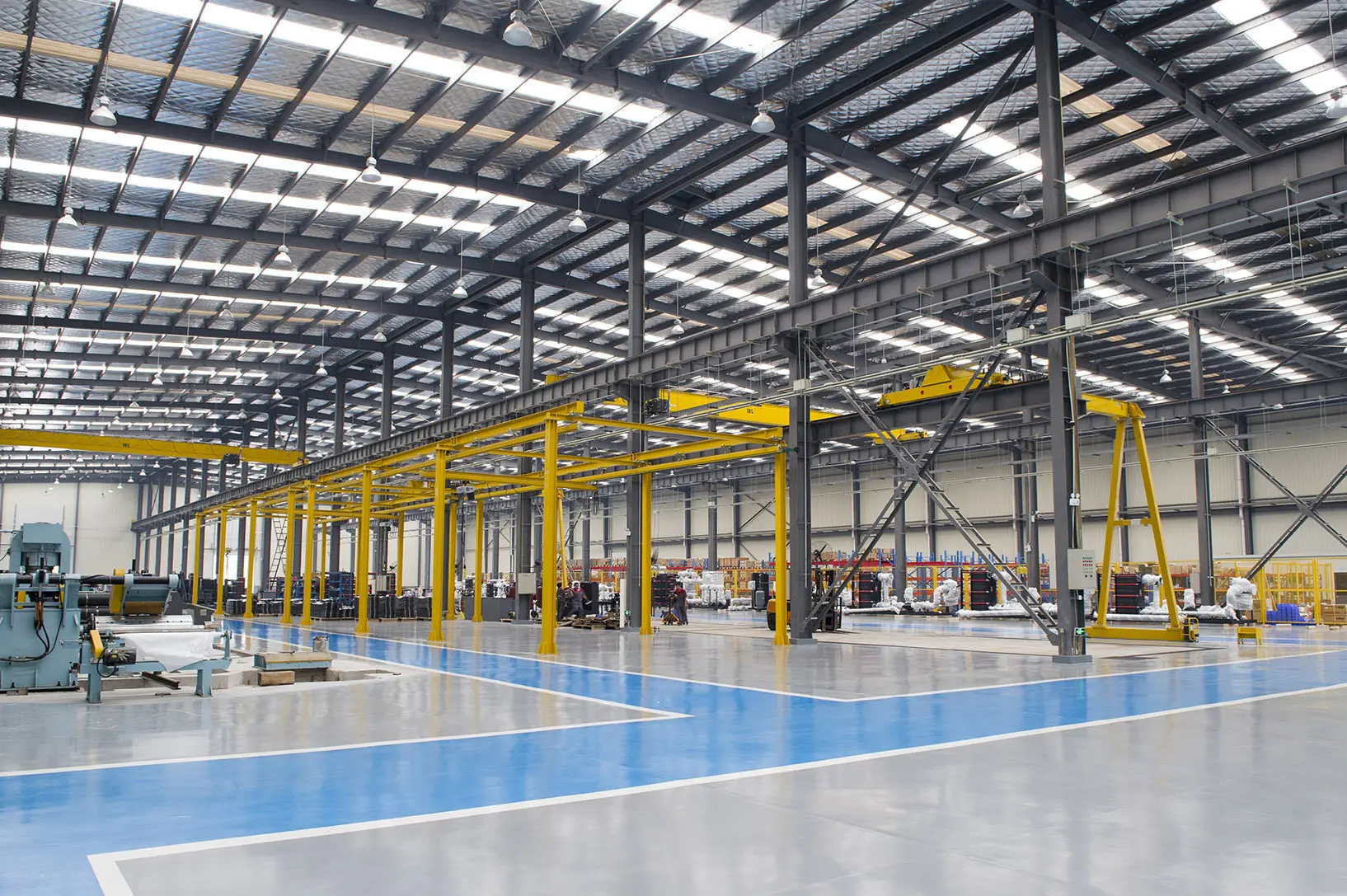
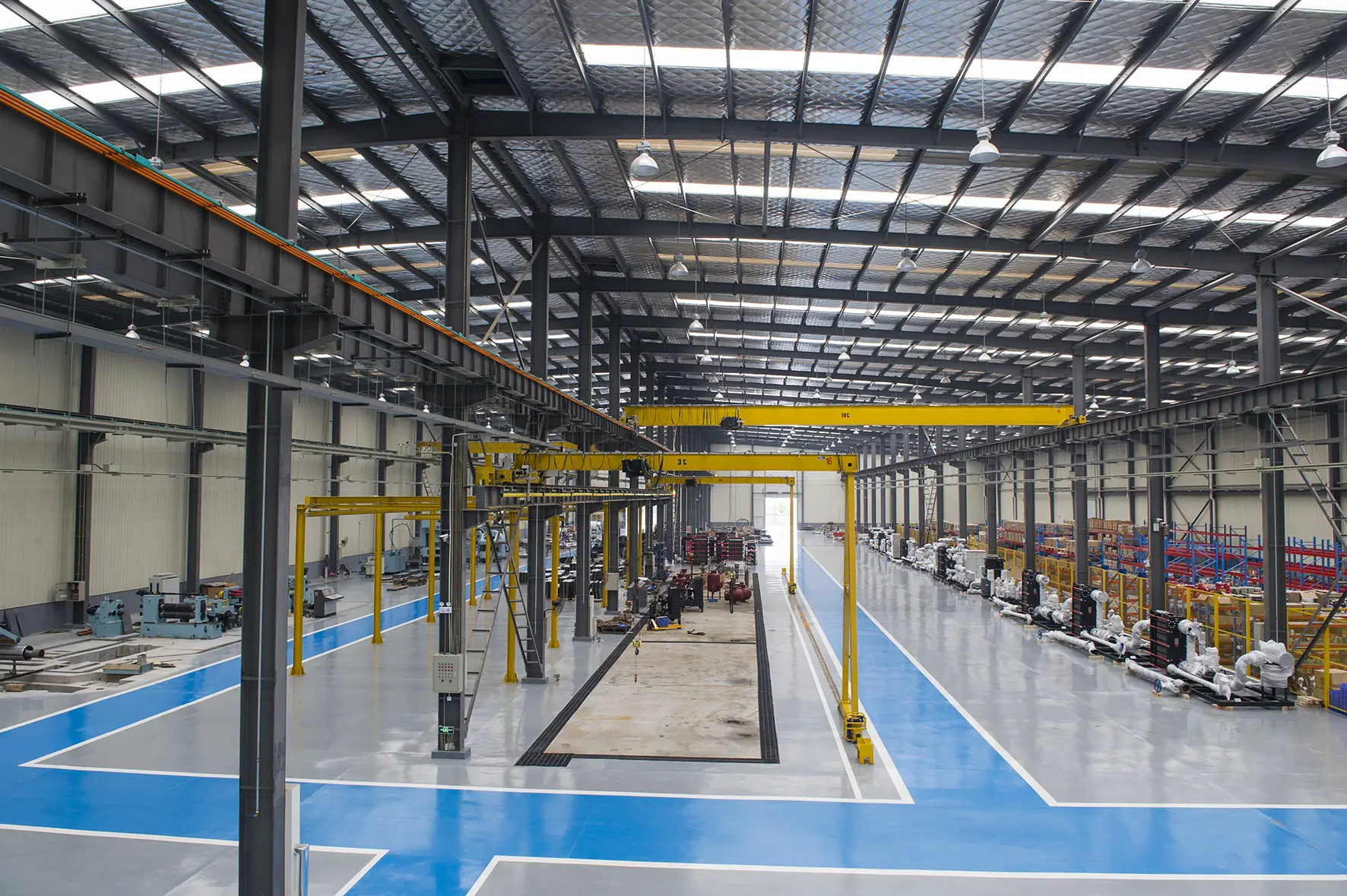
The performance of a plate heat exchanger depends on the precision of its plate corrugation geometry and gasket seating. Under structural stresses and rapid temperature cycles, plate misalignment causes leakage and cross-contamination. To prevent this, Flotte operates modern, high-tonnage hydraulic stamping lines alongside automated laser profiling tools.
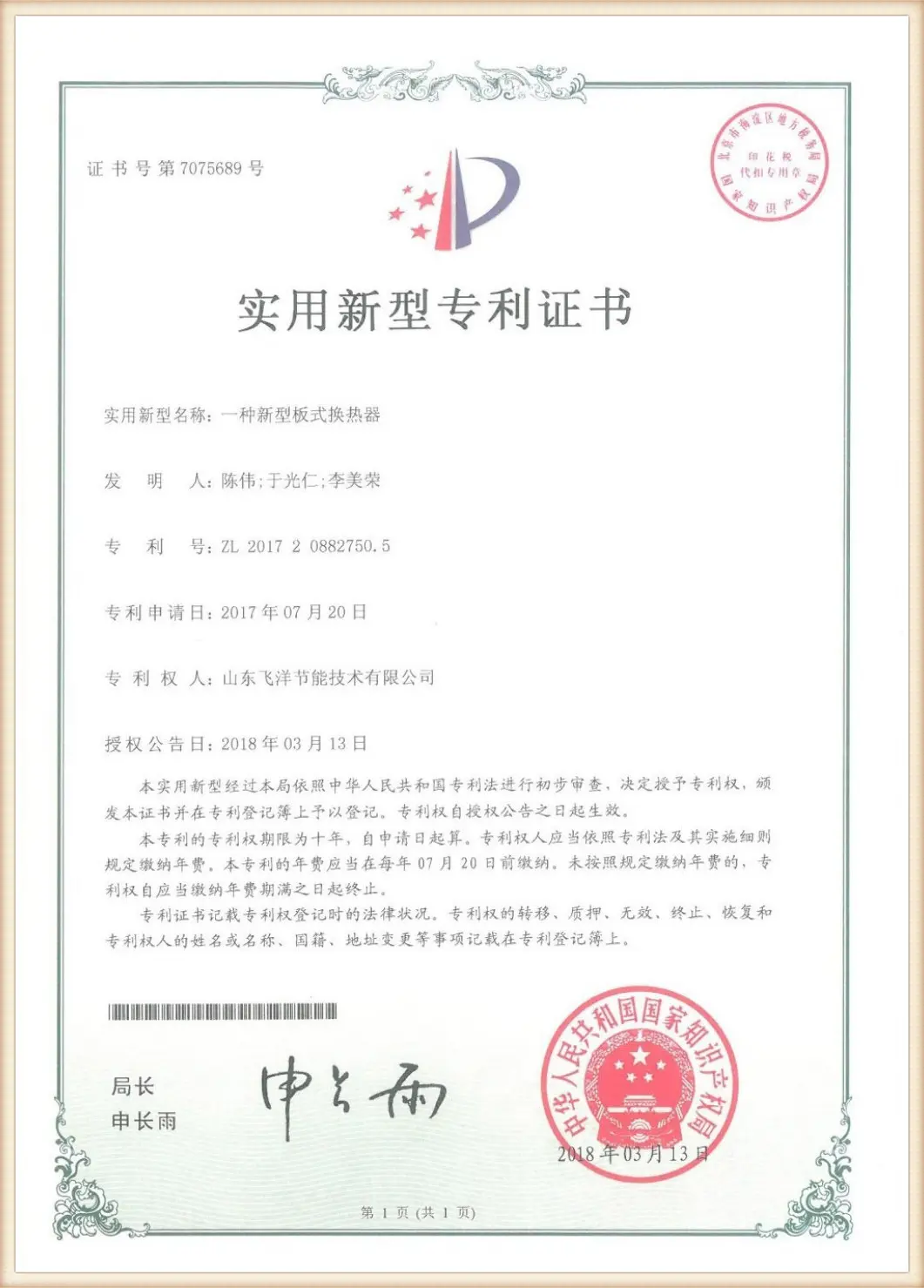
All production stages strictly conform to the ISO 9001:2015 Quality Management System, the ISO 14001:2015 Environmental Management System, and the ISO 45001:2018 Occupational Health and Safety standard. Additionally, our plate designs carry official safety registrations from the National Boiler and Pressure Vessel Standardization Technical Committee. When you buy from Flotte, you obtain equipment verified by multiple independent national quality supervision authorities.
We control every variable from the receipt of raw sheet metal down to final hydro-testing. Follow our technical process below:
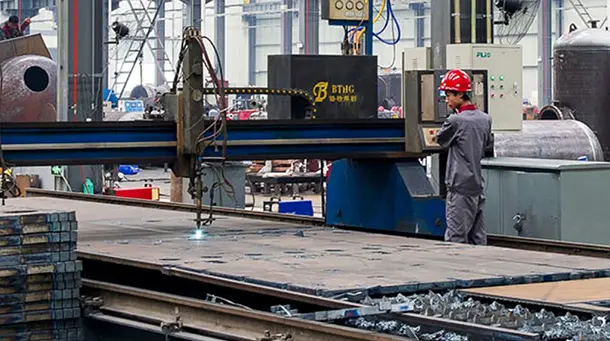
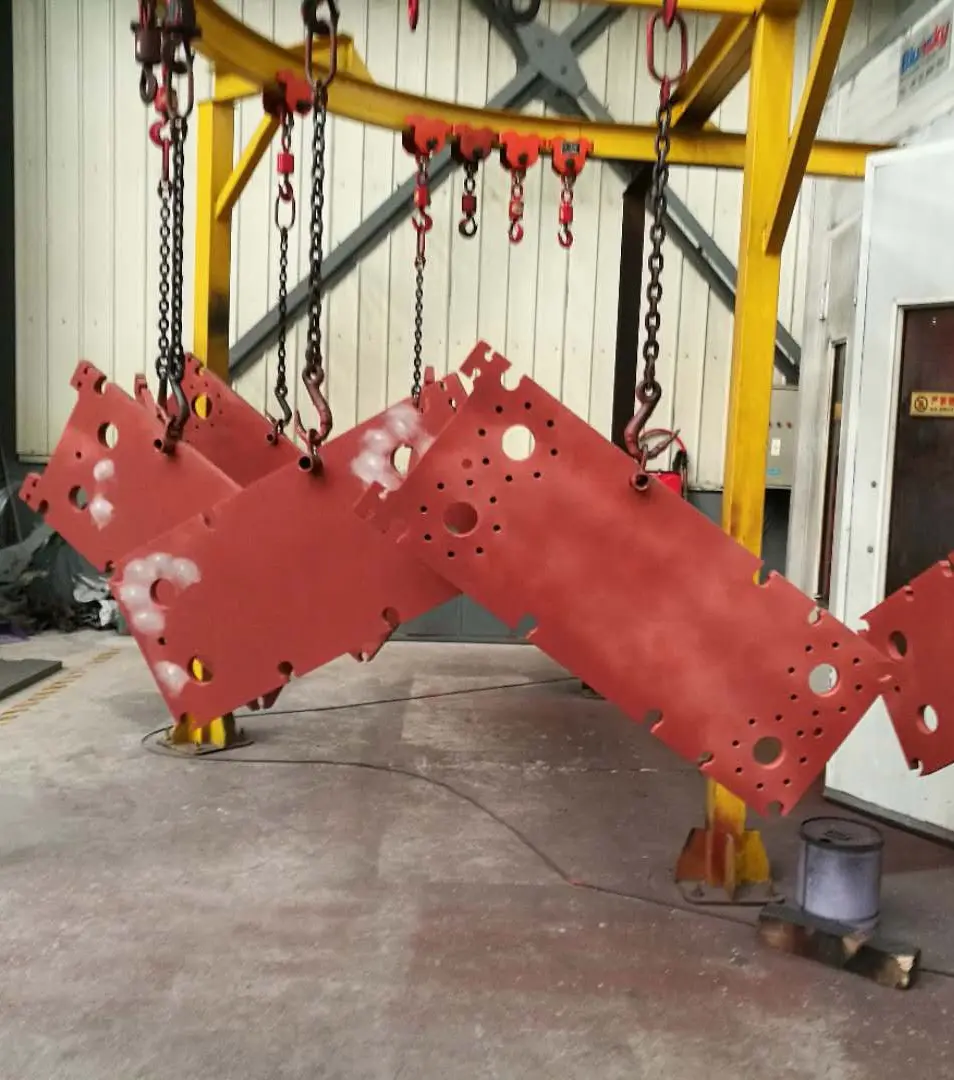
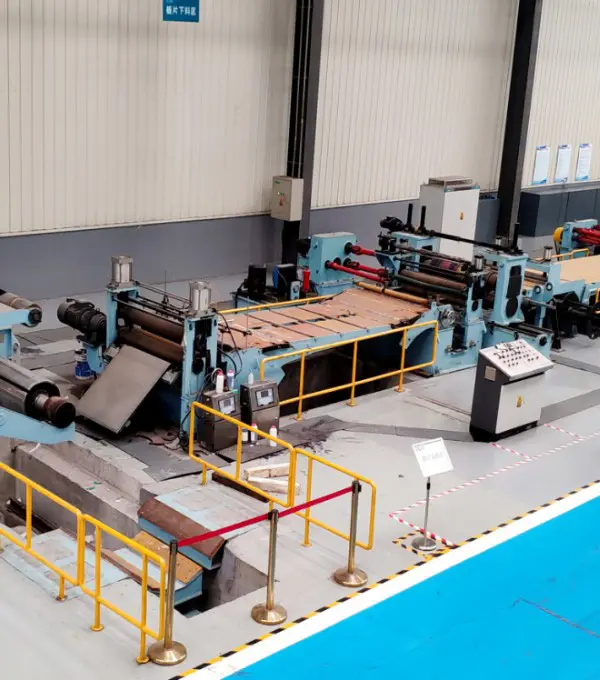
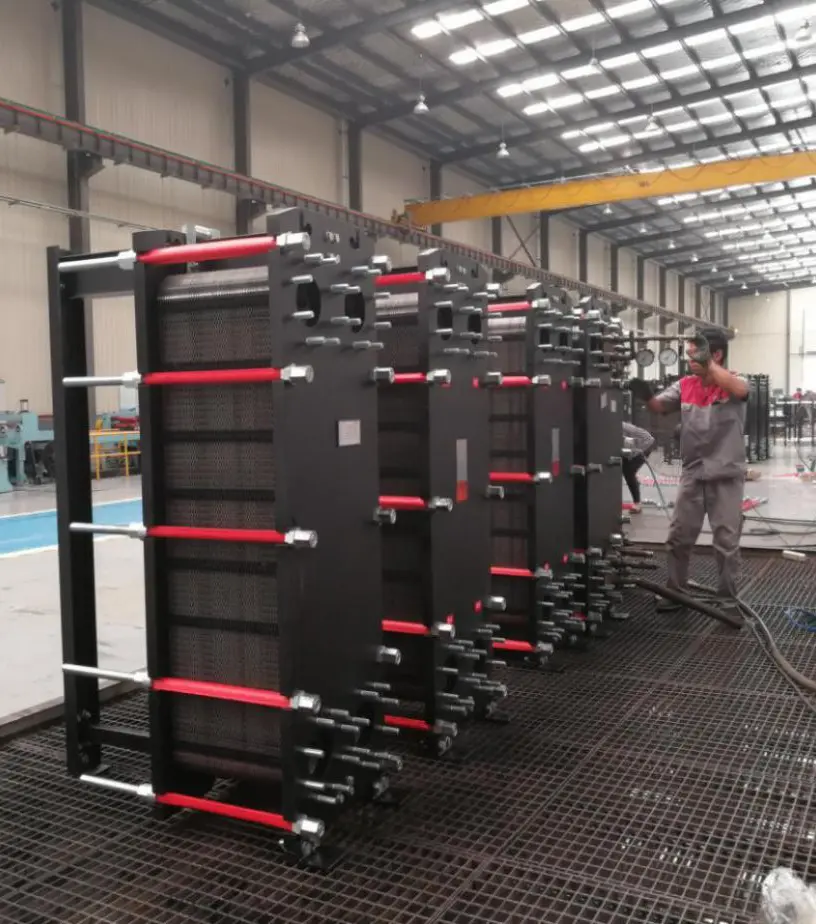
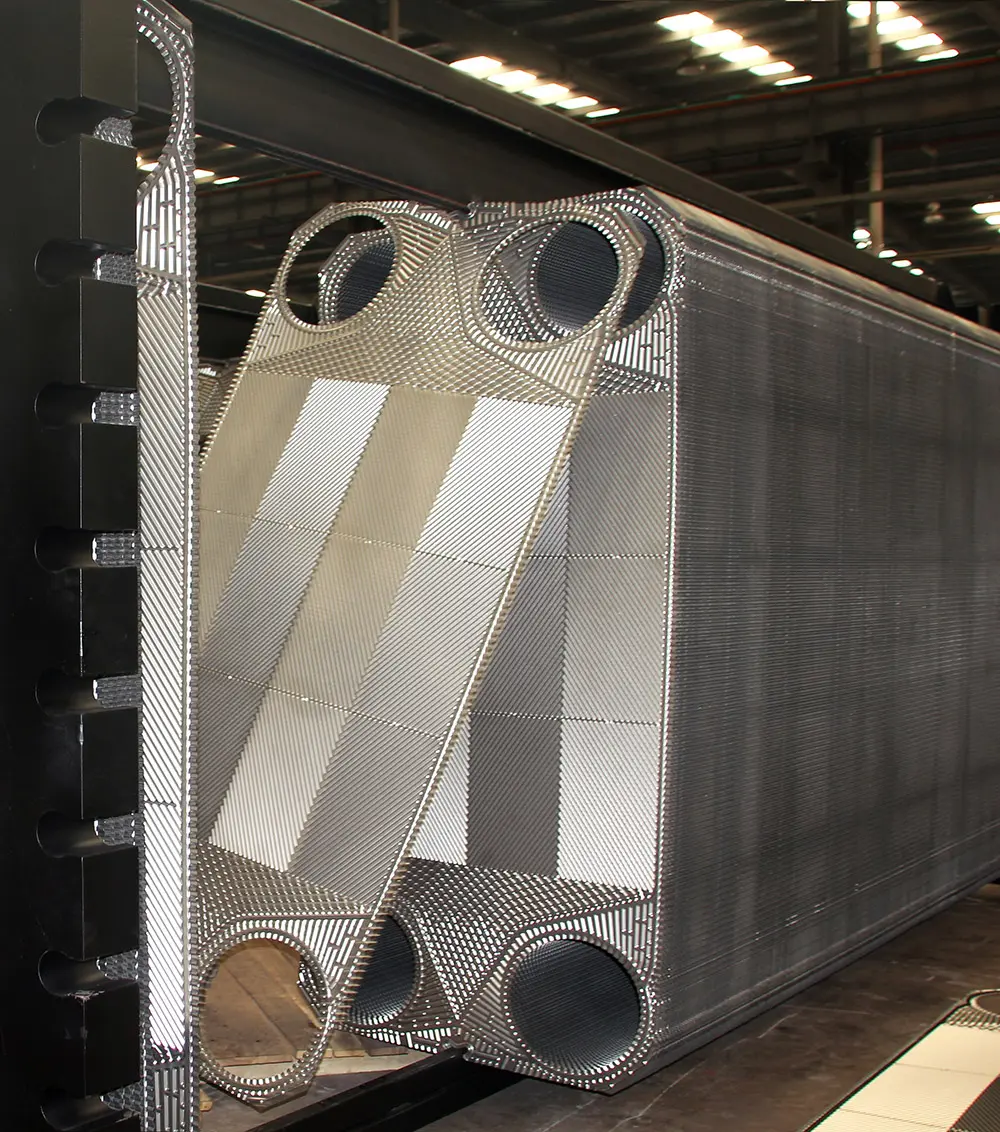
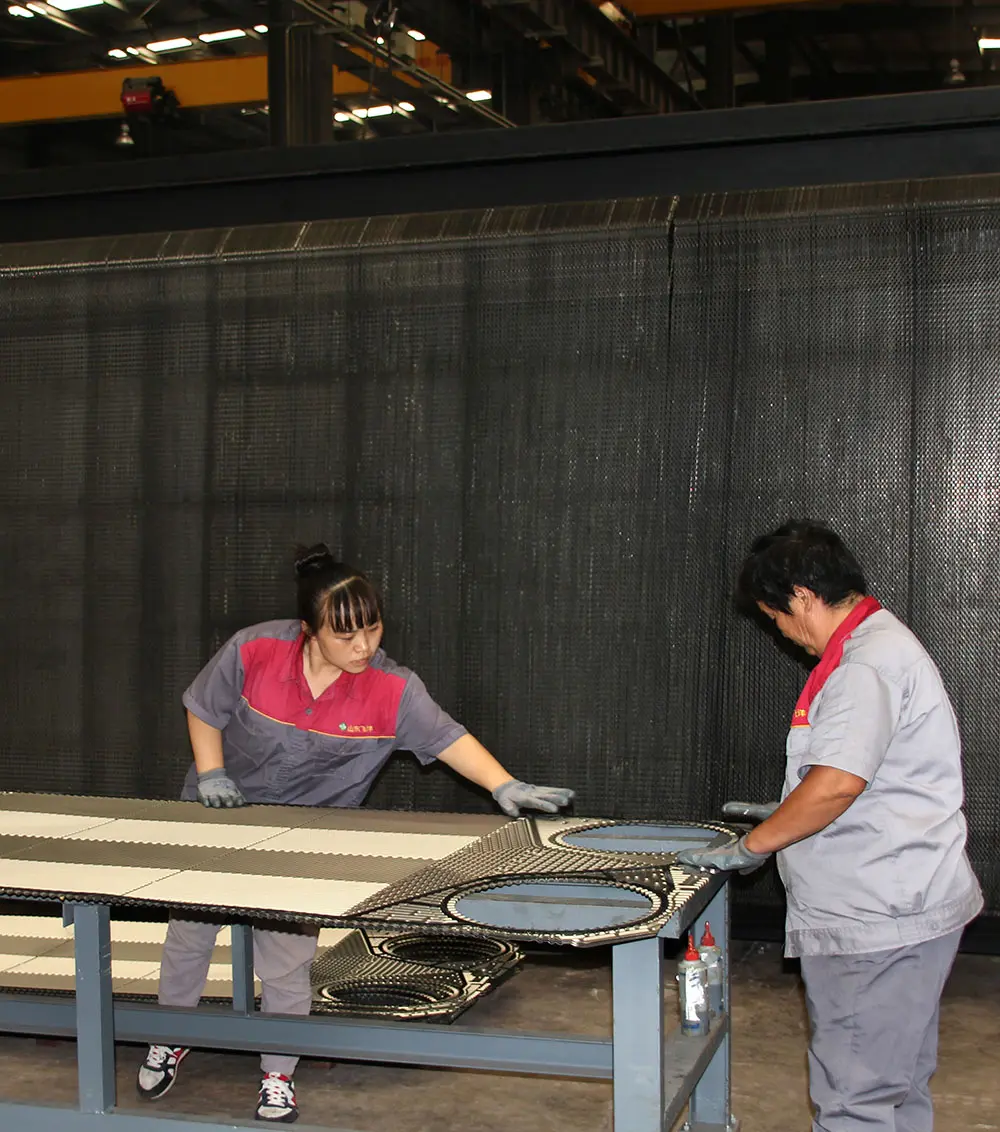
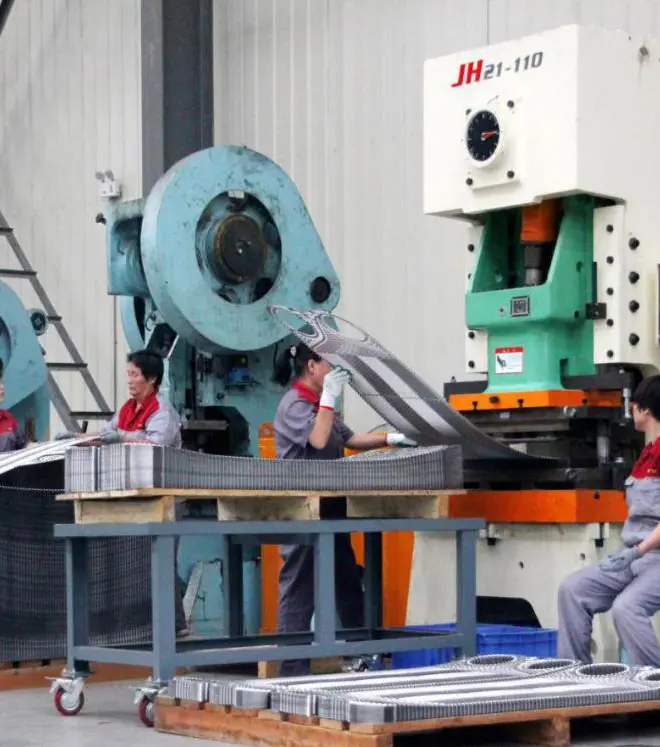
Procuring high-capacity mechanical equipment involves navigating lead times, quality risks, and shipping logisitcs. Flotte bridges this gap by merging large-scale Chinese manufacturing efficiency with direct logistics pipelines serving Indonesia.
Our units feature patented corrugated plate profiles that promote high fluid turbulence. This translates to heat transfer coefficients (U-values) that are 2 to 3 times greater than standard shell-and-tube configurations, using less space and plate surface area.
By leveraging Chinese raw material markets and maintaining strategic contracts with premier steel mills, we secure premium SUS304, SUS316L, and Titanium sheets. This insulates our Jakarta buyers from price swings and guarantees grade authenticity.
Through close coordination with cargo operators, we offer sea freight delivery straight to Tanjung Priok Port in Jakarta. We provide full packing lists, custom declarations, pressure certifications, and mounting instructions to ensure easy local clearing.
Our plate heat exchangers and valves undergo rigorous safety audits. View our national and international compliance certifications below.
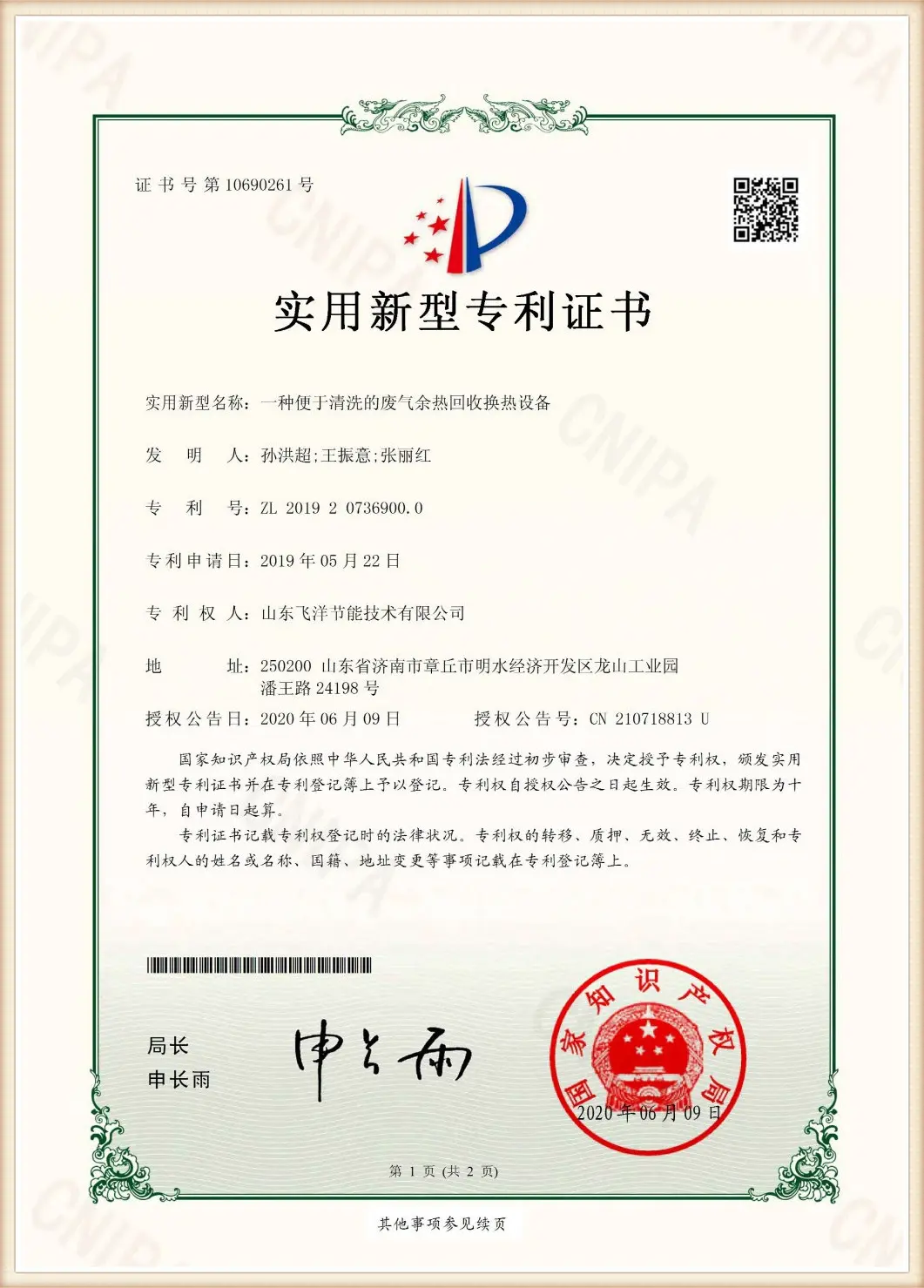
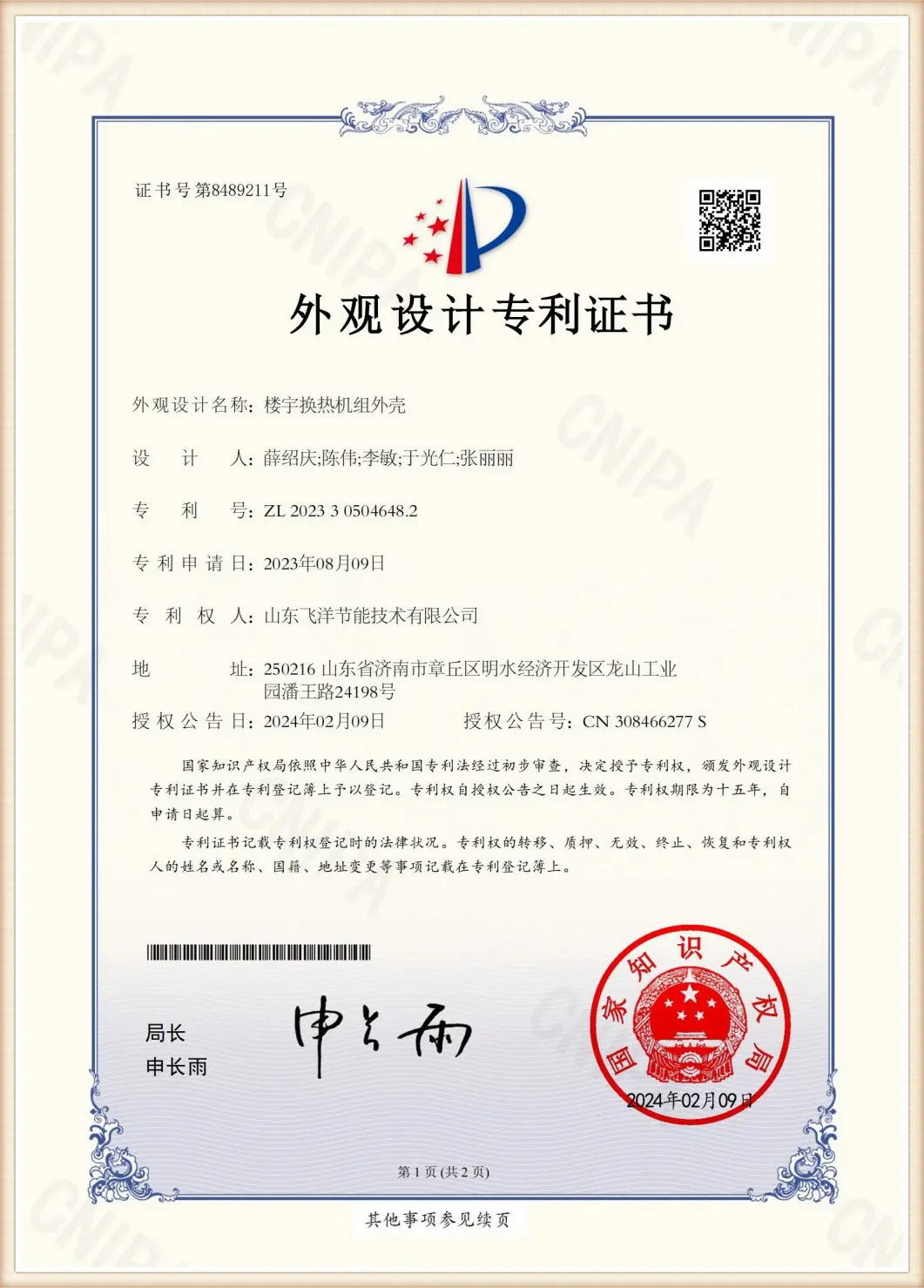
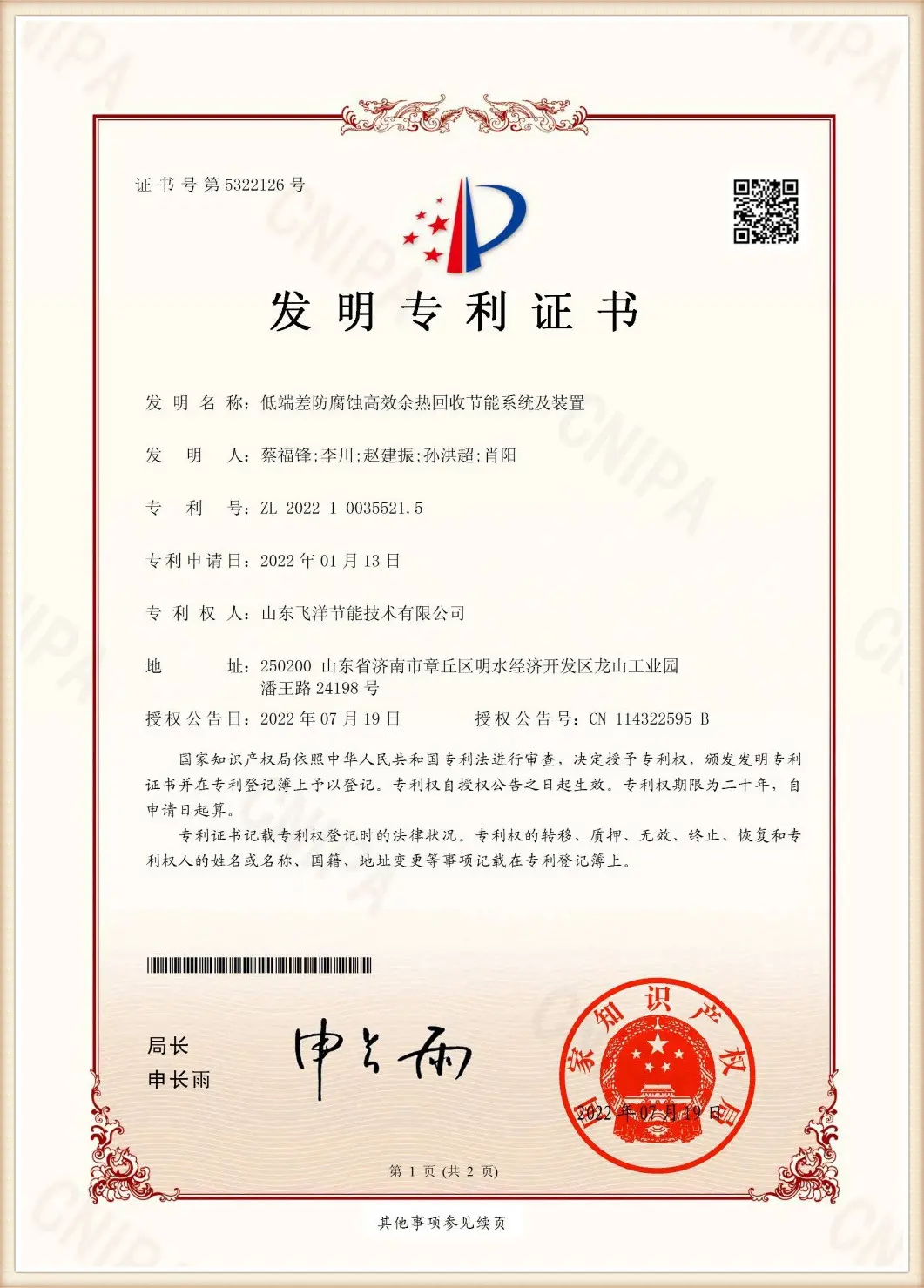
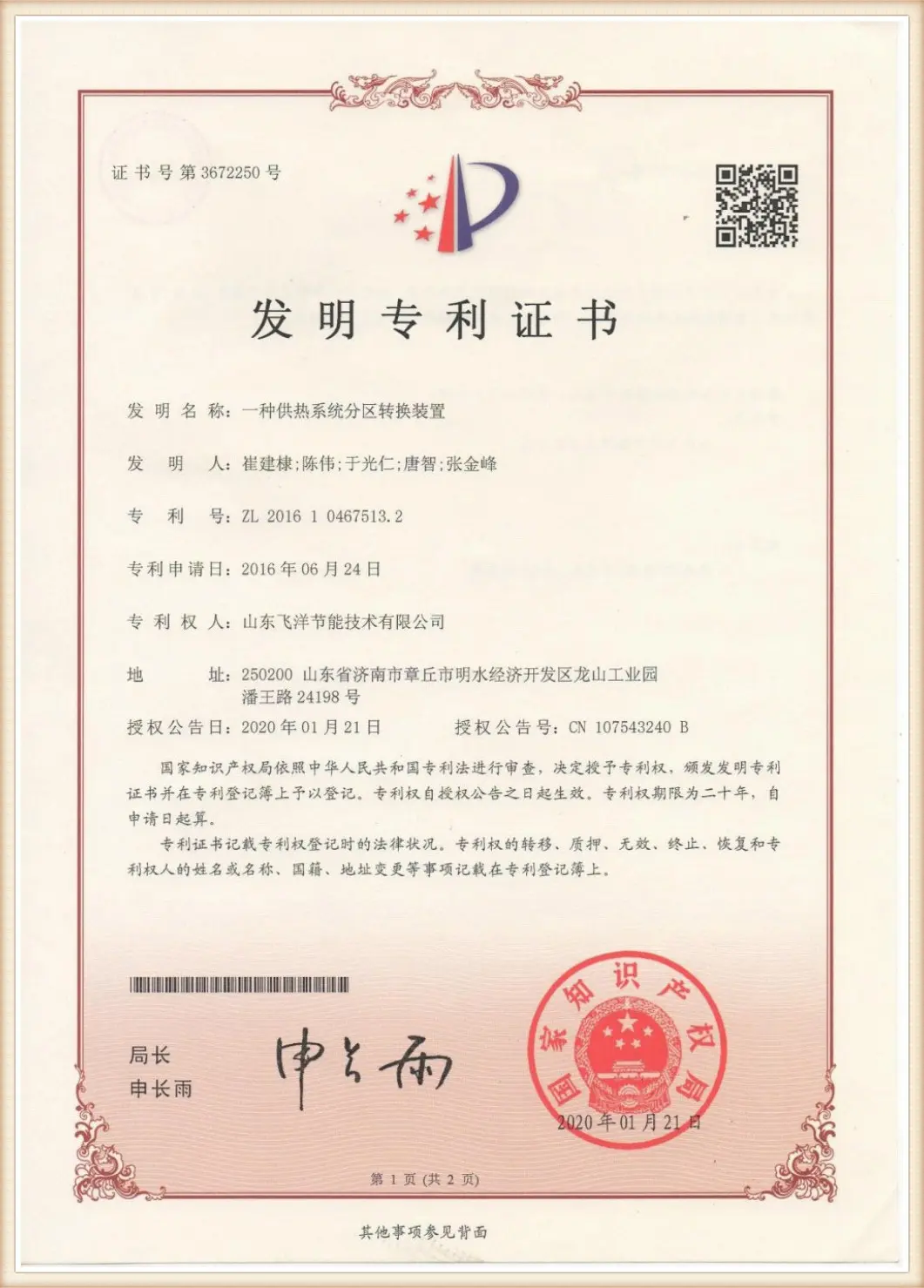
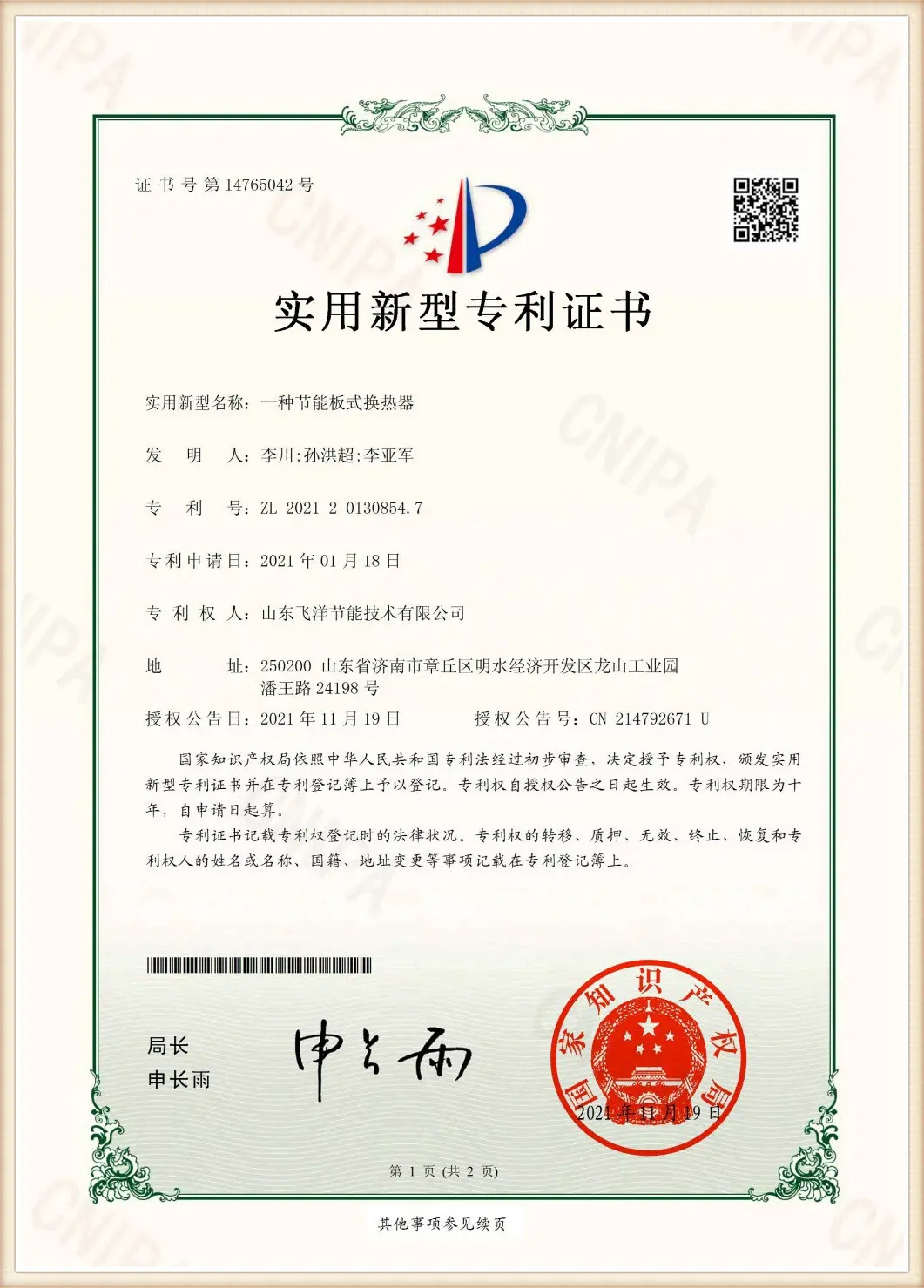
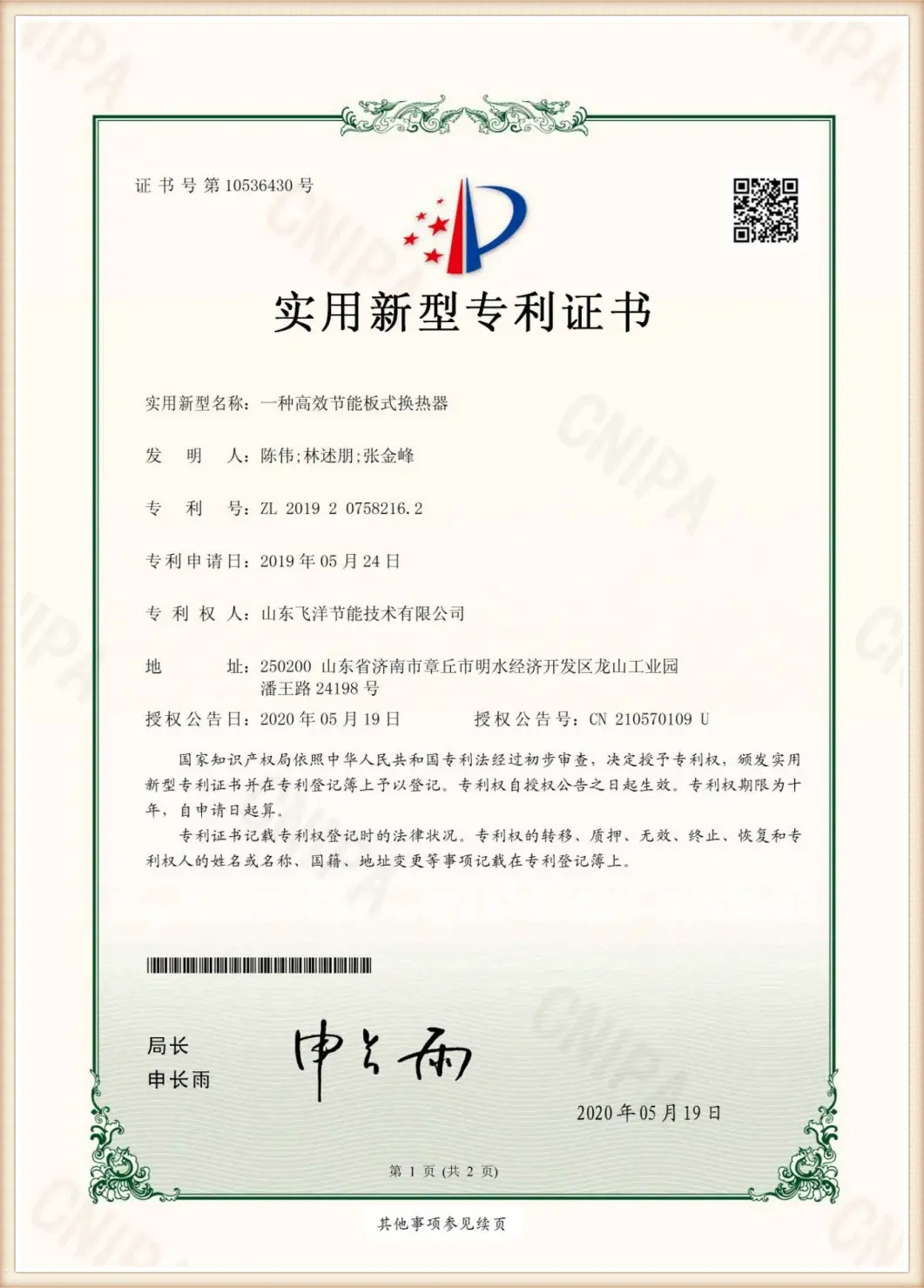
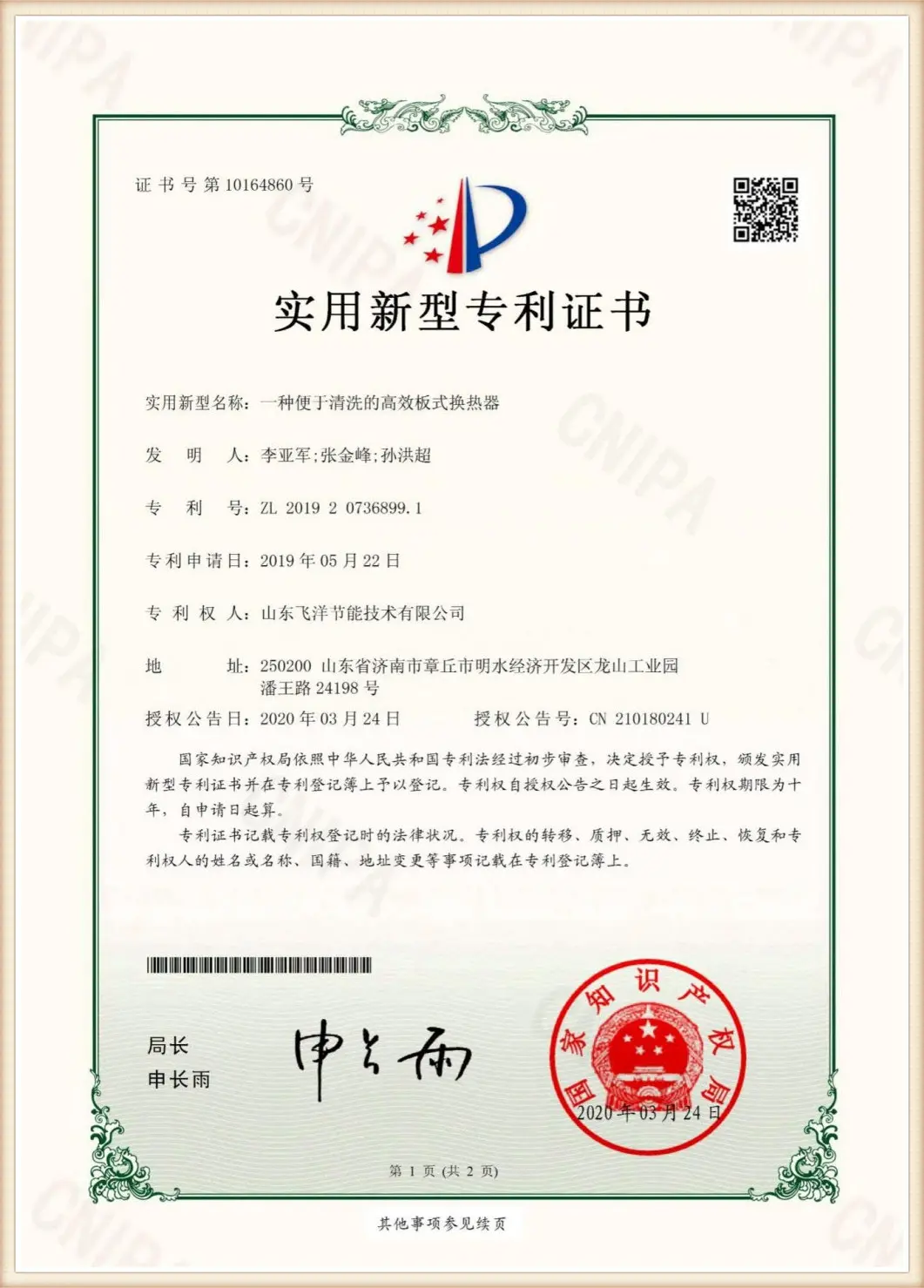
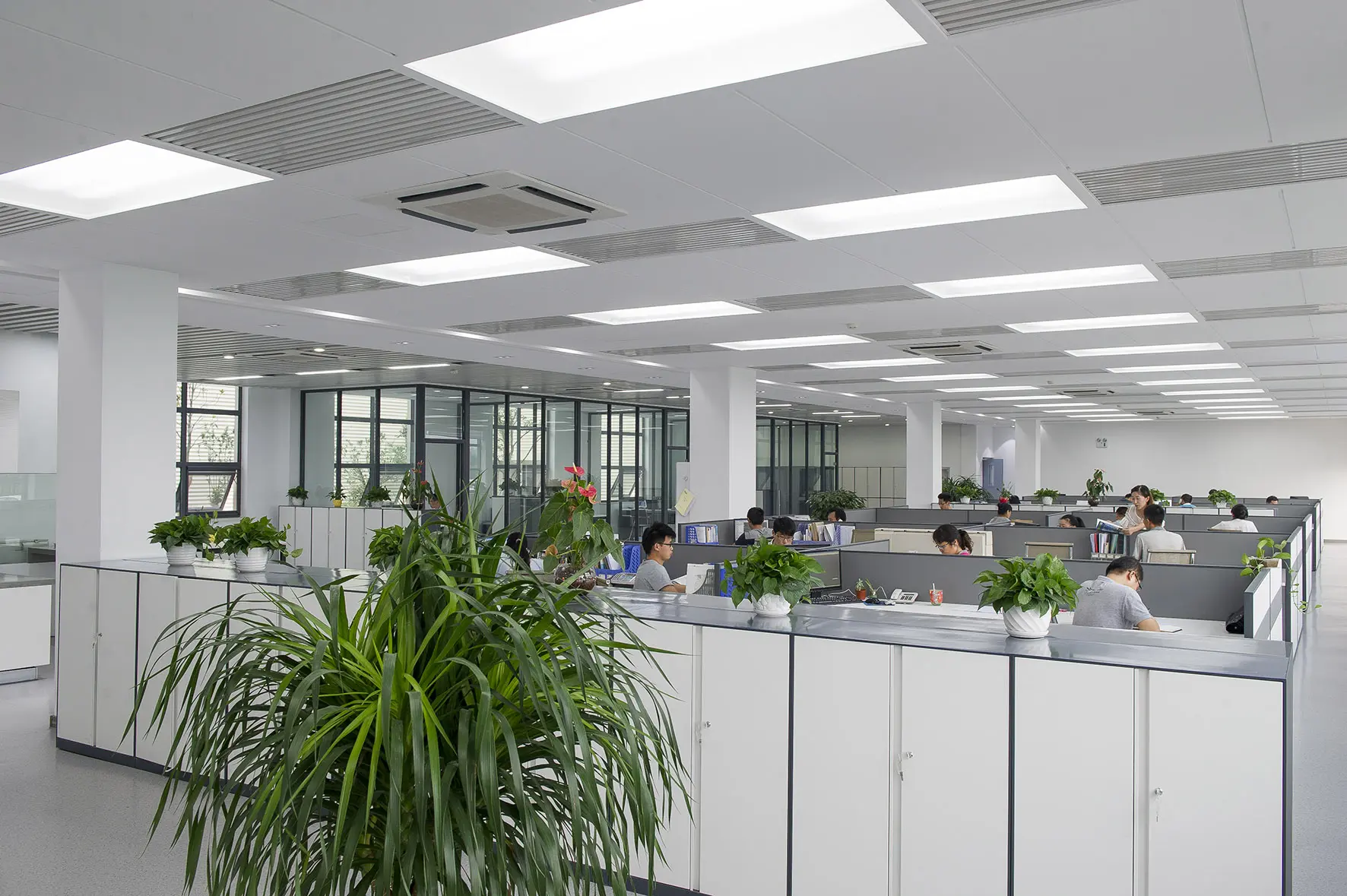
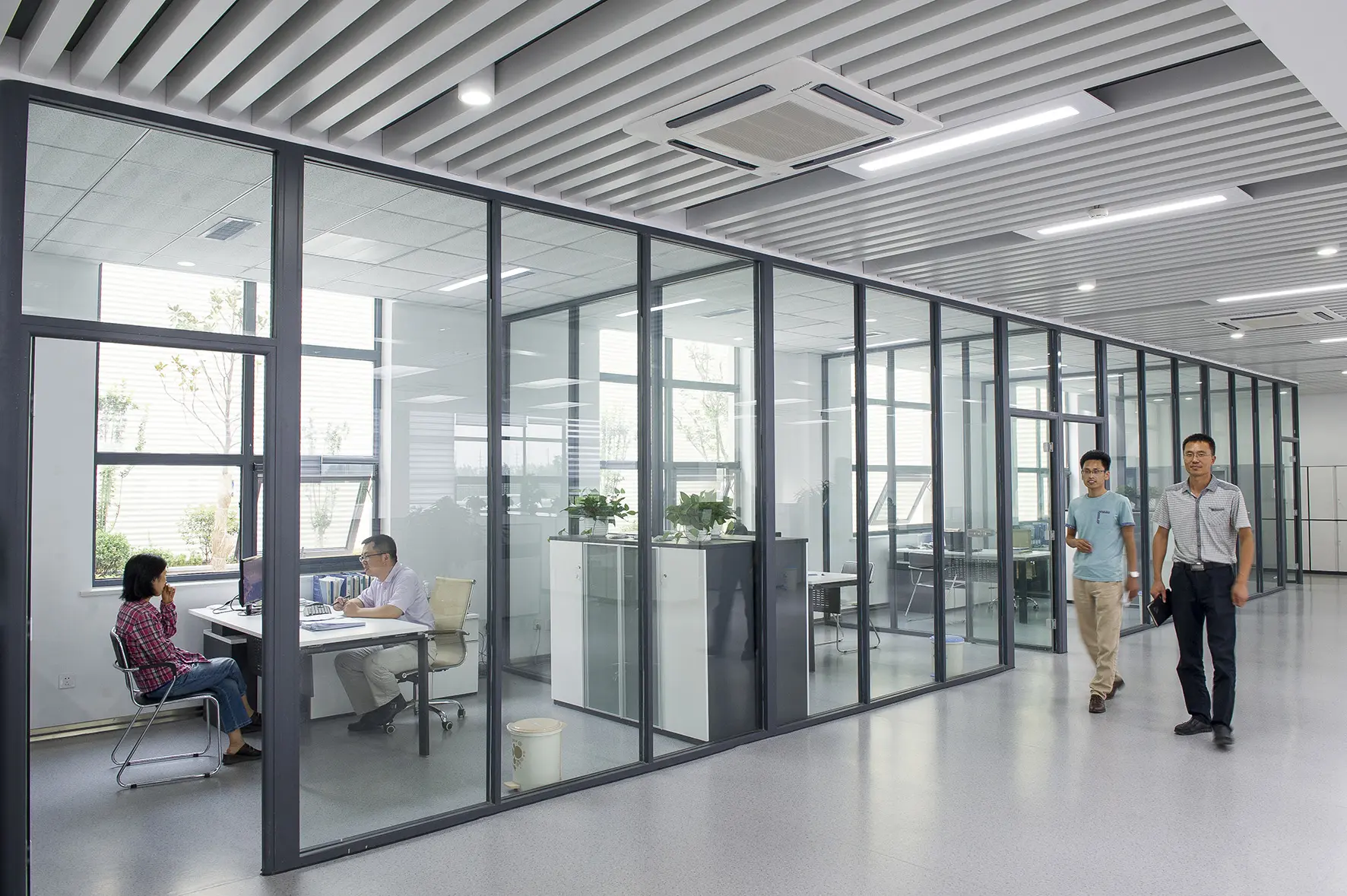
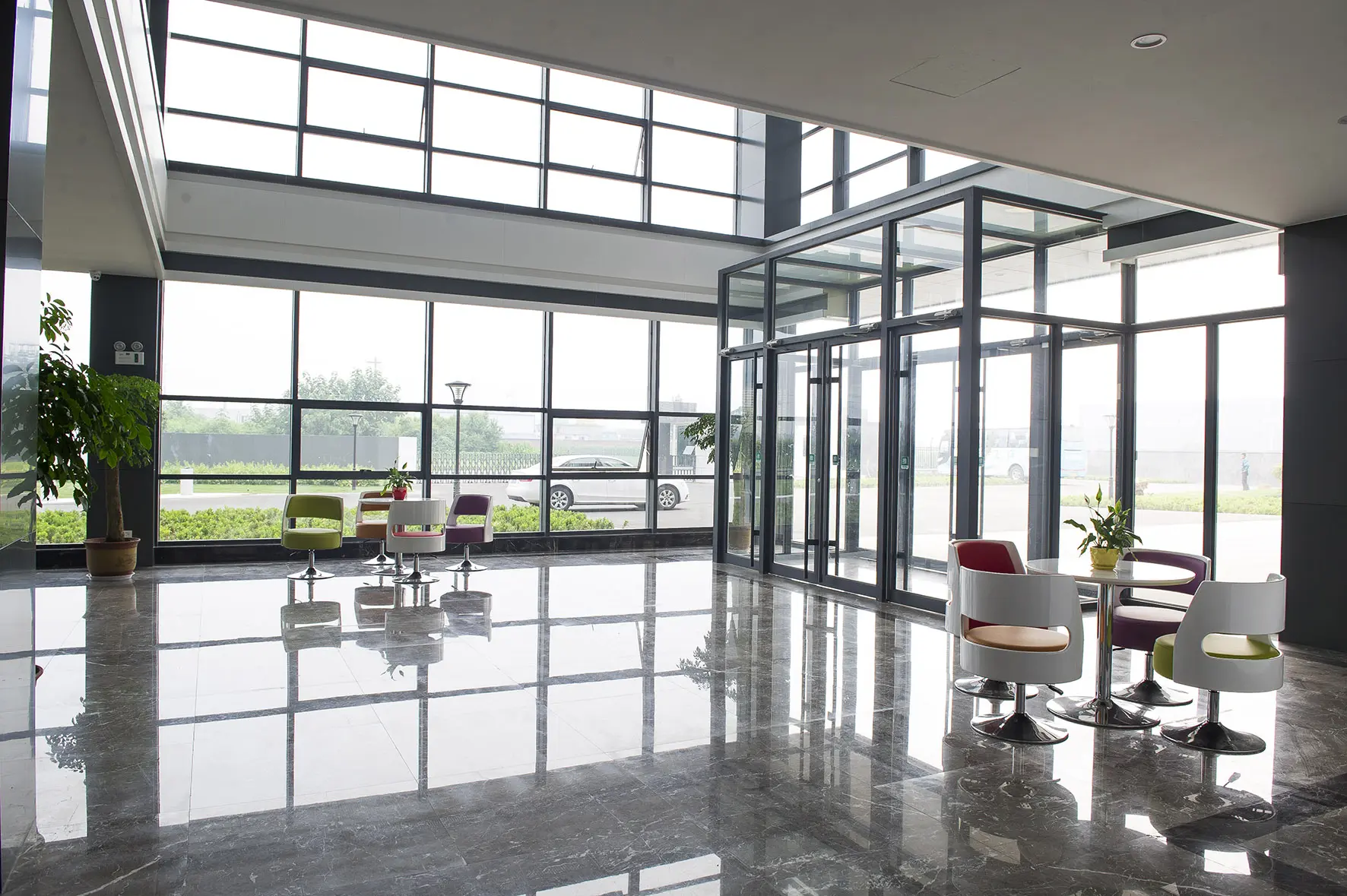
We welcome third-party inspectors representing our Indonesian partners to audit our operations. Below is a look inside our workshops.
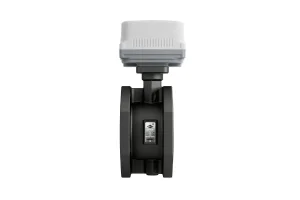
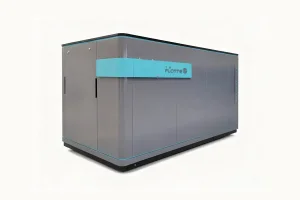
Examine our full lineup of removable heat exchangers, intelligent control valves, and concentration systems designed for high performance in tropical climates.
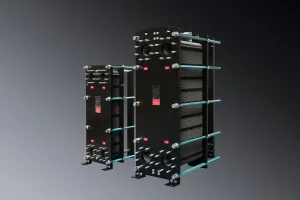
As cooling loops face stricter carbon emission controls, standard heat exchangers are undergoing significant modifications. In Indonesia, the implementation of Government Regulation (PP) No. 33 Year 2023 regarding Energy Conservation places strict energy audits on high-consuming buildings and manufacturing entities. This legal framework requires engineering designs to focus on recovery and high efficiency rather than raw, unmitigated cooling output.
To support this green energy transition, Flotte is actively deploying the following innovations:
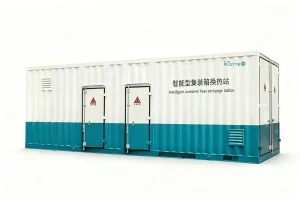
Equipping our heat exchange stations with intelligent valves, flow meters, and thermal sensors allows real-time telemetry. The system monitors pressure drops ($\Delta P$) and calculates instantaneous fouling factors. Local maintenance crews in Jakarta are alerted automatically before scale accumulation impacts thermal efficiency, preventing unplanned operational shutdowns.
We are continuously refining plate geometry using computational fluid dynamics (CFD) modeling. By configuring plates with varied chevron patterns (high-theta for maximum heat transfer, and low-theta for minimal pressure drops), we design customized thermal matrices that match local pump specifications without overloading utility lines.
For applications where fluid cross-contamination is catastrophic (e.g. food pasteurization or oil cooling loops in chemical processing), we utilize double-wall plate configurations. In the event of a internal fissure, fluid leaks out through the peripheral channel rather than entering the alternative process fluid.
We provide technical responses to common questions regarding selection, maintenance, and logistics for engineers and operators in Jakarta.
 Flotte Energy